
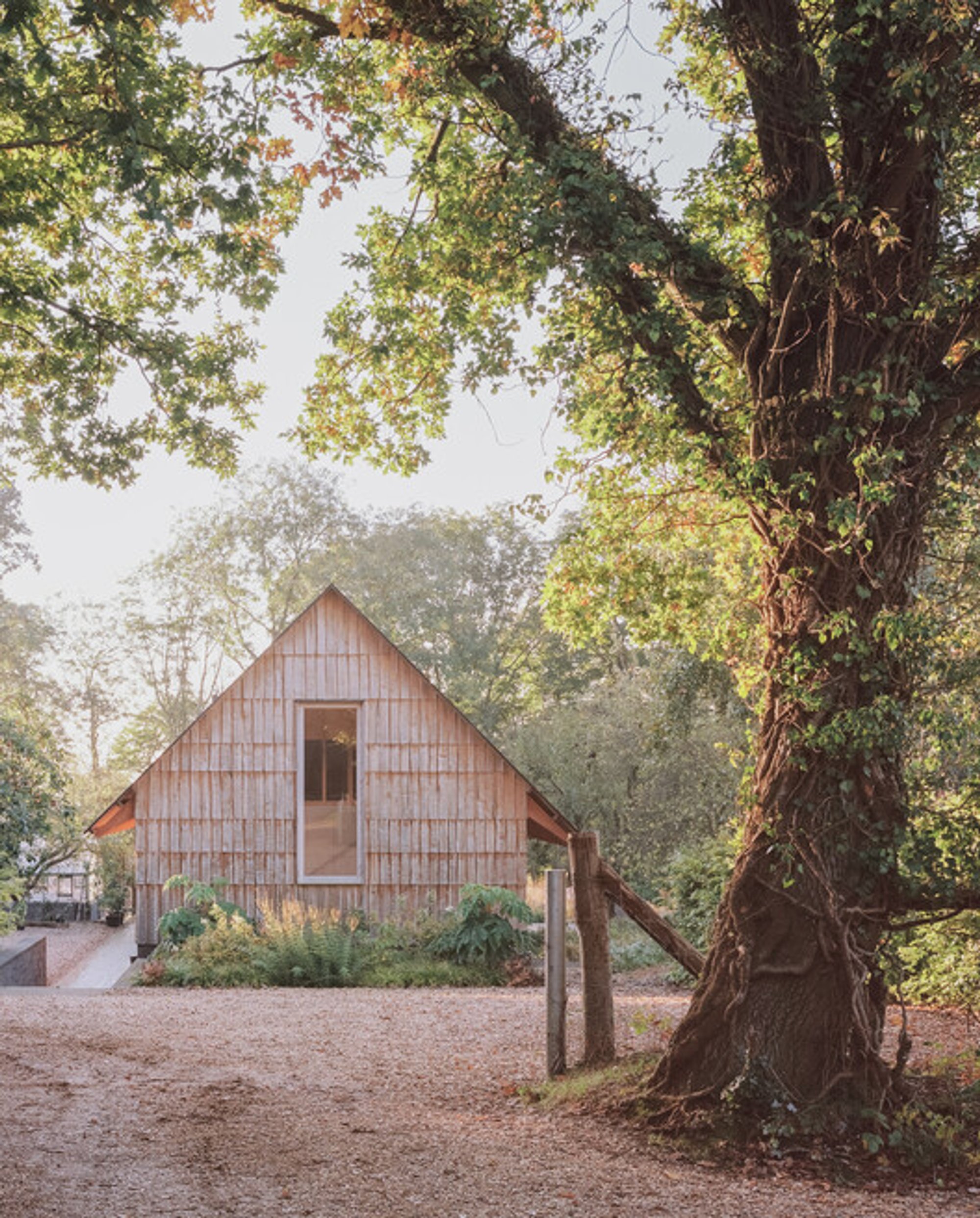
The Apple House by Okra Studio
A nature-embedded education and wellbeing hub using clay, timber, and community-driven design to support learning, ecology, and mental health.

Architecture for Wellbeing, Learning, and Landscape
Set within a richly layered plant library in Hertfordshire, The Apple House is a small yet profoundly ambitious building that redefines how architecture can support wellbeing, education, and environmental stewardship. Designed by Okra Studio and completed in 2024, the project functions as an education and community hub embedded within a landscape conceived by Tom Stuart Smith Studio. Rather than standing apart from its surroundings, the building operates as an extension of the landscape itself—an inhabitable garden room where learning, care, and cultivation converge.
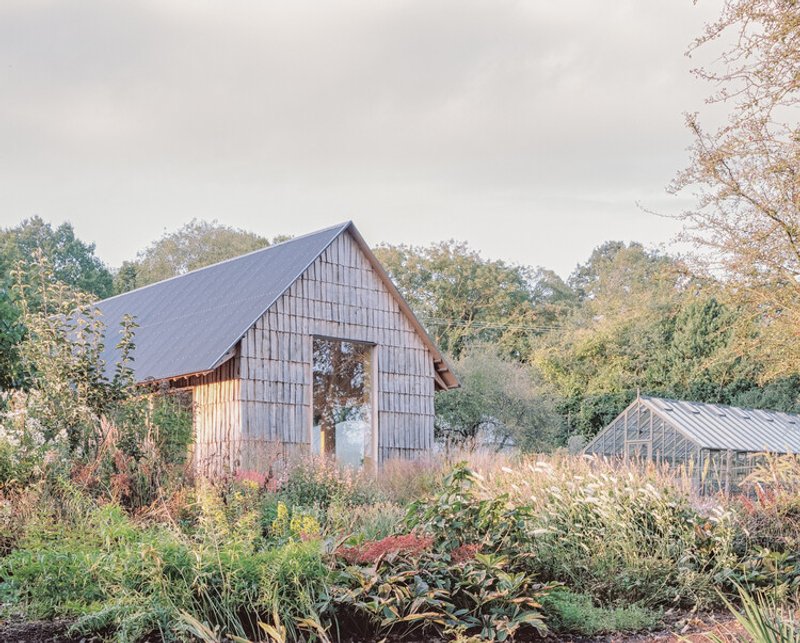
At just 150 square meters, The Apple House demonstrates that scale is no limitation when architecture is driven by purpose, material intelligence, and social responsibility. The building supports year-round educational and wellbeing programs focused on horticulture, ecology, and community engagement, welcoming local schools, youth groups, mental health charities, residents, and designers. It also provides a permanent base for Sunnyside Rural Trust, a local charity offering horticultural training and employment opportunities for adults with autism. In this sense, The Apple House is not merely a pavilion or teaching space, but a civic and therapeutic instrument rooted in place.
The site’s location within the UK’s Metropolitan Green Belt posed significant planning constraints, requiring the project to demonstrate “Very Special Circumstances” to gain approval. This challenge became a defining force in shaping both the design process and the building’s identity. Extensive collaboration with the local community was essential in establishing the social, educational, and ecological value of the project. By aligning architectural ambition with genuine community need, Okra Studio positioned the Apple House as an indispensable piece of local infrastructure rather than an architectural indulgence.
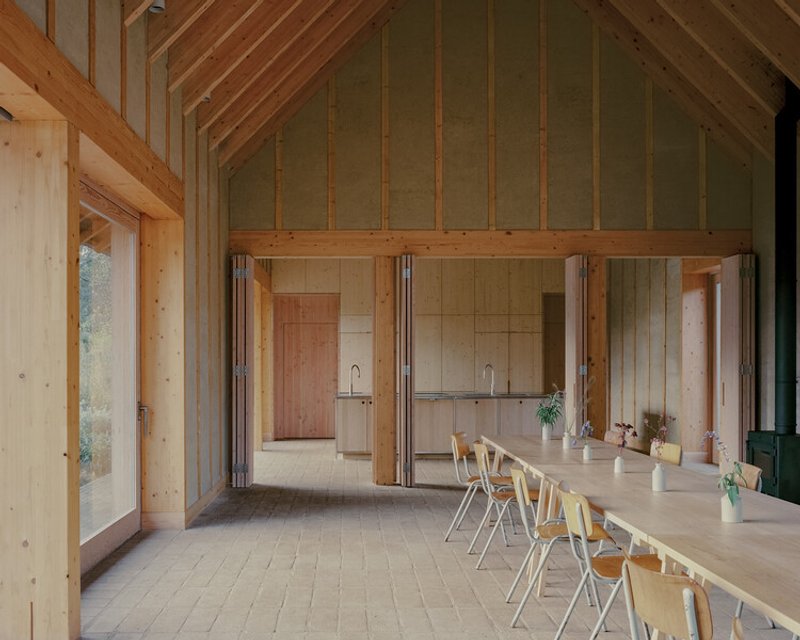
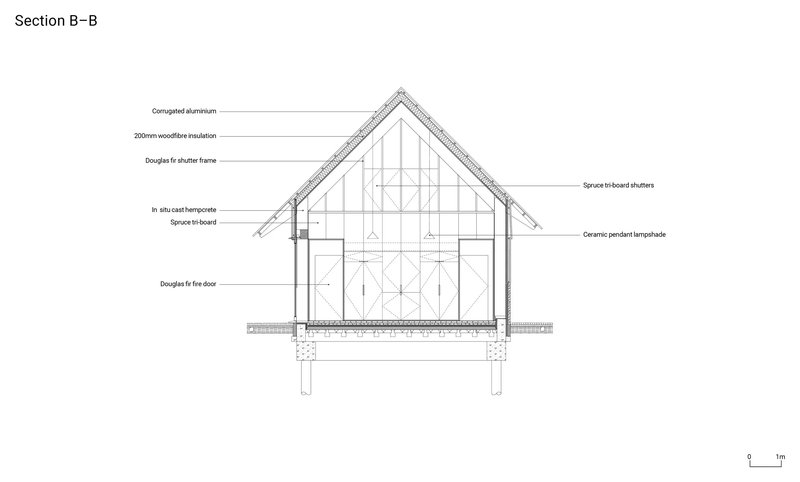
Formally, the building is calm, modest, and quietly expressive. Its structure is based on an innovative prefabricated spruce glulam portal frame, engineered by Structure Workshop, which creates a generous, column-free interior volume. This structural clarity allows the internal spaces to remain flexible and multifunctional, adapting easily to workshops, communal meals, educational events, and moments of retreat. The glulam frame also establishes a rhythmic architectural language that is both contemporary and rooted in vernacular traditions of timber construction.
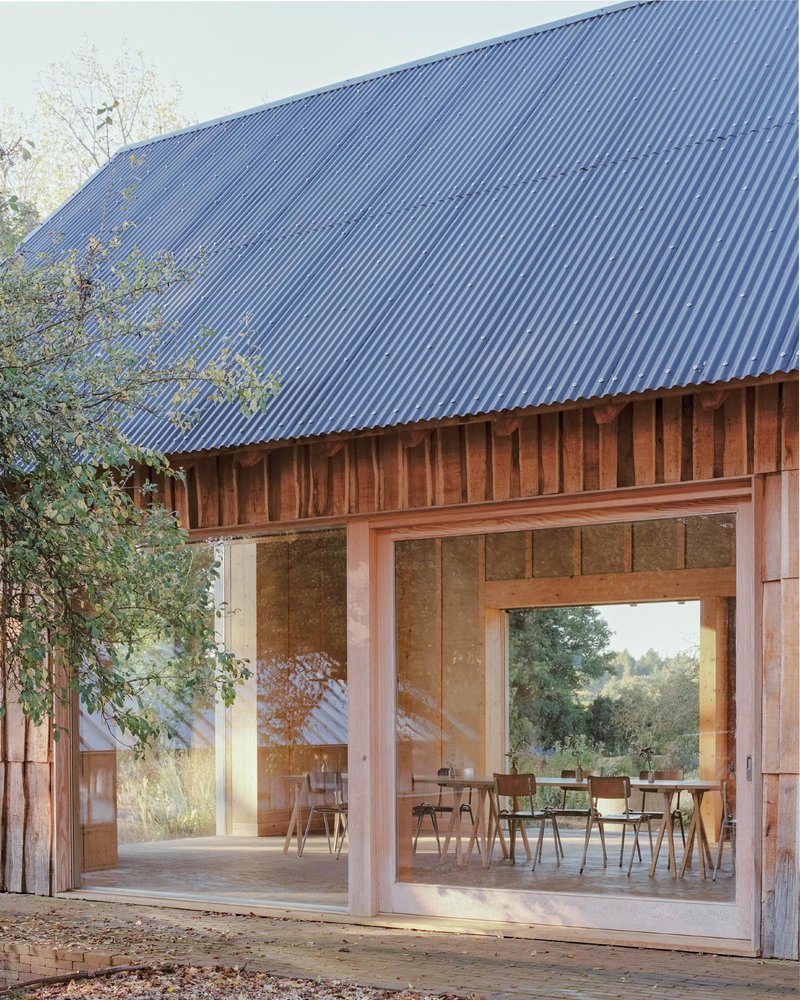
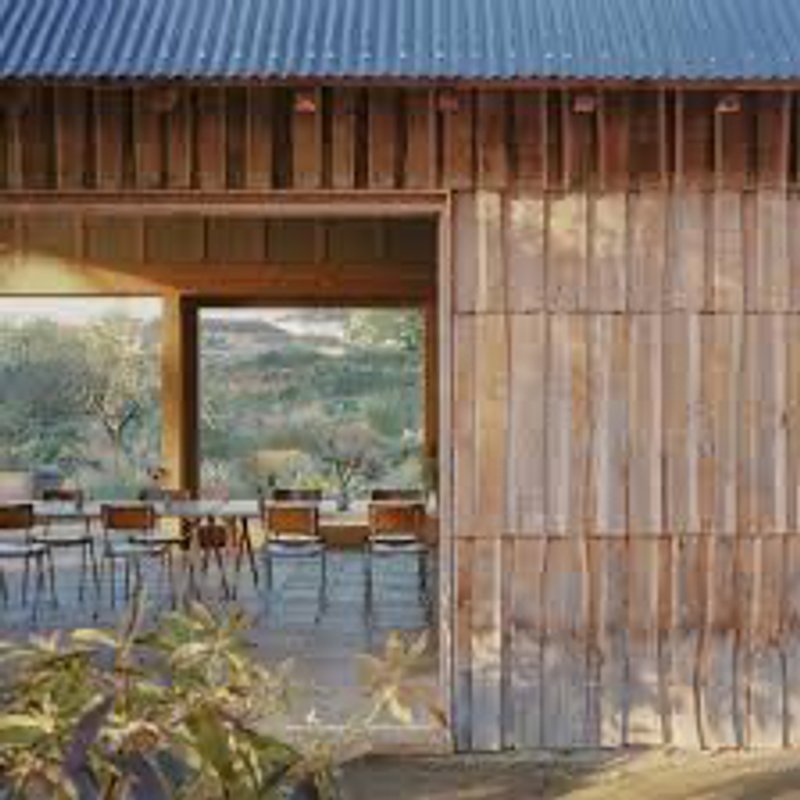
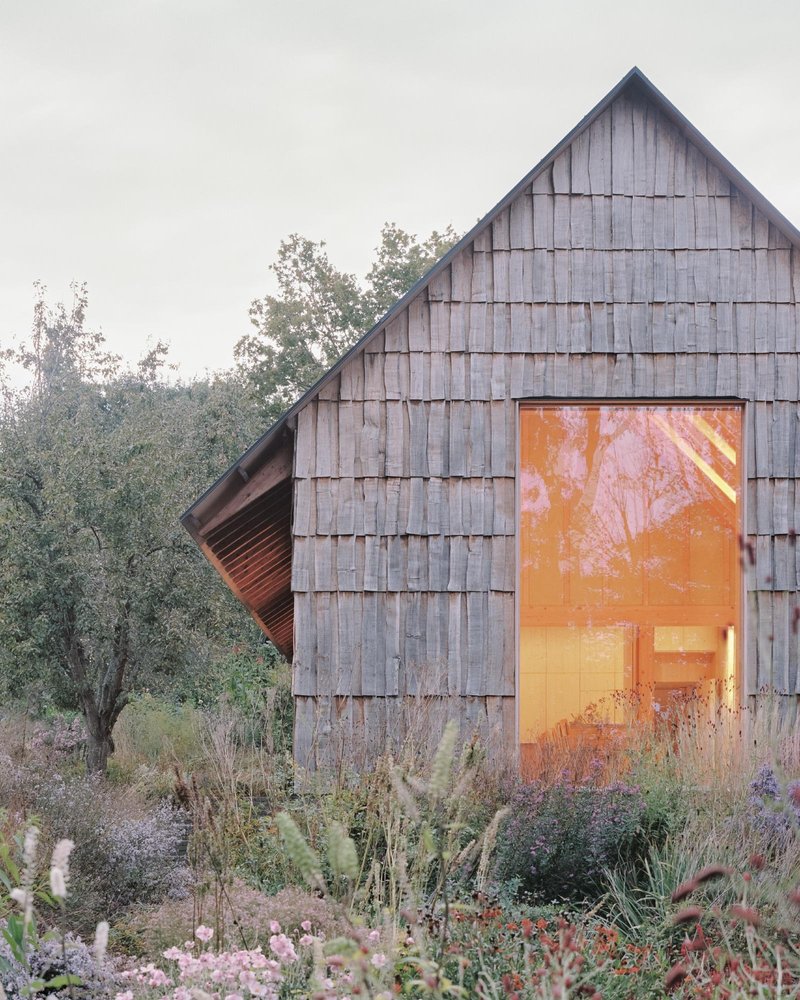
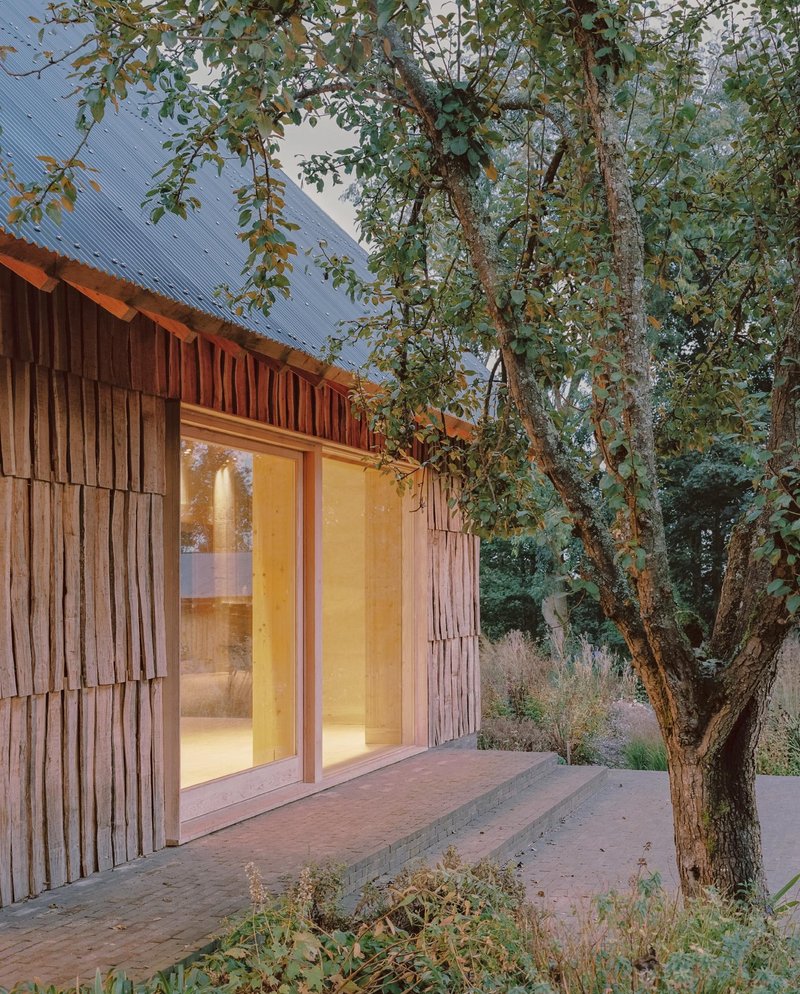
Large openings puncture the envelope on multiple axes, dissolving boundaries between inside and outside. To the south, views are drawn into a woodland edge; to the east, a productive vegetable garden becomes a visual and physical extension of the interior; to the west, the expansive plant library unfolds as a living classroom. These carefully oriented openings ensure that the building is never inward-looking. Instead, it remains in constant dialogue with the surrounding landscape, reinforcing the idea that learning and wellbeing are inseparable from ecological awareness.
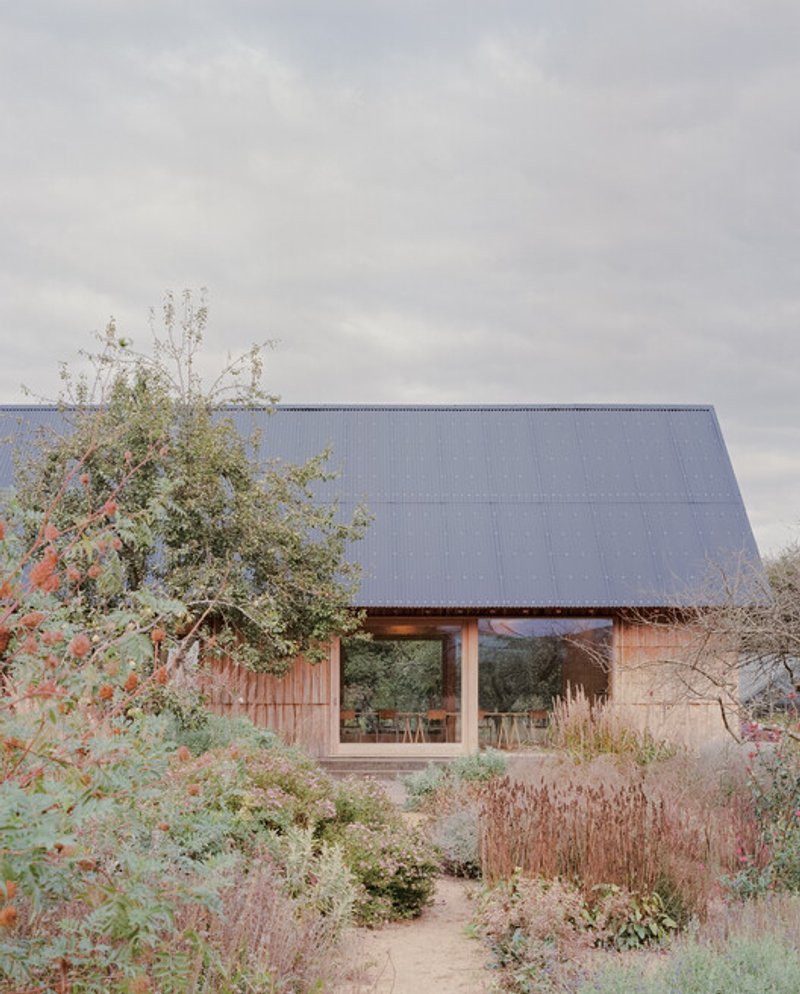
Material strategy lies at the heart of The Apple House’s architectural philosophy. Okra Studio adopted a radical and uncompromising approach to sustainability, prioritizing natural, low-carbon, and locally sourced materials throughout. The aim was not simply to reduce environmental impact, but to create a sensory environment that actively supports calm, comfort, and mental wellbeing.
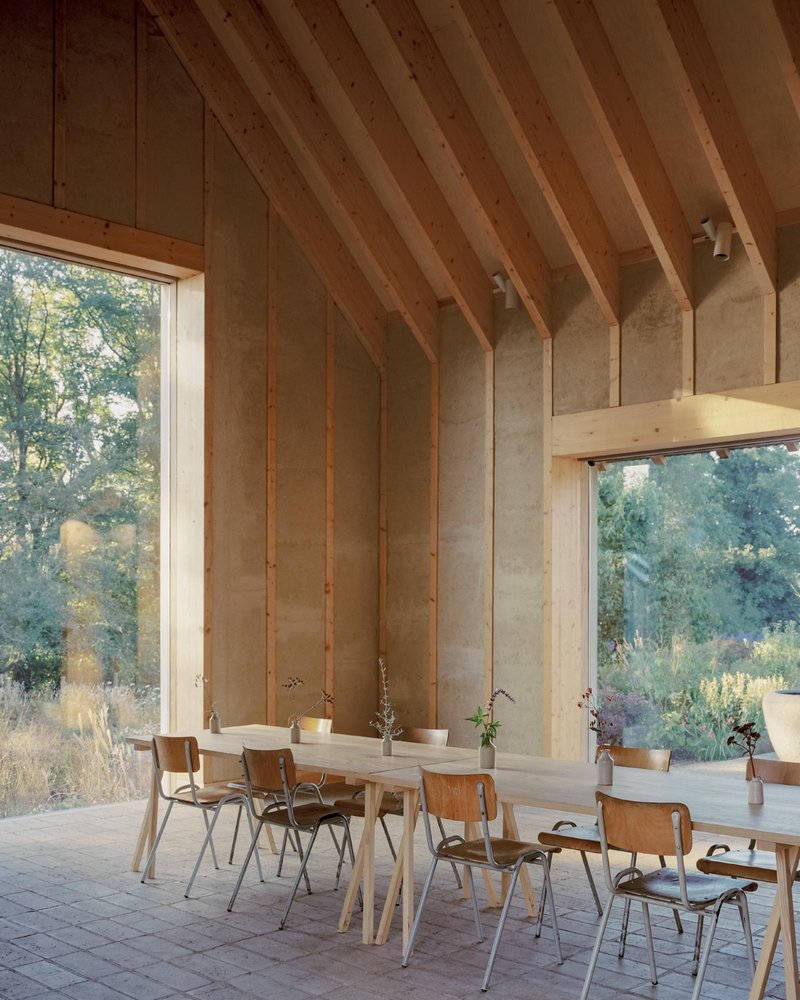
Internally, handcrafted floors made from unfired local clay immediately ground the space in its geological context. Developed in collaboration with natural materials expert Will Stanwix, these floors are constructed using “strock” clay bricks traditionally produced by local brickmaker HG Matthews. Rather than firing the bricks, Okra cut them in half and sealed them with a bespoke pigmented linseed oil. This low-energy process preserved the clay’s natural warmth and color, resulting in a surface that is tactile, breathable, and visually soothing.
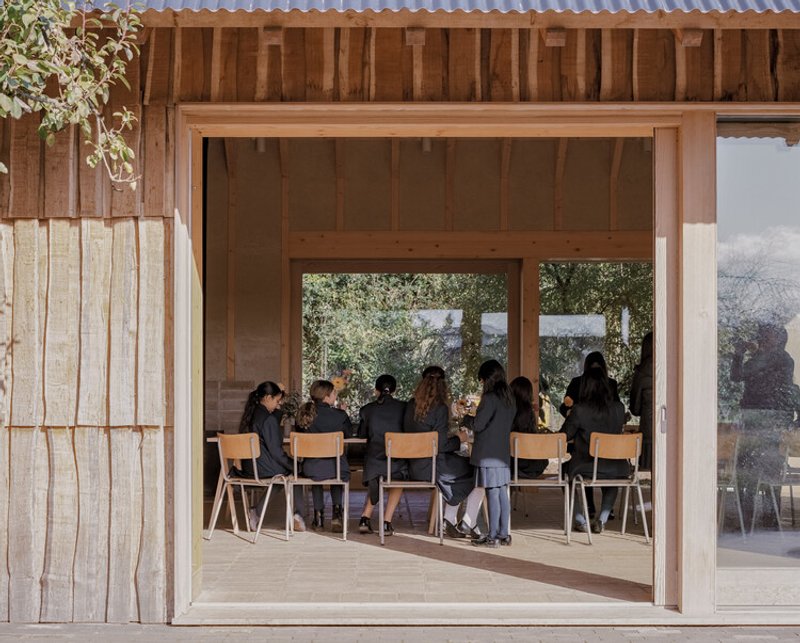
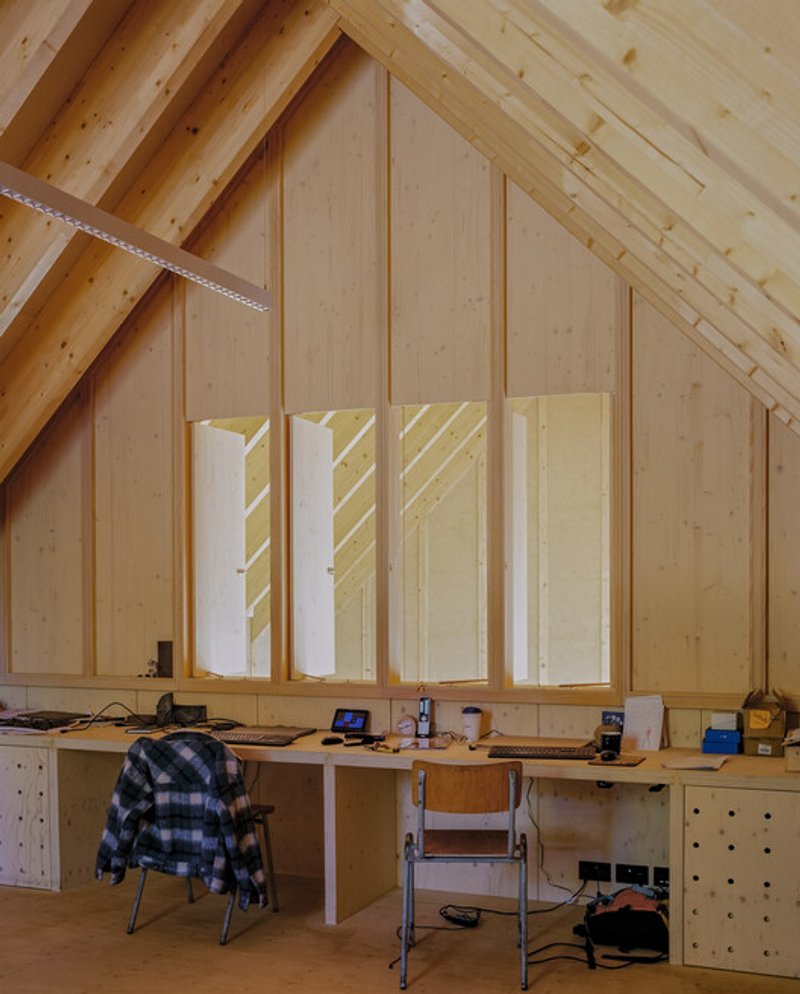
Walls are finished in lime plaster and hempcrete, materials chosen for their hygroscopic properties and ability to regulate internal humidity. These breathable surfaces contribute to a stable indoor microclimate, reducing reliance on mechanical systems while enhancing occupant comfort. The subtle irregularities of hand-applied finishes further soften the interior, avoiding the sterility often associated with institutional or educational spaces.
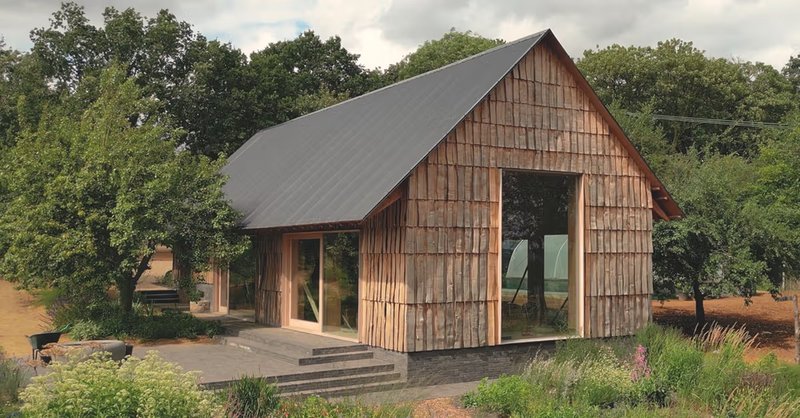
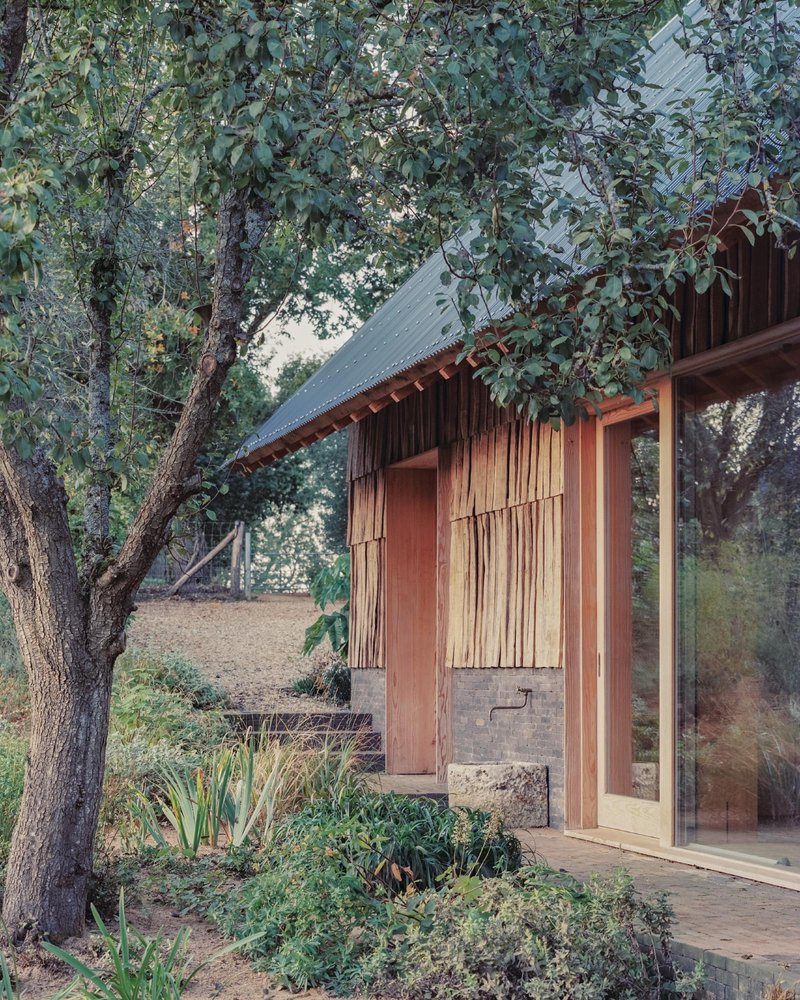
Externally, the building is clad in cleft oak sourced from overcrowded trees within a 500-meter radius of the site. These oaks were felled as part of a wider landscape management strategy and processed entirely by hand, from chainsaw cutting to final installation. The resulting cladding is intentionally irregular, its waviness and variation creating a lively façade that responds beautifully to changing light and weather. Beyond its aesthetic qualities, the textured oak surface has already begun to function as a habitat, supporting wildlife including the barbastelle bat—one of the UK’s rarest and most endangered bat species.
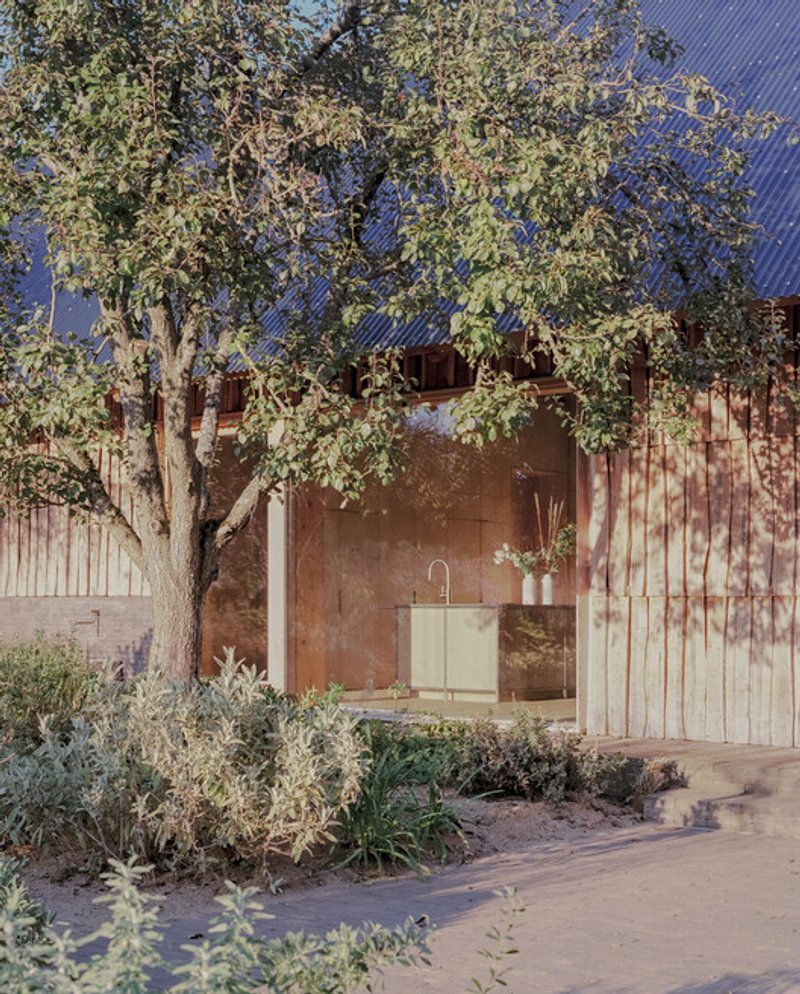
This deep integration of architecture, ecology, and craft reflects Okra Studio’s belief that sustainability must be experiential as well as technical. The Apple House does not announce its environmental credentials through overt technological displays. Instead, it embeds sustainability into every layer of its making—from the sourcing of materials and construction techniques to the building’s long-term ecological impact.
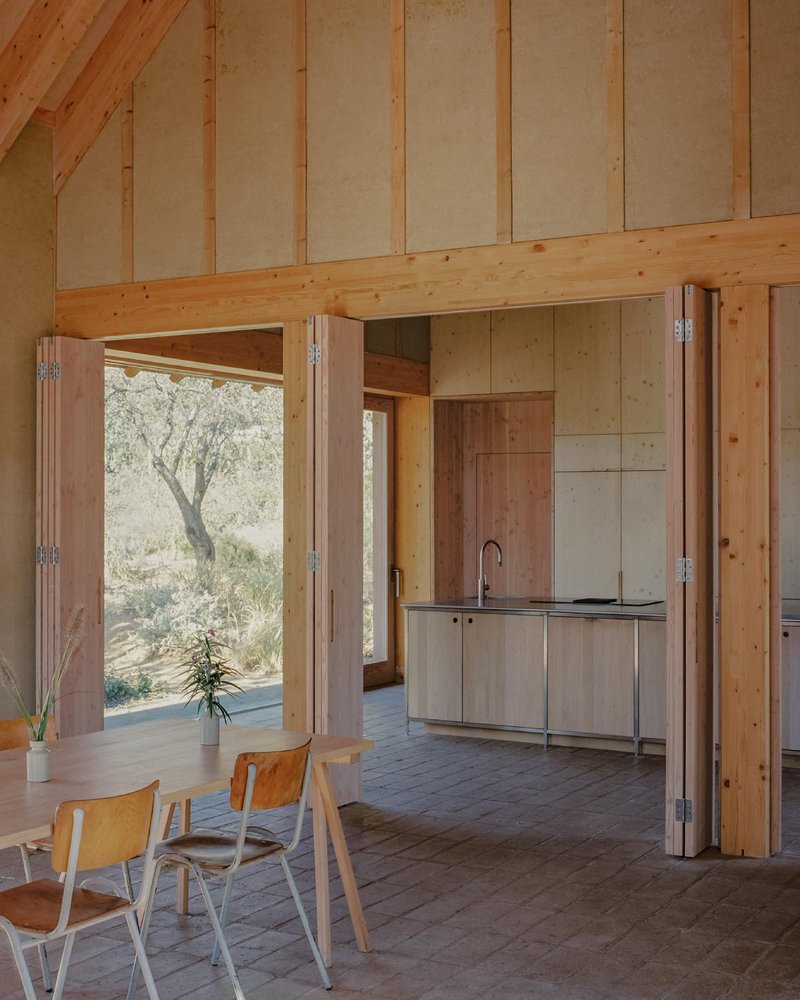
Spatially, the interior is organized as a single flowing volume capable of hosting diverse activities. A communal kitchen sits at the heart of the plan, reinforcing the social role of shared food preparation and informal gathering. This domestic scale and familiarity are deliberate, helping to reduce anxiety for users who may be sensitive to unfamiliar or institutional environments. Timber beams, visible structure, and warm surfaces further contribute to a sense of safety and belonging.
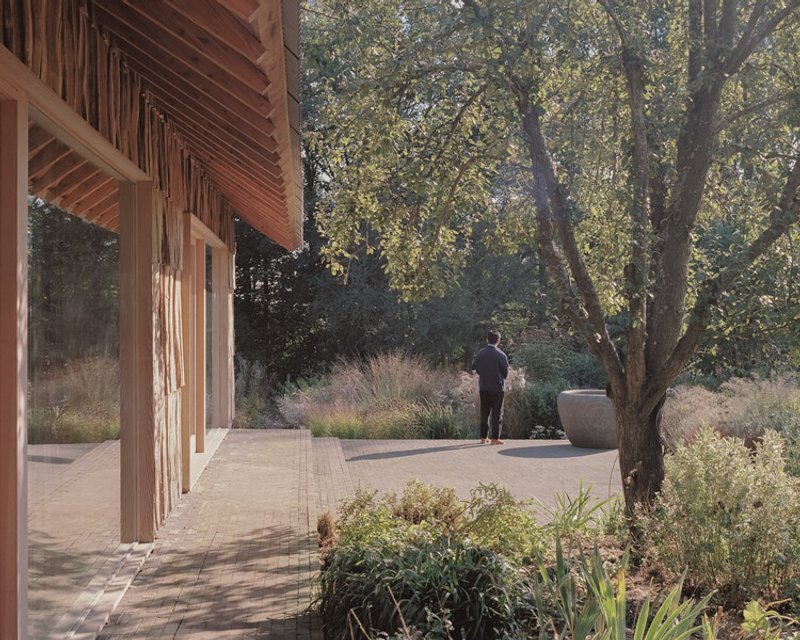
Acoustics, light, and texture are carefully balanced to support mental wellbeing. Daylight enters from multiple directions, animating the interior throughout the day while maintaining visual connections to gardens and planting beyond. The absence of harsh finishes or artificial glare allows the building to function as a restorative space, particularly important for users engaged in mental health and neurodiverse support programs.
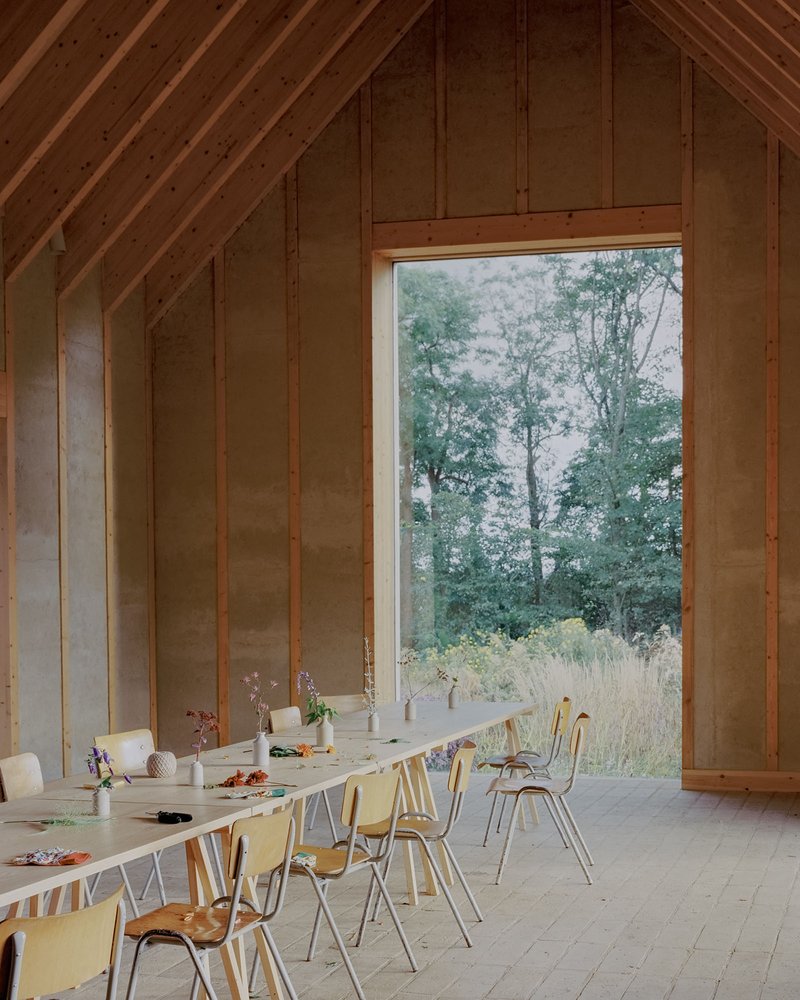
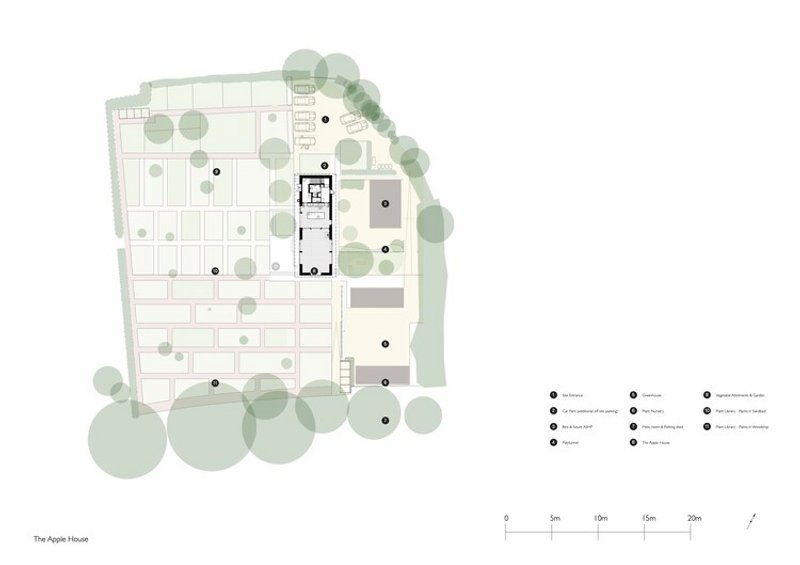
The Apple House ultimately stands as a model for how architecture can operate across multiple registers simultaneously: as a place of learning, a tool for wellbeing, a piece of landscape infrastructure, and an ecological intervention. It challenges conventional distinctions between healthcare, education, and community architecture, proposing instead a holistic approach where care, knowledge, and nature are deeply intertwined.
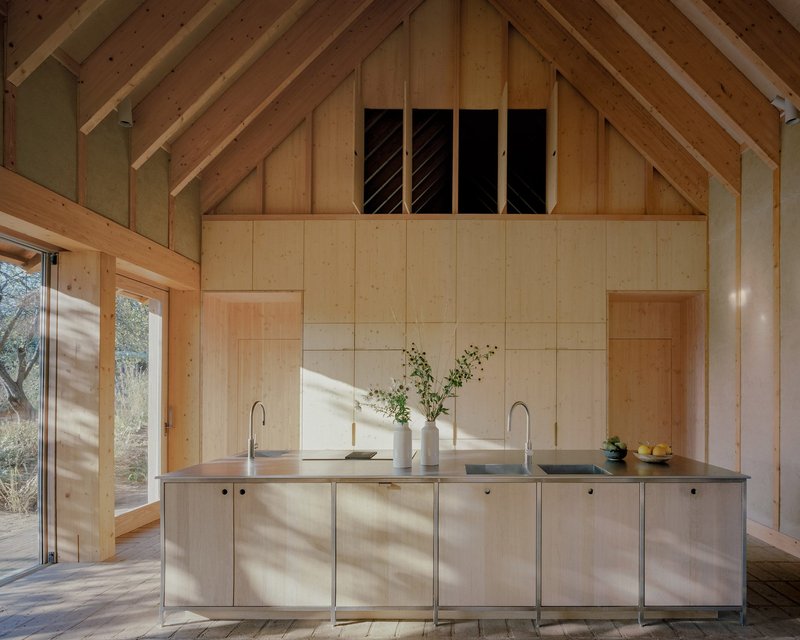
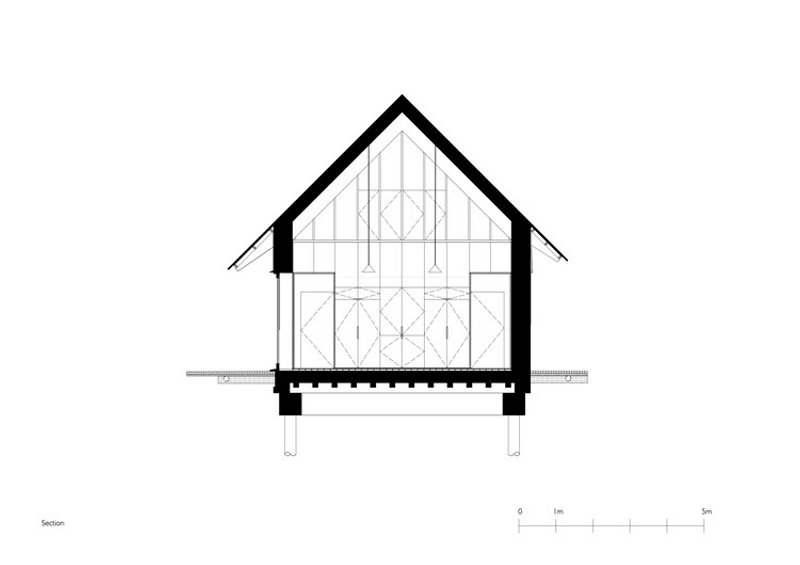
In a time when sustainability is often reduced to metrics and certifications, The Apple House offers a quieter but more profound proposition. It shows that architecture can nurture both people and ecosystems through humility, craftsmanship, and long-term thinking. Embedded within its orchard setting, the building does not dominate the landscape but participates in it—growing, weathering, and evolving alongside the plants and communities it serves.
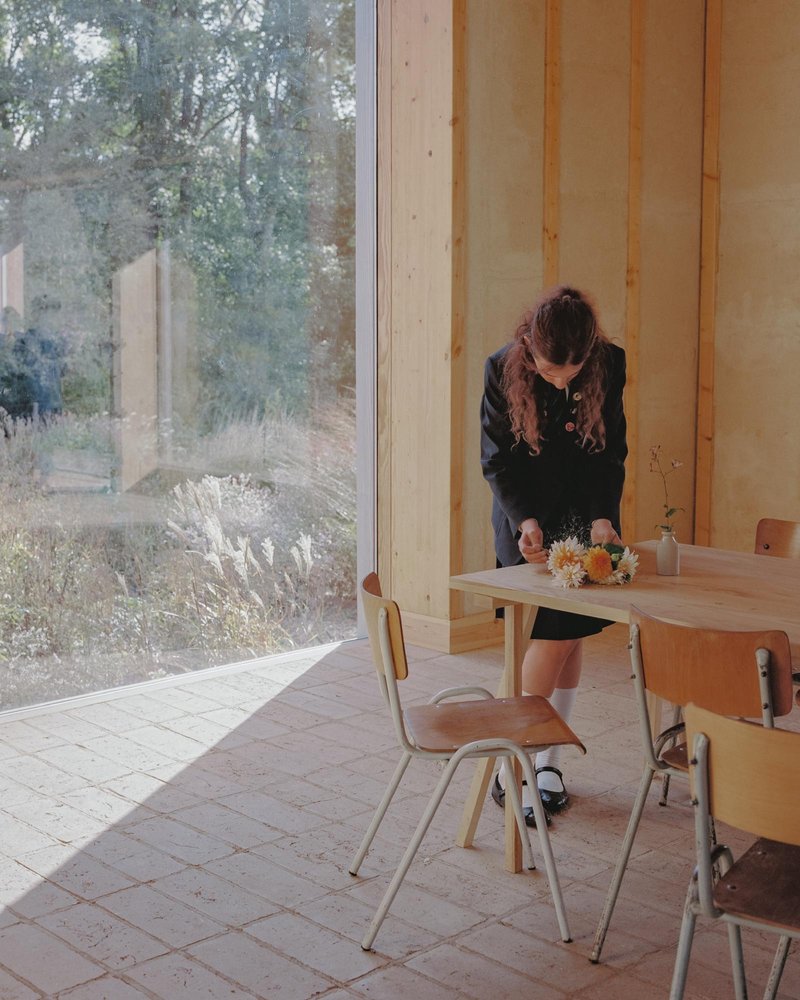
All the Photographs are works of Building Narratives



Popular Articles
Popular articles from the community

Atelier Macri Concept Store Interior Design by CASE-REAL
Atelier Macri store features a "ko" counter, walnut wood details, cork displays, blending retail, gallery, and seamless customer experiences.
Split House: A Compact Urban Home Blending Privacy, Light, and Flexible Living in Japan
Compact Japanese home featuring DOMA space, flexible café potential, passive lighting, privacy zoning, and sustainable urban living design.

Free Architecture Competitions You Can Enter Right Now
No entry fees, real prizes. Here are the best free architecture competitions open for submissions in 2026.
Gads Hill Early Learning Center by JGMA: Adaptive Reuse Shaping Community-Focused Educational Architecture
Adaptive reuse transforms fragmented structure into vibrant early learning center with playful façade, natural light, and community-focused sustainable design.


Similar Reads
You might also enjoy these articles


The Ken Roberts Memorial Delineation Competition (Krob)
As the most senior architectural drawing competition currently in operation anywhere in the world, it draws hundreds of entries each year, awarding the very best submissions in a series of medium-based categories.

Waterfront Redevelopment and Urban Revitalization in Mumbai: Forging a New Dawn for Darukhana
A transformative waterfront redevelopment project reimagining Darukhana’s shipbreaking heritage into an inclusive urban future.

OUT-OF-MAP: A Call for Postcards on Feminist Narratives of Public Space
Rhizoma Design and Research Lab invites artists, designers, architects, researchers, and students to reflect on how feminist perspectives can reshape public space. Selected works will be exhibited in Barcelona, October 2026. Submissions open until 15 April 2026.


Documentation Work on Buddhist Wooden Temple
Architectural syncretism and cultural hybridity: A comparative study of the Buddhist temples in Chattogram Hill tracks
Explore Architecture Competitions
Discover active competitions in this discipline




The International Standard for Design Portfolios


The Global Benchmark for Architecture Dissertation Awards


The Global Benchmark for Graduation Excellence

Challenge to design an Ayurvedic Treatment Center
Comments (0)
Please login or sign up to add comments
No comments yet. Be the first to comment!