
The Eternal Independence
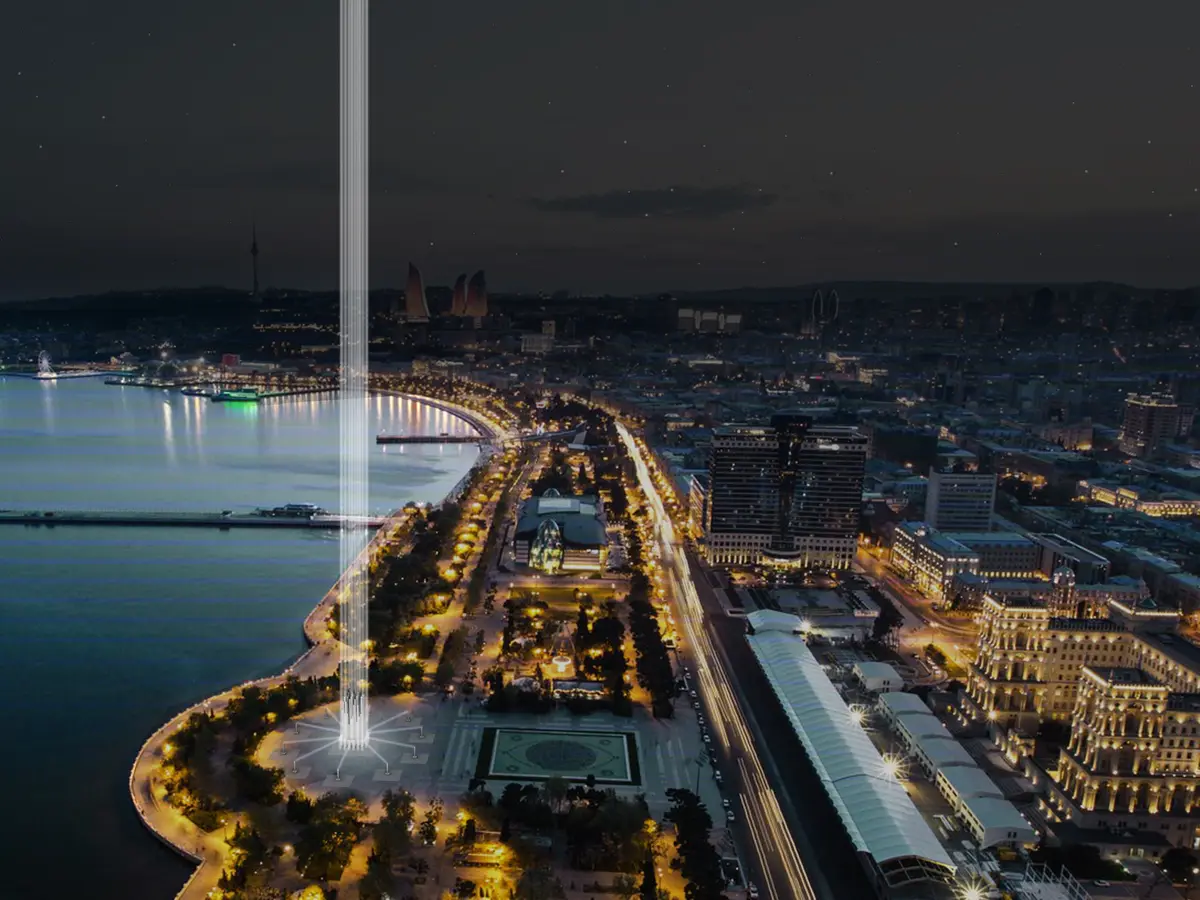
The Chosen Protest On 19th of January 1990, a peaceful protest turned into a massacre when approximately 150 people were killed by the Red Army of the Soviet Regime. The protest was against the oppression of the Soviet Regime and the ongoing crimes of its military troops, in several regions in Azerbaijan. Citizens assembled in the city center of the capital Baku, in front of the house of government. According to the soviet communist party, military law was necessary to prevent the protest from escalating to a revolution. However, brutal soviet actions instigated citizens and brought people together to demand independence more than ever. This event was the deciding factor in forming the Azerbaijani national identity and marked a turning point in restoring national independence. It was the January tragedy that turned a national liberation movement into a political reality and gave strong impetus to the Azerbaijani people`s strive for independence. The significance of the protest This incident has an immense historical significance as it led to the revolution of the people of Azerbaijan against Soviet oppression. Eventually other Soviet states followed and rebelled against the Soviet rule over their countries and that escalated to the collapse of the Soviet union. Abstraction of the idea of protest While analyzing a successful protest, we realized that the most significant element of it is the protesting crowd whose main contribution is to be present, to occupy the space and to draw the attention of the authorities towards their demands. With sufficient resilience and strength from the protestors, their voices will be heard and they will achieve their common goal of altering the status quo. This goal is the second most significant element of a protest, it is formed and realized by the desire to rise and the will to sacrifice for it if necessary. In our chosen protest this change is the independence of the nation from the oppressive regime. Our interpretation of the abstraction in design language and elements. Building on this analysis with a special focus on the public rebellion of Azerbaijan, we aimed to reinforce the collective memory by considering 2 states for the design: The first is what we call the “Passive State” in which the memorial site acts as a non-interactive embodiment of independence. This is the default state of the memorial site for the majority of the time. The second state is the “Active State” in which the site is interactive and through this interaction we aim to abstract a reminiscent public participation drawing attention to the events that took place on the protest day. We initiated the design with the concept of presence in mind. We chose the site that was occupied by the protesters, aiming to eternalize their presence and resistance against the oppressive regime. After multiple iterations we designed a simple raised platform as an abstraction of the rebels presence and we placed a column at the center of the platform with a directional light source at the top of the column to be used in the Active State of the memorial site. The column is made of concrete showing the strength of the protesters attitude and on the top it ends with a translucent glass that houses a directional light source. We positioned 10 platforms each of which represents 15 of the people who died on the protest day. Just as the people were there with a common central goal in mind, our positioning of the platforms takes the form of a radial organization around a central focal point. We chose to occupy this focal point with a monumental representation of the independence revolution where people summoned up their efforts and chose to rise and bear the consequences needed to realize this independence. After several iterations we decided to use the same column size designed for the platforms and distributed many of it in a square grid filling a larger platform similar to the presence platforms. Instead of making the columns start from the ground plane and extrude them up we wanted to show them going up and down as well, representing rising and sacrificing. Accordingly, we chose a plane at the same level as the light sources from the presence platforms as the starting level for both extrusion directions of the columns. Thus, the monument represents independence by including both acts required to realize it, to rise and to sacrifice. The extrusions were randomized to emphasize the diversity of the protestors coming from different groups of the nation and of all ages. The chosen concrete material enforces the monument’s visual impact and shows it to be representative of an unshakable will. For the Active State We positioned a light reflection system at the columns, extrusion plane to reflect light coming from each platform in both directions to the sky as representation of rising and to the ground as representation of sacrificing. We covered the reflection system with a glass of the same material as the platform’s light sources, representing the aggregation of the people’s will around the central goal of independence reinforcing it. On the memorial day the Active State is enabled and each platform is programmed to project light toward the monument if the minimum quota of 15 people are simultaneously standing on it adding the count of people from all platforms to 150. The light is reflected off of the monument by the reflection system and will be visible from around the city on the memorial day. This interactivity was our response to the realization that the importance of the site will position the design as an important gathering point annually on the memorial day, 20th of January. People will gather and show their presence and support for their independence. This will turn on the directional light that is meant to be a symbolic image of the nation’s eternal will to empower and reinforce their freedom. Additionally it simulates the collaboration that takes place on such an event and to highlight the sacrifice of the 150 martyrs who were killed while protesting for their independence. Conclusion As stated earlier, through this design we aim to eternalize the presence of the martyrizes. We want to exhibit their burning desire for freedom and independence and their firm belief in their rights. We envision the design to be a long lasting collective memory symbol, reminding people of the past and the value of their freedom in addition to providing them the opportunity to participate and salute this independence once a year in a symbolic abstract yet memorable and impactful interaction.

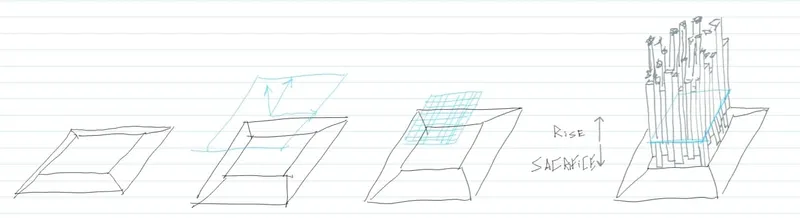 Step by step
 Passive state of the project
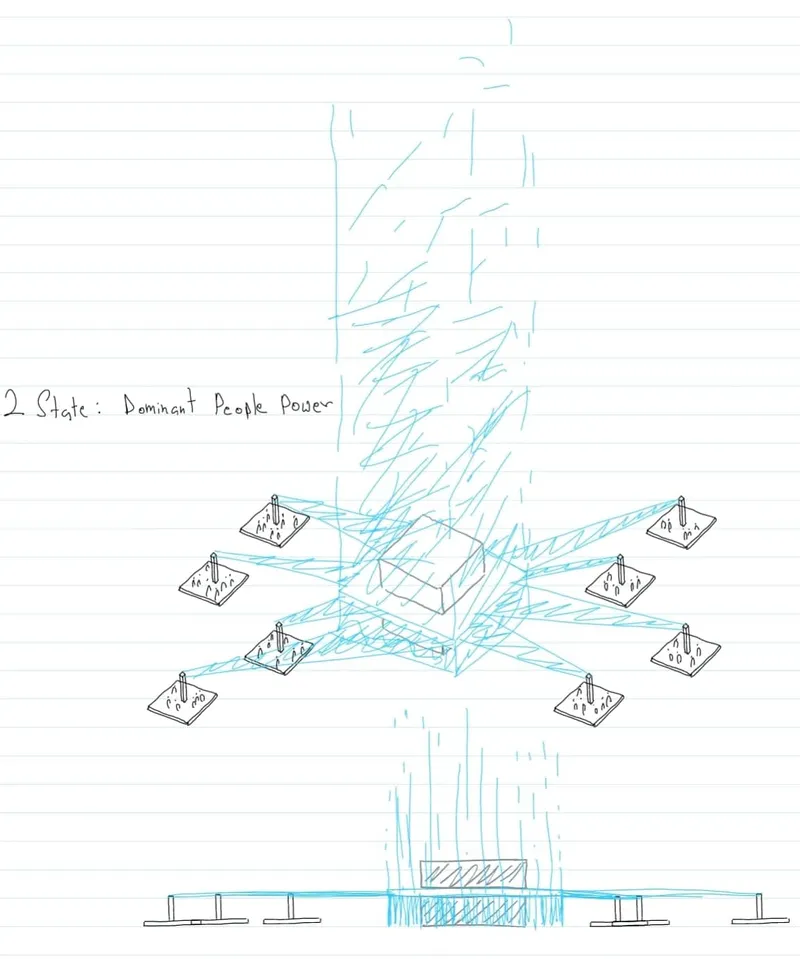 Active state of the project
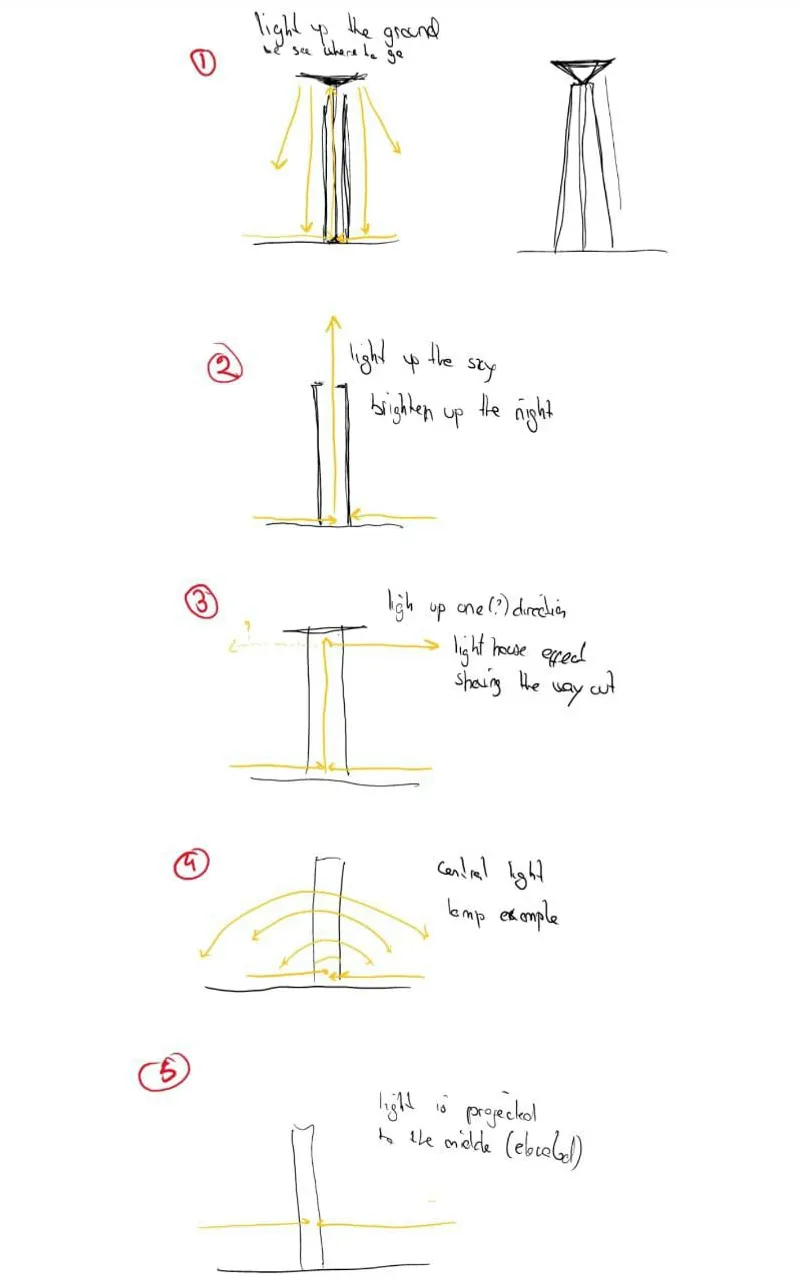 Light direction trails
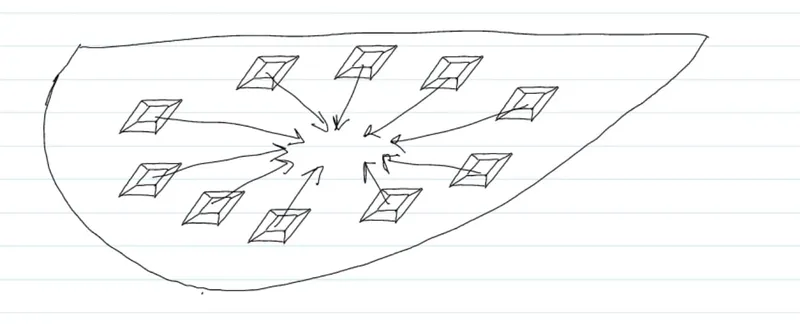 Organization of the platforms
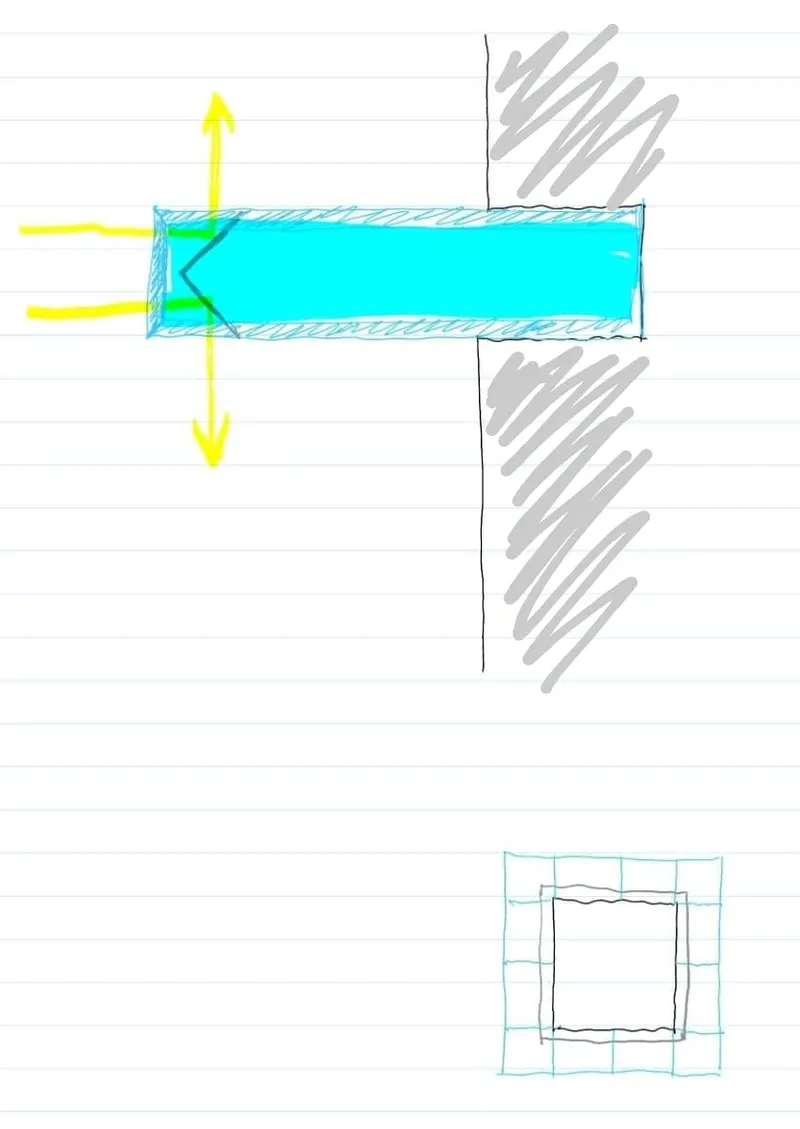 Light redirection system


Popular Articles
Popular articles from the community


The Amber Palace Opera: A Geological Fiction Surfaces on Tallinn's Baltic Waterfront
Pierre Brillard reimagines a Baltic legend as a public landscape, opera house, and waterfront promenade rooted in Tallinn's coastal identity.

Singing Woman: Contemporary Architecture Inspired by Estonia’s Voice and the Sea
Singing Woman turns Estonia’s song culture into flowing opera house architecture, blending public life, landscape, sea, and national memory.

Manzana Morphosis: Stretching Barcelona's Grid into a Living Landscape for 2050
A radical reworking of the Eixample manzana turns density into a tool for generous public space, vertical ecology, and environmental performance.

Opera by the Sea Estonia: Three Shells Dissolving Architecture into Tallinn's Coastline
A winning opera house proposal replaces monumental form with interconnected shells that blur the boundary between building, park and Baltic Sea.

Similar Reads
You might also enjoy these articles

Day and Night Park: A Time-Based Urban Newsstand in Beijing
A temporary urban newsstand in Beijing blending travel, light, and reading through poetic colors, compact form, and community-focused design.

Modernist Patio Renovation in El Masnou, Barcelona by Oliver Segura Arquitectura + Cebrià Arquitectura
Modernist patio renovation blending tradition and innovation with a movable pool, leveled floors, and Catalan materials in El Masnou.

Alto Residencial Coop: Cooperative Housing Development in Santiago de Compostela by Carbajo Barrios Arquitectos
A linear cooperative housing complex blending white volumes and perforated metal façades, enhancing community living, natural light, privacy, and urban integration.

Vil Genis School by BPA ARCHITECTURE – Massy, France
Vil Genis School in Massy, France, features sustainable design, south-facing classrooms, community integration, accessible spaces, and modern educational architecture.


Comments (0)
Please login or sign up to add comments
No comments yet. Be the first to comment!