

Landscape Design
Landscape architecture and design
Landscape design is the creation of outdoor spaces, landmarks, and structures with the intent of achieving environmental, social-behavioural, or aesthetic goals. It entails the systematic design and general engineering of various structures and environments for construction and human use. The environment contributes significantly to our quality of life. The word "landscape" not only means a fascinating landscape but also represents a rich historical record of natural features shaped by human activity over the centuries. It forms the framework of our daily lives and is reflected in our literature, music and paintings.
In the broader aspects, landscape architecture investigates existing social, ecological, and soil conditions and processes in the landscape, as well as the design of other interventions that will achieve the desired results.

Landscape design is now a separate profession and a design and art tradition that combines nature and culture and is practised by landscape designers. In today's practice, landscape design serves as a link between landscape architecture and garden design. It encompasses elements of art, environment, architecture, engineering, and sociology in the study and practice of designing environments (outdoors and indoors) of varied scales.
The field of landscape design is very broad, but some examples of project types include:
• General design park and public infrastructure.
• Rainwater management, including rain gardens, green roofs, groundwater recharge, green infrastructure and built-in wetlands.
• Parks, botanical gardens, arboretums, greenways and nature reserves
• Recreational facilities, such as playgrounds, golf courses, amusement parks, and sports facilities
• Landscape design for public buildings, educational buildings, housing, industrial buildings, commercial development and residential planning
• Landscapes and highlights on highways, traffic works, bridges and transit corridors
• Natural parks, tourist attractions and historic recreations, research, evaluation and conservation of historic gardens
• Reservoirs, dams, power plants, recovery from mining industrial applications or large industrial projects and mitigation
• Coastal and offshore mitigation and development
• Eco-design (any aspect of design that minimizes destructive impacts on the environment by integrating with natural processes and sustainability)
• Landscape architects are responsible for creating areas that "create and enable life between the buildings, in cities, and nature." They frequently go beyond design to provide frameworks and regulations for place and city-shaping that allow residents and government to build greener and better places for everyone.

Img 1: Gardens by The Bay – Singapore, a landscape design marvel
Importance of landscape design
Landscapes are essential to the environment as they use fewer resources, support lifecycles, enable flora and fauna prosperity, and deliver long-term investment outcomes. As the world's population continues to grow and our resources are depleted, adding well-thought-out landscapes is a very important contribution to this planet.
Preservation and Protection
The most significant advantage of landscape design is the preservation and protection of nature. With the increasing effects of urbanization on natural landscapes and nature within urban areas, landscape design offers a solution to environmental issues and protects natural resources and ecology.
Landscape design has the ability to heal and balance ecologies by revitalizing wetlands, forests, mangroves and other natural habitats. The situation can be controlled with the help of planned and smart landscapes leading to the protection of native biodiversity, improving nature cycles and thereby preventing flooding and other issues.

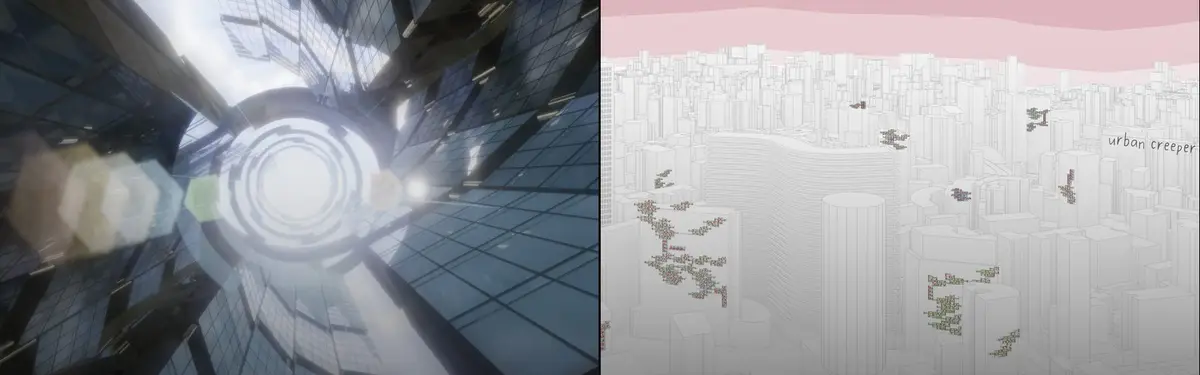
Img 2: ‘Nests’ Landscape design competition entry for Fly
Reduces pollution/urban heat island effect
A planned landscape layout, proper flora and fauna and sustainable materials can help in reducing pollutants in the environment. Many manufacturing companies and crowded cities have come forward to adopt landscapes in their architecture and environment. In other words, landscaping helps in the purification of the air in the nearby areas. They can purify both outdoor and indoor air quality.
Boosts health
Sitting in nature for a while can have a positive effect on people and their state of mind. This exercise increases the productivity of working people by increasing self-confidence and concentration. In other words, the more green space you have, the better your mental health.
What are some principles to follow for landscape design?
The design principles are guidelines that can be utilized to translate fundamental landscaping concepts into specific specifics. It consists of seven qualities that, when correctly examined, allow any design to be cohesive, consistent, and beautiful. These ideas would also influence the design's appearance, flow, and functionality.

Img 3: Few design principles for landscape design
Simplicity
Elements that do not add to or affect the design can be left out. To maintain the design tidy, neat, and safe, prioritize what is important and what is not. It will be easier to maintain and improve functionality if the design is straightforward and well-defined.
Balance
Everything that is included in a design has a visual weight to it. The concept of balance is to ensure that you are aware of the overall scheme's weight. Both sides would mirror each other in a formal balancing approach, while the informal balance would be equal but not equal. They are both capable of cooperating.
Variety
To create visual appeal, a variety of shapes, sizes, and shapes should be used. However, don't sacrifice simplicity just to create a variety of alternatives.
Emphasis
Using texture, form, or color to highlight elements of the design will appeal to the eye and guide it through the design, but too much focus will feel chaotic. Specimen areas should be placed on their own. Accent regions are meant to stand out, but only in the context of the overall design. Key plants can help to soften or de-emphasize architectural characteristics.
Sequence
The use of transitions in plant scale, form, and textural components is referred as as sequence. A seamless, appealing sequence is created by gradually changing one piece at a time. Rapid transitions from a tall to a short plant, or from a fine-textured to a rough-textured plant, do not work well.
Scale/Proportion
The scale refers to the magnitude of the landscape elements, while the proportion refers to how they connect to one another. Your landscape's scale, as well as the items in it, should be balanced. A wall or tree that is significantly larger than everything else in the garden takes the eye away from the rest of it.
Future of landscape design
In the next decade, technology is expected to continue to affect the workflow of landscape design and design software progress that will affect how landscape architects design projects. This impact can expand in a way that can increase the lifecycle of landscape projects.
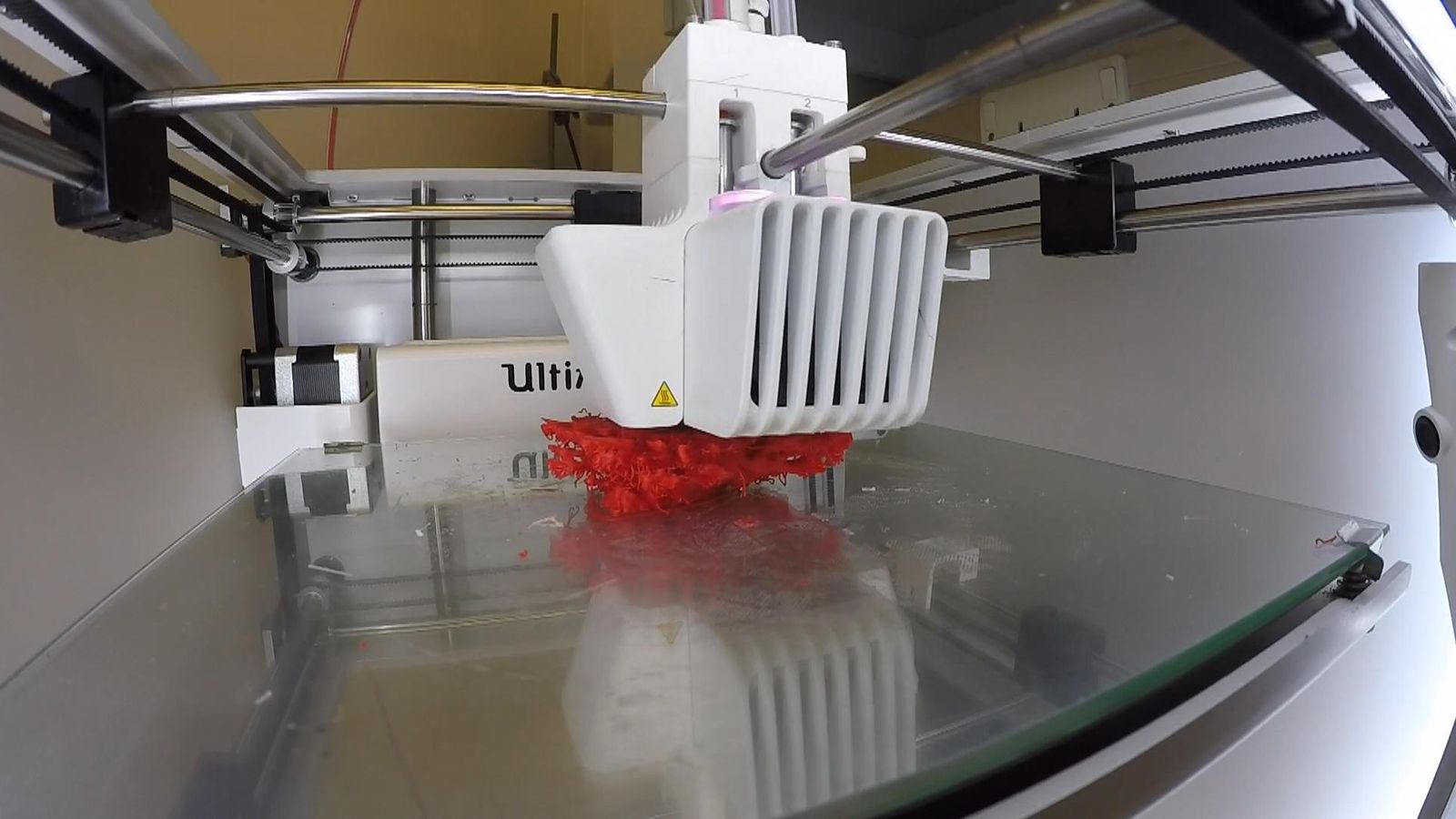
Moreover, there is inevitable pressure from environmental concerns, including climate change, green space and air quality. New constructional technologies like large scale 3D printing are helping landscape designers to innovate better futures for natural habitats. In the context of marine restoration, some British students have developed a CalcifEXE project that uses genetically modified bacteria to produce calcium carbonate, which can then be shaped into coral "backbones" using a 3D printer. Technological advancement has enabled many changes like inventory and analysis, a collaboration of concept designs and better construction documentation.

Img 4: Using genetically modified bacteria to make calcium carbonate produces no emissions, the scientists say (Credits: Sky)
Architecture Competitions
Environmental and economic constraints could become part of digital solutions over the next decade. Landscapes and general architecture are challenged to address climate change over the next decade and its impact on our cities and landscapes. Technological advances can help optimize solutions, assess impact, collect data in the field, and improve collaboration.
Architecture competitions have been a big part of historic construction innovation. For centuries, they have helped source the best and most unique designs for projects, spurred community development and created huge publicity around new projects. Hence they act as a great design tool for the future. In times where landscape design is rising to prominence, various open, offline and online challenges curate unique issues synonymous with today’s problems. They give both academics and professionals a prior chance to brainstorm their ideas and present various landscape solutions to the world.
Explore more competition projects in Landscape Design:

UNI Design Competitions
UNI is a global network of architects and designers who are solving some of the most challenging problems around the globe. UNI brings together the world's largest pool of design challenges that are curated by the finest architecture academicians and professionals globally. With over 200,000+ registered members, UNI brings academia and the professional spheres of architecture together through a unique knowledge-sharing web platform.
Since 2017, UNI has hosted more than 200+ architecture competitions for various idea level to realization level briefs. In the past, UNI has helped 50+ organizations, universities, and government bodies to use our platform to generate architecture and design solutions through competitions.
Recently held landscape competitions by UNI are: Vista, Pearls of green, Lagoon, Ripple, Asatti, Behold, Adobe in Woodland, Fly, Greenward, Haven, Playground-E, Microwoodlands, Urban Meal Mine, Transfarm, Haven and any more
Discover other competitions: https://uni.xyz/competitions


Popular projects
View all 727 projects


Latest journals
View all 1.3K journals

Spa in Town: A Rotated Square and Four Arcs Turn an Icelandic Hot Spring Into a Civic Plaza
Cheryl Han's Editor's Choice entry for Thermal Blue cuts curved pools into a square frame, giving a compact site the presence of a town landmark.

The market as a place to gather: a fish market that leaves its lot to meet the water
A shortlisted Street City Vietnam proposal spreads a folded solar roof over an open single-level grid and lets the market spill onto a stepped waterfront.

Beneath the Surface: An Amsterdam Hillside That Hides a Graffiti Sky Underneath
A grassy, bike-laced terrace on top, a mural-covered plaza below: Adam Vadas splits one building into Amsterdam's calm postcard and its loud metropolis.

The Infinity Park: A Figure-Eight Park That Tries to Breathe for Its Neighbourhood
A sculptural lung and visitor-triggered oxygen bollards make people the park's breath, and show how narrow a carbon-only idea of clean air can be.