
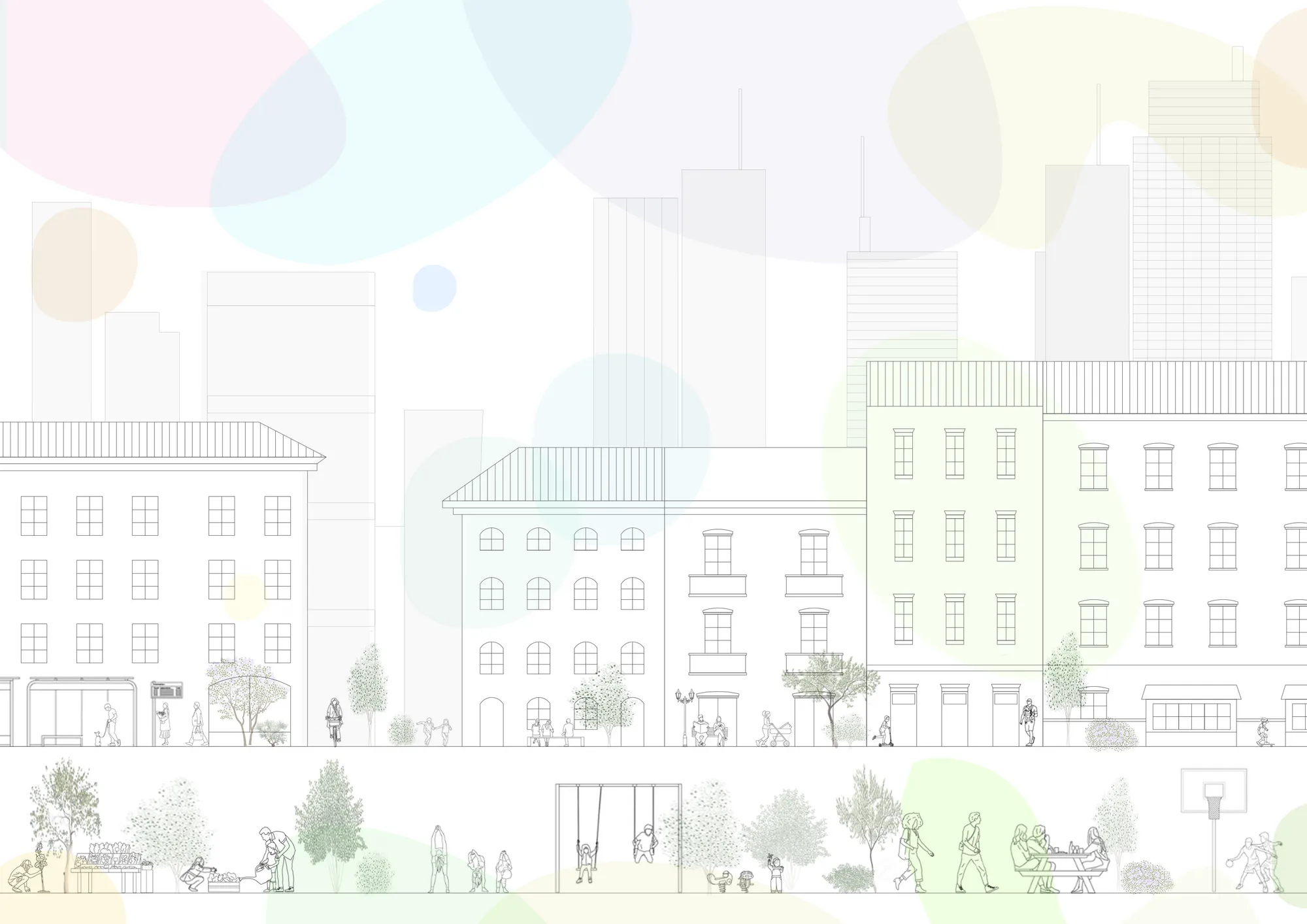
The role and the needs of children in urban space planning
If children are the future of societies why do not establish children's participation and base on a child-friendly approach in the city planning process?

According to UNICEF 2018 Report, it is forecasted that by 2030 up to 60% of the population will settle in urban areas.[1] Moreover, up to 60% of them will be under the age of eighteen.[2] That prognosis conveys that future cities are expected to be more densely inhabited and hence require proper development over time. Therefore inhabitants can already observe the implementation of recent technologies, better-considered infrastructure, providing valuable public spaces and other numerous essential aspects. As cities are anticipated to be resided mostly by younger generations, it is vital to consider their participation in the city planning process. Although there is a visible increase in cities’ governments whose land-use planning embraces nearly all the premises, respecting the Leave No One Behind policy, there is still room for improvement in that field. It means that even though less frequently one can indicate signs of exclusion, it is feasible to distinguish missed expectations of some groups of the society, including the youngest users, whose voice seems to have promising results in the case of creating inclusive public spaces.[3]
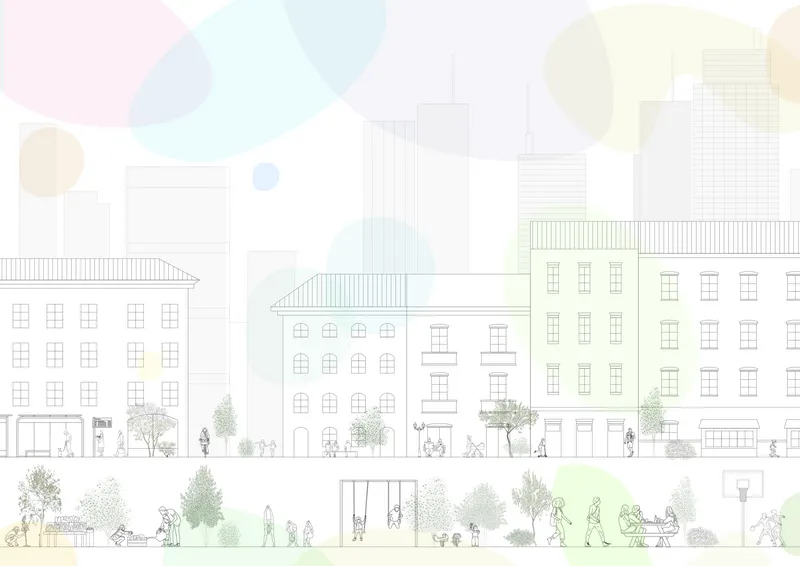
Some research appears to indicate that child’s needs-based urbanism may positively influence public spaces and may meet the expectations of most of the communities. This approach could guarantee safety and accessibility for all; therefore, it may constitute a valuable reference for city governance and urban planners.[4] To better understand their needs, it is vital to realise how children use urban spaces. Most of the time they should spend in public areas is for recreation and entertainment. It is worth mentioning that both functions combine an educational function as well. It is widely known that play constitutes a significant role in children’s life. The fundamental aspect of playing is to learn physical activities and social skills.
Well-designed playgrounds may prevent a sedentary lifestyle and encourage children to spend more time outside instead. Elements that influence them especially positively are places that allow them to play freely and experience the world with all senses. By several theories, children should be allowed to experience, take a risk and make themselves dirty while playing.[5] In this way, they have an opportunity to explore the world and learn from the autopsy. This boosts their creativity and encourages them to get to know how different elements of their surroundings work. However, concerning Gehl’s principles about healthy urbanism, public spaces that children visit, should not be confined to playgrounds where they can play individually or in groups. It cannot be forgotten that there is a necessity to provide multifunctional public spaces for leisure activities for whole families.[6]
Some studies indicate that one of the factors that influence children’s development, well-being and recognition of the world, is the neighbourhood where children were growing up.[7] According to the Early Years Learning Framework,[8] among essential indicators like parents’, surrounding and background, the spaces which they visit can not only affect their childhood memories but also has an impact on their future. For that reason, it is relevant to minimize harmful factors such as noise and air pollution. It is worth mentioning that some of them might be reduced with architectural or landscape elements. An aspect that cannot be missed is a feeling of safety. Children can explore urban realms entirely only when they feel secure at any time.
Appropriate infrastructure must be considered especially from the children-passerby point of view.[9] Dangerous and unclearly defined road crossings or other shady infrastructure elements can make the least users of urban areas perplexed and lost. Even proper signs and descriptions, seemingly unimportant from the first sight, make an enormous change for everyone, children included. Moreover, unfortunately, sometimes their way to school or kindergarten has obstacles such as busy streets, lack of proper lighting in the streets or a possibility to be bothered by someone, which are considered dangerous by their parents. It causes they would rather escort them instead of letting them get to those places on their own. Although it is understandable, it obstructs children’s mobile independence. Consequently, the safer environment, the more freedom they are given.
Increasingly often town governments decide for prioritizing pedestrians and even reclaim streets from car traffic. Going further, they establish guidelines and rules for planning sidewalks and cycle paths. It is expected to be accurate spread around the city not to cause mobile exclusion but its quality cannot be neglected. Cycling and pedestrian infrastructure does not consist of just a web of bike lanes or pavements isolated from the rest of the surrounding area. Their complex should be combined with small architectural and landscape elements such as seating spots, plants and canopies which may upgrade their usage. Obviously, they must be accessible for strollers, not to mention people with disabilities.
It is said that green areas play a significant role in the urban realms. Not only do plants have a beneficial influence on the environment and air quality but they also provide comfortable conditions in the public space. Some research appears to state that gardening may support well-being and beneficially influence mental health.[10] Additionally, devoting some garden space may allow children to grow food and recognize diverse types of plants. Can one imagine a better biology lesson?[11]
The multitude of aforementioned issues seems to make the urban planning process challenging in case of including everyone's needs. What can we do to implement also aspects that would be beneficial for children? How can we better understand how they use the city, what they see, what they appreciate in the public spaces and what bothers them? One feasible solution to achieve it would be an attempt to take a look at the city from the child's perspective. This exercise can be beneficial, especially for urban planners, landscape architects and city government members. Thanks to that, adults could improve negative aspects they noticed and with conclusions plan a better city for the youngest citizens in the future. It would also evict memories from childhood and make some people easier to recall what discouraged them from some urban spaces in the past or, what is more important, which elements made them laugh and cause their well-being there or even what they used to dream about in the case of cities.
Another proposal that might be beneficial for designing sustainable cities that fit all could be children’s participation in the cities’ planning discussions. Their rights in this matter have been gradually introduced since 1960.[12] That year UN Convention on Rights to the Child was held, where it was declared that children should have a chance to articulate their opinion on aspects that influence them.[13] Definitely one of them is urbanism. As they are commonly perceived as highly creative, their imagination and sensitivity may push an urban plan to more human-oriented solutions.[14] It has been slightly implemented in some cities, for instance in Gothenburg and Stockholm.[15]
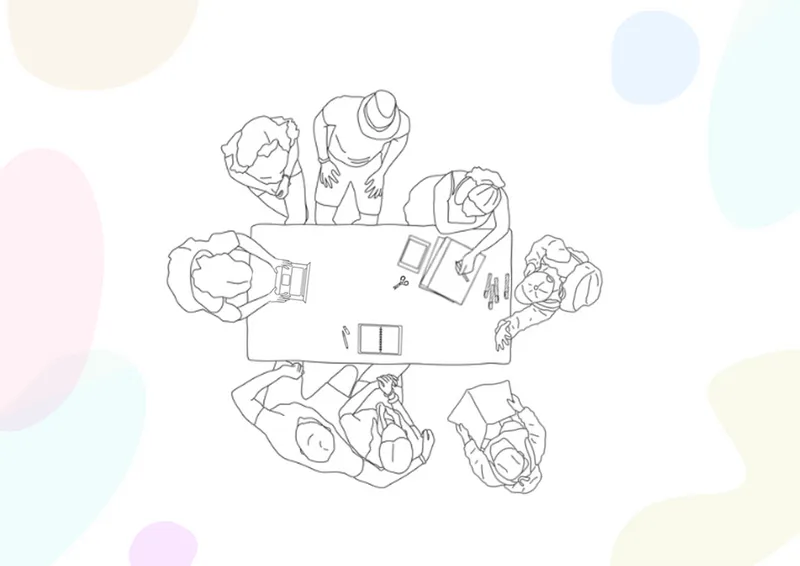
To conclude, both, the most relevant global organizations, as well as local institutions and governments, more often and willingly organize initiatives such as Child Friendly Cities[16] or Urban95[17], which certainly have a positive impact on the development of cities in terms of adapting urban planning for children. These actions also enable children to live there a healthier and happier childhood. This seems to be particularly important nowadays when more and more young people are habiting cities. Hence, I believe their voice should be considered in every well-conducted urban policy. Although cities are planned mainly by adults, it appears to be necessary to at least take into account children’s drawings, reactions, behaviour and another way of expressing their views on that issue. It can also be important to ask for their opinion in an appropriate way, this would allow drawing the right conclusions about not only what they want, but also what they need. To my mind, taking the child as a reference to design a city might constitute an investment in the better-planned inclusive cities of the upcoming decades. Children may help adults to understand fully needs of all urban area residents and support building a stronger sense of community through their participation.
References (17)
"Young children are intuitive urban planners — we would all benefit from living in their ‘care-full’ cities."
ISBN: None
"Anxiety and depression: why doctors are prescribing gardening rather than drugs."
ISBN: None
"Understanding children’s perceptions of, and priorities for, healthy neighbourhoods in Aotearoa New Zealand: study protocol for a cross-sectional study."
ISBN: None
"Research on Urban Community Public Space Design Based on Children’s Psychological Needs—A Case Study and Survey of Chengdu Yulin East Road."
ISBN: None



Popular Articles
Popular articles from the community


Play: Fragments of Their World
Familiar architecture becomes modular playground design, creating safe spaces where displaced children can learn, connect, imagine and play.

Co-Life: Senior Housing Design That Reconnects Older Adults With the City
Co-Life reimagines senior housing design through healing gardens, shared streets, workshops, and a sustainable community across generations.

The Musturak Paradise: Senior Living Architecture for a Connected Future in Temara, Morocco
The Musturak Paradise reimagines senior living architecture in Temara via private homes, social spaces, culture, community, and shared care.

The Earth Pod: 3D Printed Homes for Resilient Refugee Communities
The Earth Pod reimagines refugee housing through 3D printed homes made from clay, combining resilience, self-sufficiency, and rapid shelter.


Similar Reads
You might also enjoy these articles

Bao Huynh Watercolor Atelier: A Serene Art Retreat in Hội An
Bao Huynh Watercolor Atelier in Hội An blends multifunctional art spaces, sustainable design, local materials, and family-friendly living in a serene environment.

Atelier Macri Concept Store Interior Design by CASE-REAL
Atelier Macri store features a "ko" counter, walnut wood details, cork displays, blending retail, gallery, and seamless customer experiences.

Manuel Vargas Izquierdo Stadium and High-Performance Sports Center: Architectural Excellence in Jalpa de Méndez
The Manuel Vargas Izquierdo Stadium blends sustainable design, inclusive sports facilities, and cultural-inspired architecture, revitalizing Jalpa de Méndez’s public spaces.

KAKR Buluh Awar Hall: Revitalizing Community and Ecology Through Bamboo Architecture
Community built bamboo hall revitalizes Buluh Awar village, empowering youth, restoring ecology, celebrating vernacular craftsmanship through sustainable architecture and culture.

Comments (0)
Please login or sign up to add comments
No comments yet. Be the first to comment!