

The Wave House of Hargeisa: A Fusion of Culture and Modern Architecture
Exploring the Wave House of Hargeisa: a blend of Somali culture and innovative architectural design.


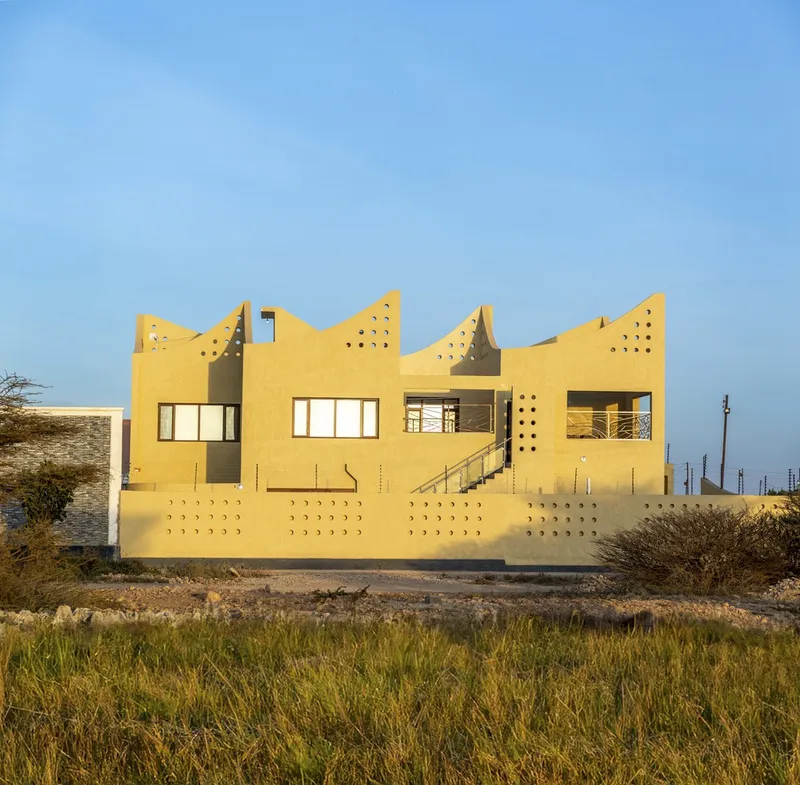
The Wave House of Hargeisa, designed by DO Architecture Group, is a masterpiece that exemplifies the harmonious blend of traditional Somali culture with contemporary architectural design. This innovative residence, located on the outskirts of Hargeisa, Somaliland, draws its inspiration from the undulating waves of the Gulf of Aden, embodying the region's rich heritage and natural beauty. In this article, we delve into the architectural marvel that is the Wave House, exploring its design principles, cultural significance, and the thoughtful integration of Islamic architecture.
The Wave House of Hargeisa
The Wave House is more than just a private residence; it is an architectural manifestation of the history and culture of the Horn of Africa region. Its design is inspired by the rhythmic waves of the nearby Gulf of Aden, seamlessly integrating with its surroundings while paying homage to the area's climatic conditions, heritage, and traditions.

Architectural Design and Inspiration
The architecture of the Wave House is a testament to the innovative vision of the DO Architecture Group. Under the leadership of lead architect Omar Degan, the house is designed to harmonize with its environment, incorporating the principles of Islamic architecture to cater to the needs of its inhabitants. The residence's distinctive wavy façade is not only aesthetically pleasing but also symbolizes the connection between the structure and the natural landscape of Somaliland.

Cultural and Environmental Harmony
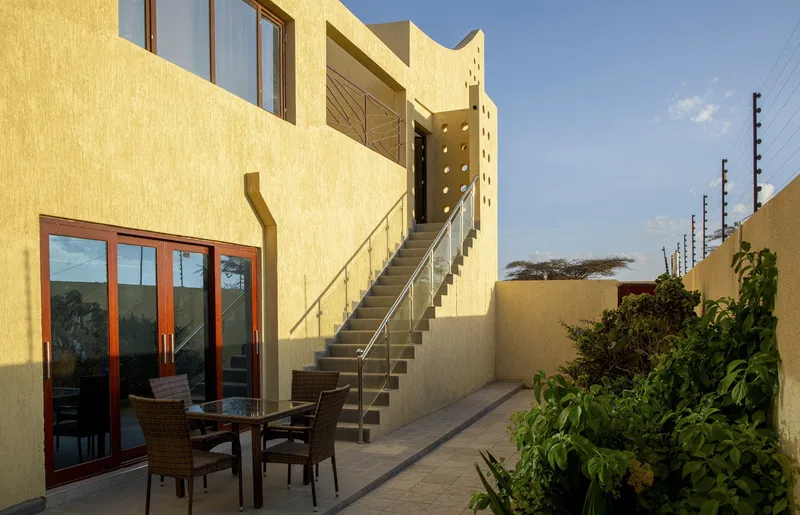
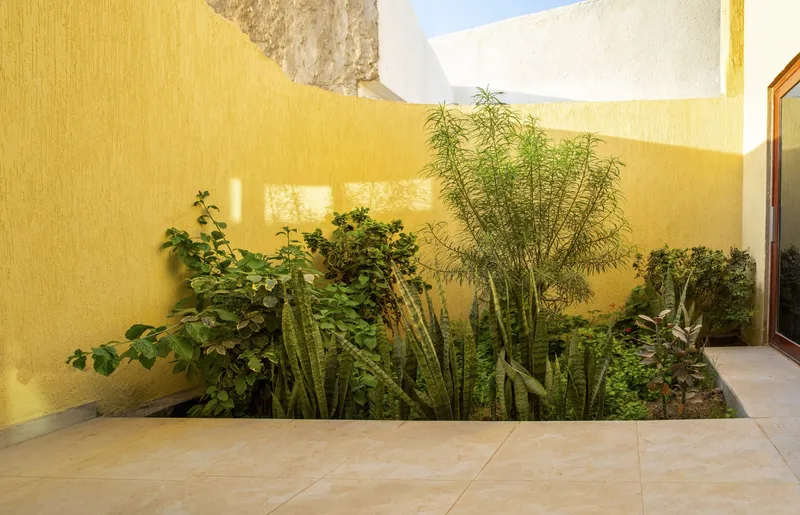
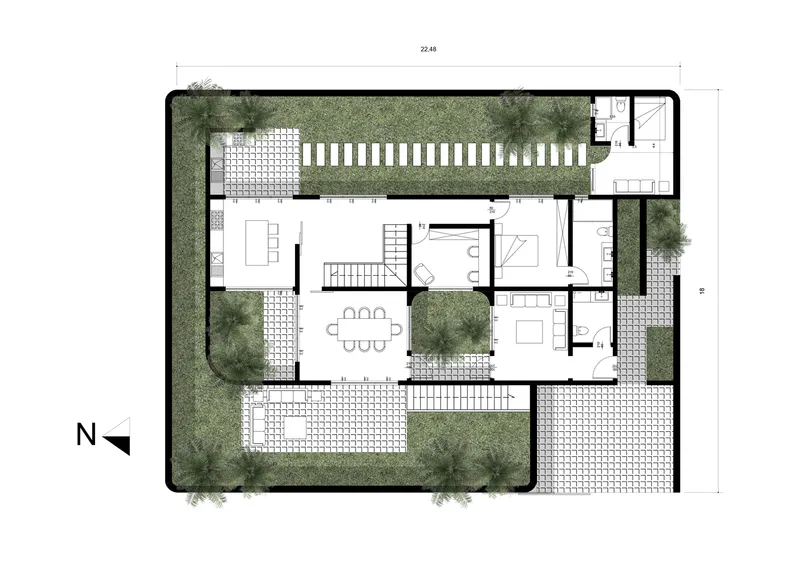
The design of the Wave House is deeply rooted in Somali culture, emphasizing the values of hospitality and privacy. The ground floor is strategically divided into three areas: a guest living room, a private studio, and a guest bedroom, each designed to serve specific purposes while promoting a welcoming atmosphere. The central courtyard, a key feature of the house, acts as a climate regulator and a private oasis, reflecting the traditional Somali ethos of unity with nature.
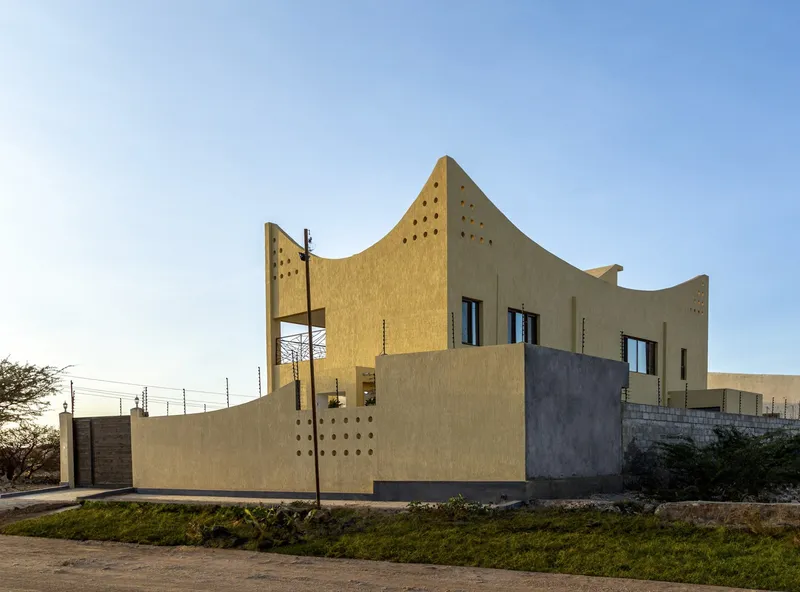
Privacy and Hospitality: A Balanced Approach
In the Wave House, the balance between privacy and hospitality is meticulously maintained. The architecture allows for guests to be welcomed independently or integrated into family life, with spaces designed to foster tranquility and a connection to the outdoors. The integration of a separate bathroom that doubles as a wudu area for Islamic cleansing rituals further exemplifies the seamless blend of cultural and religious practices in the design.
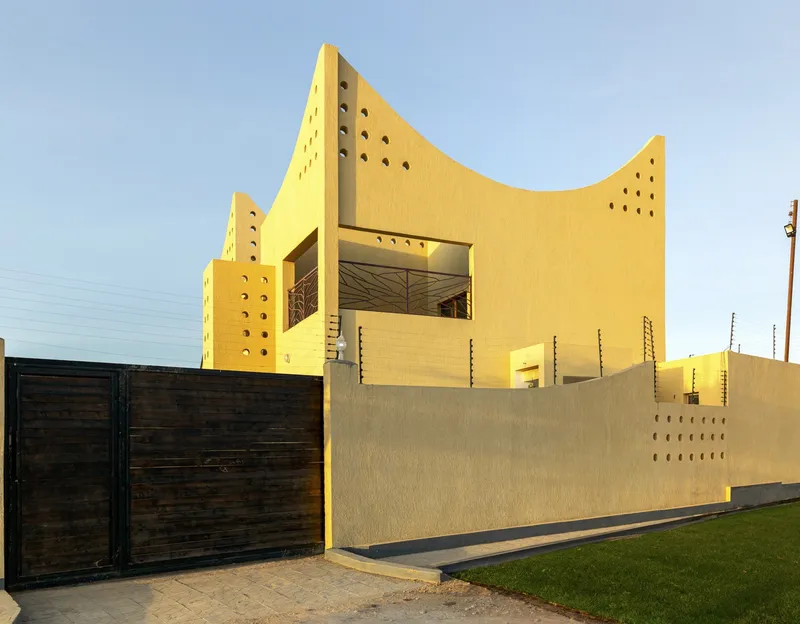
Upper Floor: A Sanctuary for Family
The upper floor of the Wave House is a private sanctuary for the family, featuring bedrooms, bathrooms, and a dedicated prayer area. The rooftop, accessible for leisure and contemplation, offers breathtaking panoramic views of the landscape, highlighting the villa's unique curved wall edges and strategic viewpoints.
A Testament to Timeless Design
The Wave House stands as a symbol of the fusion between architecture, culture, religion, and the environment. It is a testament to the timeless design principles that celebrate both tradition and innovation. The Wave House of Hargeisa is not just a building; it is a sanctuary that honors the past while embracing the future of the Somali region, making it a significant architectural landmark in the Horn of Africa.
The Wave House of Hargeisa represents a unique blend of cultural heritage and modern design, making it an exemplary model for future architectural endeavors in the region and beyond.

All photographs are work of Mustafa Saeed




Popular Articles
Popular articles from the community


Hill & Cross Opera: Sculptural Opera House Architecture Shaped by Tallinn’s Landscape and Identity
Hill & Cross Opera reimagines opera house architecture in Tallinn through its sculptural hill, civic plaza, glass wave and a luminous cross.

The Earth Pod: 3D Printed Homes for Resilient Refugee Communities
The Earth Pod reimagines refugee housing through 3D printed homes made from clay, combining resilience, self-sufficiency, and rapid shelter.

Co-Life: Senior Housing Design That Reconnects Older Adults With the City
Co-Life reimagines senior housing design through healing gardens, shared streets, workshops, and a sustainable community across generations.

The Ocean Hive: Sustainable Architecture for a Self-Sufficient Civilization at Sea
The Ocean Hive imagines sustainable architecture at sea, where modular habitats, algae, wave power and ocean waste sustain a growing colony.


Similar Reads
You might also enjoy these articles

FAMM Arquitectura Organizes Ten Villas Around Courtyards and Jungle in Nosara, Costa Rica
El Molino pairs two elongated volumes with deep overhangs and timber louvers to build a compact coastal community five minutes from the beach.
Oscar Niemeyer's Ibirapuera Park Pavilions Define São Paulo's Cultural Identity in Concrete and Curve
A constellation of modernist volumes set within São Paulo's most important urban park, conceived for the city's 400th anniversary in 1954.
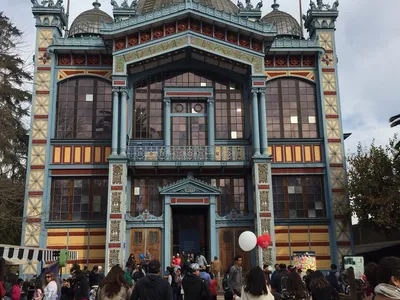
How Henri Picq's 1889 Paris Pavilion Traveled 11,000 Kilometers to Become Santiago's Artequín Museum
A prefabricated iron and glass pavilion built for the Paris Universal Exposition found a second life as a children's art museum in Chile.
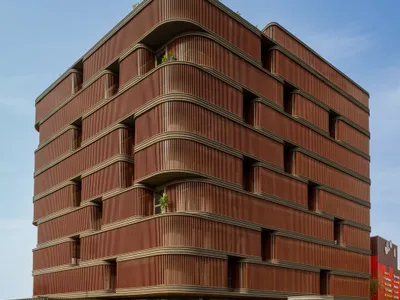
Sanjay Puri Architects Wraps a Jaipur Office Tower in Capsule-Shaped Green Buffers
A nine-level climate-responsive workplace near Jaipur Airport uses stacked planter terraces and aluminium screens to fight 40°C heat.


Explore Residential Building Competitions
Discover active competitions in this discipline


Challenge to design mud housing for contemporary communities


Challenge to reimagine the Iron Throne


Photograph architecture without architects


Illustrate the lost glory of Angkor Wat - Render Challenge
Comments (0)
Please login or sign up to add comments
No comments yet. Be the first to comment!