
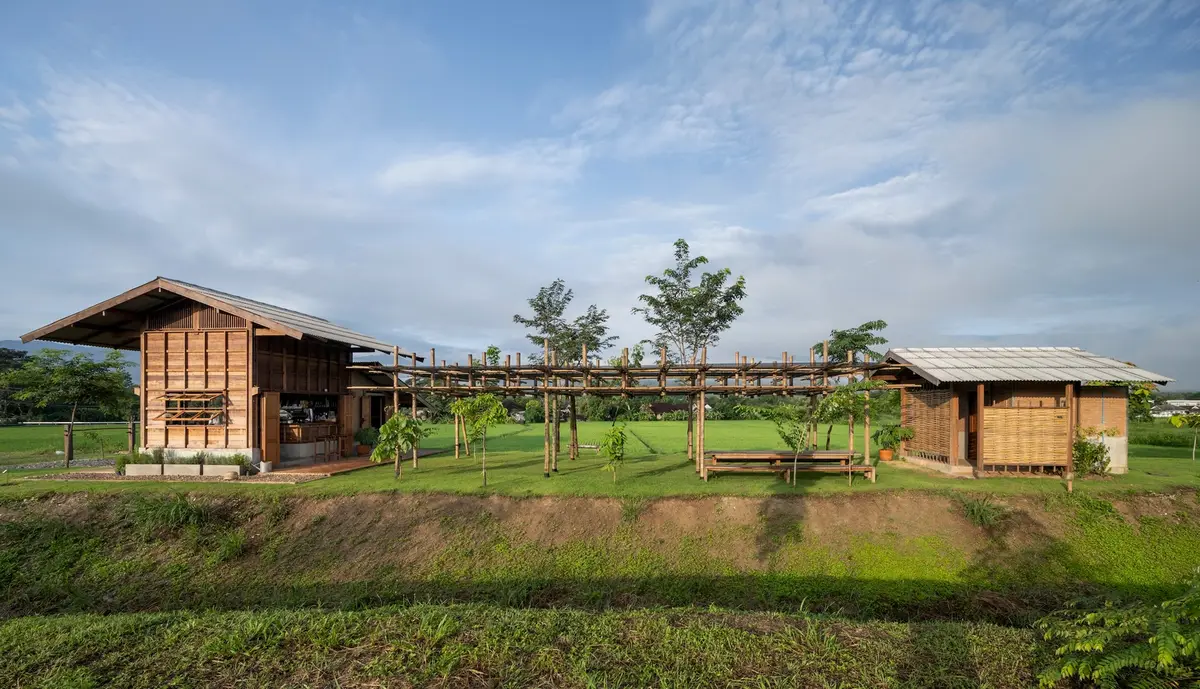
Thingamajiggy Coffee Roaster by Yangnar Studio: A Sustainable Architectural Marvel
Thingamajiggy Coffee Roaster blends sustainability, vernacular architecture, and adaptive spaces, redefining coffee shop design with bamboo structures, reclaimed wood, and natural integration.


A Coffee Shop Redefining Architectural Boundaries
Nestled in the serene landscapes of Mae Rim, Chiang Mai, Thingamajiggy Coffee Roaster by Yangnar Studio is an architectural masterpiece that seamlessly integrates with its natural surroundings. This innovative coffee shop is not merely a space for enjoying coffee—it is an evolving project that embraces the elements of sustainability, local craftsmanship, and vernacular architecture. With the lush paddy fields and rolling hills of northern Thailand as its backdrop, Thingamajiggy challenges conventional architectural norms by allowing nature to take the lead in shaping its identity.
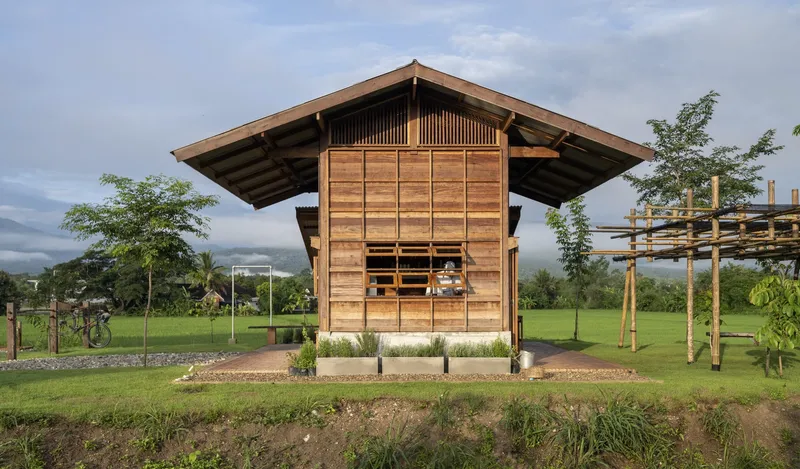
Design Philosophy: Embracing the ‘In-Between’ Spaces
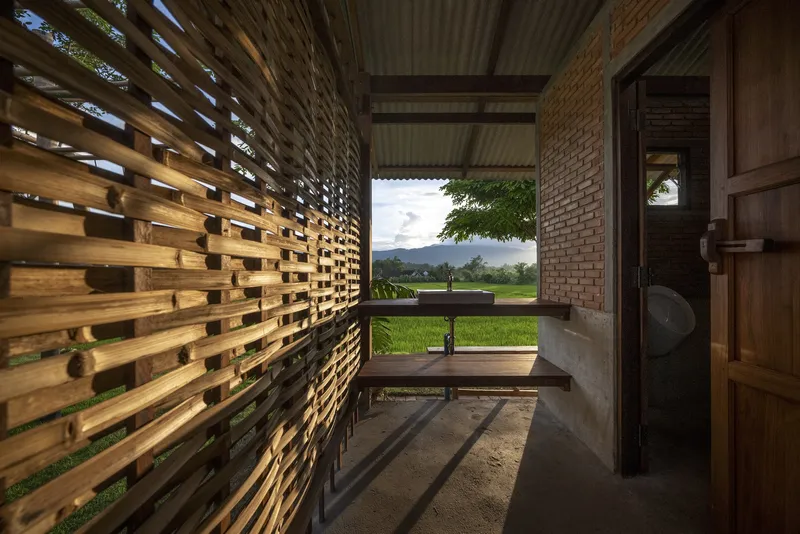
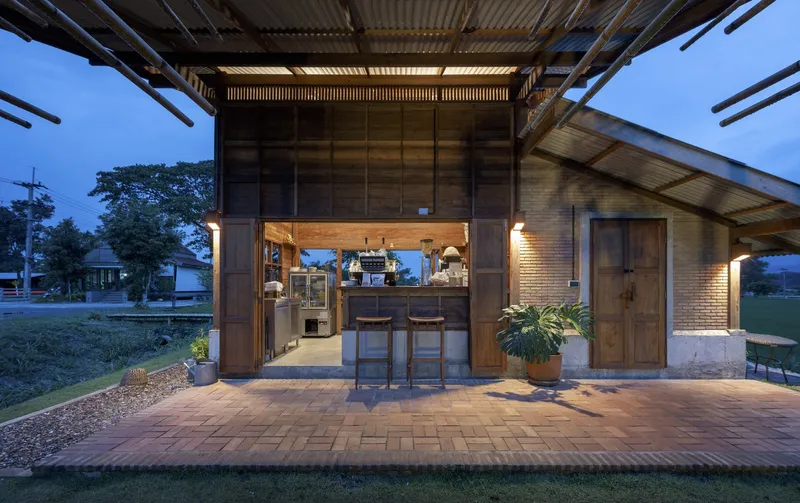
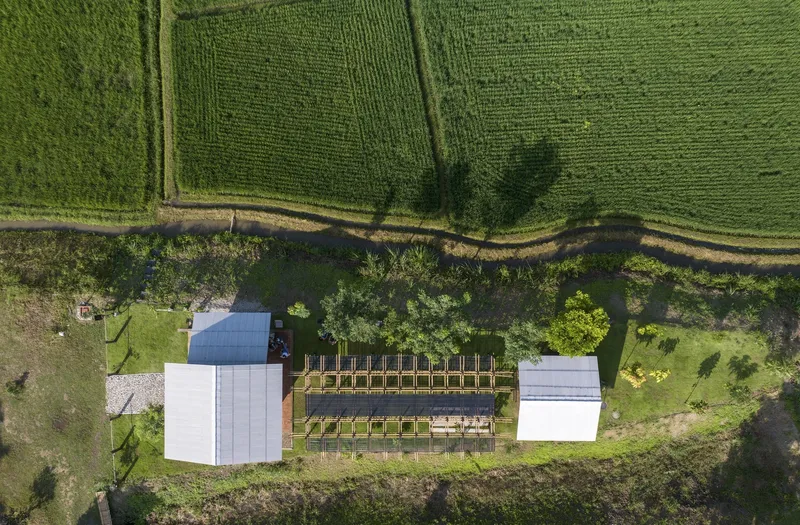
One of the defining aspects of Thingamajiggy is its open-air seating arrangement, which consists of two small buildings connected through transitional spaces that blur the boundaries between the built and unbuilt environment. Instead of adhering to rigid architectural frameworks, Yangnar Studio has designed a space that remains adaptable to the changing seasons and climate conditions. Visitors are invited to experience the interplay between light, air, and materiality, fostering an immersive connection with the surrounding landscape.
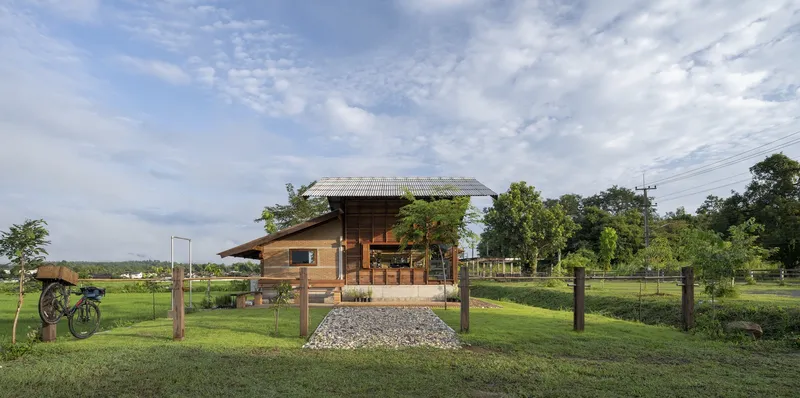
Traditional Inspiration Meets Modern Craftsmanship
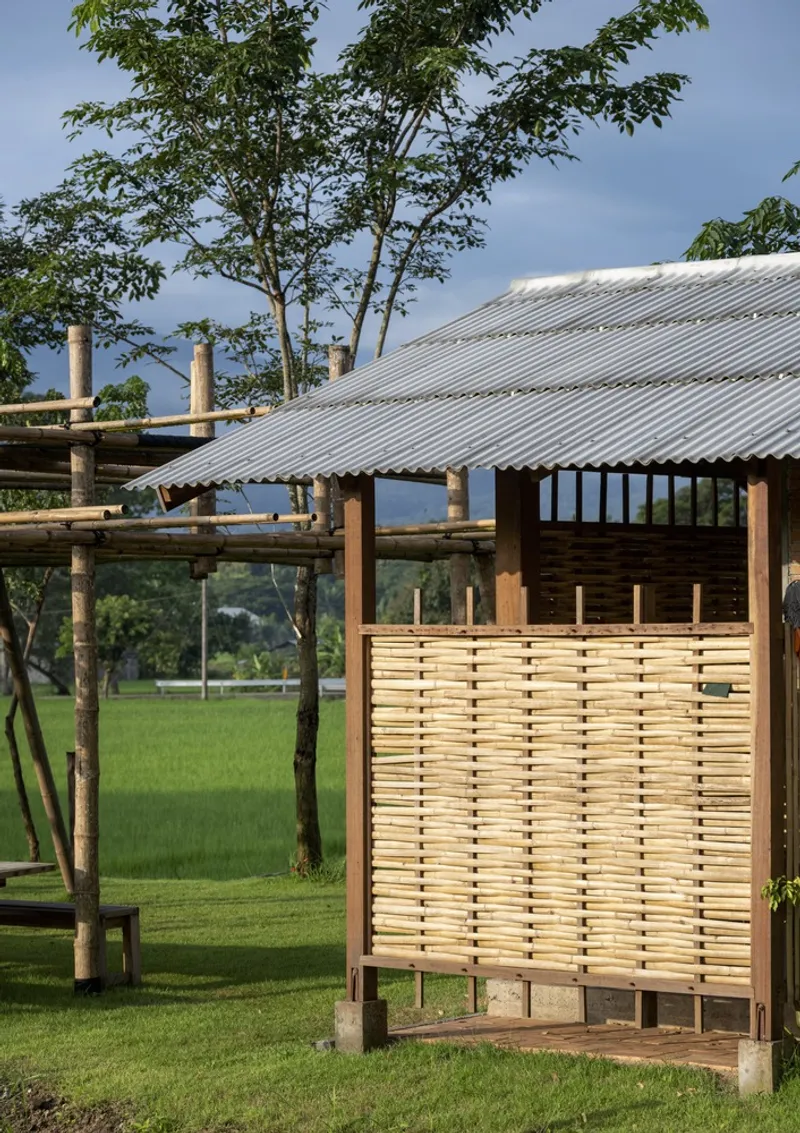
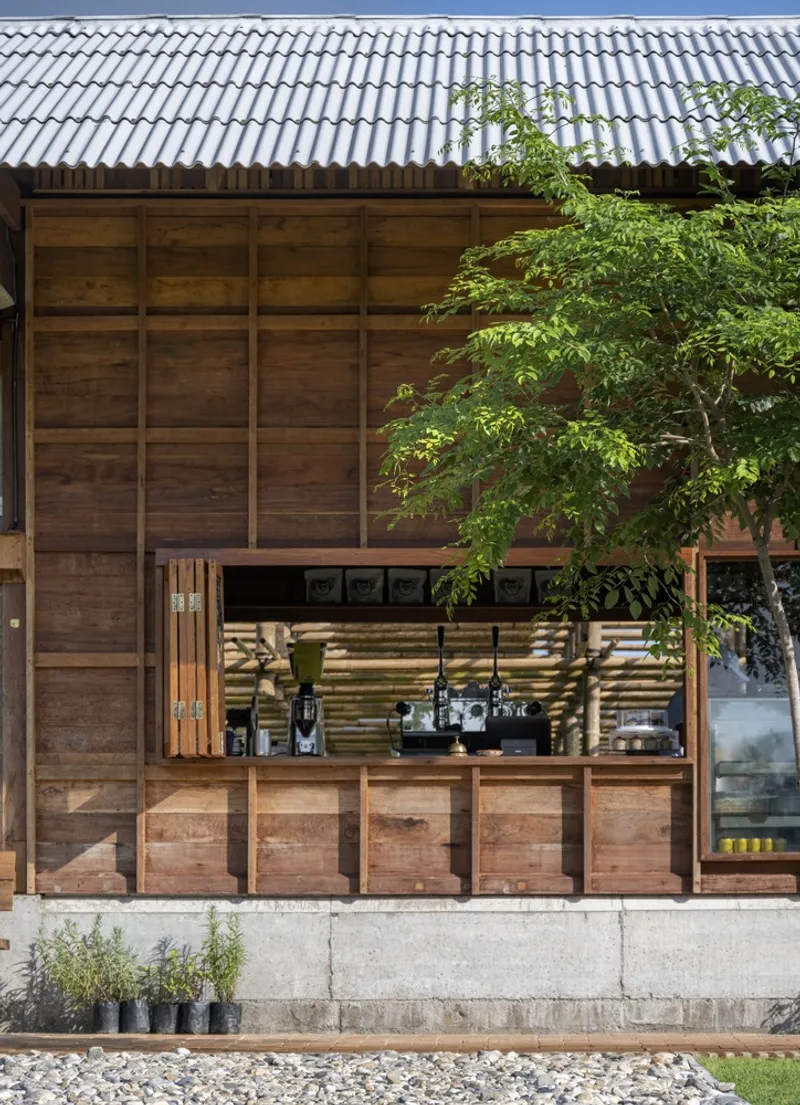
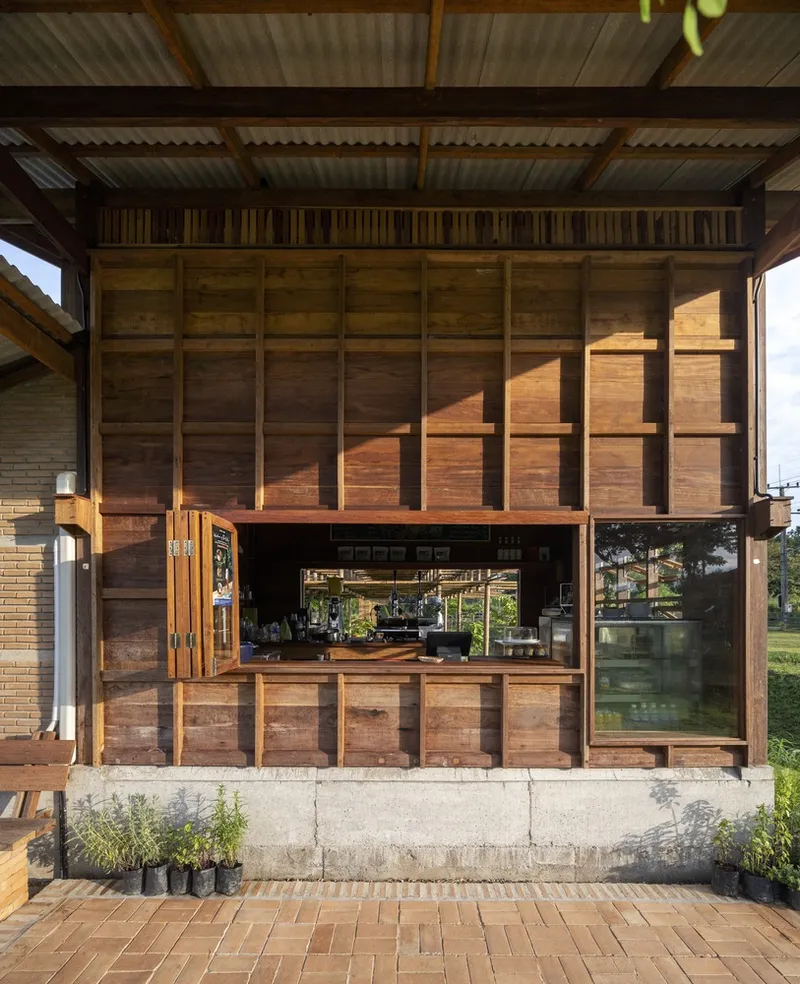
The primary structures of the coffee shop draw inspiration from traditional Thai rice barns, which are emblematic of northern Thailand’s rural architecture. These barns, typically elevated on stilts, are designed for optimal ventilation and efficient use of space. Yangnar Studio has seamlessly reinterpreted these traditional elements, employing locally sourced reclaimed wood to construct walls that resonate with the area’s cultural heritage. The integration of wooden beams and prefabricated structural systems—crafted in Yangnar Studio’s workshop and assembled on-site—demonstrates a thoughtful balance between tradition and contemporary construction techniques.
Sustainability at Its Core: Bamboo Pavilion & Green Spaces
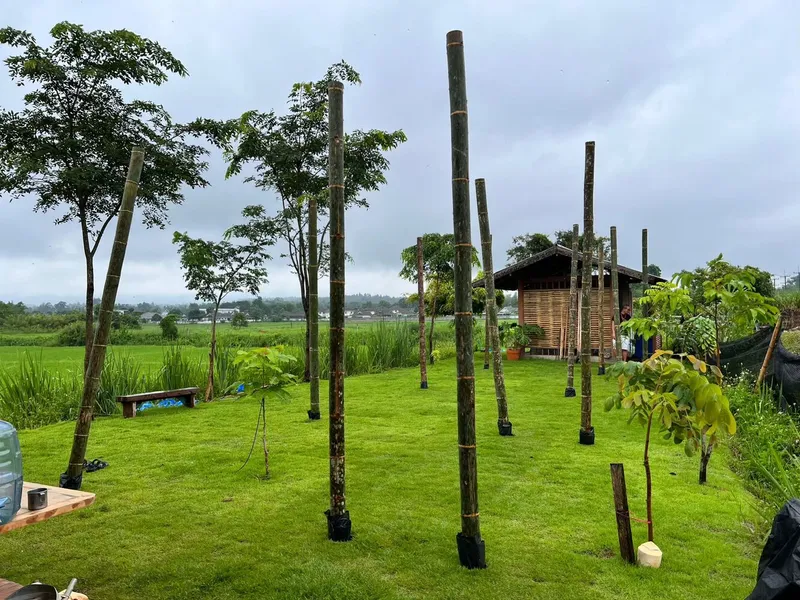
At the heart of the project lies a temporary bamboo pavilion, designed with sustainability in mind. Unlike many contemporary bamboo structures that rely on chemical treatments or forced curvature, this pavilion honors the natural properties of bamboo. Using a traditional technique mastered by local artisans, bamboo poles are lashed together with fishing net rope, creating a lightweight yet sturdy framework. This biophilic design approach ensures that the pavilion interacts harmoniously with the environment, providing shade and diffusing sunlight in a dynamic manner throughout the day.
The surrounding greenery and grassy lawn further enhance the organic experience, reinforcing the idea that architecture should coexist with nature rather than overpower it. The project’s long-term vision includes allowing newly planted trees to grow, ultimately taking over the role of the pavilion in providing shade and enhancing biodiversity within the site.
Beyond a Coffee Shop: A Living Architectural Experiment
While Thingamajiggy may be classified as a coffee shop, its architectural significance extends far beyond its business function. The project serves as an ongoing exploration of sustainable construction methods, environmental adaptability, and the symbiotic relationship between human-made structures and the natural world.
Rather than existing as a static building, Thingamajiggy Coffee Roaster is an evolving entity—one that invites nature to play a fundamental role in its transformation. This philosophy reflects a broader movement in contemporary architecture that prioritizes circular construction methods, vernacular building techniques, and eco-conscious materials.
A Testament to Sustainable Architecture
Thingamajiggy Coffee Roaster is more than just a place to enjoy a cup of coffee—it is a symbol of architectural evolution, where design adapts to the environment rather than dictating it. Through its use of locally sourced materials, vernacular inspiration, and adaptive spaces, Yangnar Studio has created a space that fosters a deep connection between its visitors and the natural surroundings.
As the coffee shop continues to evolve, it stands as a powerful reminder of the potential for sustainable design to redefine how we interact with the built environment.


Popular Articles
Popular articles from the community


GROUP A Strips a 1969 Rotterdam Harbor Headquarters to Its Frame and Wraps It in Timber Louvers
In Rotterdam's M4H harbor district, Ferro Offices reuses a 1969 frame, adds one timber storey and reaches BREEAM-NL Outstanding.

LT2A and OPEN Architectes Thread a Brick and Glass High School Through a Wooded Belgian Campus
In Braine-l'Alleud, a 3,000 m² wing for Collège Cardinal Mercier pairs pale brick with a glazed colonnade, deferring to a small chapel and a dense wood.

Architekt Andreas Gruber Scatters 23 Dark Timber Chalets Across a South Tyrolean Forest Edge
In Molini di Tures, Amonti Chalets breaks a resort into a hamlet of gabled timber houses, with parking, storage and services pushed into the slope.

David Ortega Stacks a Two-Story Mexico City Penthouse Around a Steel Stair and a Pergola-Shaded Roof Terrace
In Colonia Roma, a 300 m² penthouse uses oak joinery, a planted steel stair and a slatted roof pergola to make a new-build apartment feel like a house.

Similar Reads
You might also enjoy these articles


Hodi-Mandai Geram
Project Function: Preservation and revitalization of the Intangible heritage and socio-spatial identity of the Hodi by Housing, Cultural Memory Center, Sacred Grove, landscape, local tourism economy


Olio Towers: A Mid-Rise for Performers That Fuses Housing, Rehearsal, and Stage
Located blocks from Houston's Theater District, this modular tower stacks living units around a central performance atrium.

Oasis: Modular Green Housing Carved into Dhaka's Urban Fabric
A shortlisted Plugin Housing entry reclaims unauthorized settlements in Dhaka with stepped concrete volumes, green roofs, and ventilation-driven design.

Black Hole: A Floating Megastructure for the Post-Physical Era
Emiliano Mazzarotto envisions a spherical, self-scaling arena where e-sports, digital hotels, and holographic stadiums replace traditional public space.

Explore Sustainable Design Competitions
Discover active competitions in this discipline

Challenge to reimagine the Iron Throne

Photograph architecture without architects

Illustrate the lost glory of Angkor Wat - Render Challenge

Design challenge to reuse E-waste
Comments (0)
Please login or sign up to add comments
No comments yet. Be the first to comment!