
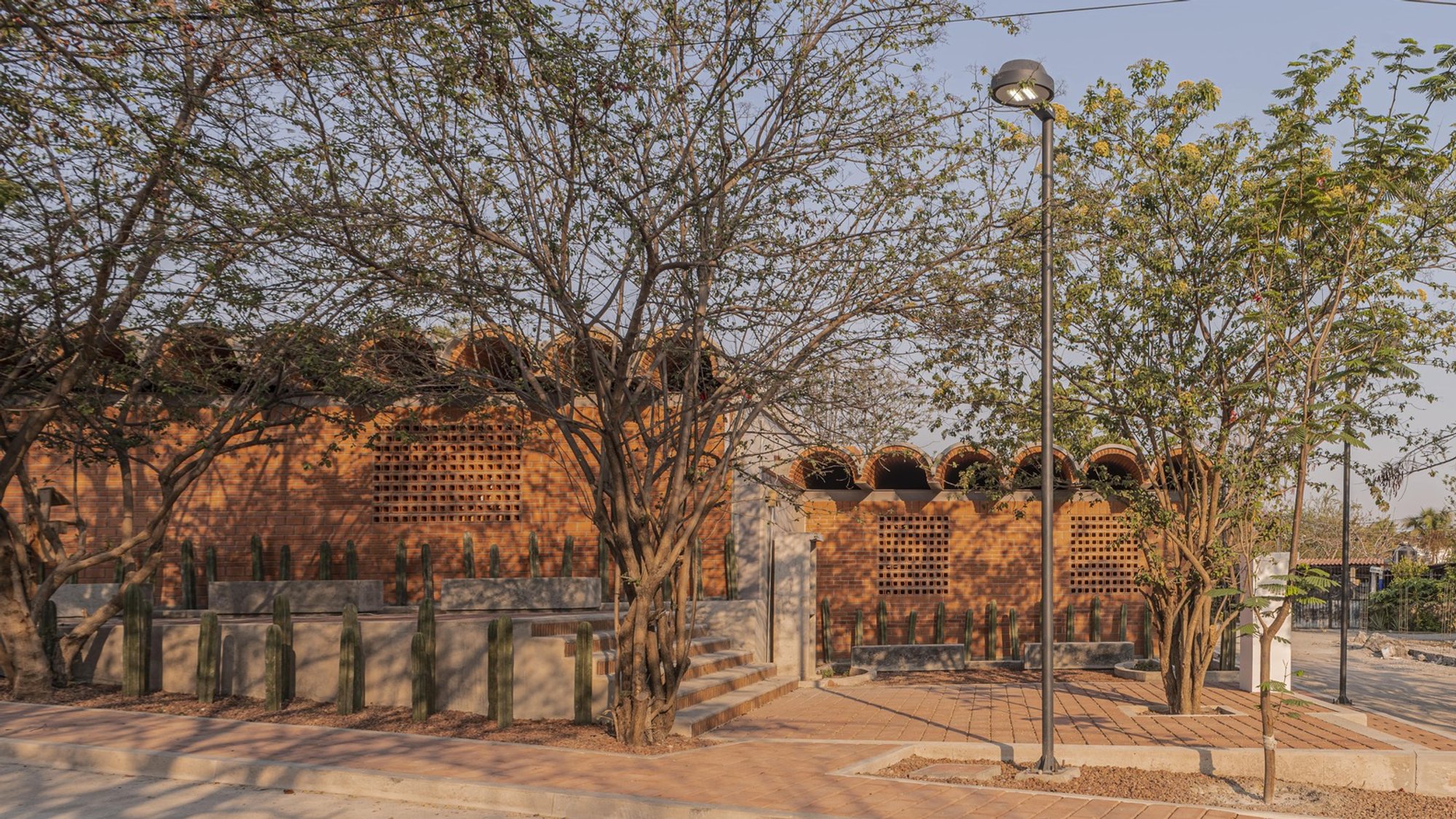
Tlatenchi House of Culture and Children's Garden: Architectural Integration and Cultural Identity
The Tlatenchi House of Culture and Children's Garden blends tradition and modernity, fostering community engagement through sustainable and earthquake-resistant architecture.

The Tlatenchi House of Culture and Children's Garden (CADI), designed by Taller CD, represents a significant architectural intervention in Tlatenchi, Morelos, Mexico. Completed in 2022 and spanning 910 m², this project unifies public space, cultural identity, and sustainable architecture. The design harmonizes traditional construction techniques with modern spatial needs, offering a seamless integration of the House of Culture and the Children’s Garden.
Context and Urban Integration
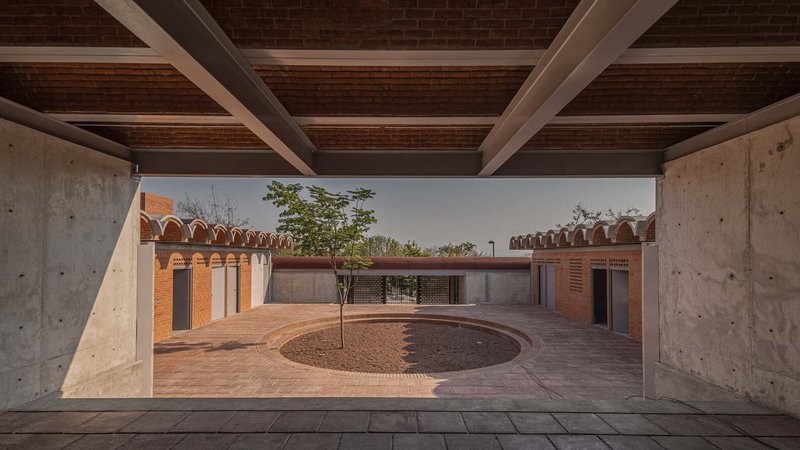
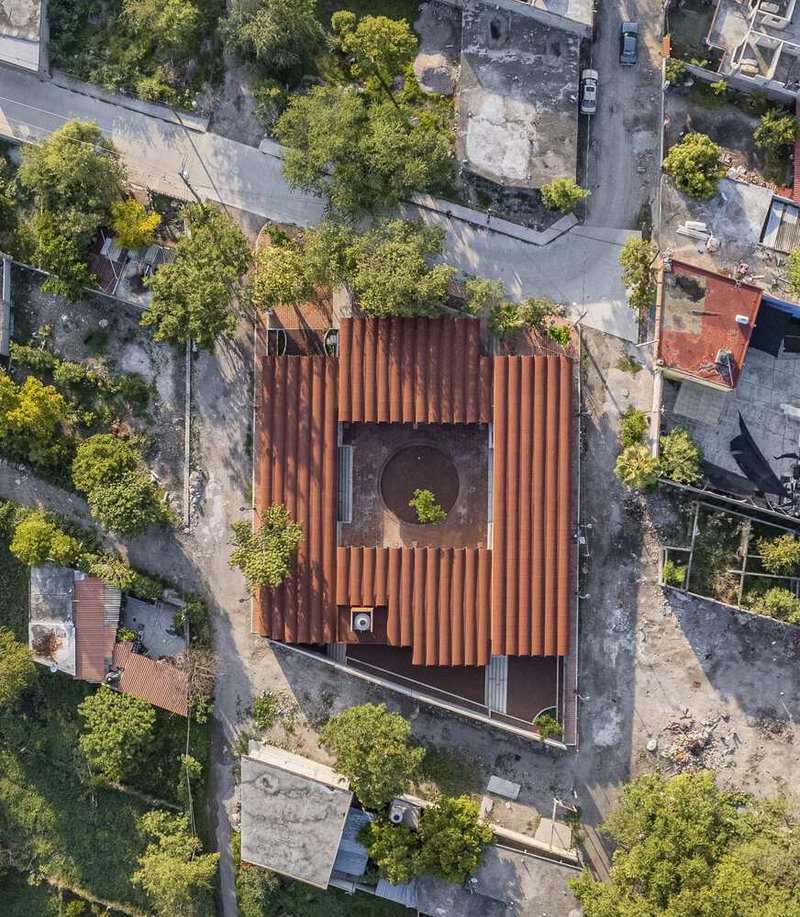
Located within a residential neighborhood in Jojutla, Morelos, the two facilities are just a five-minute walk apart but lack a direct physical connection. Despite this separation, their architectural language remains cohesive, ensuring a unified visual and functional identity. The project maximizes the potential of underutilized “residual lots,” transforming them into vibrant community spaces that foster social interaction and cultural engagement.
Architectural Design and Materiality
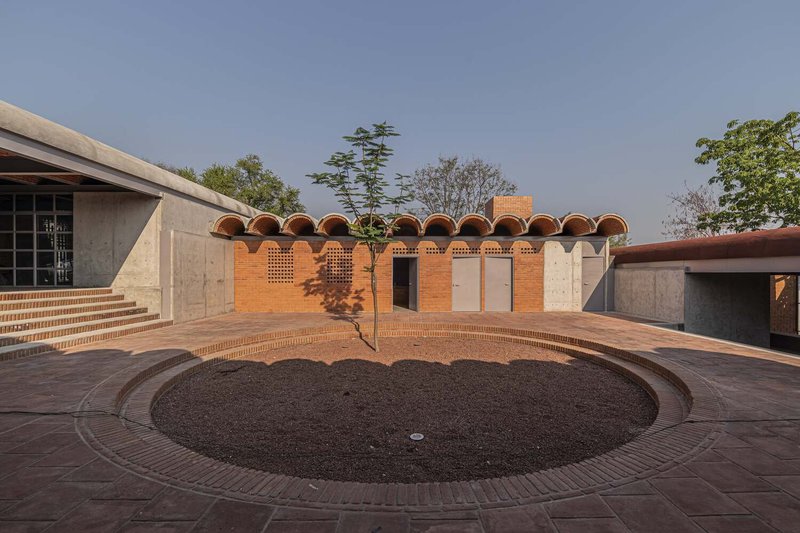
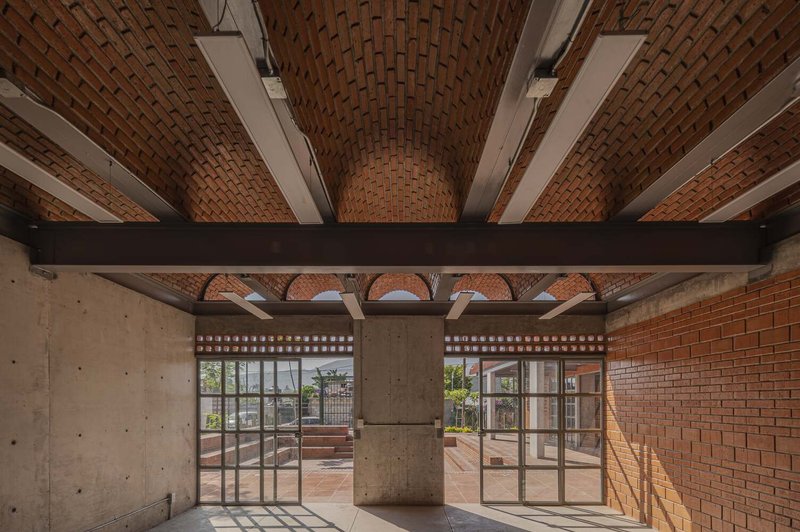
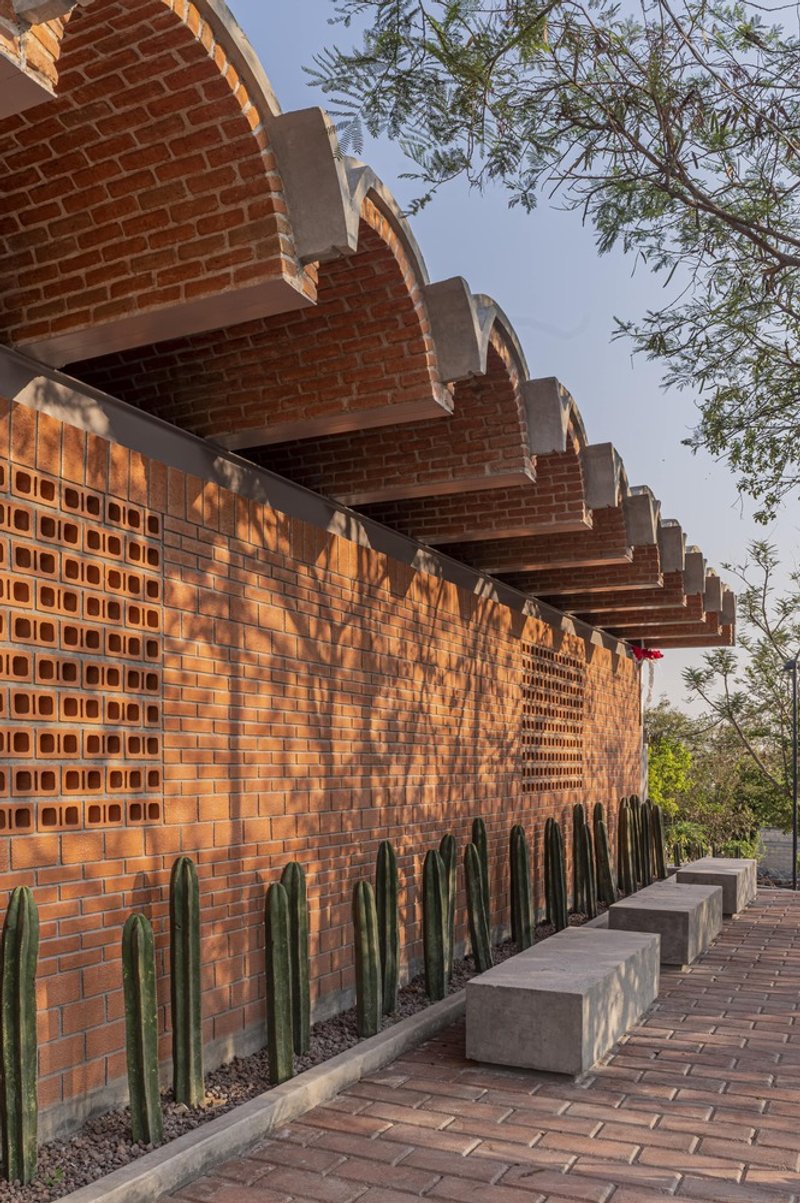
A key design strategy was the consistent use of local materials and structural elements. The integration of Catalan vaults—a historic construction technique—provides both structural efficiency and aesthetic continuity. These vaults, constructed using mud bricks, not only optimize material use but also enhance natural ventilation, crucial for the region’s warm and humid climate. The use of extruded brick load-bearing walls further strengthens the structure, ensuring durability in a seismically active zone.
Seismic Considerations and Structural Safety
Jojutla’s history with earthquakes, particularly the devastation caused by the 2017 earthquake, played a crucial role in shaping the project’s structural approach. Instead of allowing informal multi-level construction, the project introduces a reinterpreted Catalan vault system to ensure stability. By eliminating unnecessary intermediate supports, this technique minimizes seismic risks while preserving the integrity of large-span spaces.
Sustainability and Climate Responsiveness
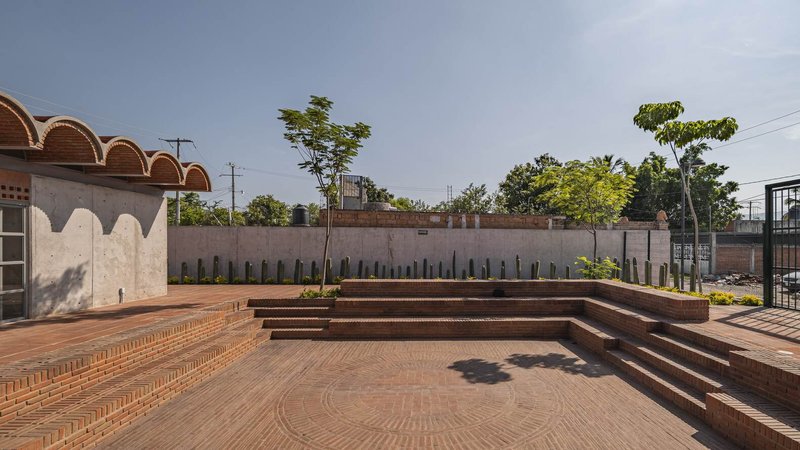
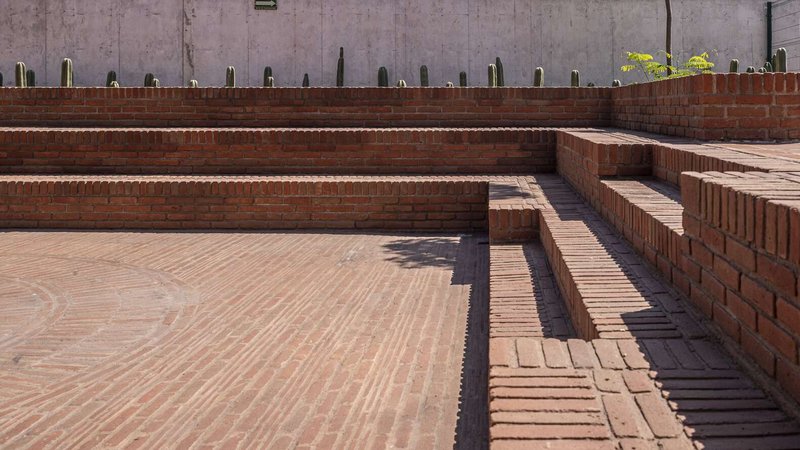
Given the region’s climate, the design incorporates passive cooling strategies. Openings and lattices facilitate cross-ventilation, reducing the reliance on mechanical cooling systems. Additionally, the choice of clay tiles for courtyards, stairs, and walkways contributes to thermal regulation, preventing heat accumulation. These elements collectively enhance the sustainability of the project, ensuring long-term efficiency with minimal maintenance.
Spatial Organization and Community Engagement
Both buildings prioritize community interaction through carefully designed nodal spaces. At the House of Culture, an auditorium serves as a central gathering point, fostering artistic and educational activities. In contrast, the Children’s Garden features a spacious patio, encouraging outdoor learning and play. The project reinstates historic pedestrian pathways, reactivating natural circulation flows and enhancing accessibility.
Reviving Craftsmanship and Cultural Heritage
A defining feature of the project is the revival of traditional brick craftsmanship. The Catalan vault construction technique, passed down through generations of local artisans, is reinterpreted in a contemporary architectural context. By incorporating these artisanal skills, the project not only preserves cultural heritage but also supports the local economy.
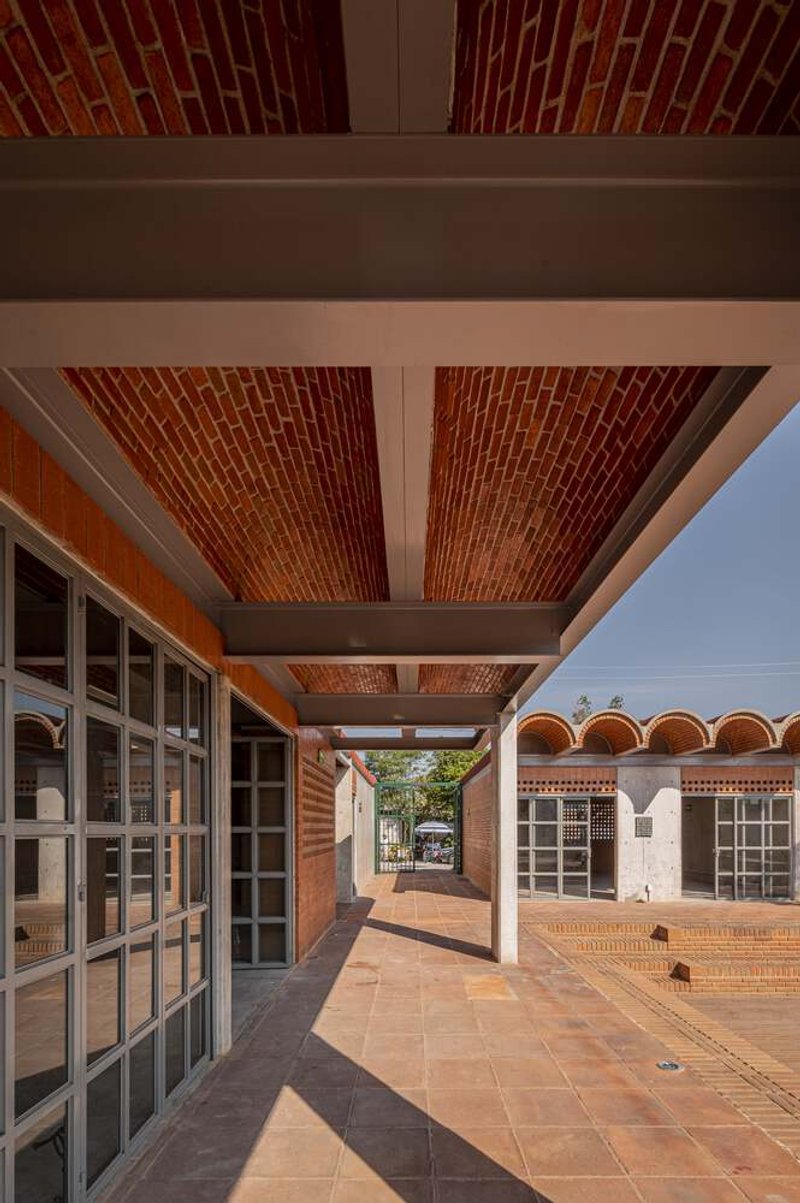
The Tlatenchi House of Culture and Children's Garden exemplifies how architecture can serve as a catalyst for community revitalization. By merging traditional building techniques with modern structural innovations, the project creates a resilient, culturally rooted, and environmentally sustainable public space. It stands as a testament to the power of thoughtful architectural interventions in fostering social cohesion and urban renewal.
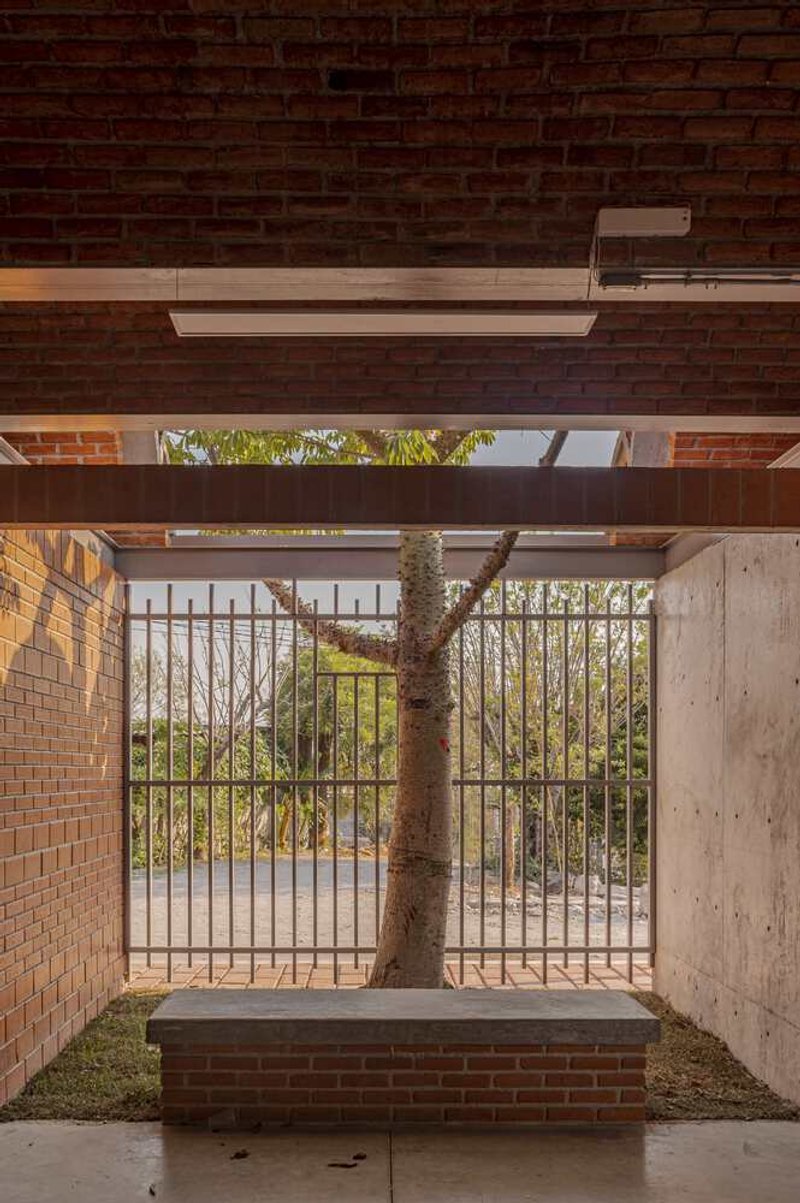
All Photographs are works of Andrés Cedillo




Popular Articles
Popular articles from the community

Split House: A Compact Urban Home Blending Privacy, Light, and Flexible Living in Japan
Compact Japanese home featuring DOMA space, flexible café potential, passive lighting, privacy zoning, and sustainable urban living design.

Atelier Macri Concept Store Interior Design by CASE-REAL
Atelier Macri store features a "ko" counter, walnut wood details, cork displays, blending retail, gallery, and seamless customer experiences.


The Ken Roberts Memorial Delineation Competition (Krob)
As the most senior architectural drawing competition currently in operation anywhere in the world, it draws hundreds of entries each year, awarding the very best submissions in a series of medium-based categories.


Similar Reads
You might also enjoy these articles
The Ken Roberts Memorial Delineation Competition (Krob)
As the most senior architectural drawing competition currently in operation anywhere in the world, it draws hundreds of entries each year, awarding the very best submissions in a series of medium-based categories.


Waterfront Redevelopment and Urban Revitalization in Mumbai: Forging a New Dawn for Darukhana
A transformative waterfront redevelopment project reimagining Darukhana’s shipbreaking heritage into an inclusive urban future.

OUT-OF-MAP: A Call for Postcards on Feminist Narratives of Public Space
Rhizoma Design and Research Lab invites artists, designers, architects, researchers, and students to reflect on how feminist perspectives can reshape public space. Selected works will be exhibited in Barcelona, October 2026. Submissions open until 15 April 2026.


Documentation Work on Buddhist Wooden Temple
Architectural syncretism and cultural hybridity: A comparative study of the Buddhist temples in Chattogram Hill tracks


Explore Architecture Competitions
Discover active competitions in this discipline




The International Standard for Design Portfolios


The Global Benchmark for Architecture Dissertation Awards


The Global Benchmark for Graduation Excellence


Challenge to reimagine the Iron Throne
Comments (0)
Please login or sign up to add comments
No comments yet. Be the first to comment!