

Unlocking the Future: Sustainable Architecture Design for a Greener World
The article explores sustainable architecture design's impact, focusing on the Hiyoshi Pavilion's innovative and community-engaged approach to sustainability.


The Hiyoshi Pavilion in Yokohama, Japan, stands as a testament to sustainable architecture design principles. Designed to enhance social interactions among students, this pavilion showcases:
In an era marked by environmental challenges, the role of architecture in creating sustainable solutions has gained paramount importance. Sustainable architecture design encompasses principles that minimize environmental impact while maximizing efficiency and comfort. This article delves into the key aspects of sustainable architecture design and its impact on shaping a greener world.
Understanding Sustainable Architecture Design
Sustainable architecture design revolves around creating buildings and spaces that reduce resource consumption, promote renewable energy use, and prioritize environmental responsibility. Key elements of sustainable design include:
- Energy Efficiency: Integrating passive design strategies, utilizing renewable energy sources like solar panels, and optimizing building orientation for natural light and ventilation.
- Material Selection: Choosing eco-friendly materials with low environmental impact, such as recycled or locally sourced materials, and implementing efficient waste management practices.
- Water Conservation: Incorporating water-saving technologies like rainwater harvesting systems, low-flow fixtures, and drought-resistant landscaping.
- Indoor Environmental Quality: Ensuring healthy indoor environments through proper ventilation, natural daylighting, and non-toxic building materials.
Benefits of Sustainable Architecture Design
The adoption of sustainable architecture design offers a myriad of benefits:
- Environmental Preservation: Reducing carbon footprint, conserving natural resources, and mitigating climate change impacts.
- Cost Savings: Lowering operational costs through energy-efficient systems, reduced water consumption, and long-lasting, low-maintenance materials.
- Health and Well-being: Enhancing occupant comfort, productivity, and health by providing optimal indoor air quality and thermal comfort.
- Resilience: Building resilience against climate-related hazards like extreme weather events, flooding, and temperature fluctuations.
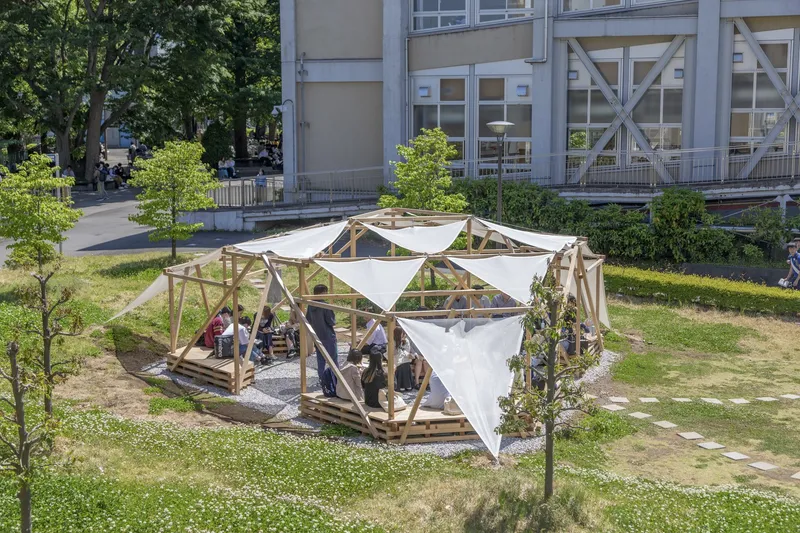
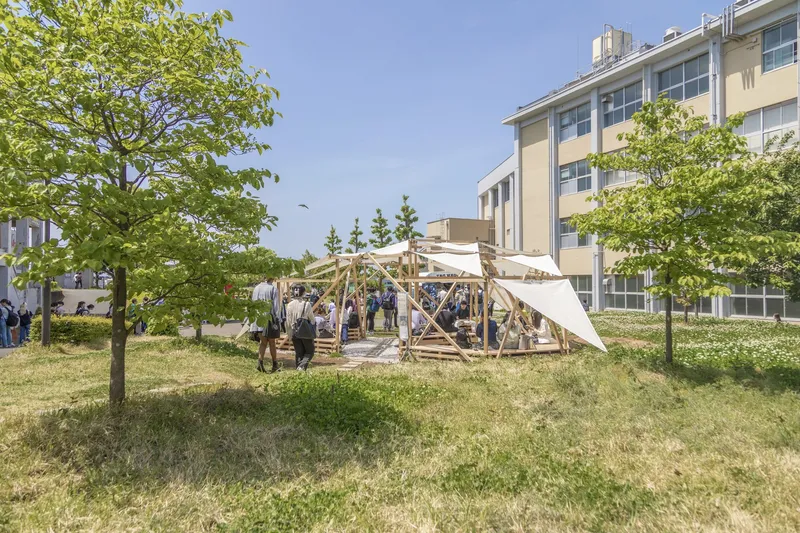
Case Study: Hiyoshi Pavilion by Jorge Almazán and Keio University Studiolab
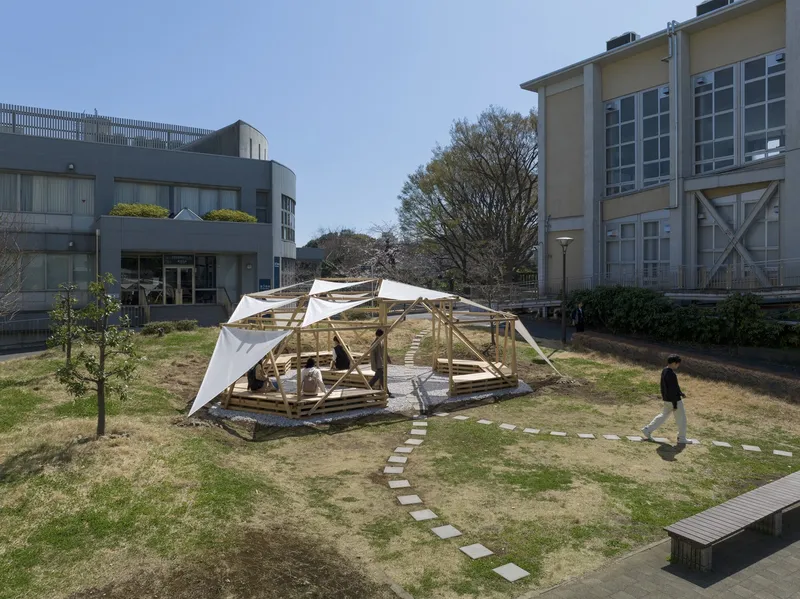
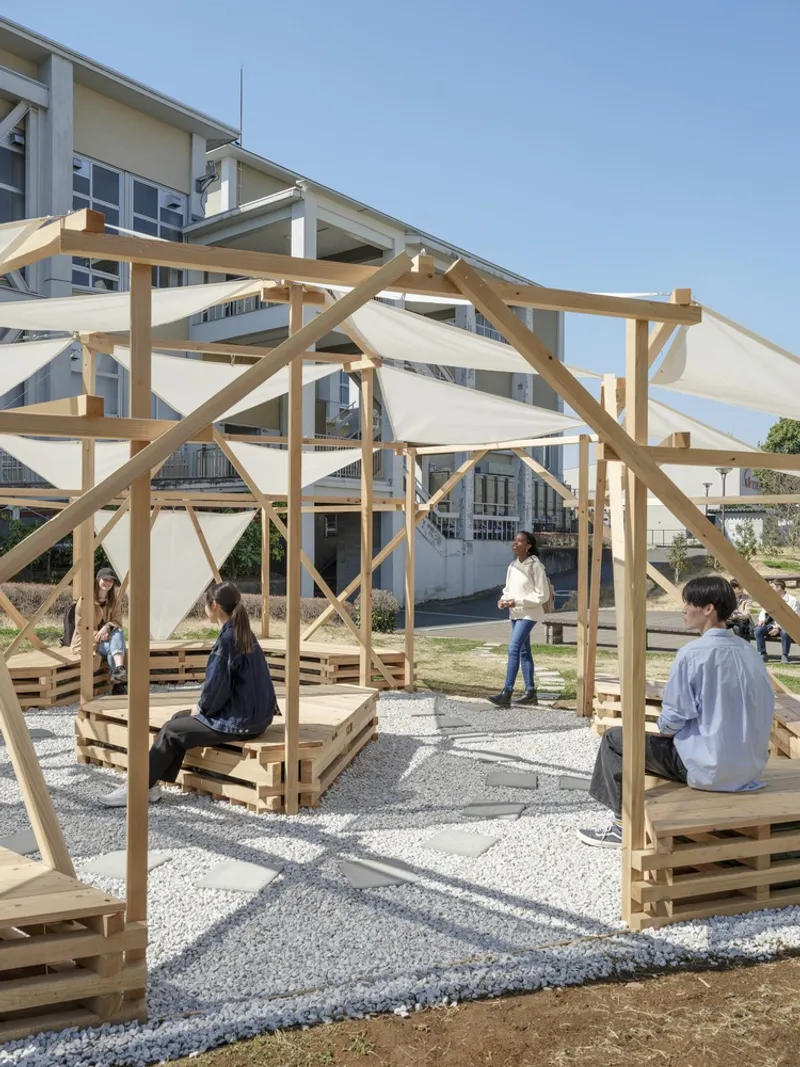
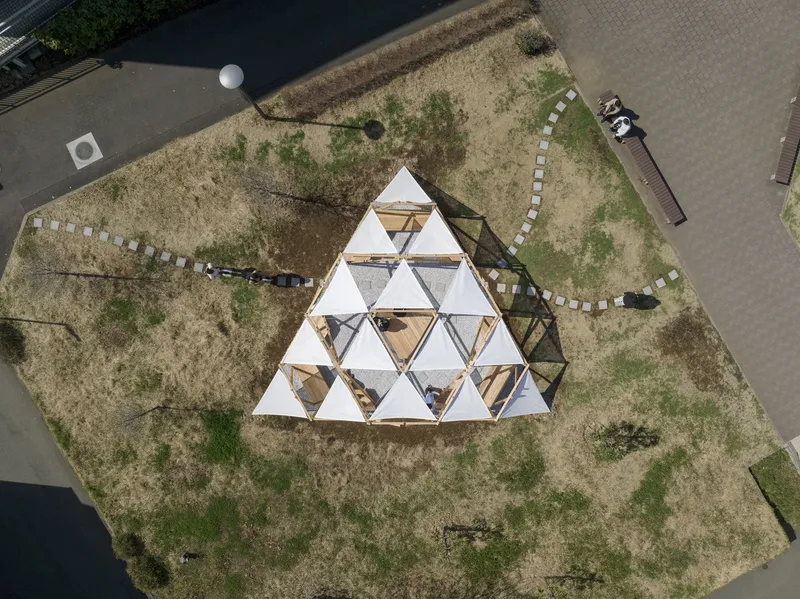
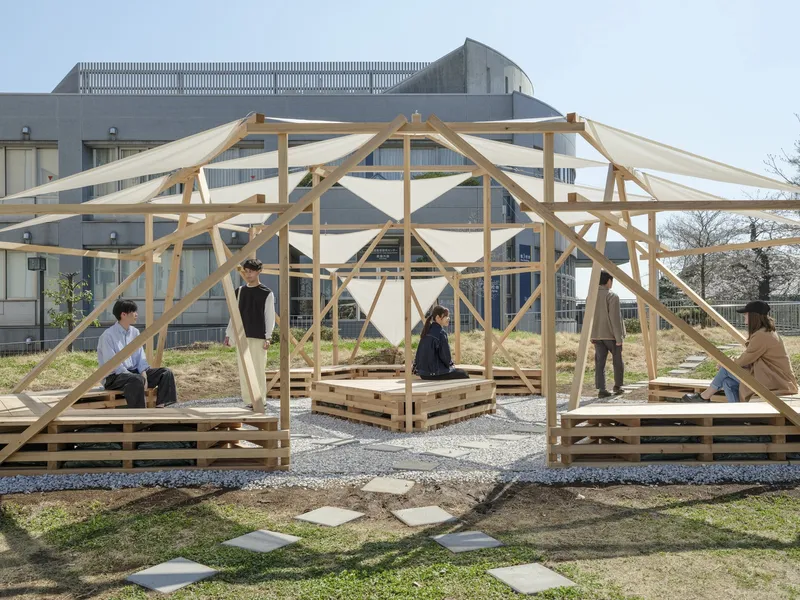
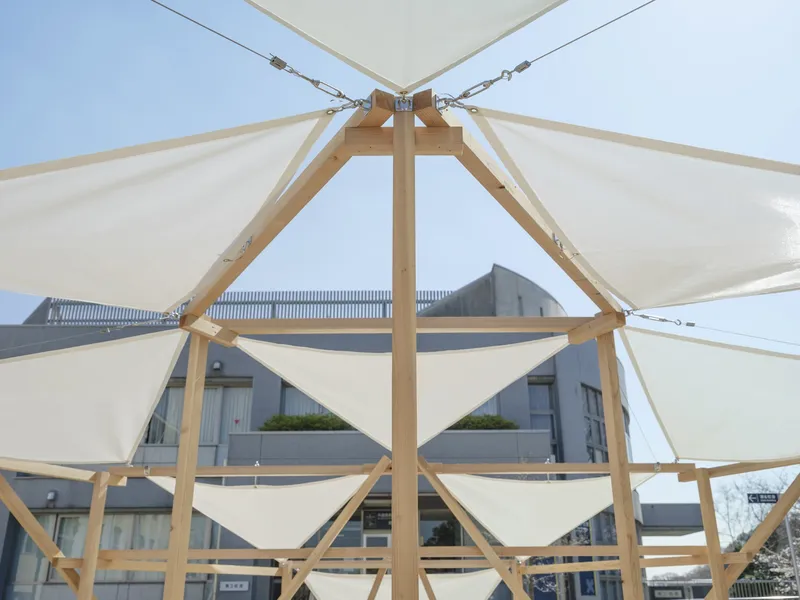
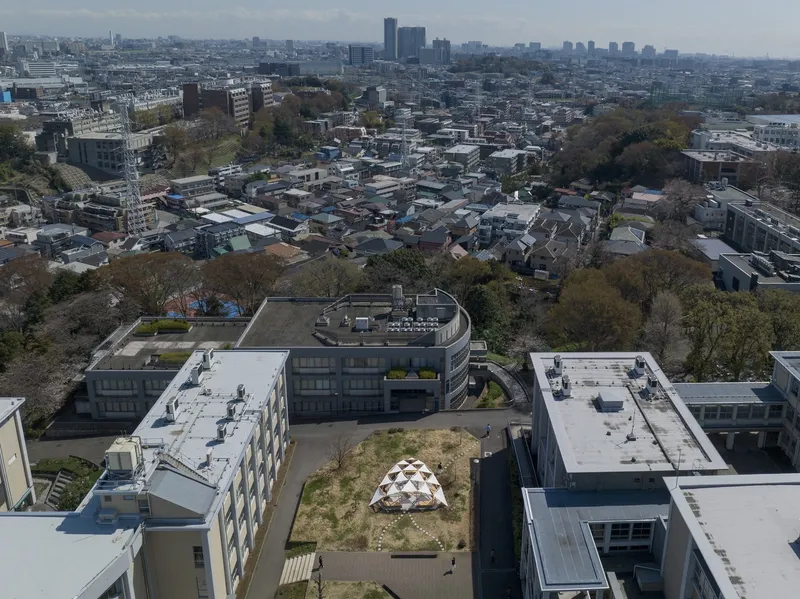
The Hiyoshi Pavilion in Yokohama, Japan, stands as a testament to sustainable architecture design principles. Designed to enhance social interactions among students, this pavilion showcases:
- Innovative Design: The pavilion's small-scale wooden structure and triangulated design maximize strength while minimizing material usage.
- Participatory Construction: Engaging students in the construction process fosters a sense of community, environmental responsibility, and hands-on learning.
- Environmental Sensitivity: Utilizing local materials, implementing passive cooling strategies, and considering wind resistance highlight the pavilion's sustainable approach.
- Social Impact: The pavilion serves as a vibrant hub for informal gatherings, promoting social cohesion and a sense of place on the campus.
Sustainable architecture design is not just a trend but a necessity in building a sustainable future. By integrating environmental considerations, energy efficiency, and community engagement, architects and designers can create spaces that not only function efficiently but also contribute positively to the environment and society. The Hiyoshi Pavilion exemplifies how sustainable design can transform spaces, inspire communities, and pave the way for a greener world.

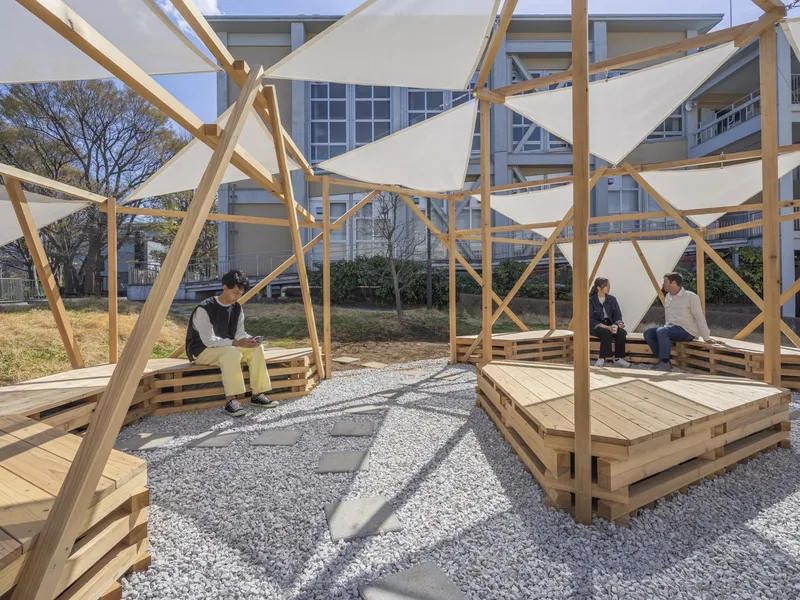
All the photographs are work of Kurome Photo Studio


Popular Articles
Popular articles from the community


Singing Woman: Contemporary Architecture Inspired by Estonia’s Voice and the Sea
Singing Woman turns Estonia’s song culture into flowing opera house architecture, blending public life, landscape, sea, and national memory.
Manzana Morphosis: Stretching Barcelona's Grid into a Living Landscape for 2050
A radical reworking of the Eixample manzana turns density into a tool for generous public space, vertical ecology, and environmental performance.

Cloaked Colonization: A Mobile Underwater Habitat That Moves Like a Fish
Micah Abaya's shortlisted EHC Pacific entry reimagines ocean settlement as a dispersed network of self-sustaining architectural organisms.

Temporary Home for Dogs: A Reversed Zoo Rethinks Animal Shelter Architecture
In Bucharest, a sinuous corridor and freed landscape flip the logic of containment, designing a shelter that works to make itself unnecessary.

Similar Reads
You might also enjoy these articles


Maya Harvest: A Cacao Resort Village Rooted in Mayan Tradition and Local Craft
Situated within a Tabasco cacao plantation, this shortlisted resort proposal merges vernacular materials with hands-on cultural immersion.
Harmonia: A River-Shaped Community That Grows Over Decades in Boa Vista
Curved pathways and modular grid structures along the Branco River create a phased settlement designed to evolve from 2030 to 2050.

The Architecture of Bathing: A Mughal Hammam Reimagined Across the Yamuna
Charlotte May's honorable mention entry for The Black Taj reinterprets Agra's bathing rituals through red sandstone, water, and framed views of the Taj Mah

Om-1: A Wall-Hung System That Moves Your Workspace Off the Desk
Modular plywood boards, magnetic pegs, and utility elements migrate clutter from the horizontal surface to the vertical plane.

Explore Sustainable Future Competitions
Discover active competitions in this discipline

Challenge to design locus for the upliftment of human rights

Challenge to reimagine the Iron Throne

Photograph architecture without architects

Illustrate the lost glory of Angkor Wat - Render Challenge
Comments (0)
Please login or sign up to add comments
No comments yet. Be the first to comment!