
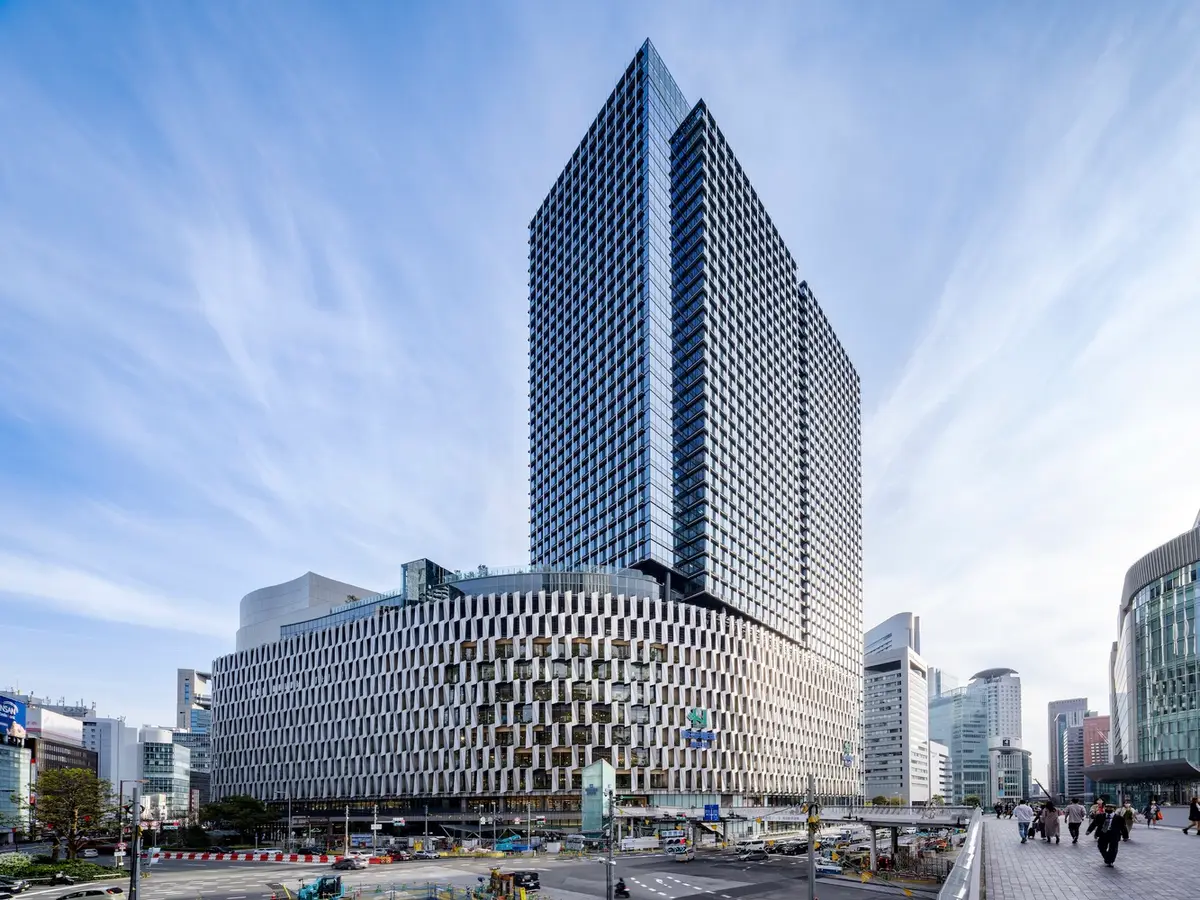
Urban Architecture Design: A Look at the Osaka Umeda Twin Towers South
Explore the innovative urban architecture design of Osaka Umeda Twin Towers South, focusing on sustainability, green spaces, and community integration.


Urban Architecture Design
Urban architecture design plays a vital role in shaping the experience and functionality of modern cities. By blending form, function, and sustainability, architects are not only designing buildings but entire environments that contribute to the urban landscape. A prime example of innovative urban architecture is the Osaka Umeda Twin Towers South, a project completed in 2022 by Takenaka Corporation. This expansive urban complex exemplifies the evolution of city design with its focus on multi-layered public-private spaces, eco-friendly materials, and a strong connection to the surrounding environment.
The Vision Behind Osaka Umeda Twin Towers South
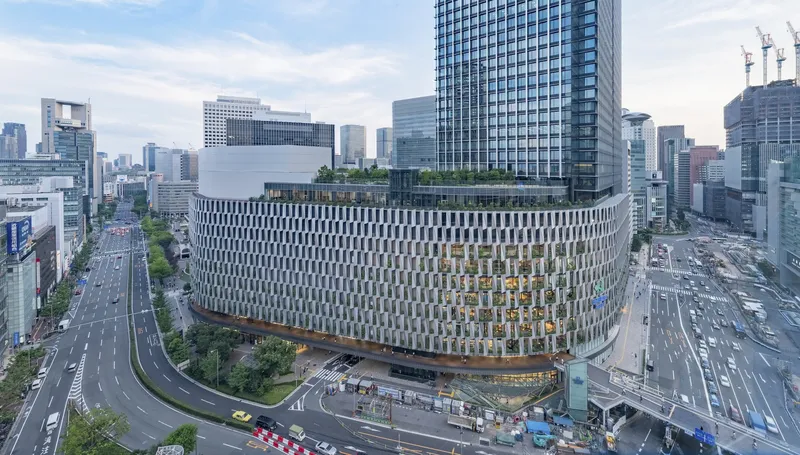
The Osaka Umeda Twin Towers South is an urban renewal project designed to enhance the vitality of Umeda, Osaka’s bustling business district. The project consists of office towers, a department store, and conference halls, with a total area of approximately 259,372 m². As an example of modern urban architecture design, this development was crafted with the aim to create a more walkable and sustainable city, all while revitalizing public spaces and encouraging community interaction.
Multi-Layered Streets: Connecting People and Architecture
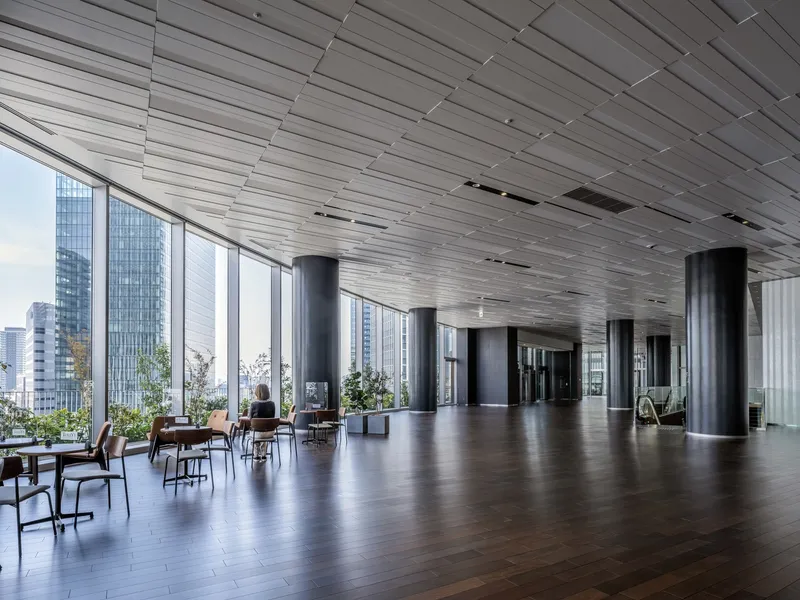
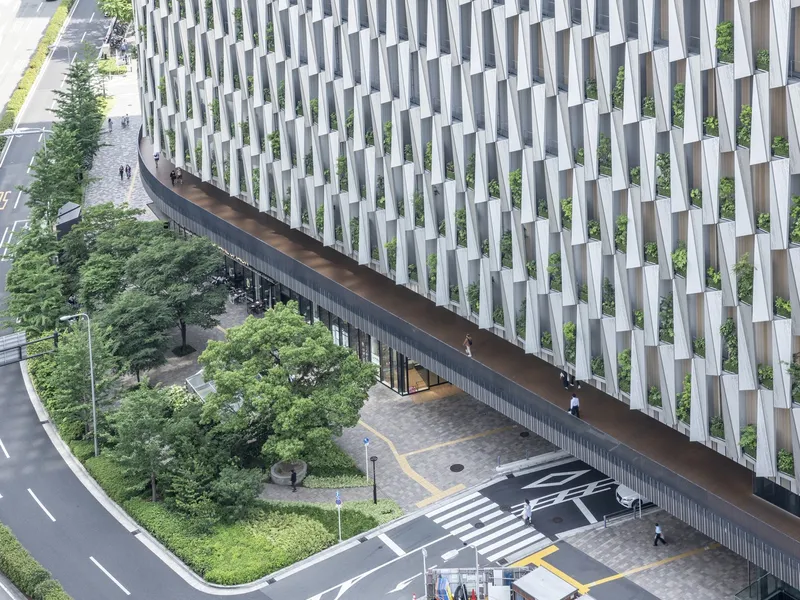
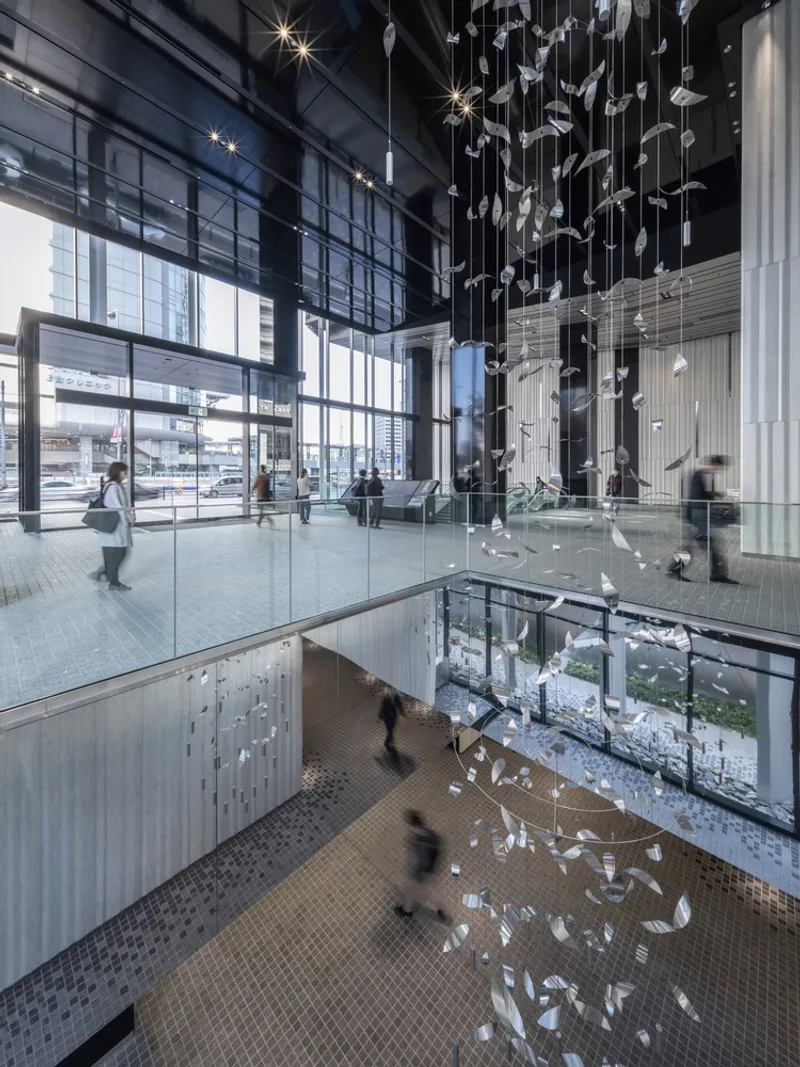
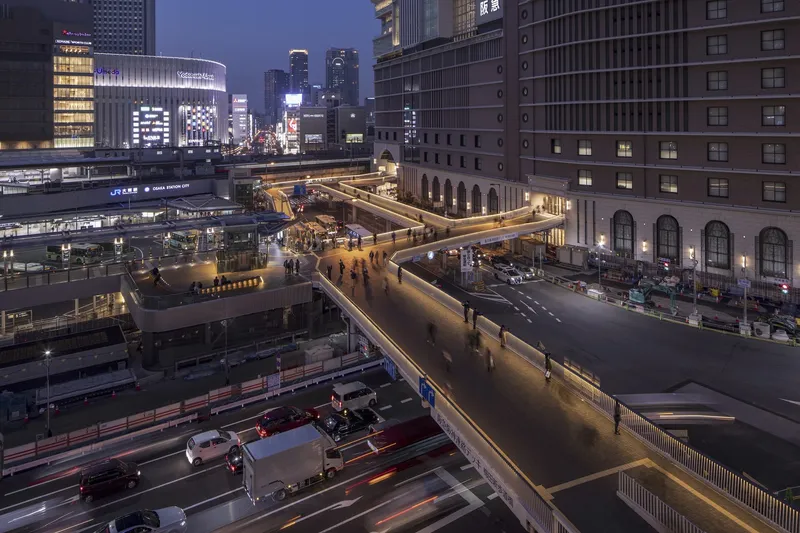
One of the core principles of this development is the creation of multi-layered streets that seamlessly connect public spaces with the architectural design. The project spans across 33,000 m² of urban space, linking seven nearby train stations and providing a dynamic pedestrian experience. The interconnected streets are designed to promote the circulation of people, moving from underground pedestrian areas to vibrant above-ground spaces, ensuring both accessibility and aesthetic value.
Sustainable Urban Architecture Design
Sustainability is at the heart of the Osaka Umeda Twin Towers South project. The building’s architecture incorporates eco-friendly materials, green spaces, and cutting-edge technology to create an energy-efficient structure that blends harmoniously with its environment.
Eco-Friendly Facades and Greenery
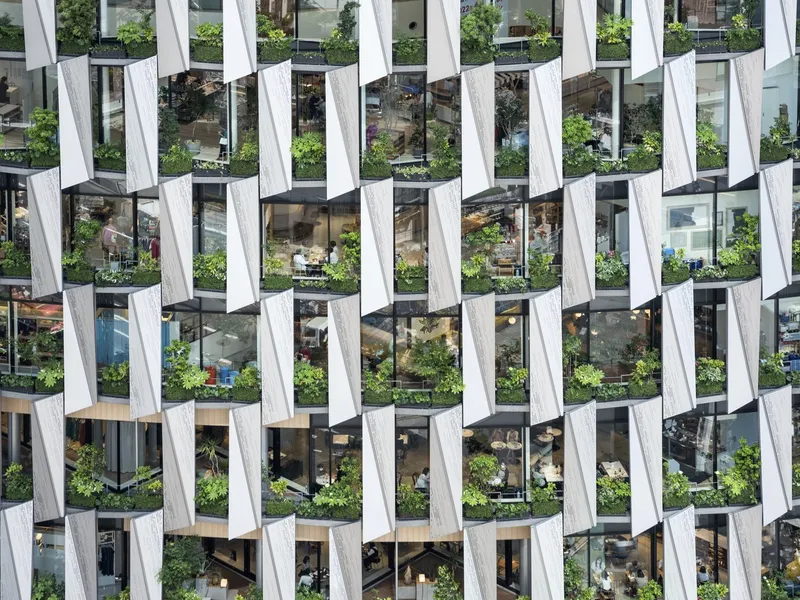
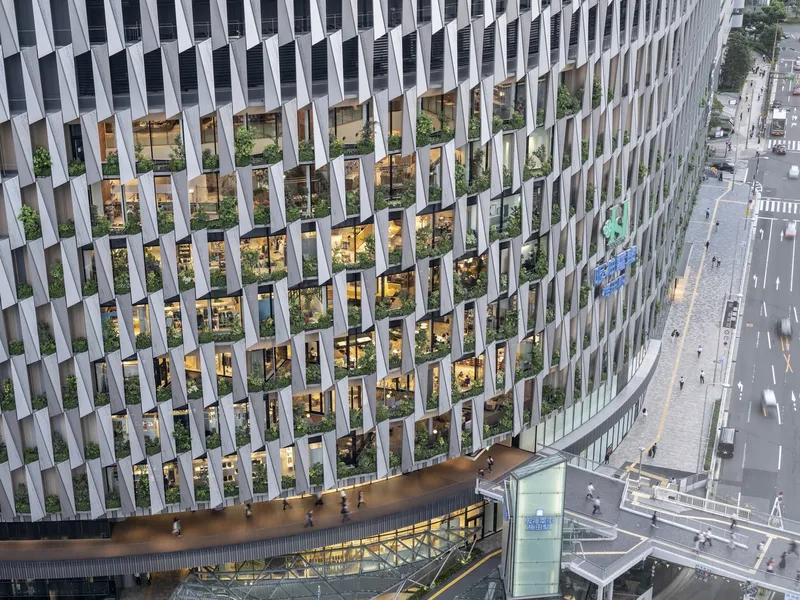
A defining feature of the Osaka Umeda Twin Towers South is its 240-meter-long façade made of perforated aluminum panels, which are carefully folded to resemble traditional Japanese origami. These panels are not only aesthetically pleasing but also serve as an essential component of the building's solar heat gain strategy. By optimizing the angles and mounting heights of the fins, the building reduces solar heat gain by 50%, enhancing its energy efficiency.
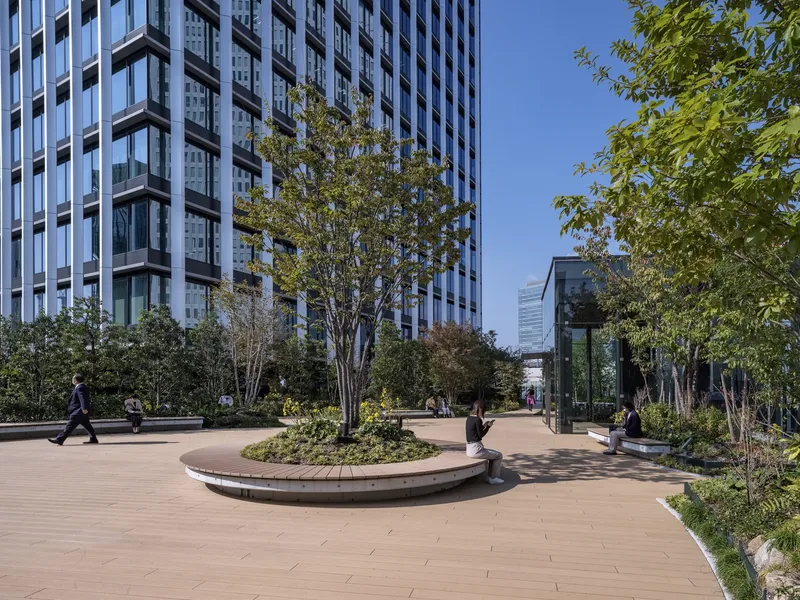
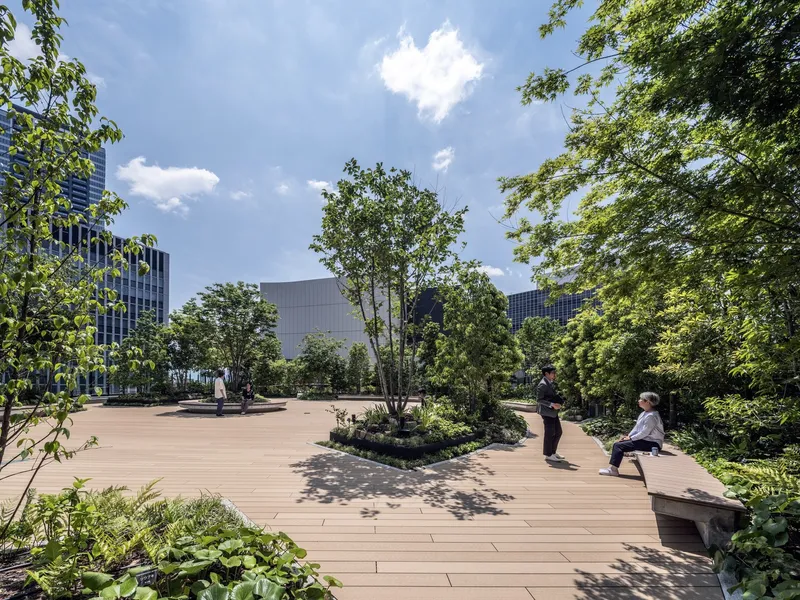
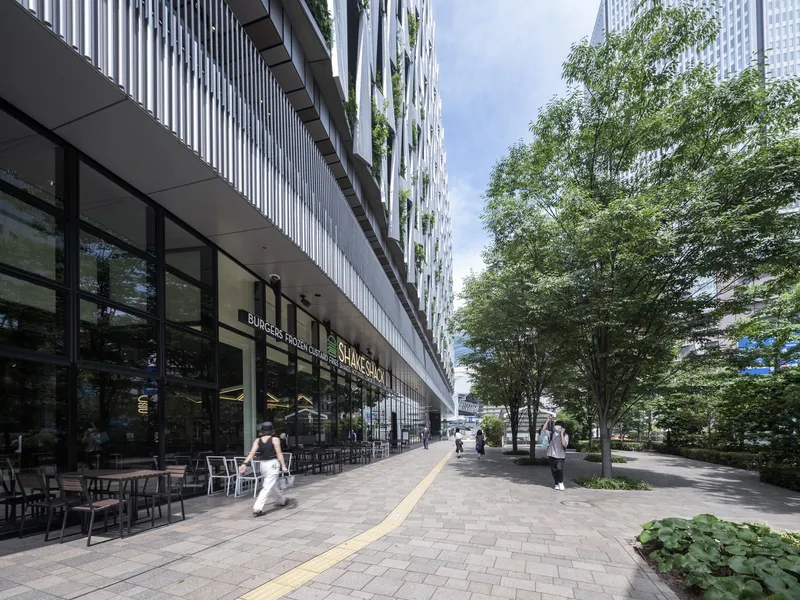
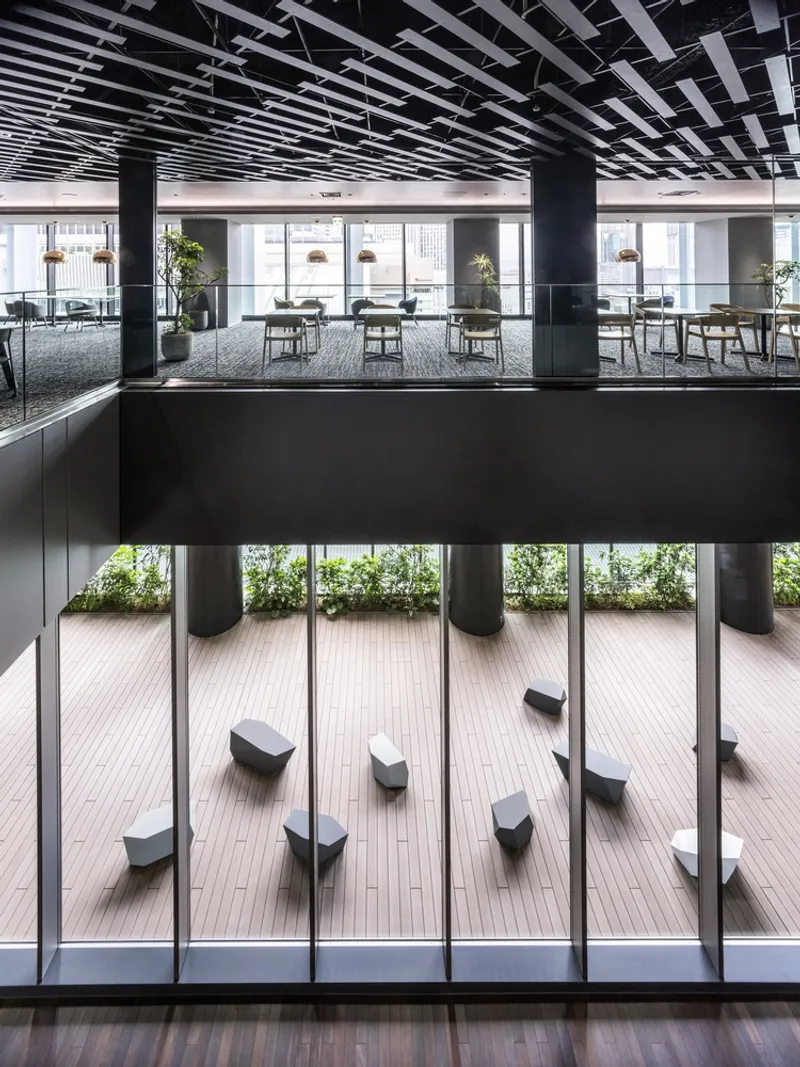
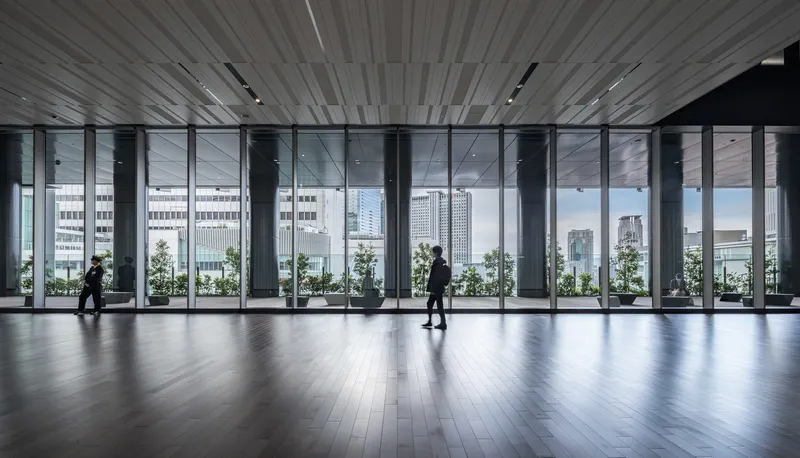
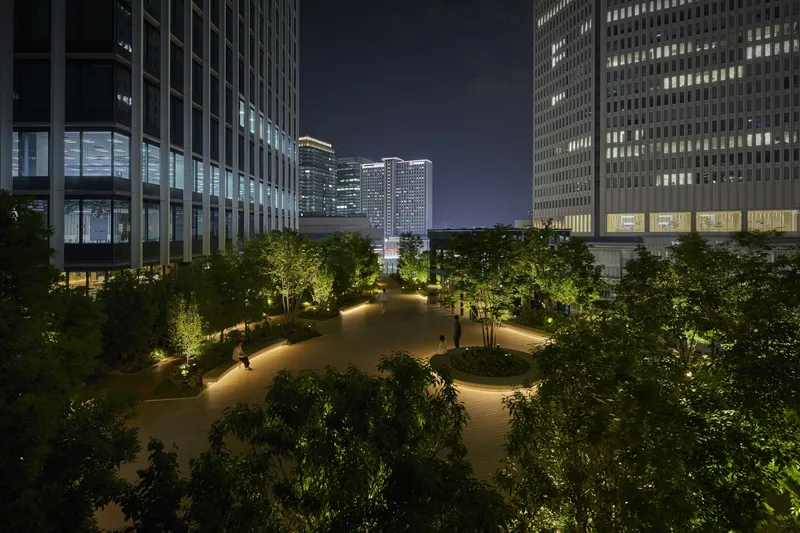
The façade also incorporates vertical greenery, a rooftop garden, and sidewalk plantings, which contribute to the creation of a biodiverse urban landscape. These green spaces are designed to blend seamlessly with the urban environment, connecting the building to the surrounding streets and enhancing the overall eco-friendly architecture design of Umeda.
A Commitment to Biodiversity and Environmental Health
This project goes beyond standard green architecture by focusing on urban biodiversity. The use of native plant species and the creation of a vertical wall greenery system spanning over 700 m² brings life to the urban landscape, while strategically placed plants attract local wildlife such as birds and butterflies. The rooftop garden not only adds visual appeal but also contributes to the urban ecosystem by providing vital food sources for pollinators.
Architectural Innovations of the Office Tower
The office tower of the Osaka Umeda Twin Towers South is another remarkable example of urban architecture design. Standing 190 meters tall, it features a façade composed of vertical and horizontal fins. These fins, which are carefully calibrated through simulations, create a dynamic shading effect, reducing solar heat gain while maintaining optimal views of the surrounding cityscape.
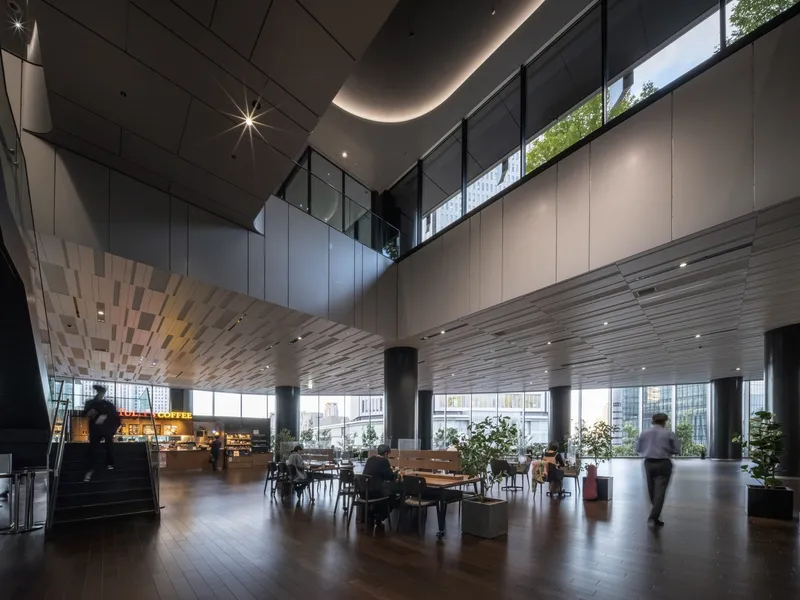
The design of the office tower emphasizes comfort and functionality, providing employees with a sustainable and modern work environment. The slit-like segmentation created by continuous vertical balconies enhances the aesthetics of the tower while contributing to its high environmental performance.
The Role of Urban Architecture in Modern Cities
As cities continue to evolve, the role of urban architecture design becomes more critical. The Osaka Umeda Twin Towers South serves as a prime example of how modern architecture can create sustainable, functional, and vibrant urban environments. By integrating eco-friendly materials, advanced architectural techniques, and green spaces, this project demonstrates the potential for architecture to transform cities into more livable and sustainable places.
The Future of Urban Architecture
The Osaka Umeda Twin Towers South is a testament to the power of innovative urban architecture design. By focusing on sustainability, accessibility, and community integration, Takenaka Corporation has created a dynamic urban complex that sets a new standard for modern architecture. As cities around the world continue to grow, it is projects like these that will shape the future of urban living, ensuring that architecture not only serves the needs of the present but also nurtures the environment and communities for generations to come.
All Photographs are work of Tomoki Hahakura


Popular Articles
Popular articles from the community


David Ortega Stacks a Two-Story Mexico City Penthouse Around a Steel Stair and a Pergola-Shaded Roof Terrace
In Colonia Roma, a 300 m² penthouse uses oak joinery, a planted steel stair and a slatted roof pergola to make a new-build apartment feel like a house.

Architekt Andreas Gruber Scatters 23 Dark Timber Chalets Across a South Tyrolean Forest Edge
In Molini di Tures, Amonti Chalets breaks a resort into a hamlet of gabled timber houses, with parking, storage and services pushed into the slope.

GROUP A Strips a 1969 Rotterdam Harbor Headquarters to Its Frame and Wraps It in Timber Louvers
In Rotterdam's M4H harbor district, Ferro Offices reuses a 1969 frame, adds one timber storey and reaches BREEAM-NL Outstanding.

Juan García Correa, John González and Claudia Rueda Sink a Circular Amphitheater into a Manizales Engineering Building
On the La Nubia campus in Manizales, Colombia, the S1 Building folds labs and offices into a hillside of ramped lawns that double as a campus route.

Similar Reads
You might also enjoy these articles


Hodi-Mandai Geram
Project Function: Preservation and revitalization of the Intangible heritage and socio-spatial identity of the Hodi by Housing, Cultural Memory Center, Sacred Grove, landscape, local tourism economy


Olio Towers: A Mid-Rise for Performers That Fuses Housing, Rehearsal, and Stage
Located blocks from Houston's Theater District, this modular tower stacks living units around a central performance atrium.

Oasis: Modular Green Housing Carved into Dhaka's Urban Fabric
A shortlisted Plugin Housing entry reclaims unauthorized settlements in Dhaka with stepped concrete volumes, green roofs, and ventilation-driven design.

Black Hole: A Floating Megastructure for the Post-Physical Era
Emiliano Mazzarotto envisions a spherical, self-scaling arena where e-sports, digital hotels, and holographic stadiums replace traditional public space.

Explore World Capital of Architecture Competitions
Discover active competitions in this discipline

Challenge to design a shop stop sunk in the city

Challenge to reimagine the Iron Throne

Photograph architecture without architects

Illustrate the lost glory of Angkor Wat - Render Challenge
Comments (0)
Please login or sign up to add comments
No comments yet. Be the first to comment!