
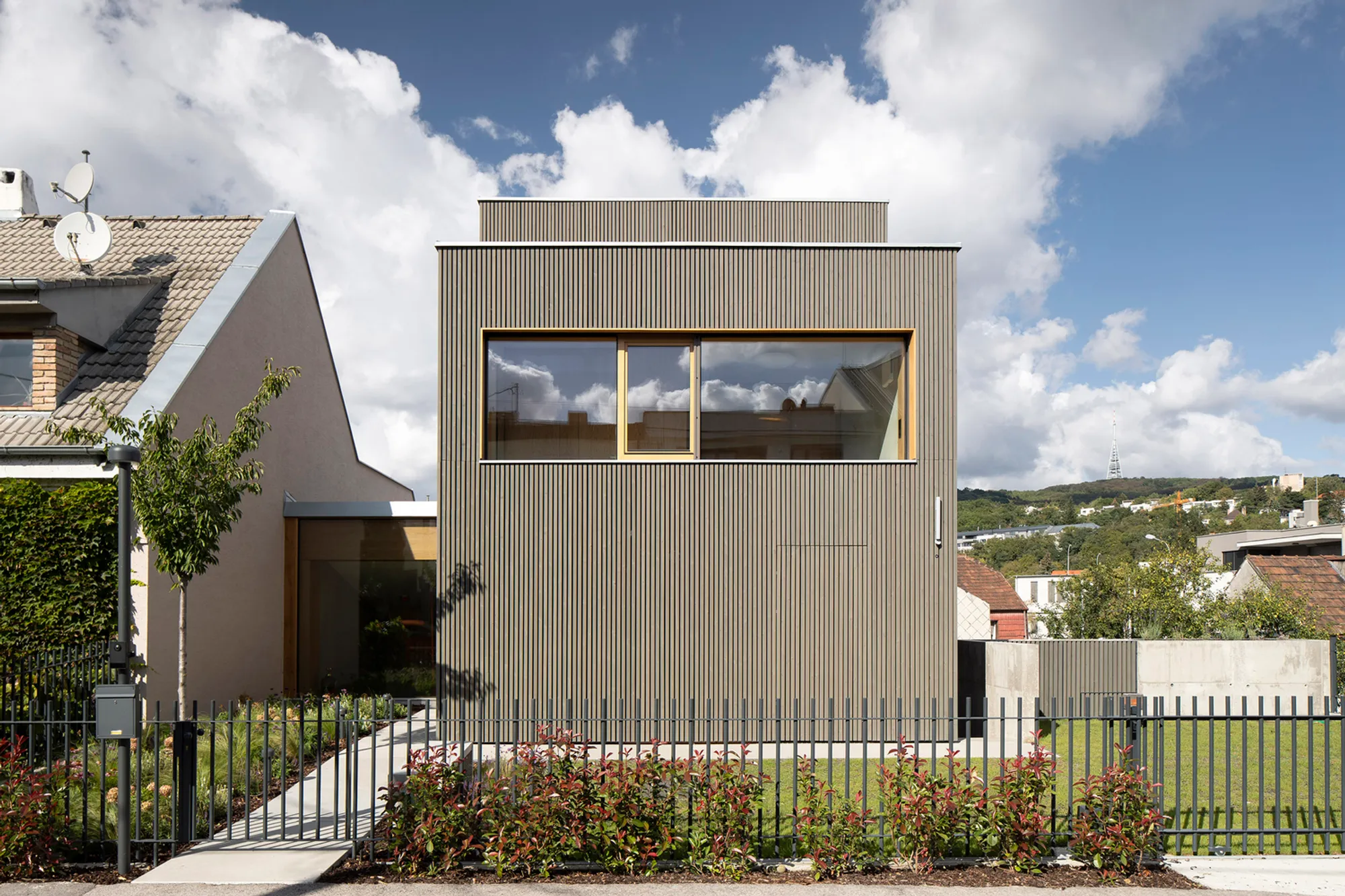
Urban Infill Housing Design: Integrating Modernity with Tradition at Na Rade House by NOIZ architekti
Explore Na Rade House by NOIZ architekti, a model of urban infill housing design blending modern living with historical context.


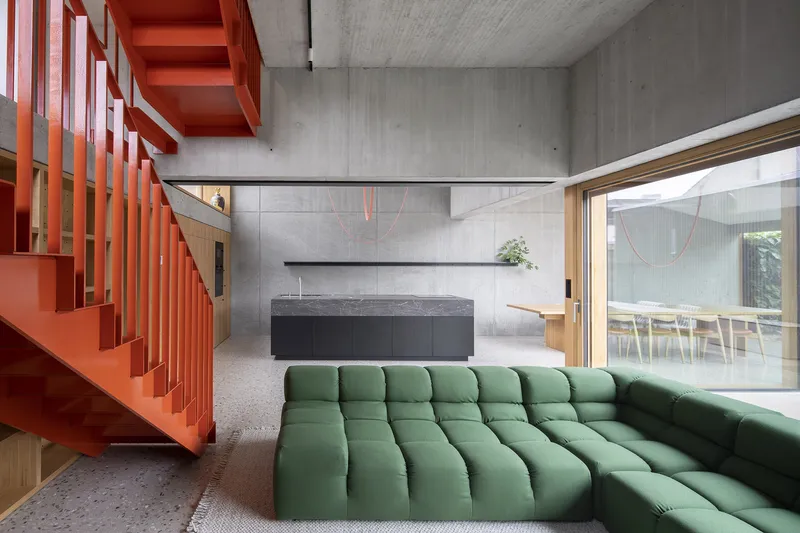
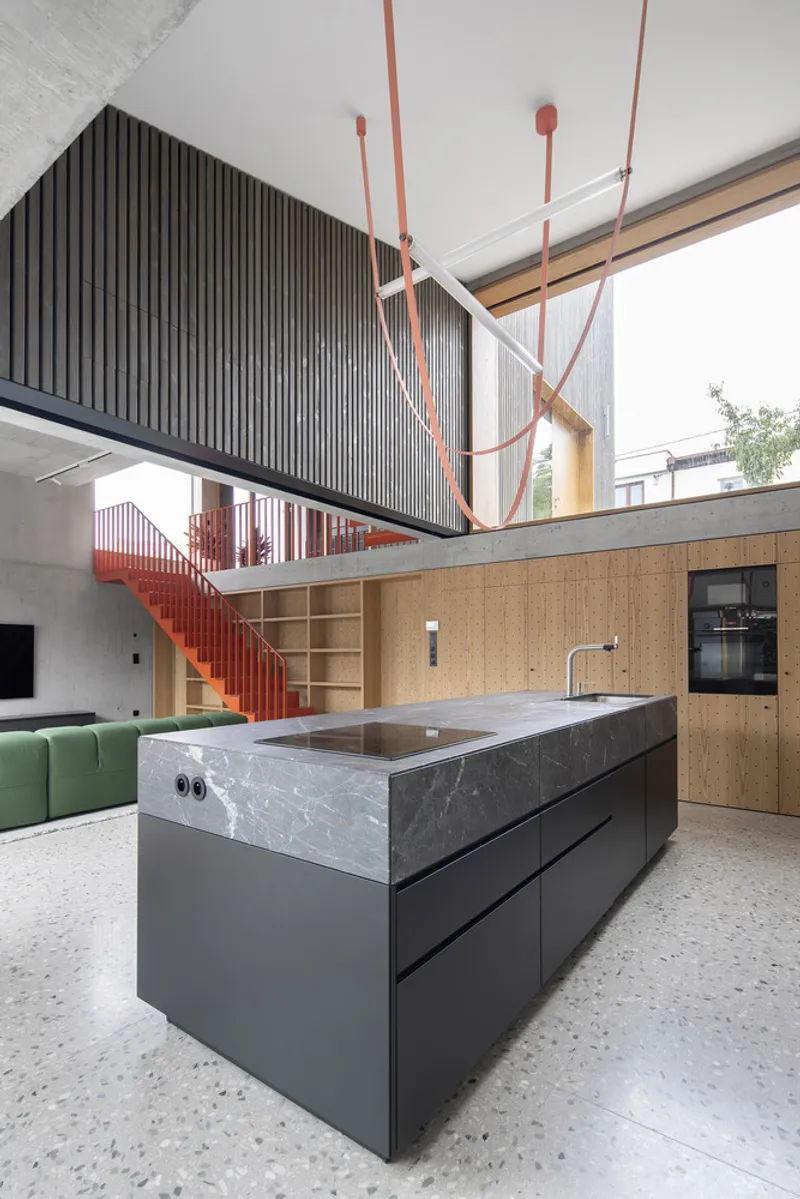
Urban infill housing is a critical aspect of contemporary urban development, offering new opportunities for residential construction within established city sectors. Na Rade House in Bratislava, designed by NOIZ architekti, exemplifies innovative urban infill housing design by integrating a modern family home into the historic fabric of the Old Town.
Understanding Urban Infill Housing Design
What is Urban Infill Housing?
Urban infill housing refers to the practice of developing vacant or underused parcels within existing urban areas that are already largely developed. This approach is sustainable as it utilizes existing infrastructure and helps to revitalize neighborhoods without expanding city boundaries.
Benefits of Urban Infill Housing
Infill development can increase urban density, reduce urban sprawl, and contribute to a more vibrant community by adding more homes and businesses to existing neighborhoods. It also typically involves a smaller environmental footprint than developing on previously undeveloped land.
Architectural Strategy at Na Rade House
Site History and Development
Preservation of Urban Texture
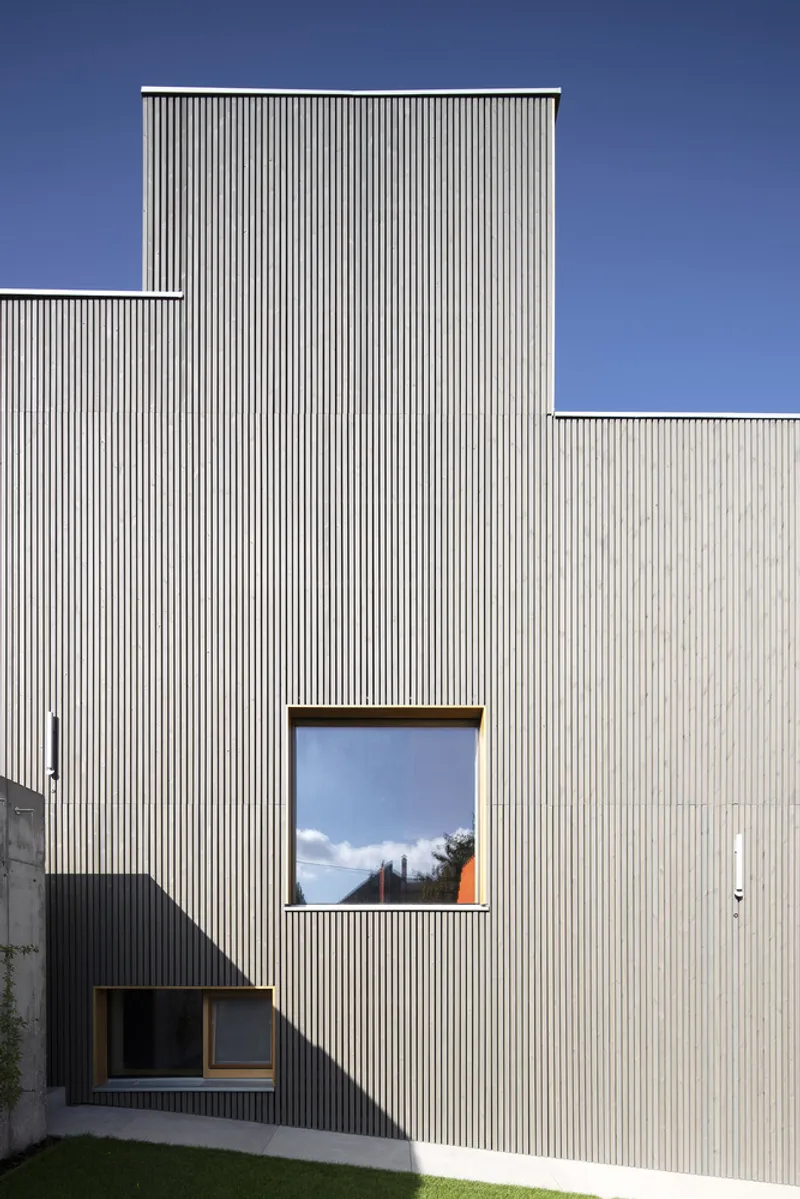
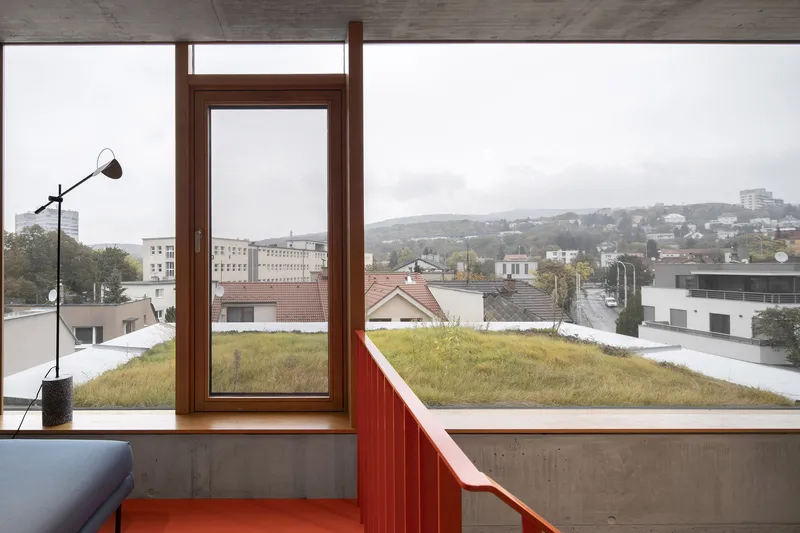
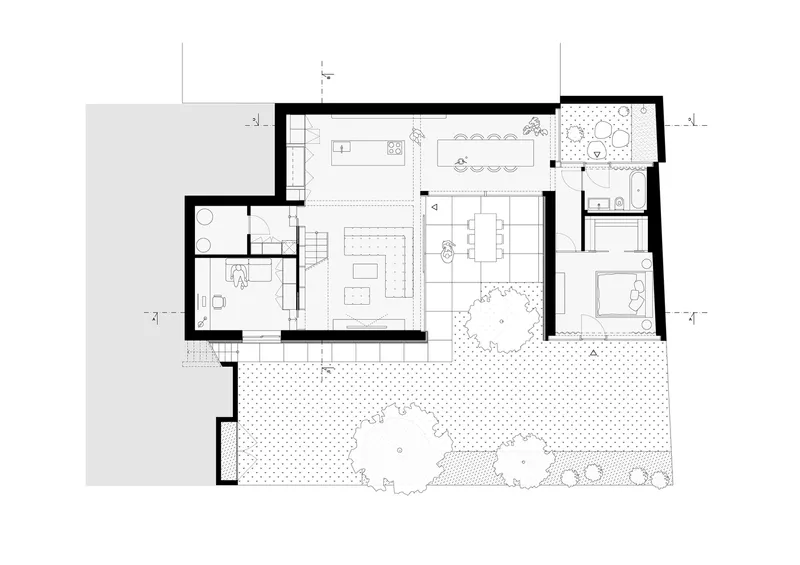
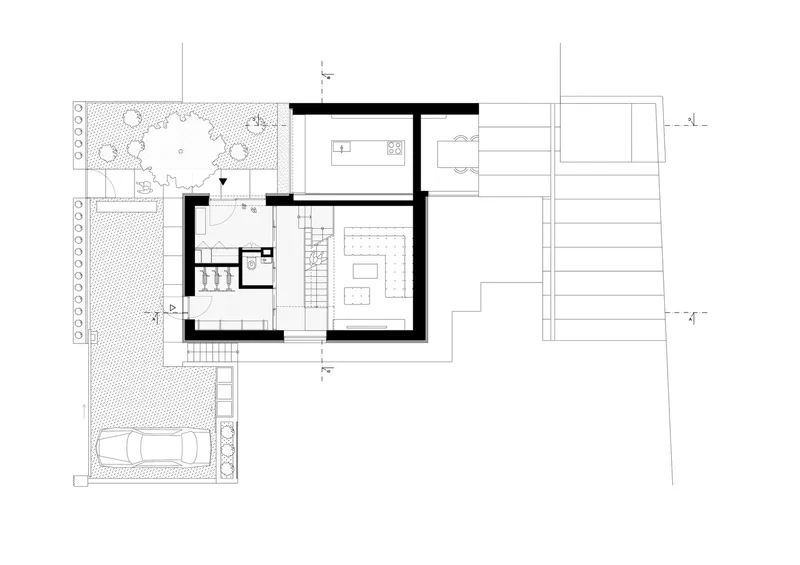
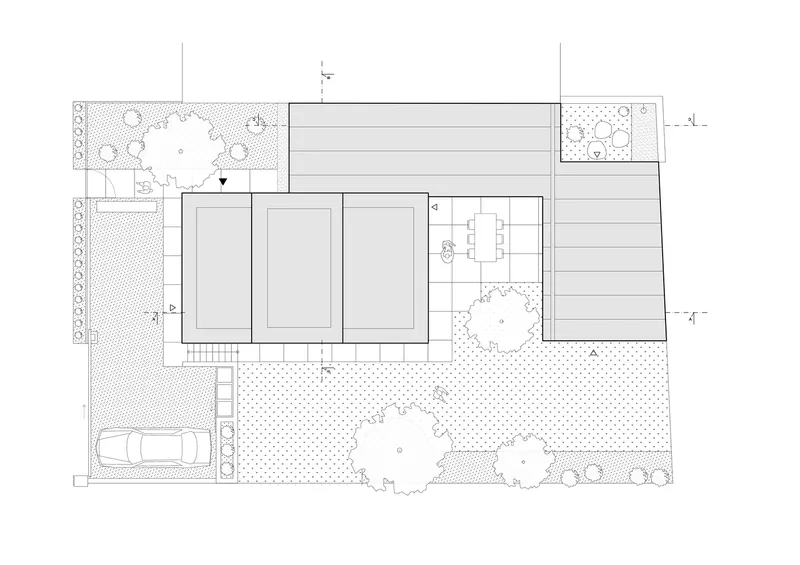
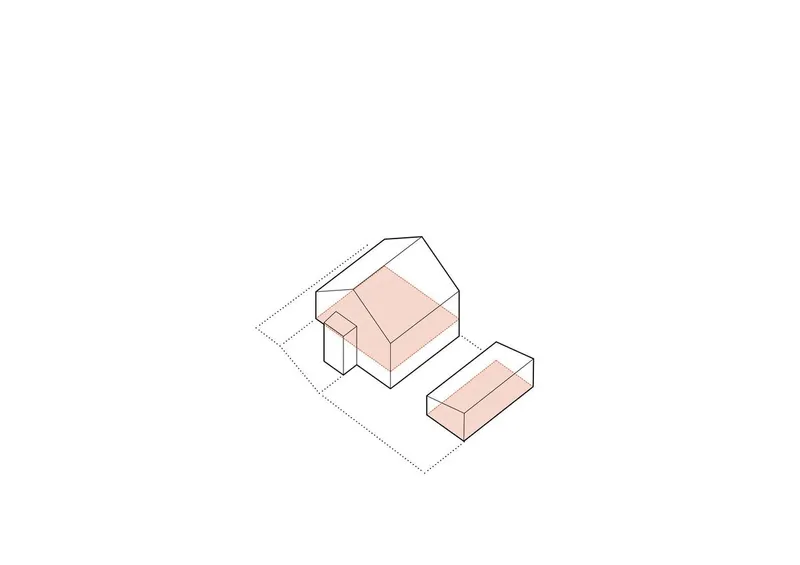
Na Rade House is built on the site of an old single-story family home and a garden house, both of which shared boundaries with neighboring buildings. The project initially considered preserving these structures but eventually opted for new construction to provide better residential quality while respecting the historical site layout.
Integration with the Historical Context
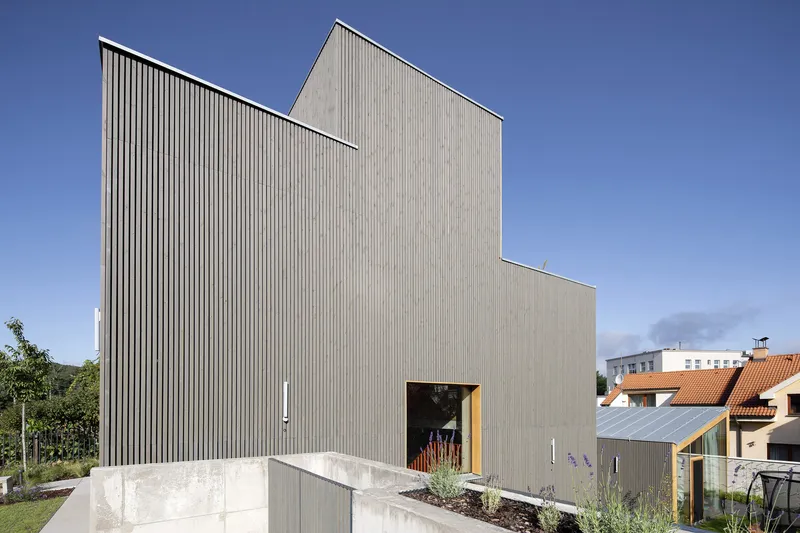
The design retained the original buildings' footprint, ensuring that the new structure harmonized with the established urban grain. This sensitive approach preserved the character and scale of the Old Town neighborhood, maintaining continuity in the urban landscape.
Design Features
Modern Architectural Elements
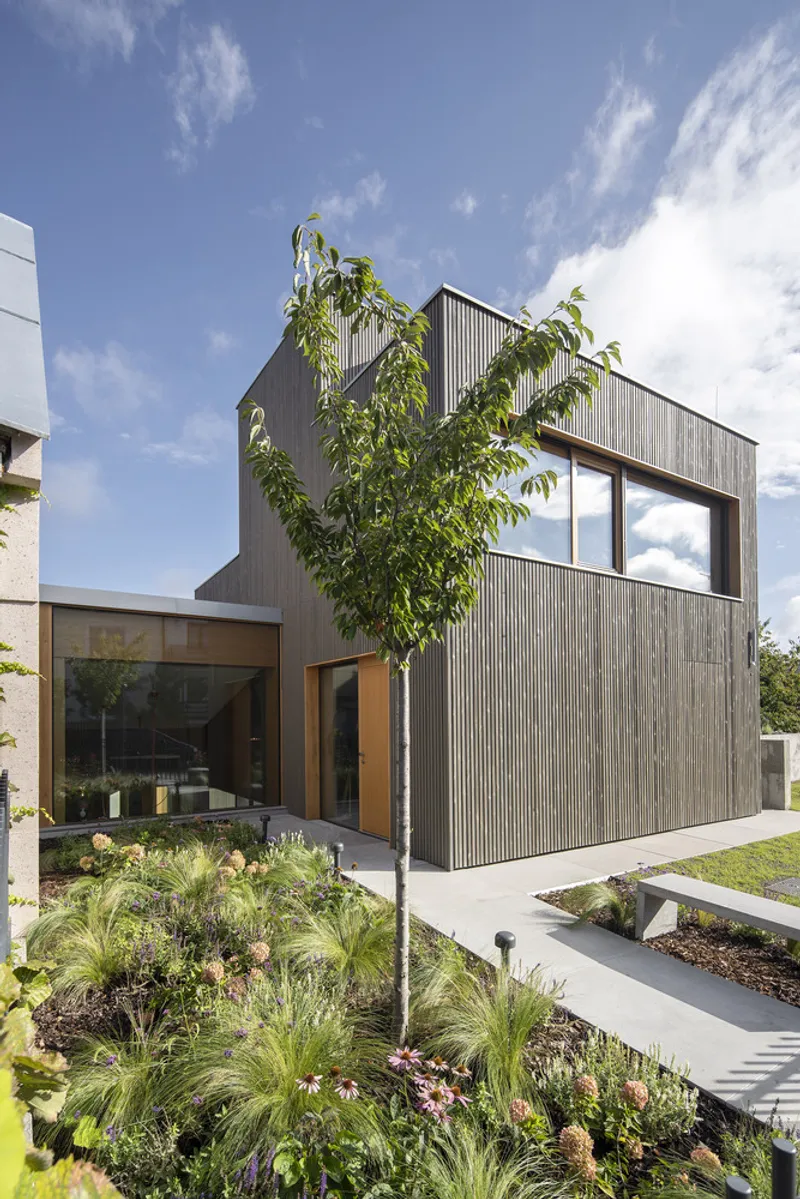
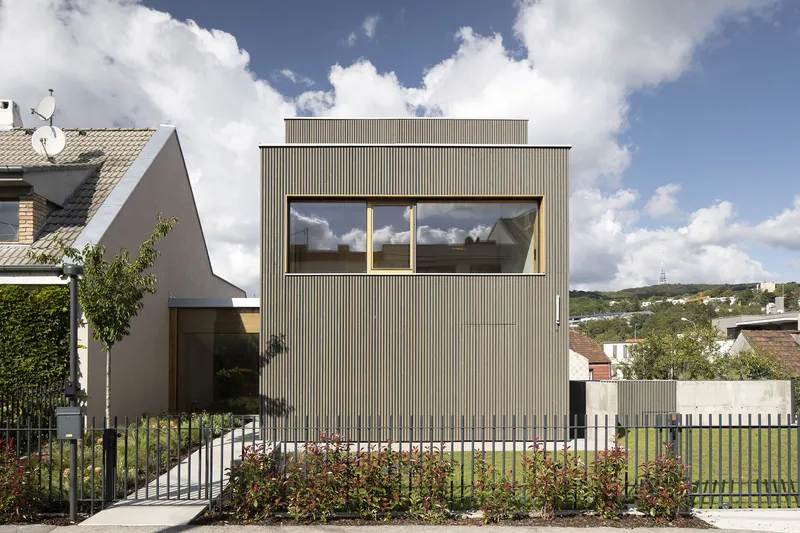
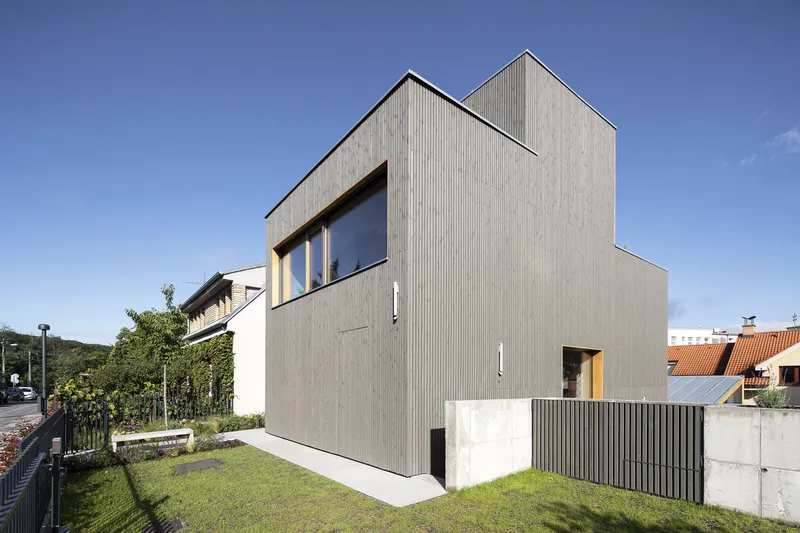
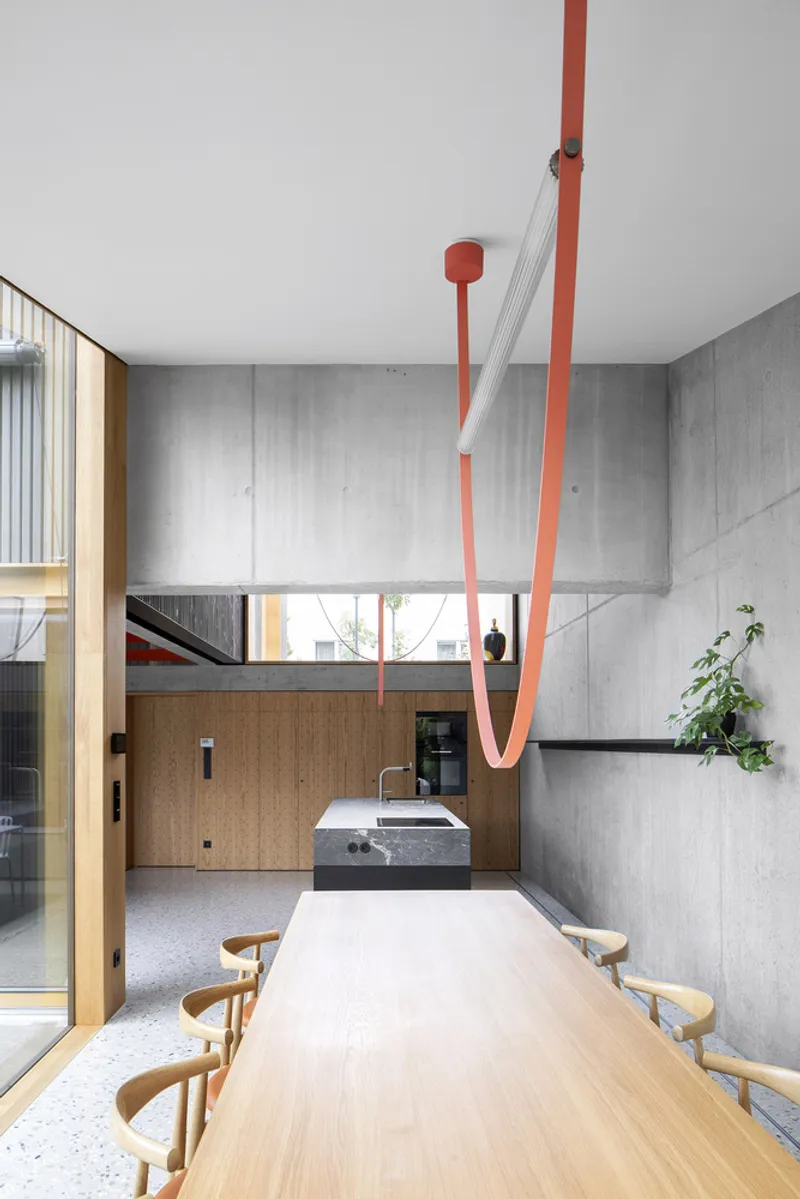
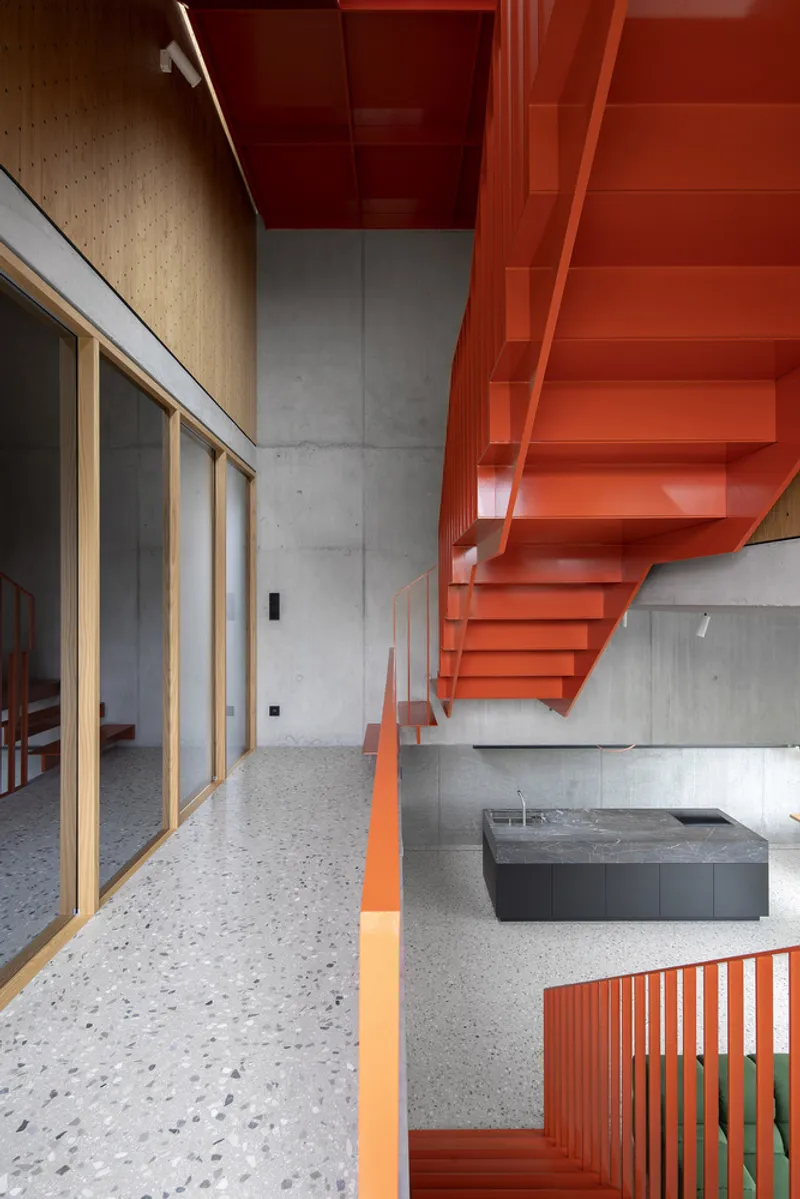
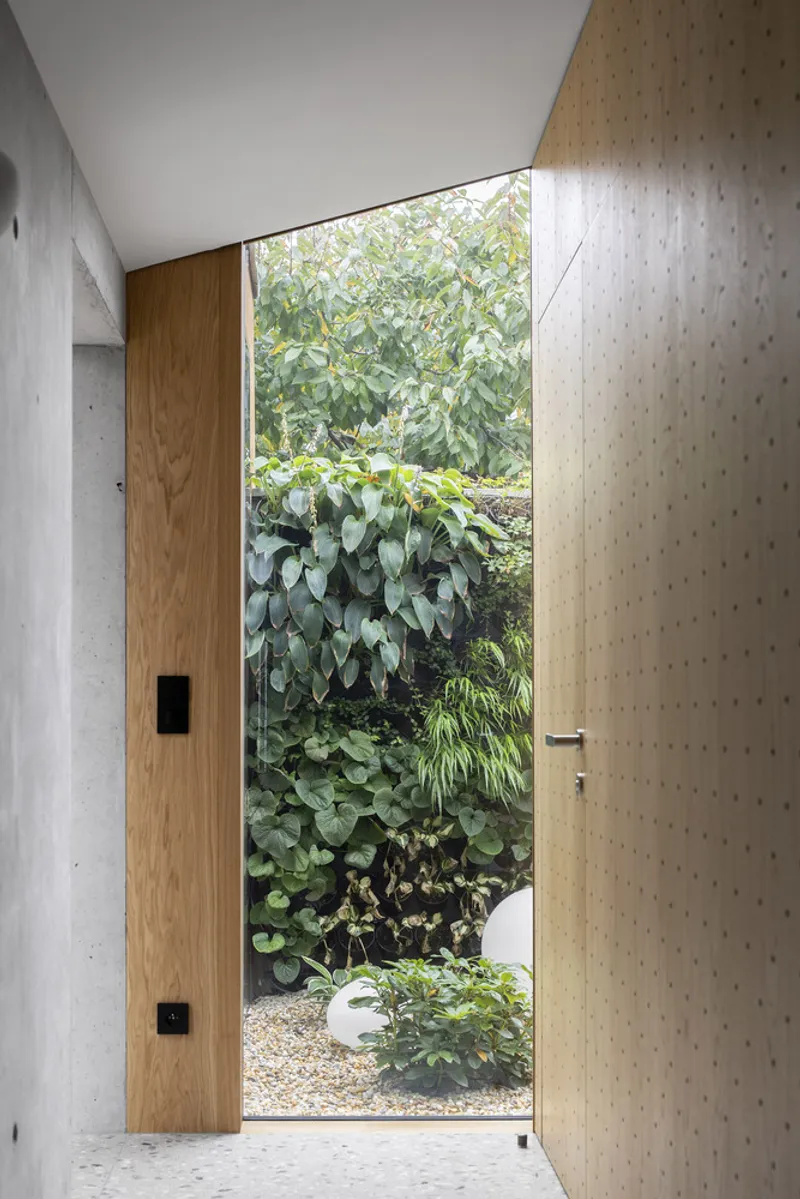
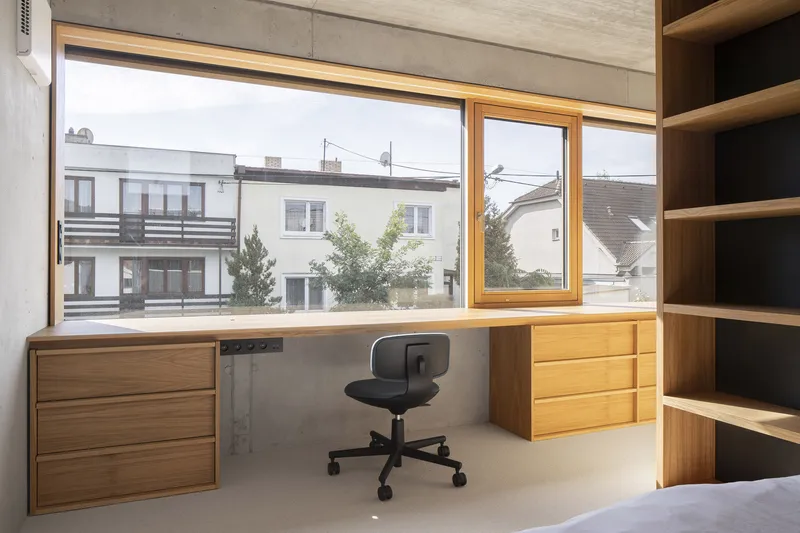
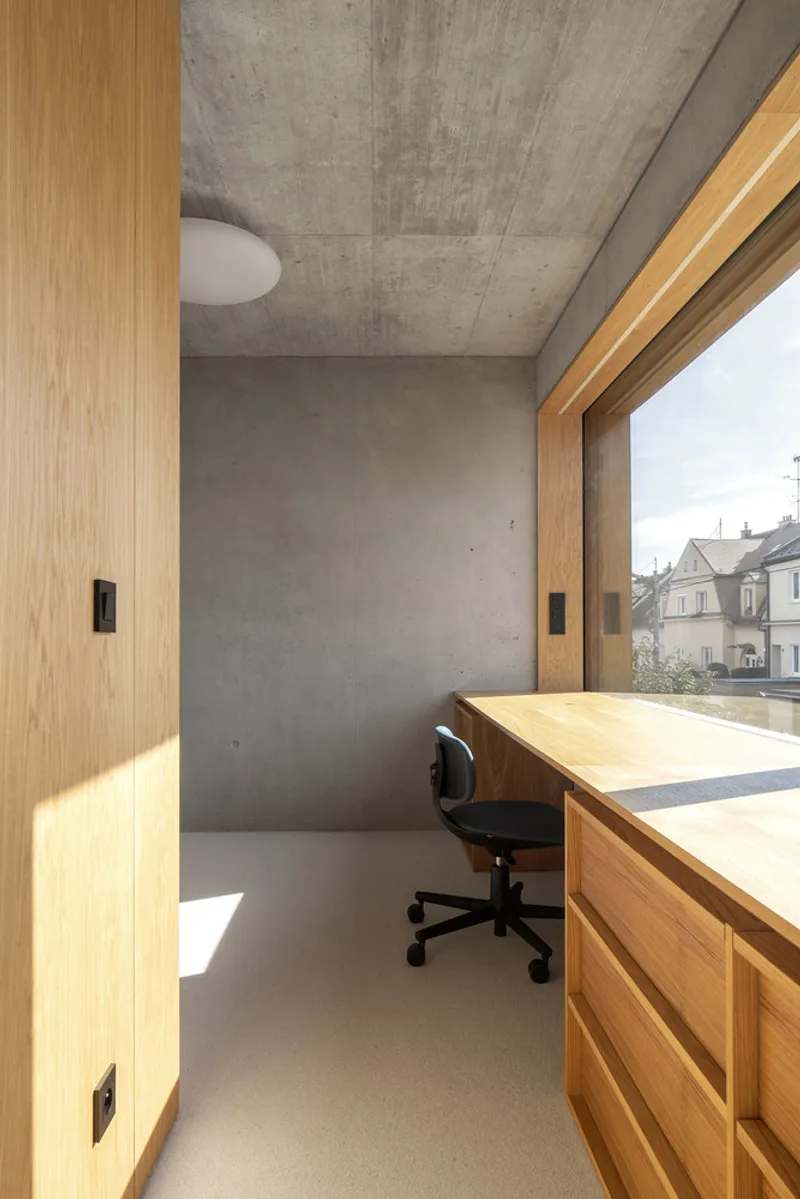
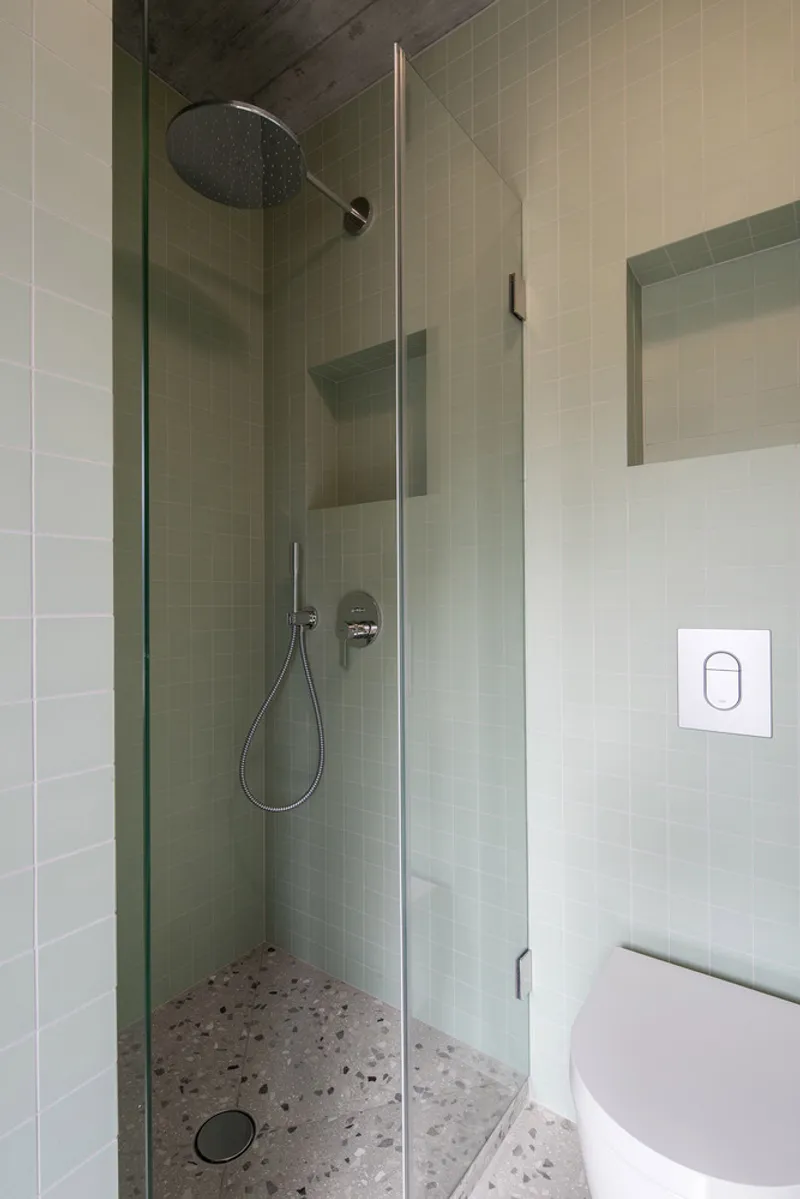
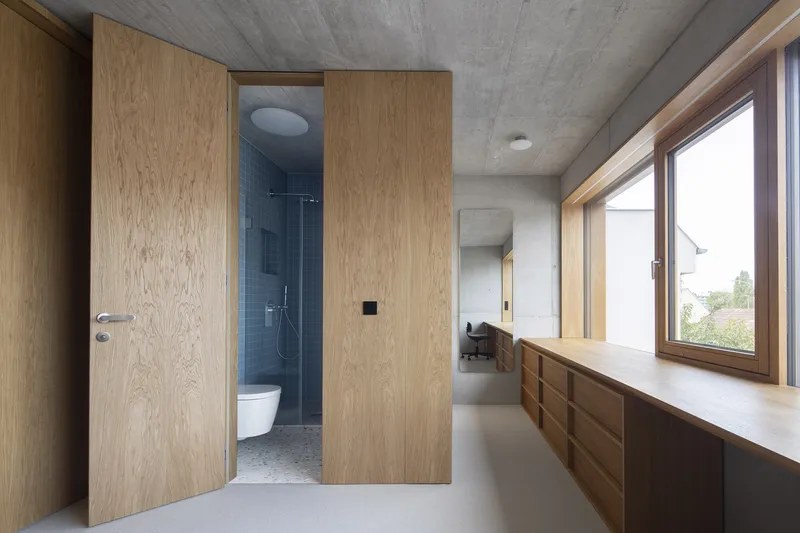
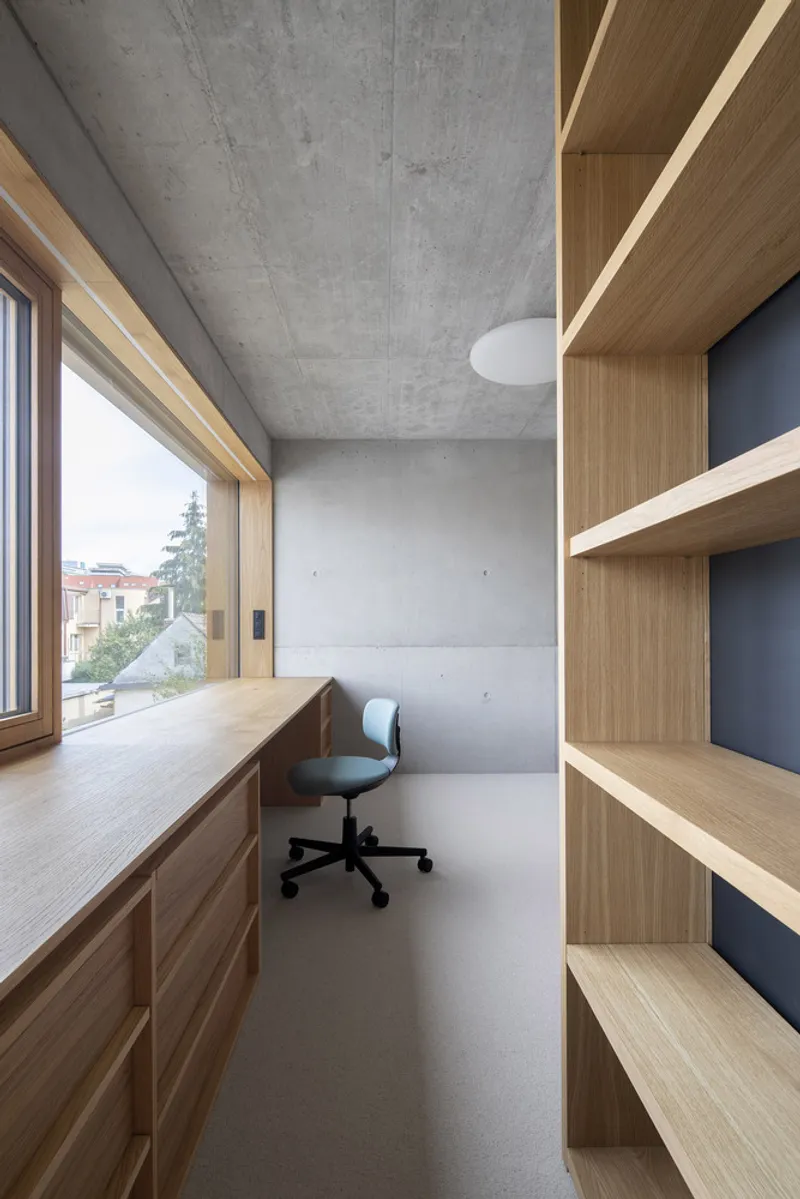
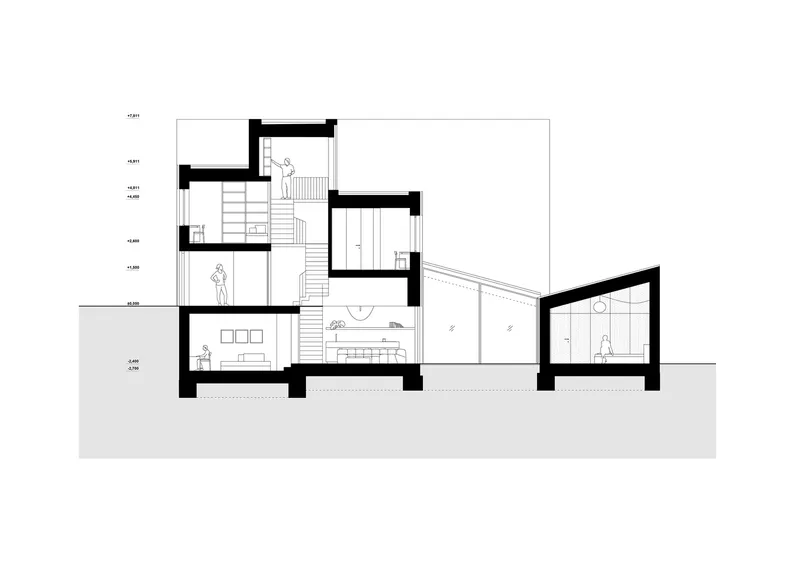
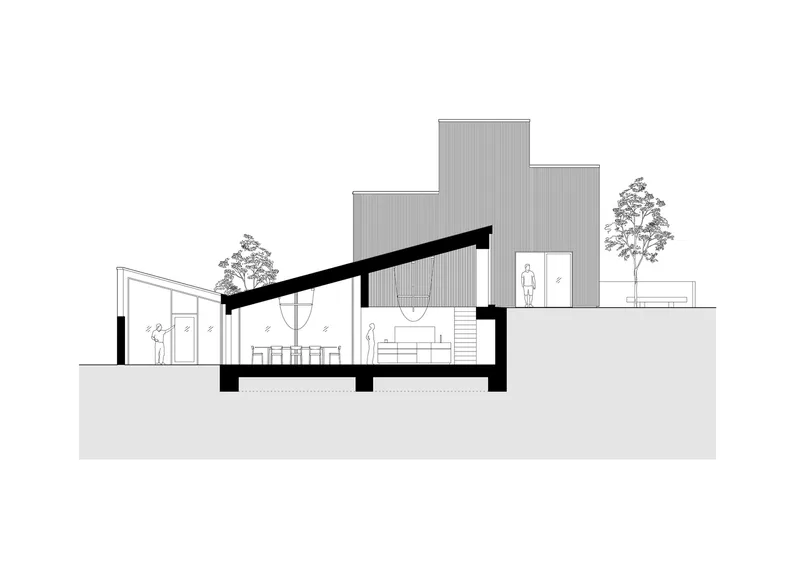
The new house incorporates modern architectural elements such as large windows and a minimalist façade, bringing a contemporary aesthetic that contrasts yet complements the historic surroundings. These features provide ample natural light and a sense of openness, essential in the dense urban setting.
Sustainable Design Practices
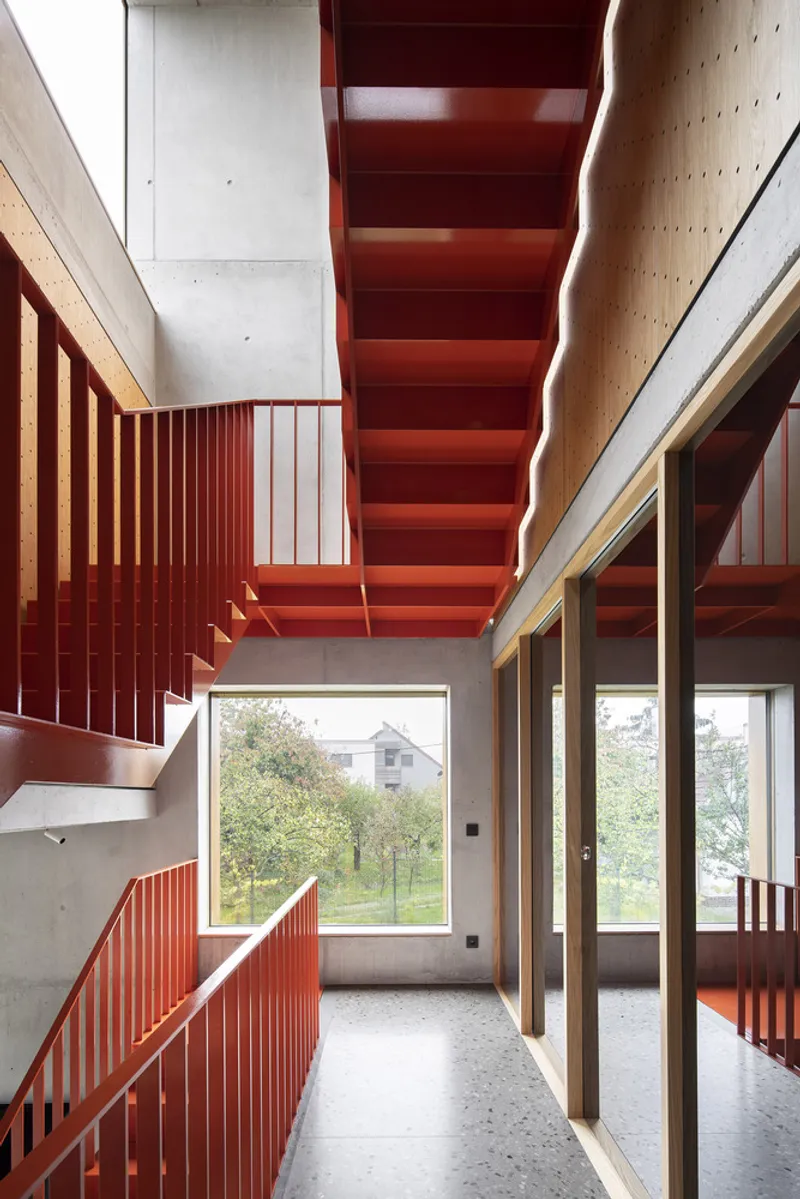
Sustainable practices were integral to the design, with the house utilizing energy-efficient materials and systems to reduce its environmental impact. The layout and orientation of the building also optimize natural ventilation and lighting, further enhancing its sustainability.
Material Use and Aesthetic Integration
Contemporary and Traditional Materials
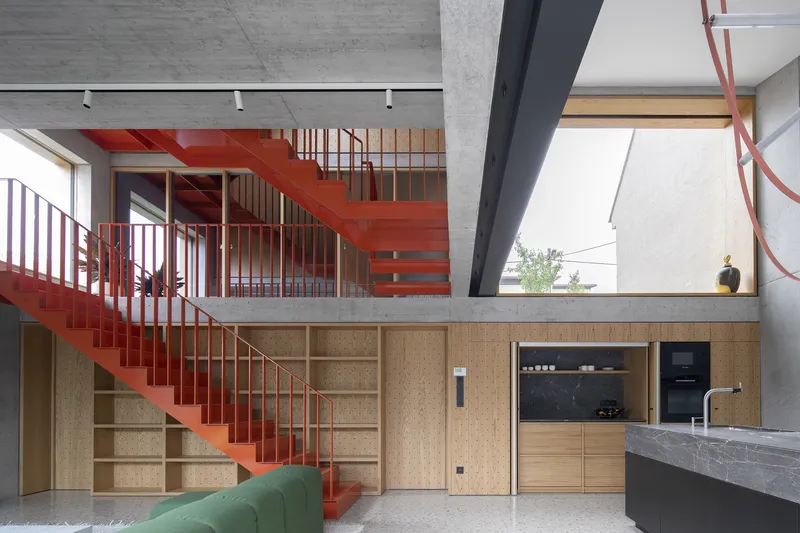
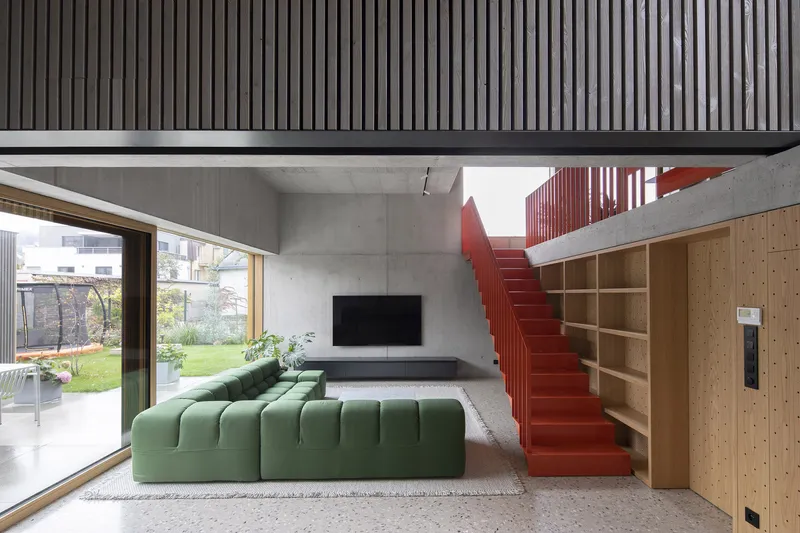
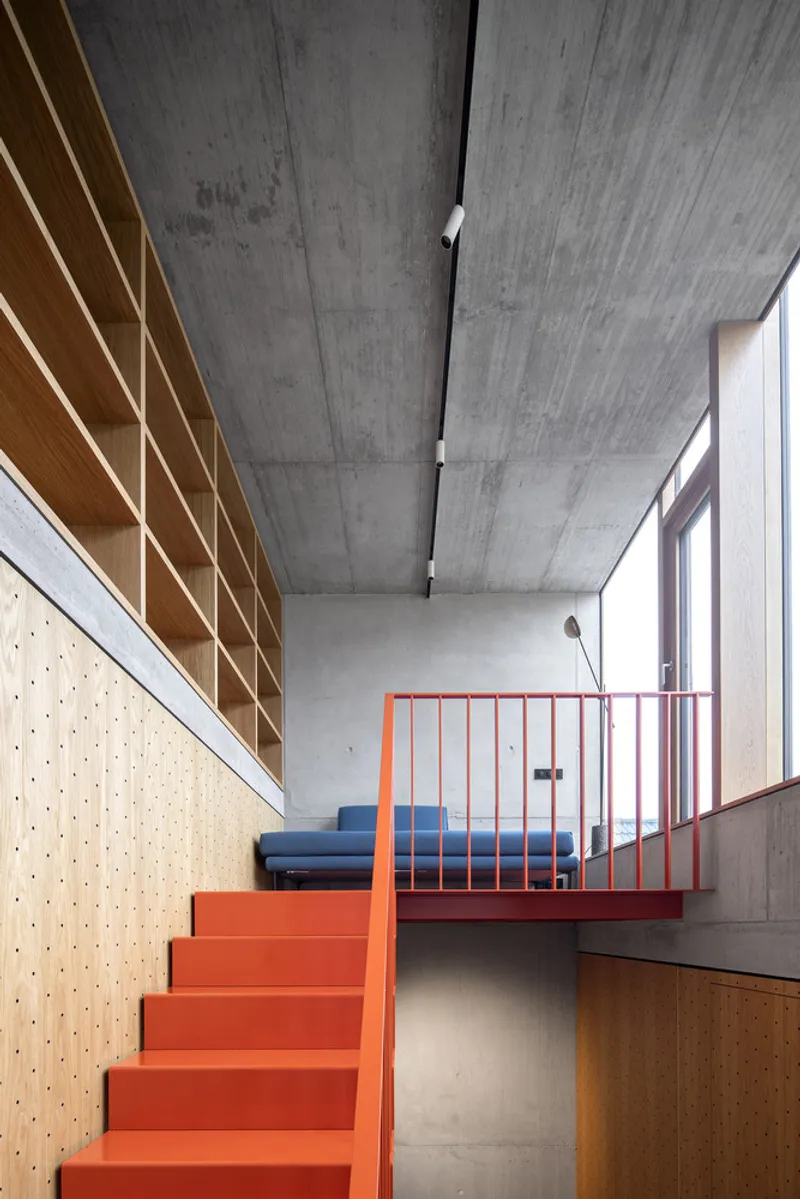
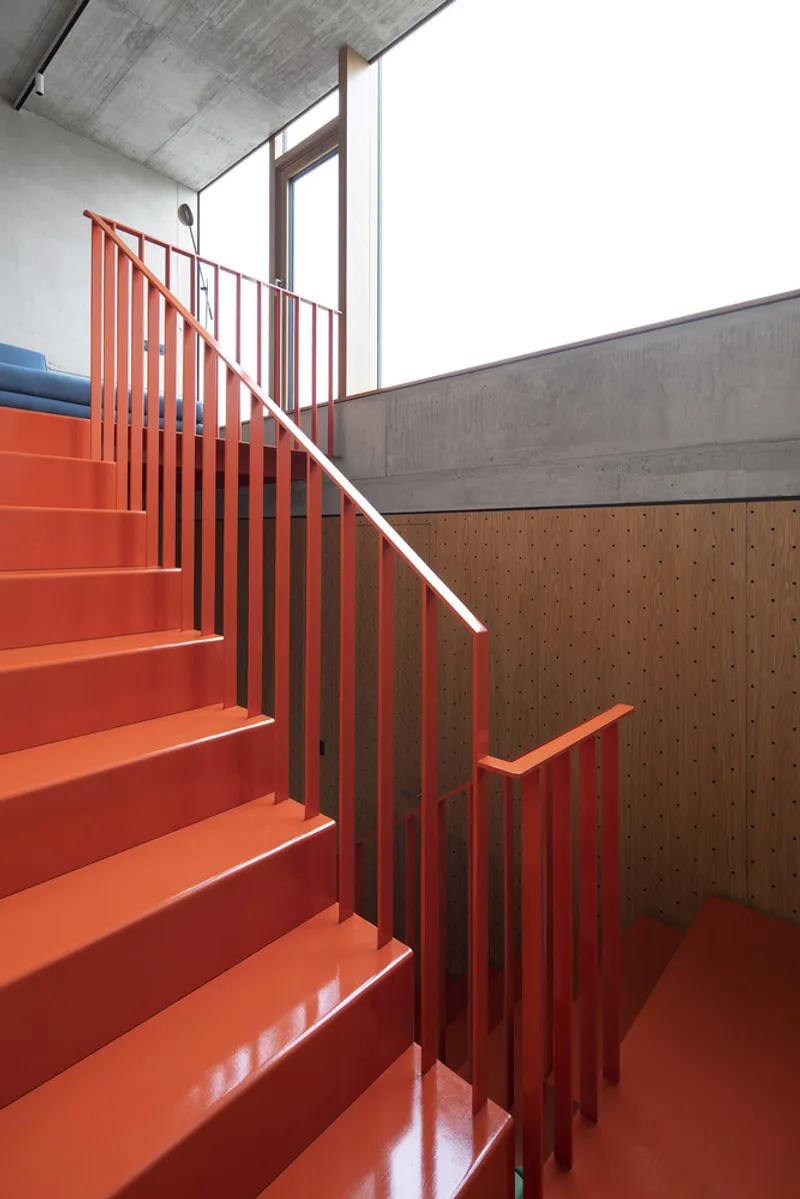
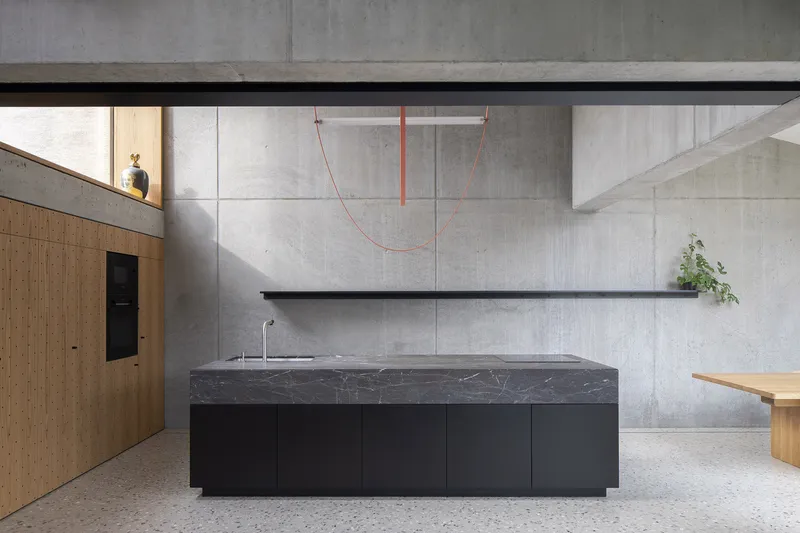
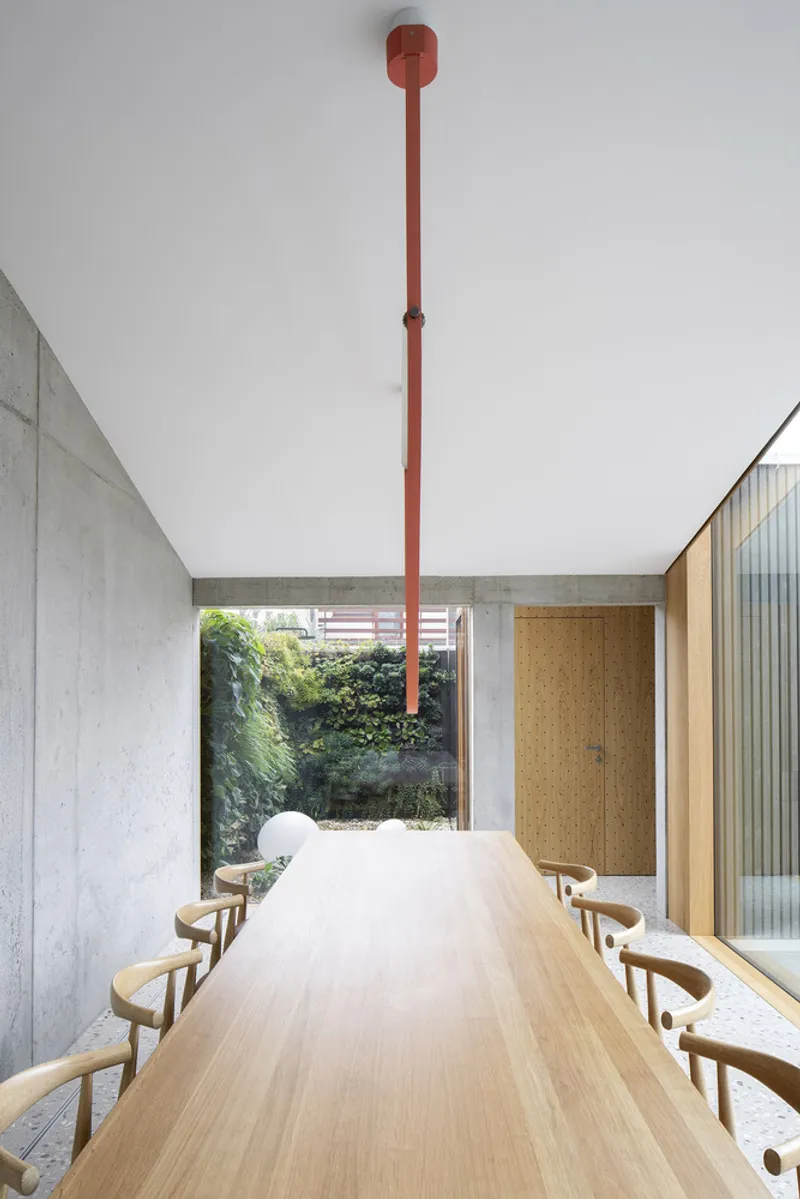
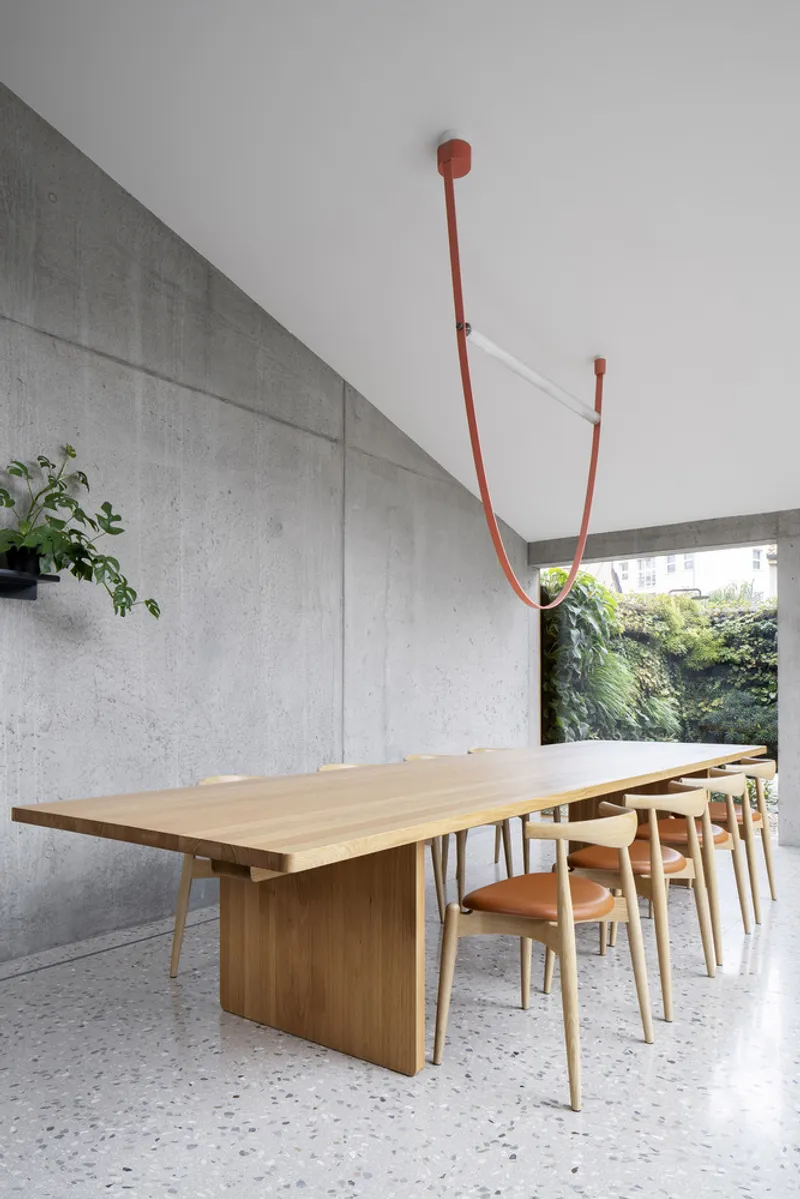
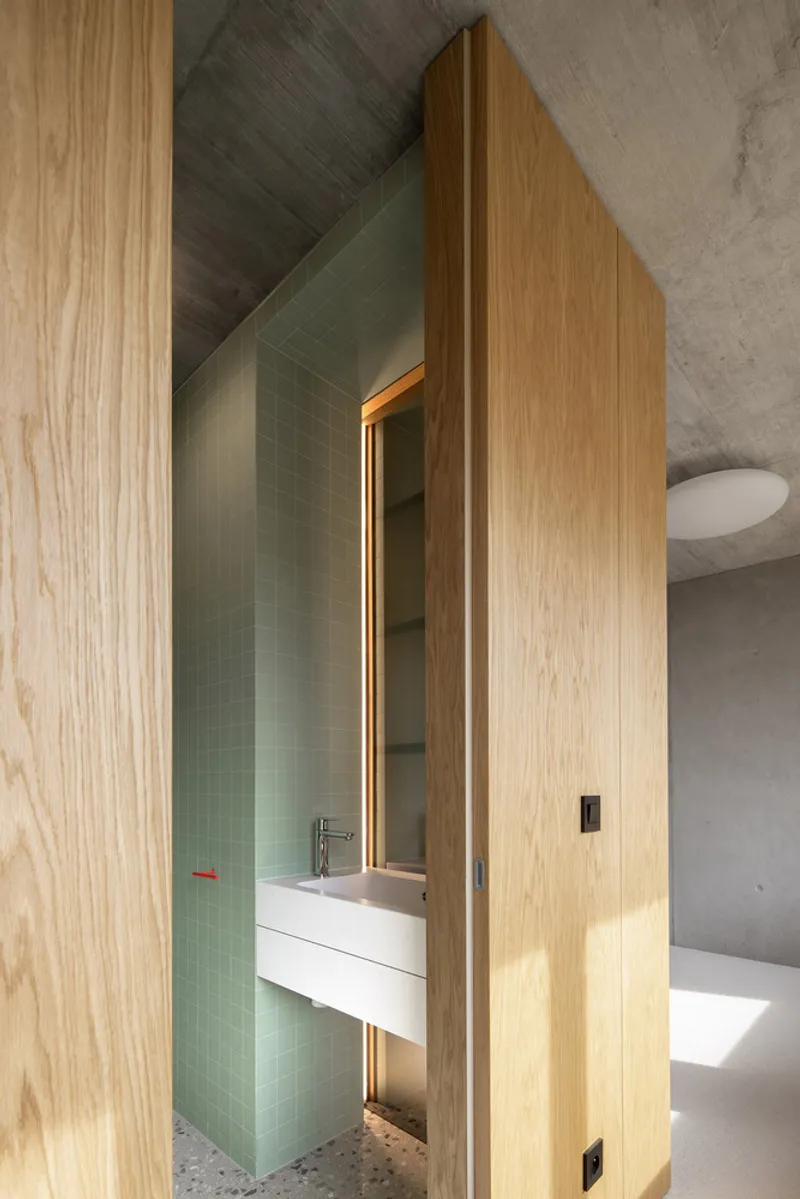
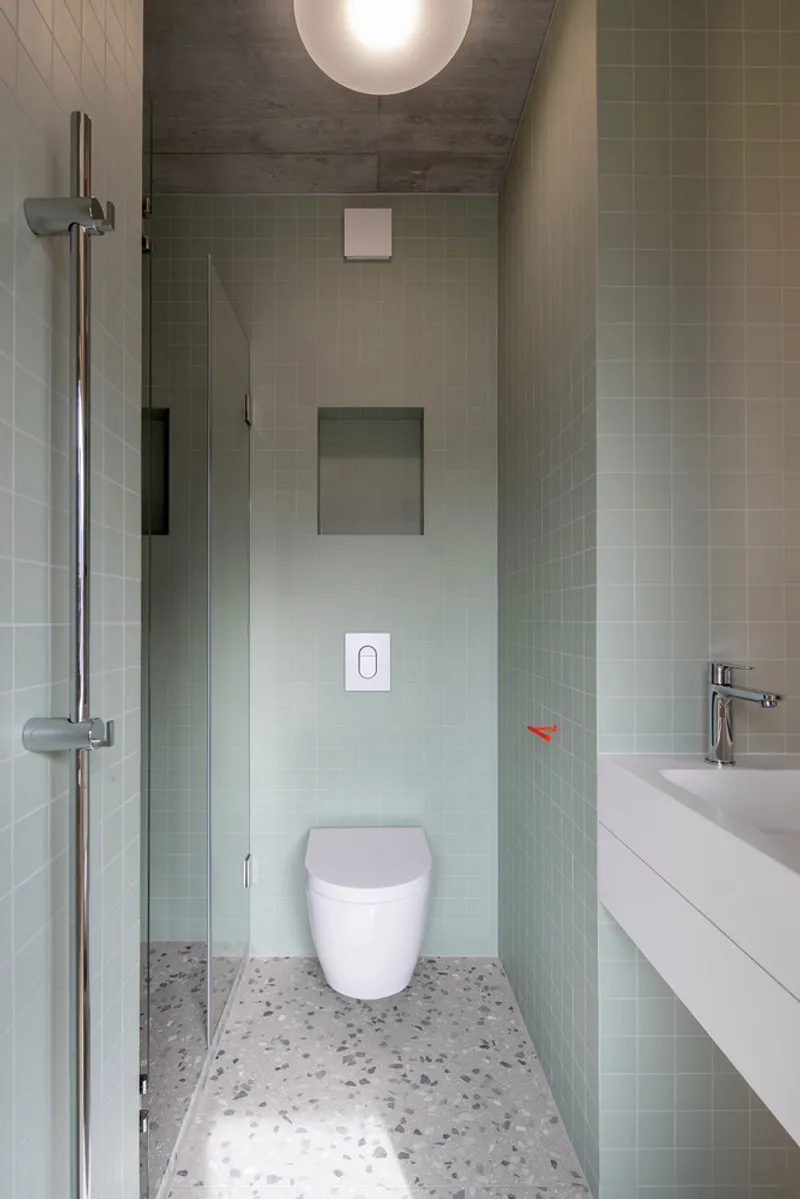
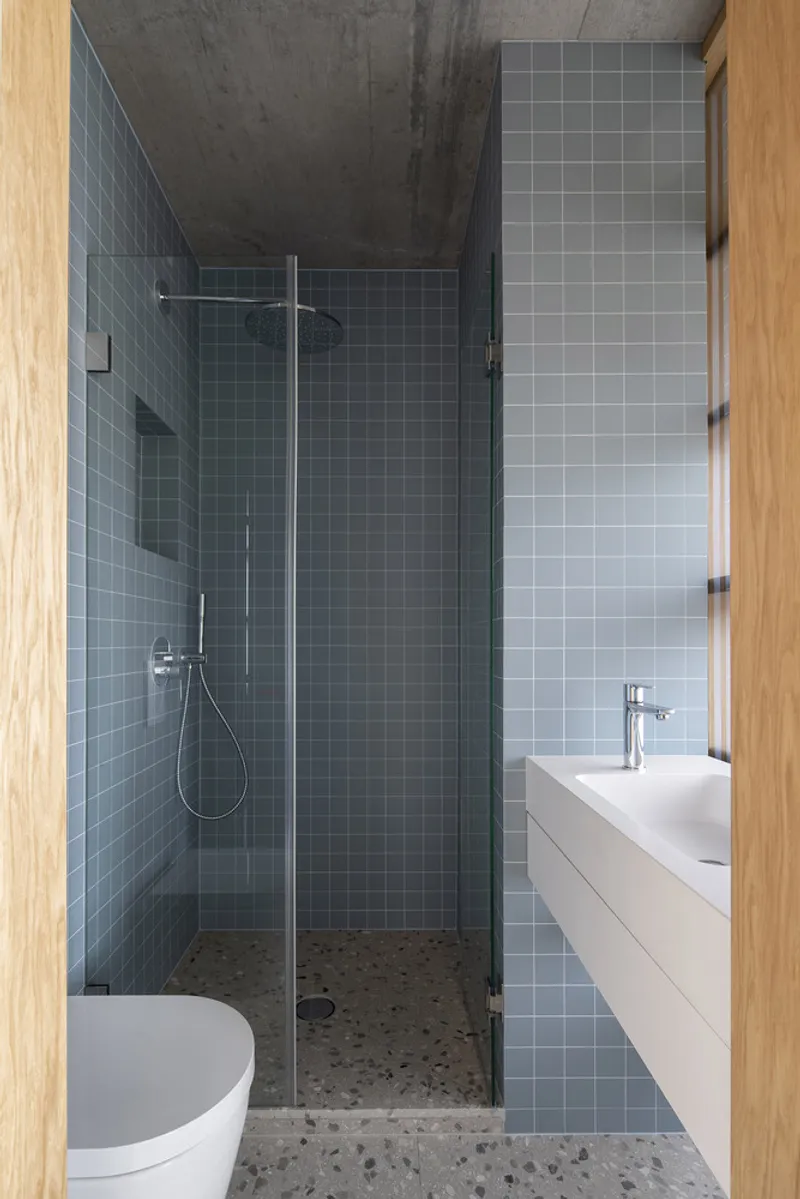
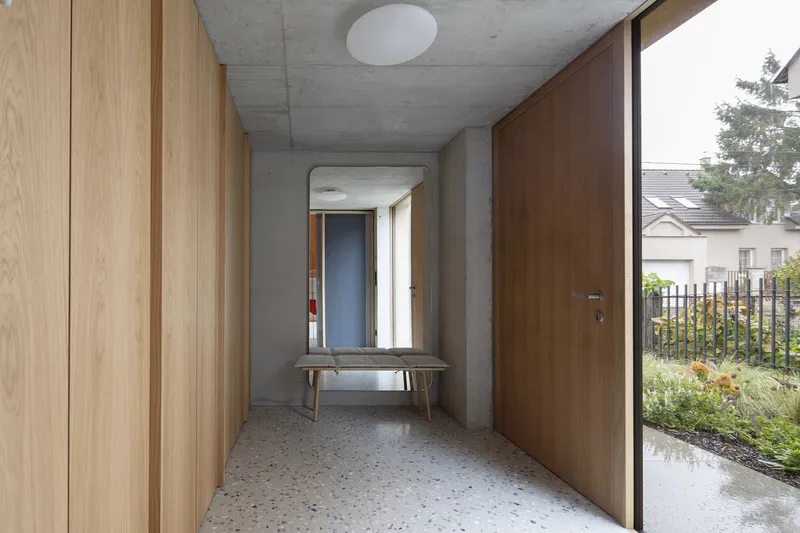
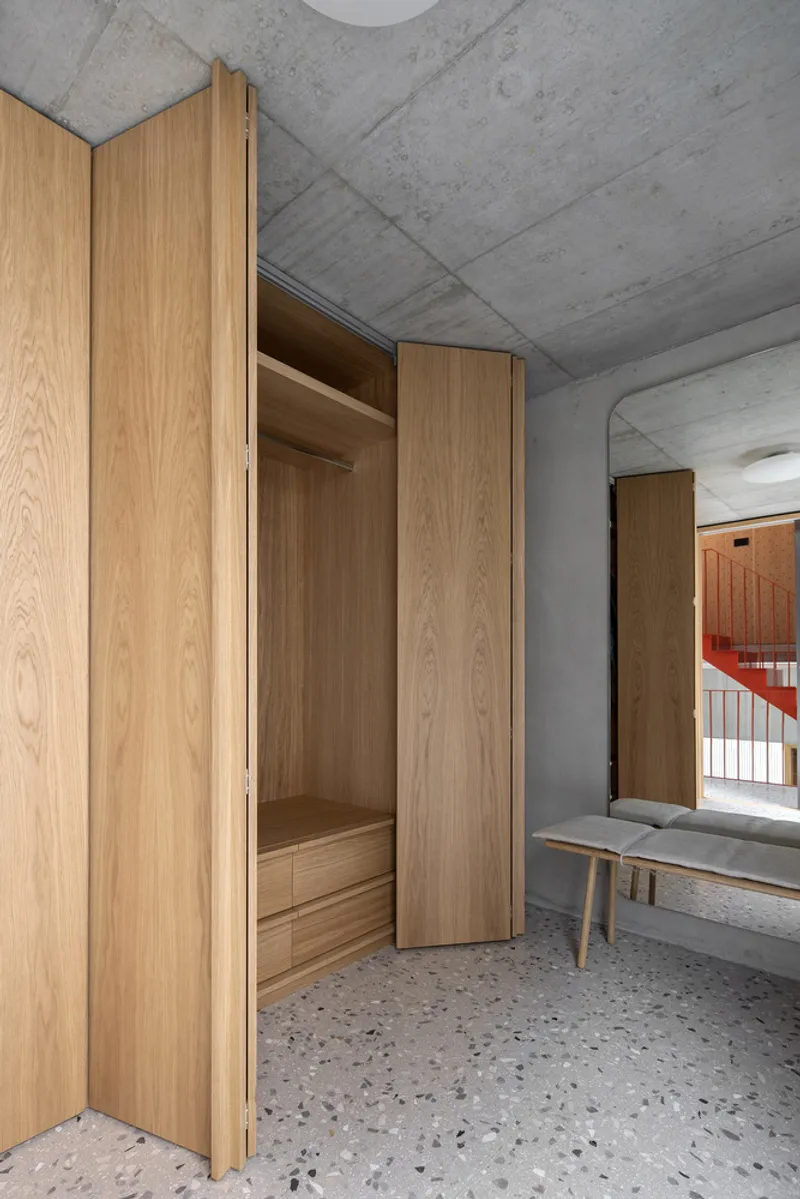
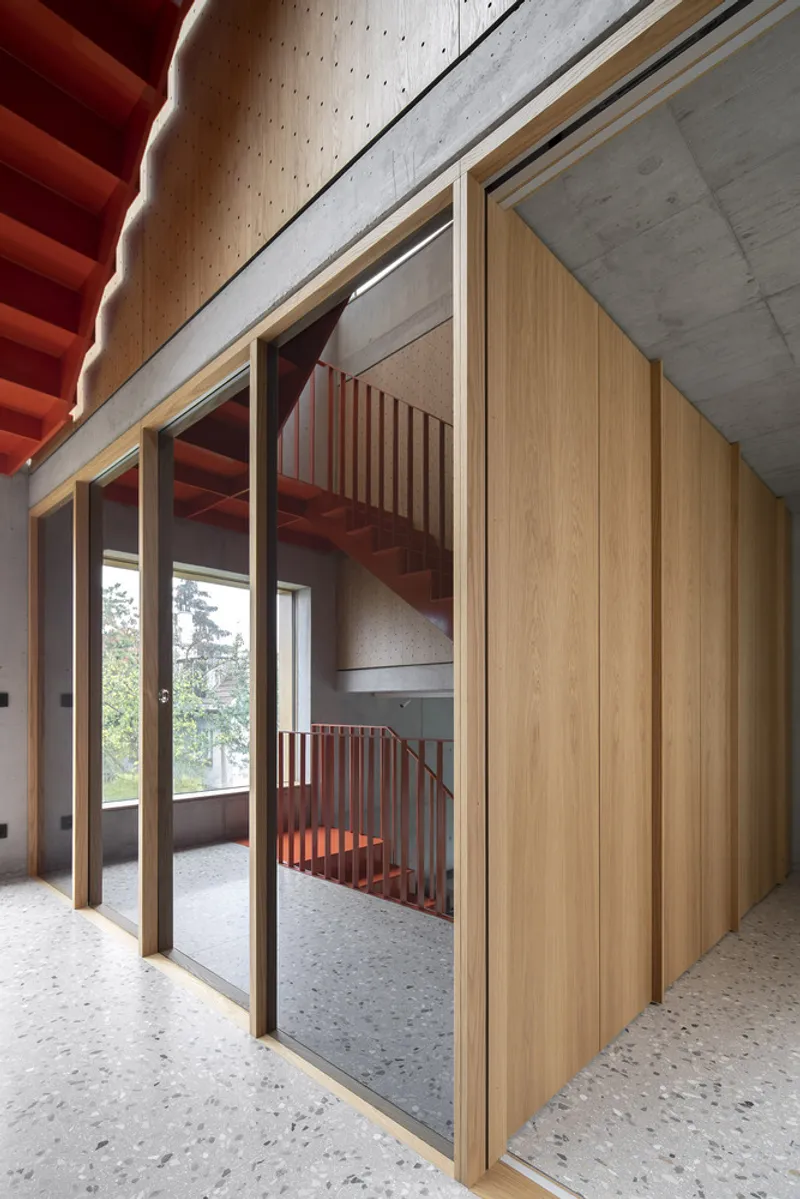
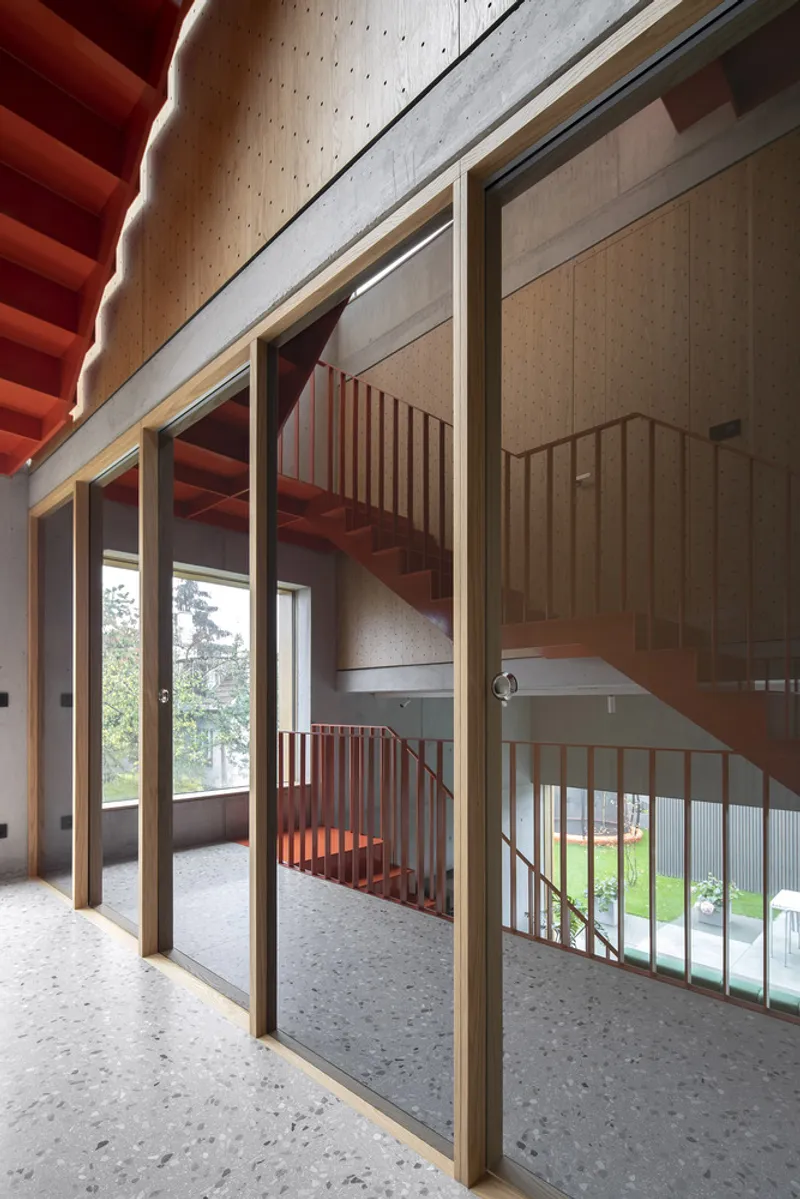
The choice of materials reflects a blend of modern and traditional aesthetics, using elements like wood and brick that echo the neighborhood’s historical context while incorporating modern finishes and fixtures.
Interior Design
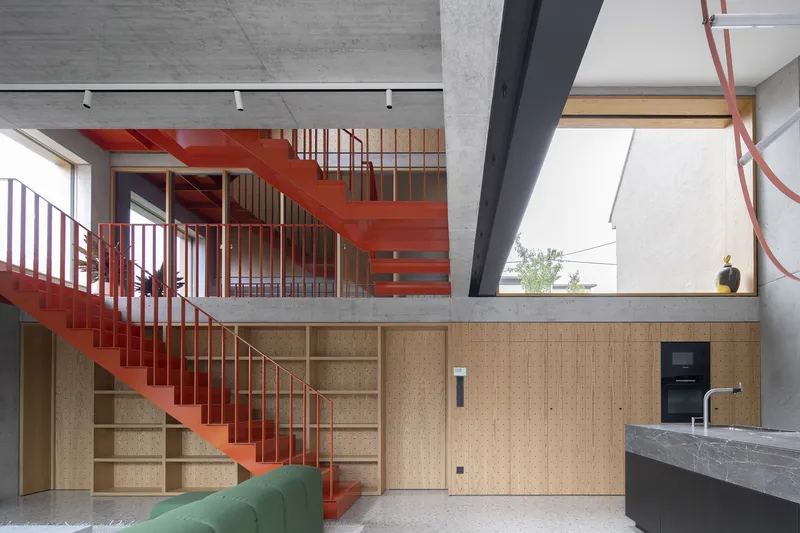
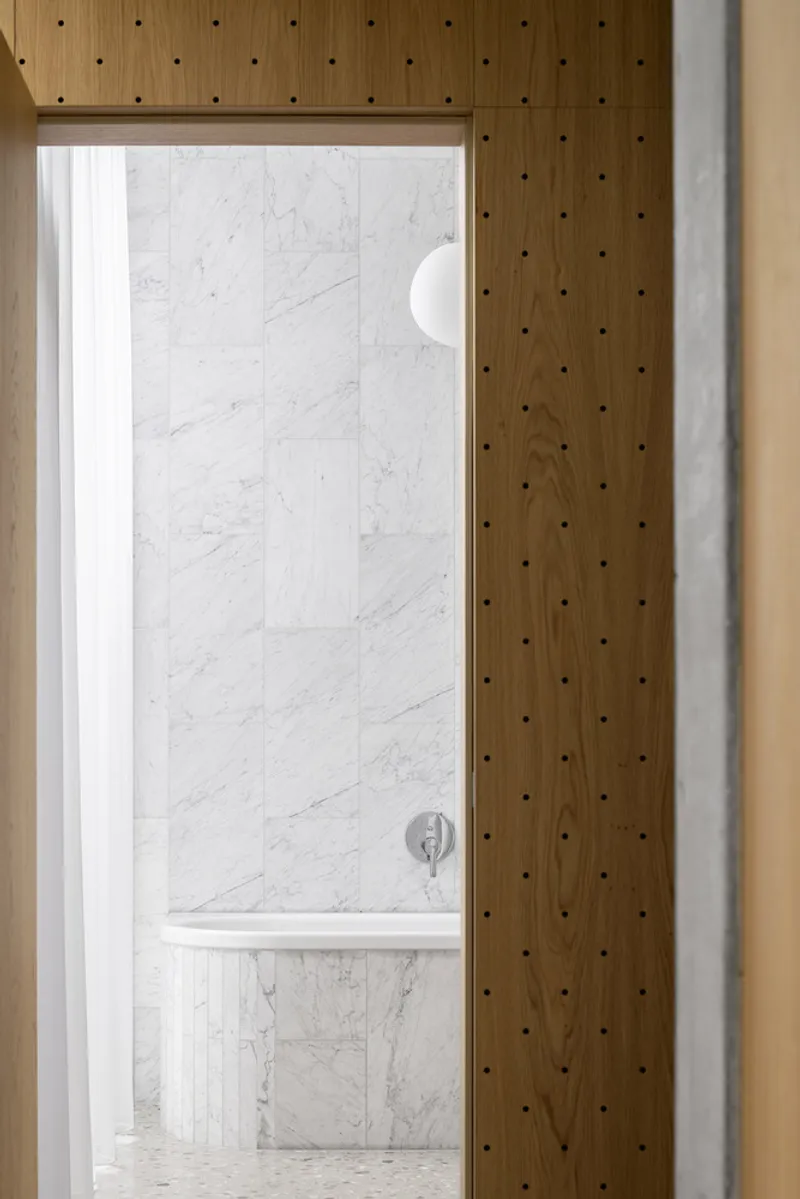
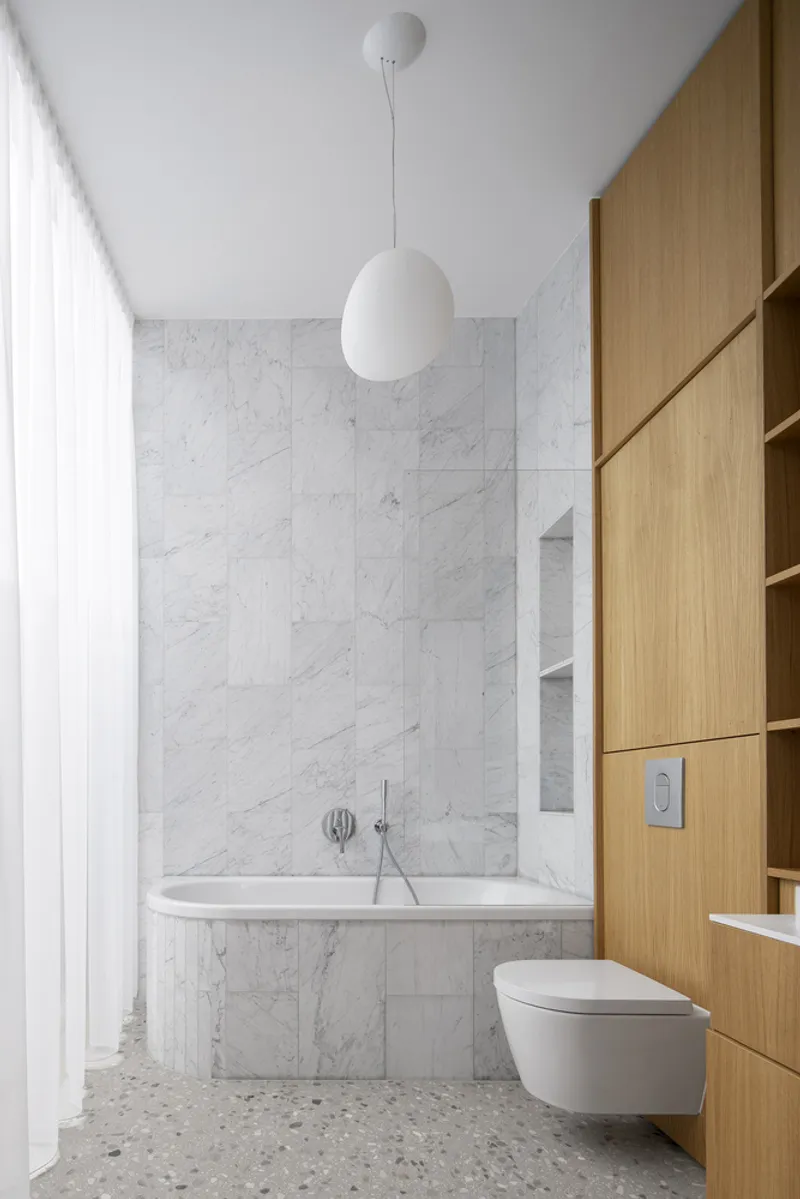
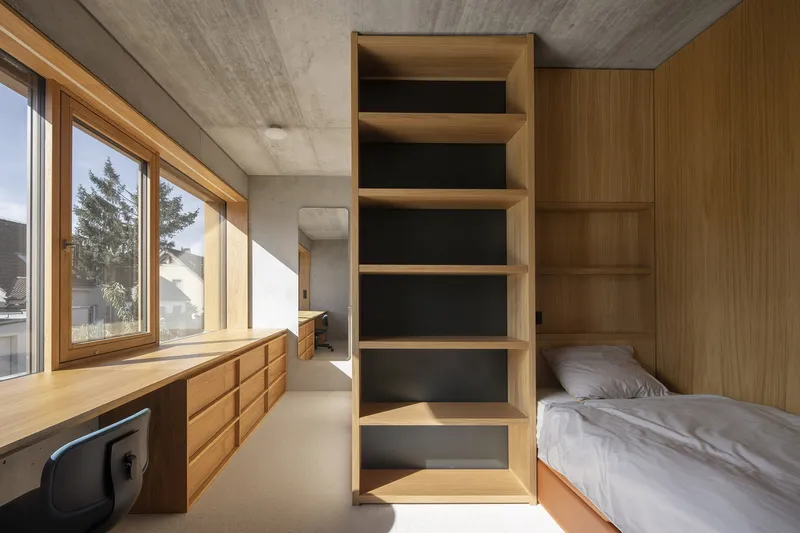
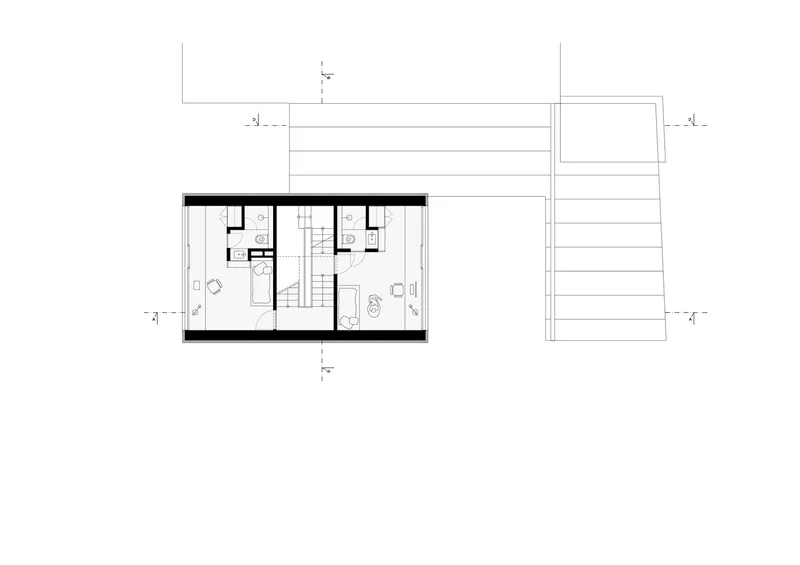
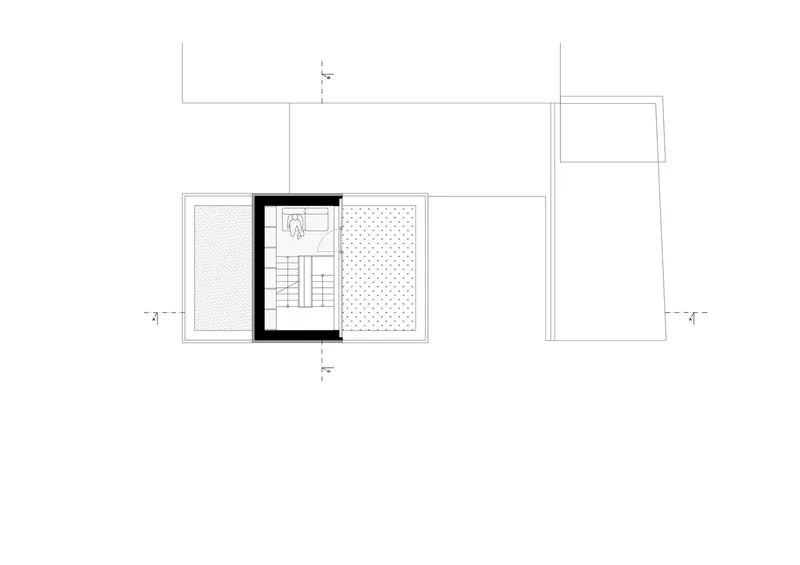
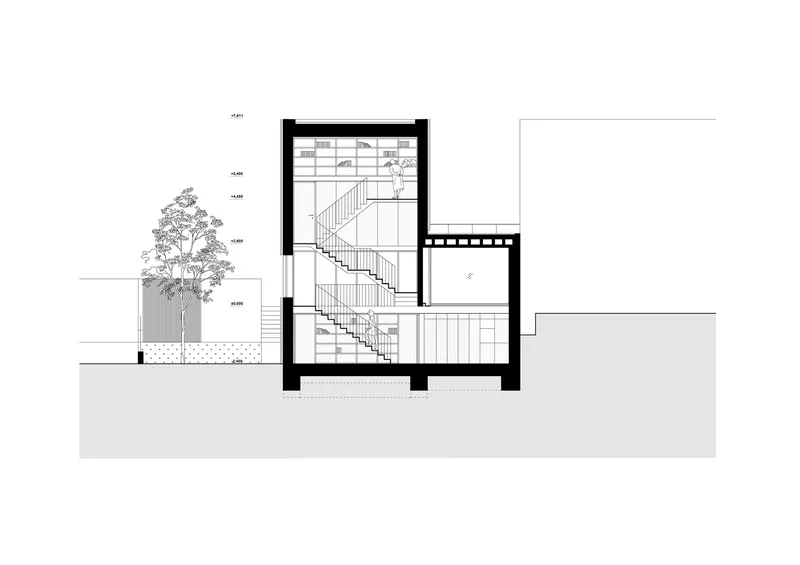
The interior spaces are designed to be functional and flexible, suitable for a young family's needs. The use of natural materials continues inside, providing warmth and continuity from the exterior through to the interior.
Community and Cultural Impact
Enhancing Neighborhood Identity
By integrating a modern structure into an historic area, Na Rade House contributes to the neighborhood's identity, offering a model for how new developments can enhance old communities.
Stimulating Local Engagement
The project encourages local engagement by providing attractive, contemporary living spaces that attract residents and invigorate the community, helping to stabilize and rejuvenate the urban area.
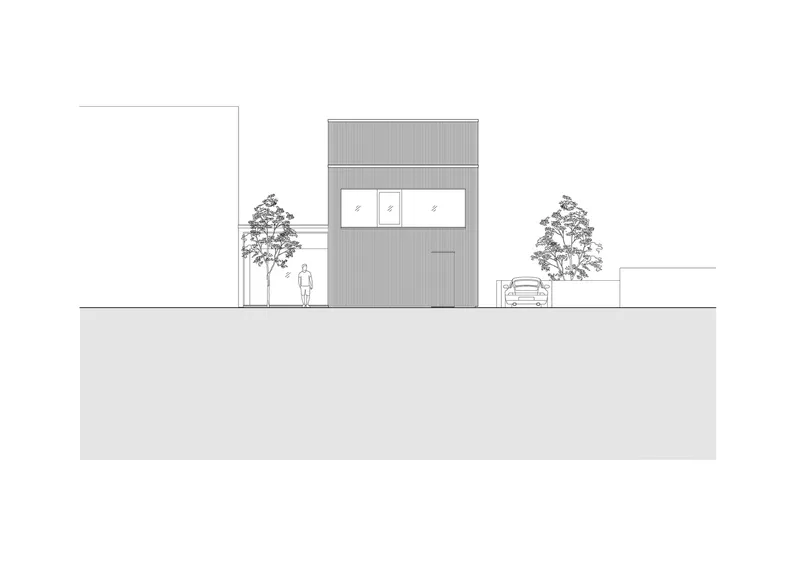
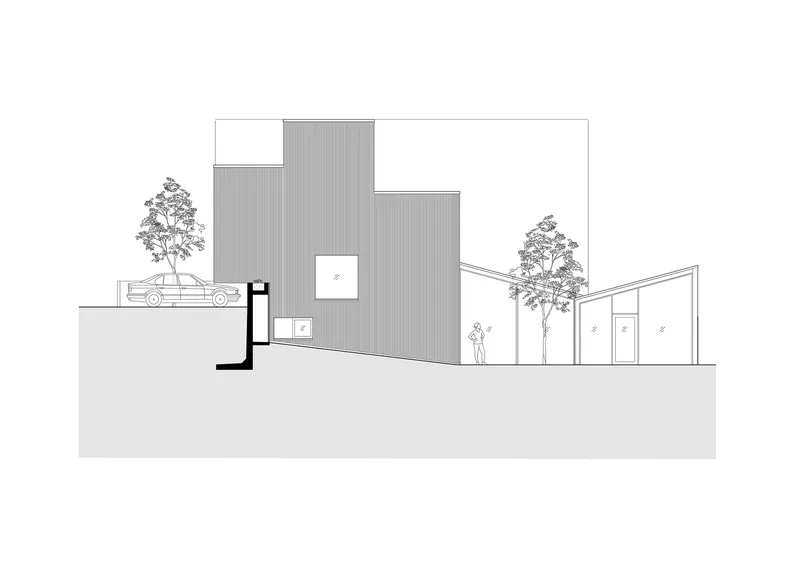
Na Rade House by NOIZ architekti is a prime example of urban infill housing design done right. It showcases how architects can innovate within restrictive historical contexts to produce modern, functional homes that respect and enhance their settings. This project not only provides a comfortable living environment for its occupants but also contributes positively to the urban fabric, demonstrating the potential of thoughtful infill development.
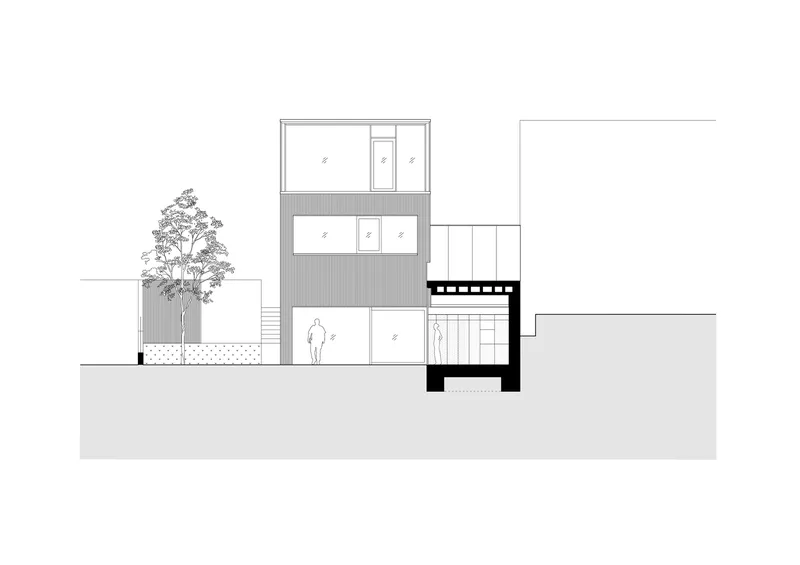
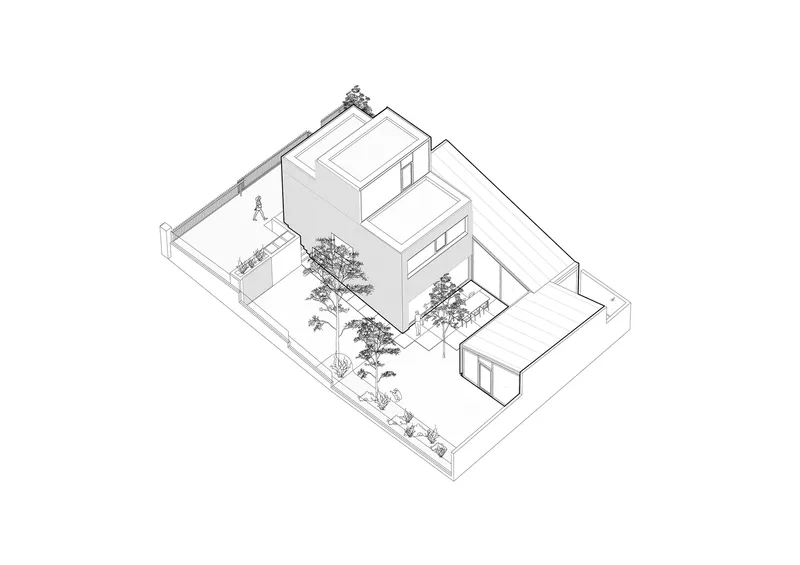
All photographs are work of Tomáš Manina



Popular Articles
Popular articles from the community


The Earth Pod: 3D Printed Homes for Resilient Refugee Communities
The Earth Pod reimagines refugee housing through 3D printed homes made from clay, combining resilience, self-sufficiency, and rapid shelter.

Riyadh For All: Intergenerational Urban Design for Active Aging in Rabat
Riyadh For All reimagines urban design in Rabat with intergenerational co-living, adaptive courtyards, and Moroccan cultural exchange today.

Co-life: Sustainable Architecture for Age-Friendly Community Living
Co-life reimagines sustainable architecture for seniors through courtyards, rammed earth, shared gardens, and spaces designed for belonging.

Lunar Spiral: Space Architecture Shaped by the Mathematics of the Universe
Lunar Spiral reimagines space architecture through Fibonacci geometry, lunar regolith, levitating habitats, and self-sustaining Moon living.


Similar Reads
You might also enjoy these articles


Hodi-Mandai Geram
Project Function: Preservation and revitalization of the Intangible heritage and socio-spatial identity of the Hodi by Housing, Cultural Memory Center, Sacred Grove, landscape, local tourism economy


Olio Towers: A Mid-Rise for Performers That Fuses Housing, Rehearsal, and Stage
Located blocks from Houston's Theater District, this modular tower stacks living units around a central performance atrium.

Oasis: Modular Green Housing Carved into Dhaka's Urban Fabric
A shortlisted Plugin Housing entry reclaims unauthorized settlements in Dhaka with stepped concrete volumes, green roofs, and ventilation-driven design.

Black Hole: A Floating Megastructure for the Post-Physical Era
Emiliano Mazzarotto envisions a spherical, self-scaling arena where e-sports, digital hotels, and holographic stadiums replace traditional public space.


Explore Architecture Competitions
Discover active competitions in this discipline



Challenge to reimagine the Iron Throne


Photograph architecture without architects


Illustrate the lost glory of Angkor Wat - Render Challenge


Design challenge to reuse E-waste
Comments (0)
Please login or sign up to add comments
No comments yet. Be the first to comment!