
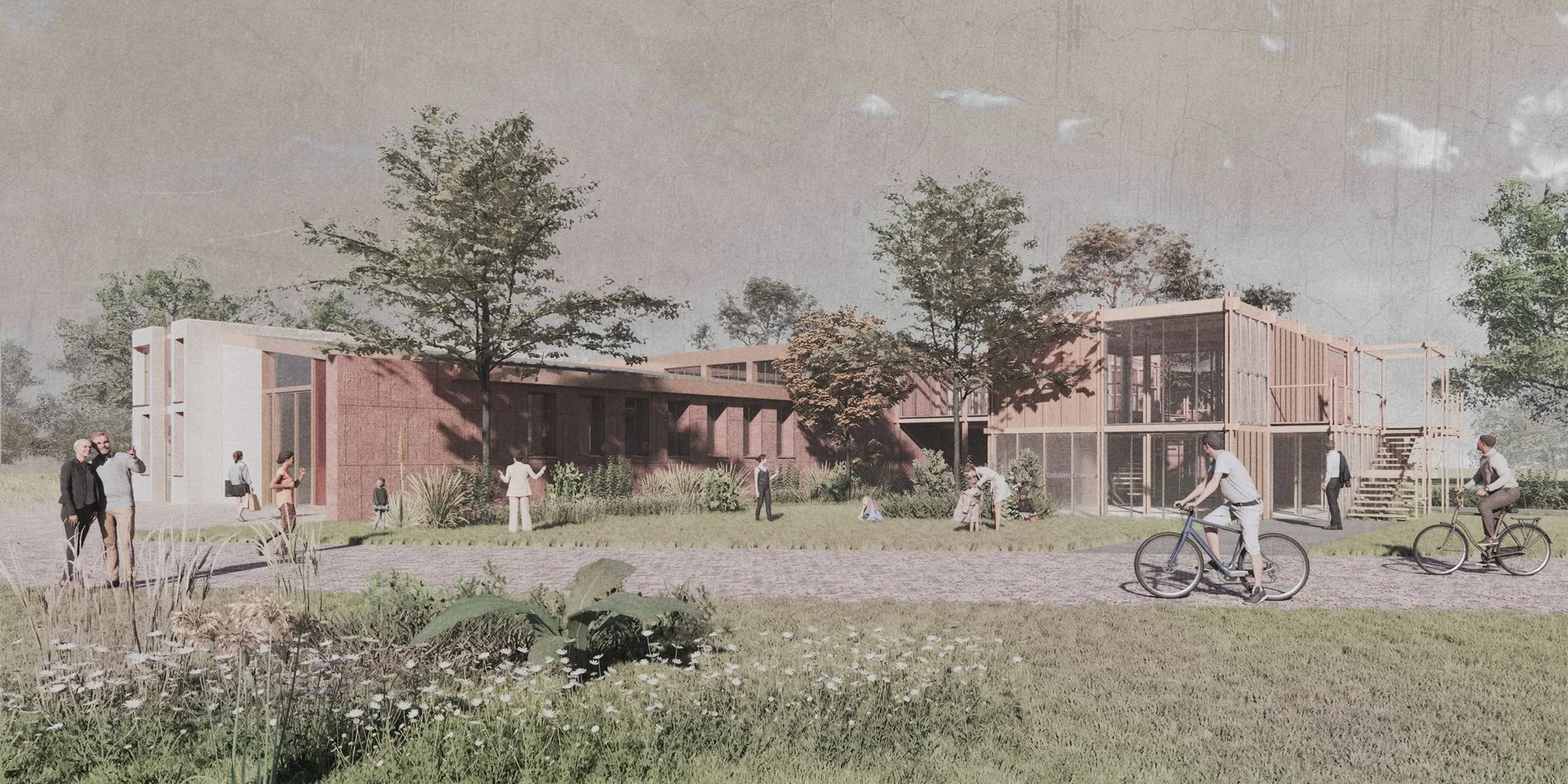
Urban Living Room: Reimagining the Town Hall for Civic Engagement
Reimagining the town hall as a dynamic, flexible space for civic engagement.


This innovative design concept, a shortlisted entry in the Urban Living Room competition, proposes a radical transformation of the traditional town hall, converting it into a flexible and dynamic space that fosters community engagement and encourages both political and social participation.
Carla Hu and Gillian Wu's "Urban Living Room" project challenges the rigid, often inaccessible nature of conventional government buildings. Their vision goes beyond a mere structure, reimagining the town hall as a dynamic platform for community engagement and a hub for social and political dialogue.

From Formal to Flexible
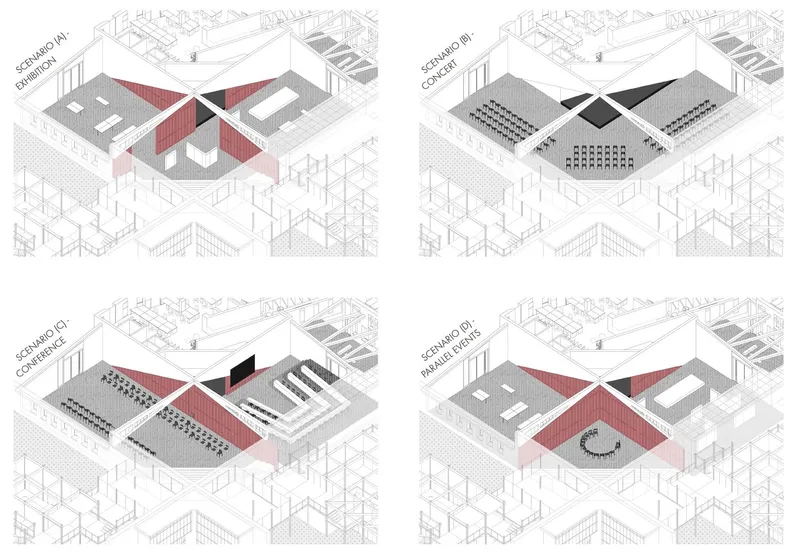
The core of the project lies in its radical departure from the typical, formal event-driven approach to town hall design. Instead of a single, grand hall, "Urban Living Room" envisions a network of interconnected spaces, each adaptable to a variety of uses and user needs. This flexibility allows for a broader range of activities, fostering a more dynamic and inclusive atmosphere. Gone are the days of rigid layouts and pre-determined uses. The "Urban Living Room" embraces a fluid and adaptable approach, allowing spaces to transform seamlessly according to the needs of the moment.
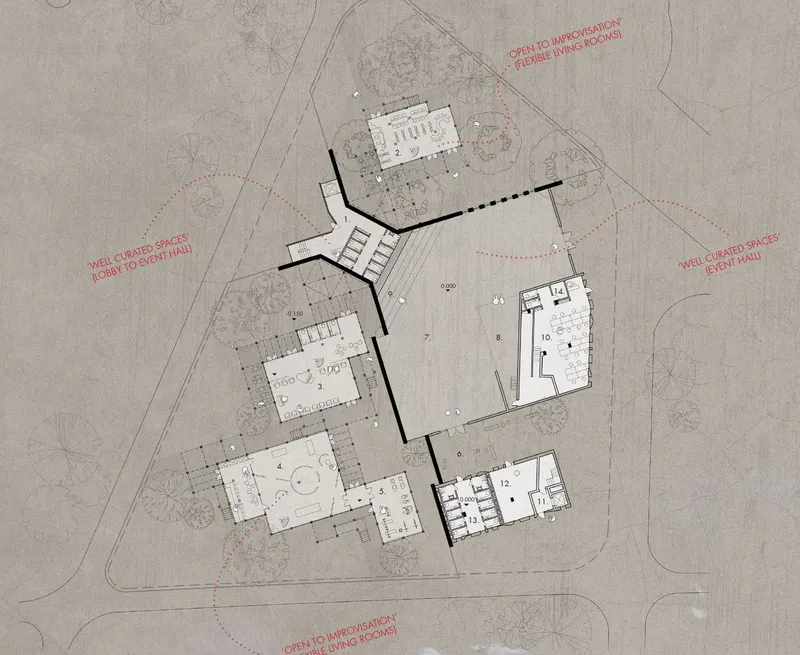
Four Quadrants, Two Themes
The project is conceptually divided into four quadrants, each with a distinct character:
Formal Spaces: These include two office blocks, a courtyard, and a central event hall. The event hall, designed to accommodate various configurations, features a unique u-shape layout. This departs from conventional theatre arrangements, drawing visitors towards a central stage and fostering greater interaction between performers and audience. The formal spaces provide a foundation for structured events and official gatherings, but they are designed to be flexible enough to accommodate a variety of needs.
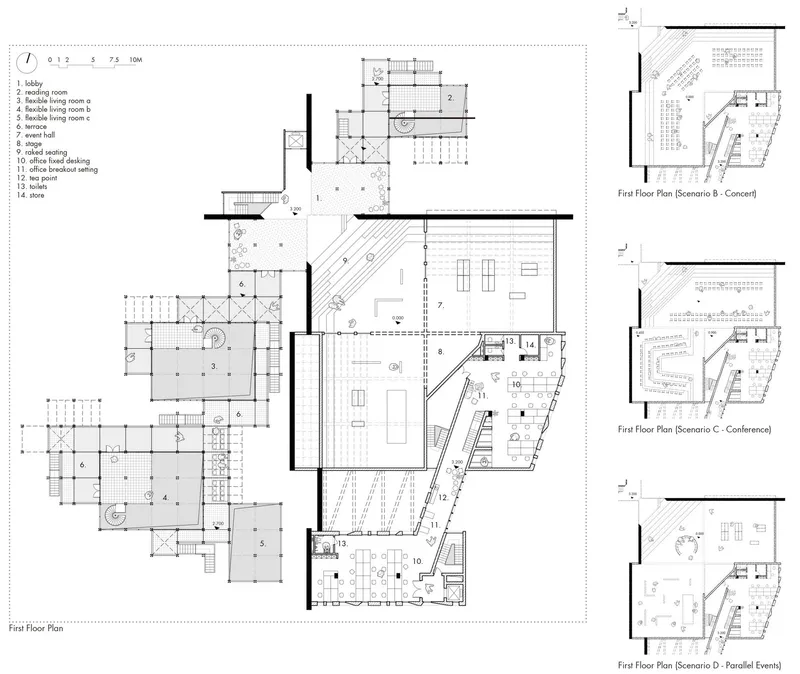
Informal Spaces: Envisioned as "cabins" within a larger "living room," these smaller, flexible spaces encourage breakout sessions, impromptu gatherings, and ad-hoc events. The canopied corridors connecting these spaces provide opportunities for spontaneous interaction and collaboration, fostering a sense of community and shared purpose. The informal spaces are where the magic truly happens. They offer a sense of intimacy and flexibility, allowing users to create their own experiences and engage in meaningful dialogue.
The Power of Improvisation
The project champions improvisation as a key element of its design philosophy. The "cabins" are designed to be highly adaptable, allowing users to define their own activities and create spaces that suit their individual needs. This emphasis on flexibility fosters a sense of ownership and encourages a more democratic approach to using public spaces. The "Urban Living Room" understands that the most meaningful moments often arise spontaneously. By embracing improvisation, the project empowers users to shape their own experiences and create spaces that resonate with their needs.

A Model for the Future
"Urban Living Room" explores a new typological model for government buildings, one that embraces flexibility and encourages a participatory approach to civic engagement. The project goes beyond the physical structure, envisioning a dynamic space that invites dialogue, collaboration, and a deeper sense of community. It is a blueprint for a new kind of government architecture, one that is welcoming, inclusive, and adaptable to the evolving needs of the community.

Future Implications
"Urban Living Room" offers valuable insights for future government building designs. It underscores the need for:
Adaptable and flexible spaces to accommodate evolving needs and encourage a diverse range of activities. Buildings should not be static structures, but rather dynamic entities that can evolve and adapt to the changing needs of their users.
Integration of public spaces to foster a sense of community, encourage interaction, and facilitate social connection. Government buildings should not be isolated islands, but rather integral parts of the surrounding community, fostering a sense of belonging and shared purpose.
Interactive design features that promote dialogue, collaboration, and participation, fostering a more inclusive and equitable public experience. Buildings should be designed to invite interaction and engagement, creating spaces that are welcoming and accessible to all.
A more inclusive approach to architecture that embraces diversity, promotes accessibility, and encourages a broader range of user needs. Architects must consider the needs of all members of the community when designing public spaces, ensuring that they are inclusive, accessible, and welcoming to everyone.




Popular Articles
Popular articles from the community


Riyadh For All: Intergenerational Urban Design for Active Aging in Rabat
Riyadh For All reimagines urban design in Rabat with intergenerational co-living, adaptive courtyards, and Moroccan cultural exchange today.
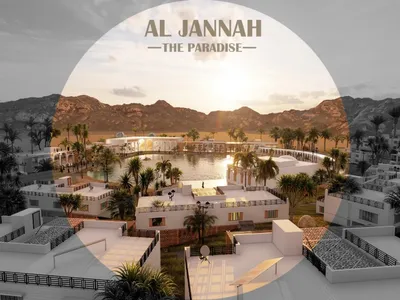
AL-JANNAH: Sustainable Architecture and Permaculture for Afghan Widows
AL-JANNAH uses sustainable architecture and permaculture to create resilient oasis of housing, learning, work and renewal for Afghan widows.

The Ocean Hive: Sustainable Architecture for a Self-Sufficient Civilization at Sea
The Ocean Hive imagines sustainable architecture at sea, where modular habitats, algae, wave power and ocean waste sustain a growing colony.

The Earth Pod: 3D Printed Homes for Resilient Refugee Communities
The Earth Pod reimagines refugee housing through 3D printed homes made from clay, combining resilience, self-sufficiency, and rapid shelter.

Similar Reads
You might also enjoy these articles

Day and Night Park: A Time-Based Urban Newsstand in Beijing
A temporary urban newsstand in Beijing blending travel, light, and reading through poetic colors, compact form, and community-focused design.

Modernist Patio Renovation in El Masnou, Barcelona by Oliver Segura Arquitectura + Cebrià Arquitectura
Modernist patio renovation blending tradition and innovation with a movable pool, leveled floors, and Catalan materials in El Masnou.

Alto Residencial Coop: Cooperative Housing Development in Santiago de Compostela by Carbajo Barrios Arquitectos
A linear cooperative housing complex blending white volumes and perforated metal façades, enhancing community living, natural light, privacy, and urban integration.
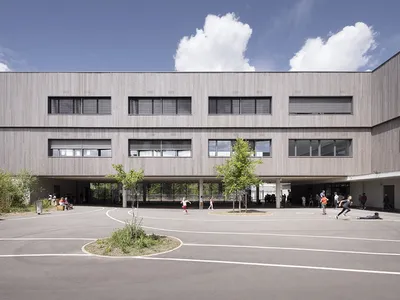
Vil Genis School by BPA ARCHITECTURE – Massy, France
Vil Genis School in Massy, France, features sustainable design, south-facing classrooms, community integration, accessible spaces, and modern educational architecture.


Explore Urban Space Competitions
Discover active competitions in this discipline



Challenge to reimagine the Iron Throne


Photograph architecture without architects


Illustrate the lost glory of Angkor Wat - Render Challenge


Design challenge to reuse E-waste
Comments (0)
Please login or sign up to add comments
No comments yet. Be the first to comment!