

Vietnamese Courtyard House Design: Co Muoi Garden Villa by 6717 Studio
A poetic Vietnamese courtyard house design that revives cultural memory through architecture, light, and spatial harmony.


A Timeless Homage to Rural Vietnamese Architecture
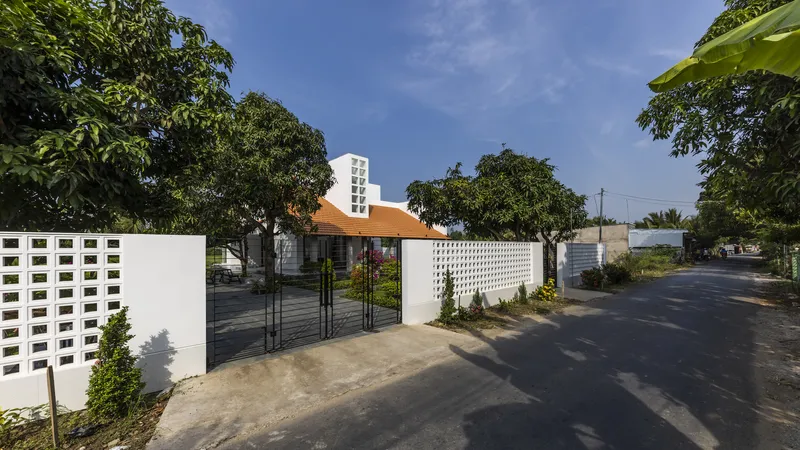
Co Muoi Garden Villa, designed by 6717 Studio, stands as a moving tribute to Vietnamese courtyard house design and cultural heritage. Located in Hong Ngu District, Dong Thap Province, Vietnam, this 252-square-meter home is a poetic blend of tradition and contemporary architecture, deeply inspired by the Mekong Delta’s flood-prone stilt houses and the rural memory of its residents.


Architecture Rooted in Memory and Resilience
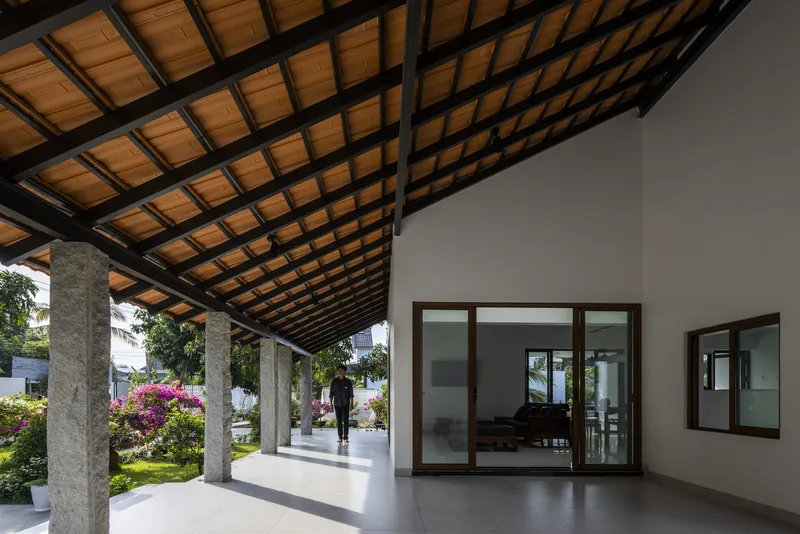
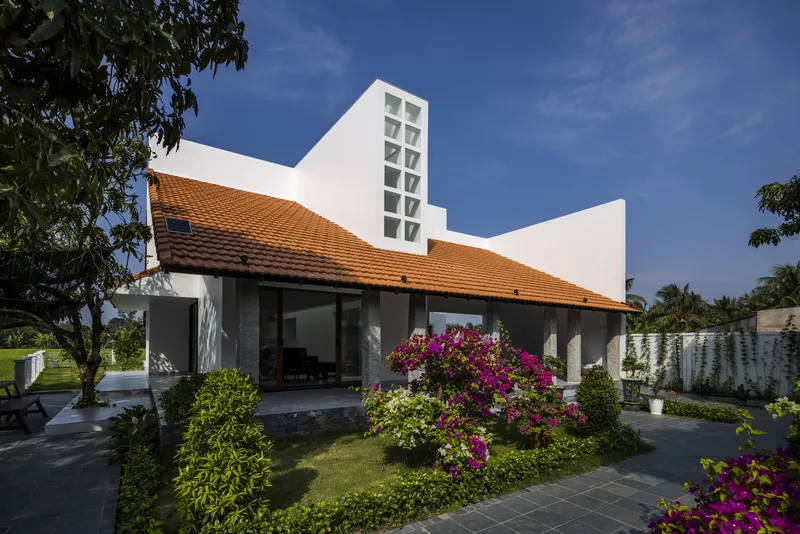
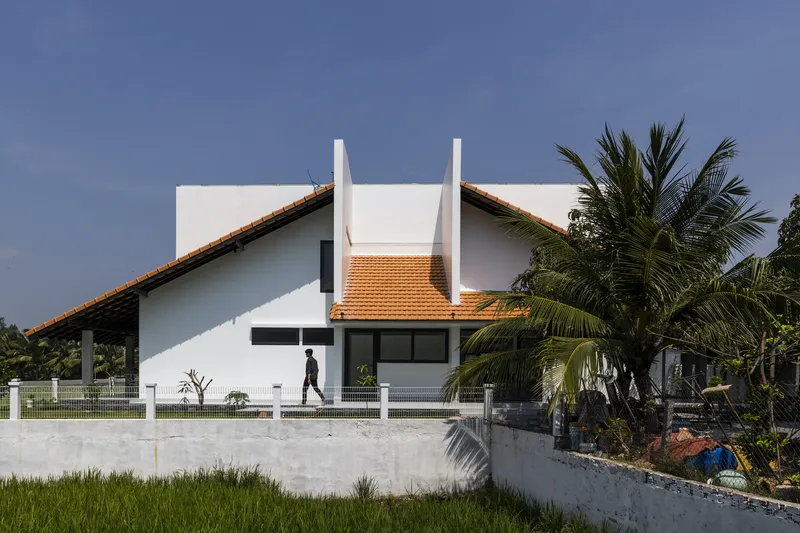
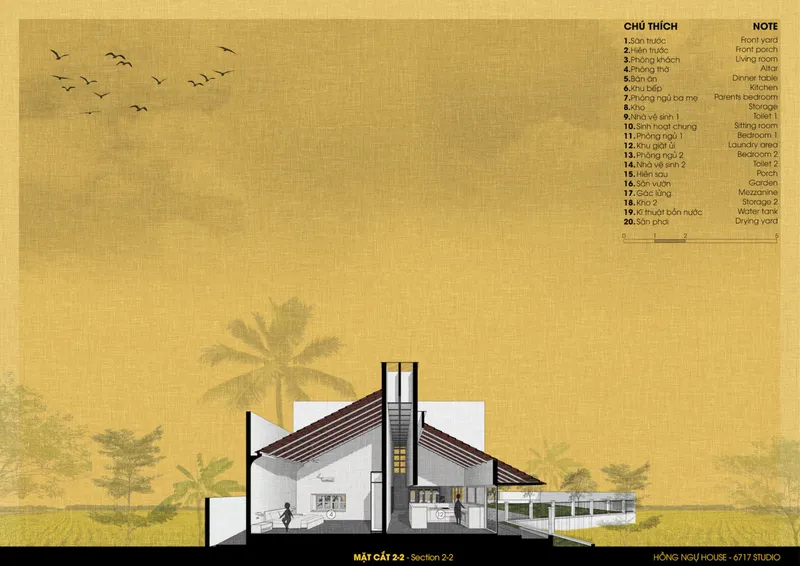
Built on a site surrounded by expansive fields and river landscapes, Co Muoi Garden Villa is a reflection of the rural soul. The villa’s deep-tiled roof, supported by robust stone columns, reflects the architecture of traditional Vietnamese stilt houses. These structural elements not only offer protection from seasonal floods but also anchor the house in the cultural memory of the region. The form is simple yet deeply symbolic—an architectural embodiment of resilience, stability, and emotional connection to place.

The Courtyard: Heart of Vietnamese House Design
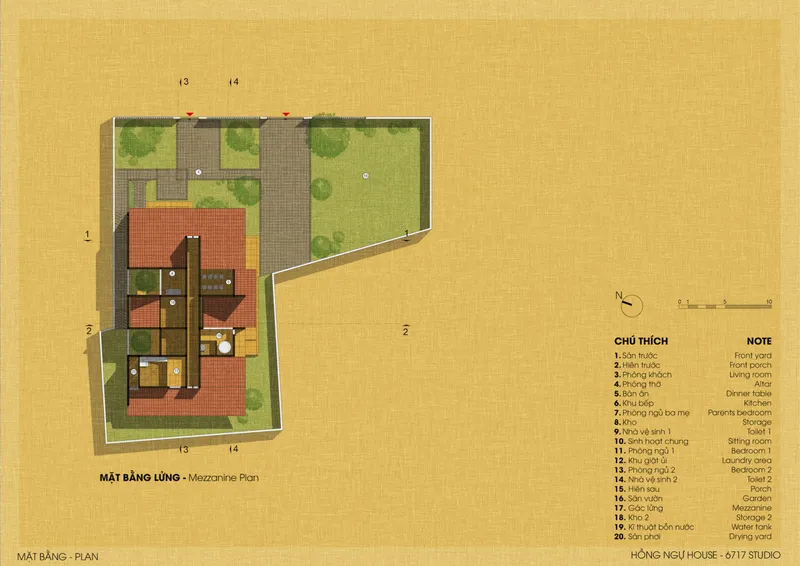
A defining feature of Vietnamese courtyard house design is the integration of open-air courtyards into daily living. In Co Muoi Garden Villa, two open courtyards form the heart of the home. They are shaded by the sweeping roof and framed by deep verandas that blur the lines between interior and exterior. This open layout fosters a strong dialogue between the architecture and the natural surroundings, capturing the light, wind, and rhythm of daily life.

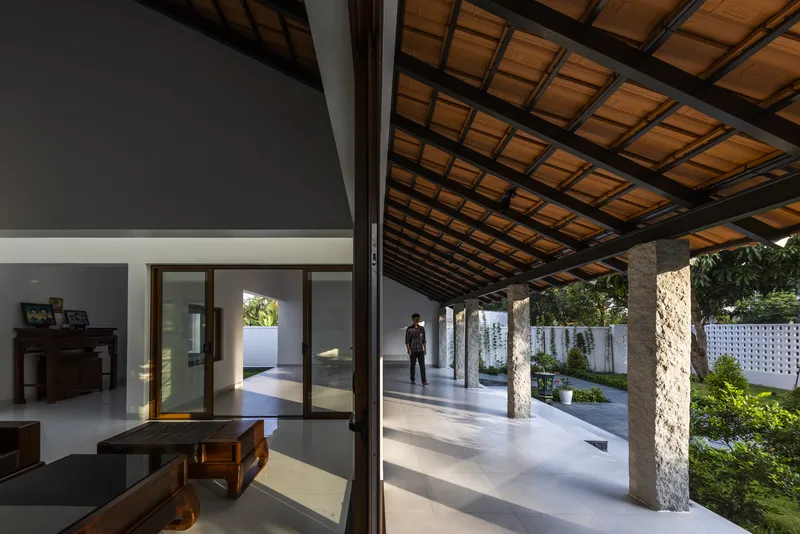

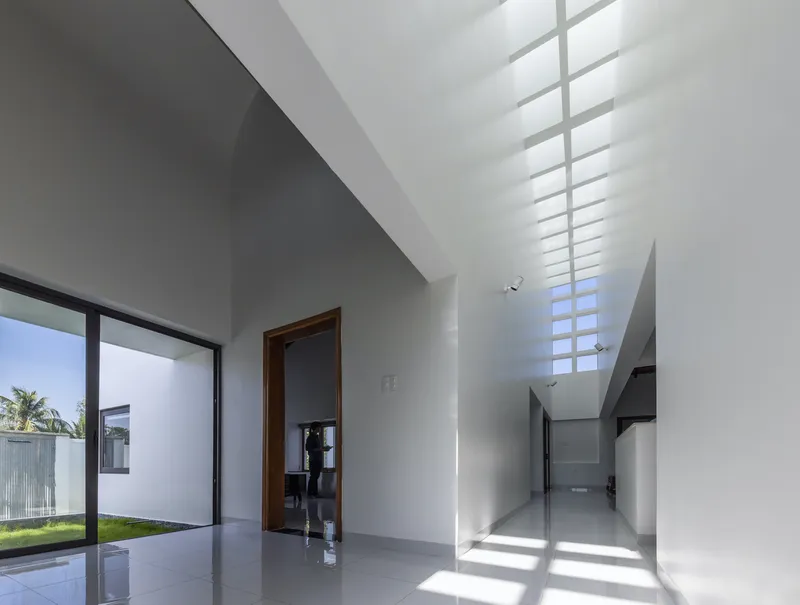
A luminous corridor stretches through the house, from the front entrance to the rice fields beyond. This linear space acts as a connective tissue for the home’s functional areas, guiding light and circulation fluidly across spaces. It reflects not only a visual openness but also the fluidity of Vietnamese spatial traditions, where privacy and openness are constantly in interplay.


Cultural Continuity in a Contemporary Setting
The villa preserves core traditional customs while embracing modern simplicity. Central to the home is the ancestral altar, carefully placed near communal spaces. This deliberate positioning reinforces the Vietnamese value of spiritual connection, family continuity, and reverence for heritage. The altar is not an isolated shrine but a lived space, active in everyday routines and conversations.

The interior spaces are marked by a thoughtful use of wood and local materials, allowing the villa to remain rooted in regional identity. Furnishings are a mix of old and new—among them, a cherished bed and wardrobe from the homeowners’ wedding, repurposed to retain emotional narratives within modern design.

Light, Shadow, and Spatial Harmony
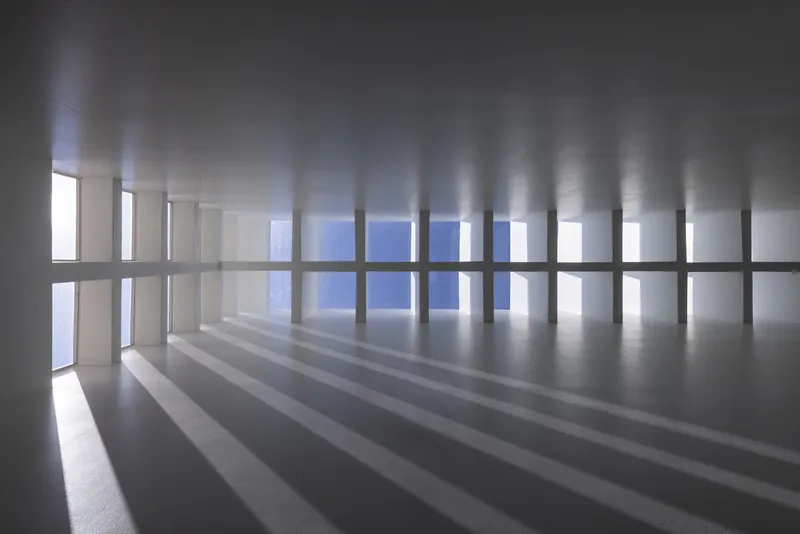
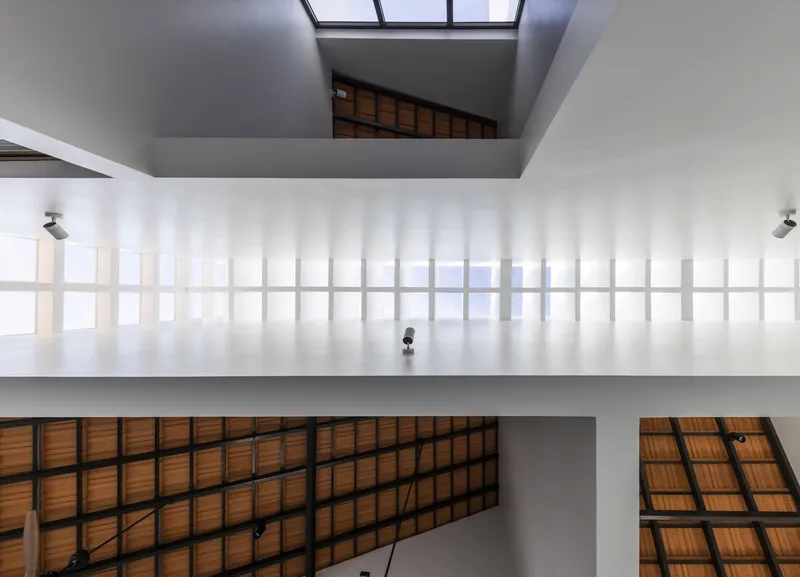
The house uses light as a design tool, crafting shifting layers of brightness and shadow throughout the day. Natural light floods the corridor and the courtyards, constantly redefining the atmosphere within. Shadows soften the concrete and stone surfaces, lending warmth and intimacy to spaces. These subtle modulations enhance the sensory experience and reflect the poetic nature of traditional Vietnamese living.

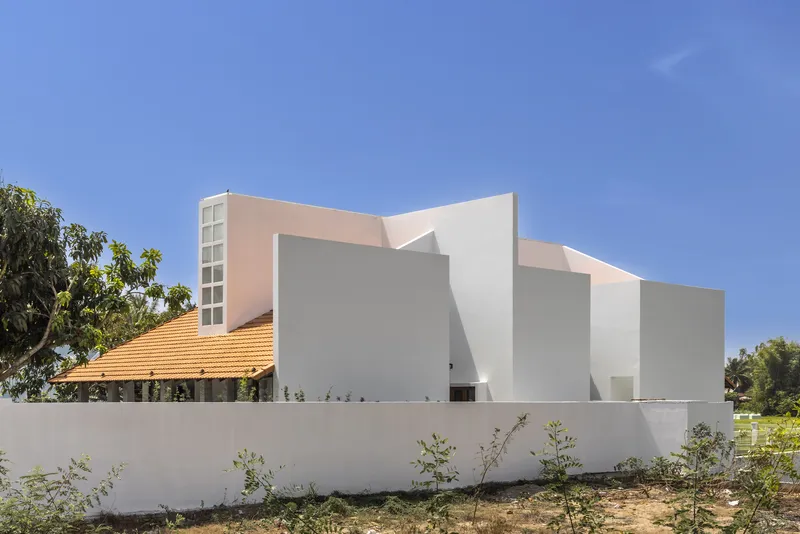
The open verandas and carefully proportioned beams support not just structural integrity but also visual continuity. Light and ventilation pass freely through the home, reducing the reliance on artificial systems and supporting the ecological balance of the house.


Reviving the Spirit of Hometown Living
Co Muoi Garden Villa transcends its role as a home. It becomes a living narrative of Vietnamese courtyard house design, a canvas where nostalgia, ritual, and modern functionality coexist. The design approach rekindles childhood memories, spiritual practices, and communal living—evoking the emotional textures of past homes while embracing contemporary needs.


In its simplicity lies a deep architectural wisdom. Co Muoi Garden Villa demonstrates that modern living in Vietnam doesn’t need to sever ties with tradition. Instead, it can revitalize cultural identity by blending it with clarity, purpose, and authenticity. It is an ode to hometown memories and an architectural gesture that celebrates the enduring soul of the Mekong.


All Photographs are works of Hiroyuki Oki




Popular Articles
Popular articles from the community


The Musturak Paradise: Senior Living Architecture for a Connected Future in Temara, Morocco
The Musturak Paradise reimagines senior living architecture in Temara via private homes, social spaces, culture, community, and shared care.

Co-life: Sustainable Architecture for Age-Friendly Community Living
Co-life reimagines sustainable architecture for seniors through courtyards, rammed earth, shared gardens, and spaces designed for belonging.

The Ocean Hive: Sustainable Architecture for a Self-Sufficient Civilization at Sea
The Ocean Hive imagines sustainable architecture at sea, where modular habitats, algae, wave power and ocean waste sustain a growing colony.

Riyadh For All: Intergenerational Urban Design for Active Aging in Rabat
Riyadh For All reimagines urban design in Rabat with intergenerational co-living, adaptive courtyards, and Moroccan cultural exchange today.


Similar Reads
You might also enjoy these articles

Bamboo Housing Challenge 2026: Design Affordable, Sustainable Homes Using Bamboo
An international design competition by Bamboo U and IBUKU inviting architects and designers to reimagine affordable housing using bamboo — with the winning design built full-scale in Bali.

Computational Design & Education: Beegraphy Design Awards Introduces 7th Category (Featuring Jiyun's Innovative Approach)
Dive into Beegraphy’s 7th Design Awards category, where computational design meets education to create immersive, interactive learning tools, inspired by Jiyun’s work.

From Parametric Lighting to Urban Furniture: Join the 2nd Workshop in Beegraphy’s Computational Design Series
Dive into Cutting-Edge Design Techniques and Practical Applications with Industry Experts

Last Call: Unleash Your Architectural Genius in SHAK's Kindergarten Design Competition
Urgent call for architects to join SHAK's kindergarten design competition before the looming deadline

Explore Courtyard Competitions
Discover active competitions in this discipline



Challenge to reimagine the Iron Throne


Photograph architecture without architects


Illustrate the lost glory of Angkor Wat - Render Challenge


Design challenge to reuse E-waste
Comments (0)
Please login or sign up to add comments
No comments yet. Be the first to comment!