
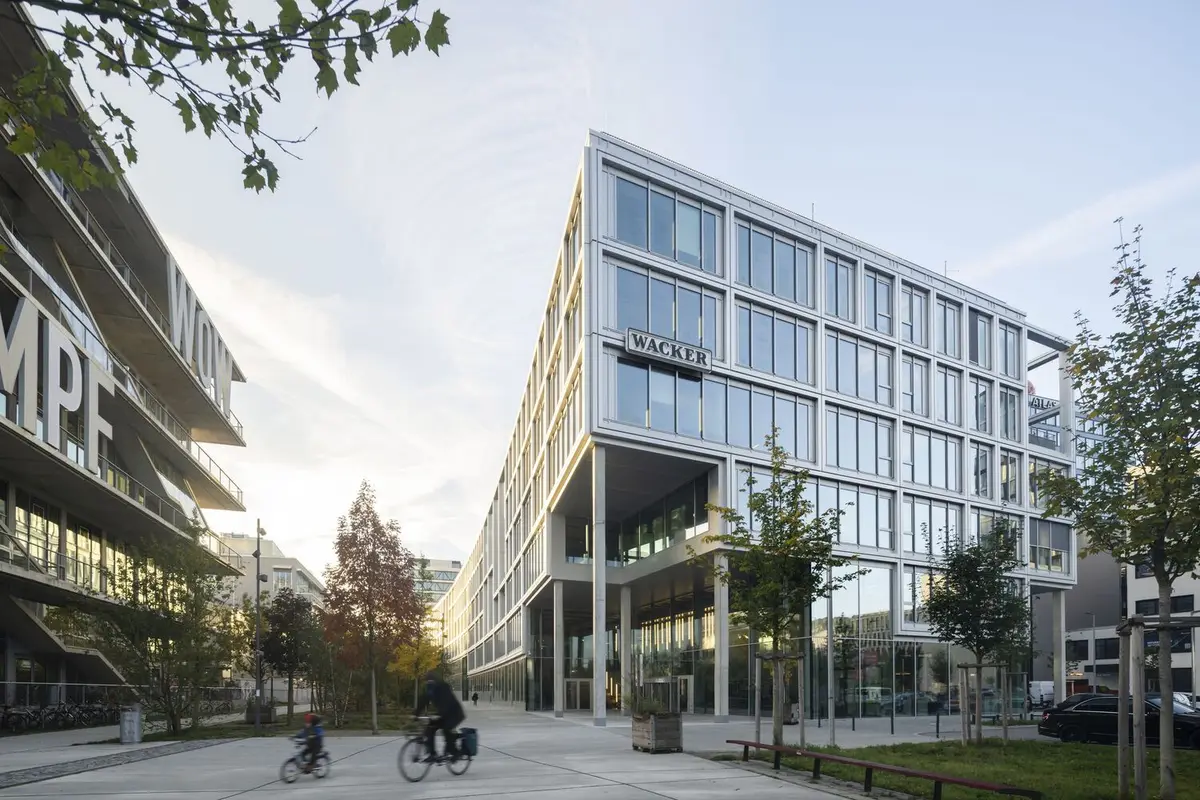
Wacker House: A Sustainable Office Building in Munich
Wacker House is a sustainable office building in Munich, blending innovative design, urban connectivity, and environmental responsibility for modern workplaces.


Introduction: A Modern Landmark in Werksviertel-Mitte
In the heart of Werksviertel-Mitte, Munich, the Wacker House stands as a benchmark for sustainable office architecture. Designed by C.F. Møller, this innovative commercial building integrates workspaces, retail, and cultural experiences within a dynamic and flexible structure. The architectural approach blends transparency, permeability, and environmental responsibility, redefining urban workplaces for the future.
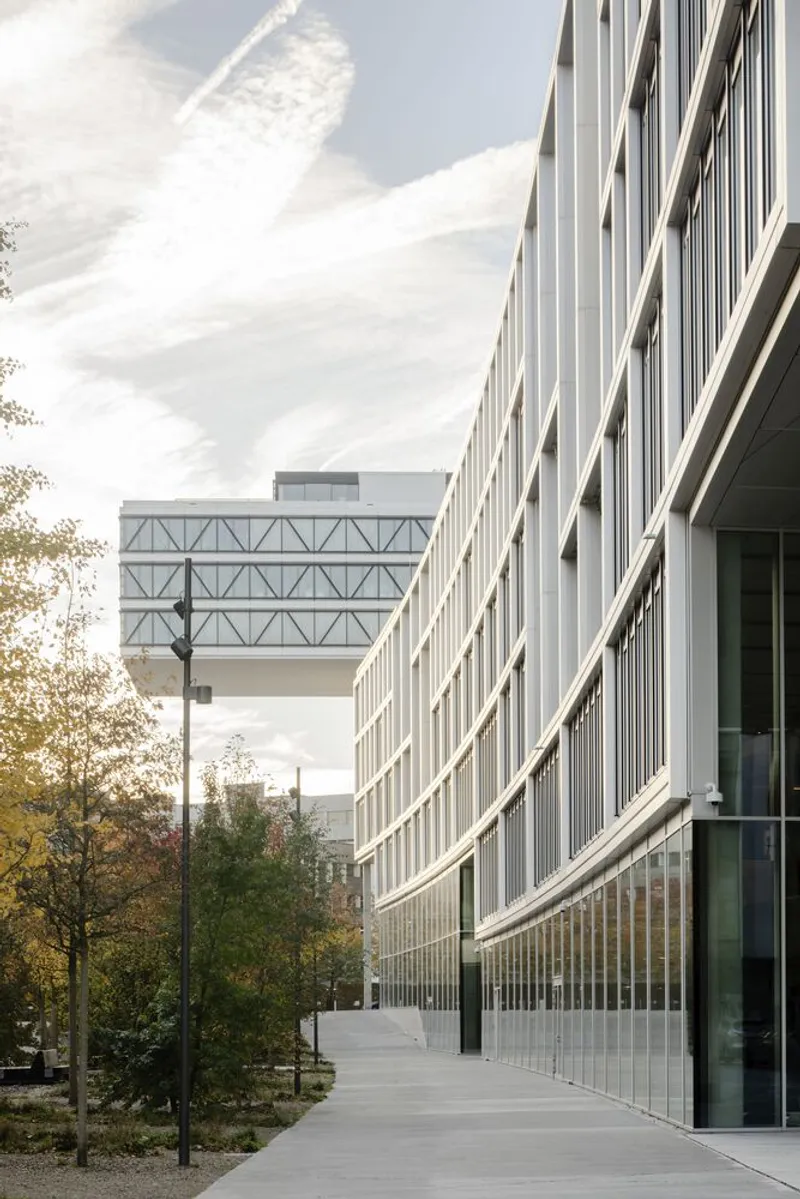
Architectural Concept: A Unified and Permeable Design
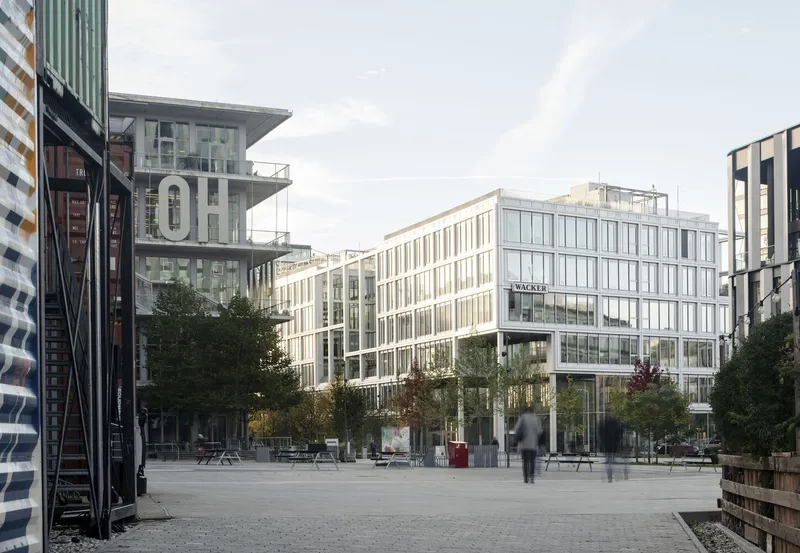
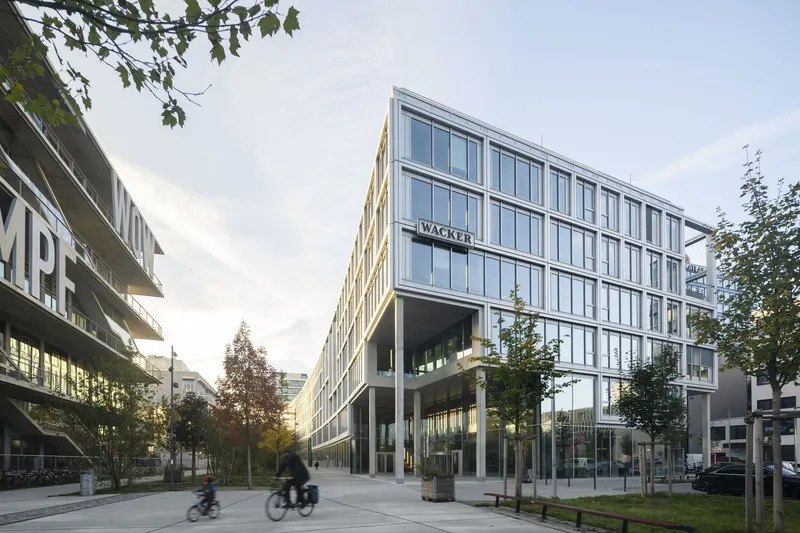
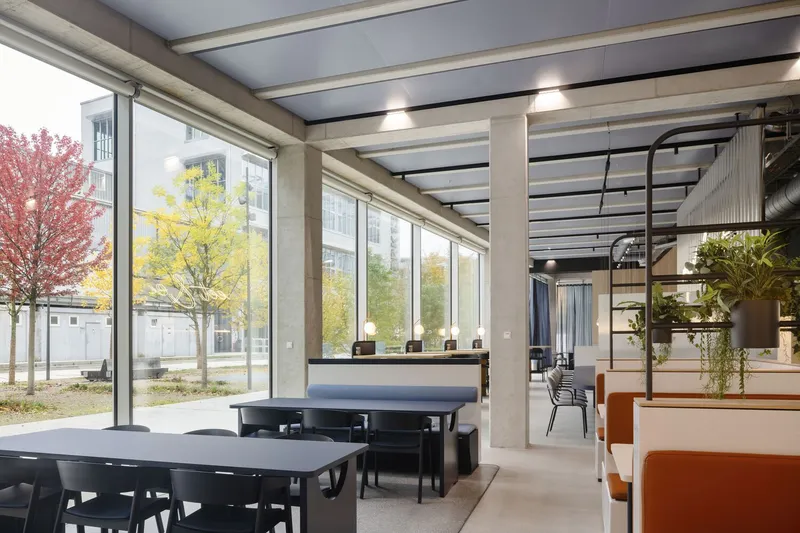
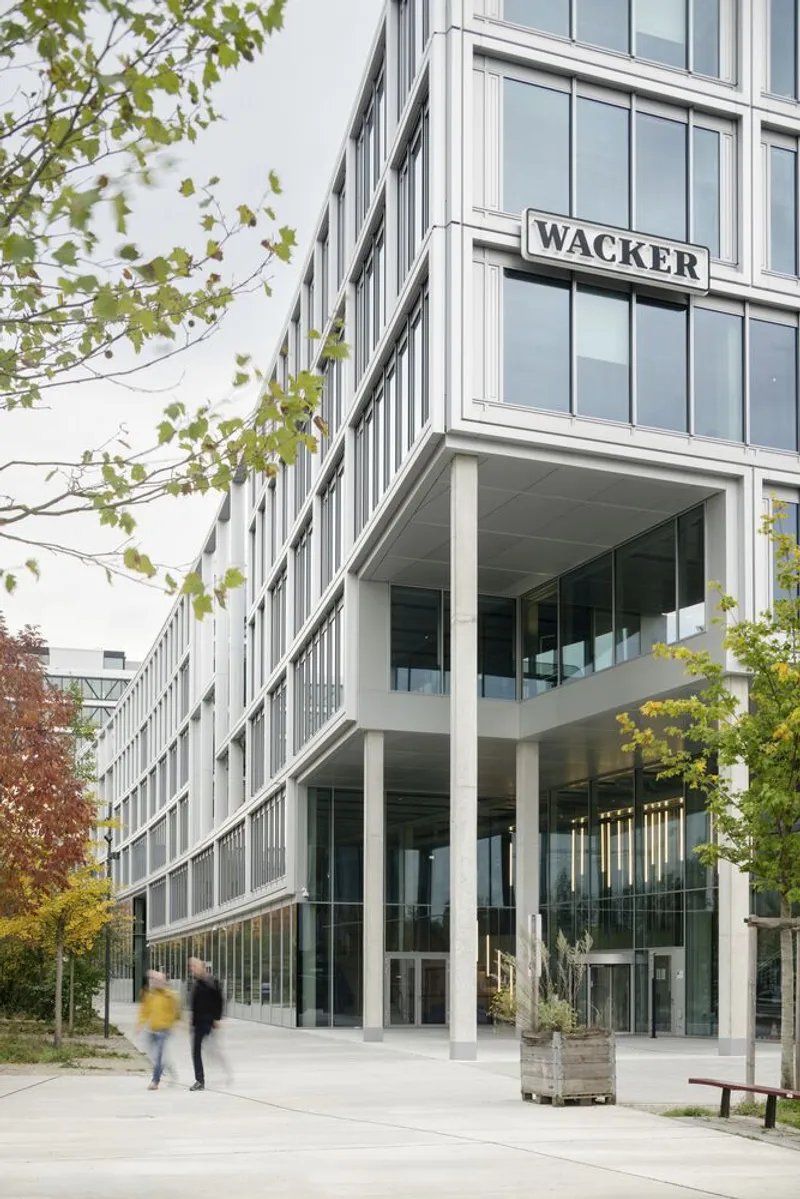
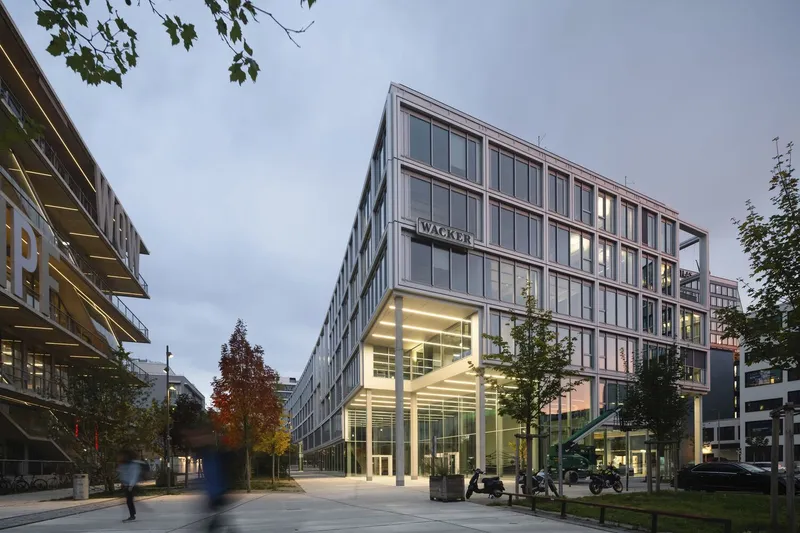
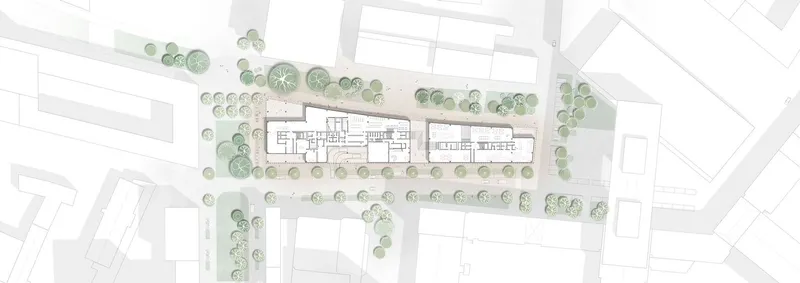
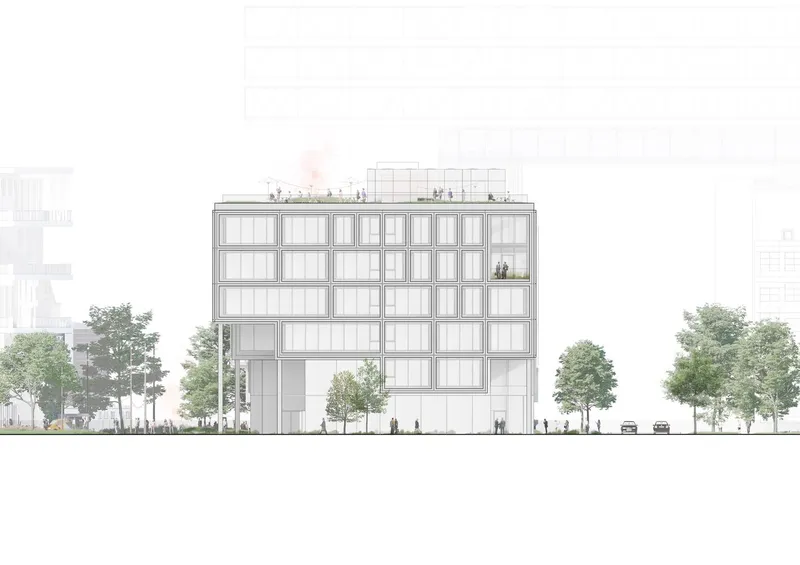
Wacker House is conceived as a large-scale, transparent grid structure that fosters a seamless connection between the indoors and outdoors. Inspired by the historic rail tracks of the Werksviertel district, the building features a signature curvilinear design that embraces the surrounding urban landscape. The open arcade at the ground level enhances accessibility, allowing pedestrians to engage with the building’s retail spaces, co-working zones, and cultural hubs.
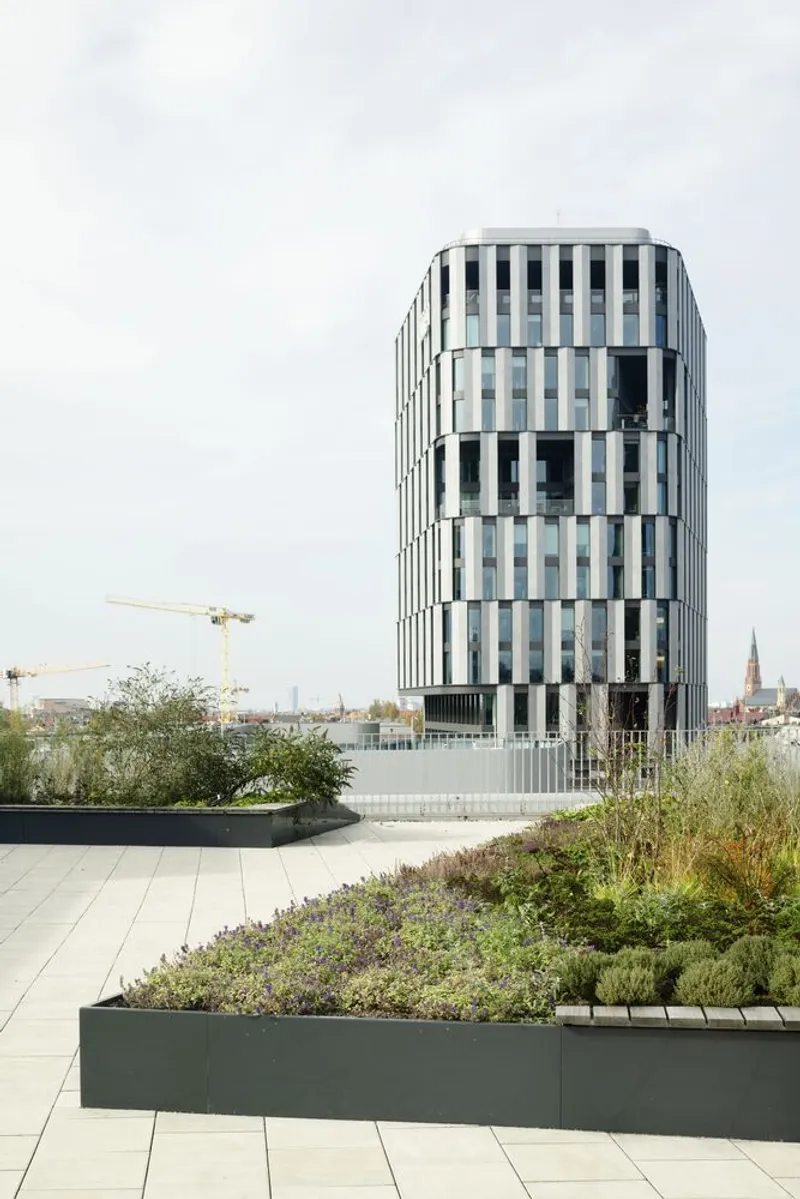
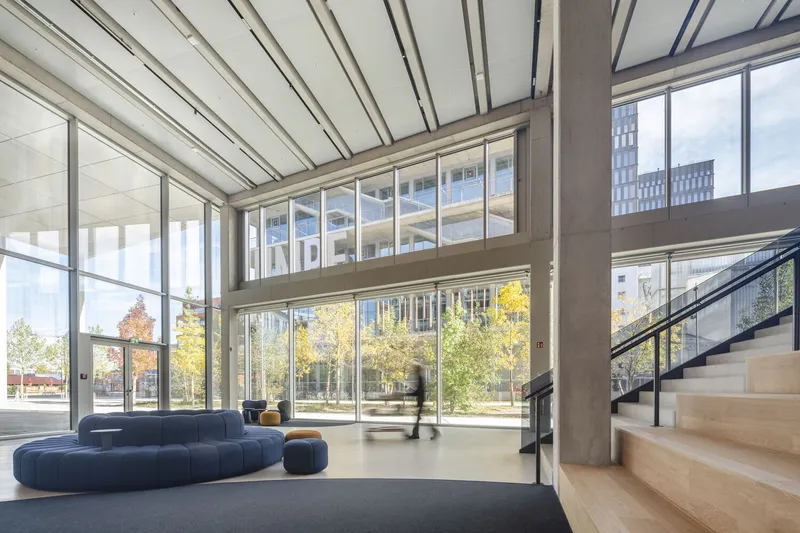
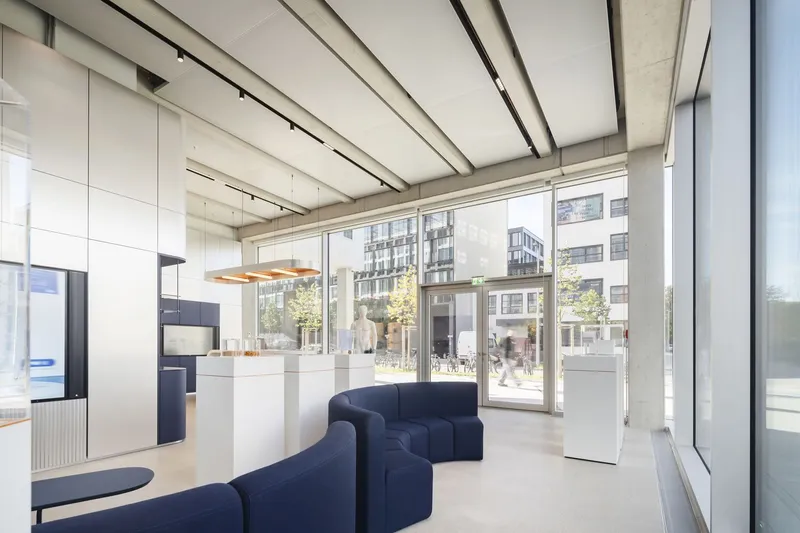
Urban Integration: A Dynamic City Hub
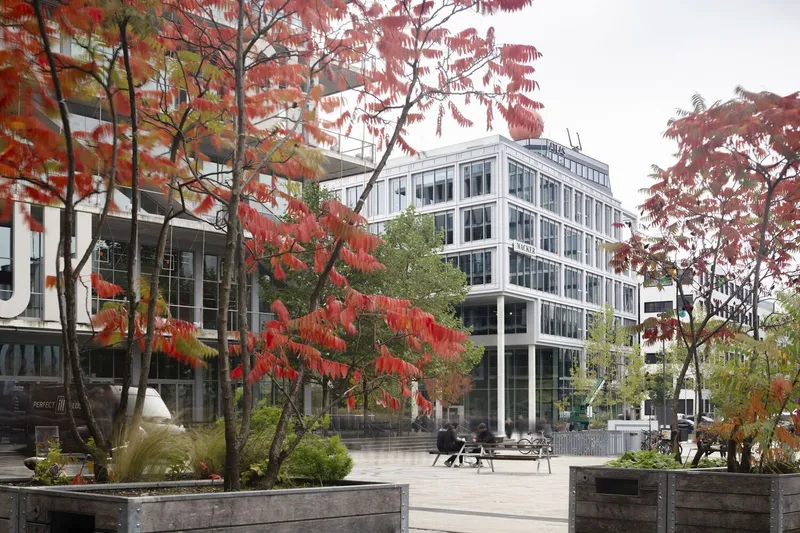
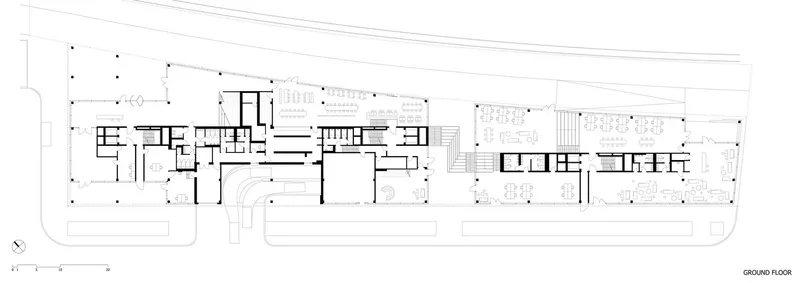
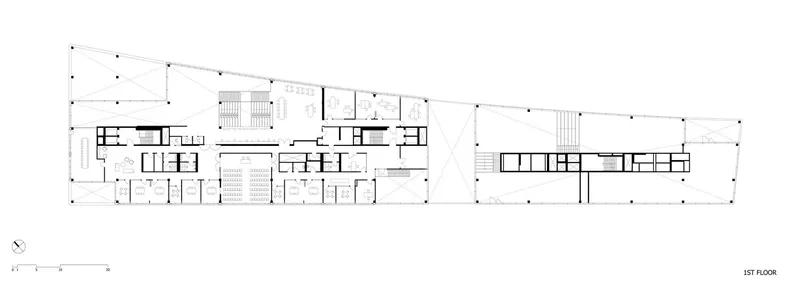
This office building is more than just a workplace—it is an energetic city space designed to strengthen the relationship between work, leisure, and community. The double-height ground level hosts retail outlets, entertainment venues, and collaborative spaces, encouraging an active urban lifestyle. The strategic placement of entrances ensures connectivity from all sides, transforming Wacker House into a lively urban destination.
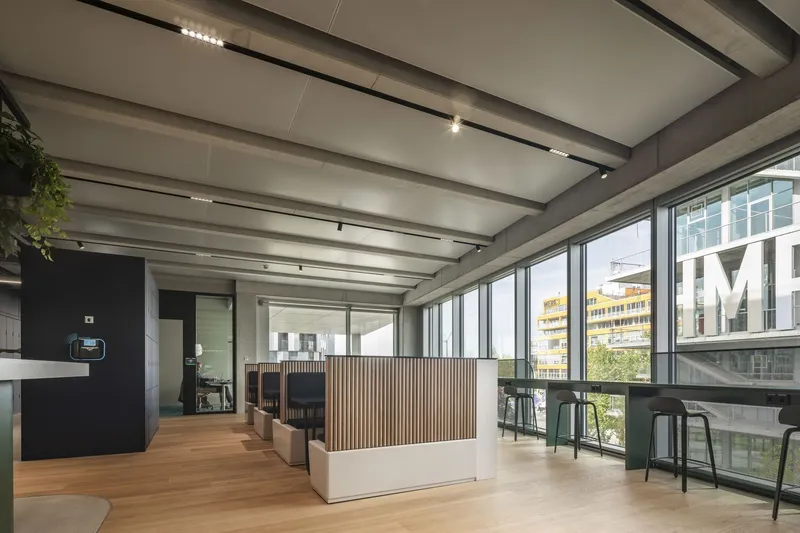
Interior Design: Flexible and Open Workspaces
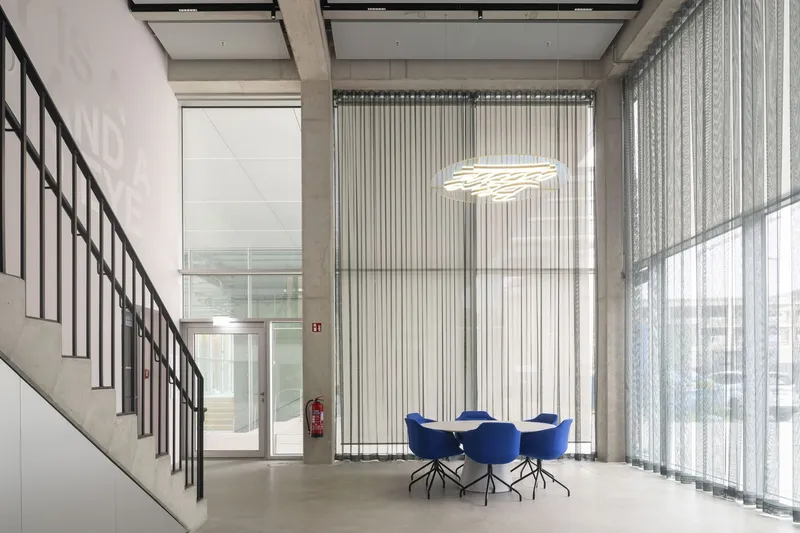
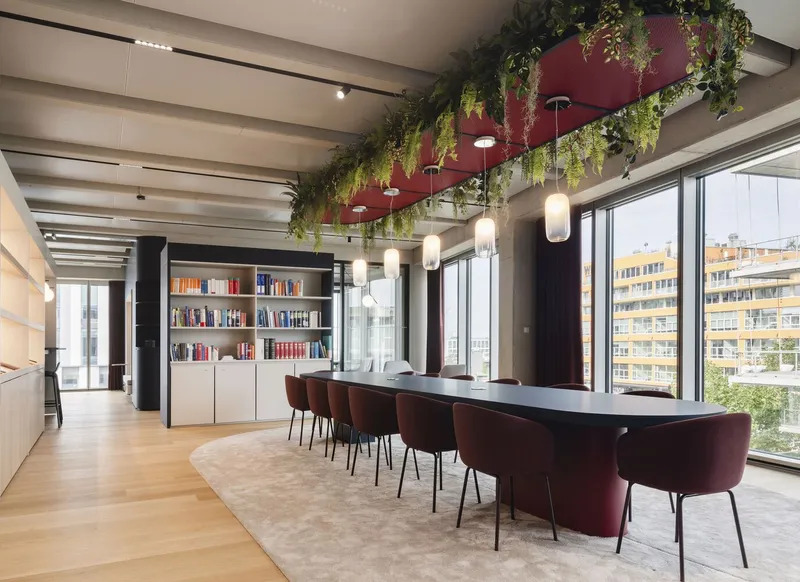
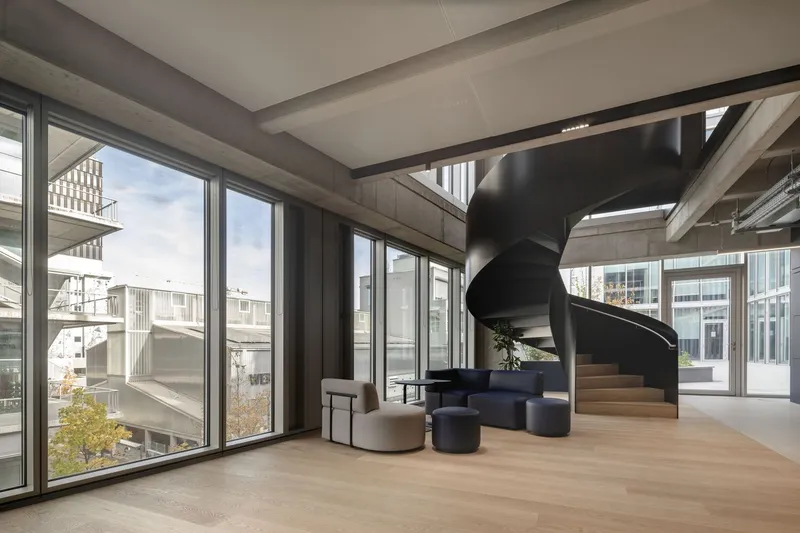
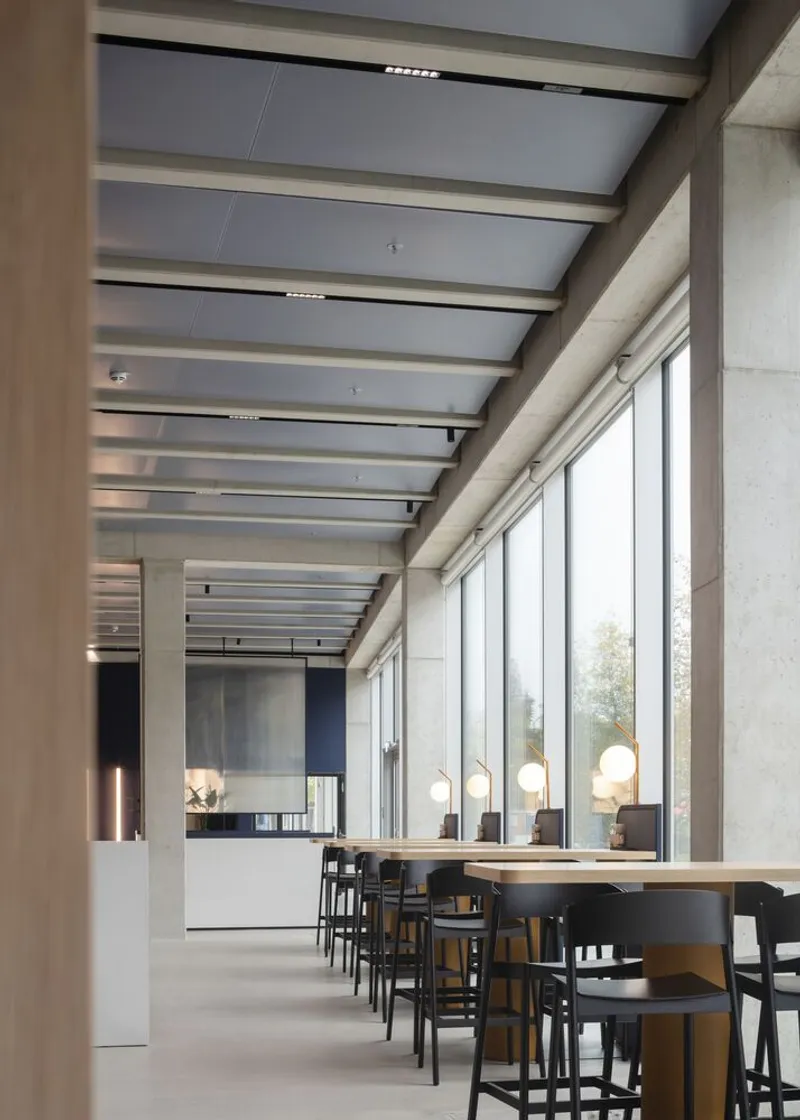
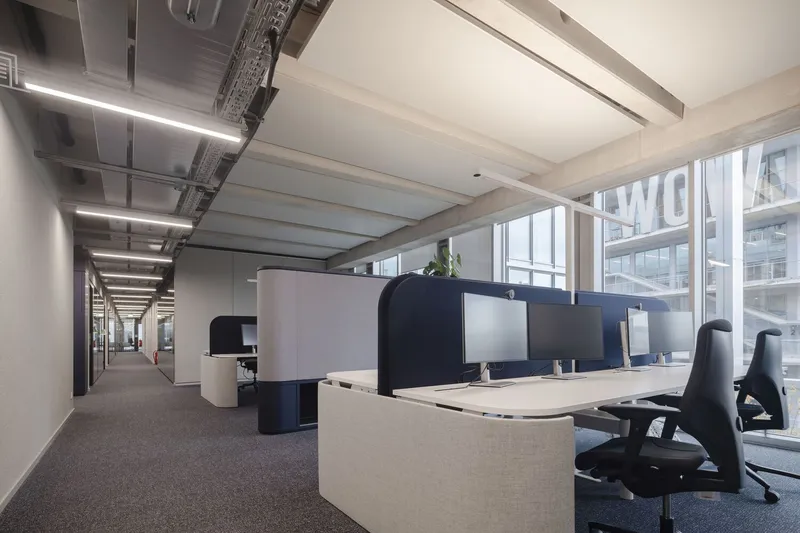
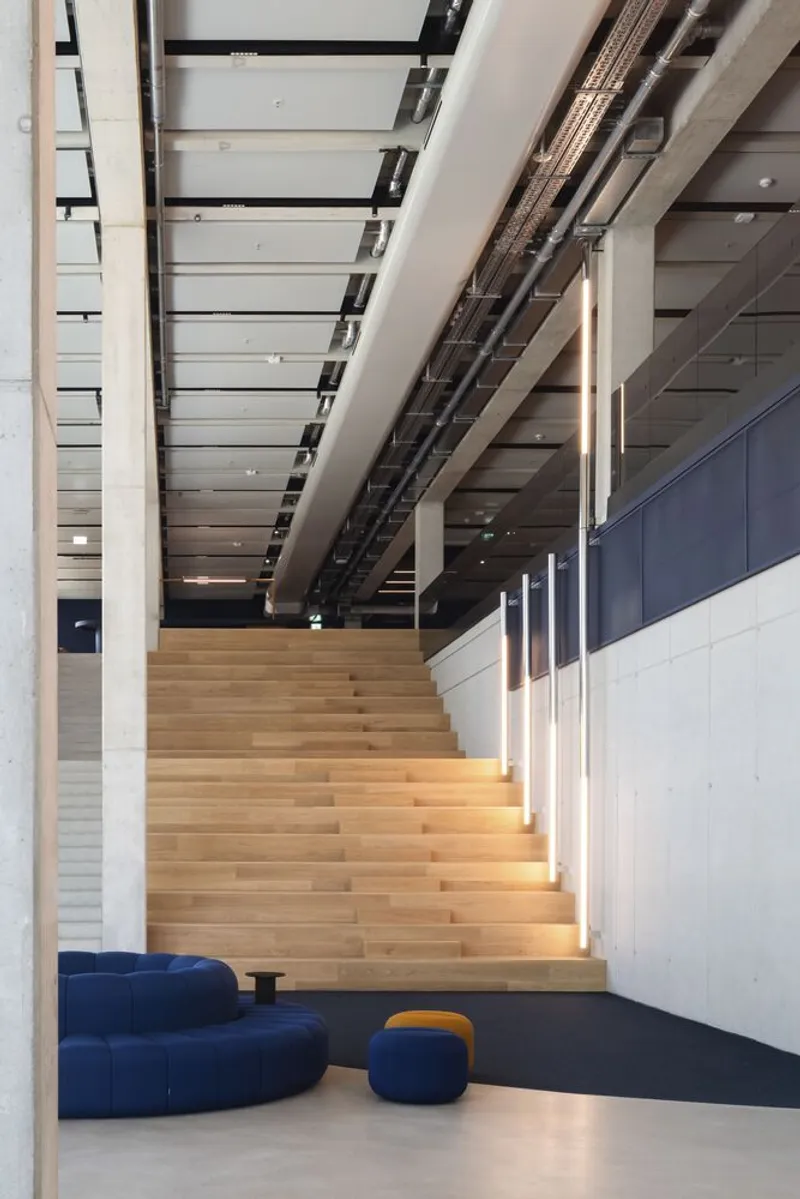
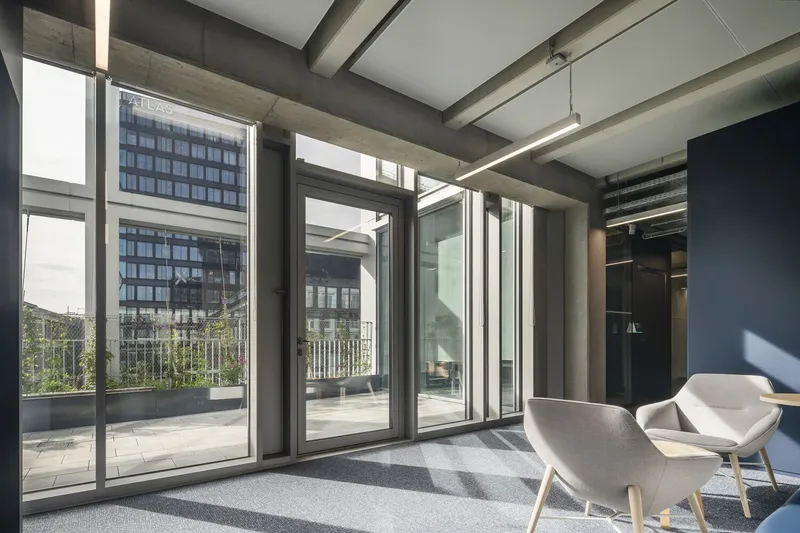
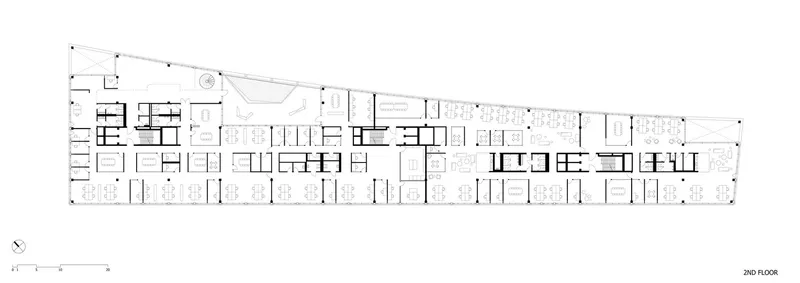
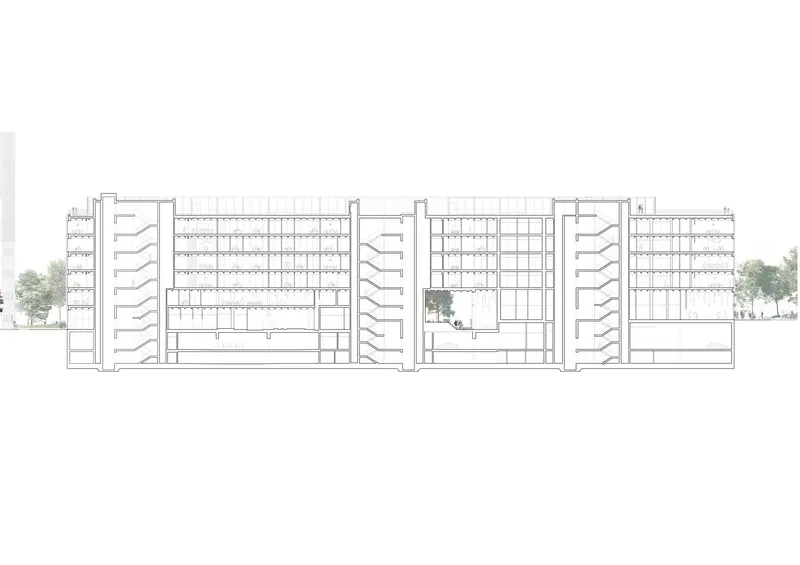
The upper levels of Wacker House are structured around a zig-zag configuration, allowing for flexible office layouts that adapt to evolving workstyles. Large, open-plan office landscapes form interconnected loops around external green courtyards, enhancing the spatial experience. Three internal cores improve vertical circulation, ensuring efficient movement between office floors and communal areas.
Sustainability: A Green and Climate-Responsive Building
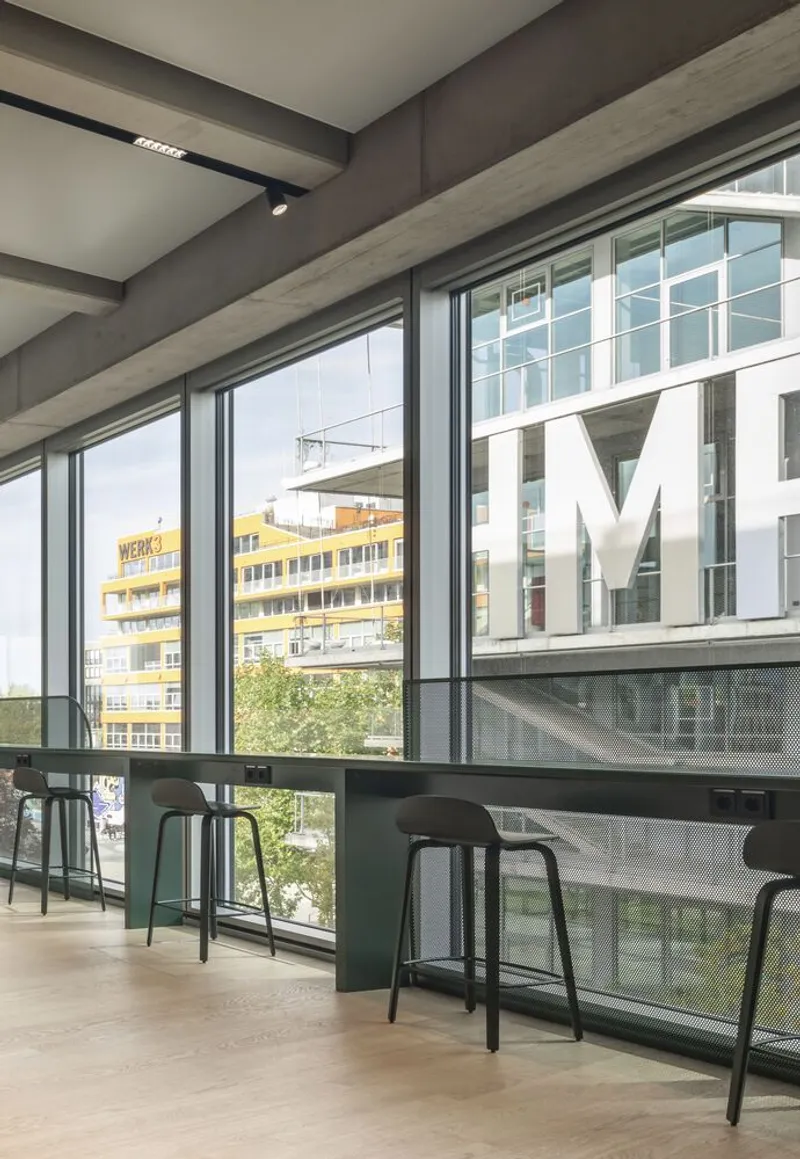
Sustainability is at the core of Wacker House’s design. The incorporation of elevated courtyards optimizes natural daylight penetration, improving indoor environmental quality while reducing energy consumption. These green spaces play a crucial role in mitigating the urban heat island effect, contributing to a healthier microclimate.
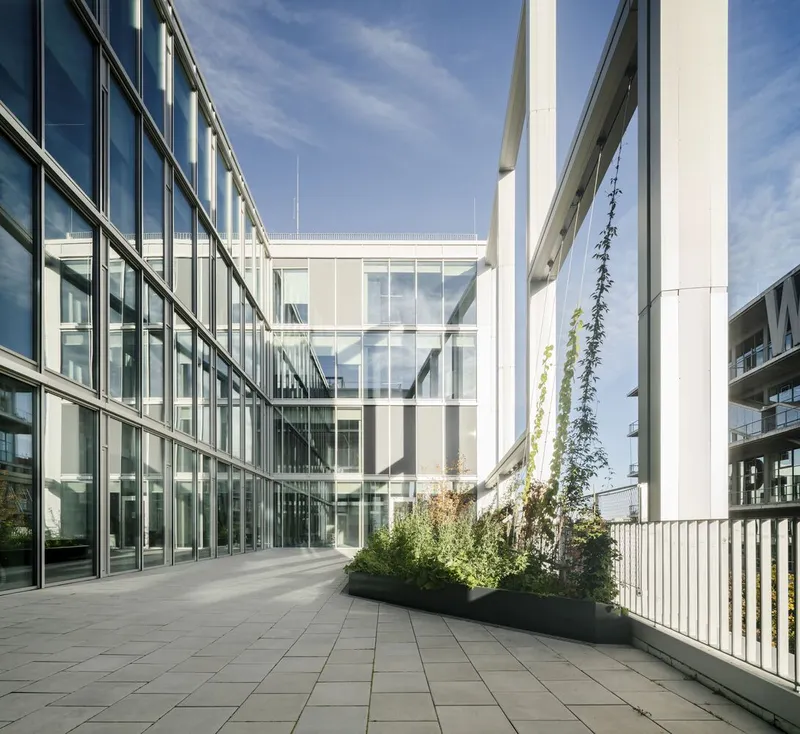
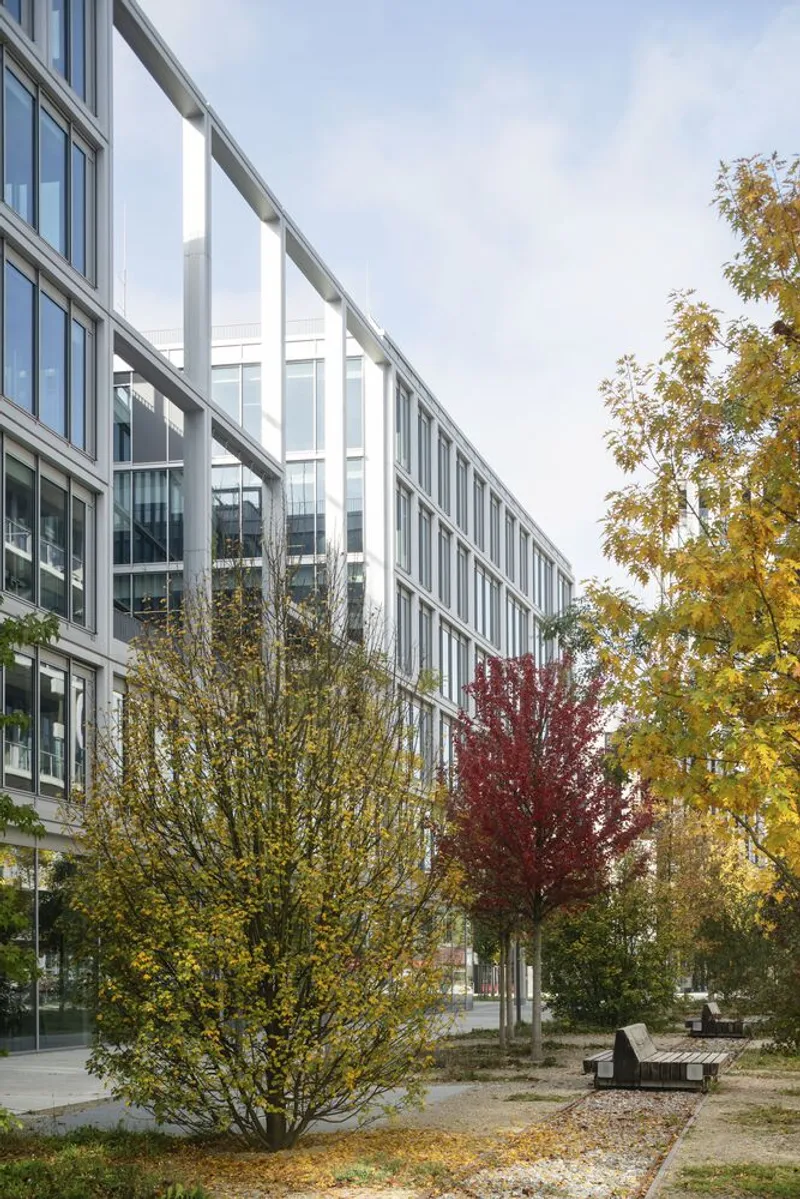
The structure employs prefabricated elements, minimizing construction time and costs while maximizing efficiency. The façade integrates passive shading techniques through its relief-like structure, reducing solar heat gain. Sustainable materials, including recycled concrete and aluminum, further reinforce the building’s environmental commitment.
A Future-Ready Office Building in Munich
Wacker House sets a new standard for sustainable office buildings in Munich. Its thoughtful integration of workspaces, urban interaction, and environmental responsibility makes it a model for future commercial developments. As cities evolve, projects like Wacker House exemplify how modern architecture can seamlessly balance functionality, sustainability, and vibrant community engagement.
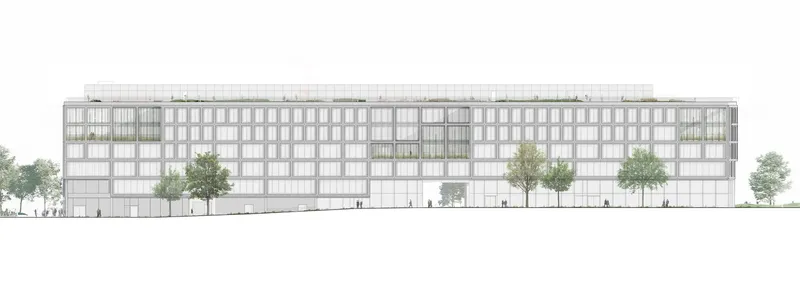
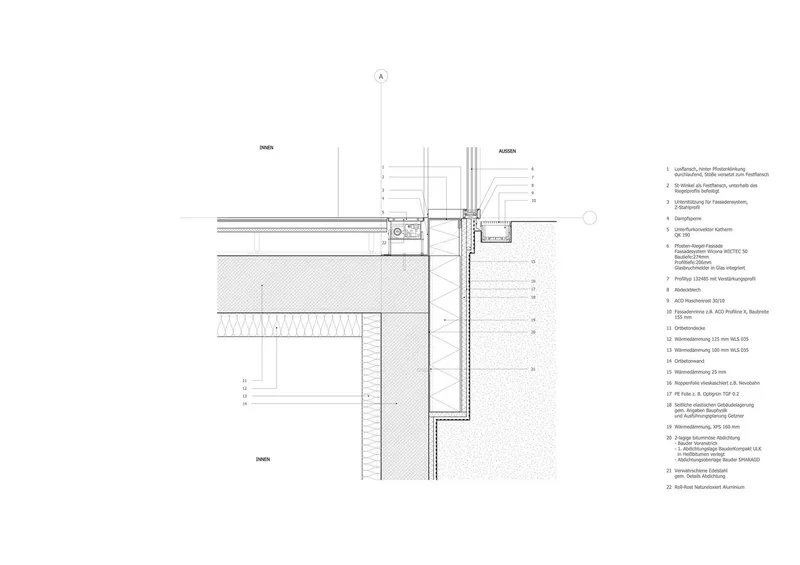
All Photographs are works of Mark Hadden


Popular Articles
Popular articles from the community


Juan García Correa, John González and Claudia Rueda Sink a Circular Amphitheater into a Manizales Engineering Building
On the La Nubia campus in Manizales, Colombia, the S1 Building folds labs and offices into a hillside of ramped lawns that double as a campus route.

LT2A and OPEN Architectes Thread a Brick and Glass High School Through a Wooded Belgian Campus
In Braine-l'Alleud, a 3,000 m² wing for Collège Cardinal Mercier pairs pale brick with a glazed colonnade, deferring to a small chapel and a dense wood.

U.GA Architects Wraps an Oval Rooftop Pool in Curved Board-Formed Concrete on Busan's Jeollidan-gil
In Busan's Jeonpo-dong, a 454 m² mixed-use block stacks a neighborhood facility, guest rooms and an oval rooftop pool inside spiraling concrete walls.

Cube Design Draws an Ecological Corridor Between Two Shenzhen Hills with the Nankai Building
Beside Shenzhen's container docks, the Nankai Building pairs stacked balconies with a climbing green screen to connect two hillsides across its height.

Similar Reads
You might also enjoy these articles


Hodi-Mandai Geram
Project Function: Preservation and revitalization of the Intangible heritage and socio-spatial identity of the Hodi by Housing, Cultural Memory Center, Sacred Grove, landscape, local tourism economy


Olio Towers: A Mid-Rise for Performers That Fuses Housing, Rehearsal, and Stage
Located blocks from Houston's Theater District, this modular tower stacks living units around a central performance atrium.

Oasis: Modular Green Housing Carved into Dhaka's Urban Fabric
A shortlisted Plugin Housing entry reclaims unauthorized settlements in Dhaka with stepped concrete volumes, green roofs, and ventilation-driven design.

Black Hole: A Floating Megastructure for the Post-Physical Era
Emiliano Mazzarotto envisions a spherical, self-scaling arena where e-sports, digital hotels, and holographic stadiums replace traditional public space.

Explore Architecture Competitions
Discover active competitions in this discipline

Challenge to reimagine the Iron Throne

Photograph architecture without architects

Illustrate the lost glory of Angkor Wat - Render Challenge

Competition to design a workstation for architects
Comments (0)
Please login or sign up to add comments
No comments yet. Be the first to comment!