
Winery Ingelheim Adaptive Reuse by Böll Architekten Revitalizes Historic Wine Culture in Germany
Historic winery in Ingelheim transformed into vibrant cultural hub with restaurant, vinotheque, indoor garden, and event spaces preserving architectural heritage.


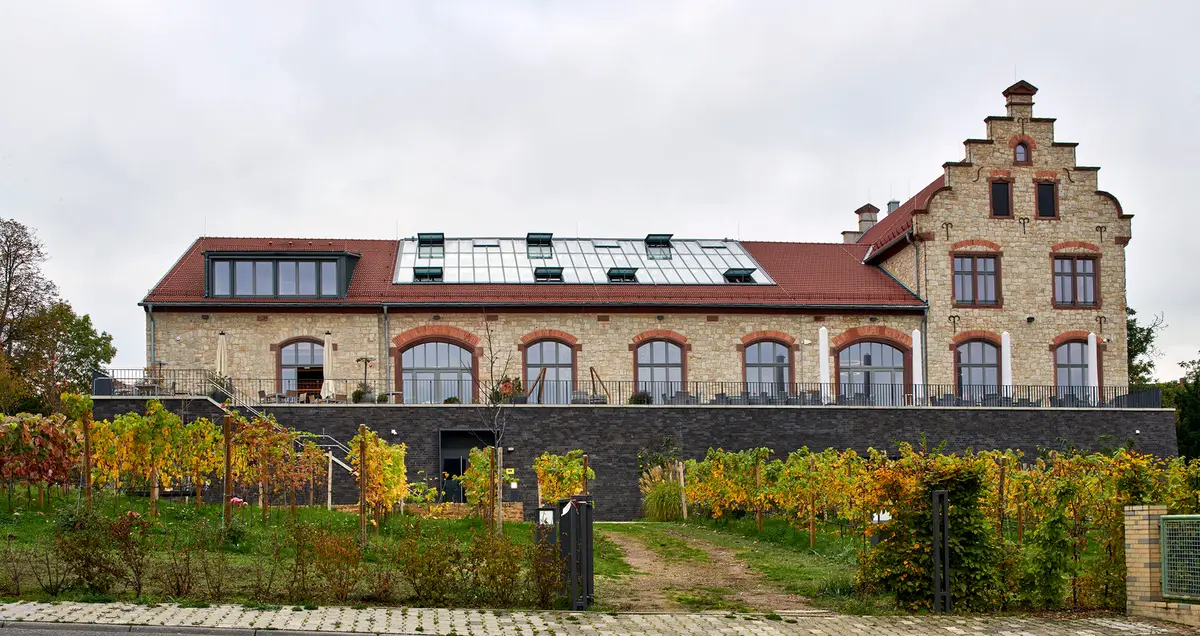
The Winery Ingelheim project by Böll Architekten represents a compelling example of adaptive reuse architecture, where heritage preservation meets contemporary spatial design. Located in Ingelheim am Rhein, Germany, widely known for its rich red wine culture, this 4,506 m² development transforms a historic wine cellar into a vibrant public destination. Completed in 2019, the project reimagines a cooperative-built structure from the early 20th century into a multifunctional architectural landmark that enhances tourism, community engagement, and cultural identity.
Adaptive Reuse and Historic Preservation Strategy
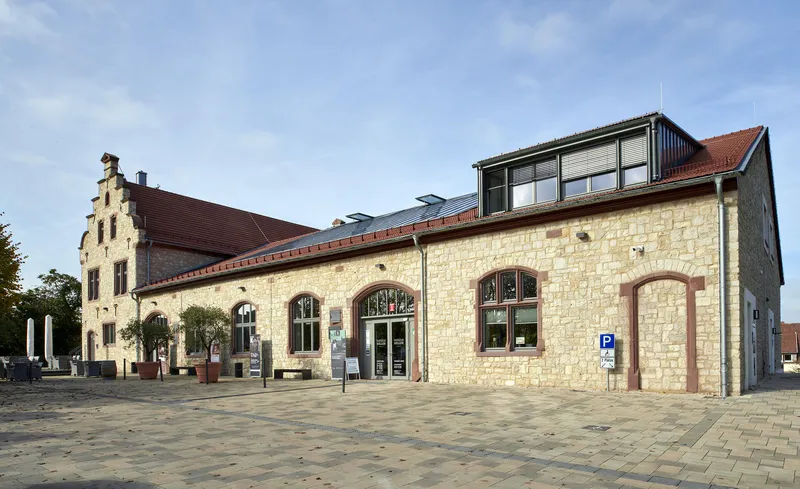
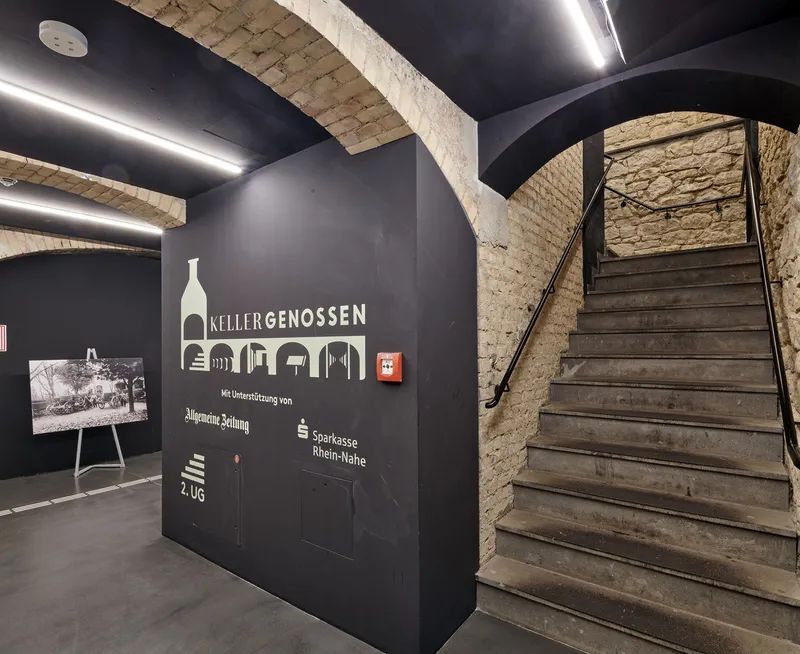
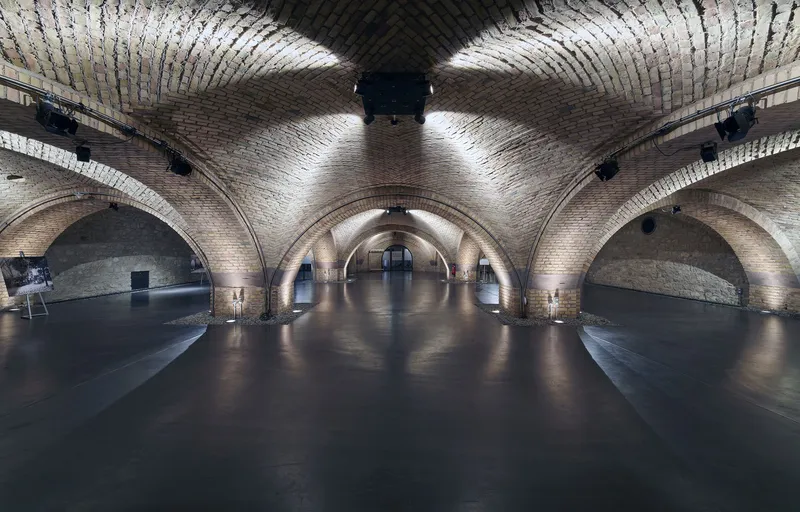
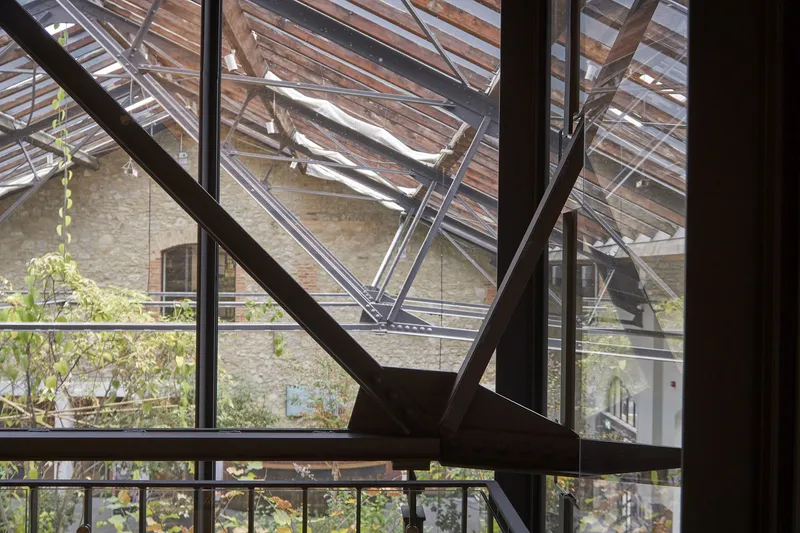
At the heart of the Winery Ingelheim project lies a thoughtful approach to historic preservation architecture. Rather than altering the identity of the original structure, Böll Architekten retained its defining features, including exposed brickwork, vaulted arches, and arcaded interiors. These elements reflect the building’s industrial heritage while establishing a strong architectural narrative rooted in authenticity.
The adaptive reuse strategy ensures that the building continues to serve the community, evolving from a purely industrial wine cellar into a dynamic cultural hub. This transformation aligns with sustainable architecture principles, minimizing demolition while maximizing the reuse of existing materials and structural systems.
Spatial Transformation and Functional Integration
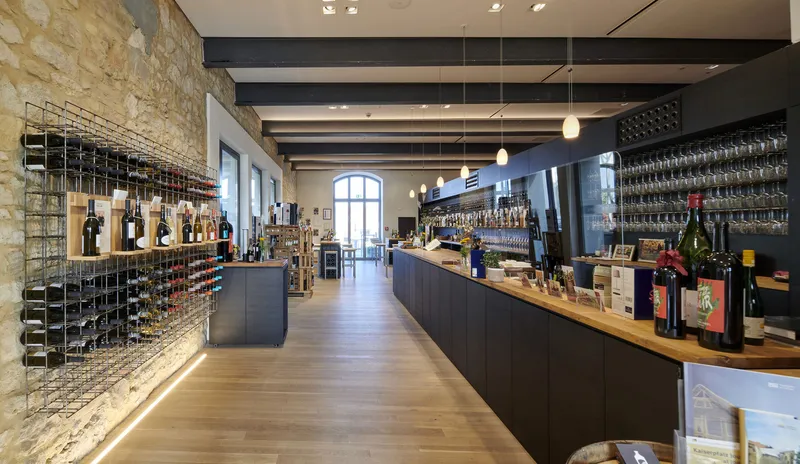
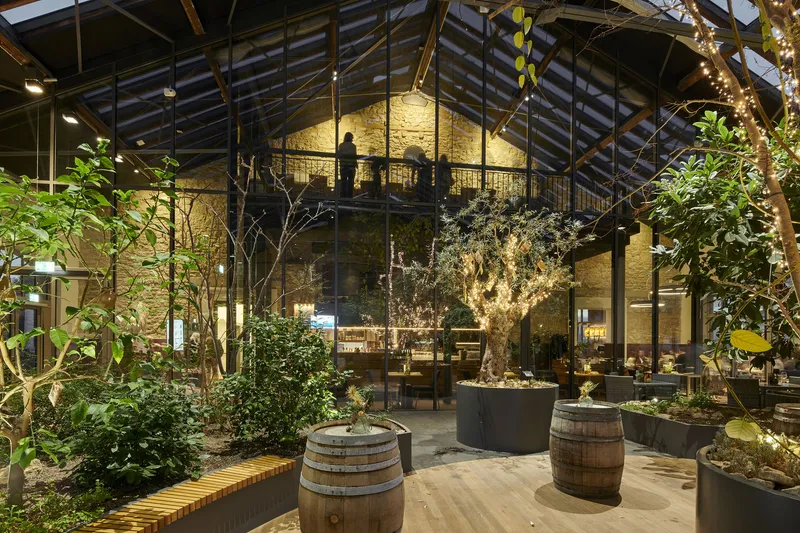
The project successfully integrates multiple public-oriented functions within the historic shell. The building now houses a tourist information center, a restaurant, and a vinotheque, making it a central point of attraction for visitors exploring the wine region.
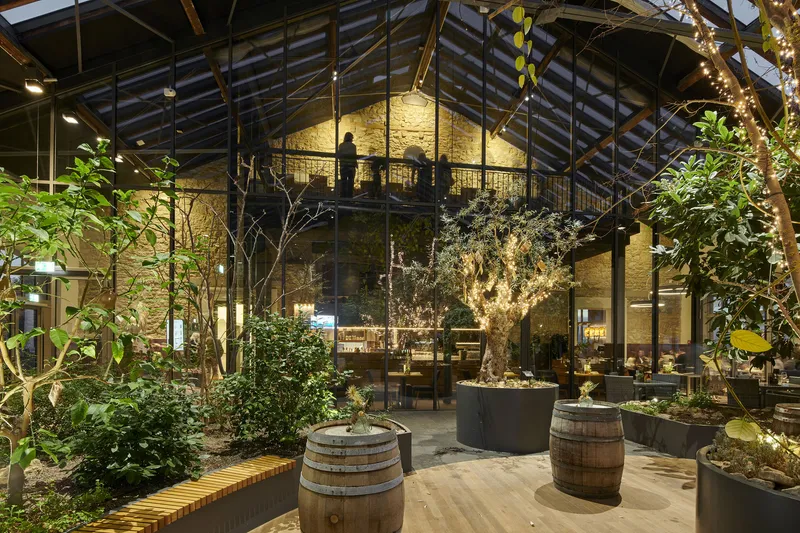
A key architectural highlight is the former wine press hall, which has been transformed into a striking indoor garden. This intervention introduces natural light, greenery, and spatial openness into the otherwise solid masonry structure. The indoor garden acts as a transitional space, connecting different functions while enhancing the sensory experience of visitors.
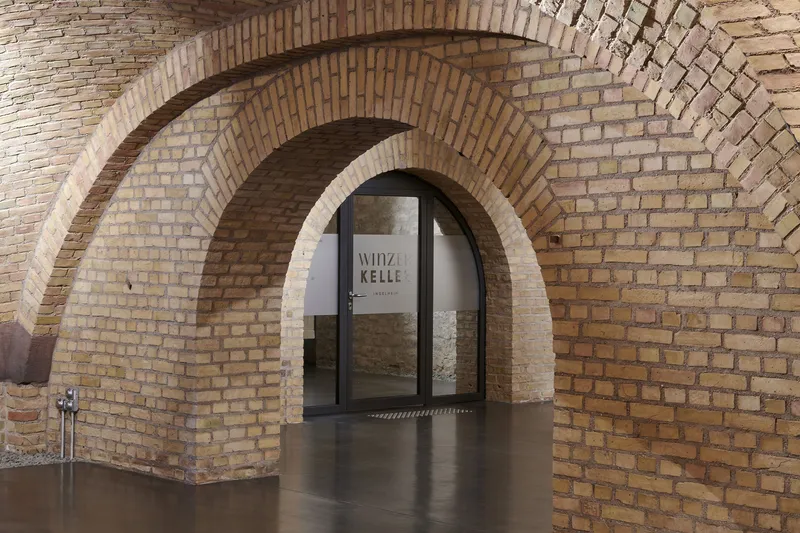
Additionally, the preserved wine cellars have been repurposed as event spaces. These atmospheric underground areas provide a unique setting for cultural gatherings, wine tastings, and exhibitions, reinforcing the building’s connection to local traditions.
Architectural Design Language and Materiality
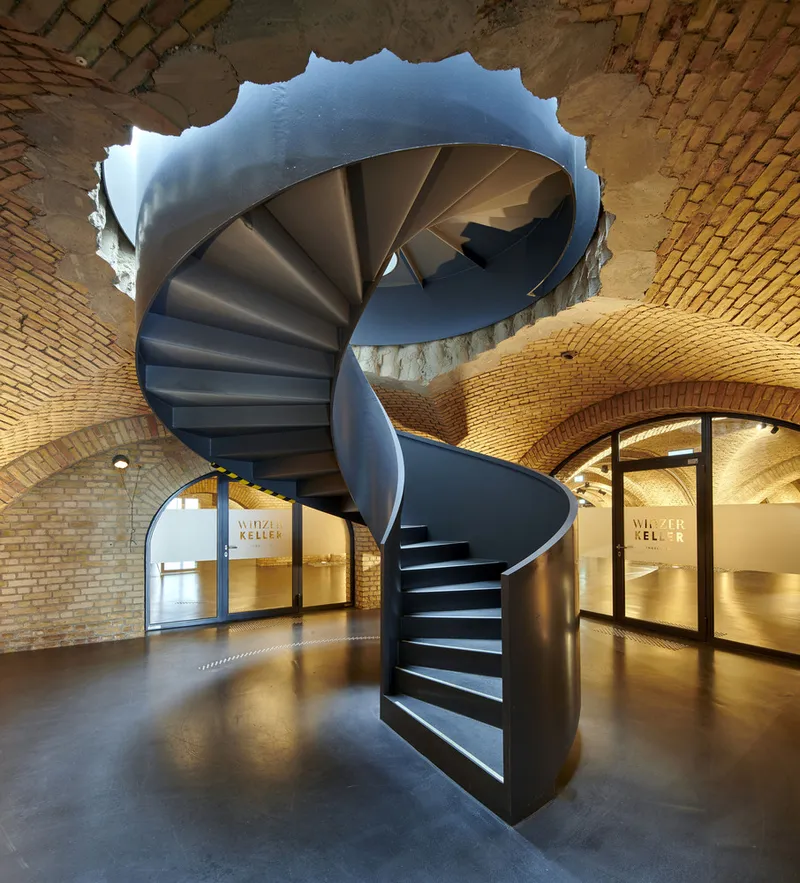
The design language of Winery Ingelheim carefully balances old and new. The architects maintained the tactile quality of original materials such as brick and stone, while introducing subtle contemporary elements that enhance usability without overpowering the historic character.
Arches and arcades play a significant role in defining the interior spatial rhythm. These features not only provide structural stability but also create a sequence of interconnected spaces that guide visitors through the building. The use of natural materials and restrained detailing ensures that the architecture remains timeless and contextually grounded.
Landscape Integration and Urban Context
The landscape design, developed in collaboration with LUB Dipl. Ing. Ulrike Blank-Peters, complements the architectural intervention by integrating outdoor spaces with the surrounding urban fabric. The project strengthens Ingelheim’s identity as a wine destination by creating an inviting environment that encourages exploration and social interaction.
By transforming a former industrial site into a public cultural hub, the project contributes to urban regeneration and enhances the city’s tourism infrastructure. It serves as a gateway for visitors, offering both informational and experiential engagement with the region’s wine heritage.
Sustainability and Cultural Continuity
Sustainability is a key aspect of the Winery Ingelheim project. The adaptive reuse approach significantly reduces environmental impact by preserving the existing structure and minimizing construction waste. Furthermore, the integration of natural ventilation, daylighting, and indoor greenery improves environmental performance and user comfort.
Beyond environmental sustainability, the project also emphasizes cultural sustainability. By preserving and reactivating a historic wine cellar, it maintains a tangible link to the region’s winemaking traditions while adapting to contemporary needs.
A Model for Adaptive Reuse in Winery Architecture
Winery Ingelheim by Böll Architekten stands as a benchmark in adaptive reuse and historic preservation architecture. Through careful design, the project transforms a century-old wine cellar into a multifunctional public space that celebrates heritage, fosters community, and supports tourism.
This architectural intervention demonstrates how historic industrial buildings can be reimagined as vibrant cultural destinations, ensuring their relevance for future generations while honoring their past.
All photographs are works of
Thomas Mayer


Popular Articles
Popular articles from the community


Opera on the Sea: Driftwood Logic Shapes a Timber Opera House on Estonia's Coast
Trevor Orgill's opera house translates the entangled drift of floating timber into a civic building where wood, water, and music converge.


ETEH Reworks the Shared Spaces of São Domingos School in Brazil Around Timber, Color and Hanging Plants
At São Domingos School in Brazil, 436 m² of hall, refectory and library are recast with timber joinery, a yellow and blue code and trailing greenery.

Cube Design Draws an Ecological Corridor Between Two Shenzhen Hills with the Nankai Building
Beside Shenzhen's container docks, the Nankai Building pairs stacked balconies with a climbing green screen to connect two hillsides across its height.

FCC Arquitectura Expands a Portuguese Granite House with a Board-Marked Concrete Wing
In Portugal, JV House pairs a cleaned-up whitewashed and granite dwelling with a timber-shuttered concrete extension, courtyards and a garden pool.

Similar Reads
You might also enjoy these articles

Bamboo Housing Challenge 2026: Design Affordable, Sustainable Homes Using Bamboo
An international design competition by Bamboo U and IBUKU inviting architects and designers to reimagine affordable housing using bamboo — with the winning design built full-scale in Bali.

Computational Design & Education: Beegraphy Design Awards Introduces 7th Category (Featuring Jiyun's Innovative Approach)
Dive into Beegraphy’s 7th Design Awards category, where computational design meets education to create immersive, interactive learning tools, inspired by Jiyun’s work.

From Parametric Lighting to Urban Furniture: Join the 2nd Workshop in Beegraphy’s Computational Design Series
Dive into Cutting-Edge Design Techniques and Practical Applications with Industry Experts

Last Call: Unleash Your Architectural Genius in SHAK's Kindergarten Design Competition
Urgent call for architects to join SHAK's kindergarten design competition before the looming deadline
Explore Architecture Competitions
Discover active competitions in this discipline

Challenge to reimagine the Iron Throne

Photograph architecture without architects

Illustrate the lost glory of Angkor Wat - Render Challenge

Design challenge to reuse E-waste
Comments (0)
Please login or sign up to add comments
No comments yet. Be the first to comment!