

Yokosawa Campus Restaurant by NoMaDoS: A Modern Co-Working Café in Shiwa, Japan
Yokosawa Campus Restaurant by NoMaDoS transforms a former residence into a modern co-working café with cedar interiors, stepped bar, and community focus.


The Yokosawa Campus Restaurant is a thoughtfully designed café and co-working space located along Hizume shopping street in Shiwa-cho, Iwate Prefecture. Designed by NoMaDoS, this 58-square-meter project exemplifies adaptive reuse and modern community-centered design. Originally a residential building, the structure was gradually self-renovated by the owner and friends, evolving into a popular co-working hub for local residents.


Design Concept
The central design concept draws inspiration from the history of Hizume, once known for its numerous wells, translating the idea of traditional social gathering into a contemporary context. Termed a “modern Idobata,” the project aims to recreate the casual, everyday interactions once seen by wells, where women would gather, chat, and build community bonds. In this reinterpretation, the café becomes a modern social anchor for the neighborhood, fostering interaction across generations.


Architectural Features
One of the key features of the Yokosawa Campus Restaurant is its use of cedar paneling that seamlessly extends from the exterior to the interior walls. This design strategy enhances the visual openness of the space and invites passersby to feel connected to the lively interior. The existing windows and floor plan were preserved, ensuring that the historic essence of the building remains intact while creating a warm and welcoming environment.

Another standout feature is the stepped bar counter, which varies in height and incorporates the original flooring of the entrance, kitchen, and the adjacent street. This intentional design creates subtle differences in the spatial experience, encouraging interaction among visitors of different ages and backgrounds. Complemented by Mortex walls integrated with the existing structure, the space balances modern finishes with the building’s original character.

Community and Functionality
Beyond aesthetics, the Yokosawa Campus Restaurant serves a broader social purpose. By opening its doors as a café and co-working space, the owner has created a new reason for local residents and visitors to gather, relax, and connect. The space encourages casual encounters, collaborative work, and multigenerational engagement, reflecting the essence of the traditional Idobata in a contemporary urban setting.
NoMaDoS’ design successfully merges adaptive reuse, modern Japanese architecture, and community-centric interiors, creating a small but impactful cultural landmark in Shiwa. The project exemplifies how thoughtful architecture can enhance neighborhood life, preserve history, and inspire social interaction.

Highlights
- Stepped bar counter that varies in height, encouraging interaction across generations
- Cedar paneling extending from exterior to interior for continuity and openness
- Mortex wall finishes seamlessly integrated with the existing building structure
- Adaptive reuse of a former residential building into a functional café and co-working space
The Yokosawa Campus Restaurant demonstrates how small-scale interventions can transform a residential building into a vibrant community hub. By blending historical references, local materials, and interactive design features, the project creates a modern Idobata for the 21st century: a place where neighbors gather, stories are shared, and community thrives.


All photographs are works of Ito Takamune Photography Office


Popular Articles
Popular articles from the community

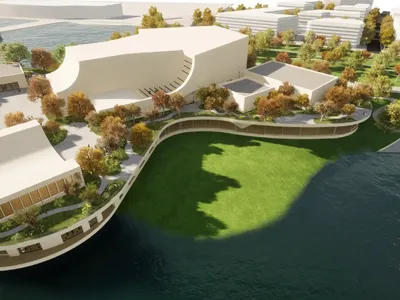
The Amber Palace Opera: A Geological Fiction Surfaces on Tallinn's Baltic Waterfront
Pierre Brillard reimagines a Baltic legend as a public landscape, opera house, and waterfront promenade rooted in Tallinn's coastal identity.
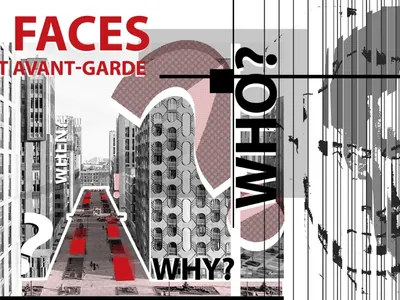
Faces of the Soviet Avant-Garde: Turning Moscow's Street Names into an Open-Air Museum
A network of sculptural installations across a Moscow residential district transforms forgotten architect names into spatial encounters with cultural memor
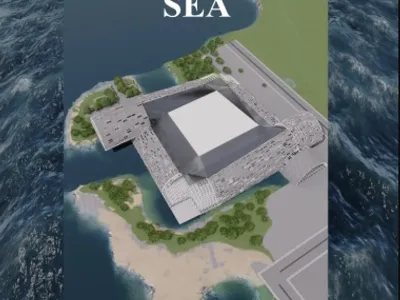
Opera on the Sea: Driftwood Logic Shapes a Timber Opera House on Estonia's Coast
Trevor Orgill's opera house translates the entangled drift of floating timber into a civic building where wood, water, and music converge.
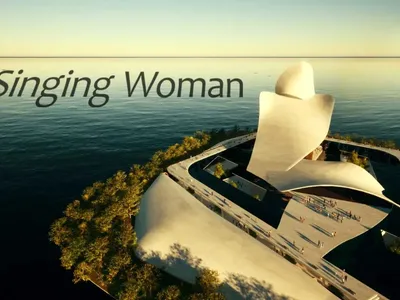
Singing Woman: An Opera House That Performs Before the Curtain Rises
Ovidiu Cristian Pavel's conceptual opera house translates Estonia's choral identity into a sculpted waterfront landmark facing the Baltic Sea.

Similar Reads
You might also enjoy these articles


Hodi-Mandai Geram
Project Function: Preservation and revitalization of the Intangible heritage and socio-spatial identity of the Hodi by Housing, Cultural Memory Center, Sacred Grove, landscape, local tourism economy


Olio Towers: A Mid-Rise for Performers That Fuses Housing, Rehearsal, and Stage
Located blocks from Houston's Theater District, this modular tower stacks living units around a central performance atrium.

Oasis: Modular Green Housing Carved into Dhaka's Urban Fabric
A shortlisted Plugin Housing entry reclaims unauthorized settlements in Dhaka with stepped concrete volumes, green roofs, and ventilation-driven design.

Black Hole: A Floating Megastructure for the Post-Physical Era
Emiliano Mazzarotto envisions a spherical, self-scaling arena where e-sports, digital hotels, and holographic stadiums replace traditional public space.

Explore Digital Nomad Housing Competitions
Discover active competitions in this discipline

Challenge to reimagine the Iron Throne

Photograph architecture without architects

Illustrate the lost glory of Angkor Wat - Render Challenge

Design challenge to reuse E-waste
Comments (0)
Please login or sign up to add comments
No comments yet. Be the first to comment!