


Architectural Transformation
Architectural transformation covers the reuse, adaptation and reinterpretation of existing buildings, sites and industrial structures for new functions.
Architectural transformation refers to the process of changing an existing building or site to serve new uses, often while retaining its structure, materials or historical identity. It includes adaptive reuse of cinemas, factories and houses, as well as extensions and renovations that respond to a building's original context.
Community work under this topic examines projects that convert former industrial, cultural and residential buildings, along with sites affected by conflict or memory, such as ruins and preserved heritage objects. Submissions address how designers balance preservation, materiality and contemporary program in these interventions.


Popular projects
View all 20 projects


Latest journals
View all 81 journals
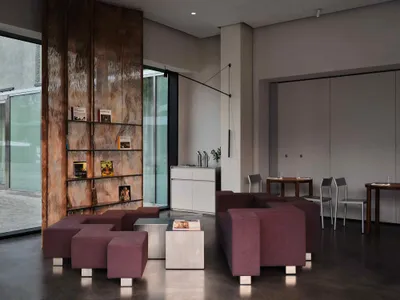
NAAW Nests a Quietly Layered Café Inside Almaty's Reborn Soviet Cinema
JER café occupies the southern wing of the Tselinny Center, grounding a cultural landmark in earthy materials and river-like forms.


House in Macieira by Nelson Resende Arquitecto: A Sensitive Transformation Rooted in Context and Materiality
Adaptive reuse house blending wood, glass, and landscape, transforming traditional Portuguese architecture into a warm, open, contemporary living environment.

Opening Up Series Reveals the Architectural Elegance of Albert Park House and the Allure of Steel Design
Albert Park House blends heritage architecture with modern steel window design, maximizing natural light, craftsmanship, and contemporary residential elegance.
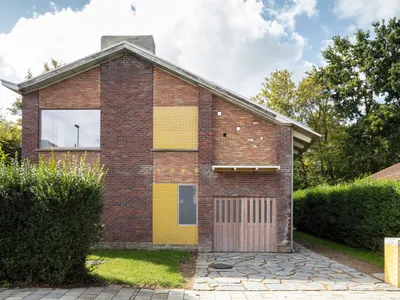
SL House by AE-architecten: Transforming a Family Home in Ghent
SL House by AE-architecten transforms a 20th-century Ghent home into a flexible, light-filled family residence with contemporary interventions.


