

City Vulnerability
Design and architectural responses to urban fragility, resilience, and recovery in cities facing environmental, social, or infrastructural challenges.


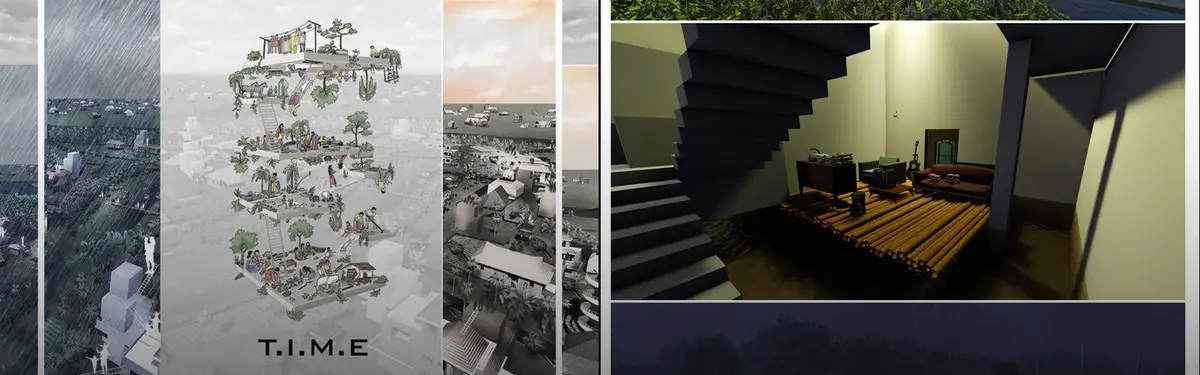
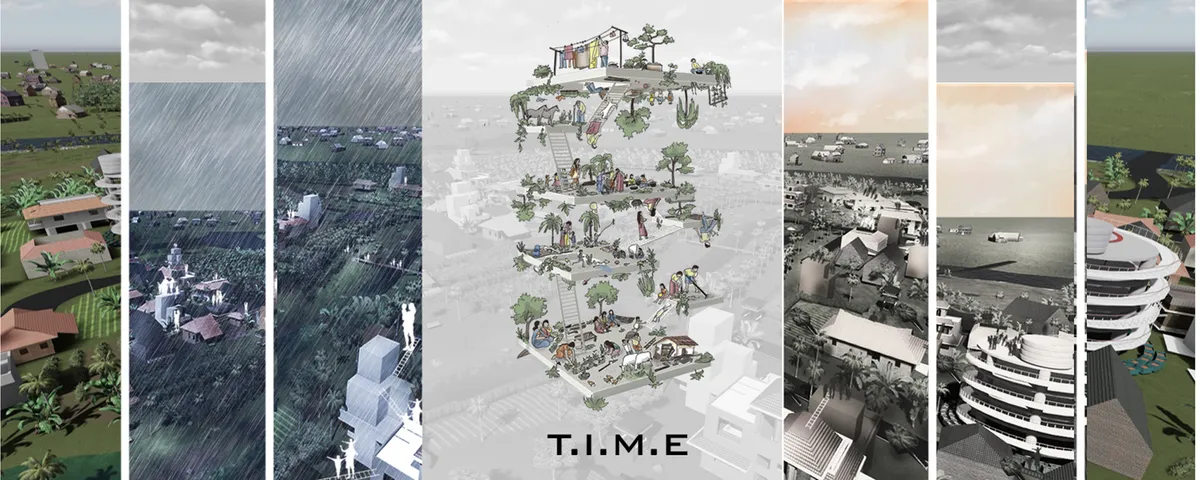
T.I.M.E. HEALS
Habitat when tarnished disrupts lifestyle causing emotional, mental and financial losses which creates scars forever. So, it is necessary to heal from the beginning by converting the exhausting period of struggle into a motivating environment with interactive neighbourhood. Our system unites the community by various incremental measure at different levels.

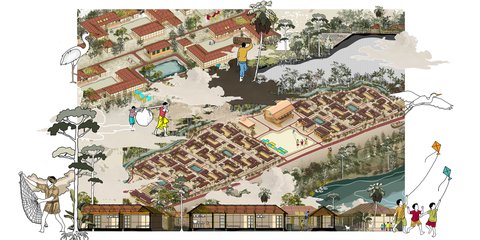
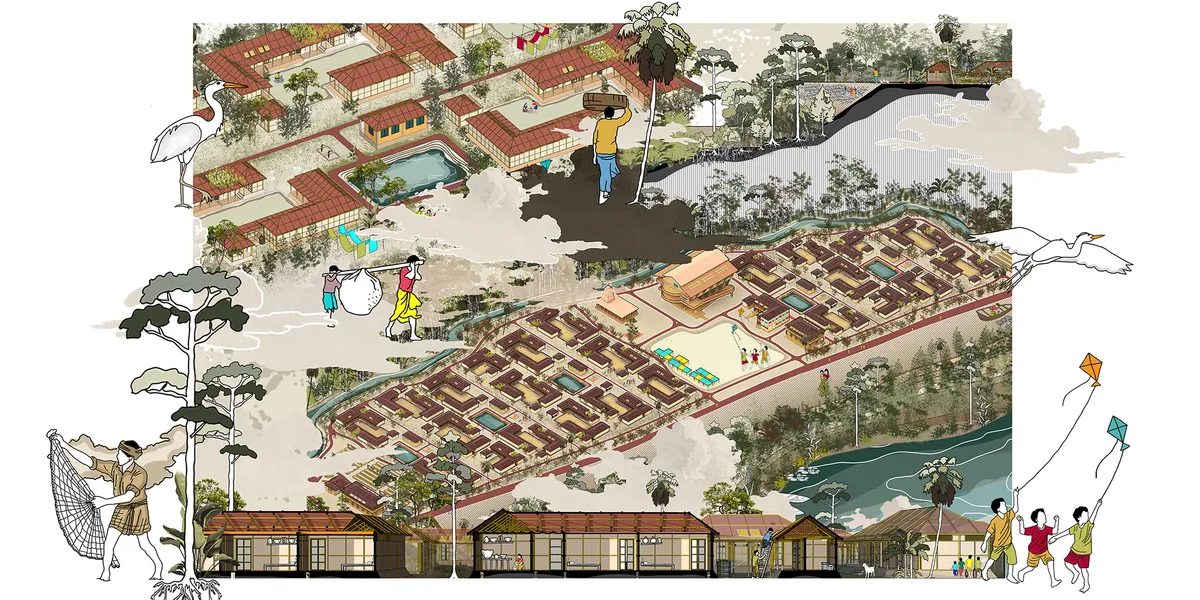
From Fragility to Resilience: An Integrated Approach to Coastal Settlement on Kutubdia Island
This thesis focuses on Kutubdia Island, where climate change is already causing severe land loss, displacement, and livelihood insecurity. Recognizing that relocation is not feasible for many residents, the study explores how architecture can support resilient, adaptive, and sustainable communities while preserving local livelihoods and social ties.

A manual for Kerala
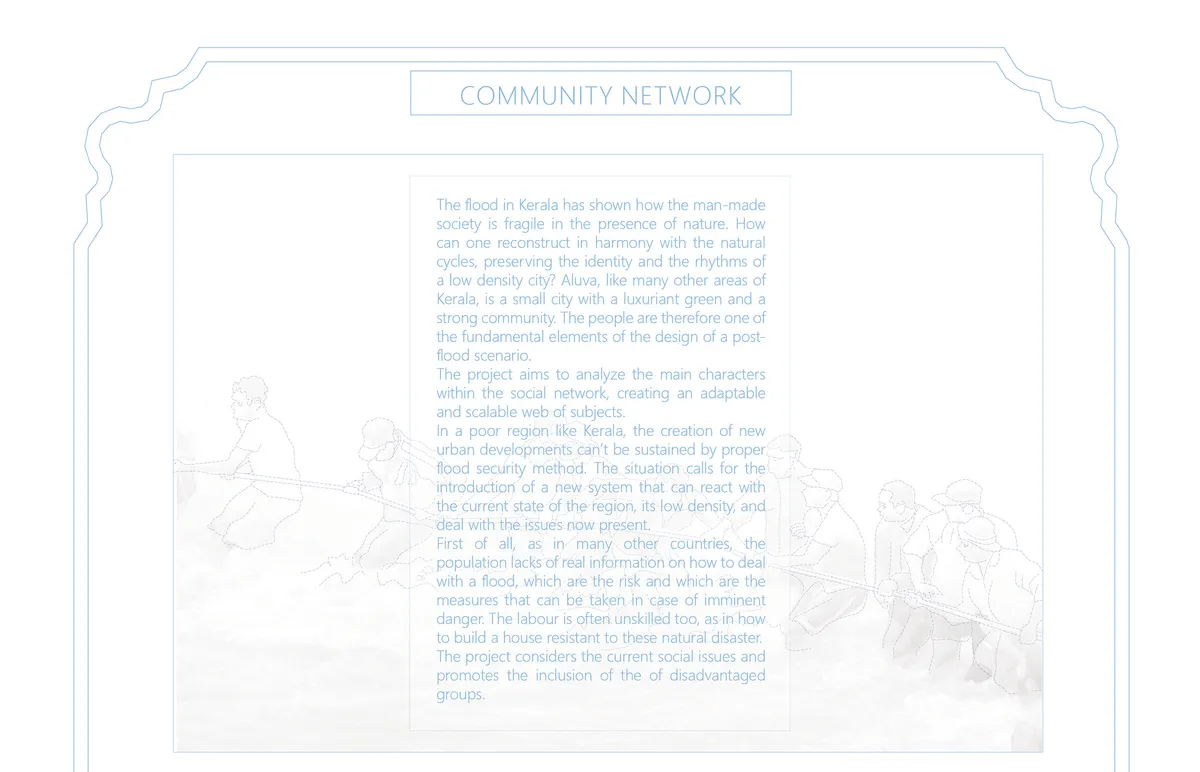
The project aims to analyze the main characters within the social network, creating an adaptable and scalable web of subjects.


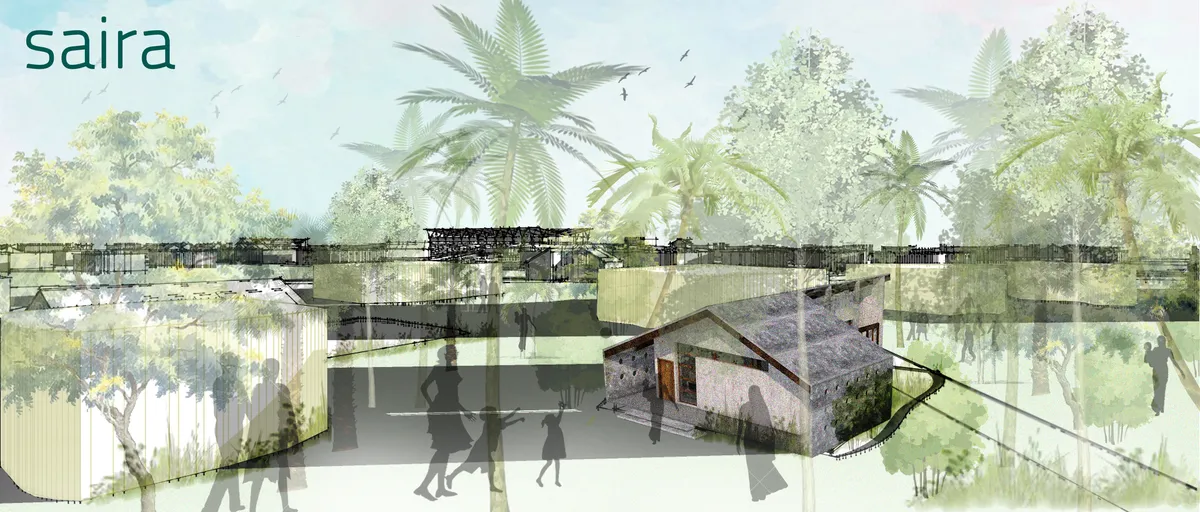
SAIRA: Shared And Individual Response for Action
A natural disaster disrupts man's pursuit of happiness and forces him/her to restart their lives from scratch. What we need today is a resilience strategy that is not just focused on generating housing stock but looks to empower people to take positive action during any disaster in the future.


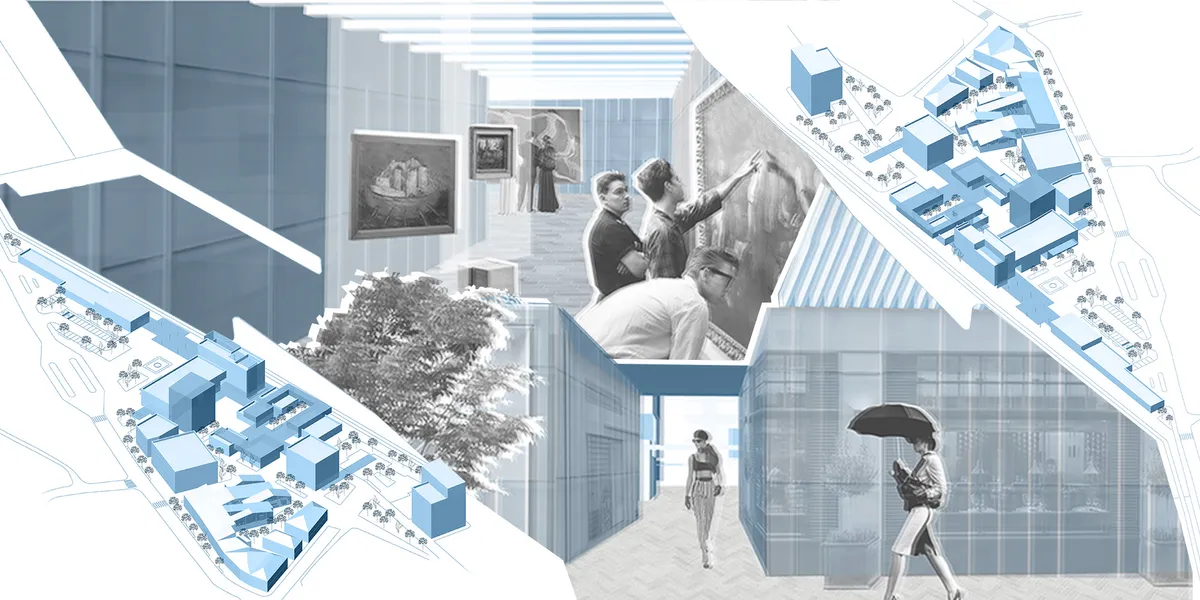
GOLUBAC: NEW VIEWS
The project includes research, as well as proposals for the transformation and development of Golubac, a village located in eastern Serbia on the banks of the Danube.

Leveraging Socio-cultural networks - Chennai, India
Local adaptation strategies across spatial scales for flood resilience in the Chennai Metropolitan Area. Ecological restoration is driven by the concept of social capital to redefine how communities interact with water in the city by integrating community infrastructures such as schools and places of workship with water bodies. Completed in July 2018.
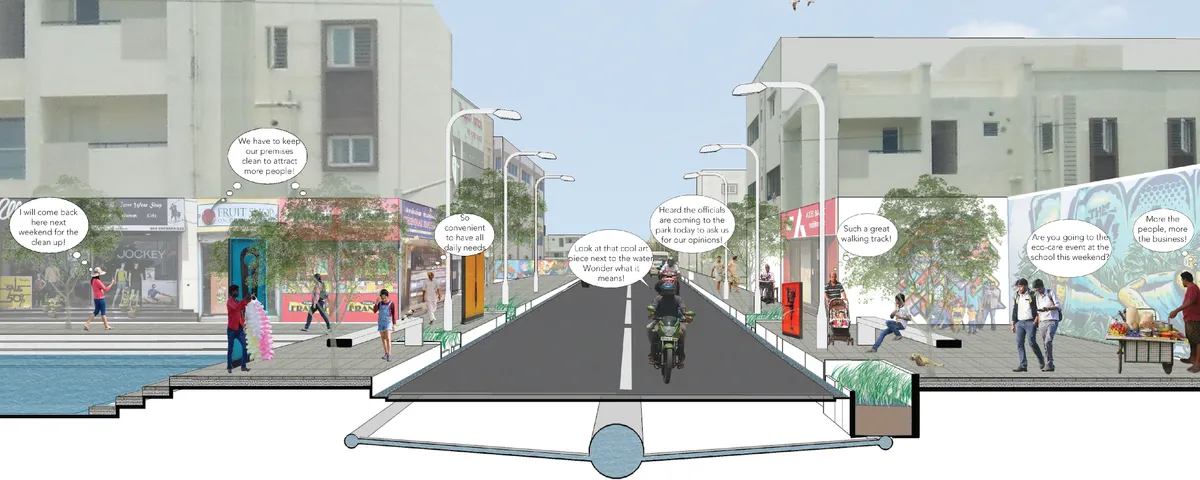

Building Smarter, Building Together
"BSBT" addresses head on the realities of the previous devastating flood and proactive methods to mitigate future floods. Our approach builds upon enhanced digital technology in combination with shared spatial interventions and strengthens the community through shared building and socio-economic investment strategies.
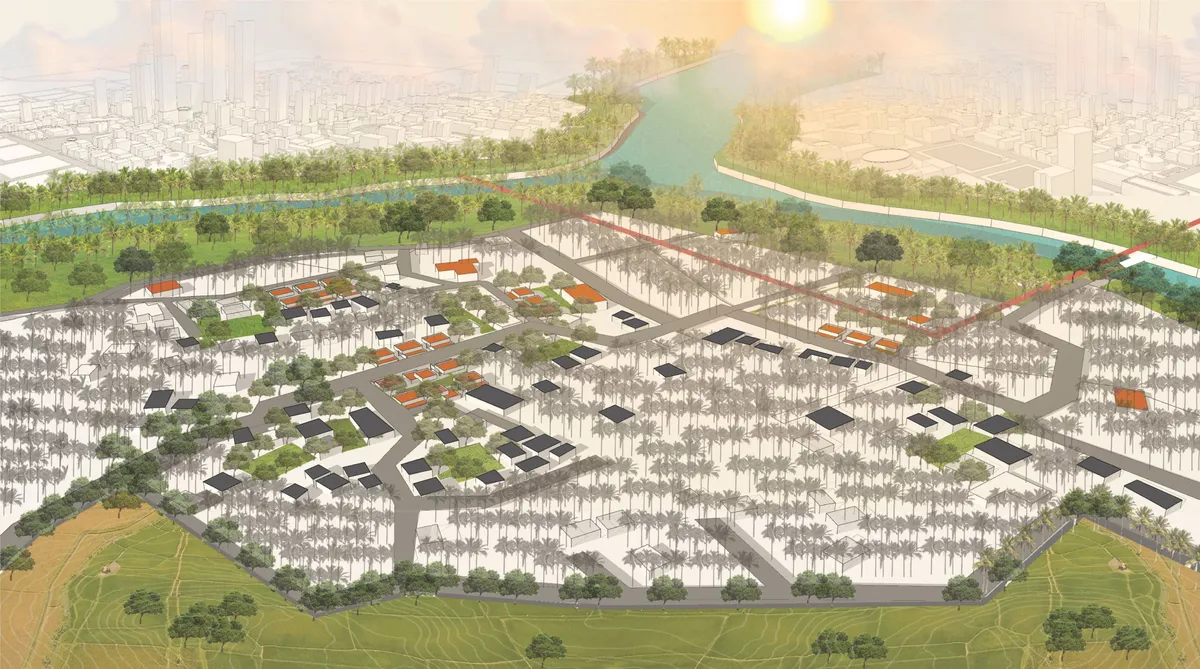

COMMUNITY HOUSING
Build unit micro-neighborhood for 100 families, with a case of use established in Aluva. At a point of time in a post flood scenario, where people are rebuilding their partially damanged/wiped-out /degraded homes.
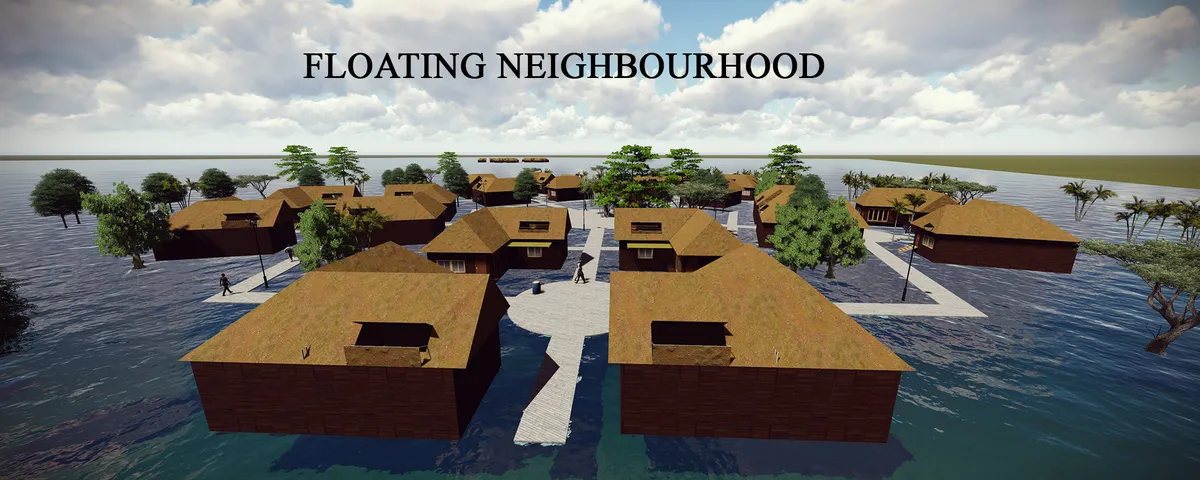

FLOOD MITIGATION FOR RURAL COMMUNITY
Issues? -Disasters mostly affect poor people. -In post disaster management, our focus is less towards readiness (being prepare for next disaster). -After disaster, government Rehabilitate the villagers. This disturbs the community. Design Criteria ? -Flood Resilient Structure -Preservation of Community -Flood Mitigation on Community Level


Communal Resilience
Communal Resilience symbolizes the combined ability of a community to use locally available materials to fight, withstand and recover from any threatening peril or calamity. It is a project to instill a feeling of alliance with an environment that is shared. So, when the calamity eventually hits, the decision of living together will be the preferred.
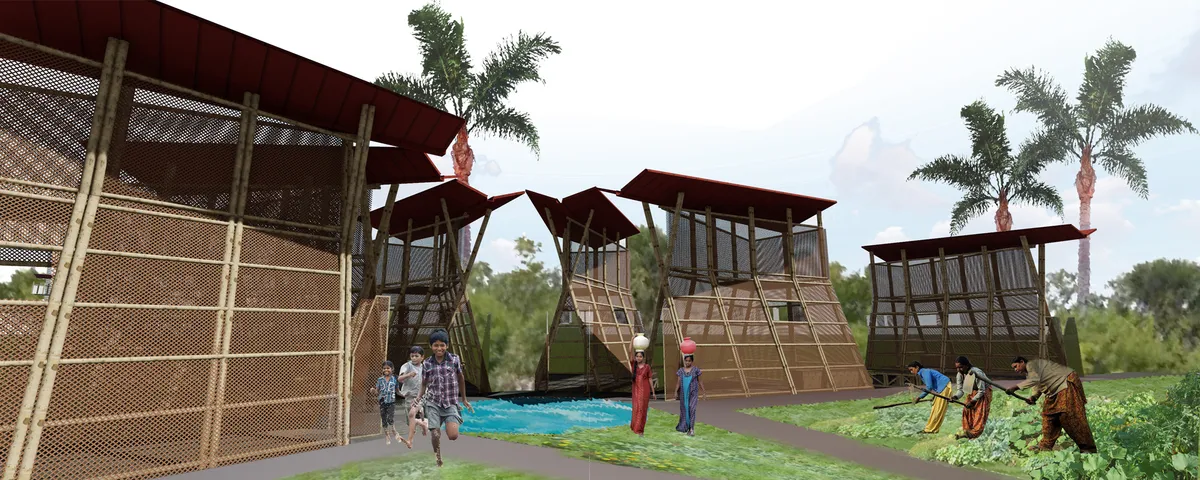


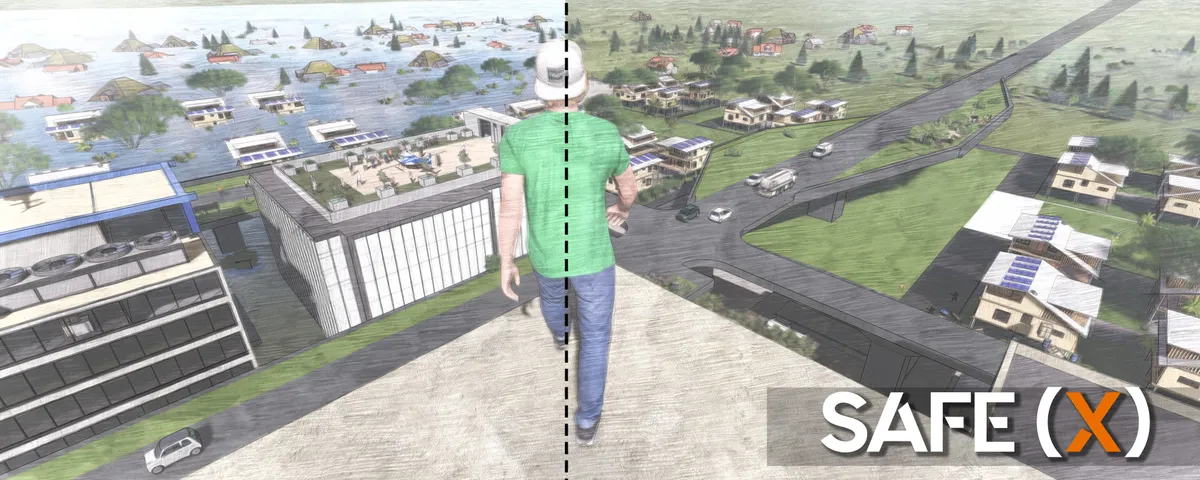
Safe (X)
A planning outline for scalable 100 units regenerative community housing model is proposed and the strategies are refined from a Master plan level to dwelling unit level, along with an action plan for functionally surviving the flood. Safe (X) is a unique model which can be adapted in any location which ensures the safety of all communities considered.


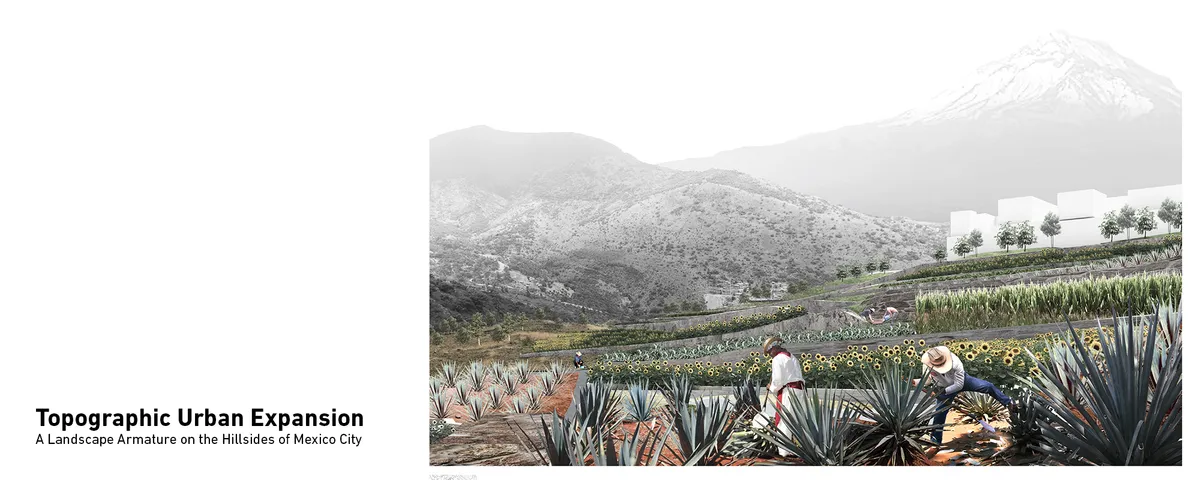
Topographic Urban Expansion-A Landscape Armature on the Hillsides of Mexico City
In response to informal urbanization pattern lacking infrastructural provision and open space which increases social inequality in Mexico City, the project introduces a topographic landscape framework that acts as an open space armature, manages informal growth and addresses needs of people through the insertion of social-economic and ecological amenities.

Climate Resilient Urban Development Strategies for a Mega City: Case of NCT of Delhi, India
Cities are victims as well as primary reason for climate change. They account for over 70% of global greenhouse gas emissions and shelter over 50% of the global population. The these finds the interplay of urbanization, natural environment and climate variability for the NCT of Delhi, at macro, meso and micro levels, both empirically and theoretically


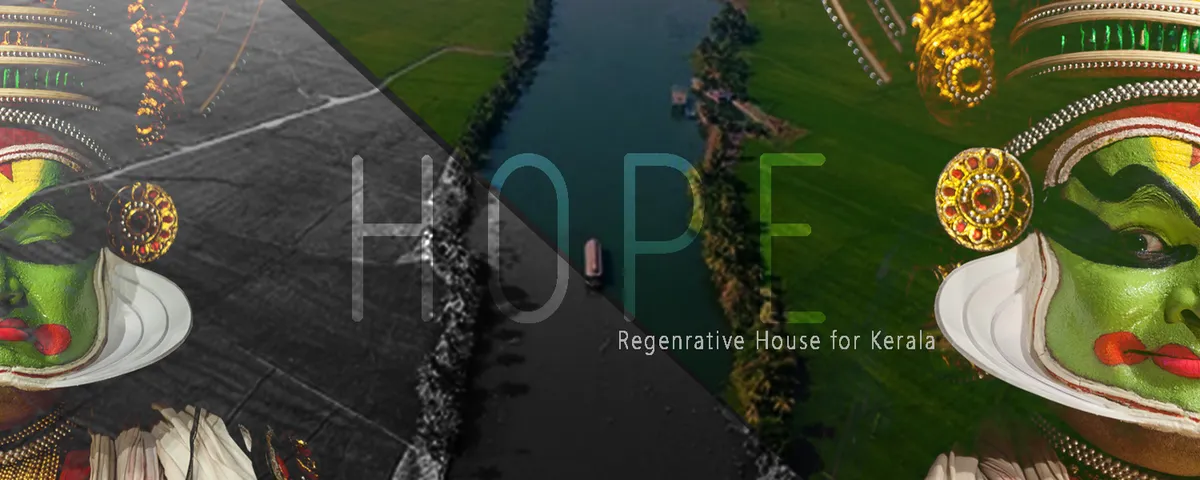
HOPE
The project presents low cost, regenerative housing strategies for faster rehabilitation to a recovering Aluva. Suggestive prototypes rooted to context are proposed.

Immediate post-disaster architectural response
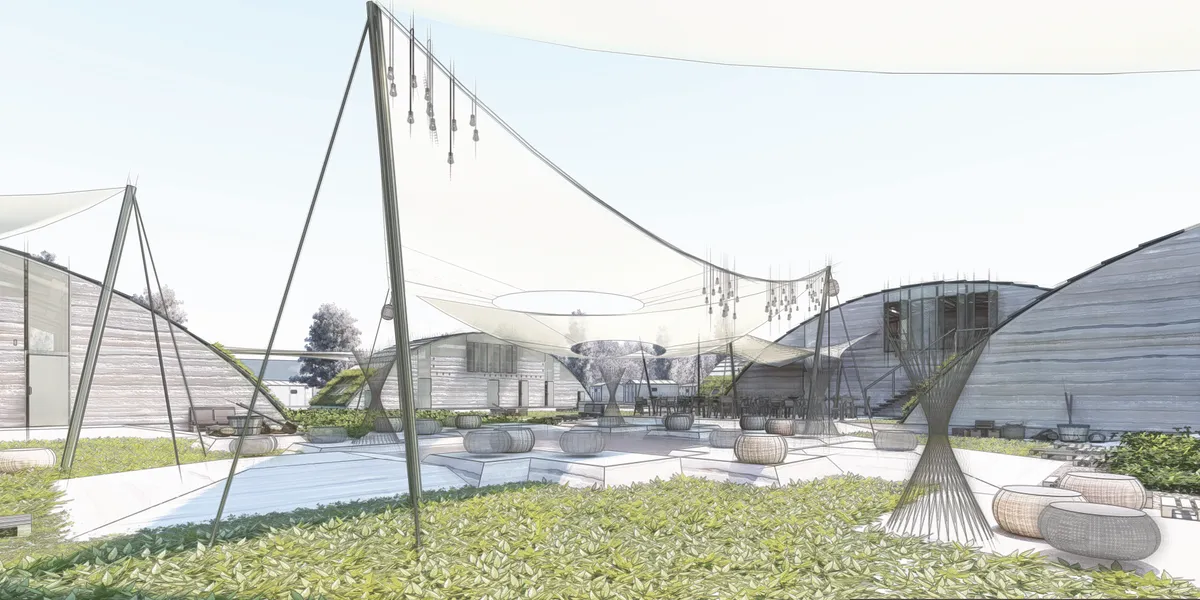
Project is directed for places affected by natural disasters and war damages, in which infrastructure destruction has occured that prevents normal functioning without a far-reaching reconstruction process. Its task is to replace parts of the destroyed infrastructure and allow the local community to return to everyday life as quickly as possible.


SYMBIOSIS
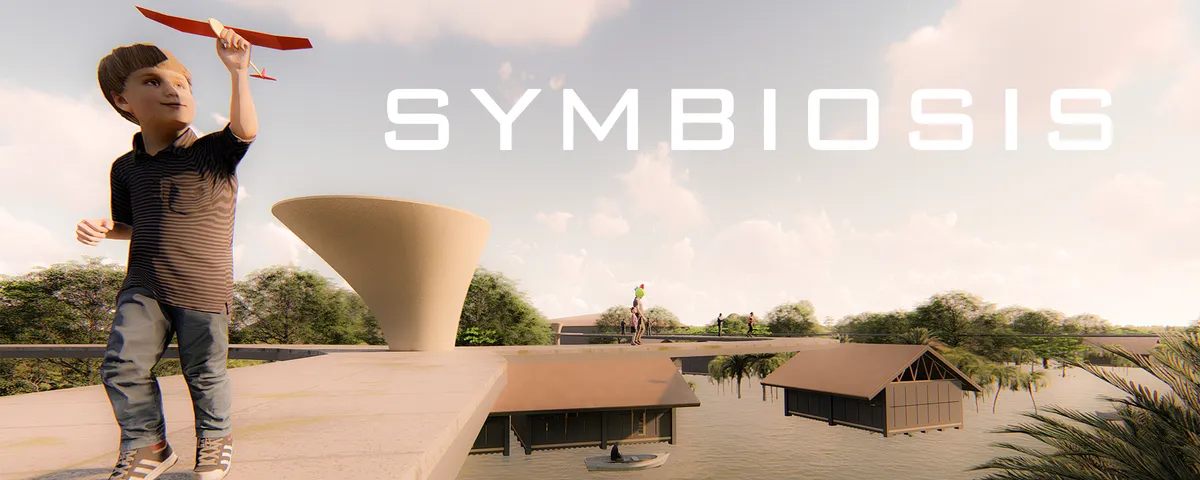
The design proposes self sustaining neighbourhoods which are a result of self sustaining households. The neighbourhood is planned in sync, all houses are dependant on an aerial avenue running along the backyard of the dwelling units and consequently on each other. The aerial avenue allows connectivity to places even during floods.

In Transition: Adaptive Disaster-Relief Shelters for Dense Urban Community Recovery
Humanitarian Architecture, Community Resilience


From Vibrancy to Vacancy: Addressing the Decline of Urban Structures
“When the ‘Heart’ weeps for what it has lost, The ‘Spirit’ laughs for what it has found”


Adaptation of post-war civilian shelters as a tool of contemporary protective architecture
From forgotten relics to foundations of resilient cities


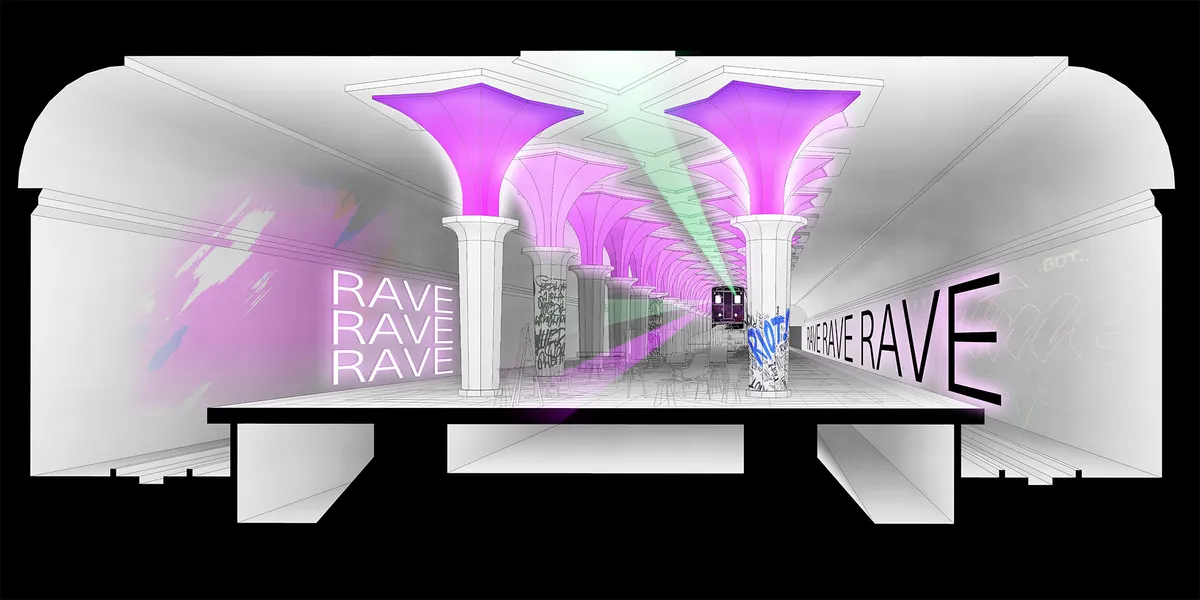
Taking into account the beauty of the existing metro it is unclear if the metro is totally destroyed. A metro is a natural safe space, and could be ideal for a post-apocalyptic scheme.