
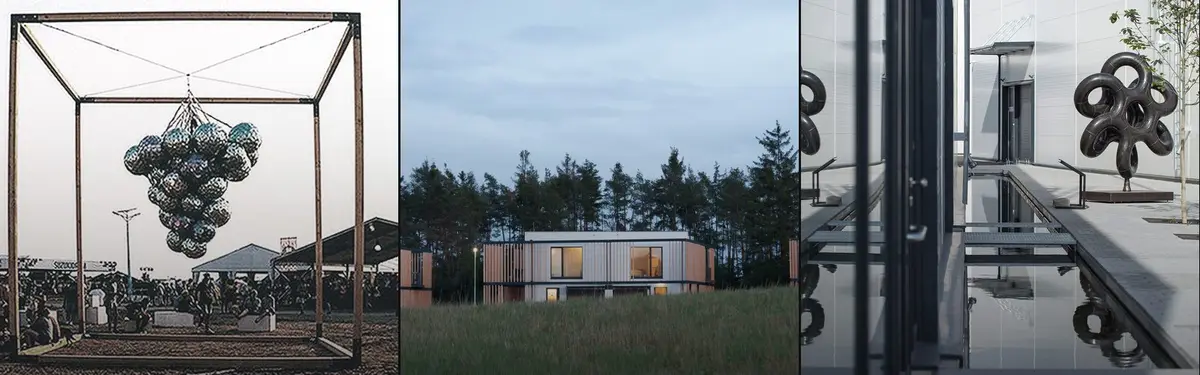


Czech Cubism
An architectural and design movement originating in early 20th century Czech lands, characterized by geometric forms and fragmented cubic aesthetics.
Czech Cubism emerged in the early 1900s as a distinctive Central European interpretation of Cubism, applied primarily to architecture and design. Unlike its artistic counterparts, Czech Cubism emphasized spatial geometry and structural innovation, creating buildings and objects with sharp angles, crystalline forms, and dynamic visual compositions.
The community explores both historical Czech Cubist works and contemporary projects that reference or reinterpret these principles, from sculptural installations and theatrical designs to residential architecture and interior transformations that employ geometric fragmentation and cubic spatial strategies.


Popular projects
View all 6 projects


Latest journals
View all 9 journals

Kuba and Pilar Architekti Build One of Czechia's First Timber Apartment Blocks in Žďár nad Sázavou
Cross-laminated timber panels and prefabricated concrete cores form affordable housing that tests the limits of wood construction in Czechia.
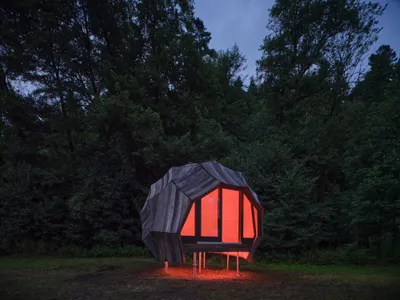
Hello Wood's Cabin Fever Turns Czech Parkland Wild
A summer design-build festival in Česká Kamenice produces six experimental pavilions from straw, timber, rope, and fabric on a single clearing.

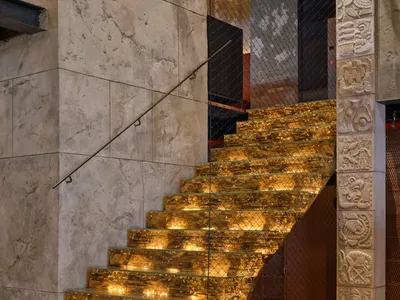
20-20 Architekti Turns a Prague Brewery into a 300-Seat Mexican Hacienda
Mexická Restaurant fills the former Holešovice brewing hall with galleries, open kitchens, and Mayan-coded stone carvings across 890 square meters.
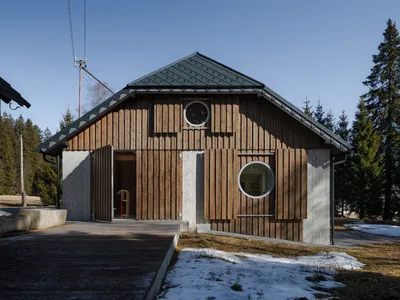
Borová Lada Cottage by Studio Plyš
A late 19th-century Czech cottage renovated with structural precision, contemporary inserts, and deep respect for material history and rural context.


