
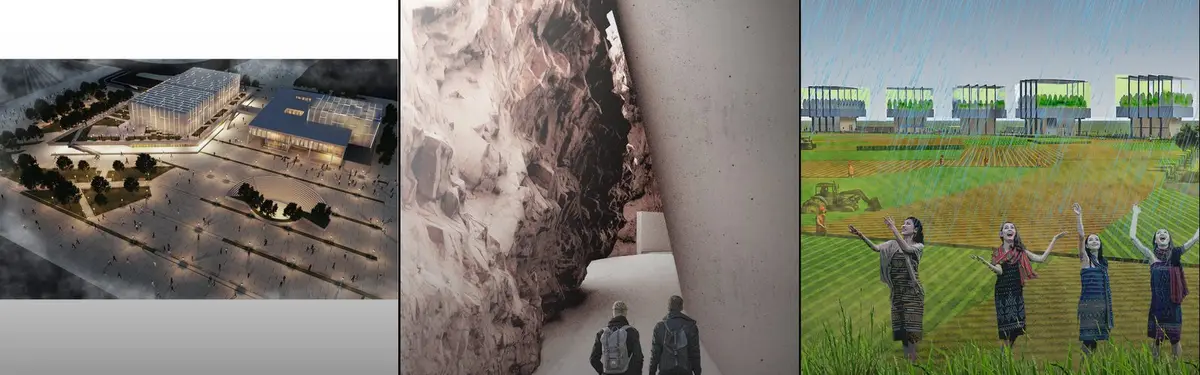


Figure Ground
The relationship between positive and negative space in design, and how figures emerge from or interact with their backgrounds.
Figure-ground relationships form a foundational principle in visual and spatial design, describing how elements are perceived against their surroundings. This concept applies across disciplines, from graphic design and product interfaces to architecture and landscape interventions, shaping how audiences read and navigate designed systems.
The community explores figure-ground dynamics through projects that embed structures within landscapes, create visual hierarchies through spatial contrast, and design systems where foreground and background elements establish meaning together. Work ranges from architectural pavilions inserted into natural settings to digital interfaces and urban transformations that redefine the relationship between intervention and context.


Popular projects
View all 56 projects


Latest journals
View all 2 journals
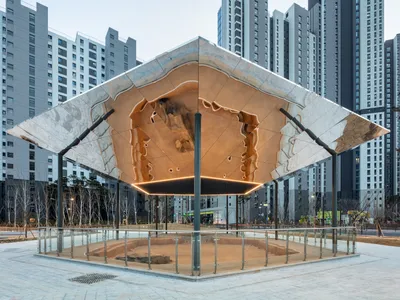
YZA Floats a Reflective Canopy Over Ancient Baekje Ruins in Seoul
A 200-square-meter heritage pavilion in Seoul suspends a mirrored ceiling above excavated remnants of one of Korea's oldest kingdoms.
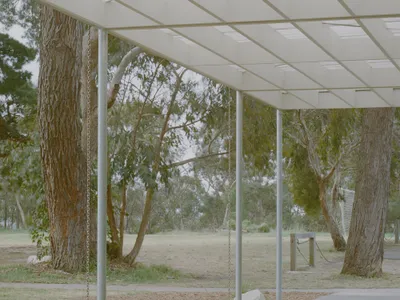
SSdH Slips a Kit-of-Parts Pavilion into Melbourne's Studley Park Eucalyptus Grove
A 115-square-metre canopy in Kew blurs the line between public parkland and private café, built for fast assembly and slow enjoyment.


