
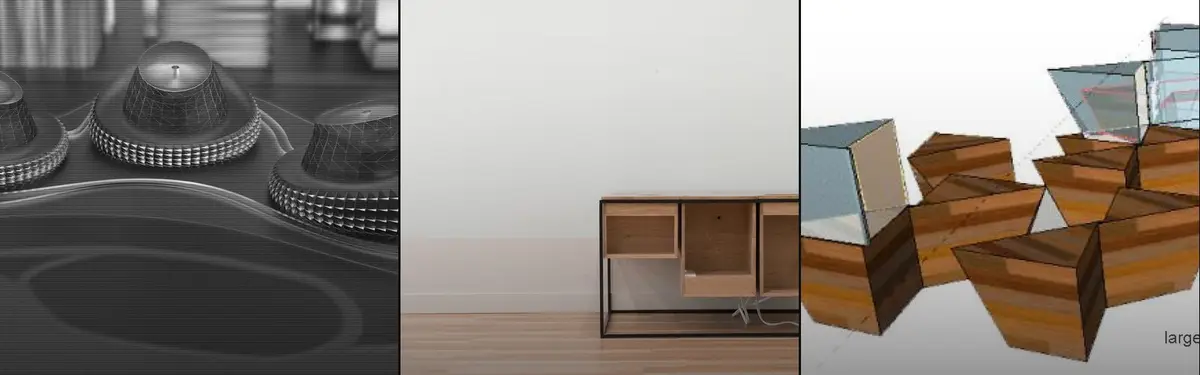

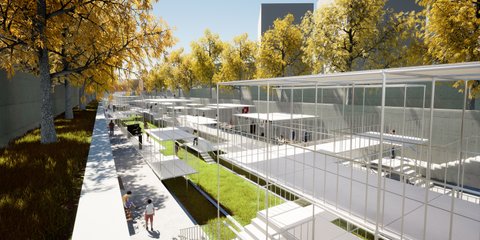
Flexible Design
Design approaches that adapt to changing needs, constraints, and contexts through modularity, transformation, and responsive systems.
Flexible design addresses how spaces, products, and systems can serve multiple purposes and evolve over time. Rather than fixed solutions, this approach prioritizes adaptability to accommodate different users, scales, and circumstances.
The community explores flexibility through modular architecture for compact living, transformable furniture and spaces, adaptive building systems, and designs that respond to both functional constraints and user needs. Projects range from community-run libraries and nomadic housing to industrial conversions and furniture that grows with its users.


Popular projects
View all 43 projects





Latest journals
View all 44 journals

When Making Becomes Designing
Rethinking Craft in the Age of Digital Fabrication

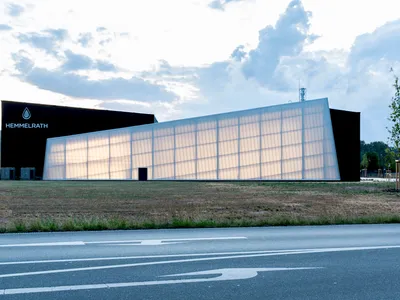
ALAS Alarcon Linde Architects Builds a Paint Factory from Timber in Rural Germany
A modular CLT headquarters for Hemmelrath Technologies in Erlenbach am Main treats industrial architecture as a design-to-disassemble proposition.

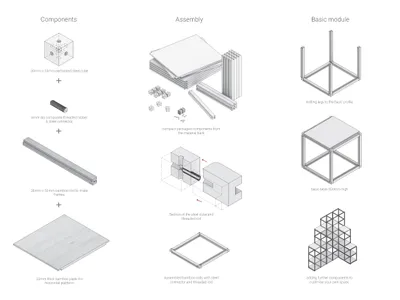
Eazyfit: A Bamboo and Steel Grid That Scales from Shelving to Shelter
Ankur Gupta's kit turns a 30mm steel cube into a universal joint, letting renters build furniture, walls and roofs, then return parts to a bank.
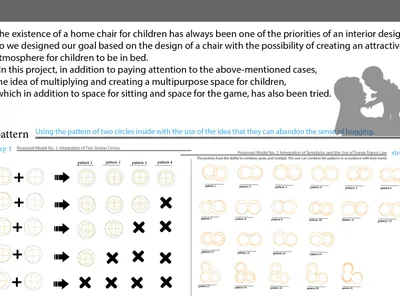
Design Chair for Kids at Home: A Legless, Pattern-Born Seat Scaled to Children Aged 2 to 7
A grounded, loop-patterned chair built from child ergonomics, where safety comes from form and the seat doubles as play surface and spatial anchor.


