
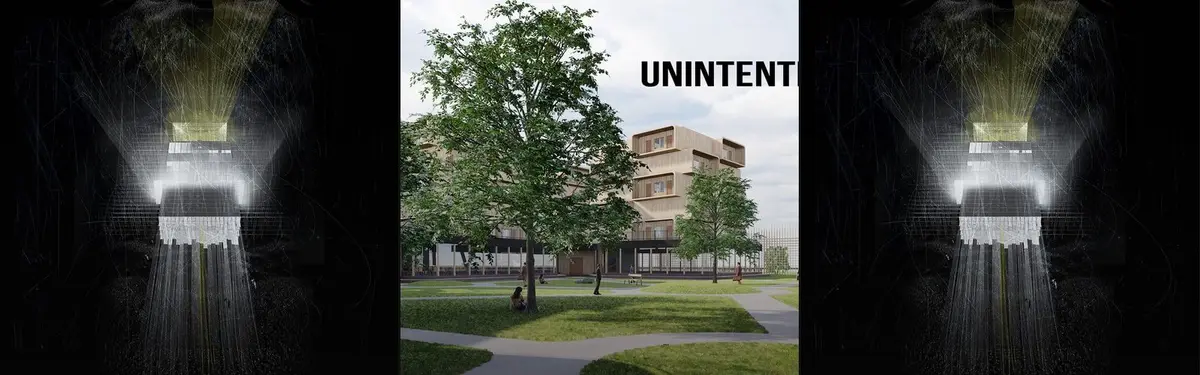


Interactive Prison
Architectural and spatial design approaches to reimagining prisons as interactive, rehabilitative, and transformative environments.
Interactive Prison explores how design can reshape correctional facilities beyond traditional confinement models. The topic examines spaces that engage occupants through rehabilitation, education, and experiential learning rather than purely punitive functions.
The community develops projects ranging from vertical cybercrime facilities and micro-cities of rehabilitation to adaptive reuse of industrial spaces for hands-on engagement. Work here investigates boundary conditions between punishment and restoration, confinement and possibility, and how architecture can facilitate behavioral and social transformation.


Popular projects
View all 6 projects


Latest journals
View all 12 journals
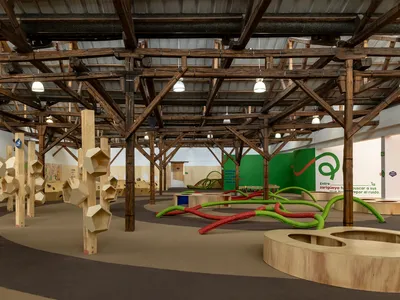
Morphism Converts a Midcentury Quito Textile Factory into a Hands-On Children's Science Museum
Awawa transforms an industrial sawtooth-roofed building in Ecuador's capital into a timber-framed playground for interactive learning.

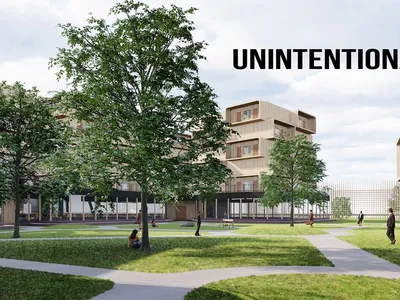
Unintentional Prison: Rethinking Confinement as a Micro-City of Rehabilitation
A shortlisted entry reimagines penitentiary architecture as a digitally-inspired urban ecosystem for non-violent offenders.
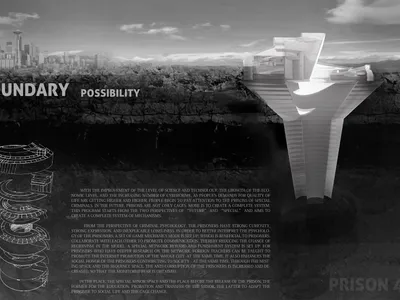
Boundary Possibility: A Vertical Prison for Cybercriminals in The Hague
An hourglass-shaped correctional tower sorts inmates by behavioral typology, layering theaters, restaurants, and exhibition spaces above detention zones.
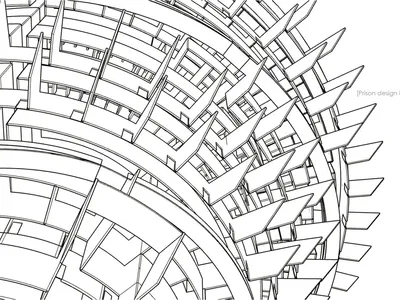
Reverse Prisons: Architecture That Punishes Cybercrime by Restoring Reality
A two-skinned prison for 500 inmates uses multimedia interfaces and gamified social interaction to replace surveillance with self-discipline.


