
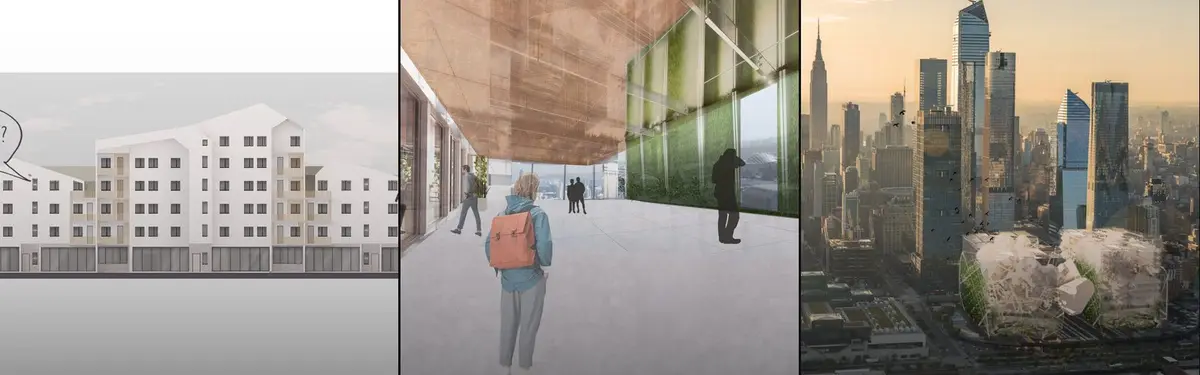

Neo-Urbanism
COMContemporary urban design approaches that integrate sustainability, community, and adaptive living into city environments.

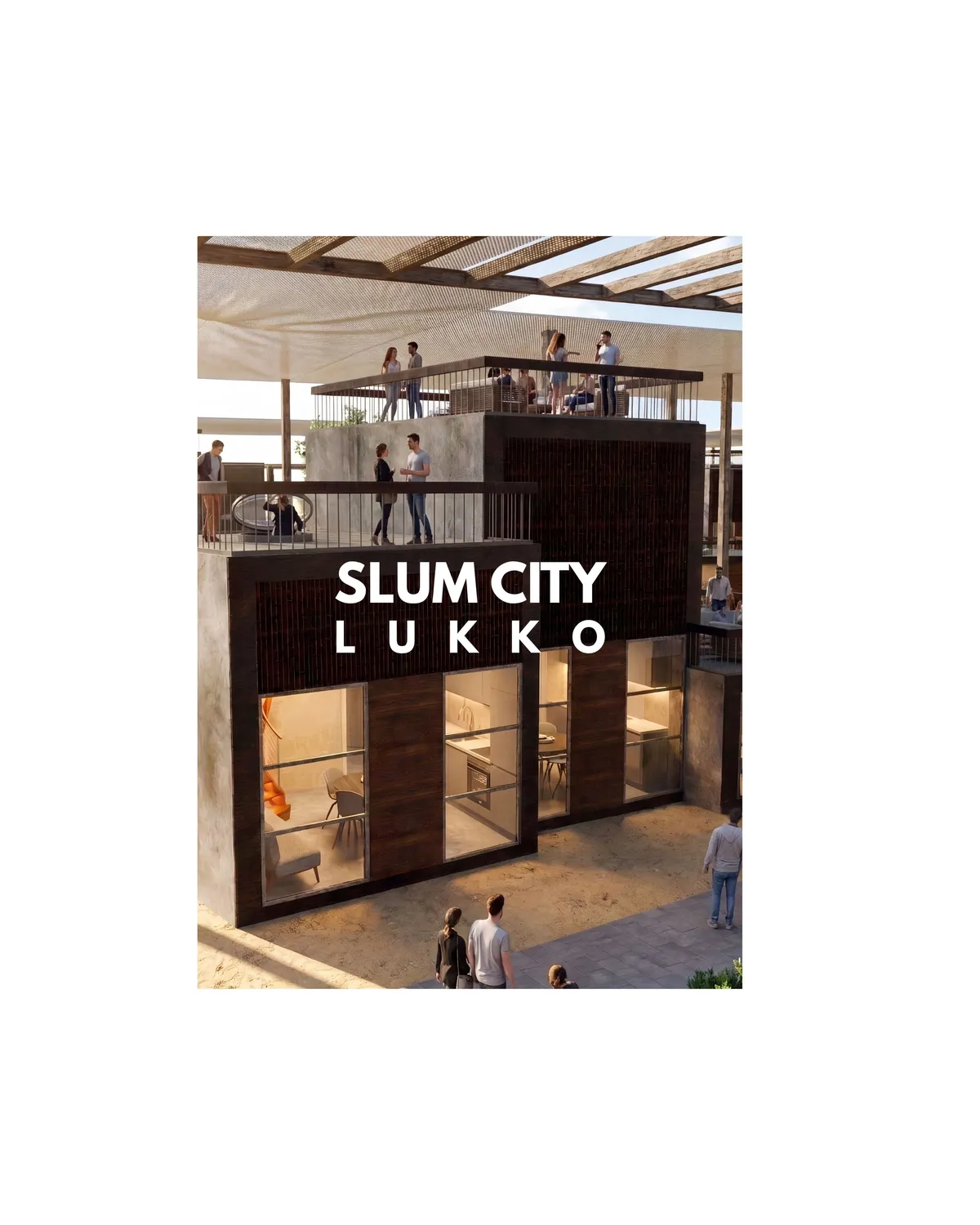
LUKKO
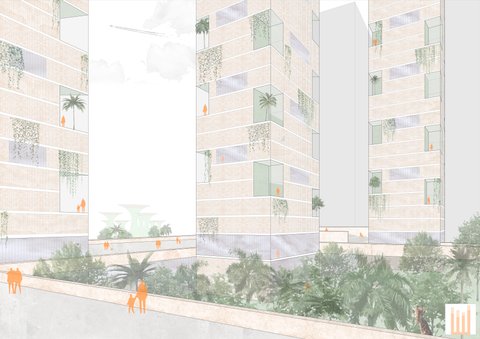
LUKKO reimagines informal settlements as vibrant neighborhoods where social interaction, economic opportunity, and everyday life coexist. Instead of isolated housing blocks, the proposal creates a human-centered environment organized around shared public spaces.

"Transition In Need, Reconnecting Fragmented Urban Ecology", Domino Effect & Urban Rhythms
Abstract:

Rethinking Urban Slums
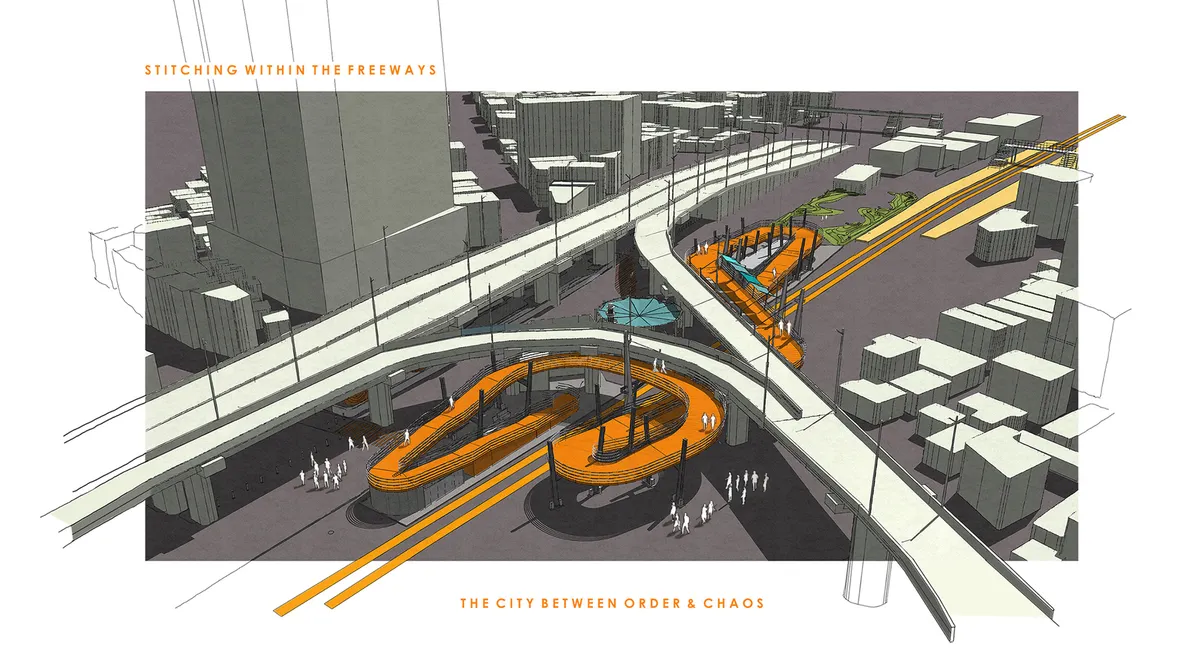
This project proposes a new vision for addressing Iraq’s informal housing crisis through a realistic, human-centered approach. Rather than demolition and displacement, it promotes incremental, in-place interventions that empower residents, address social and economic challenges, and create a sustainable model for inclusive urban development.
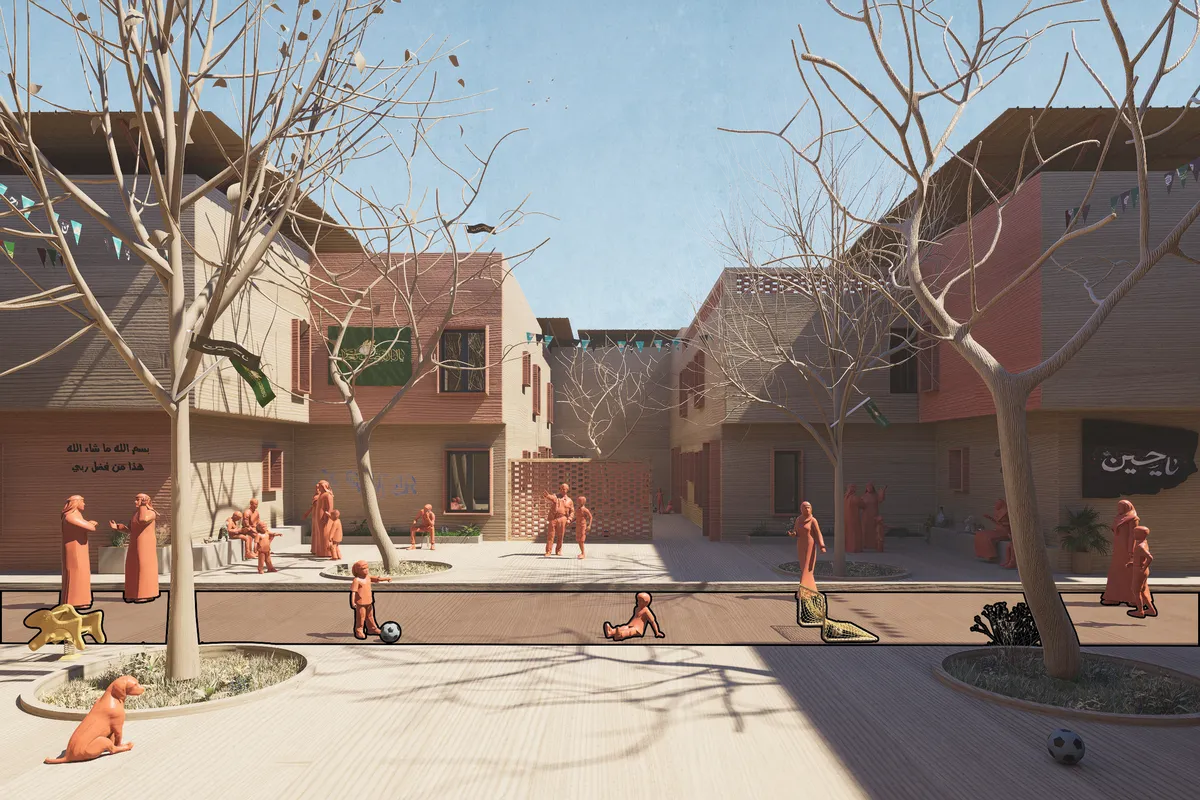

A strong and socially relevant thesis with a clear human-centered position. Further development of implementation strategies could make this thoughtful urban approach even more impactful.

Well done! Keep up the excellent work!

Urban Continuum:An alternative learning ecosystem
Education has increasingly become detached from the lived realities of the city. Urban Continuum proposes an alternative model in which learning is embedded within the rhythms of everyday urban life. Instead of concentrating education inside institutional boundaries, the project distributes learning across existing neighbourhood spaces, creating an interconn
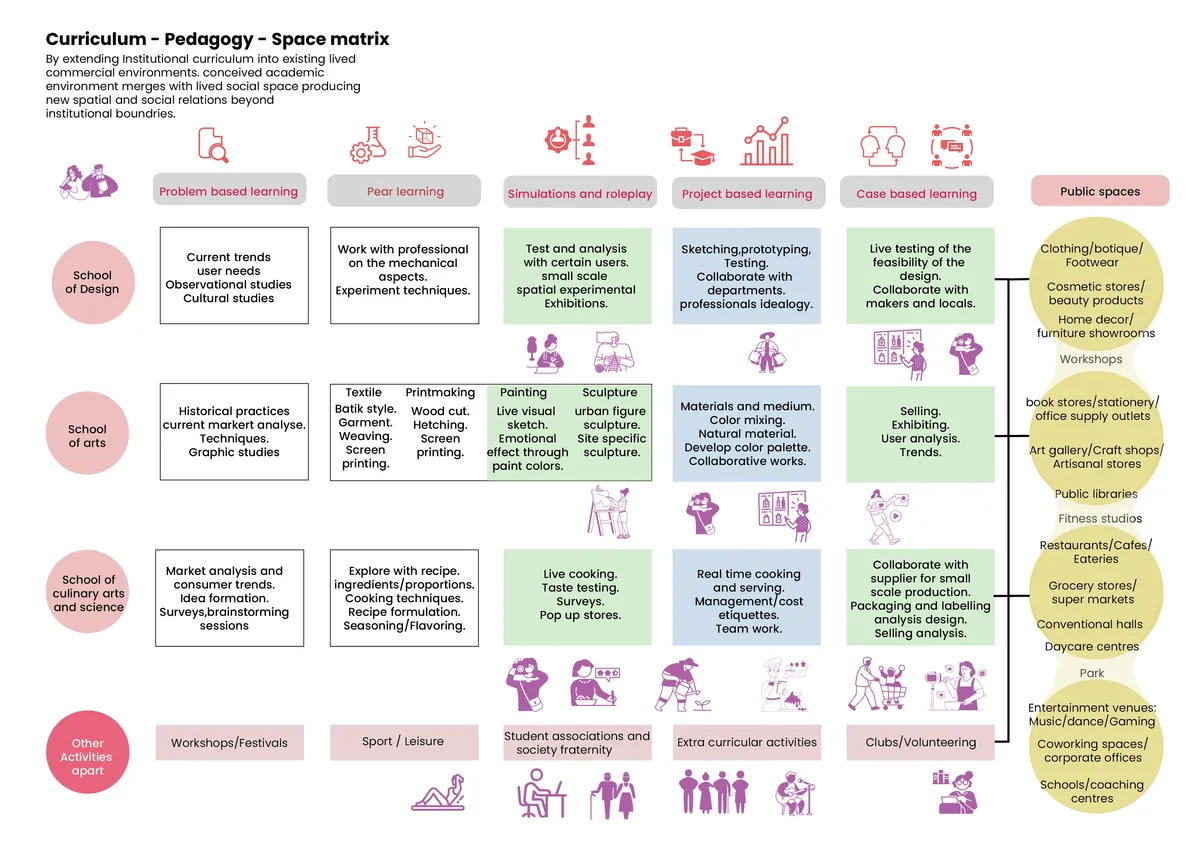
A thoughtful and original approach that expands learning into everyday urban life. Further exploring how this model can operate across different public spaces could strengthen its potential and impact.
Thank you so much for the thoughtful feedback. The project grew from questioning the mono-functional nature of urban spaces and eventually led me to explore learning as something that could connect people, genetations and everyday civic life beyond the conventional campus. Your suggestion to test this model across different public spaces is something i'd really like to explore further, particularly how different urban contexts could create different opportunities for learning and collective information.

Reclaiming Forgotten Urban Edges: An Experimental Approach
This project reimagines fragmented urban edges as connected public space. Developed through experimental research at Kelham Island and applied to Manchester’s Northern Quarter, it proposes a transferable toolkit of interventions to activate inactive urban fragments into continuous inhabitable environments.
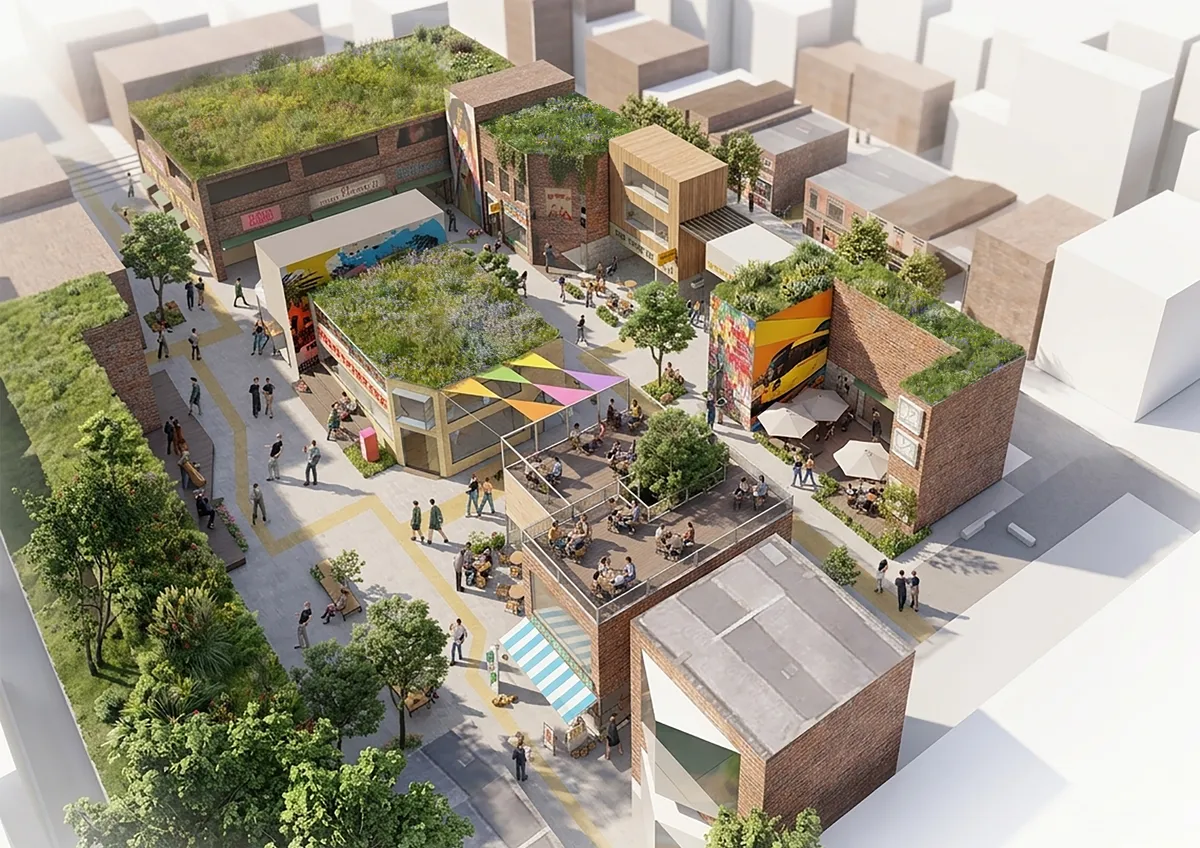
This is a strong and well-structured research-driven proposal that thoughtfully reframes neglected urban edges as active social infrastructure. The connection between site analysis, physical experimentation, the spatial toolkit, and its translation from a microsite to an urban-scale application is particularly convincing. The project demonstrates a clear critical position and a good balance between social, spatial, and temporal considerations. Further empirical evidence of the long-term impact of the proposed interventions would strengthen an already compelling proposition. Overall, a thoughtful, relevant, and professionally presented project.
The project addresses a common daily problem encountered in many cities, proposing an effective and well-conceived solution. The project concept is clearly articulated and successfully translated into the drawings and models. Overall, the work demonstrates a high level of clarity, creativity and professionalism in both its academic content and presentation. At the end, I would like to thank you for your hard work and best of luck with your upcoming projects.
Dear Professor Faragallah, thank you very much for your inspiring feedback and recognition. Creating better habitations and active spaces for people within cities is a topic I am deeply passionate about. It was the central focus throughout my master's research and represents a vital future trend. Your recognition of the clarity and professionalism of my project has given me confidence as I continue exploring urban regeneration directions. I truly appreciate your kind encouragement and warm wishes!
LUKKO
LUKKO reimagines informal settlements as vibrant neighborhoods where social interaction, economic opportunity, and everyday life coexist.


The post-carbon city
Moving beyond the question of decarbonizing transport, this article investigates the post-carbon transition as a catalyst for reconfiguring urban space. It examines how changing mobility paradigms reshape metropolitan structures, public space, and territorial organization, laying the foundations for a renewed architectural and urban model.

The end of expansionary urban planning
The article shows that the future of urban planning lies in transforming existing spaces rather than expanding cities, in order to address ecological, economic, and territorial challenges.


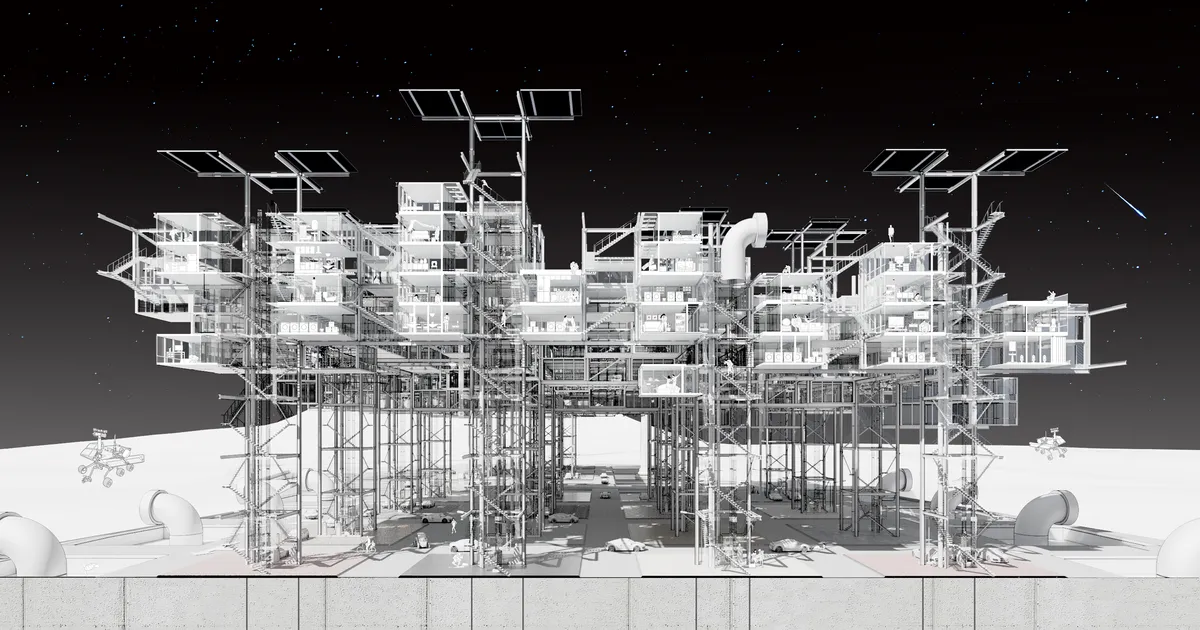
New Babylon II
New Babylon II aims to develop a highly circuitry plugin housing network of a miniature and autonomous city with machine tectonics. It discusses about a technological utopia of how human being, ecology and technology can come together to reject the housing shortage and the social inequality.



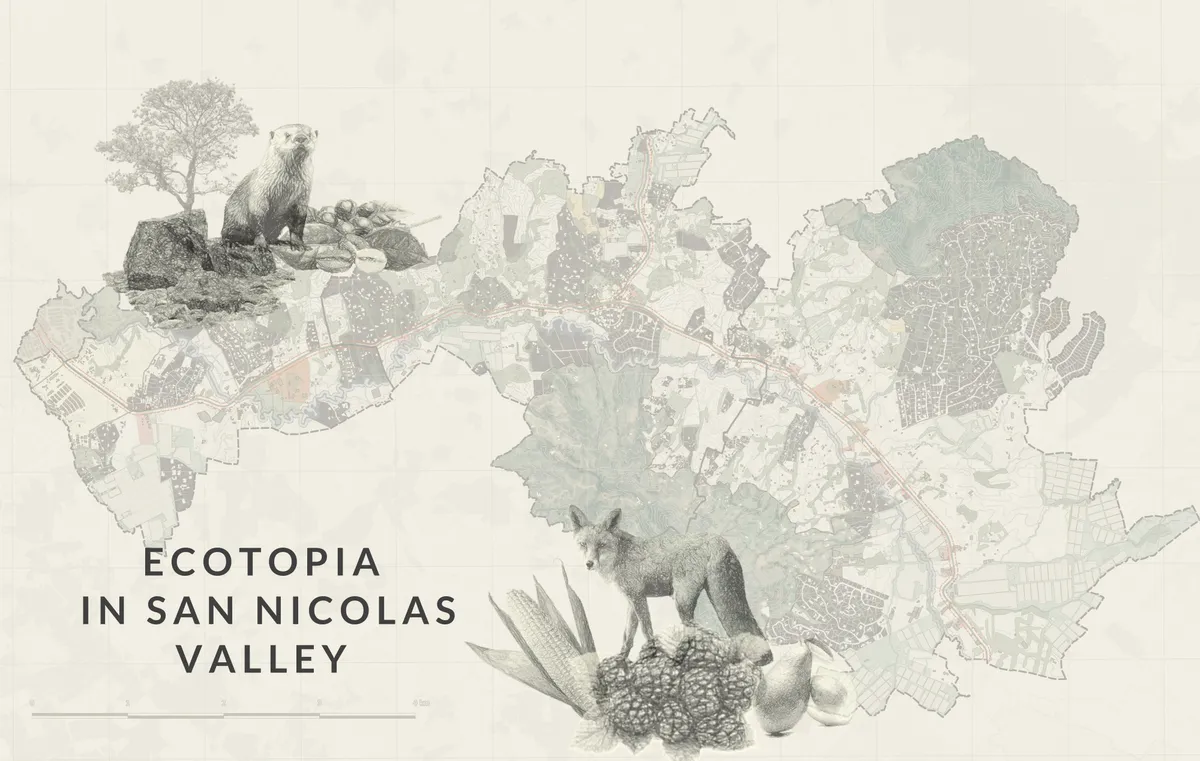
Ecotopia in San Nicolas Valley
The San Nicolás Valley in eastern Antioquia, Colombia, faces ecological degradation. This project integrates elevated housing, silos, and vertical farming to restore harmony between urban growth and nature, fostering regenerative development.


New Babylon II: A Plug-In Utopia of Machine Tectonics and Modular Living
Elevated housing networks, self-sustaining infrastructure, and customizable units confront overcrowding through a visionary circuitry city.


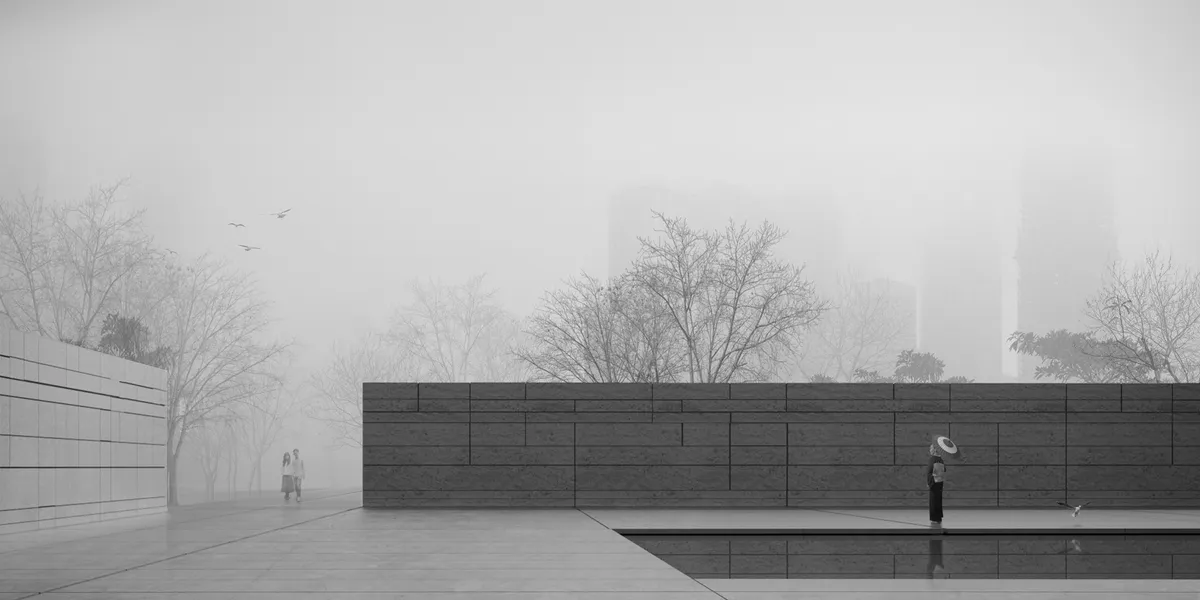

Productive Organism: A Mumbai Thesis That Treats Peripheral Housing as a Tool for Ecological Repair
Amod Nargund's thesis for Marve, Malvani layers mangrove ecology, adaptive housing and water cycles into a habitat that works like a living organism.



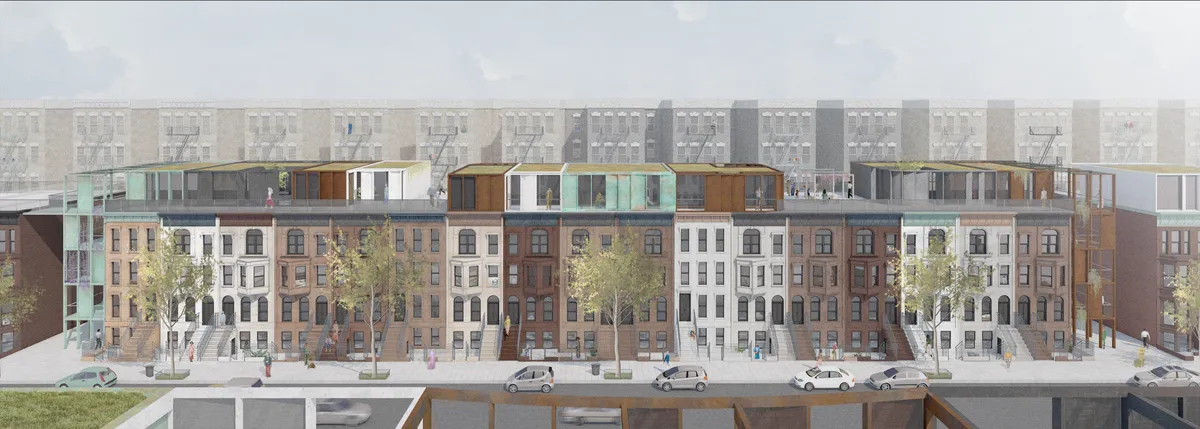



Graphis Homefutura
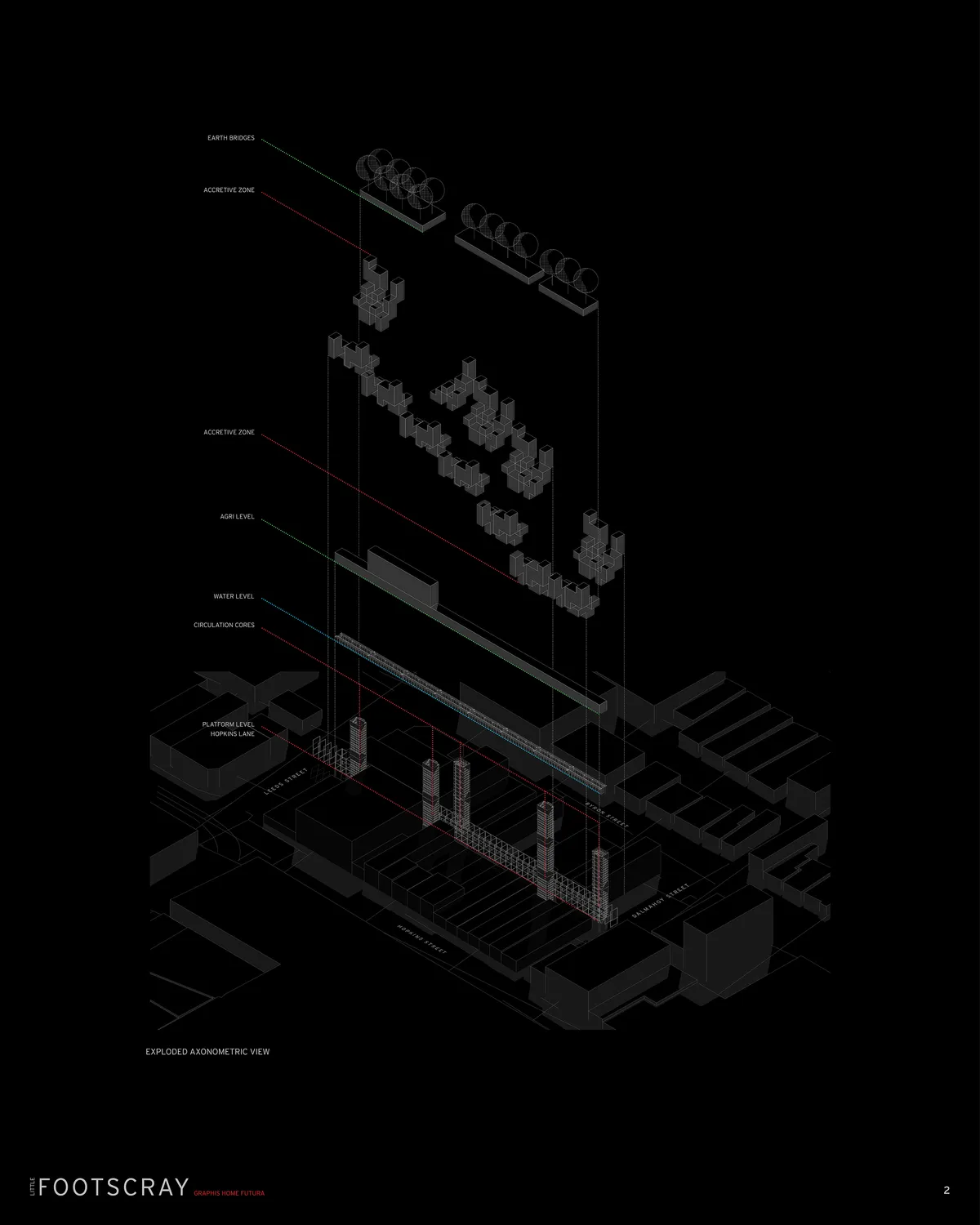
The scuzzy, gritty inner west of Melbourne town – Footscray – in the not too distant future. A hot bed of multi-culture - language, cuisine, customs and community. In the throes of anthropogenic climate change a model develops for the dense and accretive habitation of urban greyfie
The NEON Culture: A Field of Pavilions Built for the 24-Hour City
Smaran Alva spreads galleries, stages, clubs and markets across a varied site, treating light, sound and ramped movement as the real building materials.


Meals for Miles
The idea of my concept of my 'Urban_Meal_Mine' is based on the ideal of providing the inhabitant a 'Sustainable Yet Accommodation Versatility'. A place where everyone in your family can find a nest-age. Modern furnished housing, up-to-date living amenities throughout the revamped 31.6 Acres. The NEW Covent Garden Market has everything you may need or want!!

EARTH-SCRAPER " AN UTOPIAN HABITAT
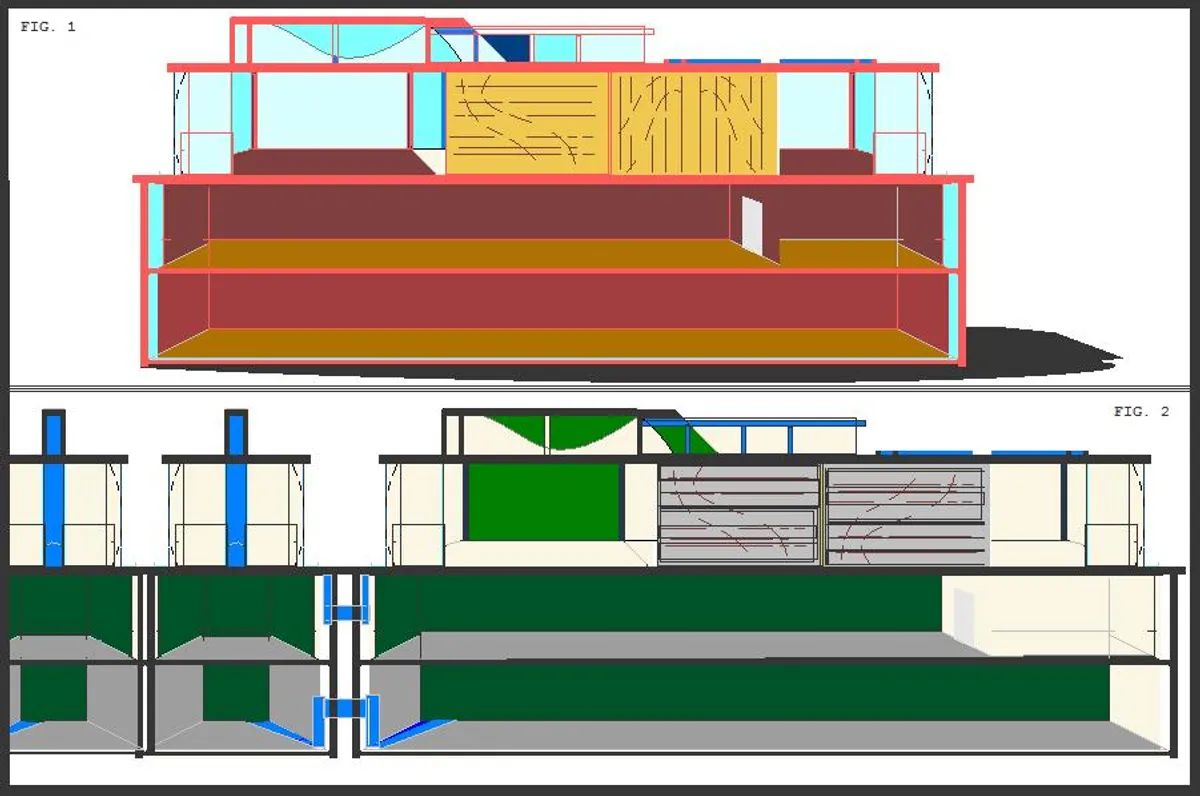
New ideas have evolved in the architecture, that recognise today's issues caused due to mass urbanisation, which are designed in a way that they help to build a better future. The project is an attempt to show the SURREAL design idea which can deal with the problems of mass urbanisation, climate change, lack of land in city for future development.

Earth-scraper - An utopian habitat
This thesis project is an attempt to show the SURREAL design idea which can deal with the problems of mass urbanisation, climate change, lack of land in city for future development and to shatter the paradigm of Human perception for an underground space. The design challenge addresses to Myth and problems faced by an underground space architecturally.

Propagandizing Mall - implanting modern control
The project questioned the methodology of gentrification commercial architecture and its political implication of lifestyle influence if we turn back time. Size of the mall matters. As religion, royal families and scholars dominates the social influence hence the urban fabric. The size of the


A thoughtful and socially engaged urban thesis that recognizes informal activity as an asset rather than a problem. Further architectural and implementation development could make the connective strategy even more powerful.
Thanks alot sir, glad you noticed and yes I agree that further tweakings can strengthen the connective path.
Amazing 👏
GREAT WORK 👍