

Shou Sugi Ban
Shou Sugi Ban, the Japanese technique of charring timber to create durable, weather-resistant cladding and finishes in architectural design.
Shou Sugi Ban, also written yakisugi, is a traditional Japanese method of charring the surface of wood to protect it from fire, insects, and rot. The char layer carbonizes the outer fibers, leaving a dark, textured finish that weathers slowly and requires little maintenance. Architects now use it on facades, rainscreens, and interior surfaces.
Community work under this topic examines how charred timber performs in different climates and building types, from bushfire-prone sites to residential retrofits and houses that pair wood with masonry, concrete, and natural stone. Several projects also address the technique's role in fire resistance and in creating a continuous, sculptural envelope.


Popular projects
View all 3 projects


Latest journals
View all 34 journals

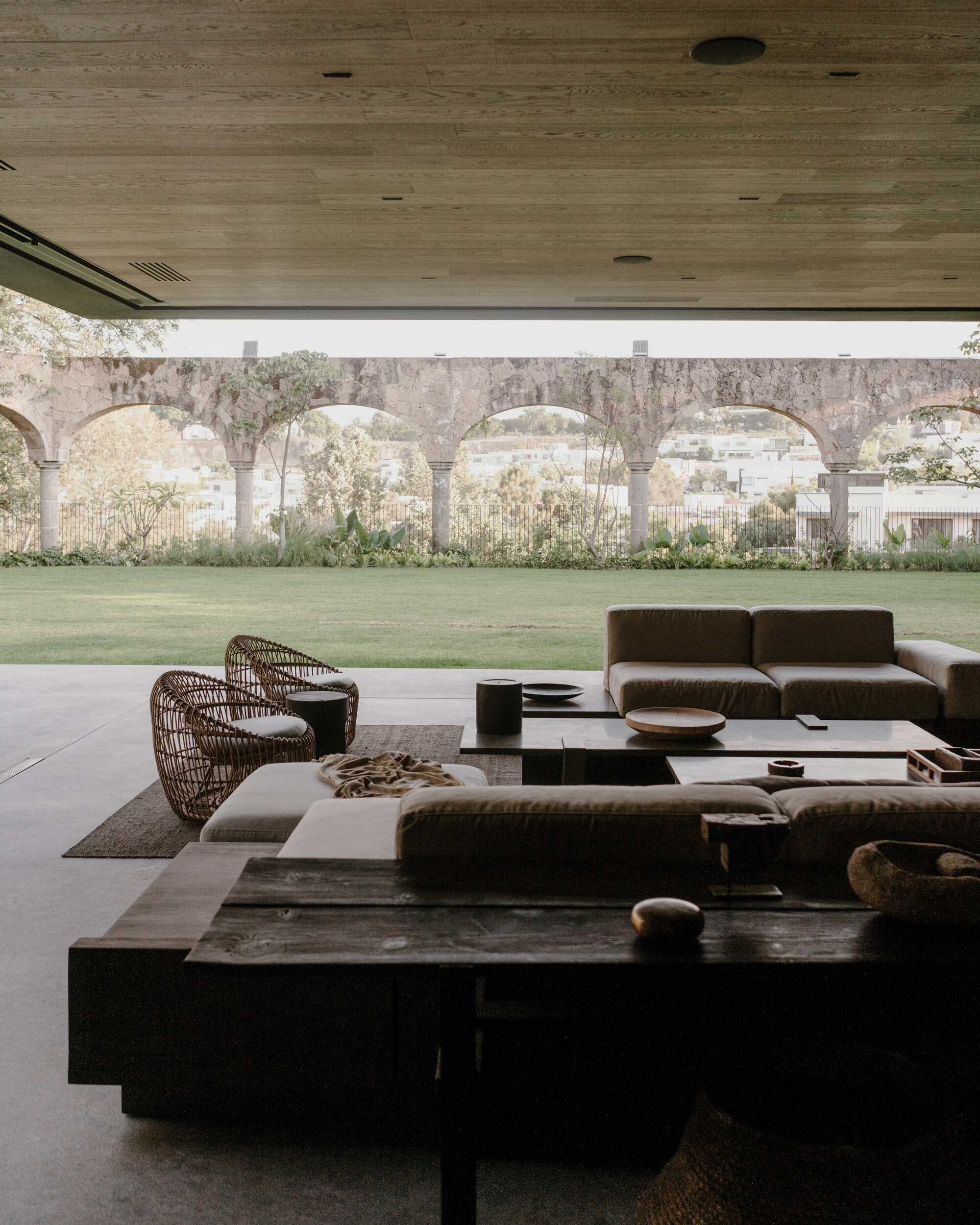
JDEstudio and Aagnes Studio Build a Guadalajara House That Unfolds Through Oak, Travertine and Slow Light
In Guadalajara, Casa CO closes a quiet face to the street and opens a sequence of oak corridors, travertine shelves and garden terraces to the sun.

Tristan Burfield Turns a Red Hill Hillside Into a Fortress of Charred Timber and Rendered Masonry
On a 2.5-hectare Mornington Peninsula site stripped of invasive pines, No.41 House turns inward to frame native landscapes.

Sandy Anghie Wraps a Perth Character Home in Charred Timber and Board-Formed Concrete
A Claremont addition built around a beloved tree uses shou sugi ban cladding and deep courtyard spaces to reconnect house to garden.

SMITH Architects Wraps a 120-Year-Old Cottage in a Charred Timber Shell to Survive Bushfire
A 28-square-metre workers' cottage in the Blue Mountains gets a shou sugi ban sleeve, bushfire armor, and a second life.


