
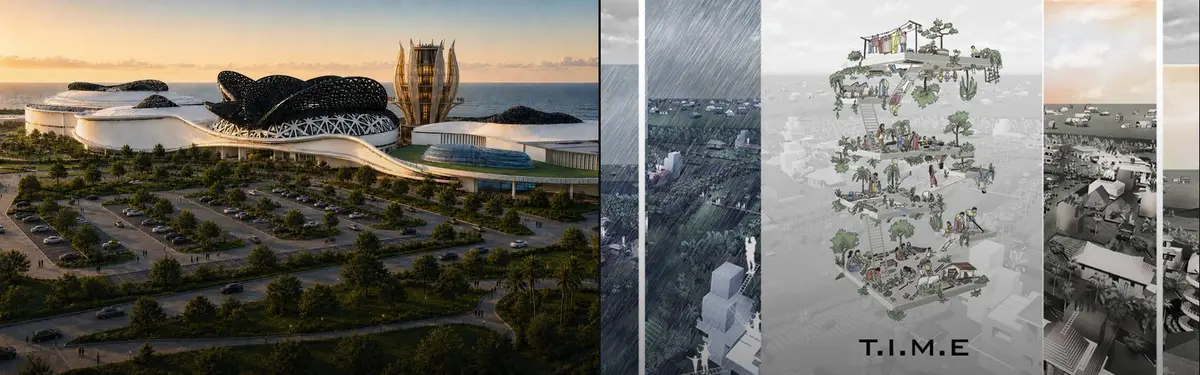


Spatial Resilience
Design and architecture approaches that build adaptive, sustainable spaces for communities facing environmental, social, or economic challenges.
Spatial resilience examines how the built environment can be designed to withstand and recover from disruption while supporting community wellbeing. This includes strategies for sustainable materials, adaptive reuse, healing spaces, and infrastructure that serves vulnerable populations.
The community explores resilience through projects addressing post-conflict reconstruction, climate adaptation, housing for marginalized groups, and ecological restoration. Work ranges from community-centered architecture in Afghanistan to urban parks and experimental housing models that prioritize long-term sustainability and social equity.


Popular projects
View all 39 projects



Latest journals
View all 35 journals
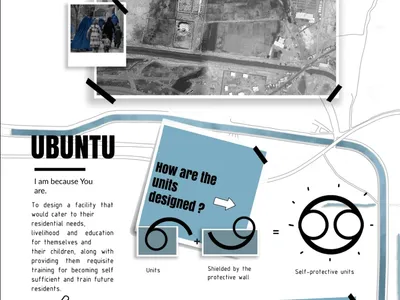
RESILE-UBUNTU: Circular Courtyard Neighborhoods for Widows and Children in Kandahar
A shortlisted Resile entry that layers home, courtyard, cluster and commons so that safety and shared daily life can rebuild a community together.
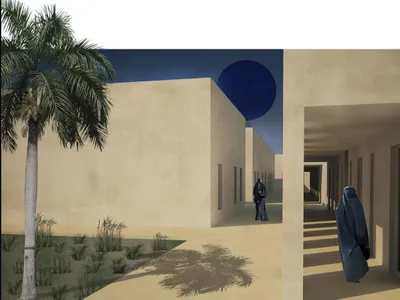
Resile: A Walled Settlement in Kandahar Where Widows Rebuild Daily Life Around a Shared Agora
Anna Lena Reier borrows the hierarchy of the traditional Afghan city, from protective wall to cardo and agora, to shape a gradual path to recovery.

Resile: A Courtyard Community in Raw Earth for Afghan War Widows and Their Children
A shortlisted proposal that turns the courtyard into a protected neighbourhood of earthen homes, gardens and shared institutions for widowed families.
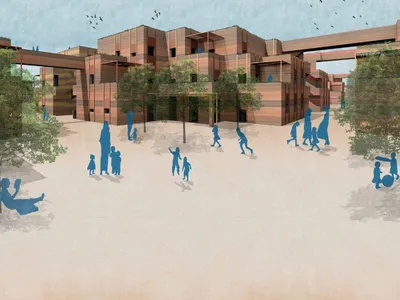
Resile: A Clay Village Where Independence Does Not Mean Isolation
A settlement of 20 clay buildings for families affected by conflict, where shared courtyards and bridges keep independence from becoming isolation.


