


Transformation Design
Design approaches that adapt, evolve, and respond to changing contexts, needs, and environments over time.
Transformation design addresses how spaces, systems, and objects can shift their function, form, or meaning in response to different conditions. This practice spans architecture, product design, and urban planning, exploring flexibility as a core design principle rather than an afterthought.
The community examines adaptive structures and flexible systems, from shelters that respond to environmental demands to public spaces that evolve with community use. Projects explore how design can facilitate transitions between states, bridge different urban functions, and create frameworks that accommodate change as a fundamental aspect of their operation.


Popular projects
View all 7 projects


Latest journals
View all 18 journals
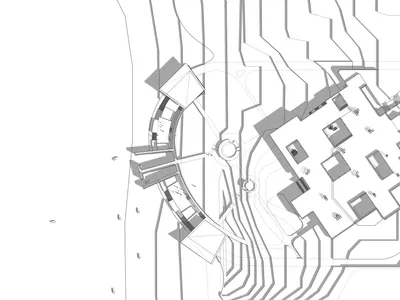


When Making Becomes Designing
Rethinking Craft in the Age of Digital Fabrication


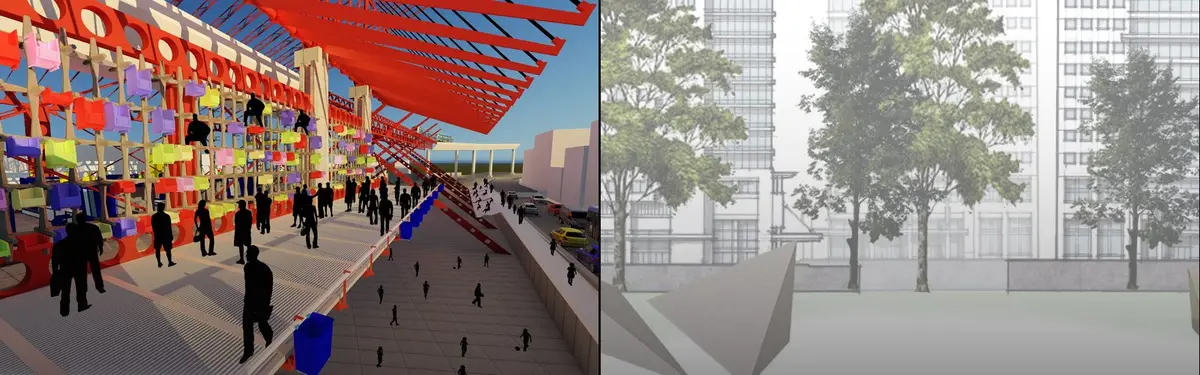
Transitional Linkage: An Elevated Pedestrian Spine That Formalizes a City's Most Dangerous Shortcut
Zillur Rahman turns an informal crossing over rail and highway into a raised civic spine that ties six transport modes together at a single shared level.


Yo Parking Proposal: A Slender Tower That Negotiates Heritage and Urban Density
Anton Kuzmin's competition entry threads a ribbed residential tower into a dense urban block, balancing street-level heritage with vertical ambition.


