


Vertical Urbanism
Design and architecture work on dense, multi-storey urban form, from tall buildings that host public life to towers that manage water, food and climate.
Vertical urbanism treats height as a way to organize cities, stacking housing, work, food production and public space within a limited footprint. The approach draws on high-rise typologies, mixed-use programming and the infrastructure needed to keep vertical environments functioning, including circulation, ventilation and resource loops.
Work on this topic in the community ranges from conceptual towers modelled as ecosystems to proposals for mega-structures and dense urban junctions. Members explore how buildings can collect rainwater, grow food and connect to their surroundings, testing vertical design against the constraints of specific cities such as Singapore and Dhaka.


Popular projects
View all 2 projects


Latest journals
View all 15 journals
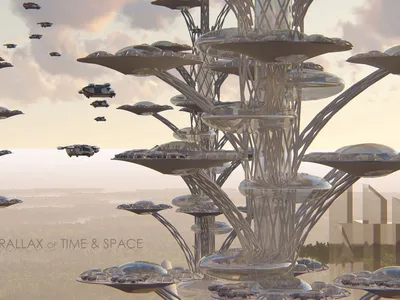
Parallax of Time & Space: Skyscrapers as Living Vertical Ecosystems
A biomorphic tower system in Bangkok lifts urban programs into the sky, freeing the ground for forests, flood resilience, and renewable energy.

Reuse the Nature: A 1,300-Meter Mega-Tree That Harvests Its Own Climate
Biomimicry drives a visionary vertical habitat where architecture absorbs water from air, channels wind, and generates solar energy like a living tree.
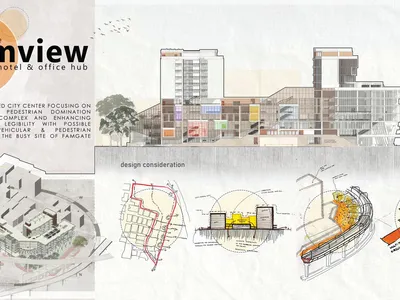
Farmview City Center: Stacking a Micro-City at Dhaka's Busiest Junction
A mixed-use vertical urbanism proposal that layers markets, hotels, offices, and public terraces above Farmgate's transit corridor.
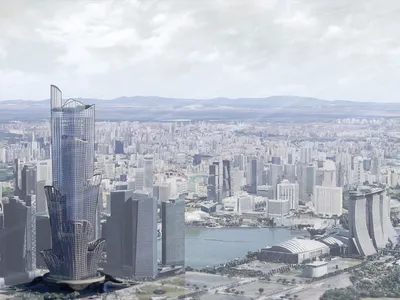
RainFlow Tower: A Skyscraper That Harvests Singapore's Rain as Its Lifeblood
A biomimetic tower near Marina Bay channels tropical rainfall through its entire structure, merging water self-sufficiency with vertical urbanism.


