
A Contemporary Extension of Beirut’s National Museum
The Nuhad Es-Said Pavilion blends history and modernity, enriching Beirut's National Museum with innovative cultural spaces and timeless design.

The Nuhad Es-Said Pavilion for Culture, designed by Raed Abillama Architects, is a landmark addition to the National Museum of Beirut. Dedicated to celebrating Lebanese art, culture, and heritage, this pavilion merges historical reverence with contemporary design. Commissioned by the National Heritage Foundation in collaboration with the Es-Said family, the project underscores the importance of cultural preservation and modern adaptability.
Preserving a Legacy
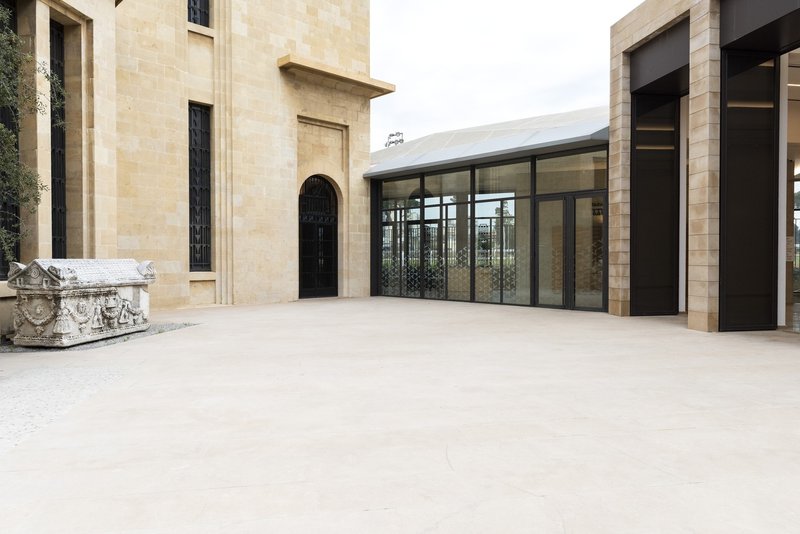
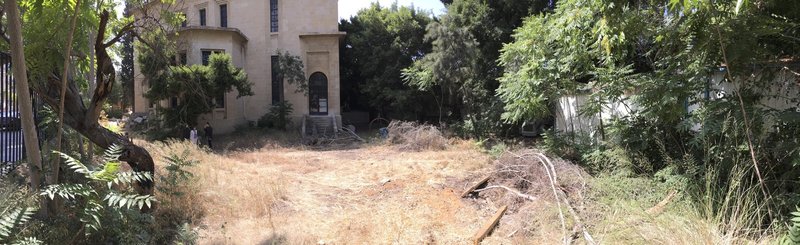
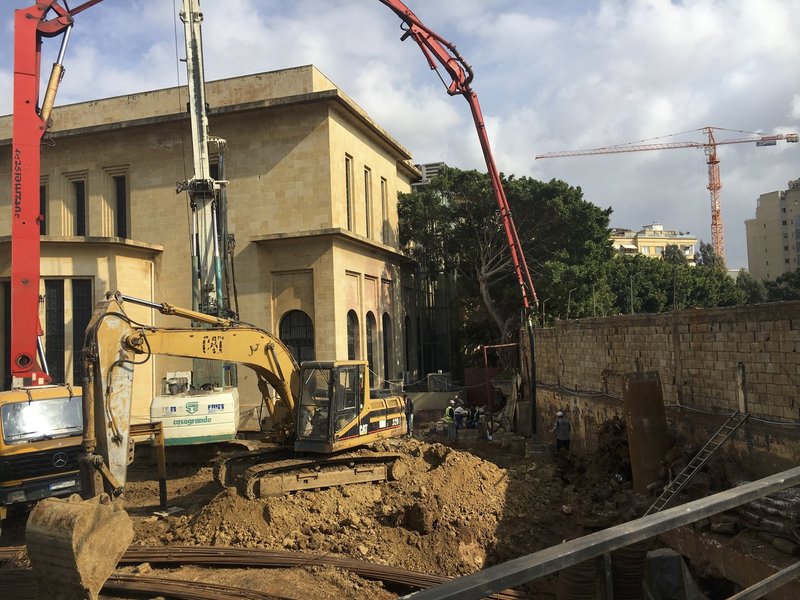
Opened in 1942, the National Museum of Beirut stands as a monument to Lebanon’s rich cultural history. Initially designed by Antoine Nahas and Pierre Leprince Ringuet, the museum’s neo-classical structure was envisioned with two wings flanking the main building. However, only the left wing was constructed. The Nuhad Es-Said Pavilion now occupies the right side, completing the original vision while offering a modern interpretation of the museum’s architectural language.
Honoring Nuhad Es-Said’s Legacy
Named after Nuhad Es-Said, a passionate art collector, the pavilion strengthens the National Museum’s identity as a cultural hub. By introducing this extension, the museum expands its capacity for innovative exhibitions, community engagement, and the promotion of Lebanese artistry. This evolution also ensures continued financial support for the museum’s operations, securing its role as a living institution bridging the past, present, and future.
A Contemporary Design Rooted in Heritage
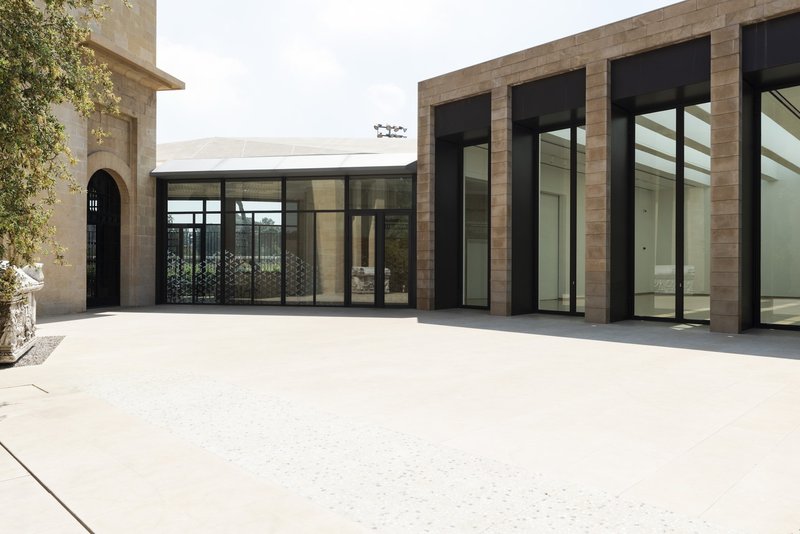
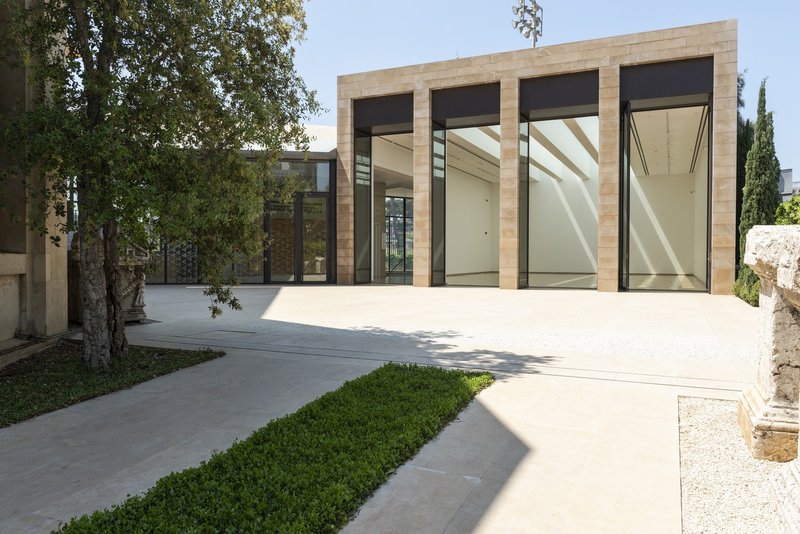
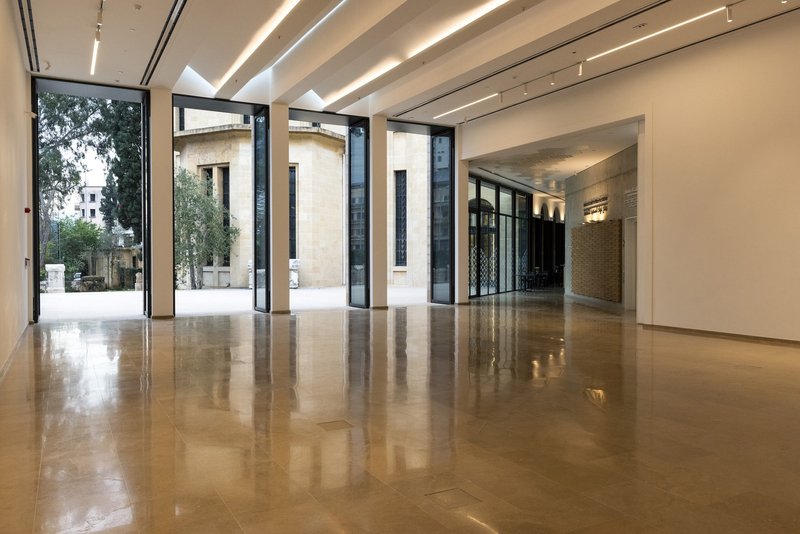
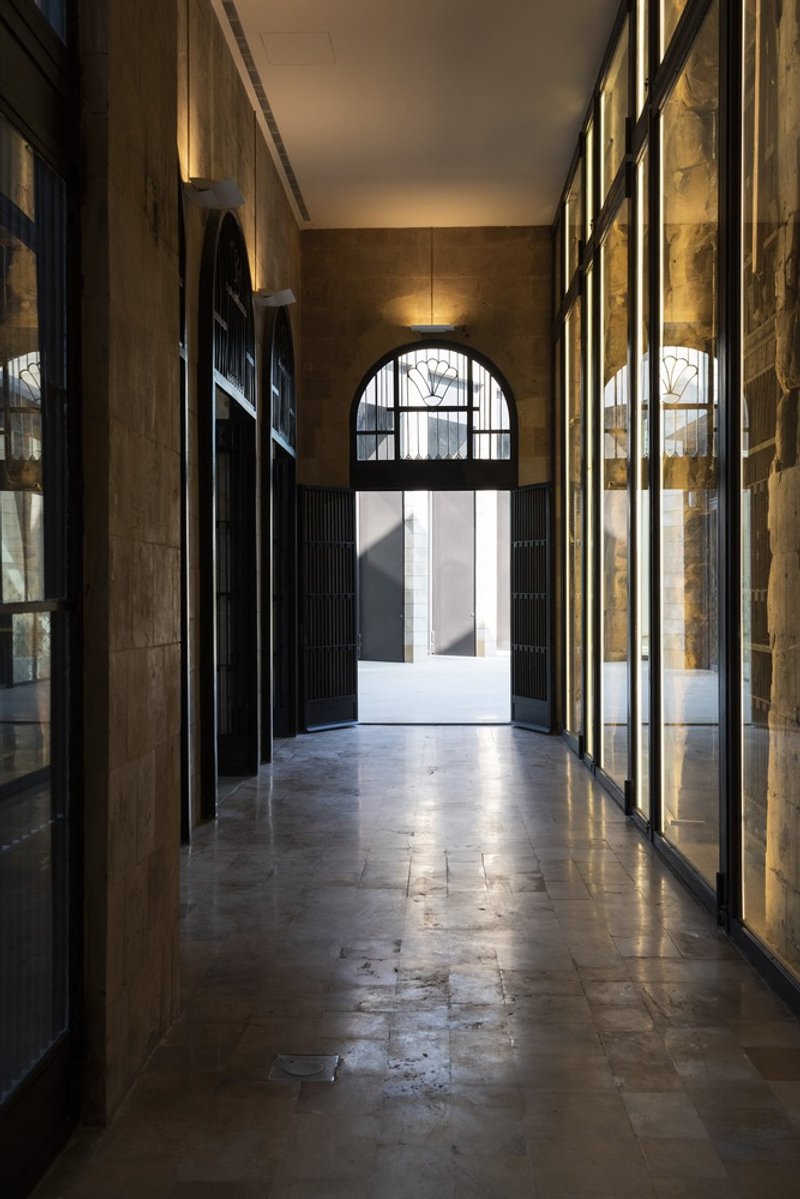
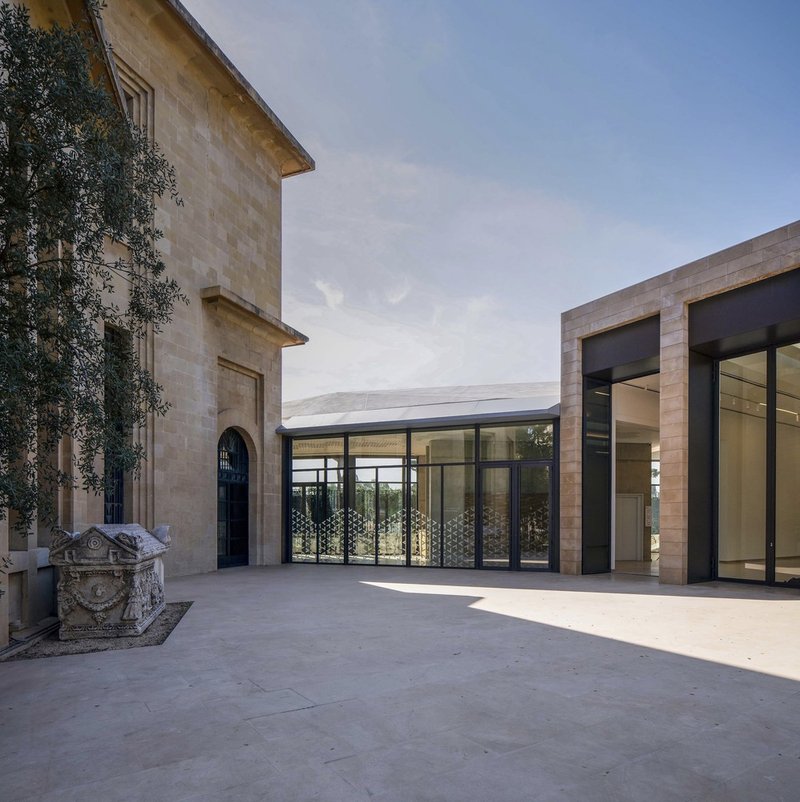
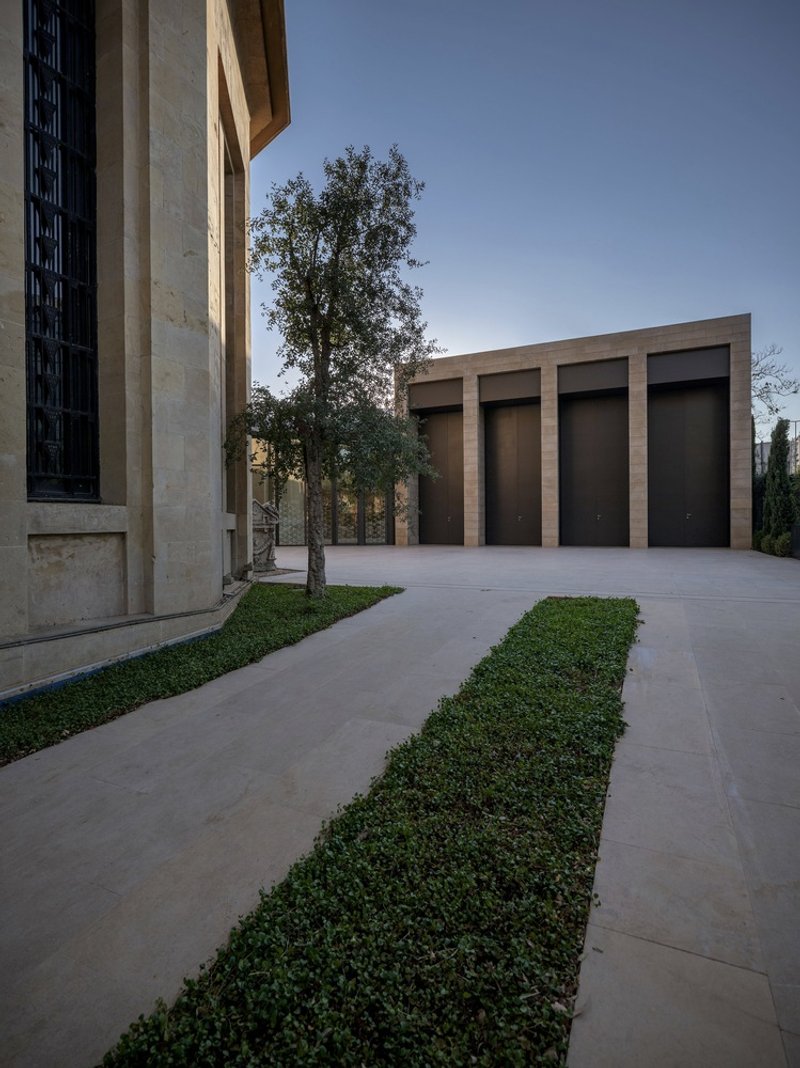
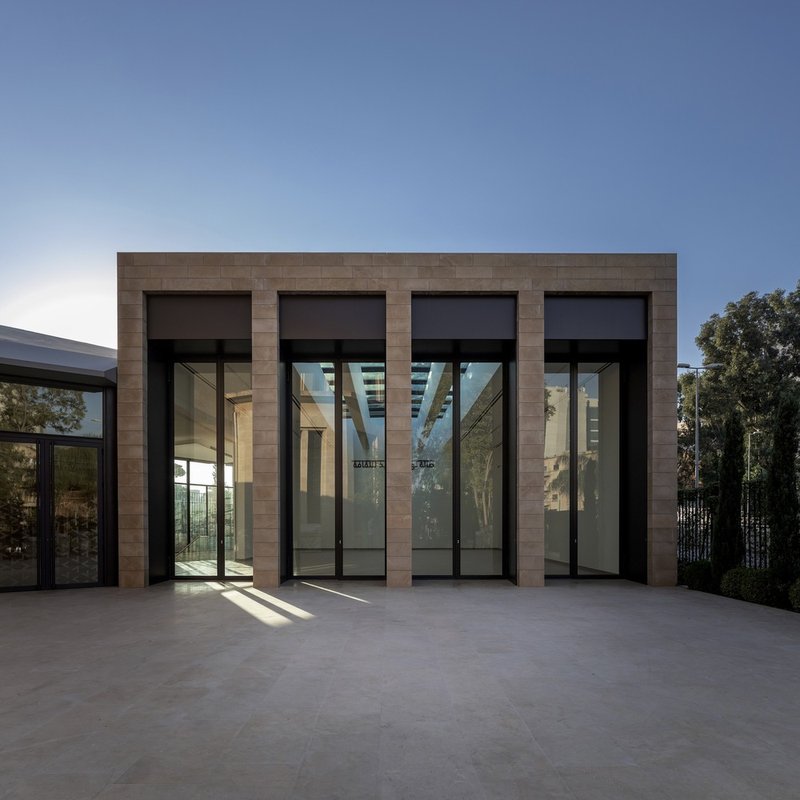
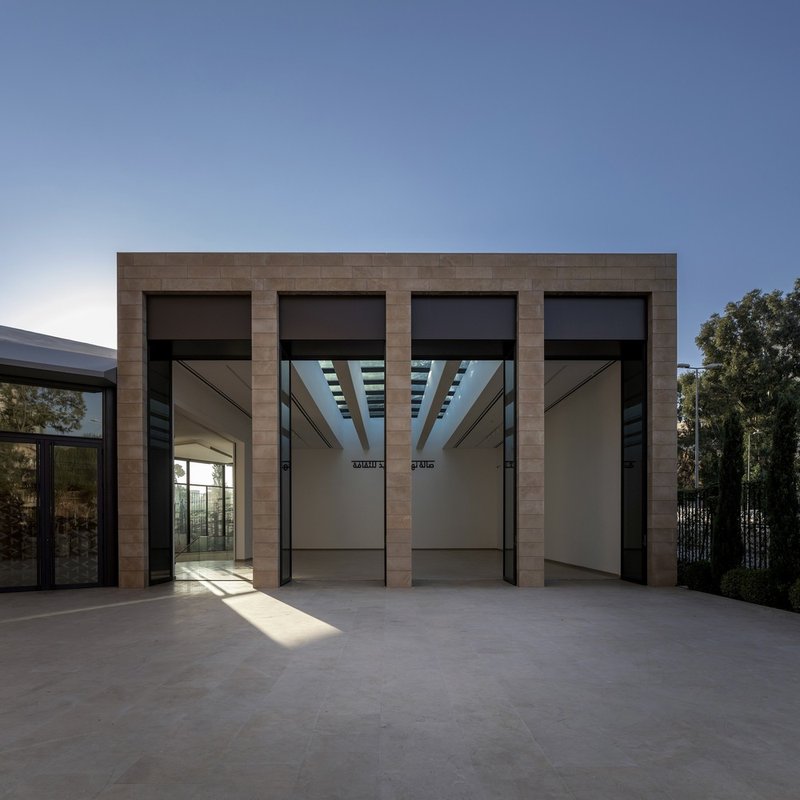
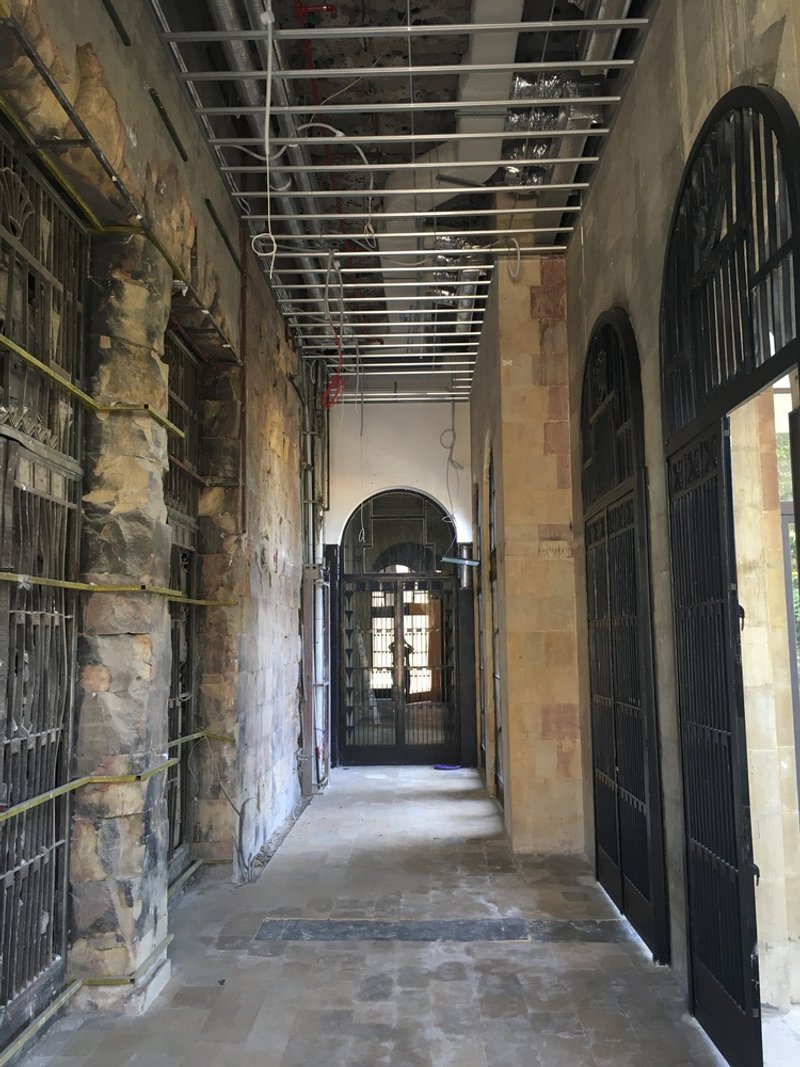
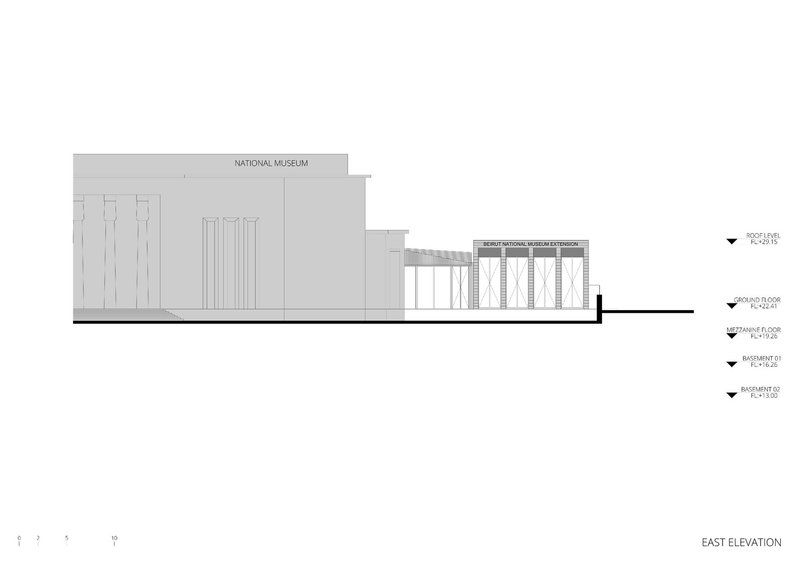
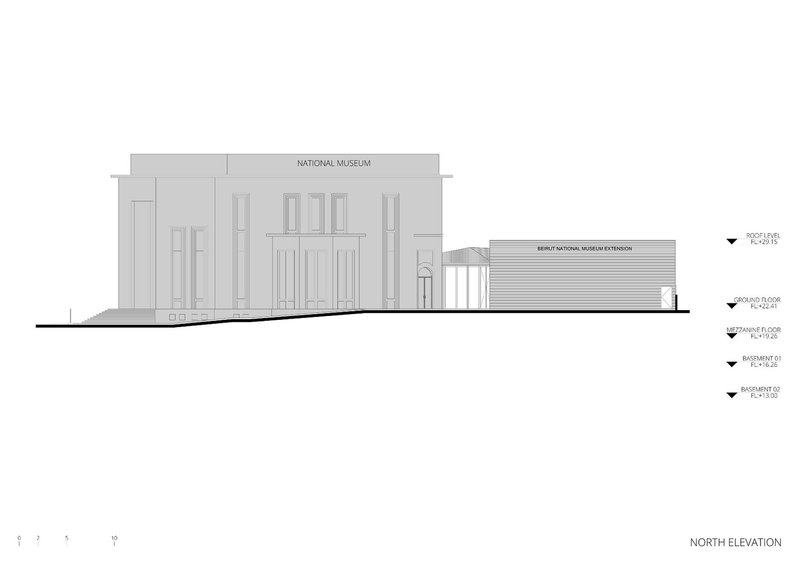
The pavilion’s design maintains a dialogue between the historic and the modern. The façade features large floor-to-ceiling glass panels framed by columns of yellow local stone, echoing the museum's neo-classical aesthetic. While the structure respects the museum’s original proportions, it stands out with a distinctively contemporary form, establishing a harmonious balance between past and present.
Key Architectural Features
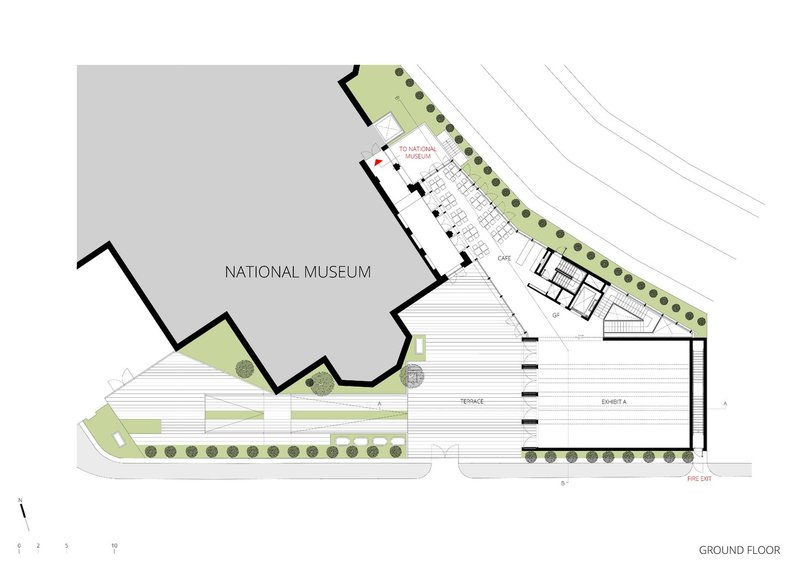
The pavilion comprises three main components: a landscaped garden, a cafeteria, and the exhibition space itself.
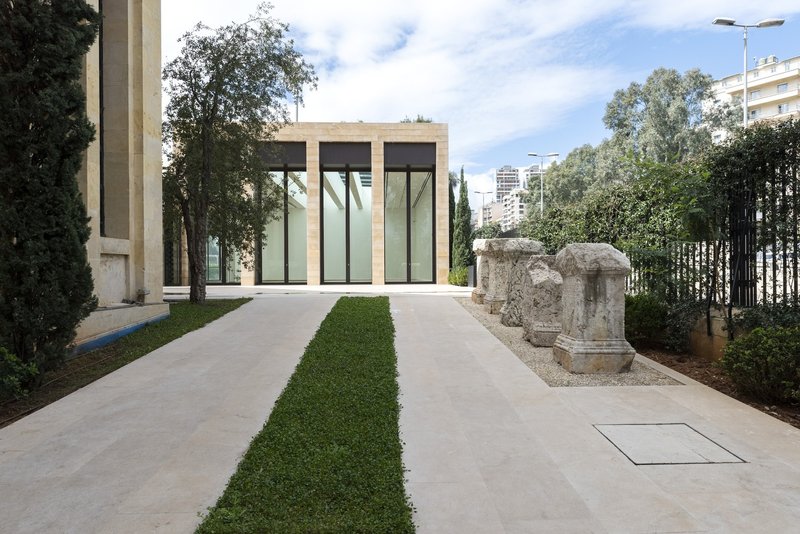
- Landscaped Garden: The processional garden connects the museum to the pavilion, creating a serene transition between spaces.
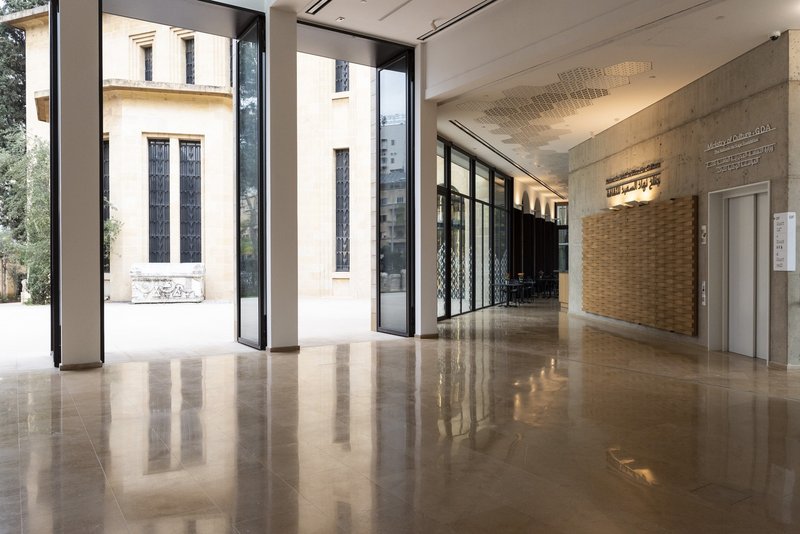
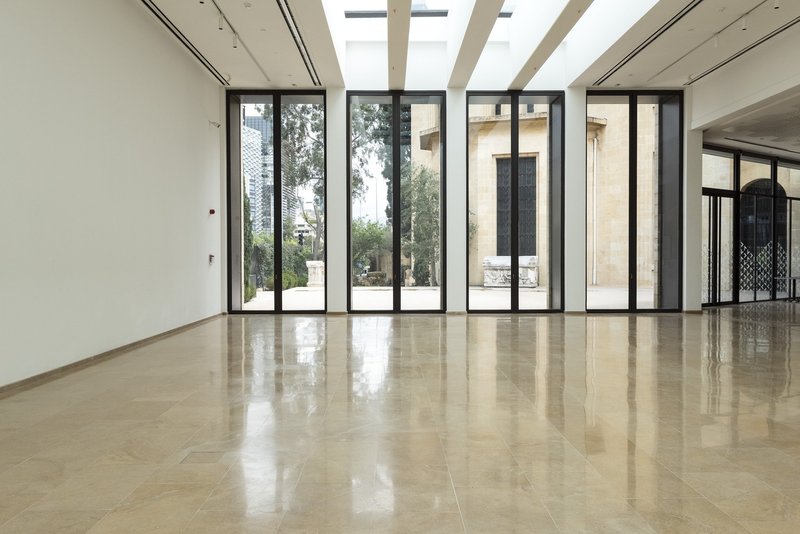
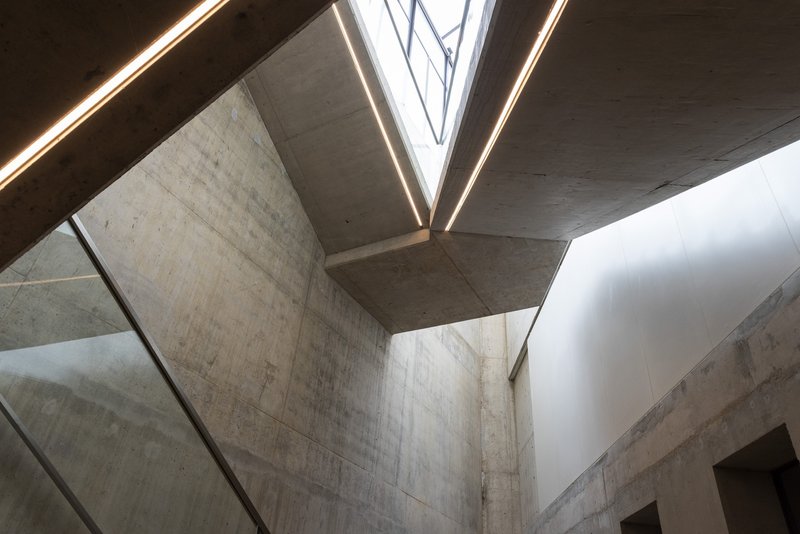
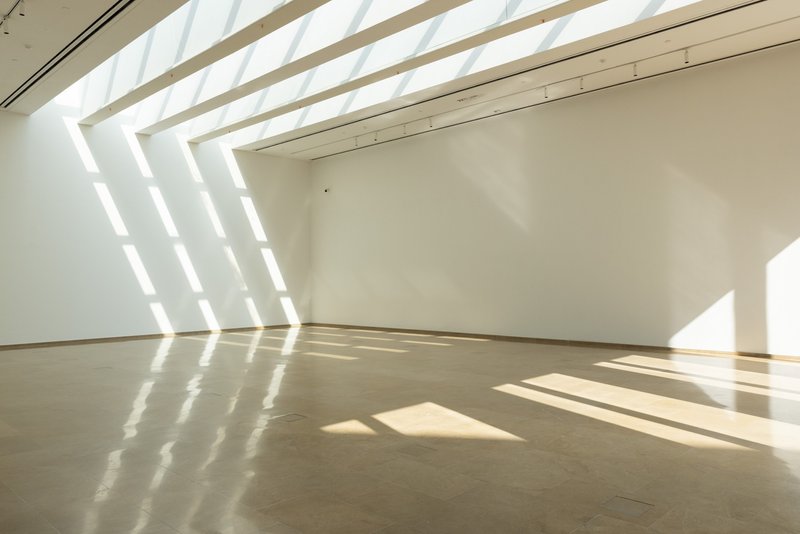
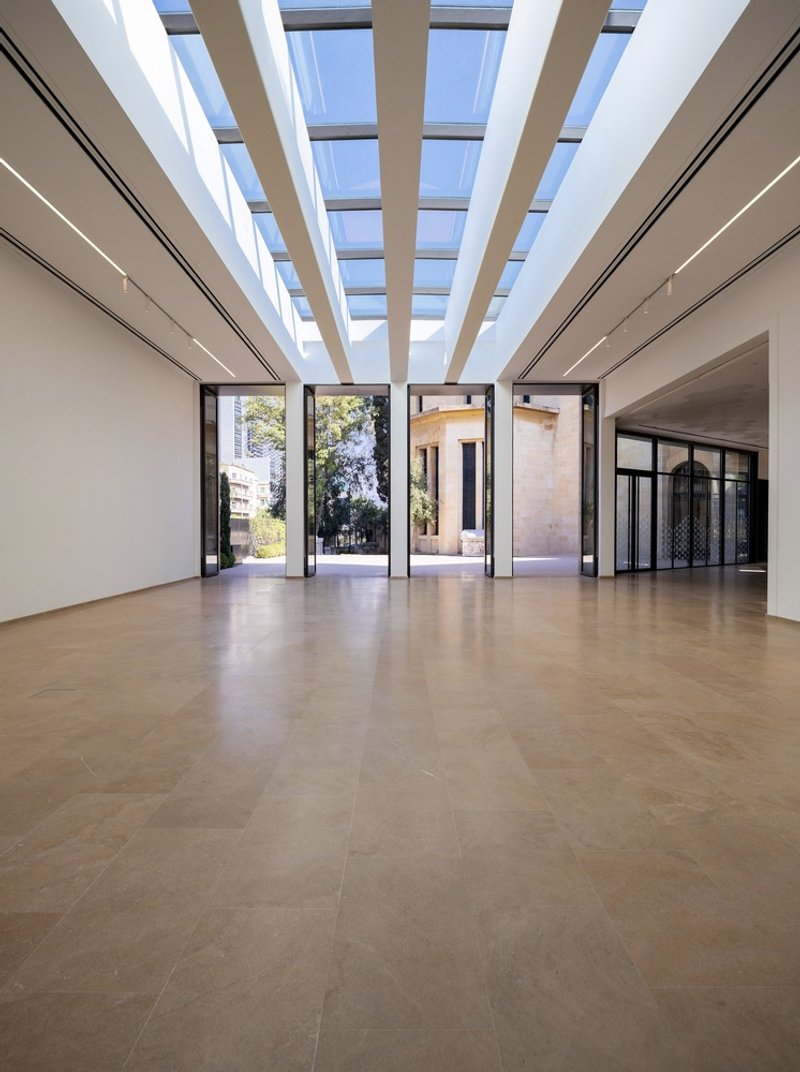
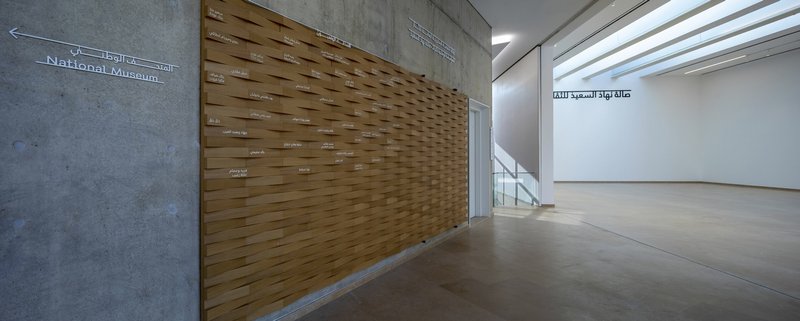
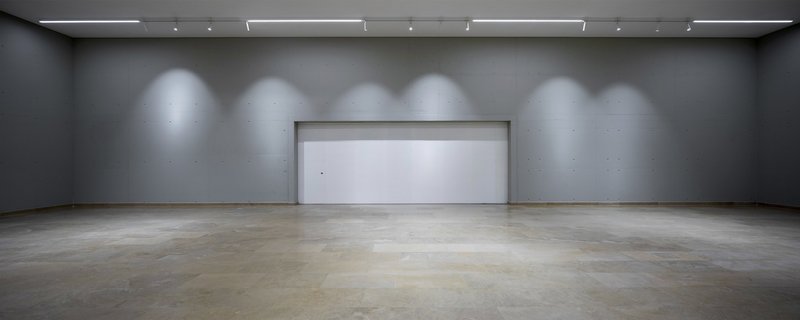
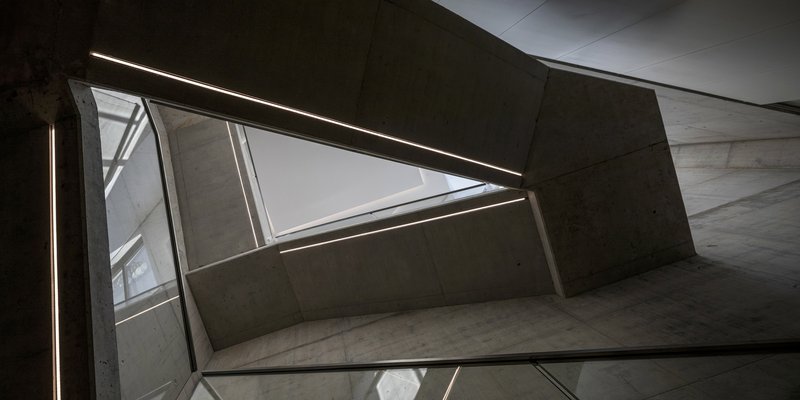
- Pavilion Structure: At ground level, the pavilion offers a flexible, open space with vast glass façades and natural light from skylights. Its side and rear walls, equipped with display panels, make it ideal for exhibitions.
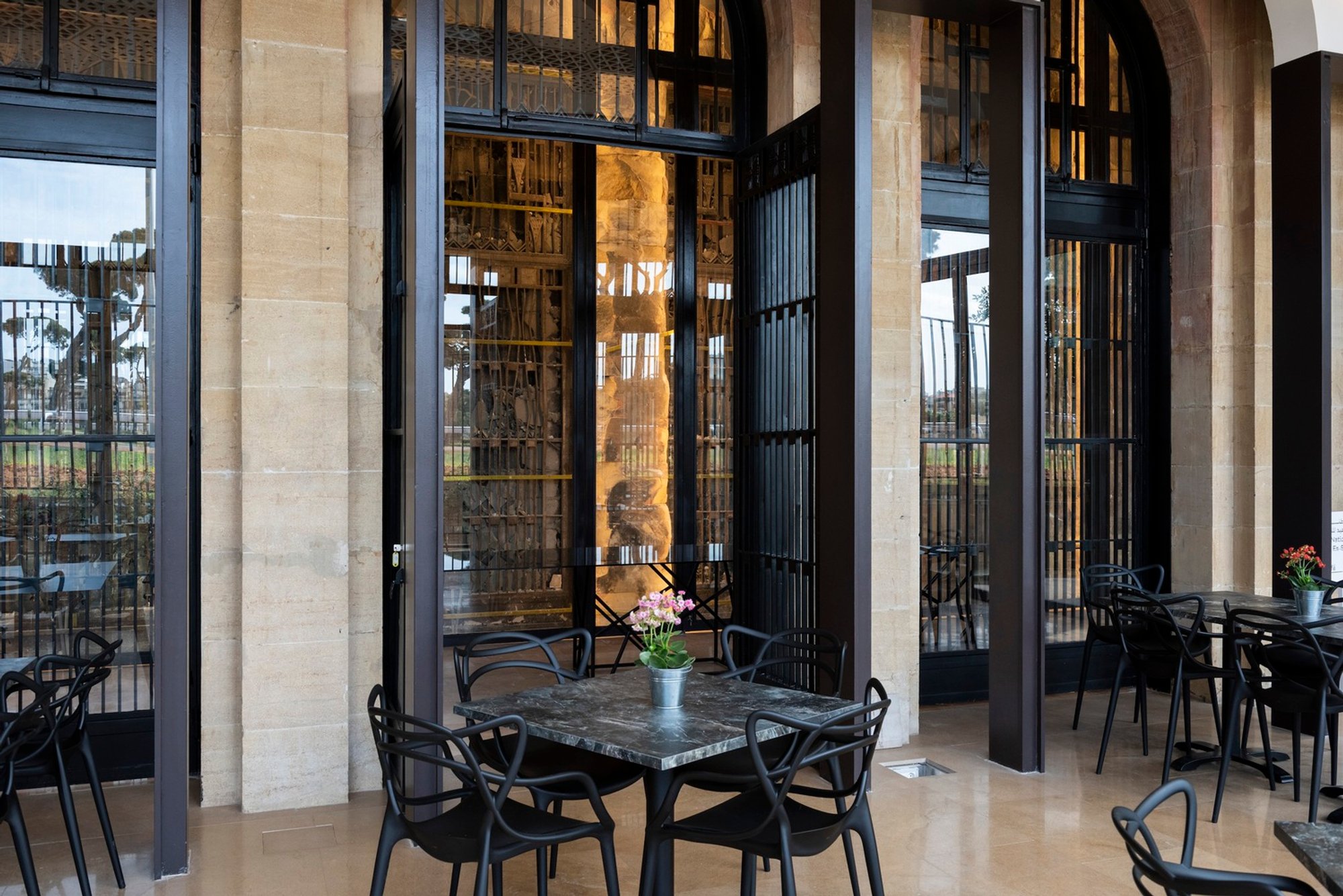
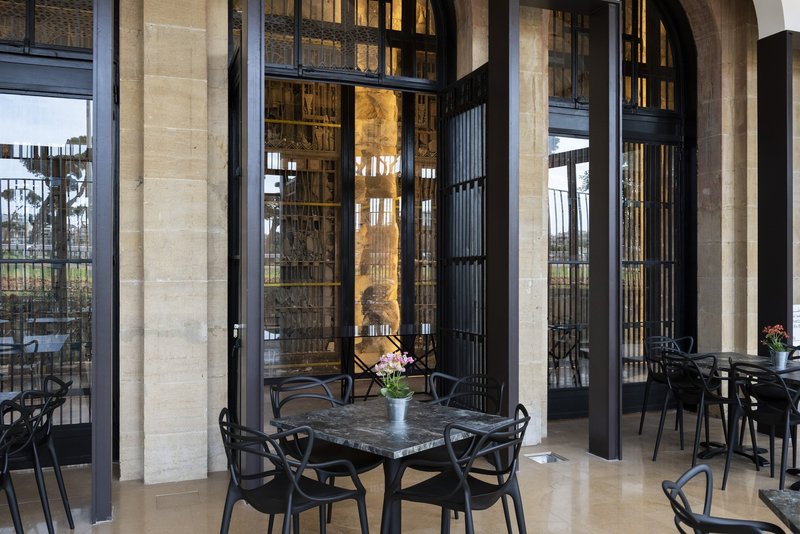
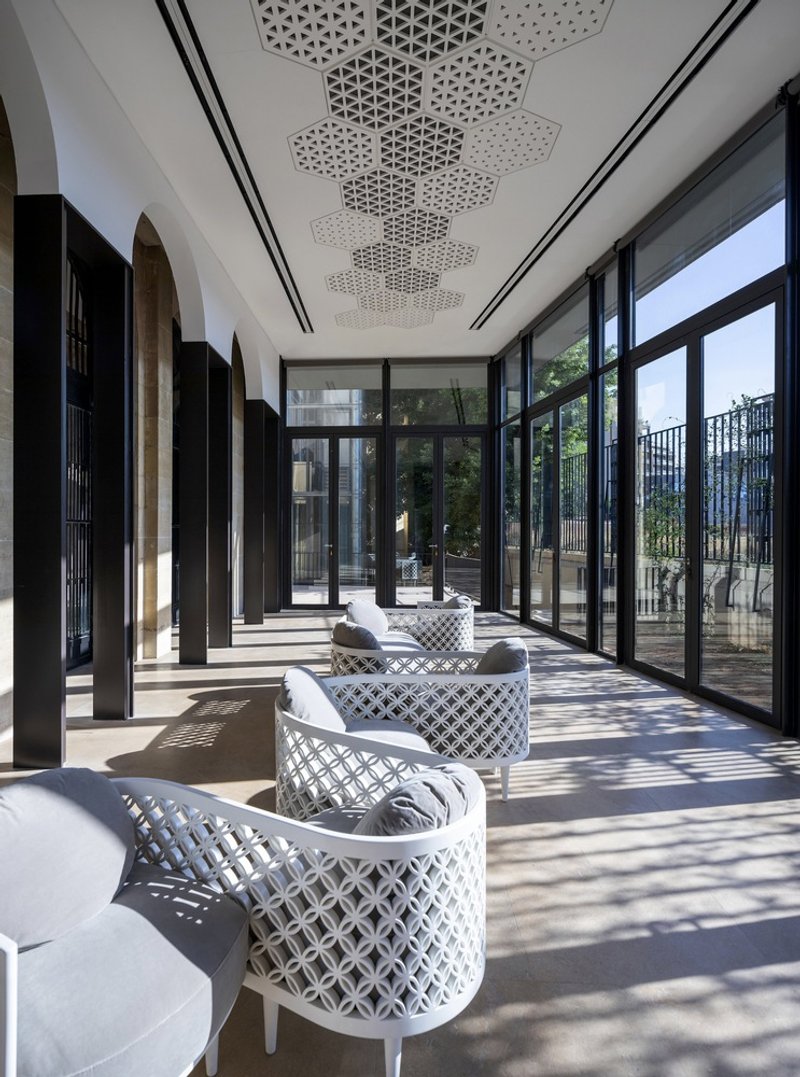
- Cafeteria Bridge: The pavilion café, a glazed connector between the main museum and the pavilion, offers stunning views of Beirut’s Hippodrome.
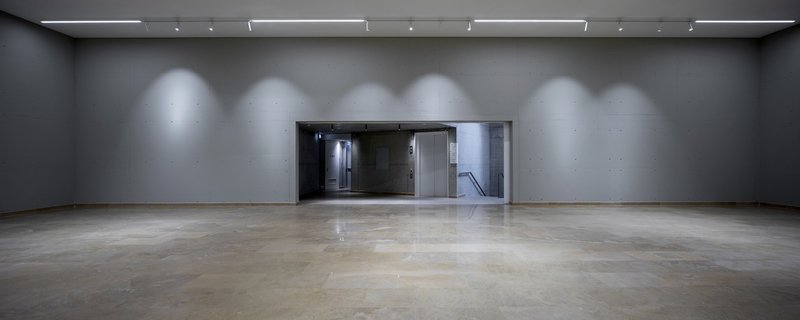
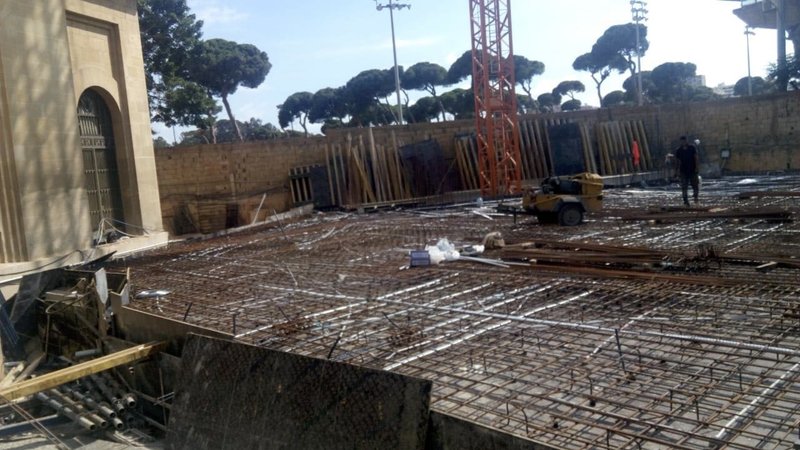
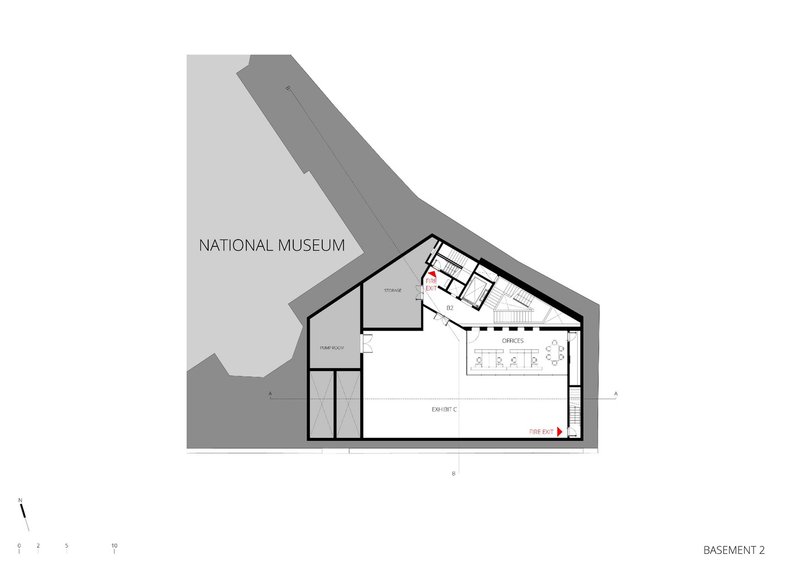
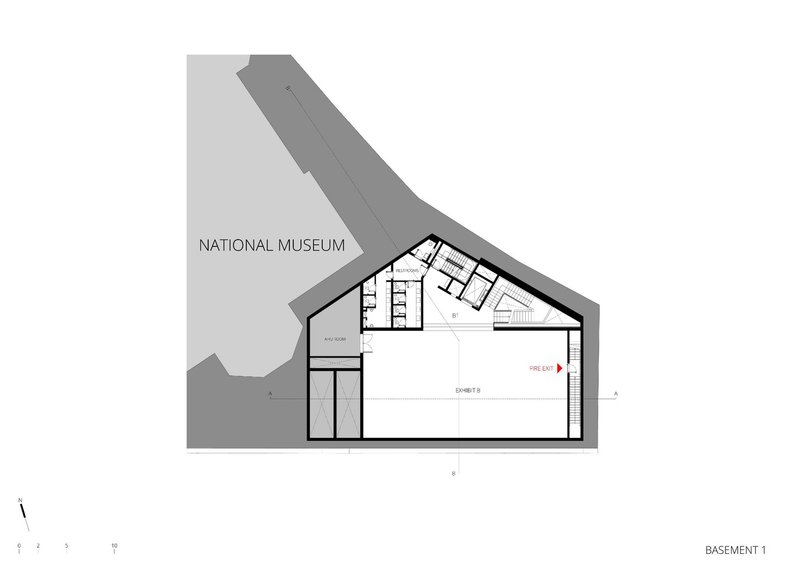
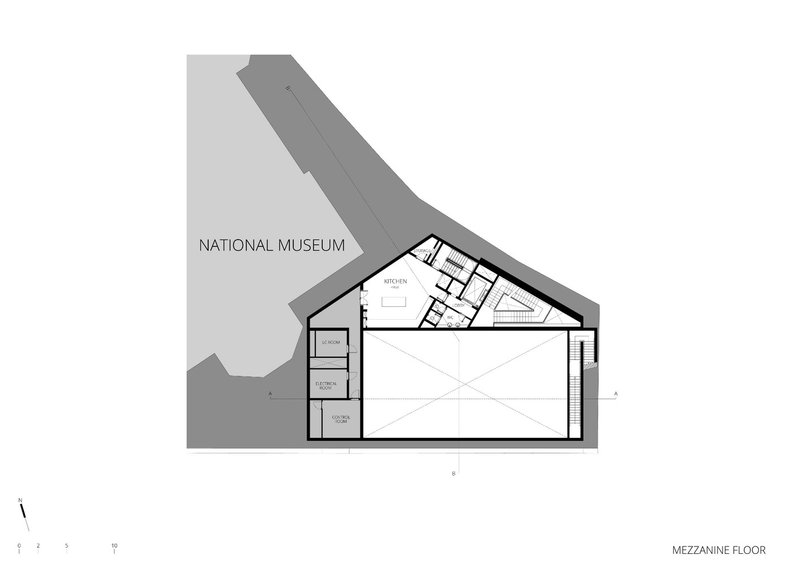
To maximize functionality, the pavilion also includes two basement levels, accommodating multi-purpose halls, technical facilities, and storage areas. This efficient use of space addresses the constraints of its narrow site while enhancing the museum’s operational capacity.
Sustainable and Functional Design
The pavilion emphasizes sustainability and adaptability. The skylights, paired with an integrated shading system, allow controlled daylight to flood the interiors, minimizing reliance on artificial lighting. The use of local materials, such as yellow limestone, reduces the environmental impact while maintaining a connection to the site’s heritage.
Bridging History and Modernity
The Nuhad Es-Said Pavilion for Culture is more than an extension; it is a testament to Lebanon’s cultural resilience. By seamlessly integrating historical elements with modern architectural innovation, the pavilion reaffirms the National Museum of Beirut’s significance as a custodian of Lebanon’s rich heritage. Its design not only enhances the museum’s functionality but also inspires future generations to appreciate and preserve their cultural identity.
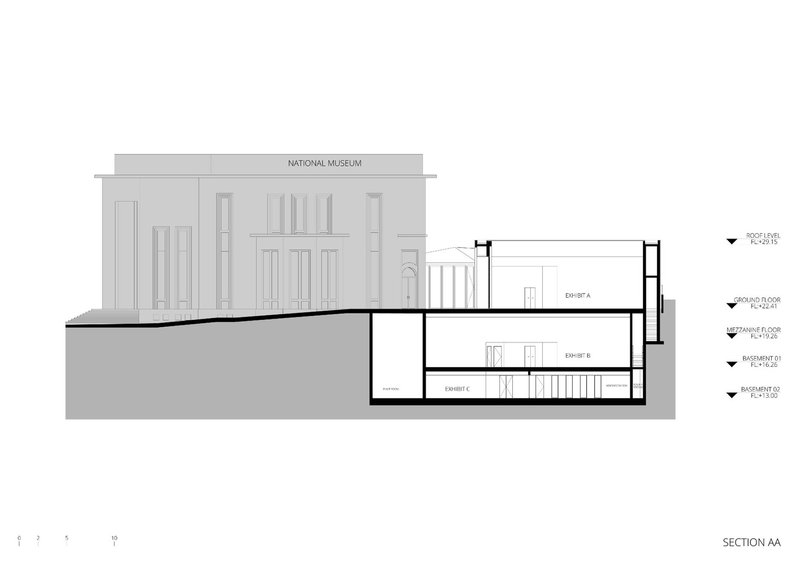
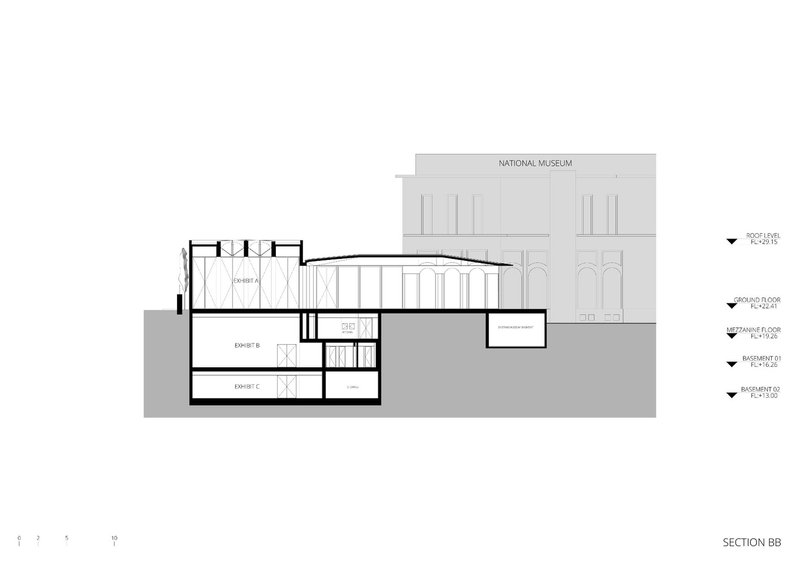
All Photographs are work of Caroline Tabet


Popular Articles
Popular articles from the community

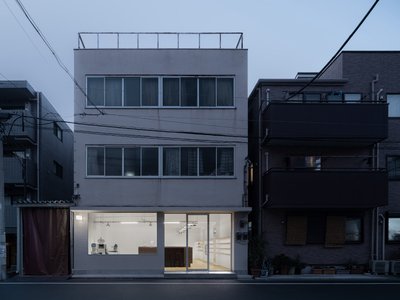
Atelier Macri Concept Store Interior Design by CASE-REAL
Atelier Macri store features a "ko" counter, walnut wood details, cork displays, blending retail, gallery, and seamless customer experiences.
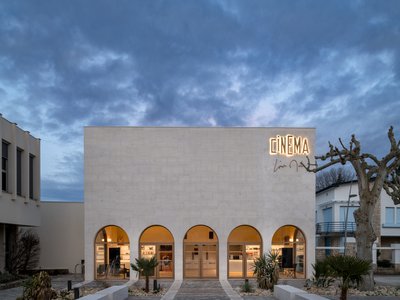
Louis Malle Cinema: A Limestone Cultural Landmark Revitalizing Community Life in Prayssac
Limestone cinema extension with public forecourt, blending heritage and modern design to create flexible cultural spaces and strengthen community interaction.
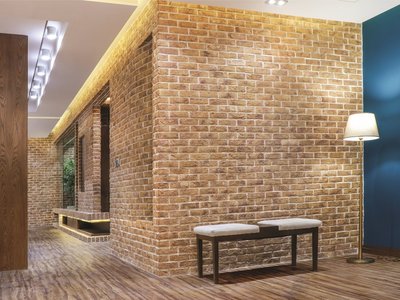
A Contemporary Take on Iranian Residential Architecture
A modern interior design in Mashhad that reinterprets brick, light, and spatial flow to create a warm, contemporary residential architecture.
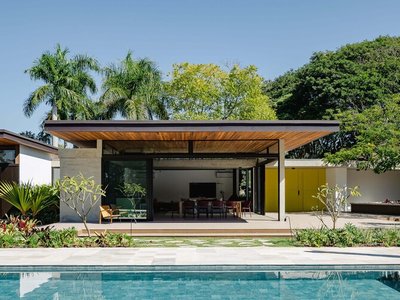
Flamboyant House by Juliana Camargo + Prumo Projetos
Modern Brazilian house integrating existing tree, pool, and volumes with glass, wood, and transitional spaces blending interior, exterior, and landscape seamlessly.

Similar Reads
You might also enjoy these articles


The Ken Roberts Memorial Delineation Competition (Krob)
As the most senior architectural drawing competition currently in operation anywhere in the world, it draws hundreds of entries each year, awarding the very best submissions in a series of medium-based categories.


Waterfront Redevelopment and Urban Revitalization in Mumbai: Forging a New Dawn for Darukhana
A transformative waterfront redevelopment project reimagining Darukhana’s shipbreaking heritage into an inclusive urban future.

OUT-OF-MAP: A Call for Postcards on Feminist Narratives of Public Space
Rhizoma Design and Research Lab invites artists, designers, architects, researchers, and students to reflect on how feminist perspectives can reshape public space. Selected works will be exhibited in Barcelona, October 2026. Submissions open until 15 April 2026.

Documentation Work on Buddhist Wooden Temple
Architectural syncretism and cultural hybridity: A comparative study of the Buddhist temples in Chattogram Hill tracks
Explore Architecture Competitions
Discover active competitions in this discipline




The International Standard for Design Portfolios


The Global Benchmark for Architecture Dissertation Awards


The Global Benchmark for Graduation Excellence


Challenge to reimagine the Iron Throne
Comments (0)
Please login or sign up to add comments
No comments yet. Be the first to comment!