
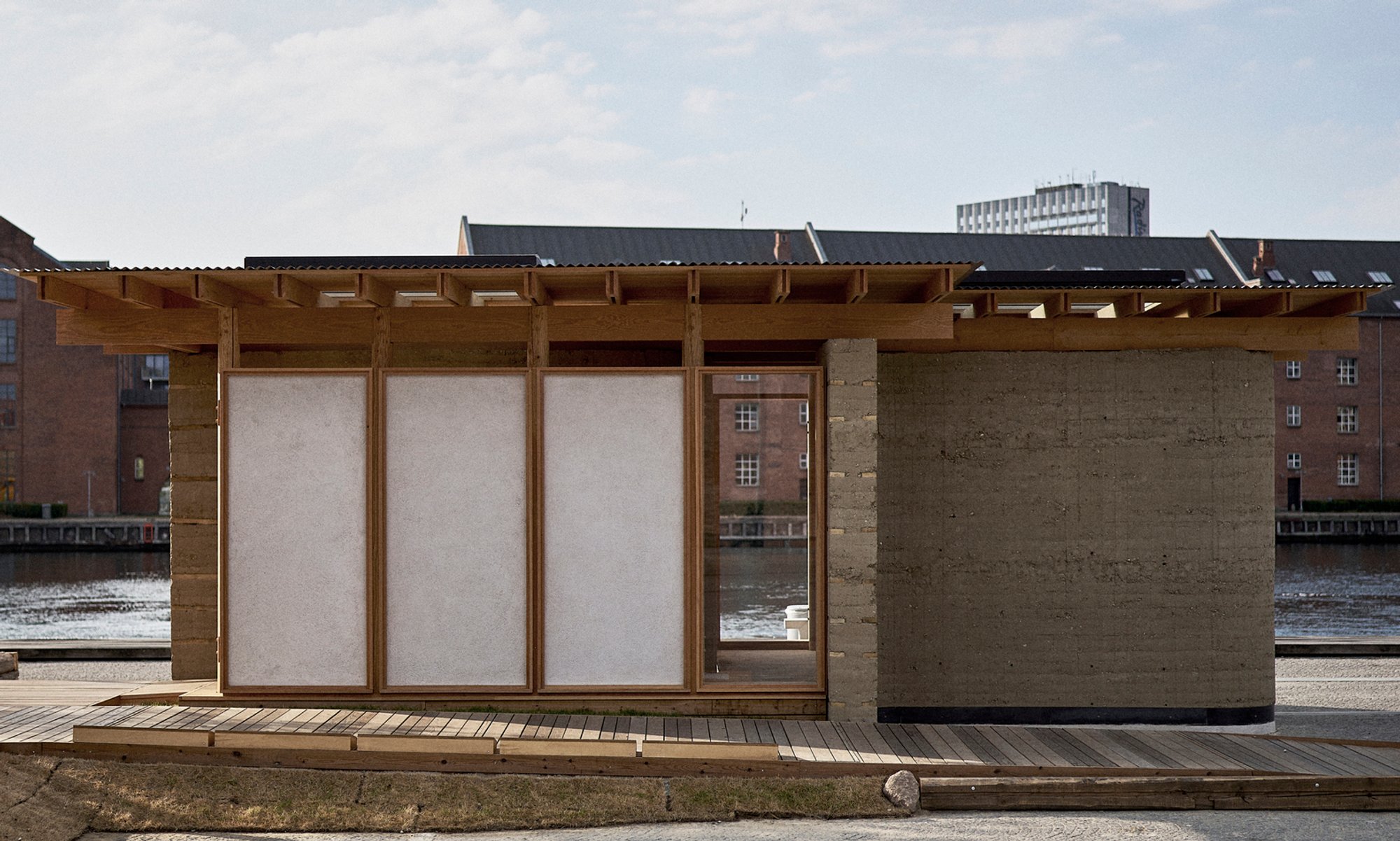
A Natural Pavilion by ReVærk: Pioneering Sustainable Architecture with Natural Materials in Copenhagen
A Natural Pavilion by ReVærk showcases sustainable townhouse design using rammed earth, timber, and wood fiber for eco-friendly living.

A Natural Pavilion, designed by the innovative Danish studio ReVærk, embodies a visionary approach to sustainable housing and environmental responsibility. Located in København (Copenhagen), Denmark, and completed in 2023, this 45-square-meter pavilion is more than just a temporary installation—it’s a tangible representation of ReVærk’s groundbreaking housing concept, NaturligRækkerne.
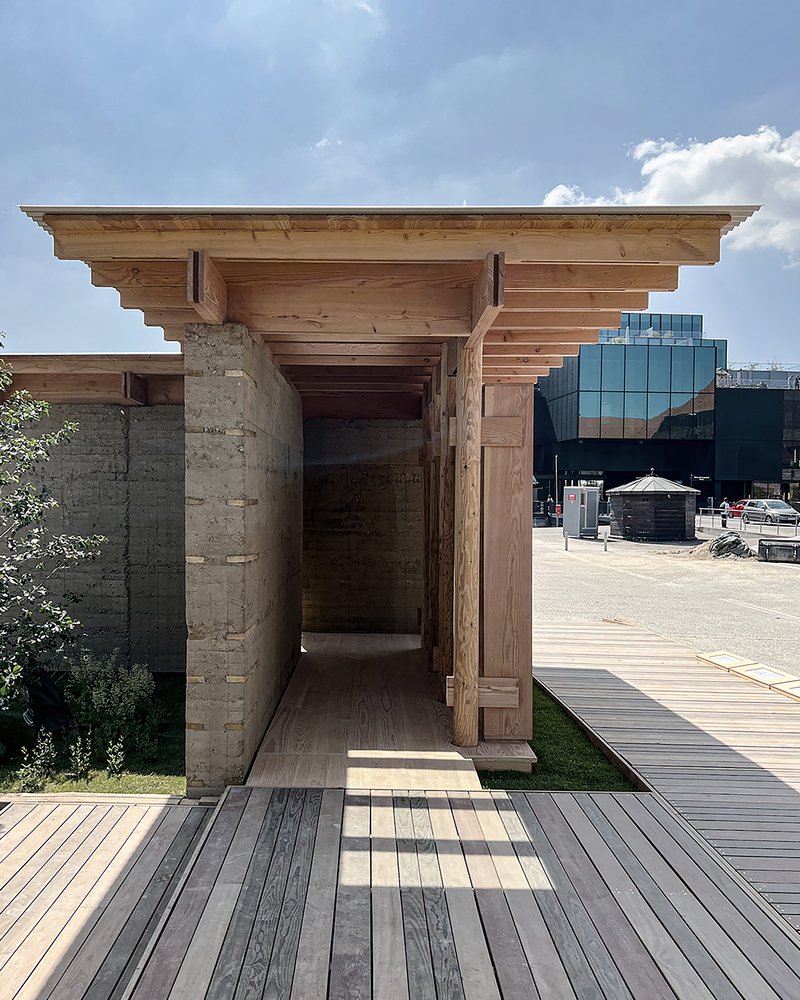
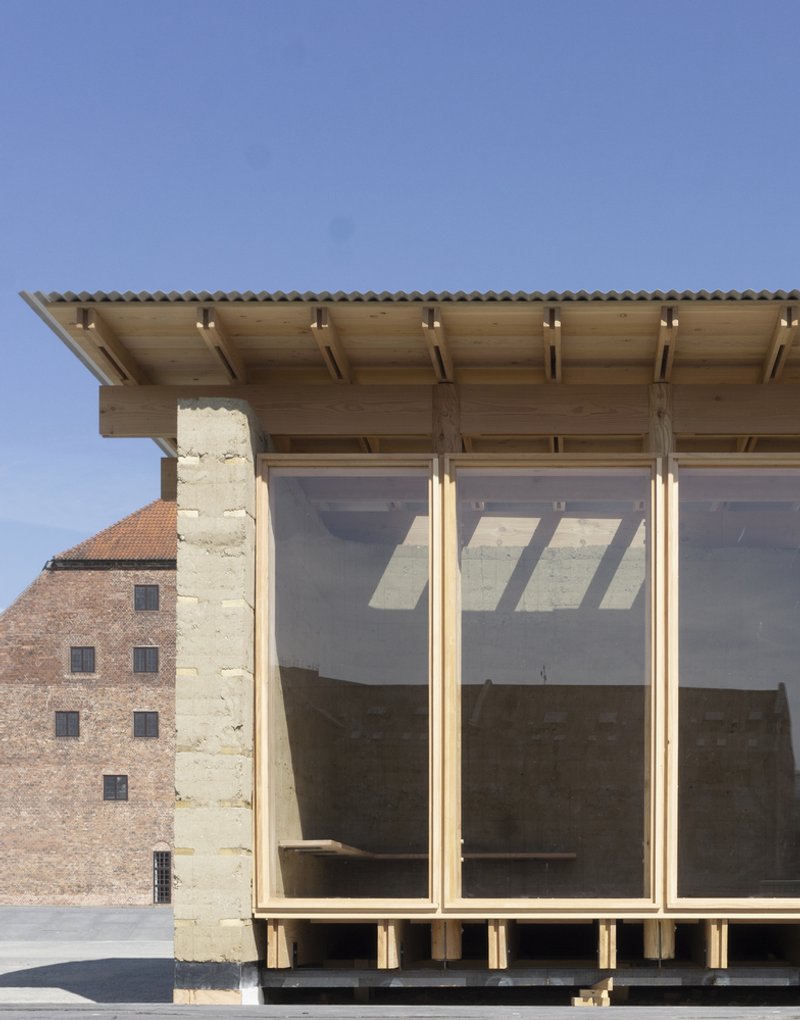
A Showcase for Sustainable Development Goals in Architecture
Developed as part of the ‘4to1 planet’ initiative, funded by the prestigious Realdania and Villum Fonden foundations, this pavilion aligns with global sustainability objectives. It forms a key part of the Sustainable Development Goals (SDG) pavilions, an initiative launched by the Danish Association of Architects and the UIA World Congress of Architects 2023 in collaboration with Copenhagen Municipality and City & Harbour. This collaboration aims to inspire architects, urban planners, and policymakers to rethink the future of housing with sustainability as a core principle.
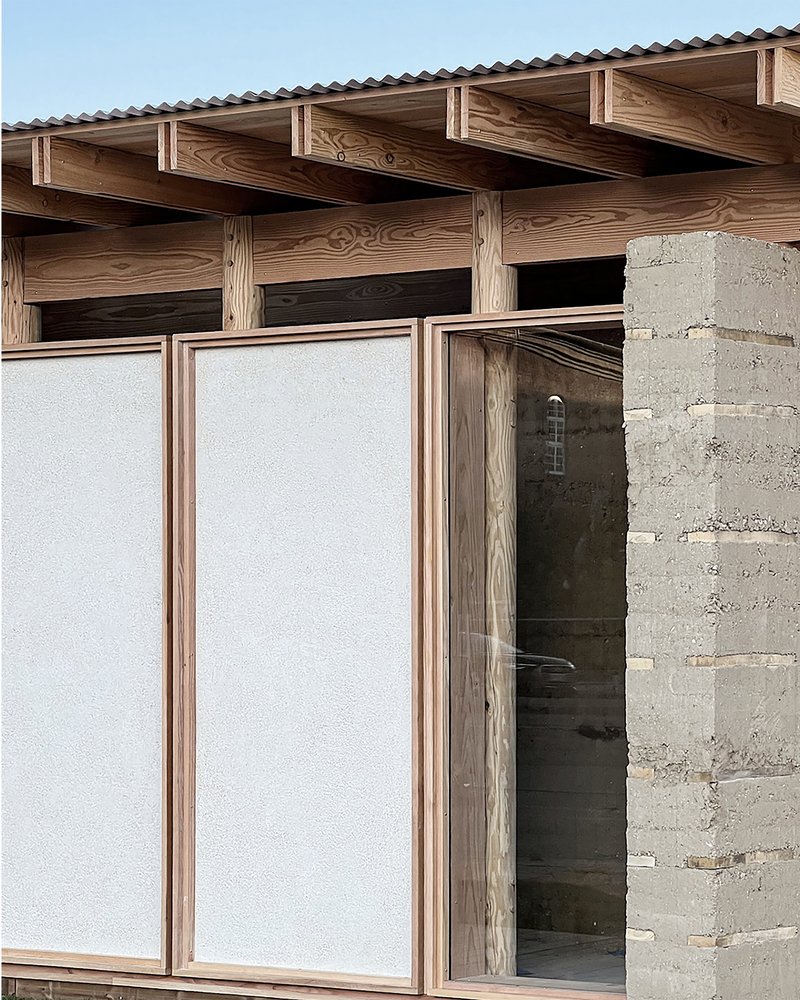
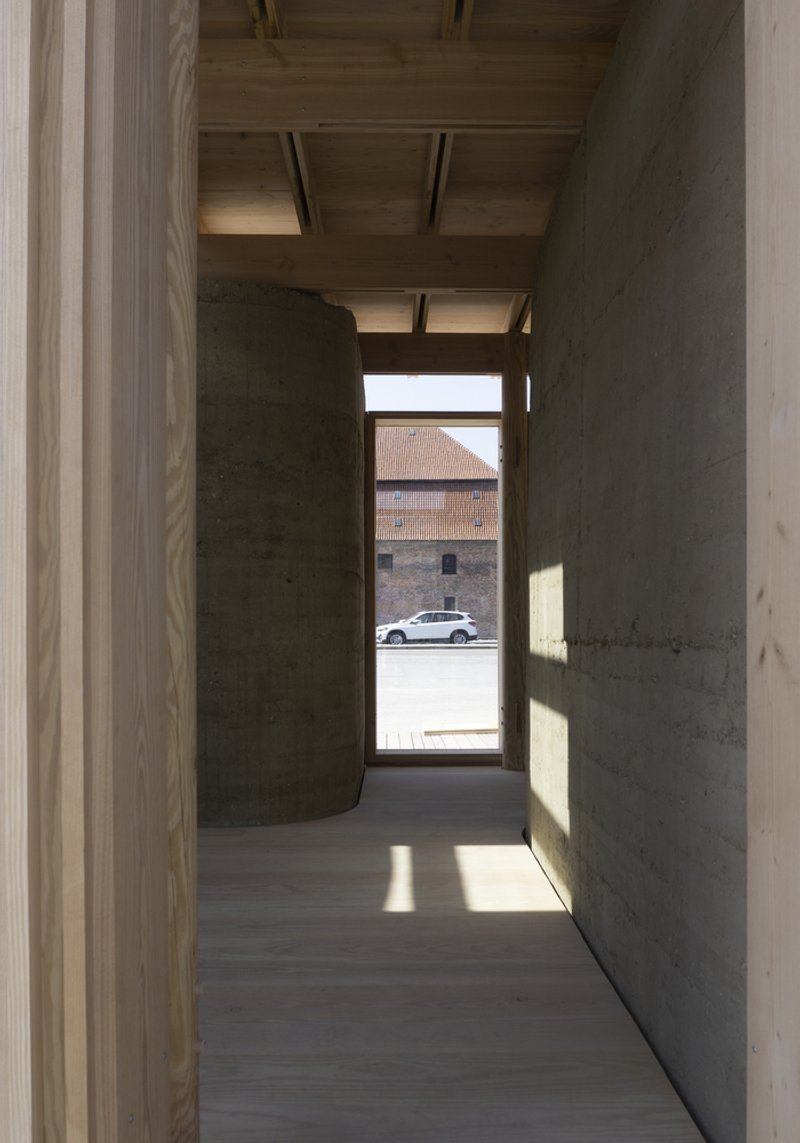
The NaturligRækkerne Townhouse Concept: A Sustainable Housing Vision
At the heart of the pavilion is ReVærk’s NaturligRækkerne townhouse concept—an eco-conscious take on a familiar housing typology in Denmark. This concept targets the widely popular townhouse model but reimagines it through the lens of radical sustainability and natural materials. The idea is to harness the inherent benefits of townhouse scale and layout while drastically reducing the environmental footprint.
Natural Materials Driving Radical Sustainability
The construction strategy focuses on minimizing carbon emissions and enhancing indoor environmental quality by using a limited yet effective palette of natural materials. These include:
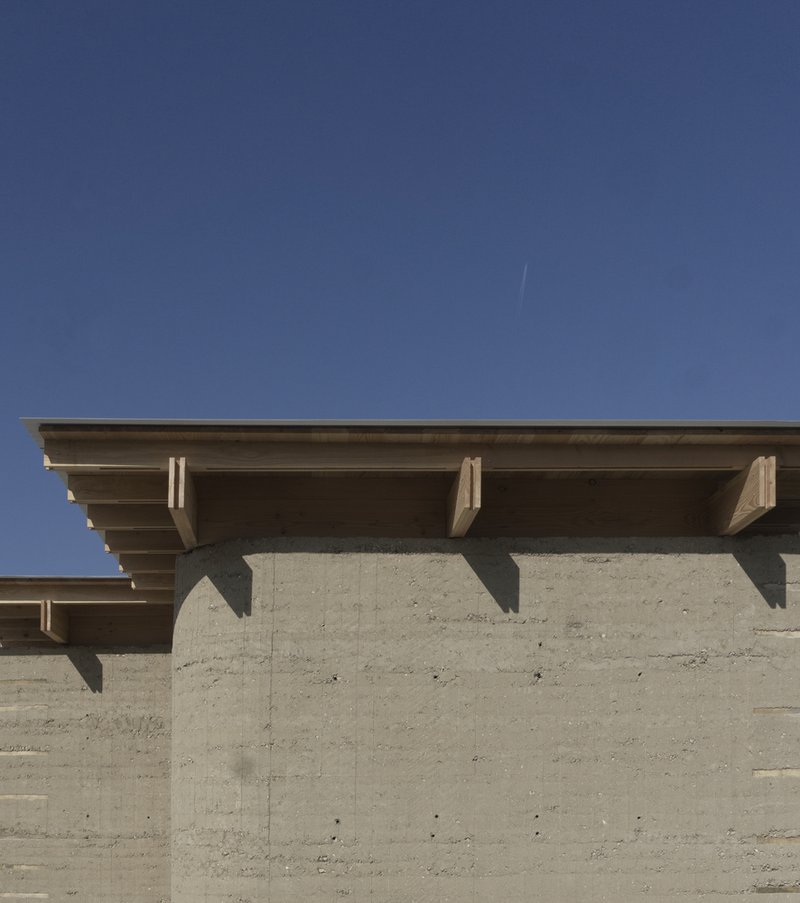
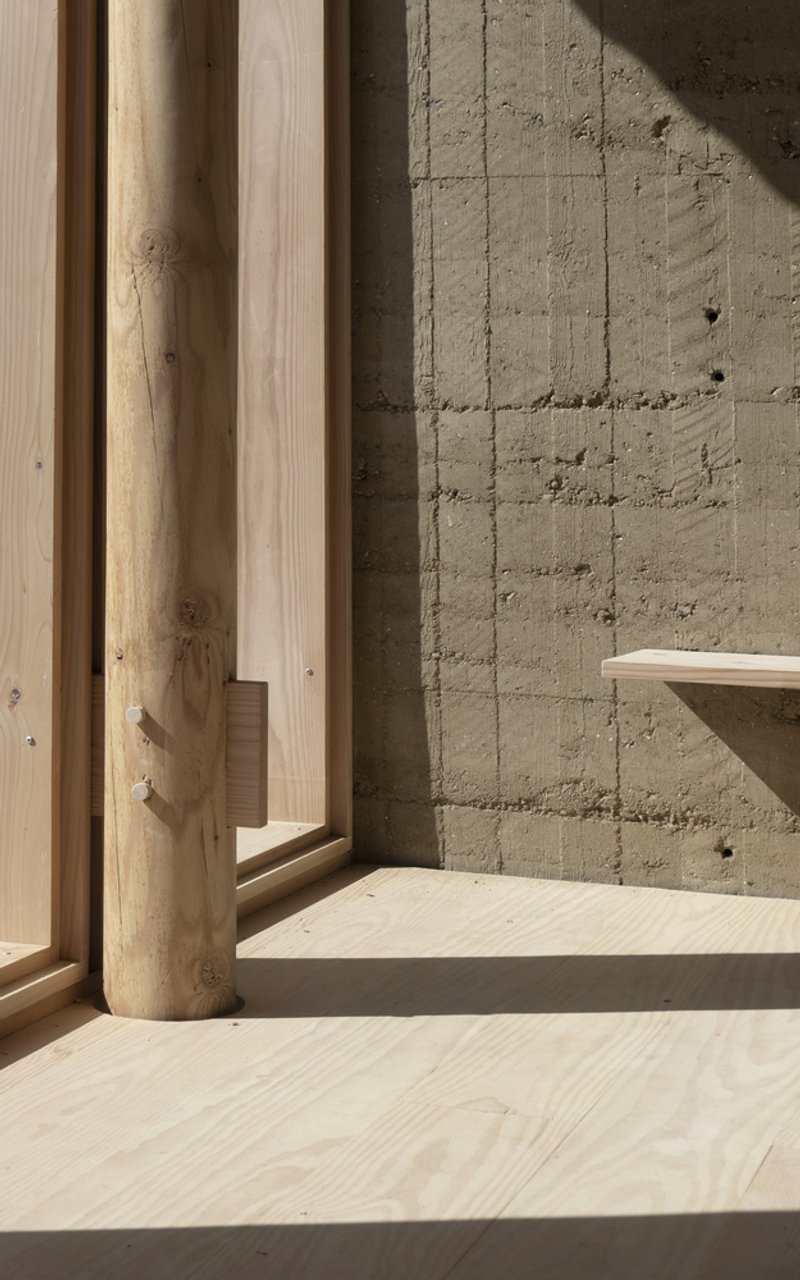
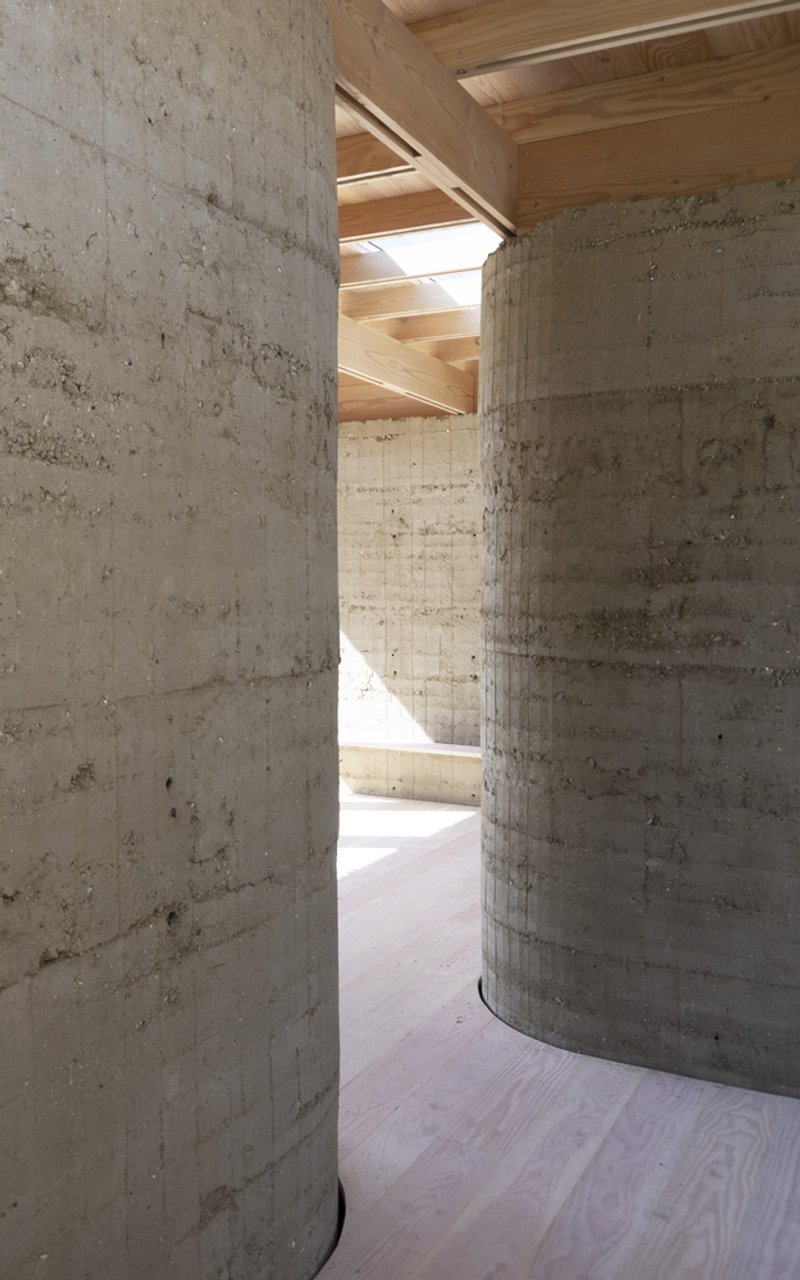
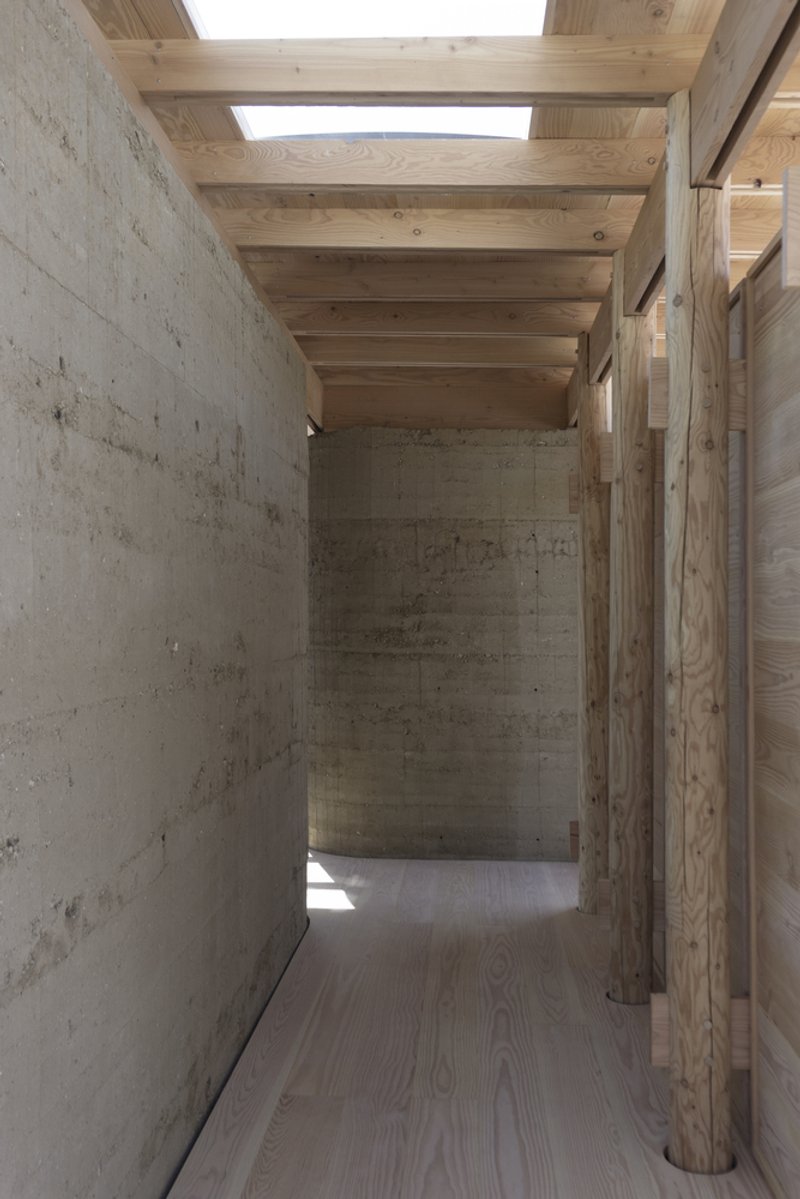
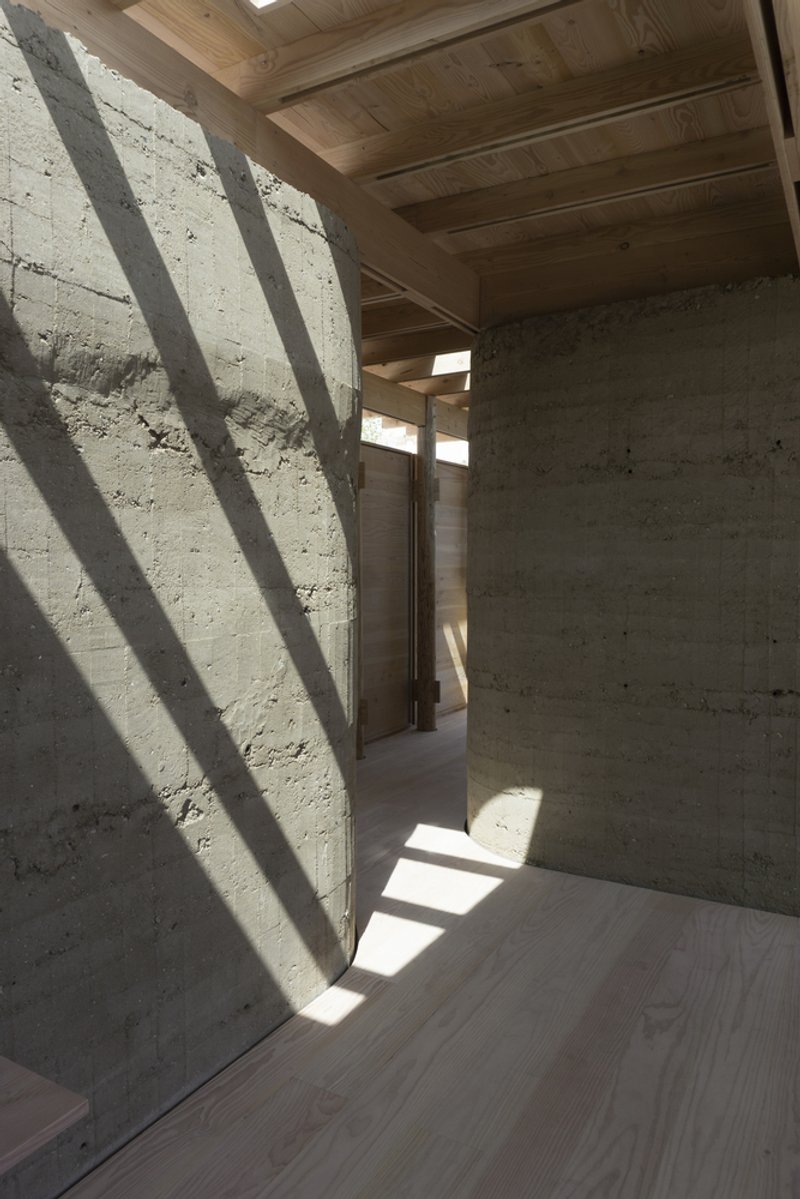
- Rammed earth for separating walls, providing thermal mass and natural regulation of humidity
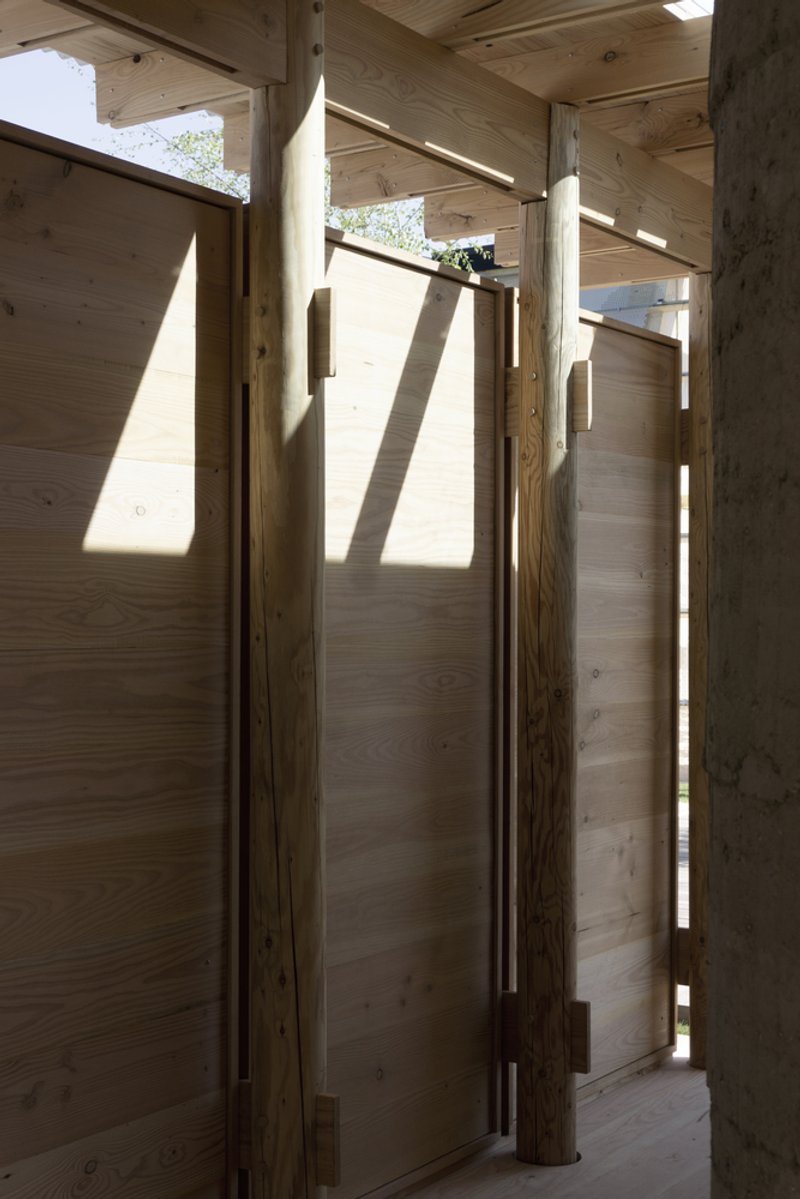
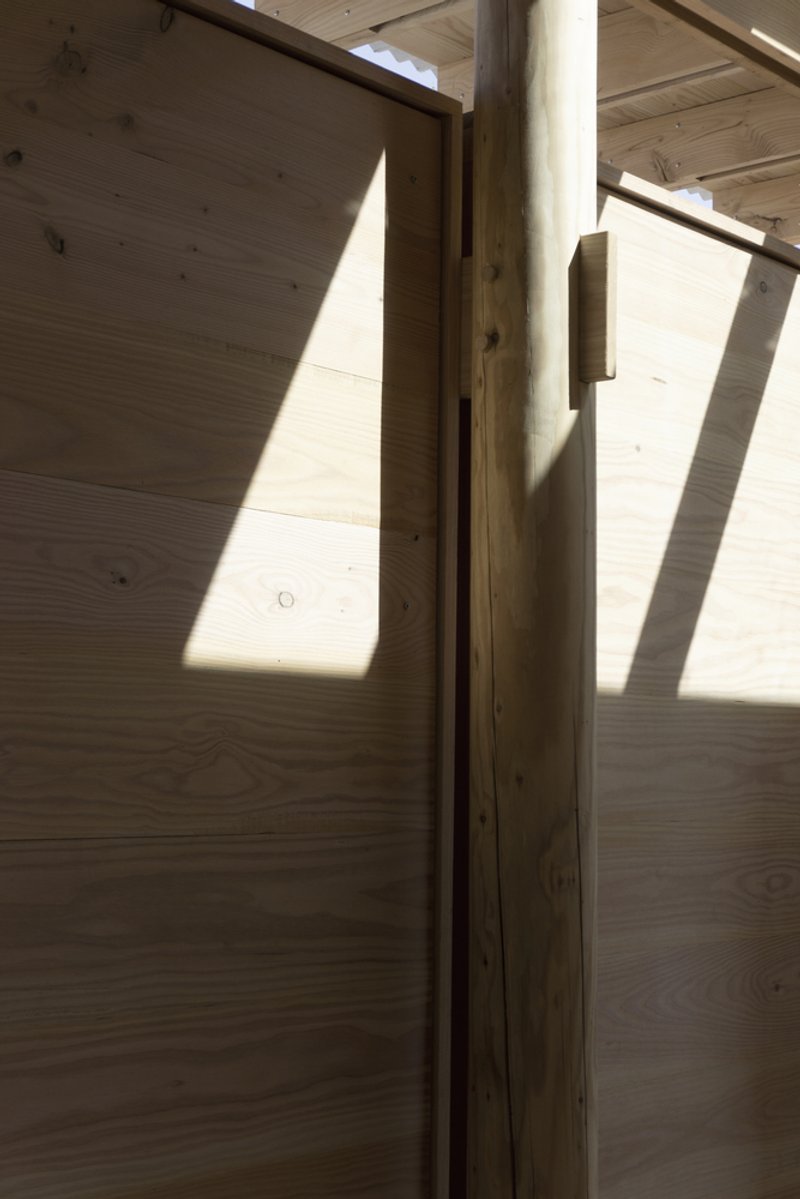
- Loadbearing timber structures inside, emphasizing renewable and lightweight building methods
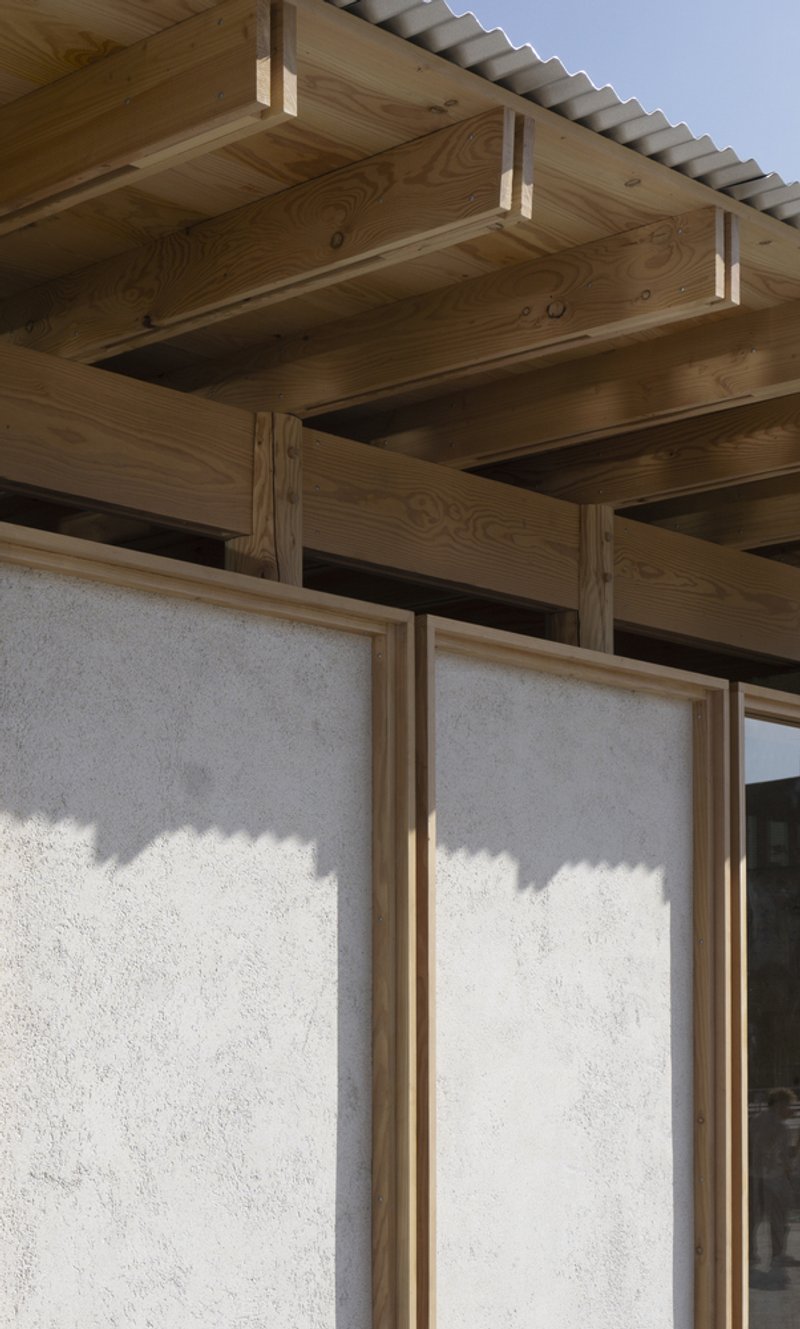
- Biogenic wood fiber insulation cassettes on the exterior, delivering excellent insulation performance with minimal environmental impact
This pared-down material palette not only reduces embodied carbon but also creates an architecture that feels tactile, authentic, and rooted in historical building traditions.
Bridging Past Craftsmanship with Future Architecture
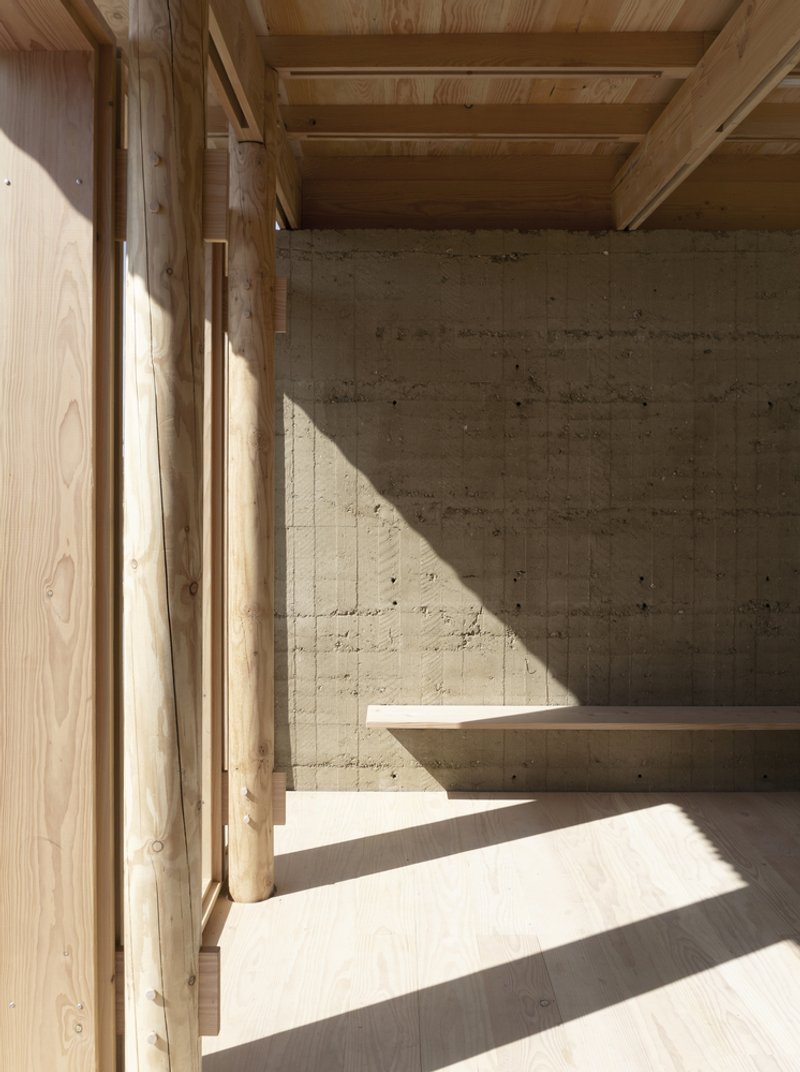
The architects behind A Natural Pavilion sought to challenge preconceptions about natural materials. While rammed earth, wood fiber insulation, and round timber might seem old-fashioned or incompatible with modern design, ReVærk demonstrates their potential for refinement and sensory richness in contemporary architecture.
By revitalizing historic building practices—using local soils for tamping, natural wood from Dinesen, and advanced wood fiber boards—the pavilion presents a model for future homes that are both environmentally responsible and aesthetically compelling.
Addressing a Critical Gap in Danish Sustainable Architecture
One key motivation behind this project is the shortage of qualified architectural exemplars showcasing sustainable materials and methods in Denmark. Through this pavilion, ReVærk offers a compelling, tactile example of how these materials can be used successfully at scale. The project proves that sustainability doesn’t have to compromise architectural quality; rather, it can enhance it.
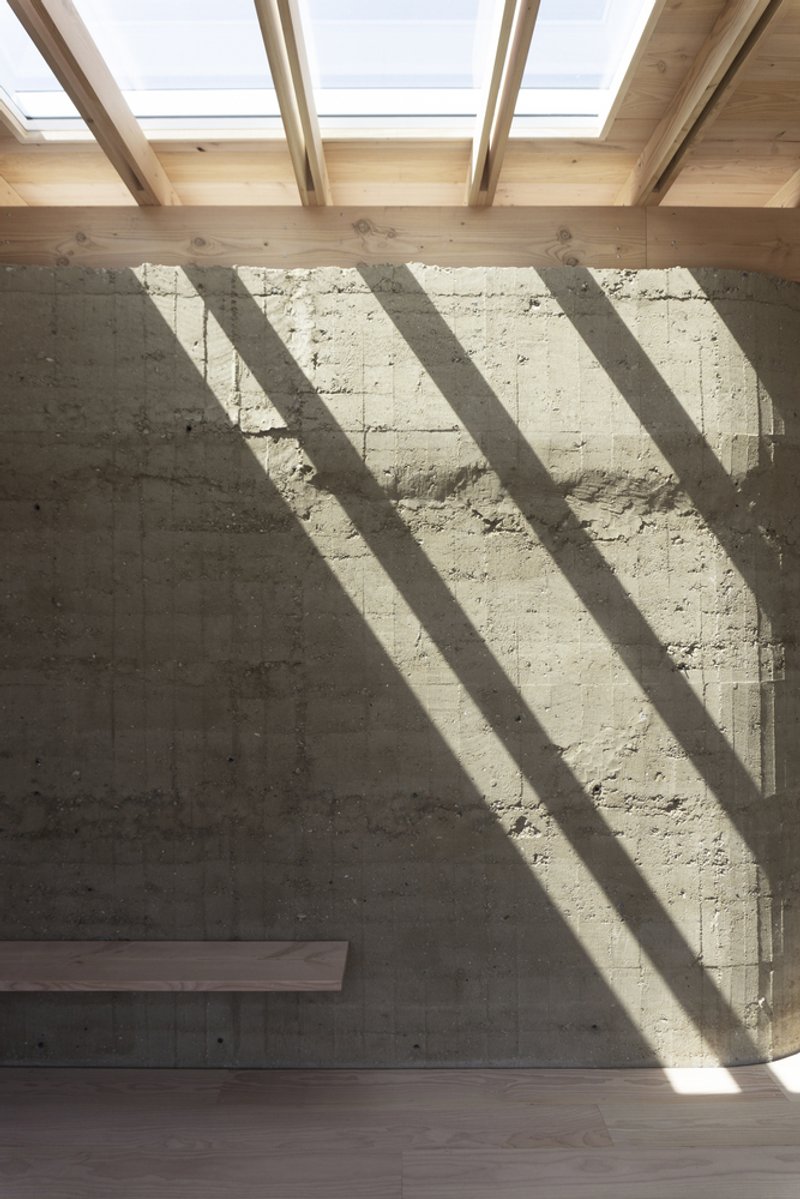
Craftsmanship and Materiality in Execution
In practical terms, the pavilion employs:
- Wood fiber boards for external insulation cassettes, delivering biogenic insulation solutions
- Local soil sourced on site for rammed earth wall construction, emphasizing circular material flows
- Unsorted natural wood from Dinesen for floors, walls, beams, and rafters, showcasing the beauty and versatility of natural timber
This commitment to local sourcing and craft supports not only environmental goals but also the regional economy and traditional building skills.
All Photographs are works of ReVærk




Popular Articles
Popular articles from the community

An Miên Lumière Cafe by xưởng xép, Ho Chi Minh City, Vietnam
An industrial-inspired café where layered steel and warm light create a dynamic, immersive environment shaped by reflection, depth, and perception.


The Ken Roberts Memorial Delineation Competition (Krob)
As the most senior architectural drawing competition currently in operation anywhere in the world, it draws hundreds of entries each year, awarding the very best submissions in a series of medium-based categories.

Solar Steam: A Climate-Responsive Architecture That Redefines the Monument
A climate-responsive memorial architecture that transforms heat, decay, and time into a living system reflecting humanity’s ecological impact.
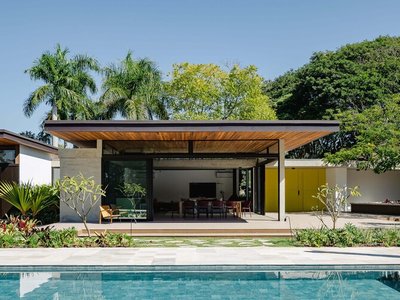
Flamboyant House by Juliana Camargo + Prumo Projetos
Modern Brazilian house integrating existing tree, pool, and volumes with glass, wood, and transitional spaces blending interior, exterior, and landscape seamlessly.


Similar Reads
You might also enjoy these articles
The Ken Roberts Memorial Delineation Competition (Krob)
As the most senior architectural drawing competition currently in operation anywhere in the world, it draws hundreds of entries each year, awarding the very best submissions in a series of medium-based categories.


Waterfront Redevelopment and Urban Revitalization in Mumbai: Forging a New Dawn for Darukhana
A transformative waterfront redevelopment project reimagining Darukhana’s shipbreaking heritage into an inclusive urban future.

OUT-OF-MAP: A Call for Postcards on Feminist Narratives of Public Space
Rhizoma Design and Research Lab invites artists, designers, architects, researchers, and students to reflect on how feminist perspectives can reshape public space. Selected works will be exhibited in Barcelona, October 2026. Submissions open until 15 April 2026.


Documentation Work on Buddhist Wooden Temple
Architectural syncretism and cultural hybridity: A comparative study of the Buddhist temples in Chattogram Hill tracks


Explore Architecture Competitions
Discover active competitions in this discipline




The International Standard for Design Portfolios


The Global Benchmark for Architecture Dissertation Awards


The Global Benchmark for Graduation Excellence


Challenge to reimagine the Iron Throne
Comments (0)
Please login or sign up to add comments
No comments yet. Be the first to comment!