
Adaptive Domestic Architecture: A Case Study of Maison Molaire by BUREAU
This article explores Maison Molaire by BUREAU, highlighting its innovative adaptive domestic architecture that embraces flexibility and fluid living spaces.

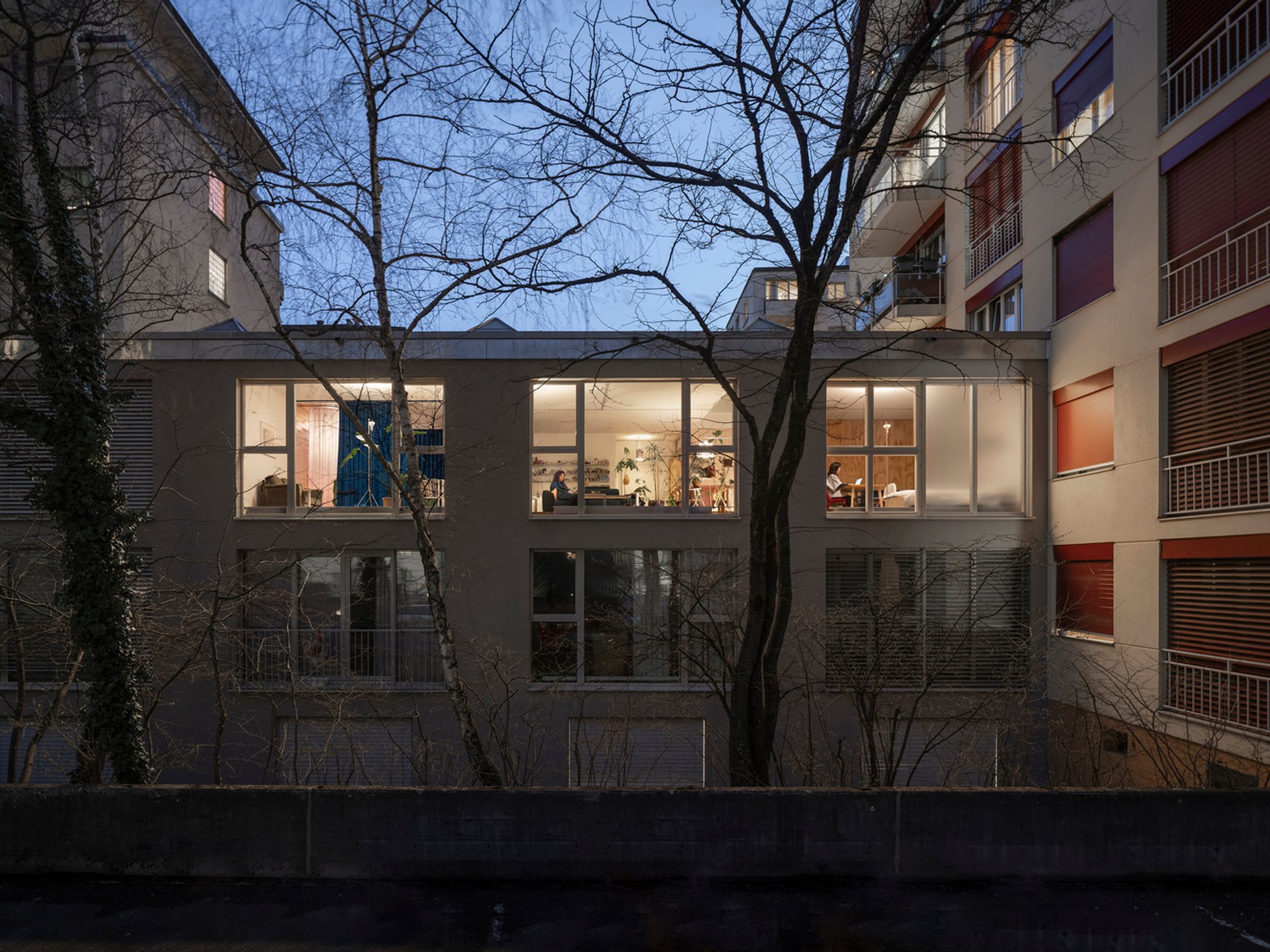
In the realm of contemporary architecture, adaptive domestic architecture has emerged as a pivotal concept. It challenges traditional notions of static living spaces, offering dynamic solutions that accommodate the evolving needs of inhabitants. Maison Molaire, designed by BUREAU (Daniel Zamarbide, Carine Pimenta, Galliane Zamarbide), stands as a testament to this innovative approach. Located in Geneva, Switzerland, this 120 m² apartment redefines domestic space, emphasizing flexibility and the fluidity of human life.
Project Overview
Architects and Collaborators
- Architects: BUREAU (Daniel Zamarbide, Carine Pimenta, Galliane Zamarbide)
- Year: 2023
- Area: 120 m²
- Photographs: Dylan Perrenoud
- Manufacturers: DCW Editions, USM, BUREAU, Bruno Rey, FLOS
- Lead Architects: Daniel Zamarbide
- Painting: BEGI Maçonnerie
- Electrician: Teamswisselec
- Plumber: Solar Report
- Masonry: BEGI Maçonnerie
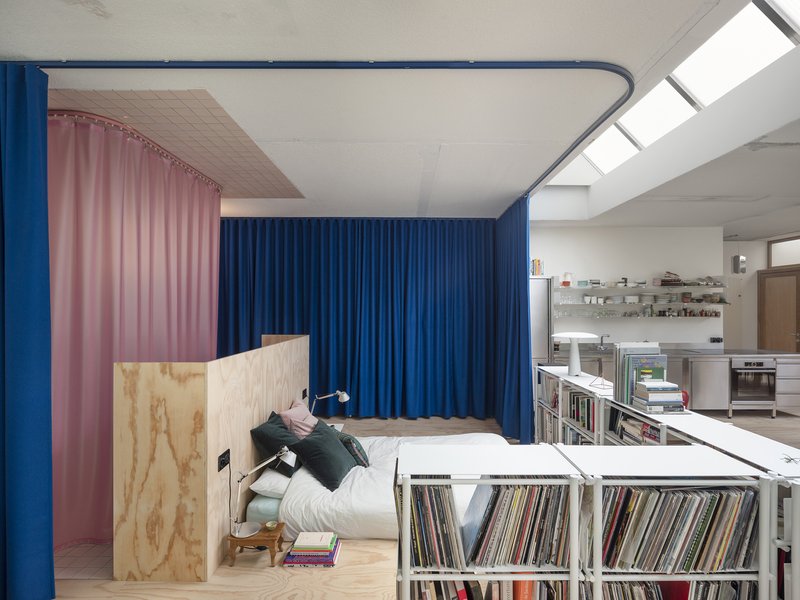
Design Philosophy
The design of Maison Molaire is rooted in the exploration of domestic spaces, focusing on creative variations that support everyday life. The architects recognize that the traditional concept of a family does not always apply; instead, they embrace the diverse rhythms and lives of cohabitants. This perspective necessitates a redefinition and reconfiguration of spaces as the needs of the inhabitants change over time.
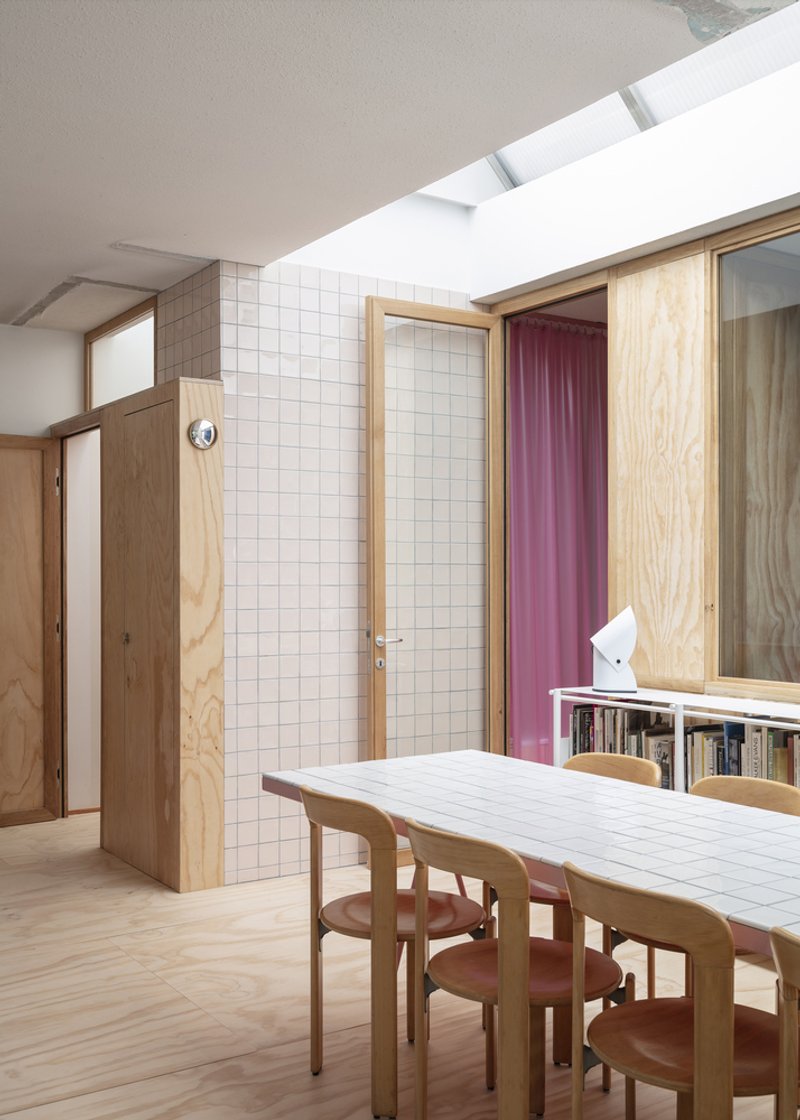
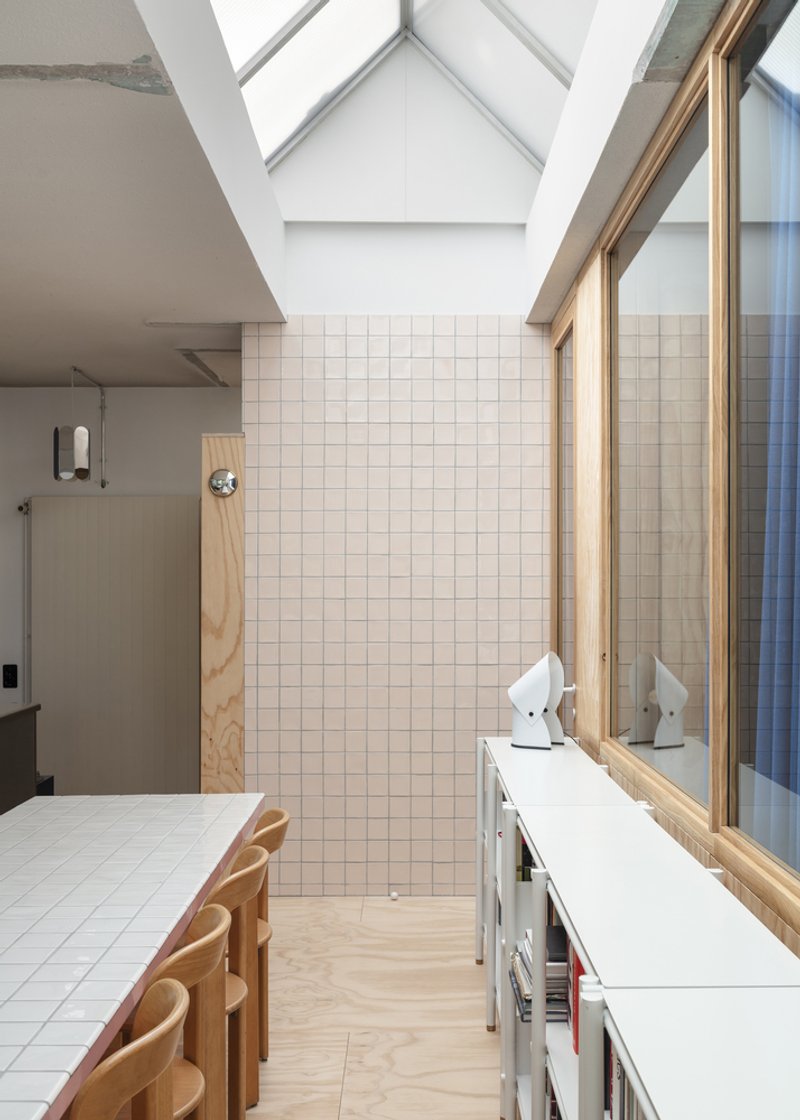
Embracing the Flux of Human Life
Dynamic Inhabitation
Maison Molaire challenges the architectural standards that view homes as static places designed for normalized family types. Instead, it acknowledges the unpredictable and often bumpy nature of life. The concept of adaptive domestic architecture is central here, accommodating the flux of human life—what architect Mary Otis Stevens describes as the natural way of grouping and ungrouping.
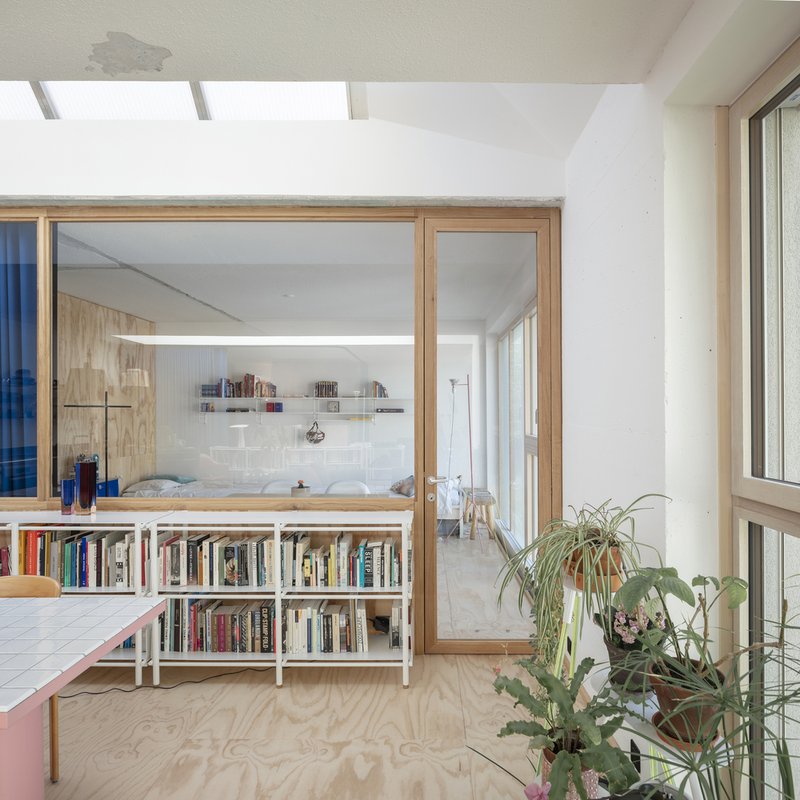
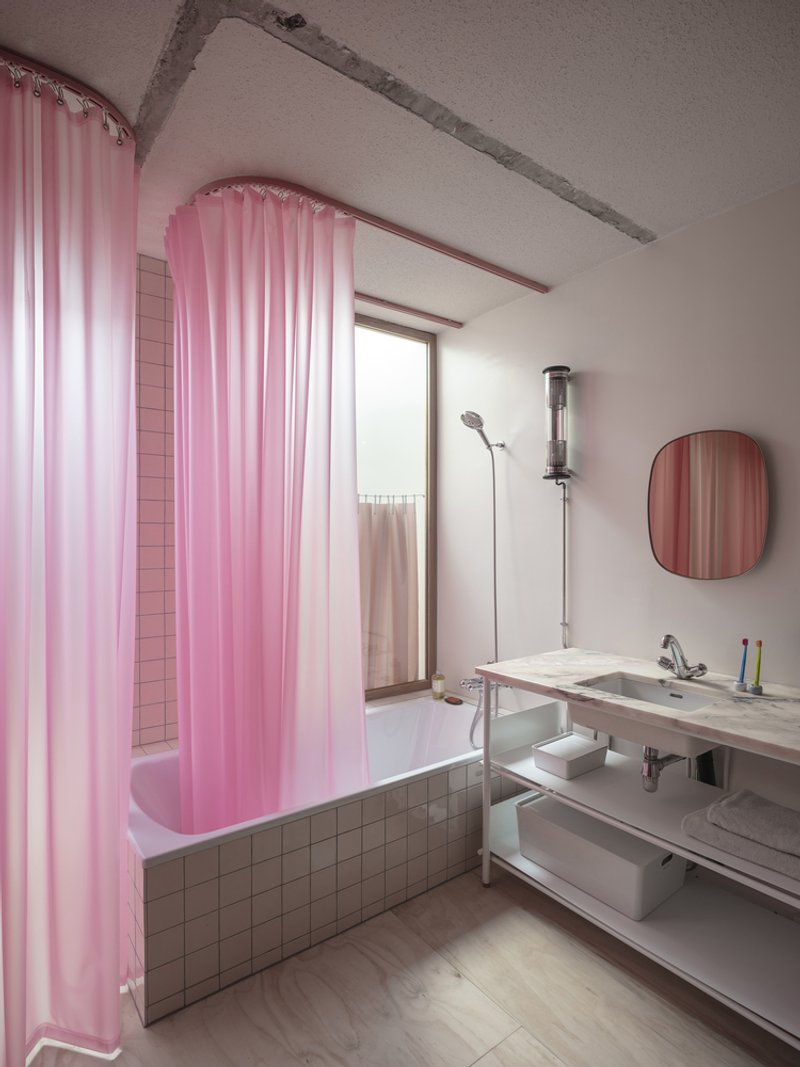
Openness and Flexibility
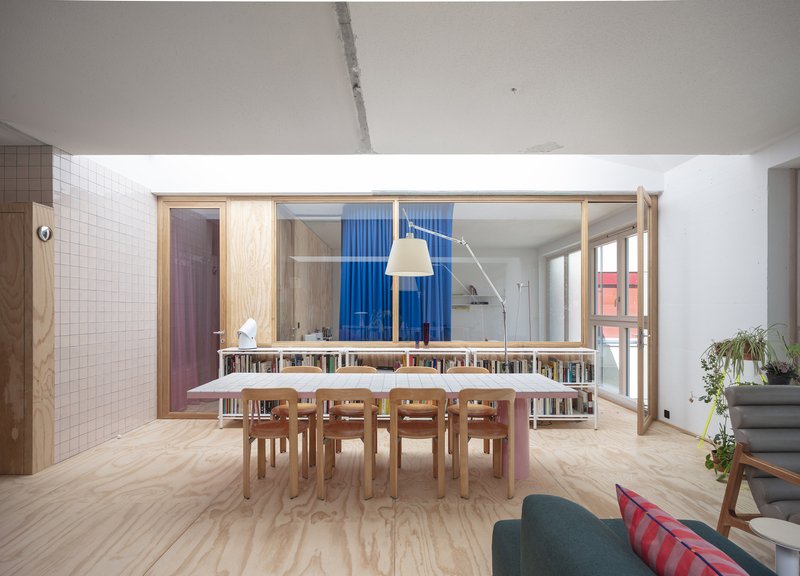
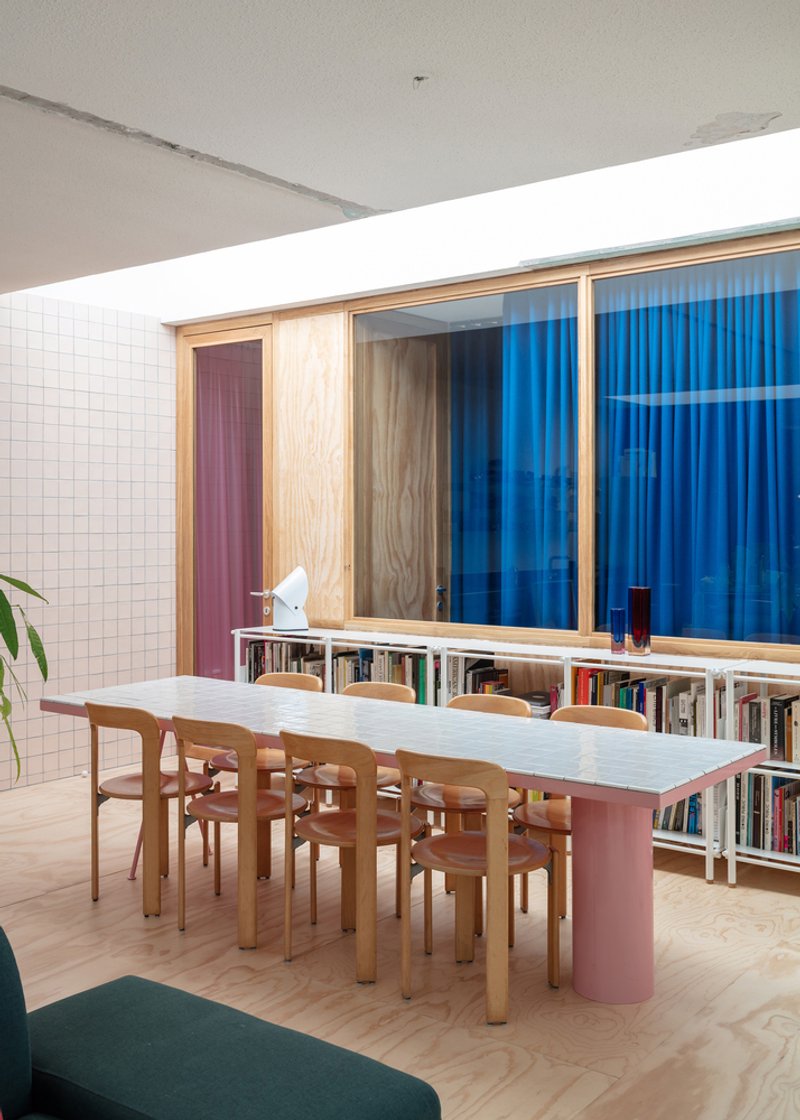
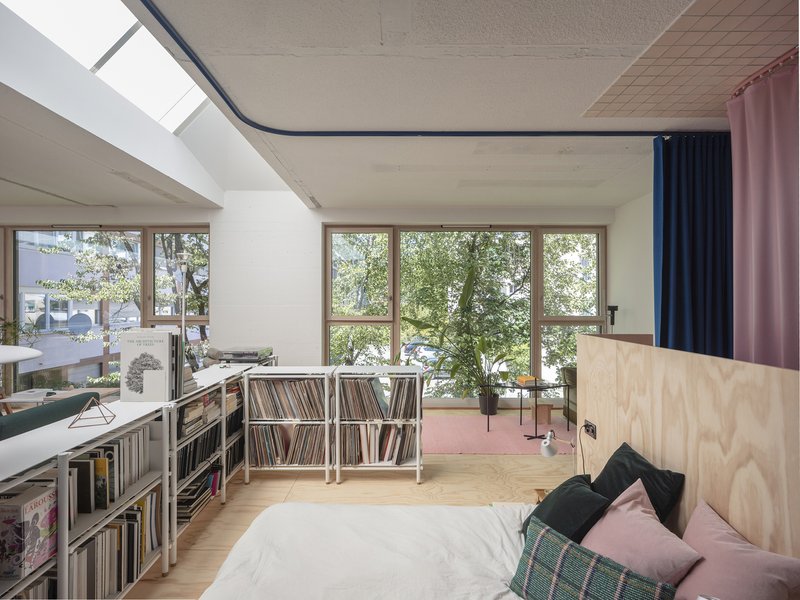
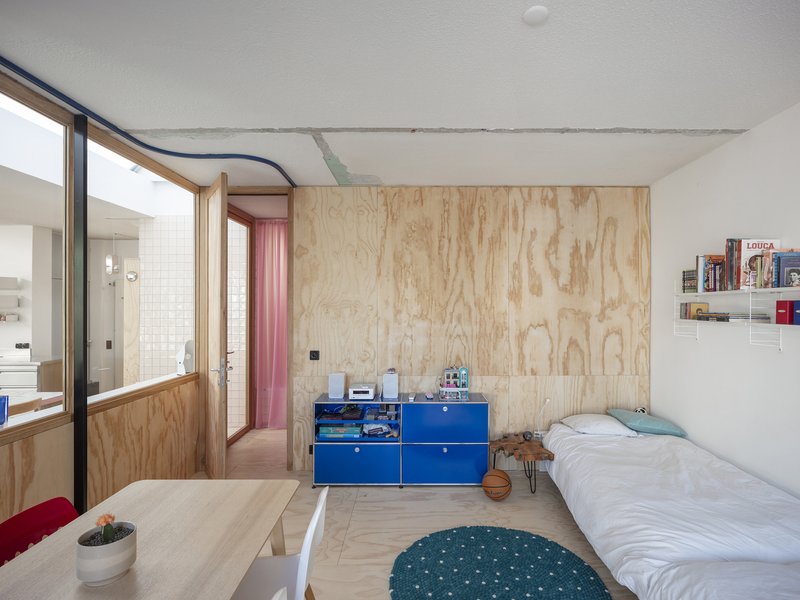
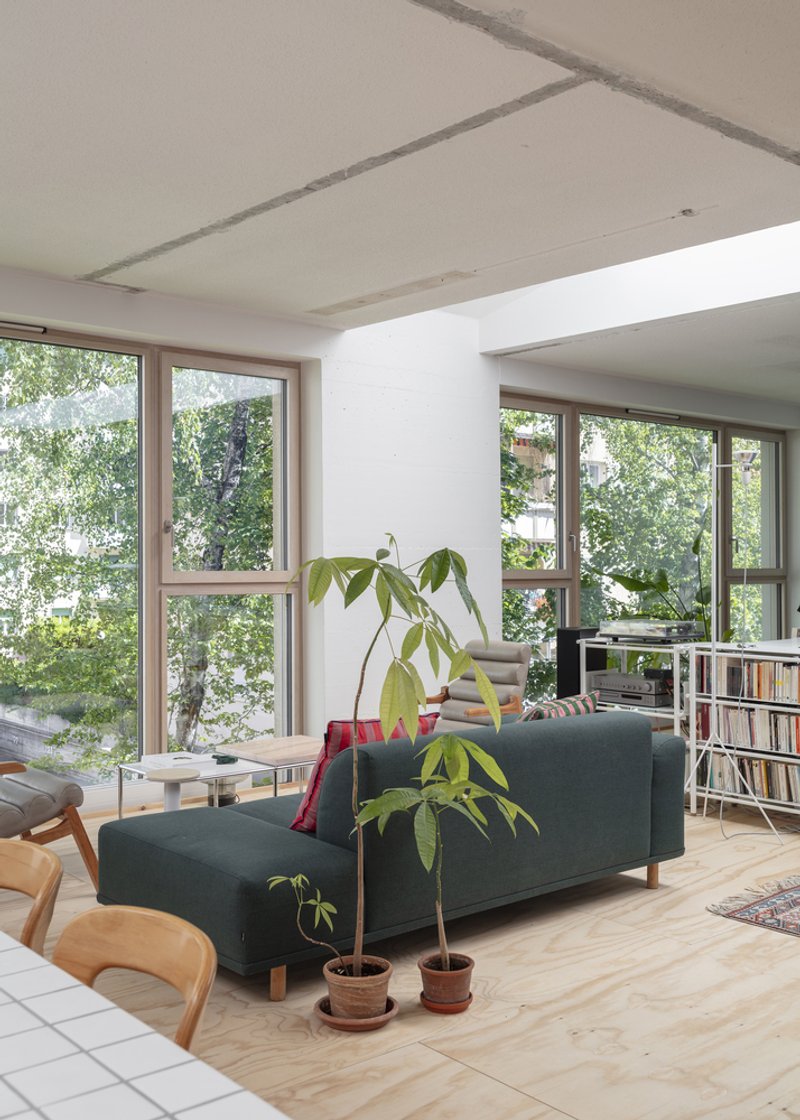
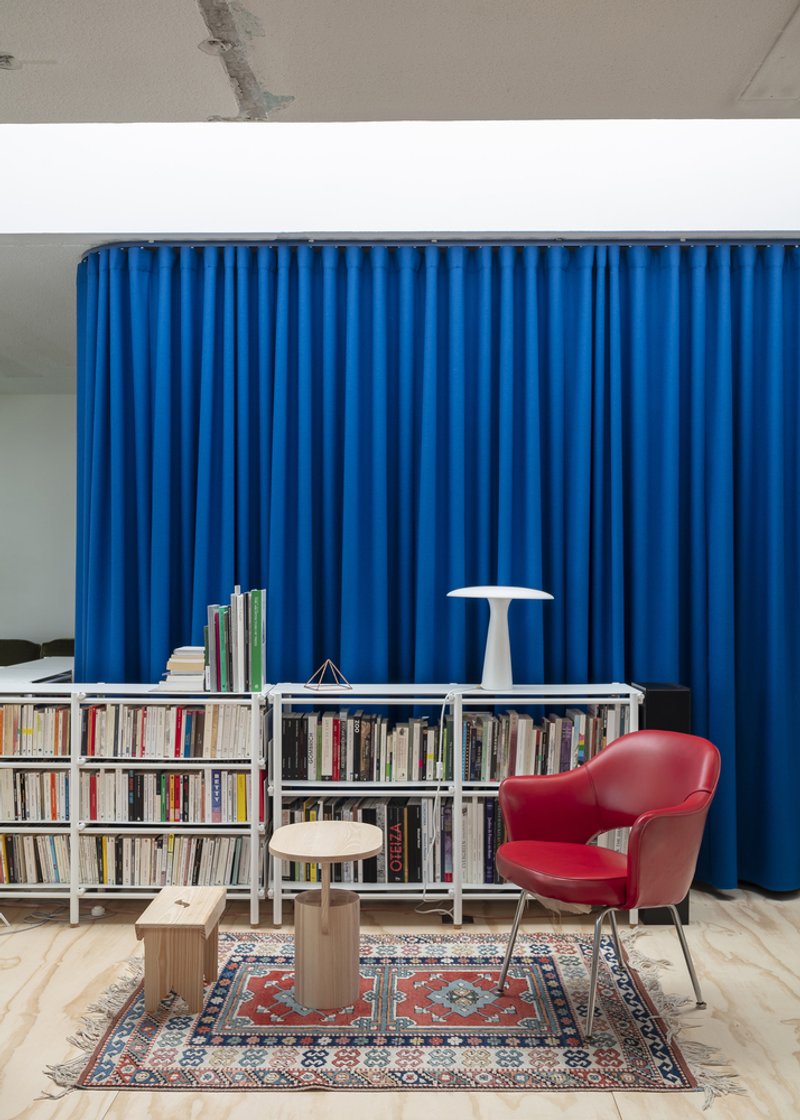
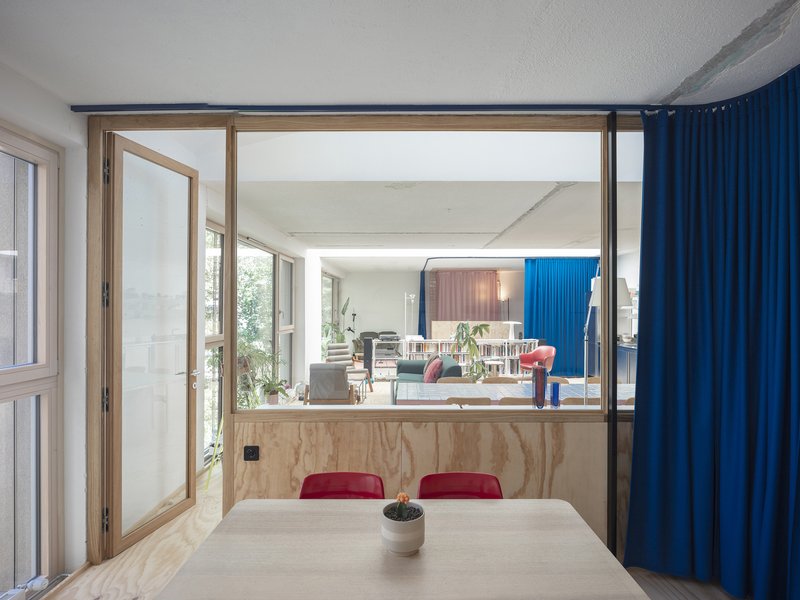
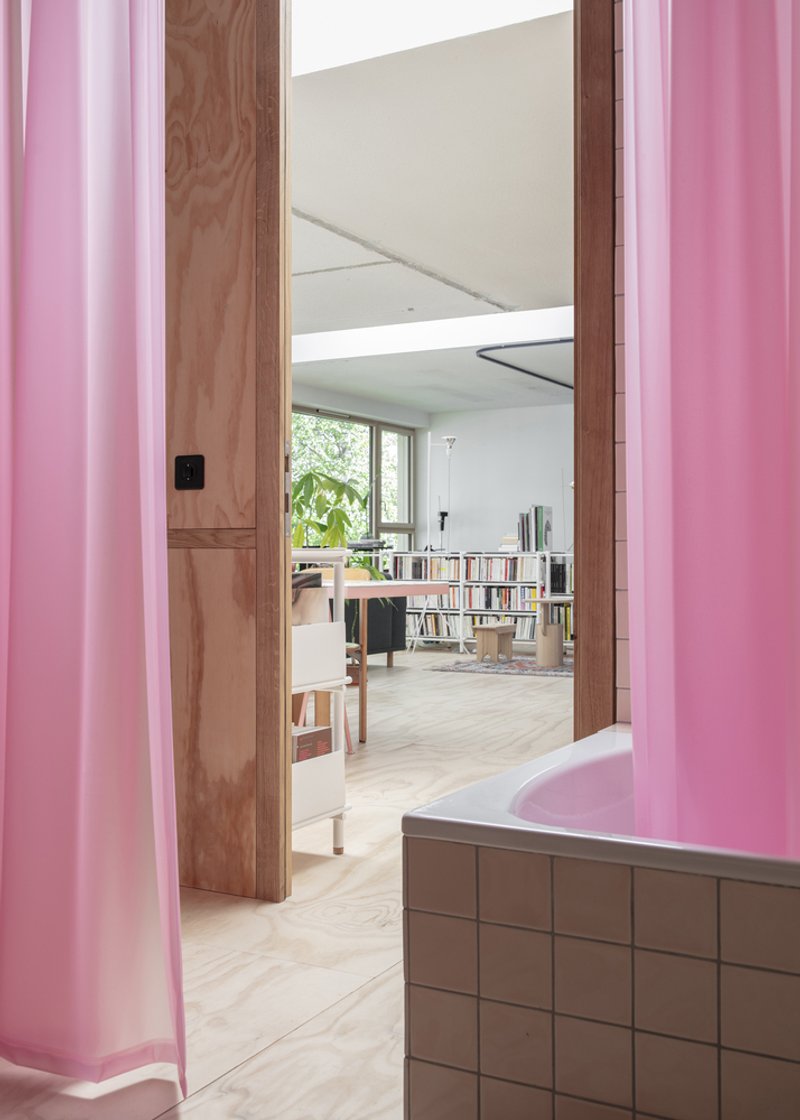
In this apartment, previously a dentist's office, the design welcomes the natural flux of life. The building, initially intended for mixed-use, offers a structurally free space illuminated by two transversal skylights. This openness is further enhanced by minimal walling, with spaces defined through curtains and glazed surfaces rather than solid partitions. This approach creates a perceptive shifting machine, where textiles, furniture, and light interact dynamically.
Materials and Aesthetic
Industrial Wood Panels and Furniture
The interior of Maison Molaire features industrial wood panels extensively used for floors and necessary partitions. Furniture and built-in elements are treated as if they were alive, contributing to a dynamic environment where disorder is a constant possibility. This design strategy moves away from the concept of a gesamkunstwerk, leaning more towards a dynamic theater stage where everything is part of an ongoing conversation.
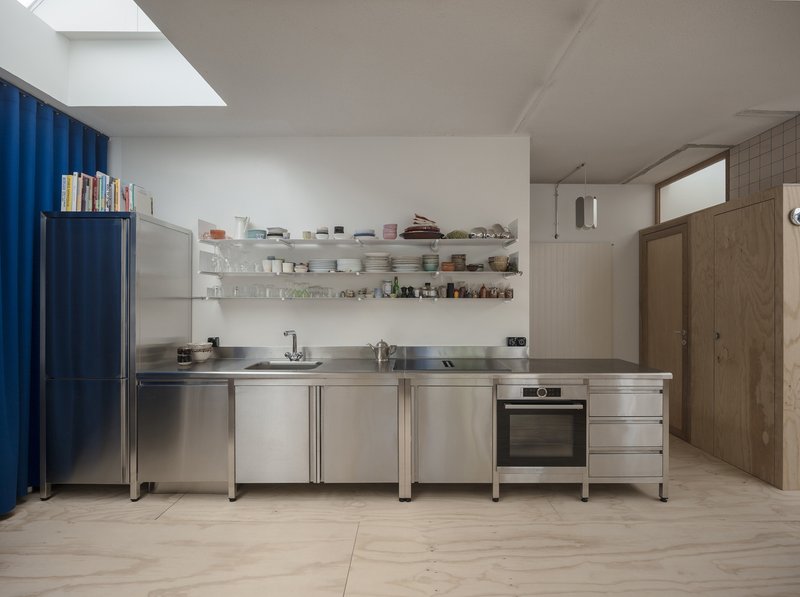
Textile and Light
The use of curtains and textiles plays a crucial role in organizing spaces, allowing for various configurations that can adapt to different needs and situations. Light, both natural and artificial, is used to create diverse visual and experiential atmospheres, further enhancing the flexibility of the space.
Maison Molaire by BUREAU exemplifies the principles of adaptive domestic architecture. By embracing the fluidity of human life and rejecting static architectural norms, this project provides a model for future domestic spaces. It demonstrates that architecture can and should evolve to meet the ever-changing needs of its inhabitants, creating homes that are as dynamic and flexible as the lives they shelter.
All the photographs are work of Dylan Perrenoud




Popular Articles
Popular articles from the community

Flamboyant House by Juliana Camargo + Prumo Projetos
Modern Brazilian house integrating existing tree, pool, and volumes with glass, wood, and transitional spaces blending interior, exterior, and landscape seamlessly.
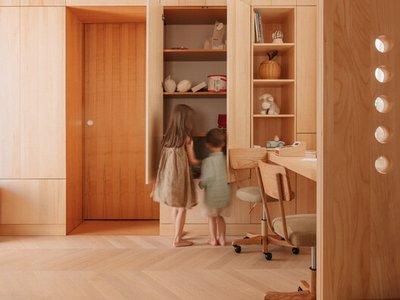
Treehouse Apartment: A Warm Timber Interior Blending Craft, Play, and Contemporary Living
Warm timber apartment with integrated treehouse, combining natural materials, craftsmanship, and playful design to create a flexible, family-oriented living environment.
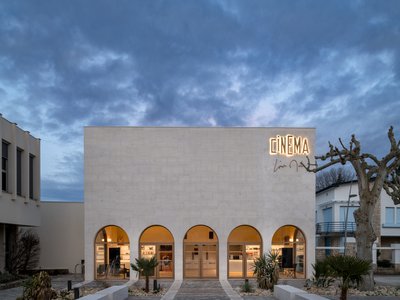
Louis Malle Cinema: A Limestone Cultural Landmark Revitalizing Community Life in Prayssac
Limestone cinema extension with public forecourt, blending heritage and modern design to create flexible cultural spaces and strengthen community interaction.
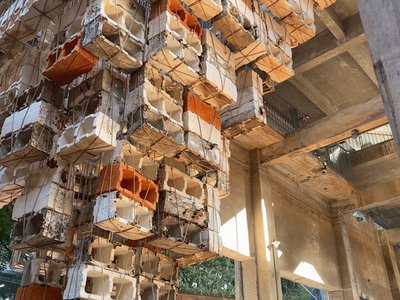
Inverted Architecture Installation by Studio Link-Arc: Exploring the Intersection of Architecture and Living Organisms
Inverted Architecture Installation by Studio Link-Arc blends mycelium, sustainability, inverted design, ecological cycles, and urban adaptive architecture in Shenzhen.

Similar Reads
You might also enjoy these articles


The Ken Roberts Memorial Delineation Competition (Krob)
As the most senior architectural drawing competition currently in operation anywhere in the world, it draws hundreds of entries each year, awarding the very best submissions in a series of medium-based categories.


Waterfront Redevelopment and Urban Revitalization in Mumbai: Forging a New Dawn for Darukhana
A transformative waterfront redevelopment project reimagining Darukhana’s shipbreaking heritage into an inclusive urban future.

OUT-OF-MAP: A Call for Postcards on Feminist Narratives of Public Space
Rhizoma Design and Research Lab invites artists, designers, architects, researchers, and students to reflect on how feminist perspectives can reshape public space. Selected works will be exhibited in Barcelona, October 2026. Submissions open until 15 April 2026.


Documentation Work on Buddhist Wooden Temple
Architectural syncretism and cultural hybridity: A comparative study of the Buddhist temples in Chattogram Hill tracks

Explore Architecture Competitions
Discover active competitions in this discipline




The International Standard for Design Portfolios


The Global Benchmark for Architecture Dissertation Awards


The Global Benchmark for Graduation Excellence

Challenge to design mud housing for contemporary communities
Comments (0)
Please login or sign up to add comments
No comments yet. Be the first to comment!