
Adaptive Reuse of Historic Architecture: via·1719 Wu Liangcai New Vision Field by Dayuan Design
This article explores the adaptive reuse of Shanghai’s Qichongtian Building into a vibrant retail space by Dayuan Design.

In 2024, Dayuan Design completed a transformative architectural project in Shanghai’s Qichongtian Building on Nanjing Road. This innovative retail space, via·1719 Wu Liangcai New Vision Field, seamlessly merges historic preservation with contemporary design to create a multi-functional environment that celebrates the legacy of Wu Liangcai’s 300-year-old craftsmanship. By revitalizing this 1922 Art Deco and modernist structure, Dayuan Design has redefined adaptive reuse for urban architecture, blending culture, history, and modern retail design.
The Historic Legacy of the Qichongtian Building
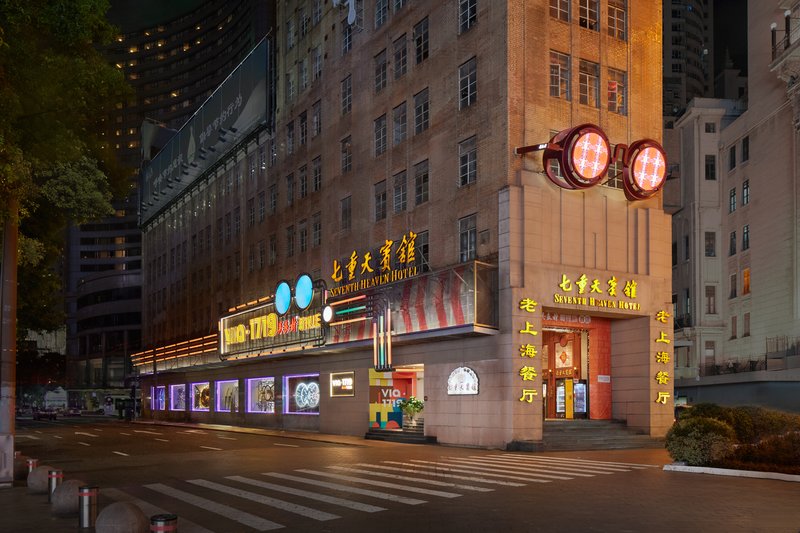
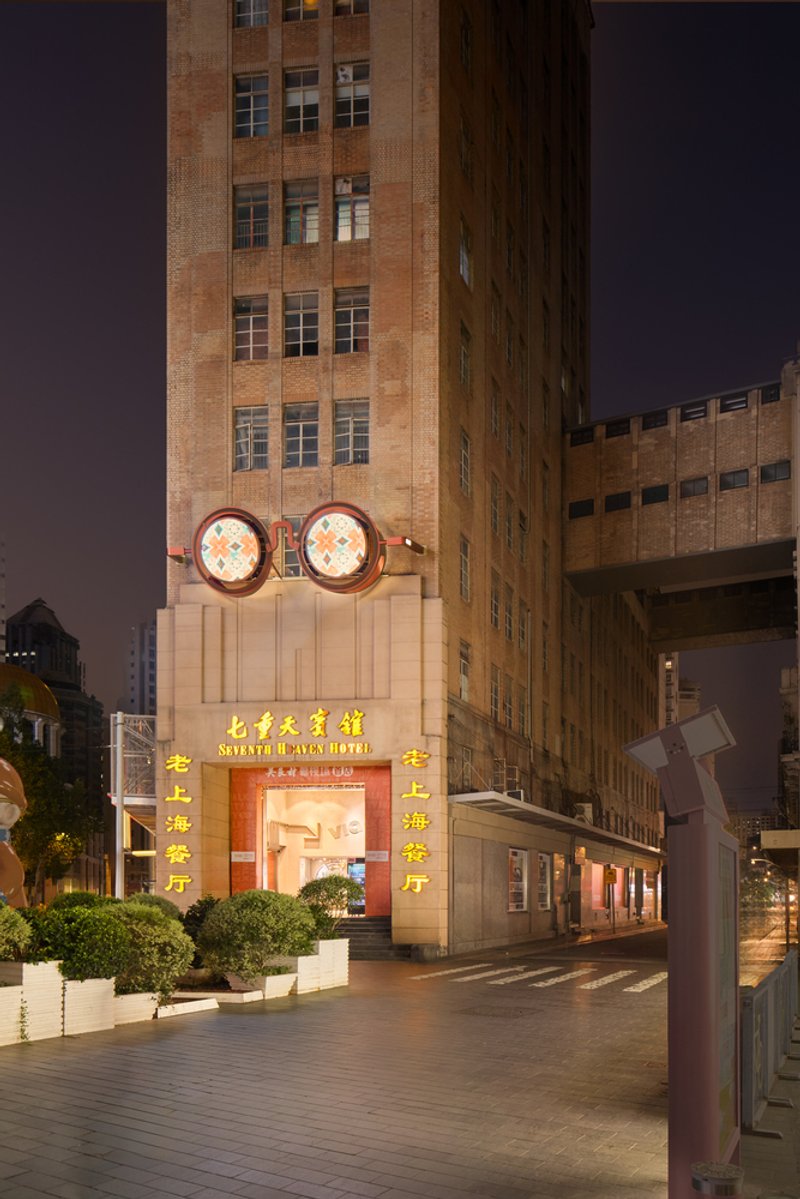
Built in 1922, the Qichongtian Building is a landmark of Shanghai’s rich cultural and architectural heritage. Known for its modernist and Art Deco styles, the building once served as a hub for the city’s elite. Over the decades, it became a symbol of Shanghai’s historic charm, preserving its status as a cornerstone of collective memory. Dayuan Design’s intervention breathes new life into the building while honoring its historical significance, turning it into a cultural and commercial beacon on bustling Nanjing Road.
Reviving Tradition Through Design
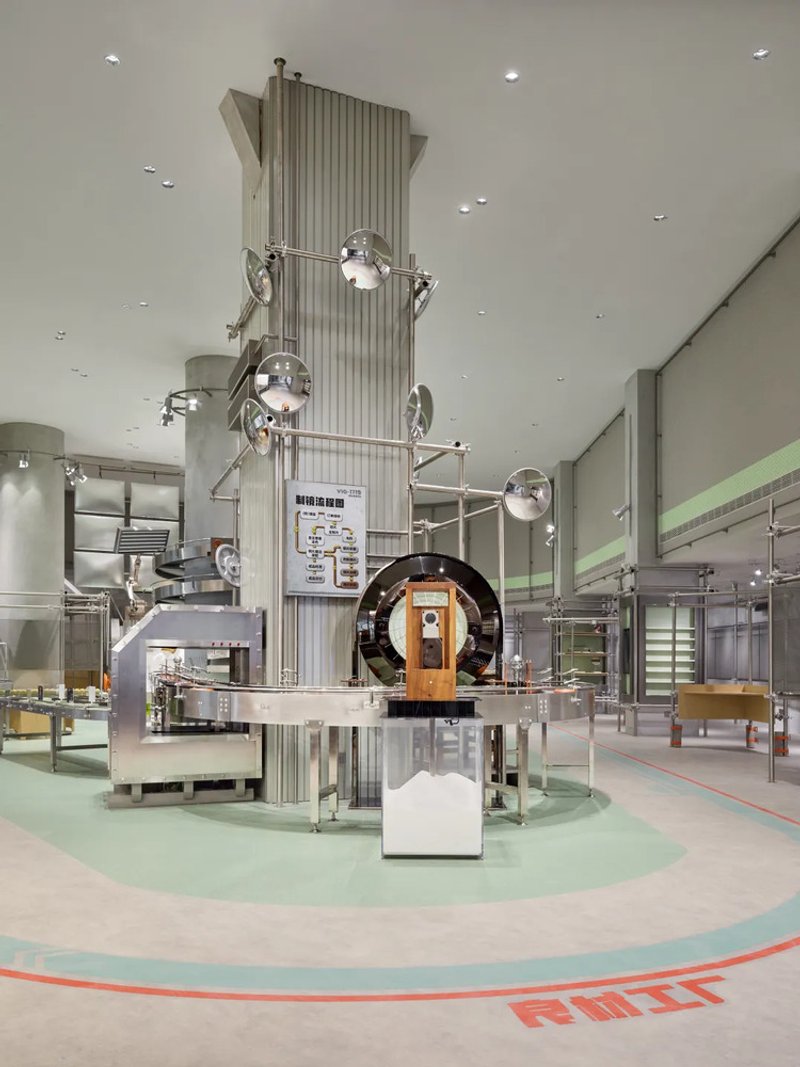
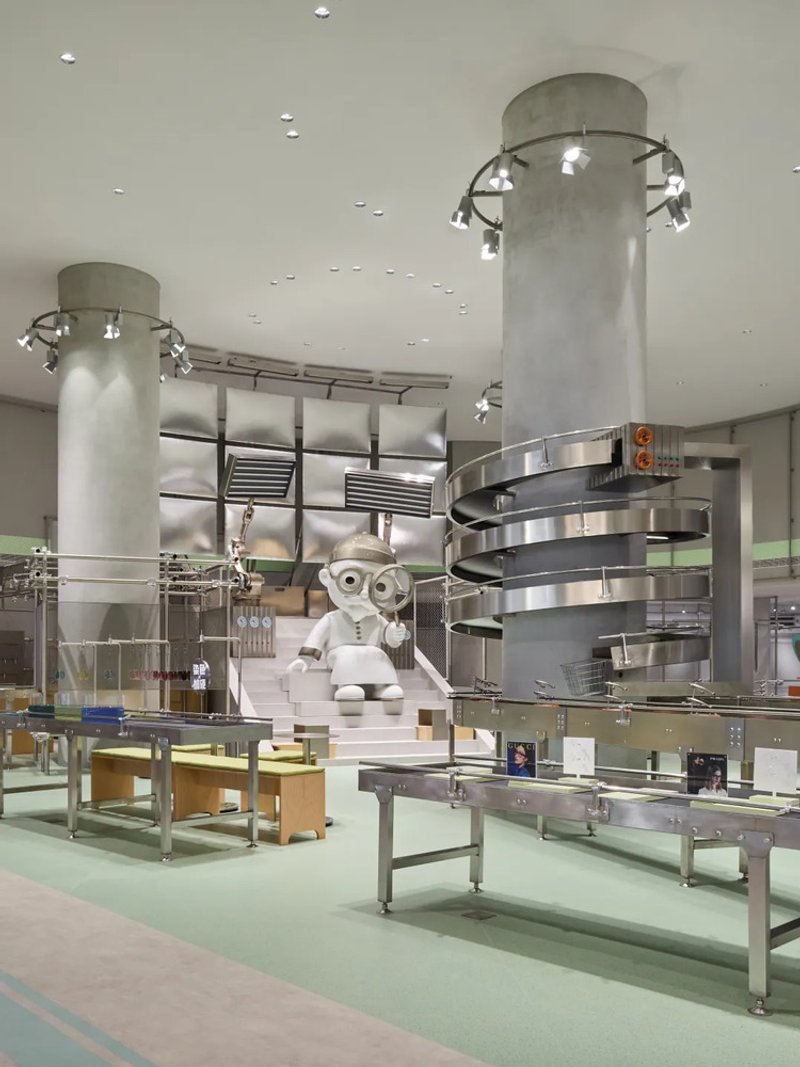
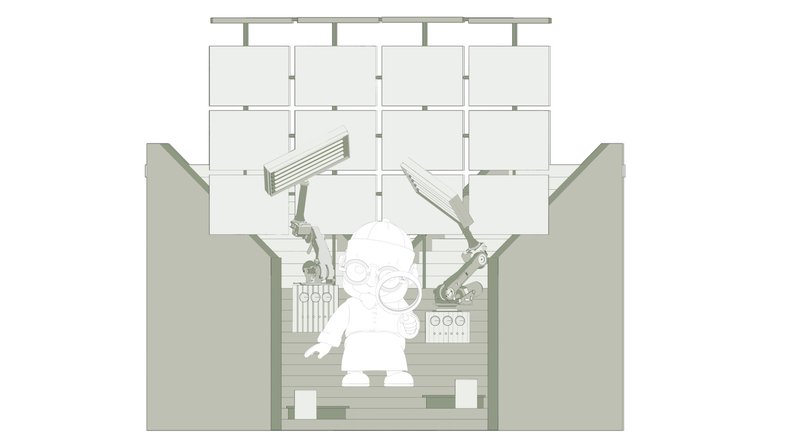
Dayuan Design partnered with Liangcai Wu, a brand renowned for its mastery in craftsmanship dating back over three centuries. Inspired by optical lenses and traditional Chinese aesthetics, the design infuses a sense of playful modernity into the building’s historic framework. The facade combines industrial elements with curated light installations, transforming the building into a vibrant “Liangcai Factory” that blends historical charm with contemporary innovation.
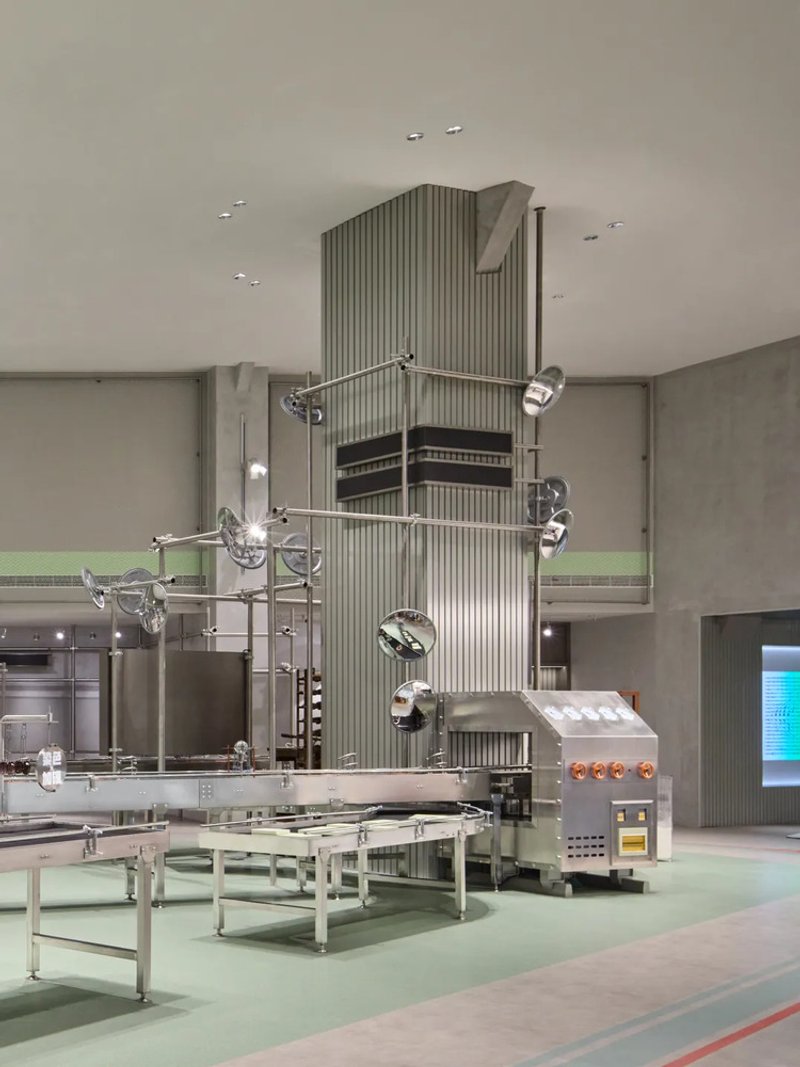
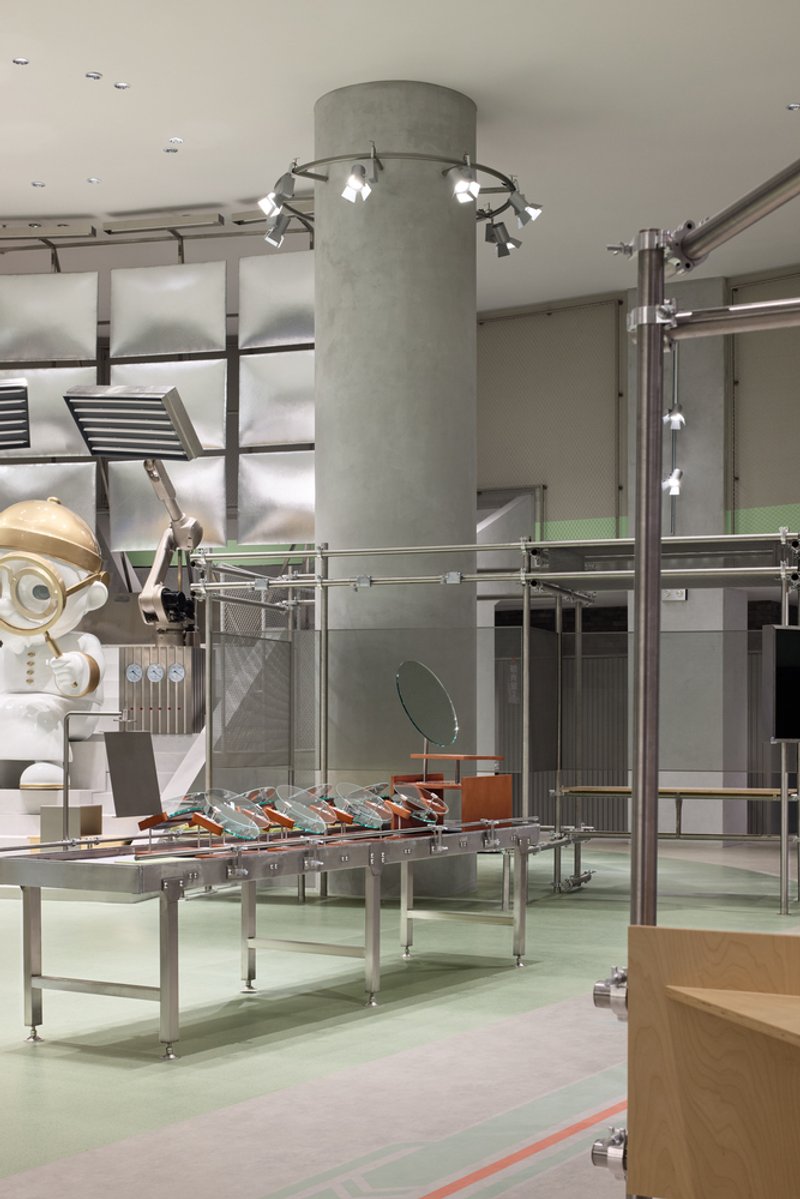
This revitalization captures the essence of craftsmanship, presenting the legacy of Wu Liangcai in a modern retail setting. The result is a space that symbolizes progress while paying homage to the past, creating a dynamic environment where heritage and innovation coexist.
Curated Retail Spaces and Exhibition Design
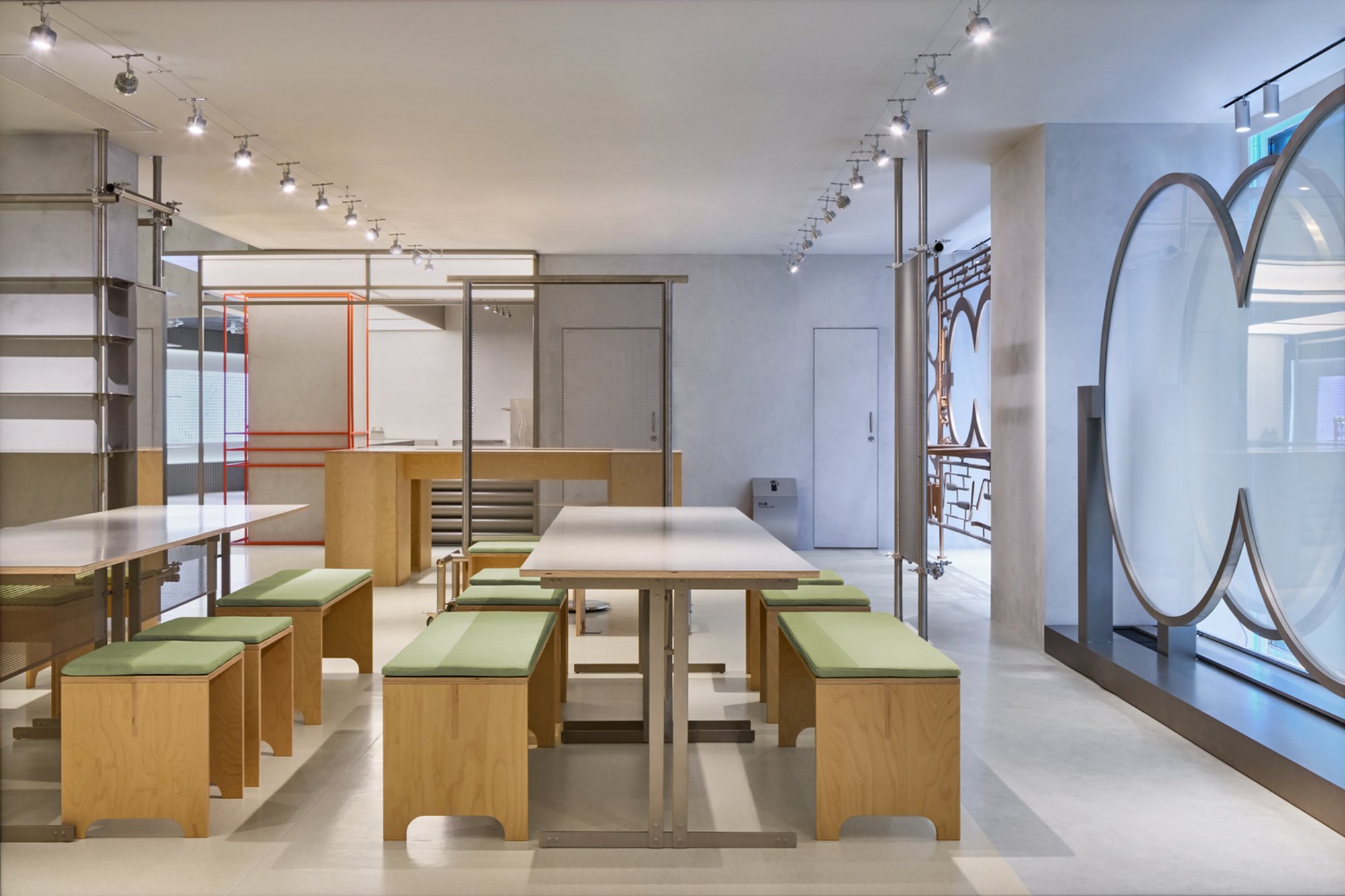
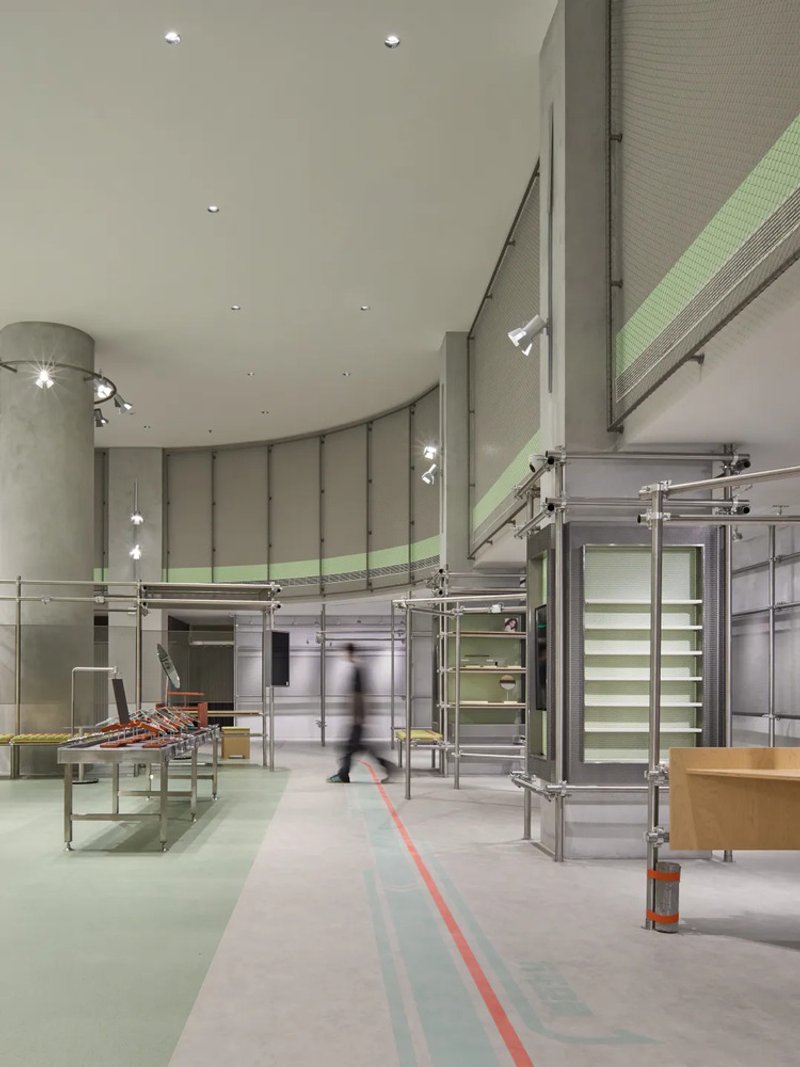
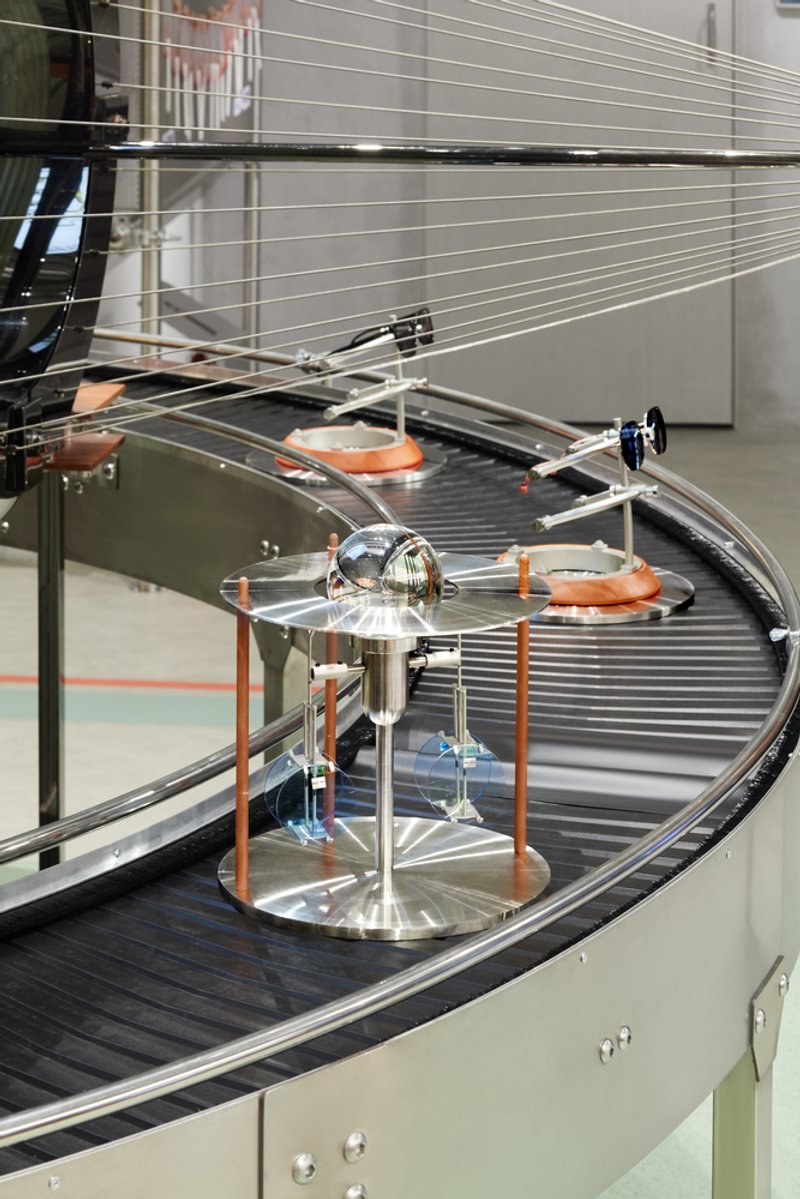
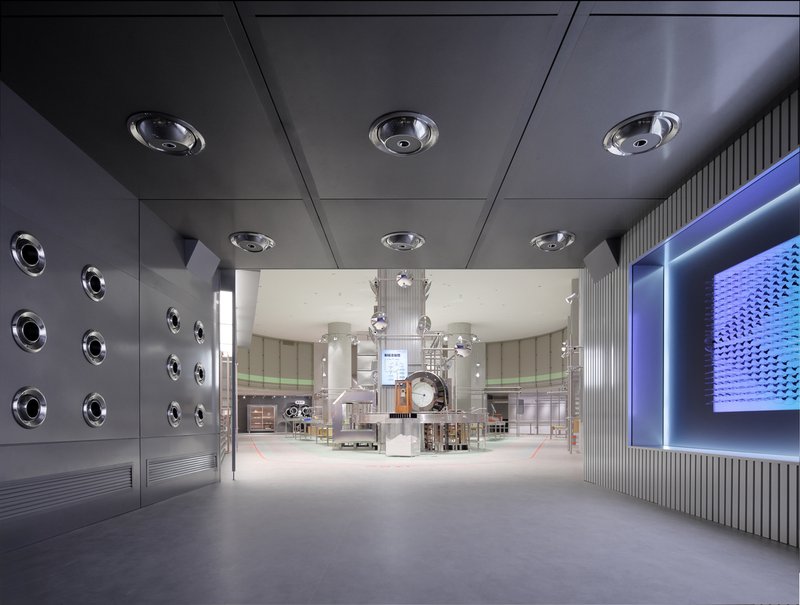
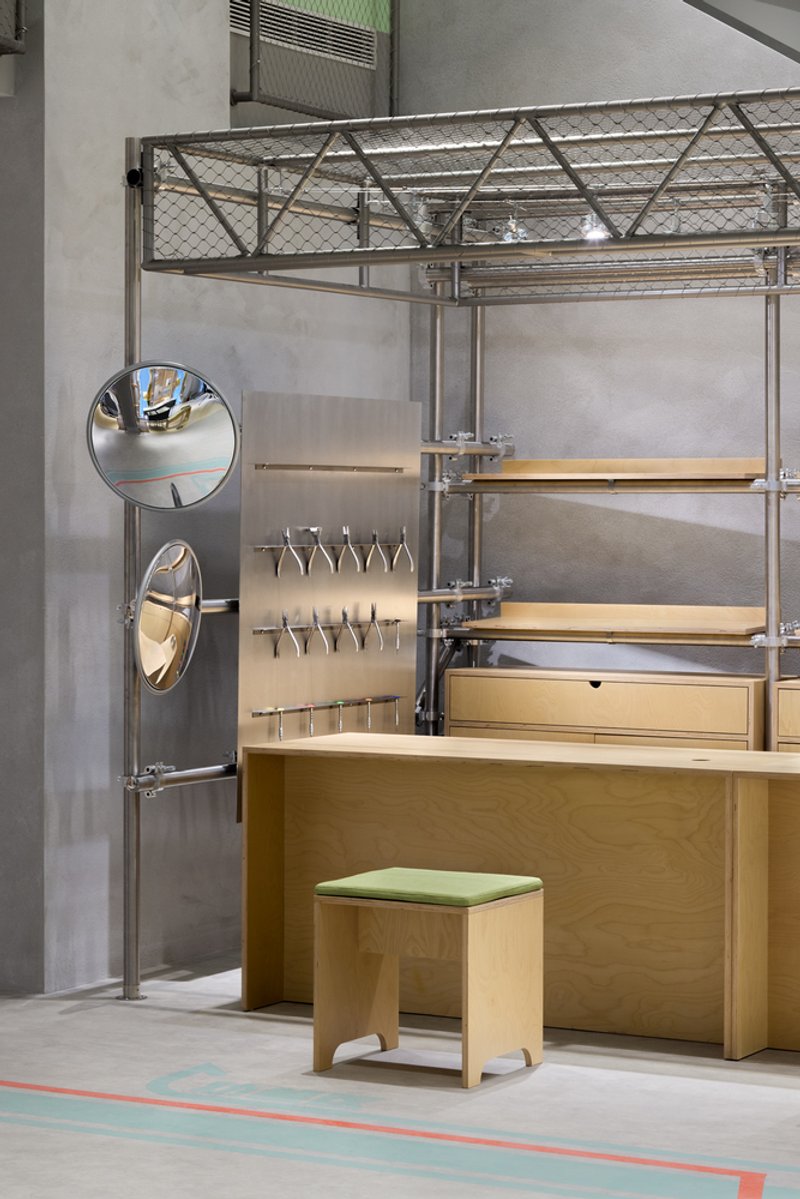
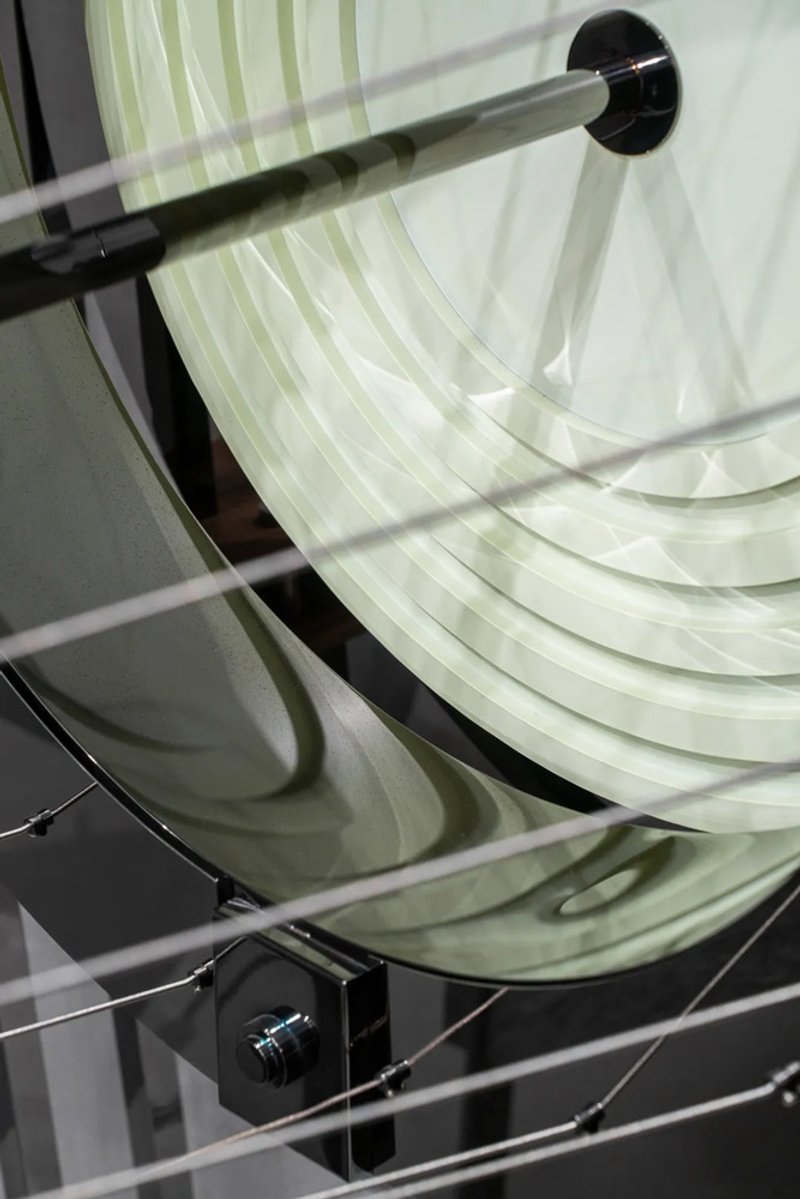
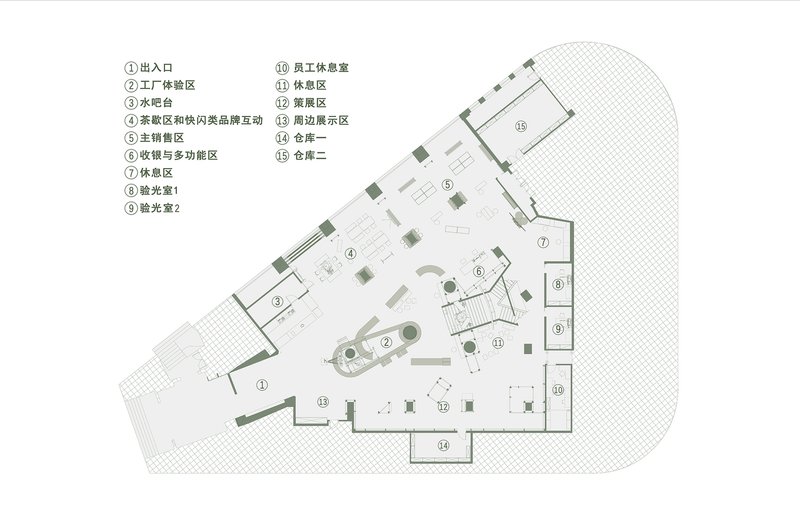
The interior design of via·1719 Wu Liangcai New Vision Field is a seamless integration of functionality and storytelling. Upon entry, visitors encounter the "Thousand Mirrors" installation, which uses optical lenses and dynamic light refraction to craft a mesmerizing visual journey. The atrium features a conveyor belt installation that guides visitors through the brand’s evolution—from ancient craftsmanship to modern technological innovation.
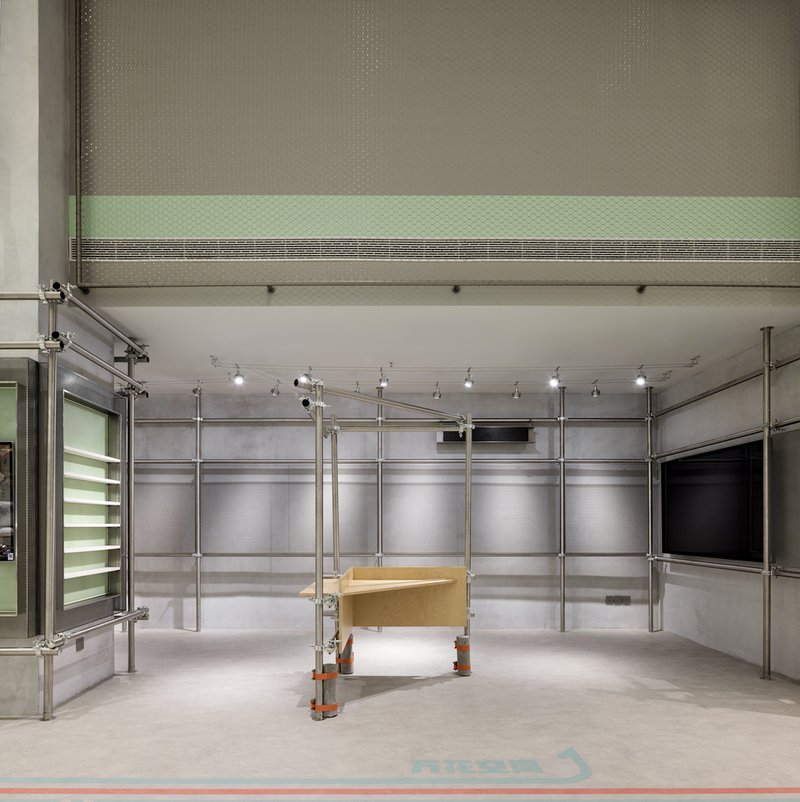
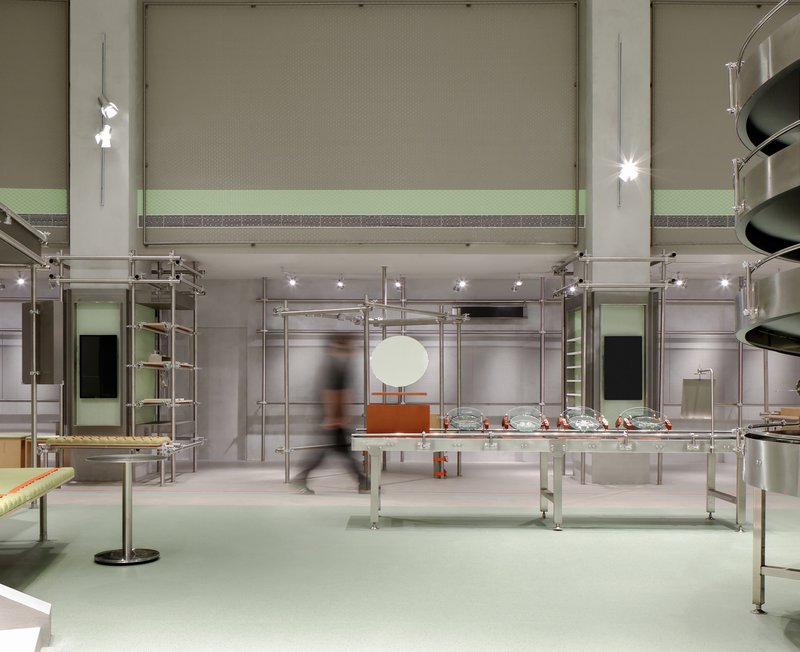
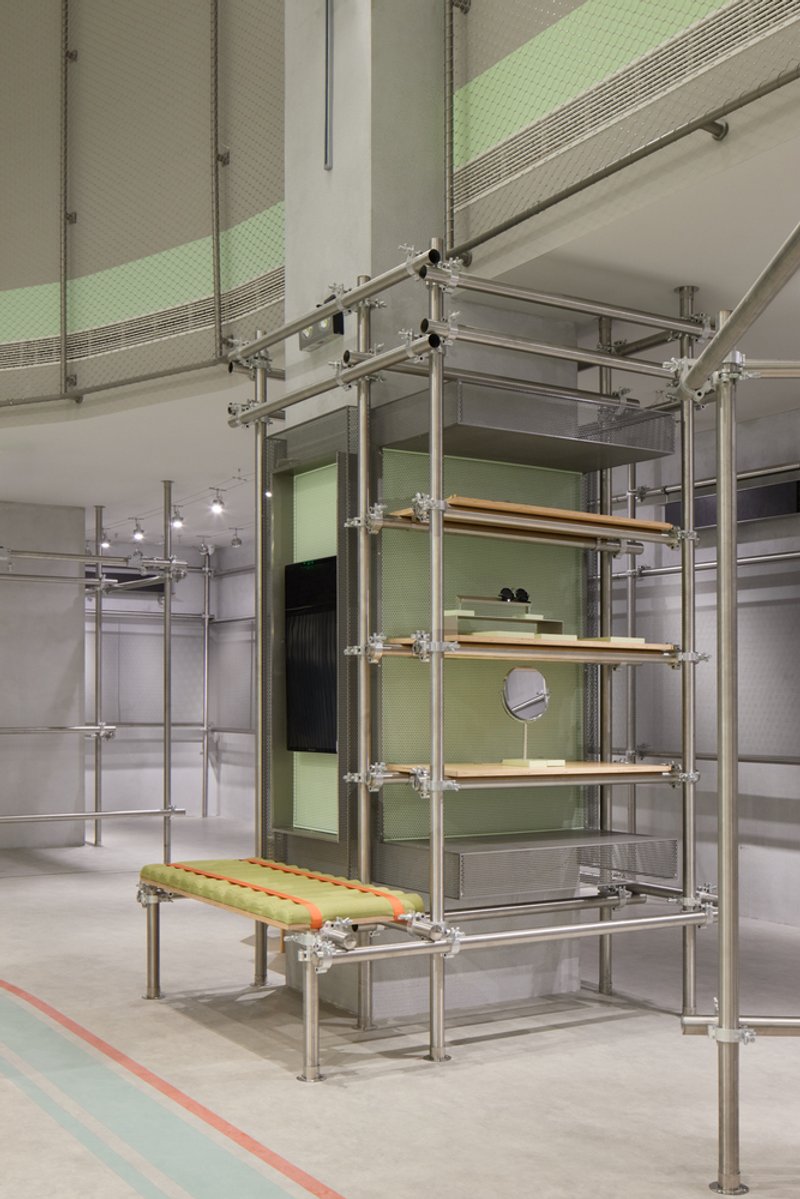
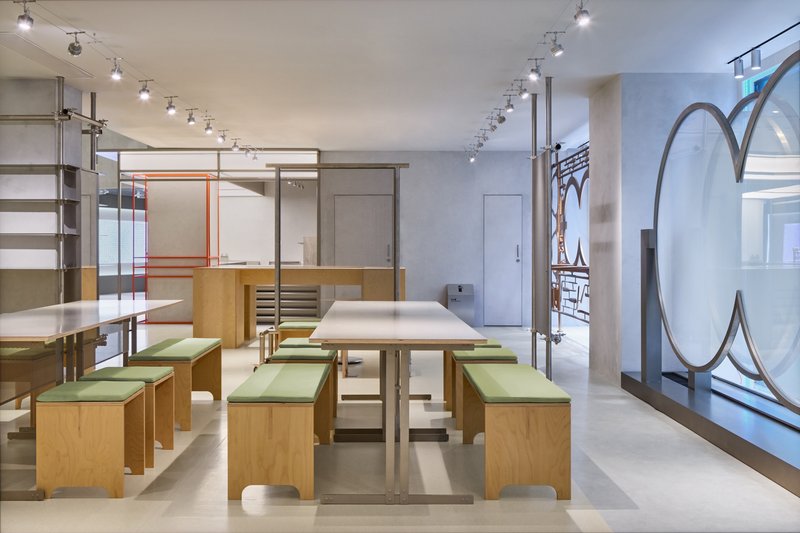
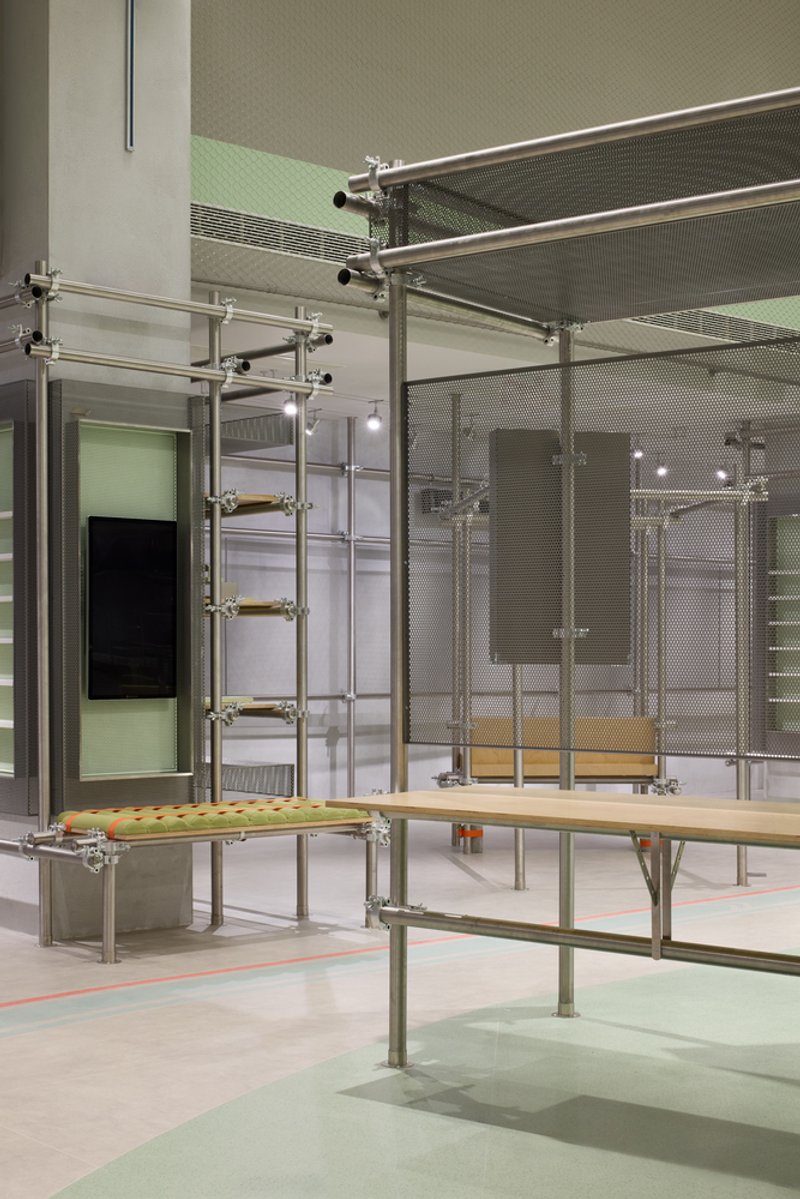
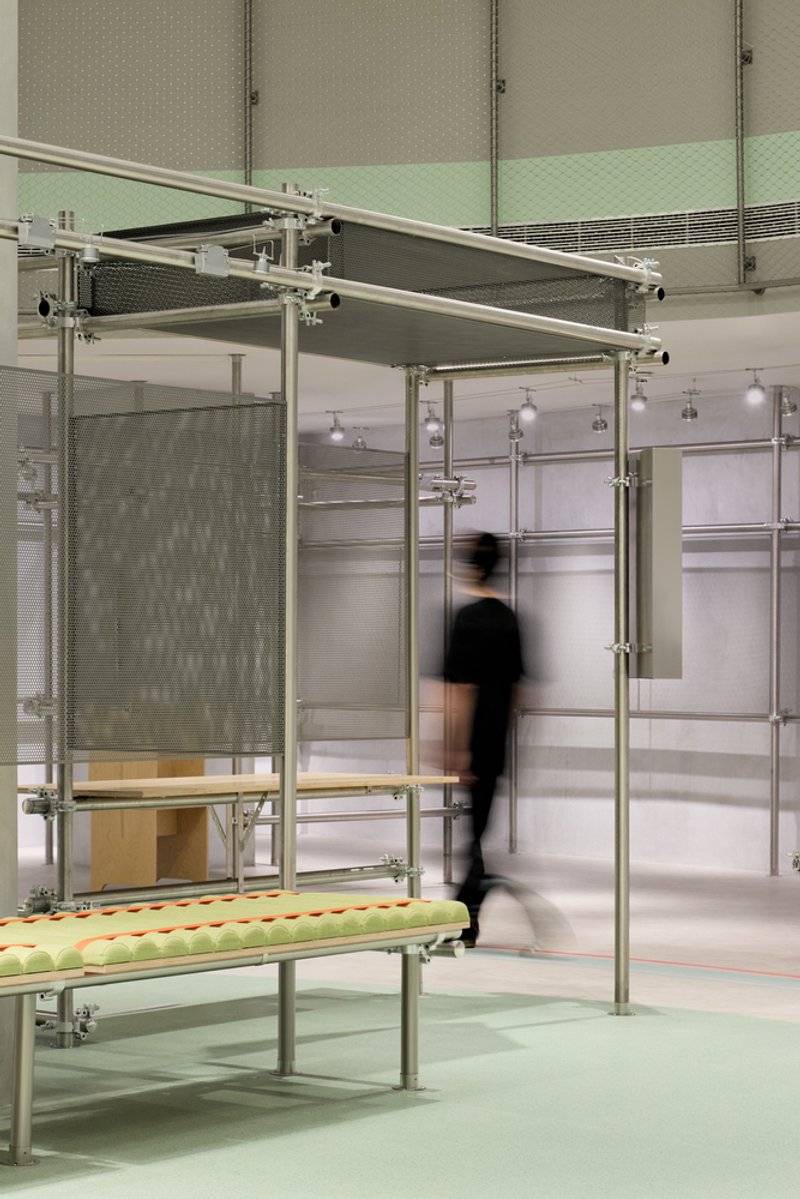
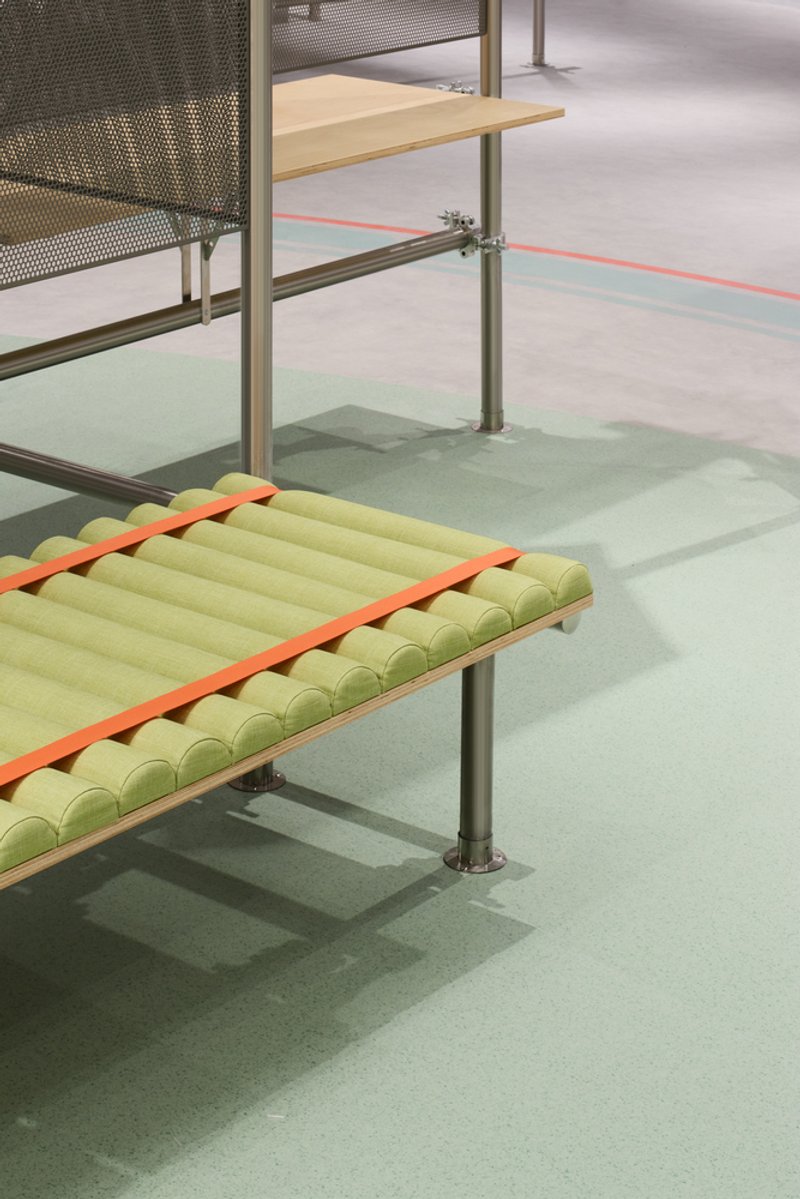
The exhibition spaces are thoughtfully curated, combining traditional Chinese design elements with modern industrial aesthetics. Materials such as wood, fabric, perforated metal, and scaffolding create a layered and adjustable environment, offering flexibility for art displays, pop-up events, and product showcases. This modular approach allows the space to adapt to the evolving needs of the brand and its visitors.
The Multi-Functional Design Approach
One of the standout features of this project is its modular and multi-functional layout. The central area can transform quickly to accommodate various uses, from tea ceremonies and workshops to lectures and brand events. This adaptability ensures the space remains dynamic and engaging for its users.
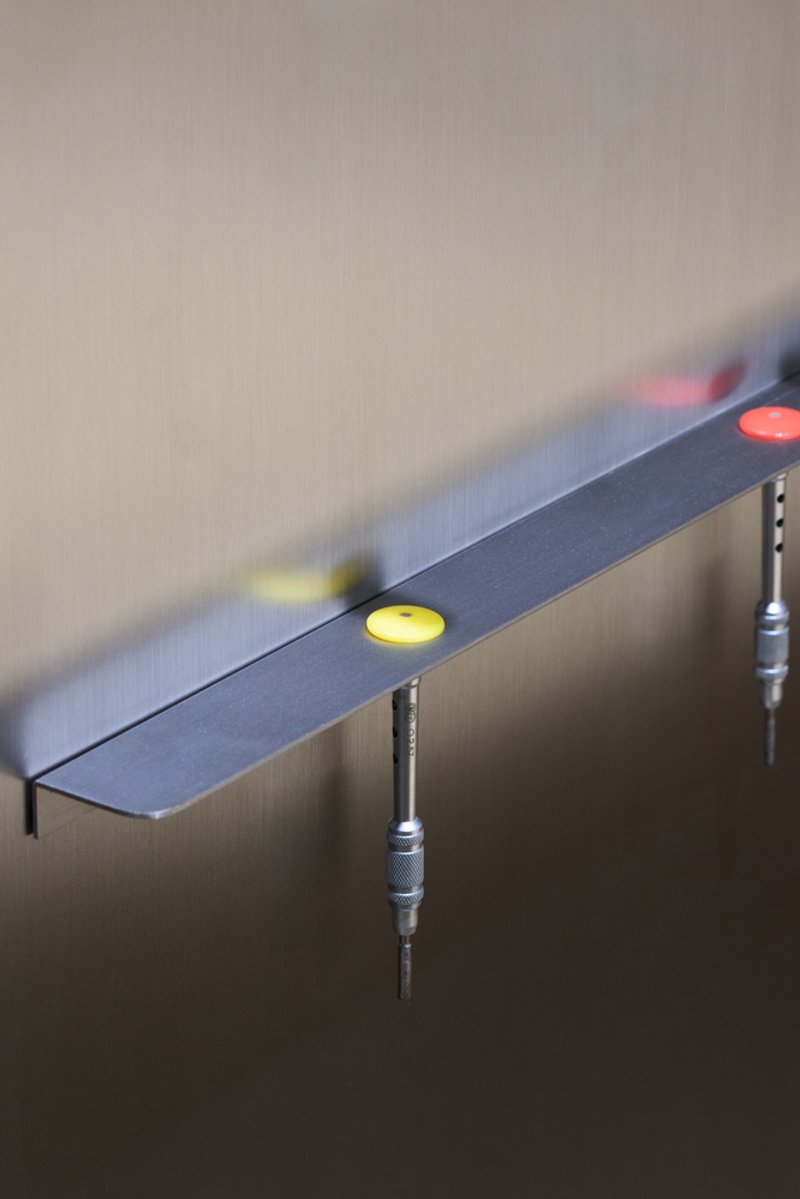
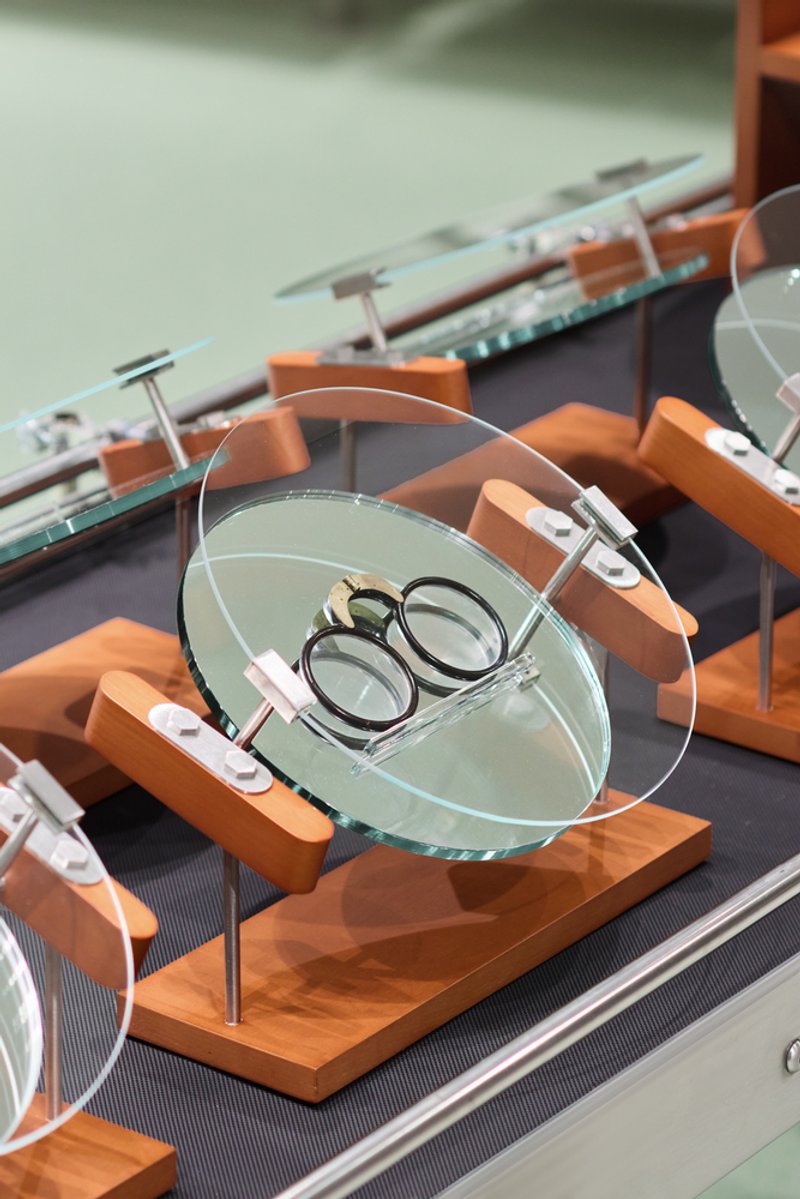
A particularly striking installation, "Project 1719," simulates the blurred vision of myopia. The fogged glass gradually clears, representing the journey from obscurity to clarity, metaphorically aligning with the brand’s focus on optical craftsmanship.
Dynamic Street Presence
The exterior design complements the building’s historic character with industrial-inspired window displays and lighting features. Industrial pipes serve as light fixtures, guiding light flows through the entrance to mimic factory production lines. At night, the building becomes a spectacle with illuminated window displays and hourly light shows, captivating pedestrians along Nanjing Road.
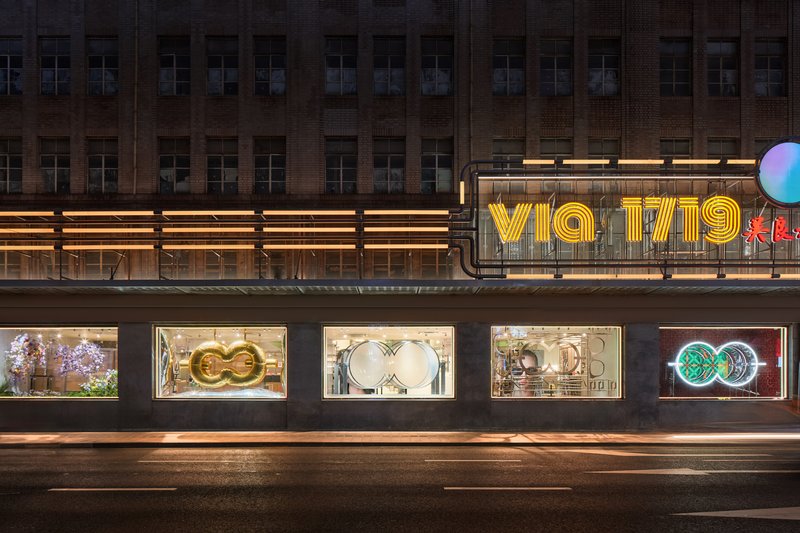
This thoughtful integration of lighting, music, and design transforms the building into a destination, drawing visitors into its curated retail experience. It exemplifies how architecture can engage urban audiences while preserving cultural narratives.

Balancing Tradition and Modernity
Via·1719 Wu Liangcai New Vision Field transcends the boundaries of traditional retail spaces. It invites visitors to explore the brand’s legacy through immersive storytelling, art installations, and interactive displays. This project serves as a model for adaptive reuse, demonstrating how historic architecture can be revitalized to meet modern demands without losing its cultural essence.

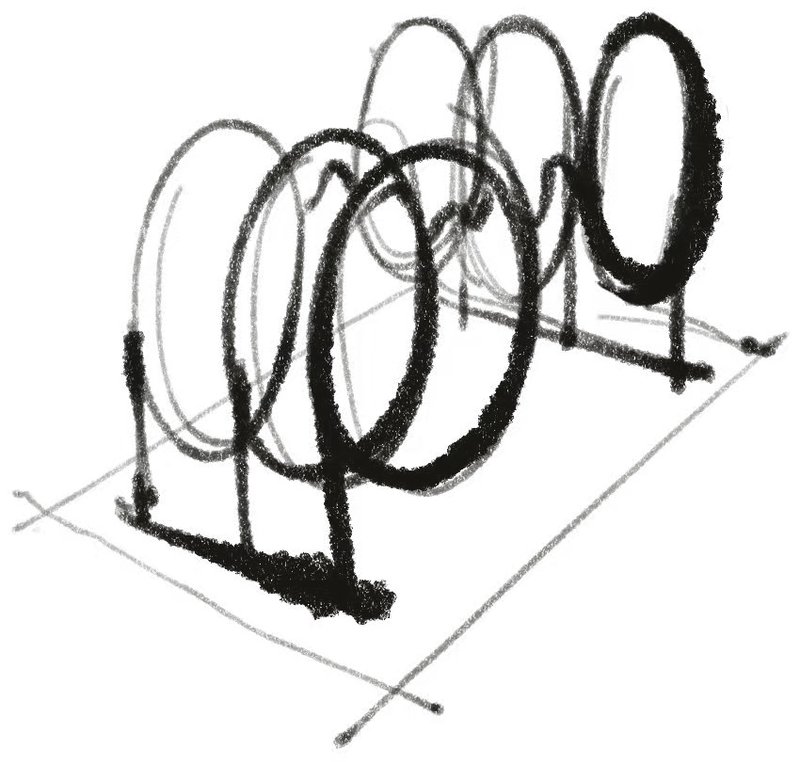
By bridging the gap between tradition and innovation, Dayuan Design has created a space that is both a celebration of craftsmanship and a testament to Shanghai’s evolving urban identity.
All Photographs are works of YUUUUNSTUDIO




Popular Articles
Popular articles from the community

A Contemporary Take on Iranian Residential Architecture
A modern interior design in Mashhad that reinterprets brick, light, and spatial flow to create a warm, contemporary residential architecture.
On the Brooks House by Monsoon Collective – A Contemporary Kerala Home Rooted in Tradition
Kerala home blending tradition and modernity with water-inspired design, brick architecture, courtyard planning, and sustainable rainwater harvesting strategies.
Treehouse Apartment: A Warm Timber Interior Blending Craft, Play, and Contemporary Living
Warm timber apartment with integrated treehouse, combining natural materials, craftsmanship, and playful design to create a flexible, family-oriented living environment.
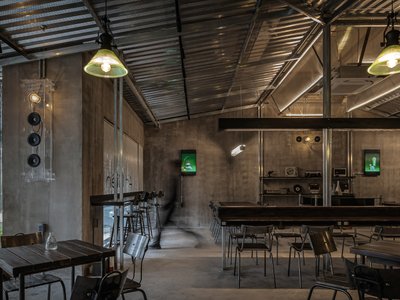
An Miên Lumière Cafe by xưởng xép, Ho Chi Minh City, Vietnam
An industrial-inspired café where layered steel and warm light create a dynamic, immersive environment shaped by reflection, depth, and perception.

Similar Reads
You might also enjoy these articles


The Ken Roberts Memorial Delineation Competition (Krob)
As the most senior architectural drawing competition currently in operation anywhere in the world, it draws hundreds of entries each year, awarding the very best submissions in a series of medium-based categories.

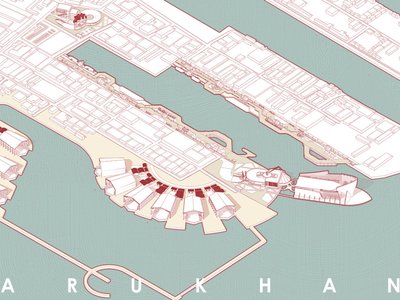
Waterfront Redevelopment and Urban Revitalization in Mumbai: Forging a New Dawn for Darukhana
A transformative waterfront redevelopment project reimagining Darukhana’s shipbreaking heritage into an inclusive urban future.
OUT-OF-MAP: A Call for Postcards on Feminist Narratives of Public Space
Rhizoma Design and Research Lab invites artists, designers, architects, researchers, and students to reflect on how feminist perspectives can reshape public space. Selected works will be exhibited in Barcelona, October 2026. Submissions open until 15 April 2026.


Documentation Work on Buddhist Wooden Temple
Architectural syncretism and cultural hybridity: A comparative study of the Buddhist temples in Chattogram Hill tracks


Explore Architecture Competitions
Discover active competitions in this discipline




The International Standard for Design Portfolios


The Global Benchmark for Architecture Dissertation Awards


The Global Benchmark for Graduation Excellence


Challenge to reimagine the Iron Throne
Comments (0)
Please login or sign up to add comments
No comments yet. Be the first to comment!