
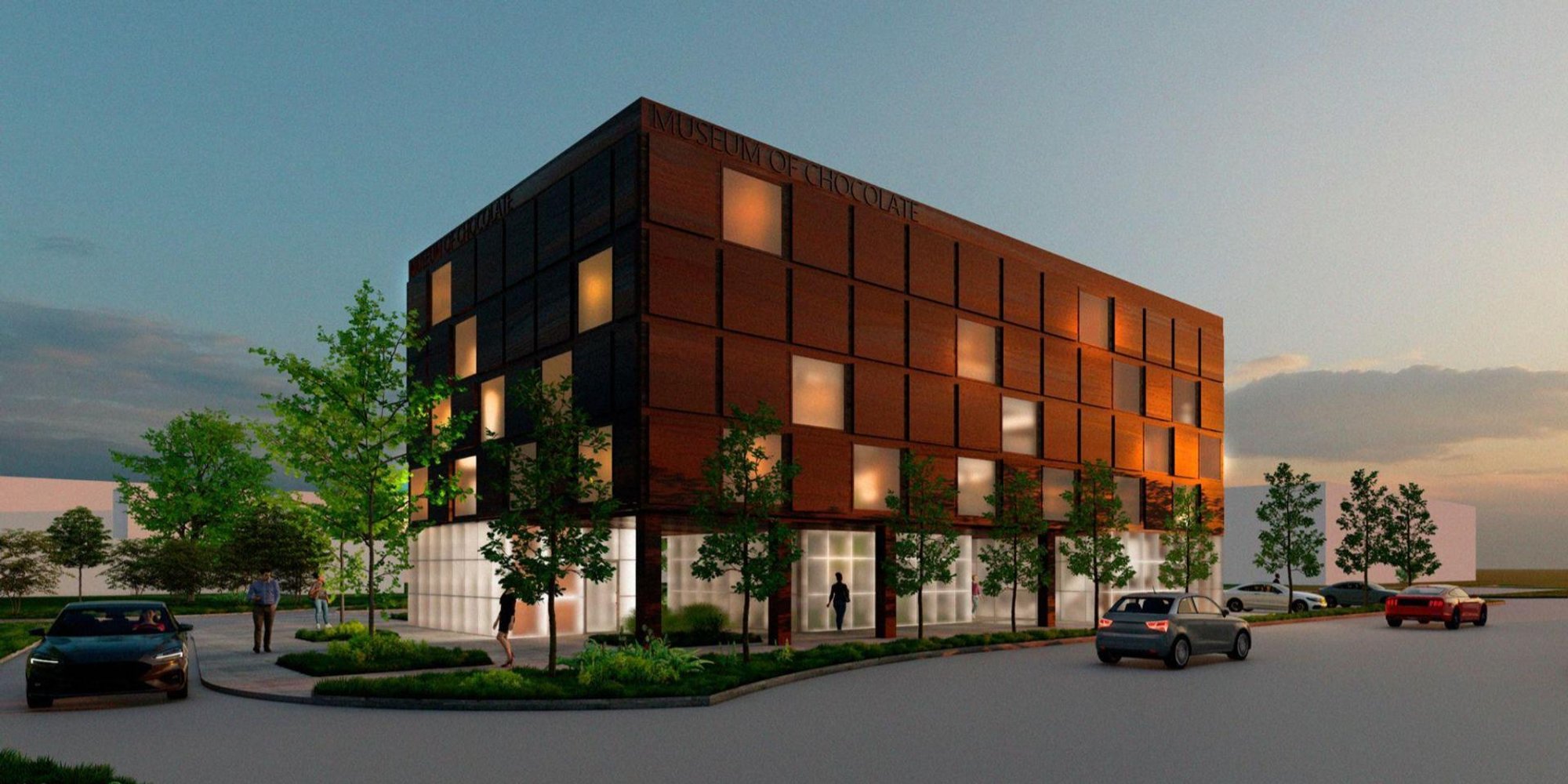
All about chocolate! Chocolate museum designs that tell the history & making of world's favourite delight
Result for 'Delight' - Cultural Architecture Design challenge, out now.

The history of chocolate can be traced to the ancient Mayans and even earlier to the ancient Olmecs of southern Mexico.
The word chocolate may conjure up images of sweet candy bars and luscious truffles, but the chocolate of today is little like the chocolate of the past. Throughout much of history, chocolate was a revered but bitter beverage, not a sweet, edible treat. They are made from the fruit of cacao trees, which are native to Central and South America. It's unclear who invented the use of it, but traces of cocoa were found in the teacups of the ancient Olmecs, it's thought that they used chocolate as their ceremonial drinks. Moreover, the Aztecs took their obsession to another level with using cocoa beans as currency.
Chocolate was experimented upon for a long time, Hot chocolate and other powdered forms were the results of these experiments. Only in the 19th century, chocolate bars were realized and Nestle became the first company to sell milk chocolate bars in mass production.
People have been consuming chocolate for centuries and it has become part of our daily lives. Due to its mass production and multiple companies selling their formulas, it has become universal. It not only remained a treat but also became a significant symbol of love, celebration, emotions, and community.
Although modern-day chocolate production comes at a cost. With the ever-increasing demand for chocolate, many cocoa farmers struggle to make ends meet and to stay competitive. This has prompted grassroots efforts from large chocolate companies to reconsider how they get their cocoa supply. It’s also resulted in appeals for more fair-trade chocolate which is created ethically and sustainably. There is a need to show this transparency in what one produces to make people aware of what they eat, and who makes it.
Can we create a place that addresses these parameters? A place that will celebrate, educate and display this universal dessert.
Before the mass production of chocolate, they were hand-made by chocolatiers. Chocolatiers, both, made chocolate and sold it at the same location. Such smaller confectionary stores either further expanded into selling more than just chocolates or grew into factories. Now, people mostly prefer mass-produced chocolates, as they are accessible and cheaper. Although some chocolatiers still make their creations by hand and operate as small businesses.
Can we give a common platform for these chocolatiers to promote the original art of making chocolate? By doing so, how will we integrate the functions of making, displaying, and celebrating in one place?
Brief: The challenge was to design a museum for chocolate.
This Museum of chocolate aims to transform the celebration and dreams into spaces that provoke imagination and creativity.
The challenge was to design for a culturally inclusive environment that inspires human connection through chocolate and spaces for it. Design a museum that tells the history and making of chocolate and also which caters to the appetites of the visitors.
Some of the Best competition projects are as follows:
Winning Project: Museum of Chocolate
By: Daria Polanska
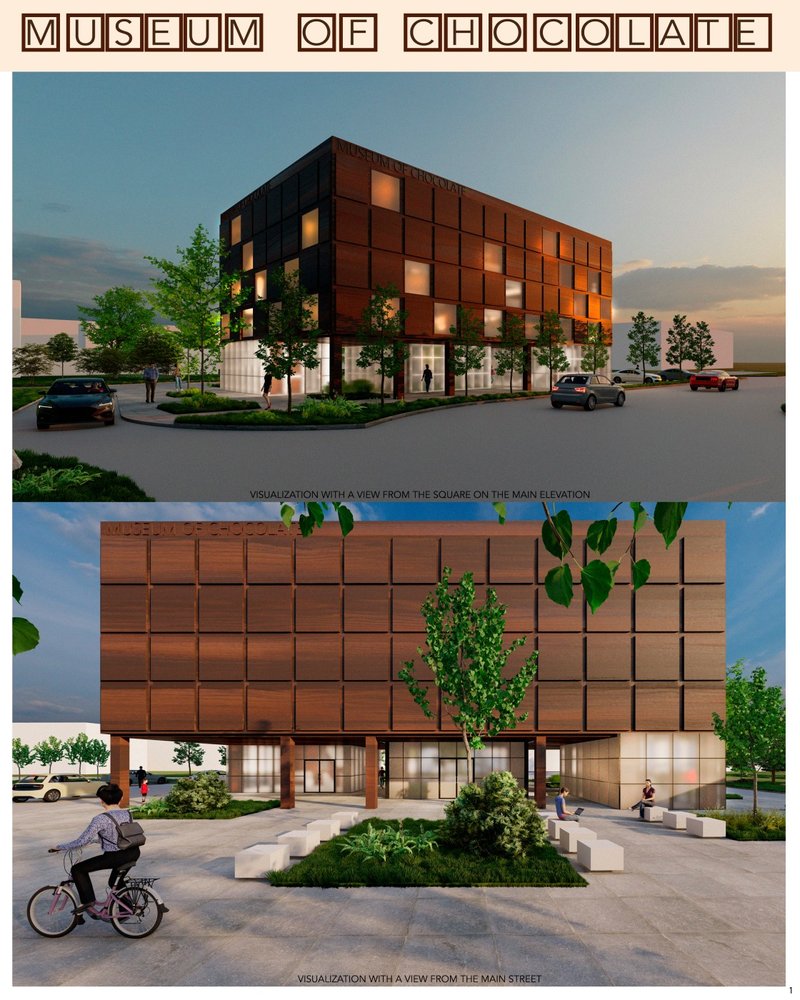
Fig: 1 Visualization with a view from street & square on the main elevation
Description: Public utility building design Museum in Vienna. Concept-based on ideas impact human senses, beauty and architecture functionality. The guiding idea of the museum is a path through the senses leading to the love of chocolate.
----------------------
People’s Choice: MUSEUM OF CHOCOLATE "BARS"
By: Lizaveta Vizner
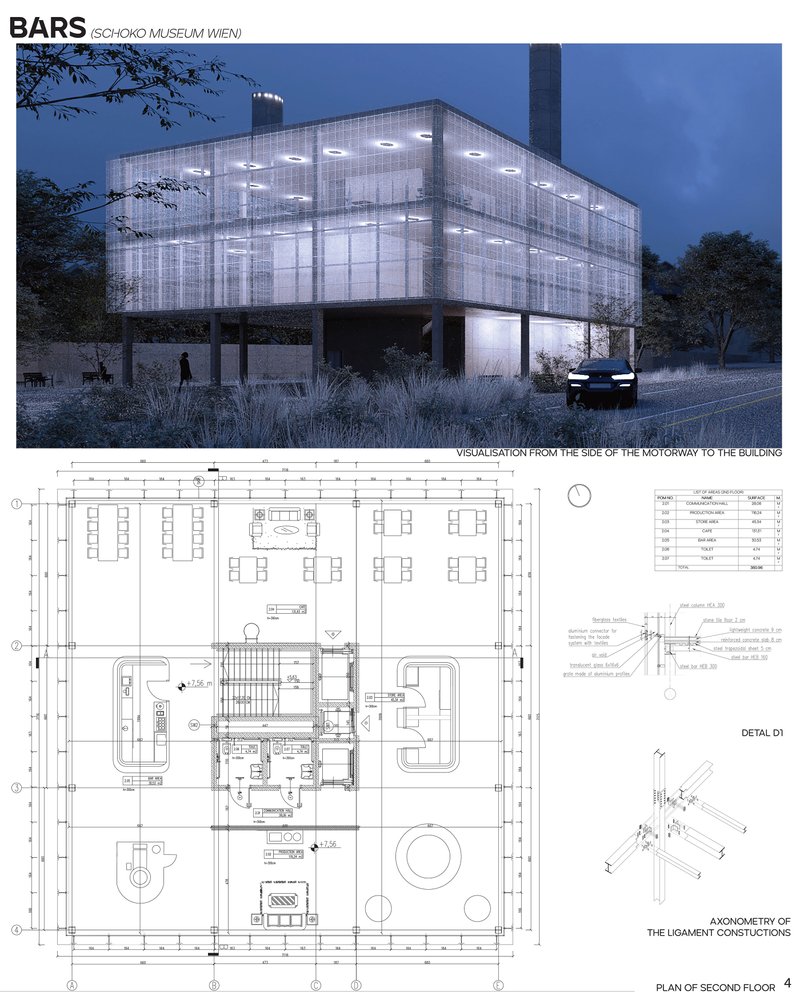
Fig: 2 Visualization and floor plan
Description: A space that is culturally integrative and promotes human bonding through chocolate.
----------------------
Editor’s Choice: Genuss Museum
By: Dana Ibrahim
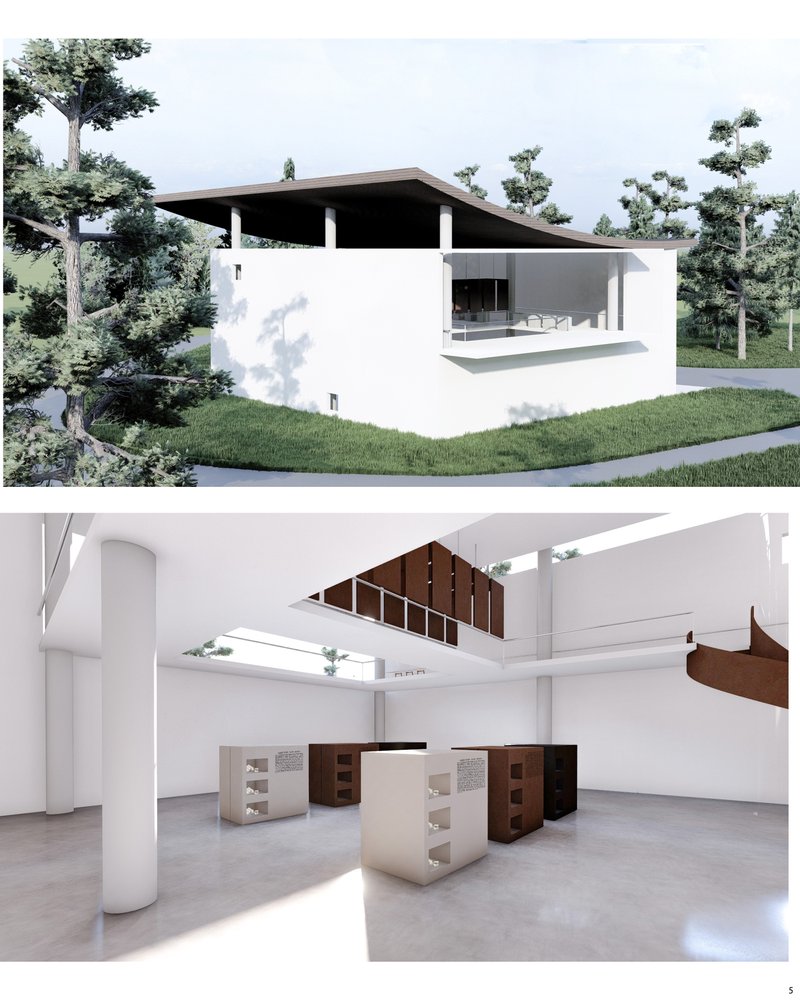
Fig: 3 Interior and Exterior view
Description: Eat it while reading it. Using a grid within the permitted area. Divide the mass into two main functions: 1) Long-term Exhibition. 2) Temporary Exhibition.
-----------------------
Editor’s Choice: CUBE OF HAPPINESS
By: Michał Kolonko
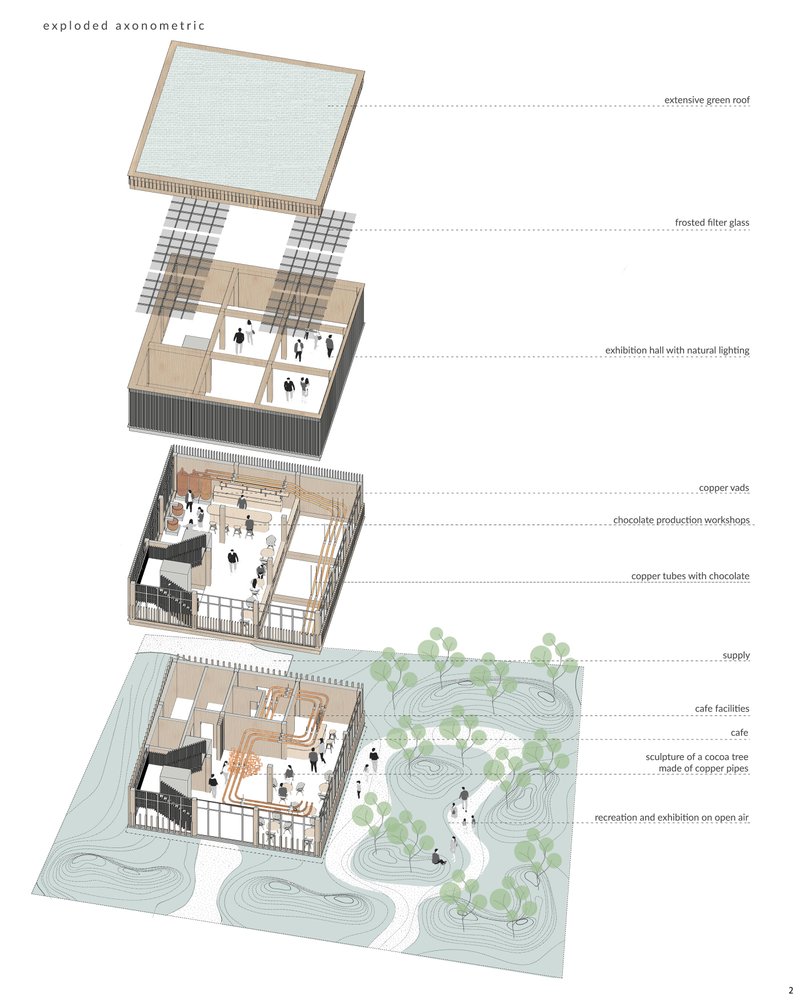
Fig: 4 Exploded axonometric view
Description: Museum of chocolate located in Vienna Simmering district. The aim of the museum project was to create a space that integrates and increases knowledge about the history and production of chocolate.
------------------------
Editor’s Choice: Museum of chocolate
By: Кирилл Шаповалов
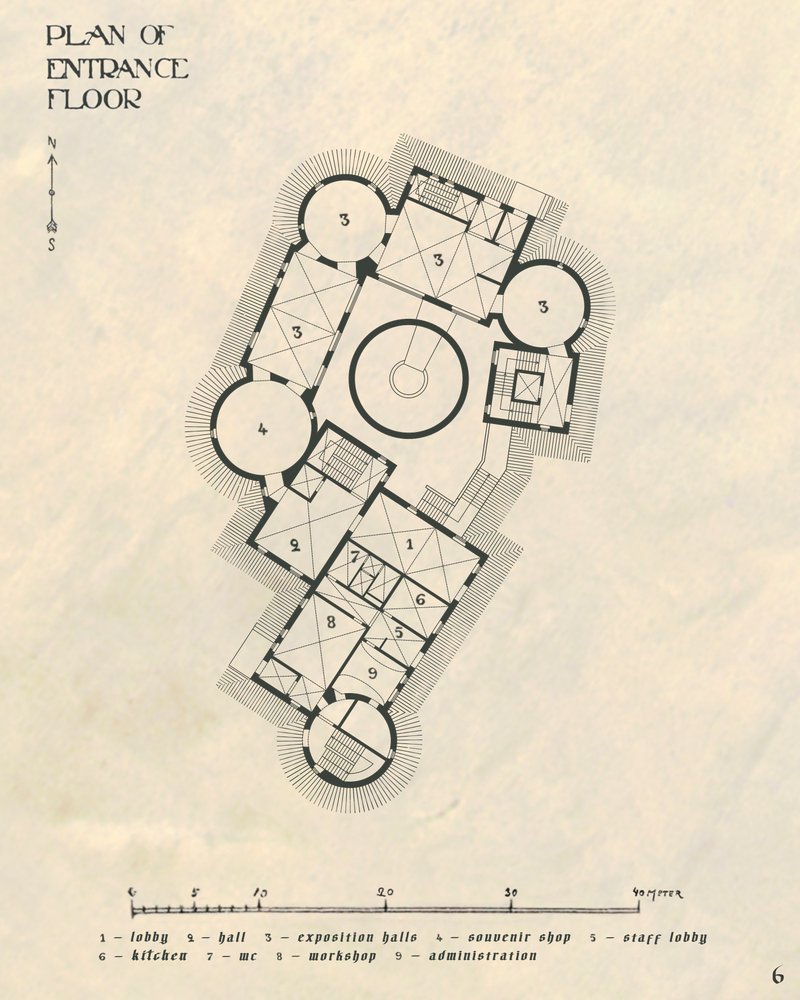
Fig: 5 Plan of Entrance floor
Description: Brick. Industriality. Viennese Hot Chocolate.

Follow us on social media: Facebook | Instagram | LinkedIn | Twitter | Youtube
References (3)



Popular Articles
Popular articles from the community

On the Brooks House by Monsoon Collective – A Contemporary Kerala Home Rooted in Tradition
Kerala home blending tradition and modernity with water-inspired design, brick architecture, courtyard planning, and sustainable rainwater harvesting strategies.
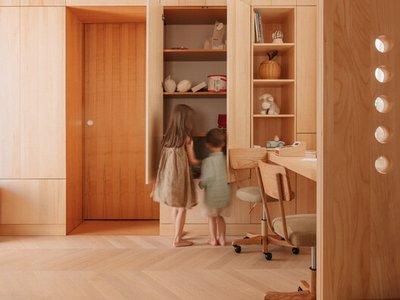
Treehouse Apartment: A Warm Timber Interior Blending Craft, Play, and Contemporary Living
Warm timber apartment with integrated treehouse, combining natural materials, craftsmanship, and playful design to create a flexible, family-oriented living environment.
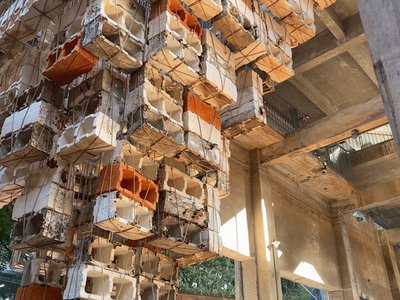
Inverted Architecture Installation by Studio Link-Arc: Exploring the Intersection of Architecture and Living Organisms
Inverted Architecture Installation by Studio Link-Arc blends mycelium, sustainability, inverted design, ecological cycles, and urban adaptive architecture in Shenzhen.
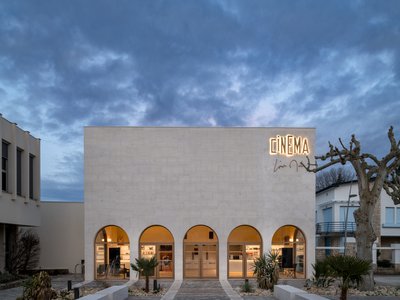
Louis Malle Cinema: A Limestone Cultural Landmark Revitalizing Community Life in Prayssac
Limestone cinema extension with public forecourt, blending heritage and modern design to create flexible cultural spaces and strengthen community interaction.

Similar Reads
You might also enjoy these articles
ORACLE: A Sustainable Memorial Architecture Responding to Climate Urgency
A sustainable memorial architecture in Cairo that transforms climate urgency into spatial experience, urging collective reflection and action
Suspended: Reimagining Paris Through Adaptive Reuse Architecture
A suspended intervention transforms abandoned Paris railways into inclusive, adaptive reuse architecture bridging heritage, mobility, and public life.
Solar Steam: A Climate-Responsive Architecture That Redefines the Monument
A climate-responsive memorial architecture that transforms heat, decay, and time into a living system reflecting humanity’s ecological impact.
Rolly: A Modular Approach to Urban Regeneration Architecture on Paris’ Petite Ceinture
A modular urban regeneration architecture project transforming Paris’ abandoned railway into a dynamic, movable and community-driven public space


Explore Cultural Architecture Competitions
Discover active competitions in this discipline




The Global Benchmark for Architecture Dissertation Awards


The Global Benchmark for Graduation Excellence


Challenge to design an urban locus of culture and heritage

Bring back Drive In's
Comments (0)
Please login or sign up to add comments
No comments yet. Be the first to comment!