
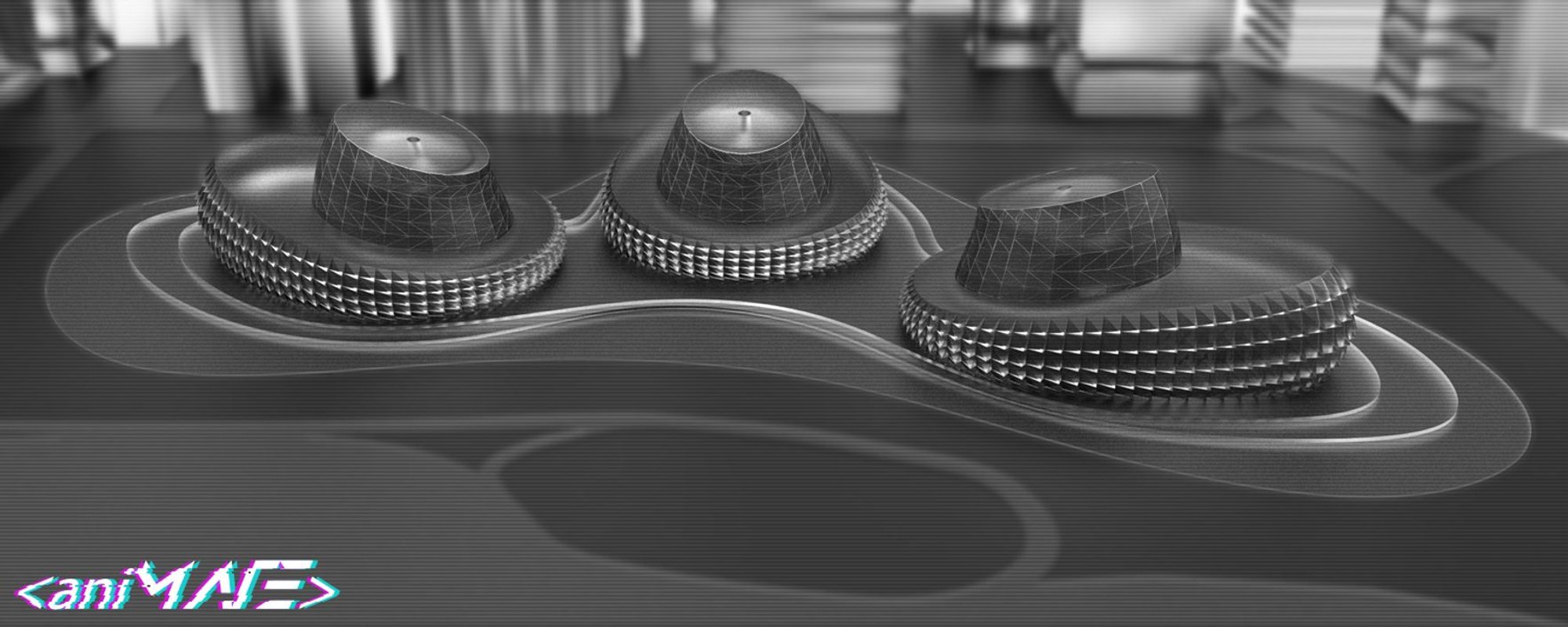
aniMATE: The Future of Adaptive Workspaces
Redefining future workplaces through sustainable architecture and intelligent technology for human collaboration and growth.

By 2040, architecture will experience a profound transformation through technological advancement, reshaping how humans interact with their environments. Everything will become increasingly mobile, reducing wasted time and enabling more productive engagement with work. aniMATE — a portmanteau of anima and collaborate — envisions a future where architecture, technology, and people form a unified system of dynamic interaction.
The Evolution of Workplace Architecture
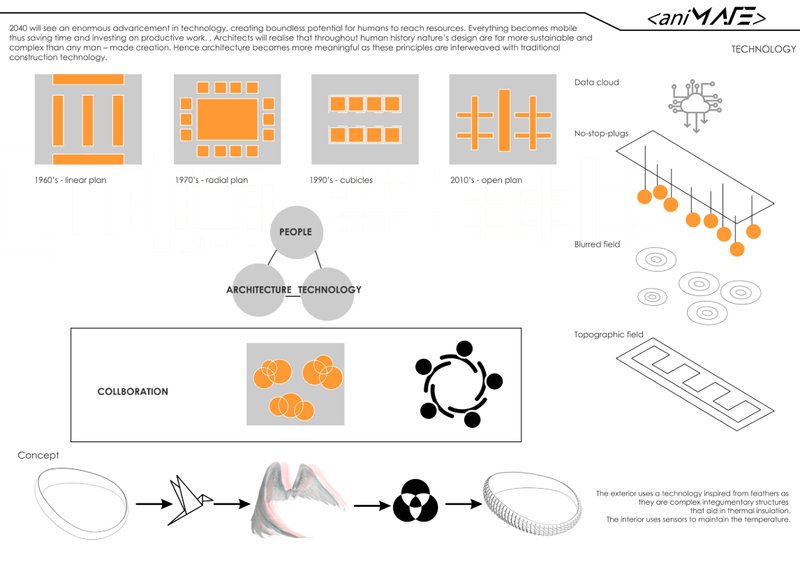
Workplace design has undergone remarkable transitions over the decades:
- 1960s: Linear plans dominated, emphasizing efficiency and compartmentalization.
- 1970s: Radial plans emerged, promoting centrality and connectivity.
- 1990s: The cubicle culture defined workspaces, focused on individual productivity.
- 2010s: Open-plan layouts became the norm, encouraging transparency and interaction.
By 2040, workplaces will transcend these static models, evolving into adaptive environments driven by real-time data, advanced materials, and human-centric design.
Architecture and Technology Integration
aniMATE places people at the center of the architecture–technology relationship. This triad creates environments that are not only functional but also deeply responsive:
- Data Cloud Systems: Seamless information flows without interruptions.
- No-Stop Plugs & Blurred Fields: Flexible infrastructure for continuous adaptability.
- Topographic Fields: Multi-layered spaces designed for overlapping activities.
The result is an architectural ecosystem that mimics the resilience and sustainability of natural systems.
Collaboration at the Core
Collaboration defines the essence of aniMATE. The workspace is not just about individual productivity but collective growth. Configurations are designed to enable overlapping functions, from group brainstorming to informal gatherings. The goal is to dissolve rigid boundaries and encourage fluid interaction.
Concept and Inspiration
The concept is rooted in biomimicry. The exterior takes inspiration from feathers, known for their complex integumentary structures that provide insulation and adaptability. Internally, sensors maintain environmental balance, ensuring comfort through thermal regulation.
This blend of natural inspiration and advanced construction technology establishes a workspace that adapts seamlessly to human needs.
Spatial Organization
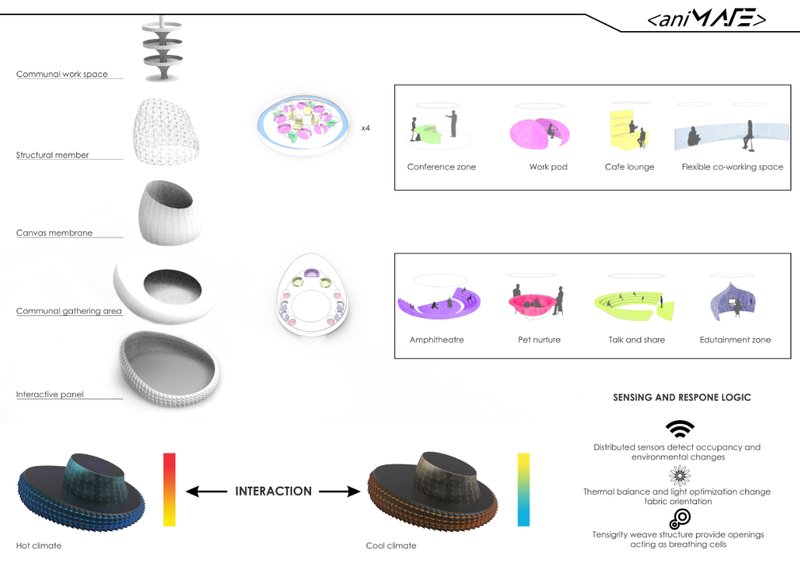
aniMATE’s structure comprises multiple interconnected zones:
- Communal Workspace: Flexible co-working areas with conference zones, café lounges, and work pods.
- Communal Gathering Area: Amphitheater, talk-and-share spaces, and pet nurture zones.
- Edutainment Areas: Spaces for learning, entertainment, and shared experiences.
Each layer integrates structural members, canvas membranes, and interactive panels, forming a holistic environment.
Responsive Architecture
The design adapts dynamically to external conditions and human activity:
- Distributed Sensors: Detect occupancy and environmental changes.
- Thermal and Light Optimization: Fabric orientations shift for comfort.
- Tensegrity Weave Structures: Openings act as breathing cells for ventilation.
The result is sustainable architecture that fosters adaptability while minimizing energy consumption.
aniMATE by Zorba is more than a futuristic office space; it is a vision of adaptive, sustainable, and human-centered architecture. By merging technology with biomimicry, the project demonstrates how future workspaces will evolve into collaborative ecosystems that respond intelligently to human and environmental needs.



Popular Articles
Popular articles from the community

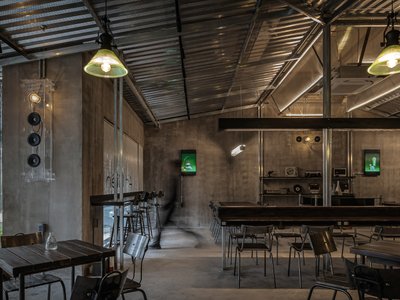
An Miên Lumière Cafe by xưởng xép, Ho Chi Minh City, Vietnam
An industrial-inspired café where layered steel and warm light create a dynamic, immersive environment shaped by reflection, depth, and perception.
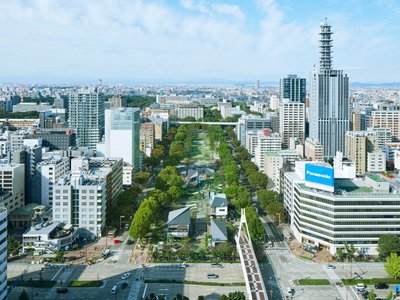
On the Brooks House by Monsoon Collective – A Contemporary Kerala Home Rooted in Tradition
Kerala home blending tradition and modernity with water-inspired design, brick architecture, courtyard planning, and sustainable rainwater harvesting strategies.
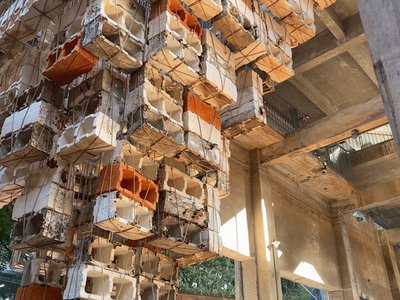
Inverted Architecture Installation by Studio Link-Arc: Exploring the Intersection of Architecture and Living Organisms
Inverted Architecture Installation by Studio Link-Arc blends mycelium, sustainability, inverted design, ecological cycles, and urban adaptive architecture in Shenzhen.
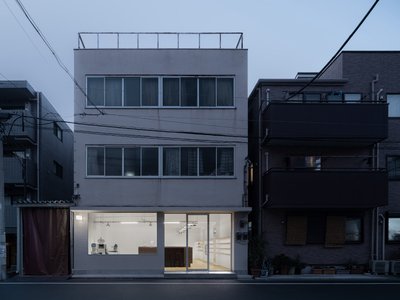
Atelier Macri Concept Store Interior Design by CASE-REAL
Atelier Macri store features a "ko" counter, walnut wood details, cork displays, blending retail, gallery, and seamless customer experiences.

Similar Reads
You might also enjoy these articles

Digital Façade Design for our cities’ urban fronts
Prima Facie - Result Story
Protecting avian biodiversity: Bird observatories to help spread awareness & save rare bird species.
Results for ‘Fly’ - Landscape design competition out now
Connecting with nature: Forest interpretation center in Australia's Wollemi National Park
‘Asatti’ - Landscape design competition - Result story
Explore Product Design Competitions
Discover active competitions in this discipline




The Global Benchmark for Architecture Dissertation Awards

Design challenge to equip cities with modern furniture

Design challenge to reuse E-waste

Packaging challenge - Design meets sustainability
Comments (0)
Please login or sign up to add comments
No comments yet. Be the first to comment!