
Architectural Public Spaces: The Sunshine Loft and Moon Pavilion by NODE Architecture & Urbanism
This article explores the Sunshine Loft and Moon Pavilion by NODE Architecture & Urbanism, focusing on innovative design in public spaces.

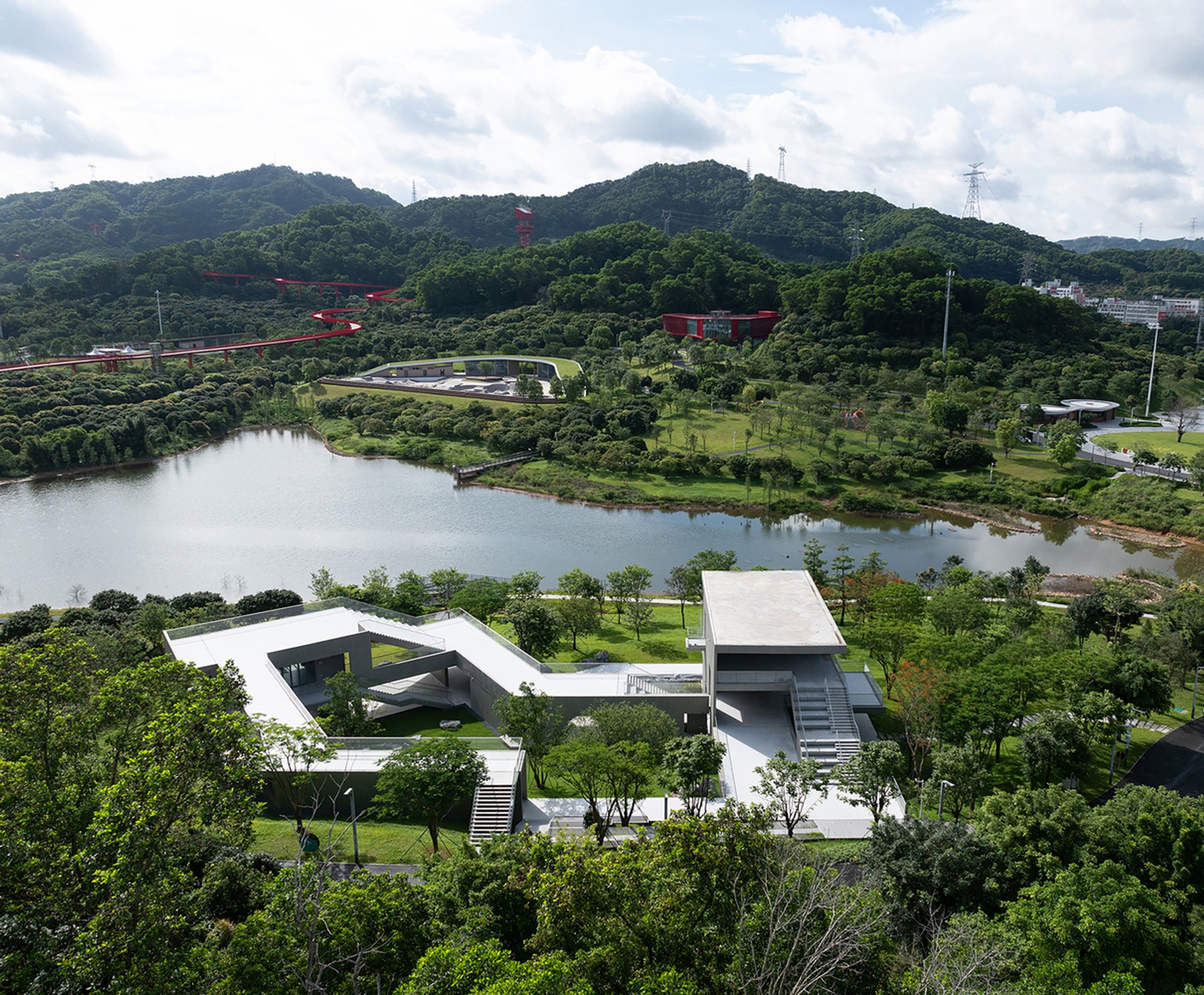
In the evolving landscape of urban architecture, public spaces are being redefined by innovative designs that not only serve functional purposes but also become integral to the cultural and recreational fabric of cities. The Sunshine Loft and Moon Pavilion in Shenzhen, China, designed by NODE Architecture & Urbanism, stand as exemplary models of how architectural design can enhance the public experience. This article explores these two architectural works, highlighting their design principles, materials, and the seamless integration with the surrounding landscape.
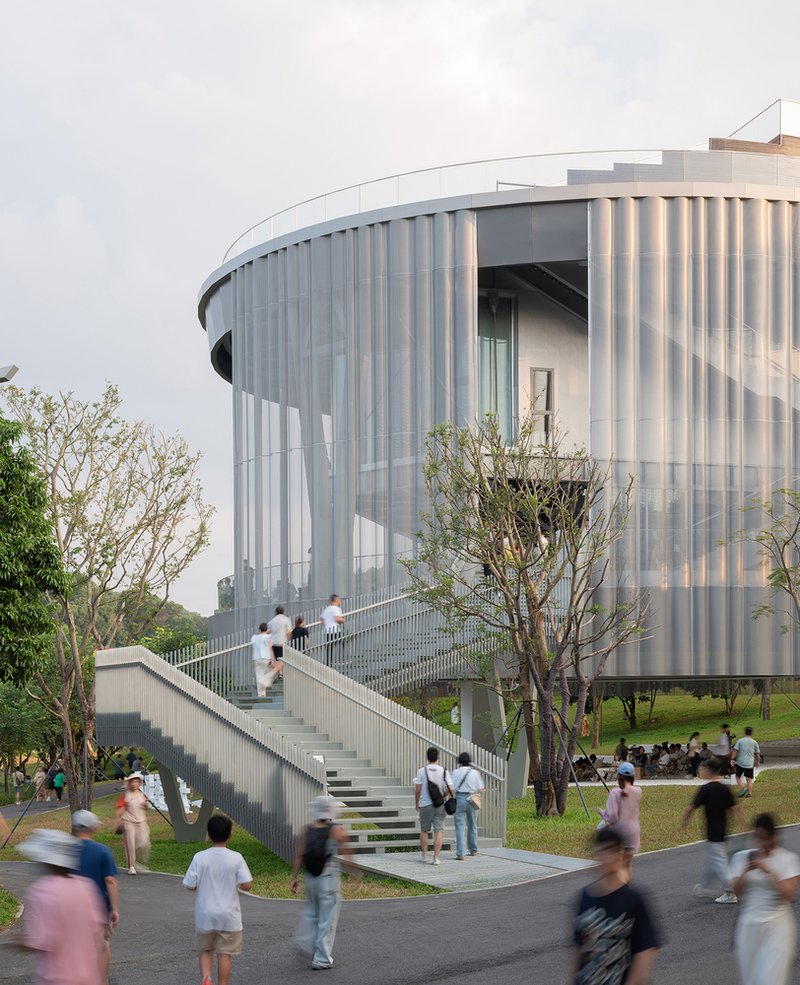
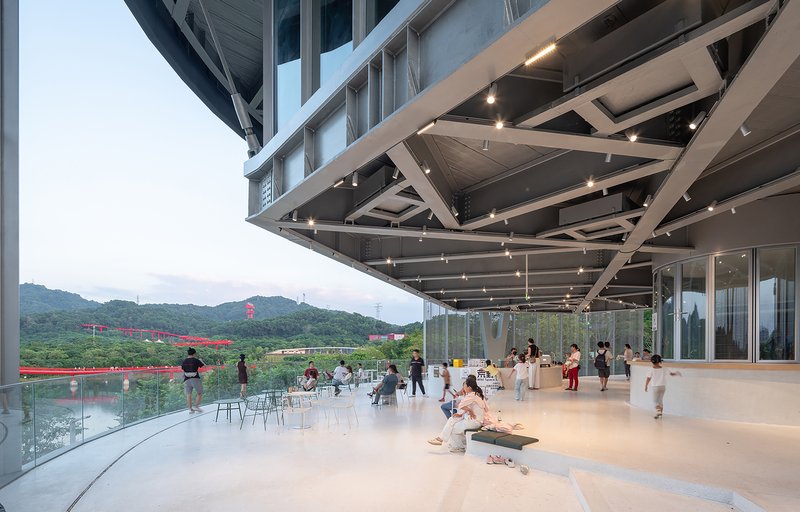
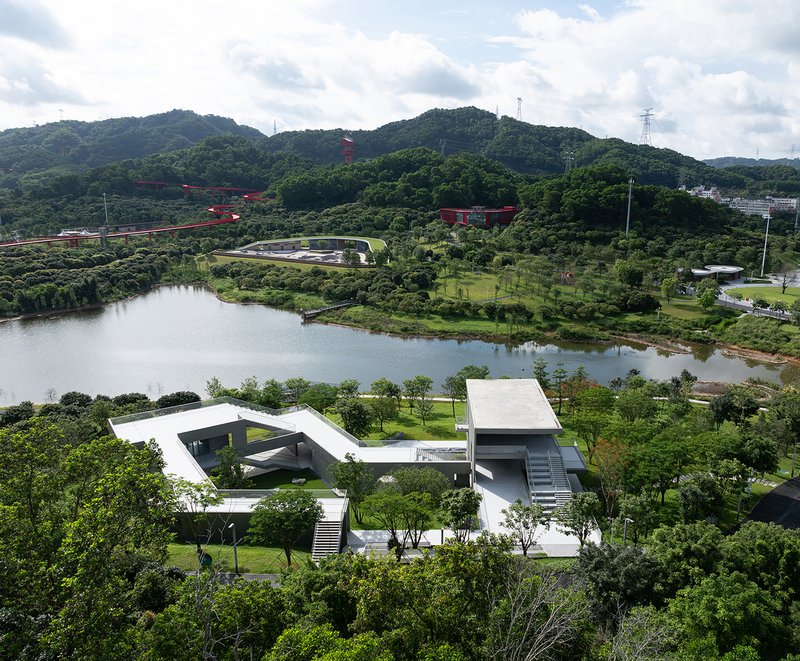
The Sunshine Loft: A Multidimensional Public Space
A Vision for Public Interaction
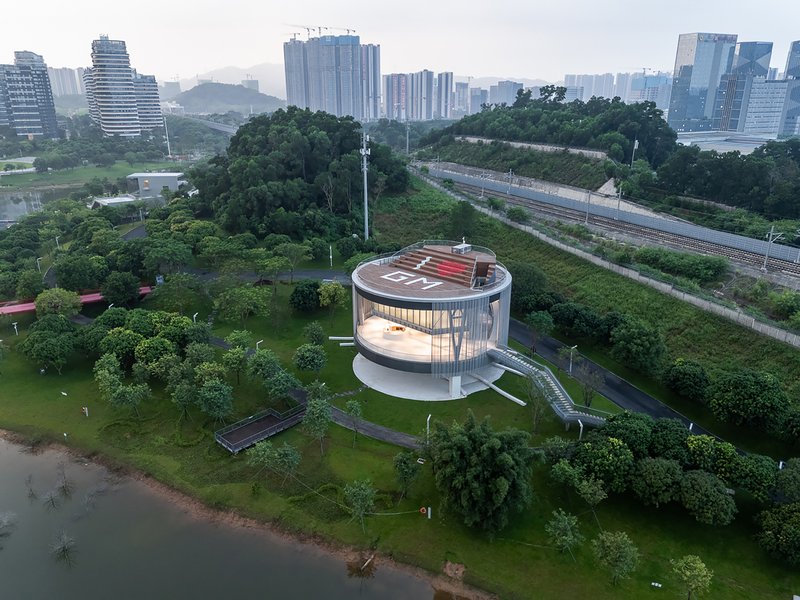
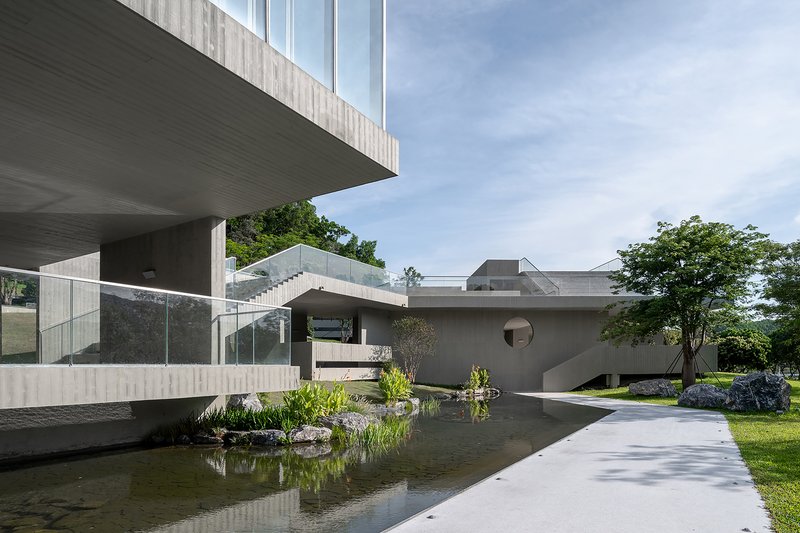
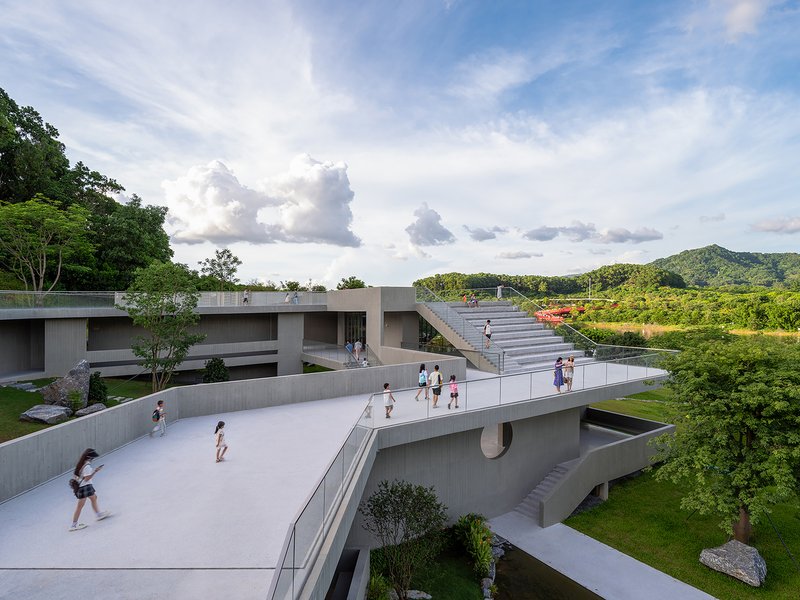
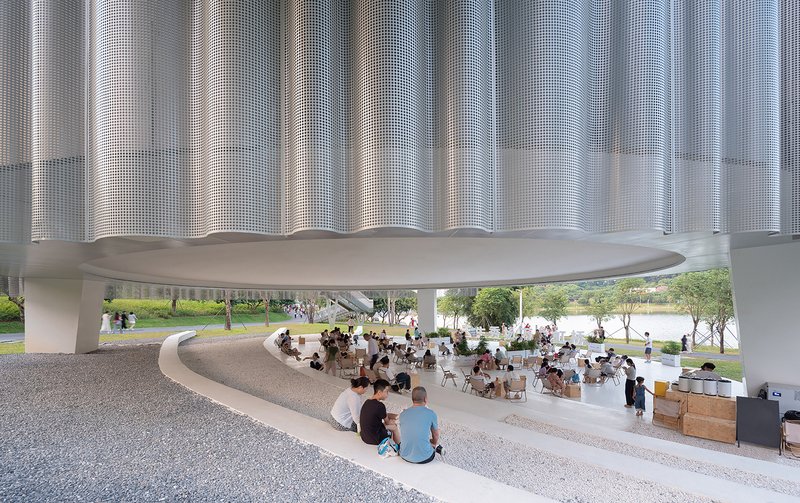
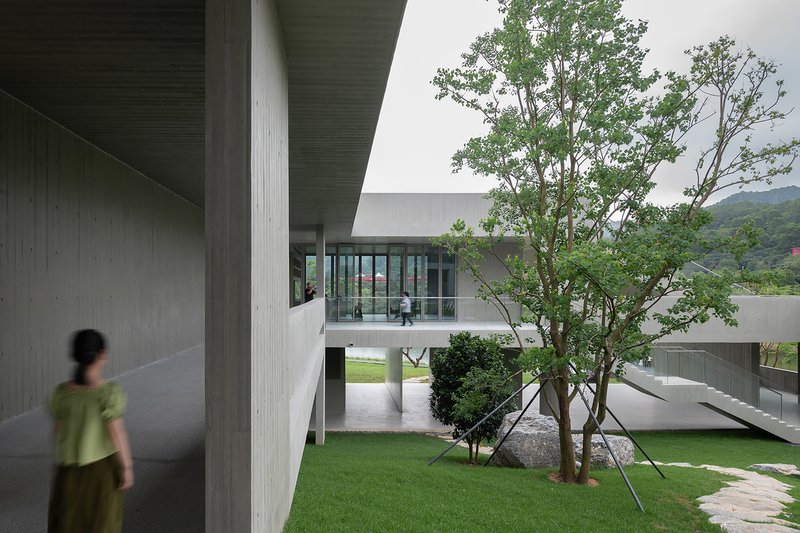
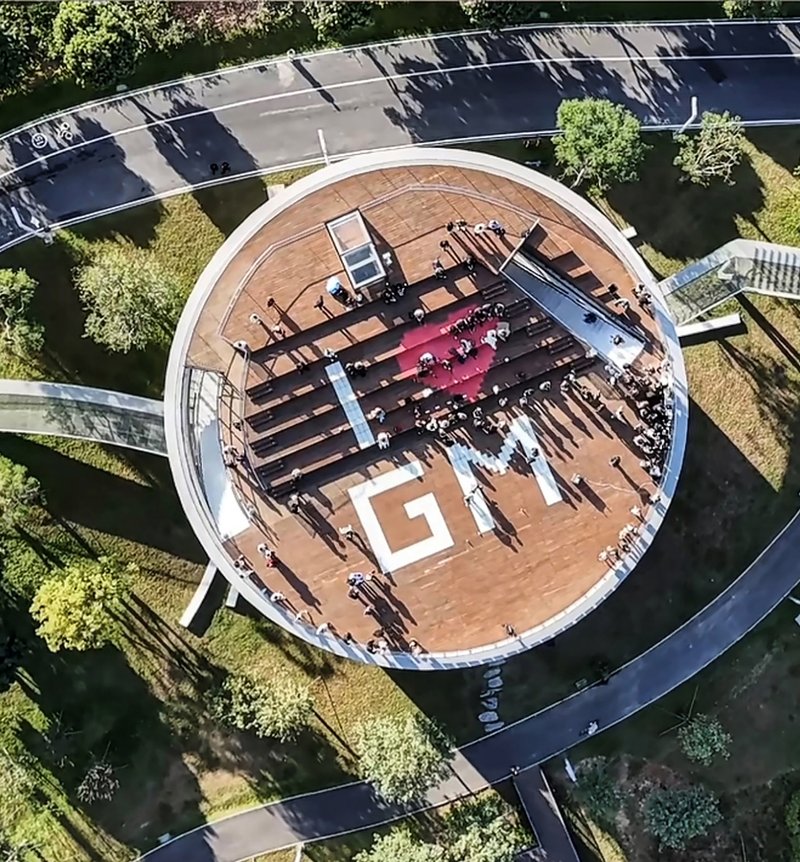
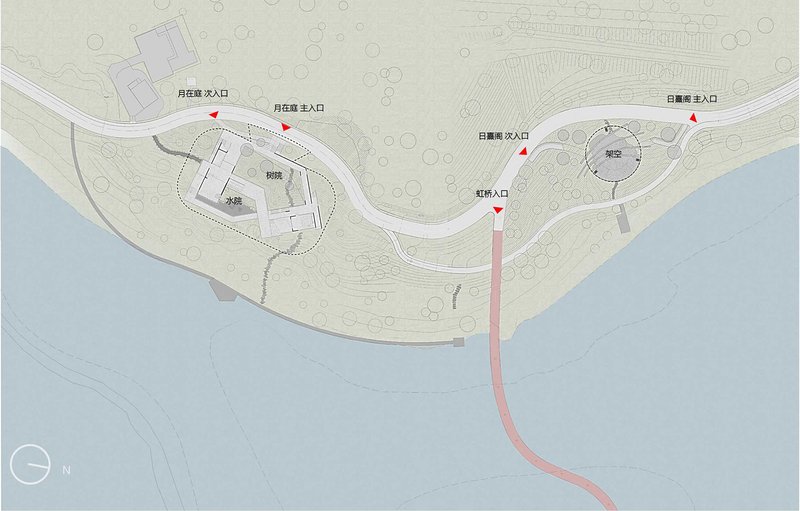
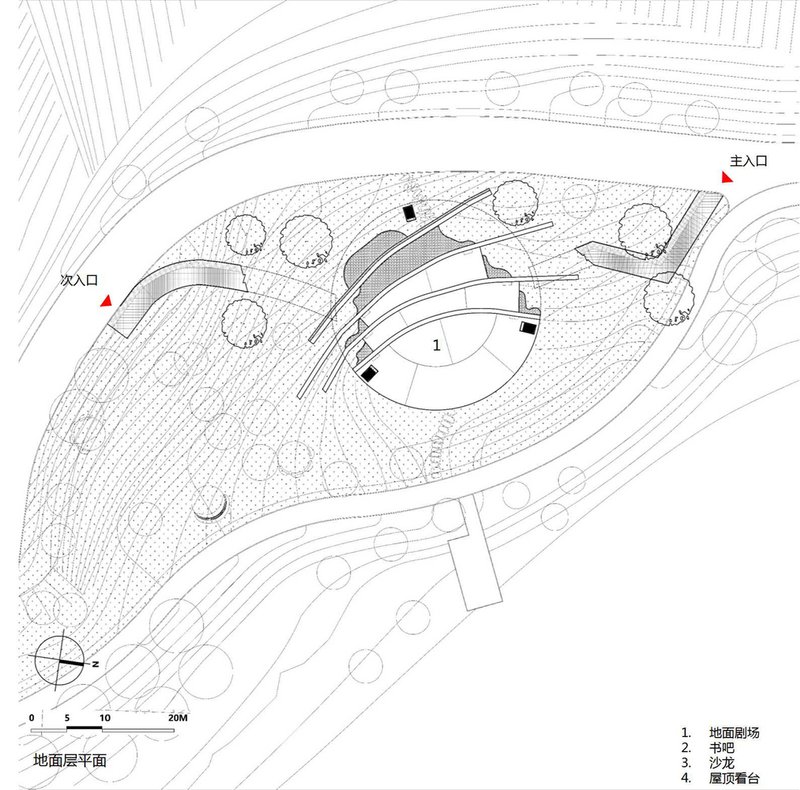
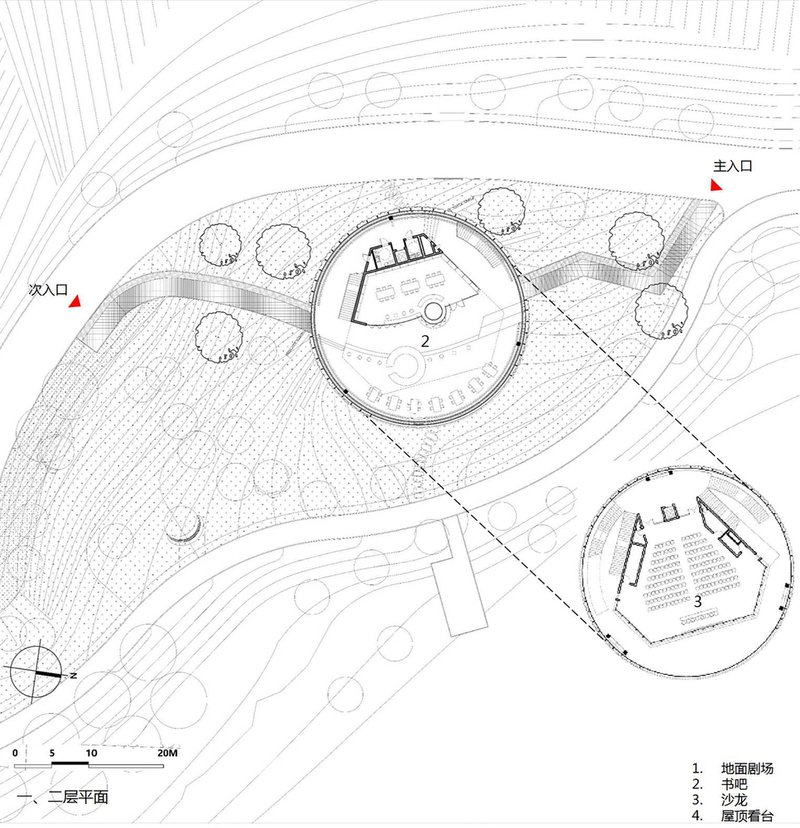
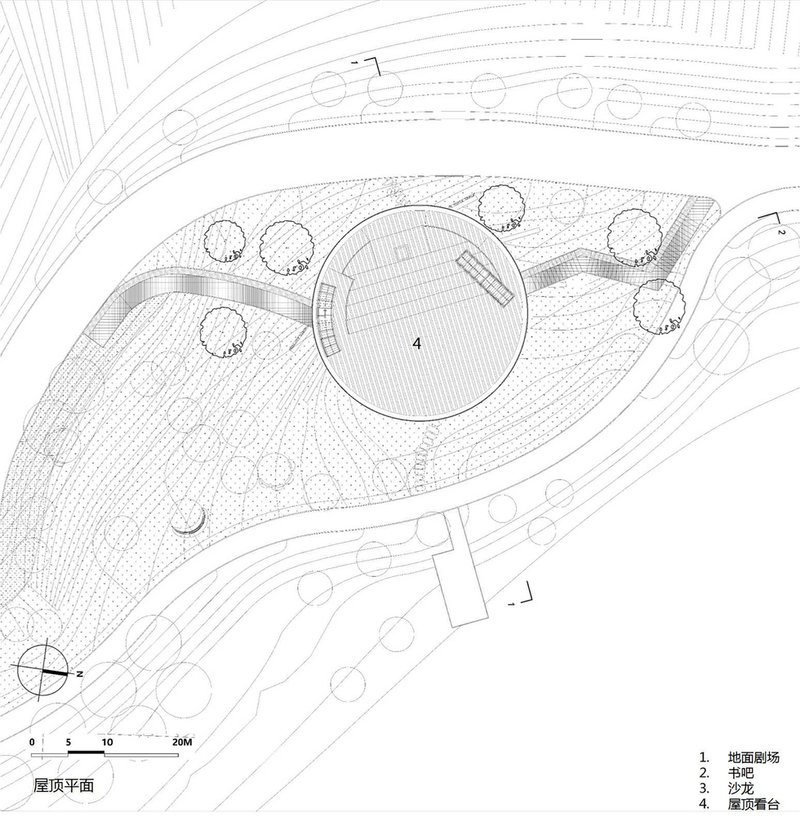
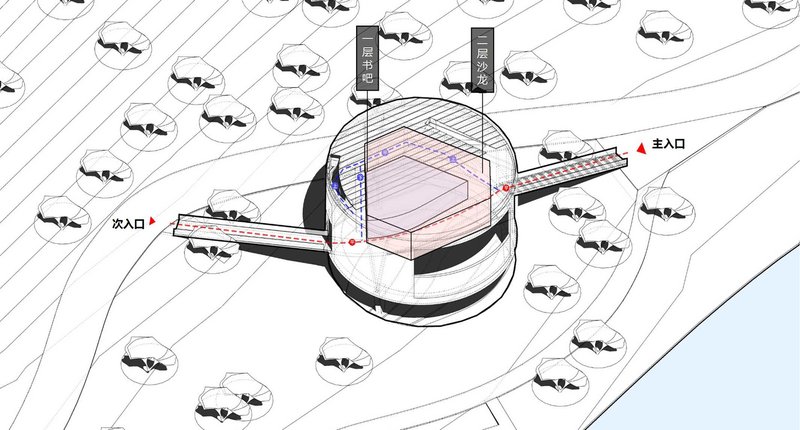
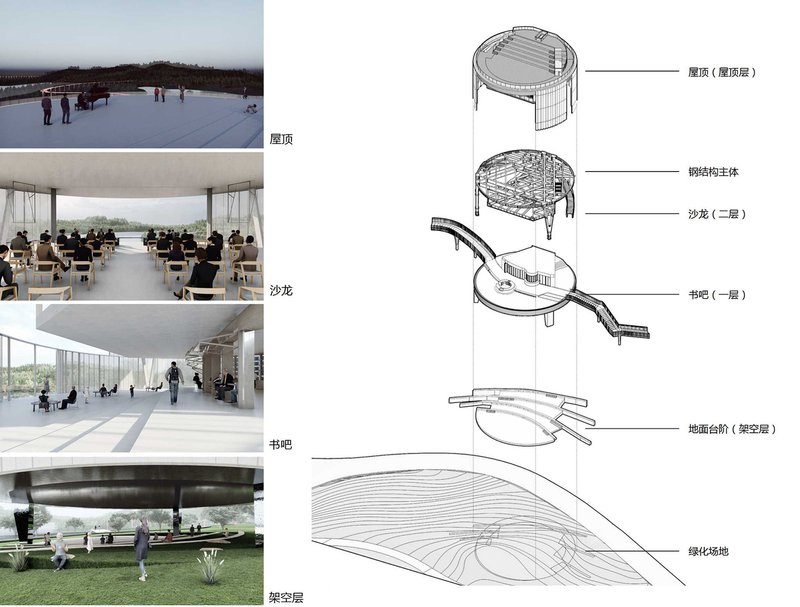
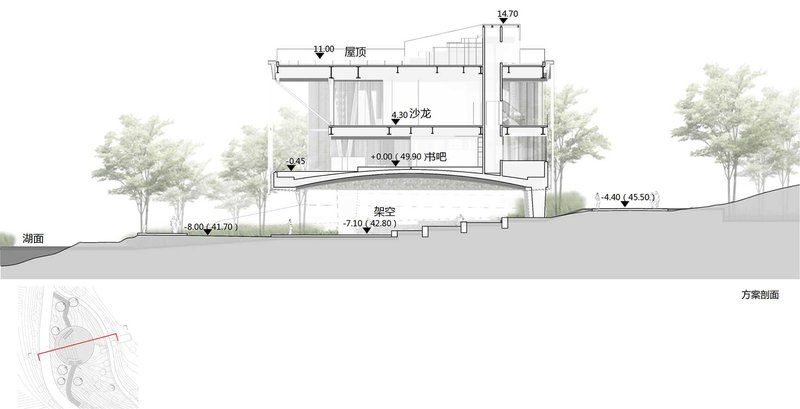
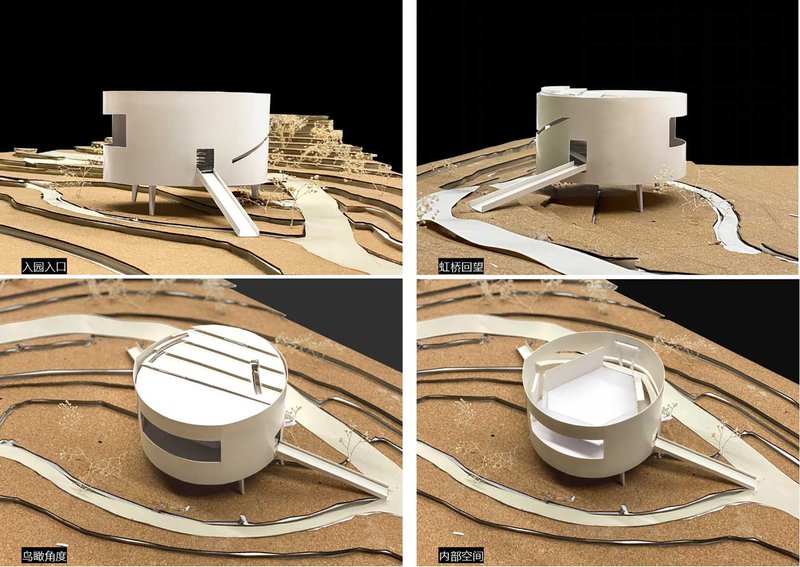
The Sunshine Loft, located on a sloped, circular site near Hongqiao Park, is a unique architectural endeavor aimed at providing multifunctional public space. Originally planned for park management, the design seeks to merge the natural slope of the terrain with the needs of a vibrant public space. The building’s circular layout creates a seamless flow between the interior and the surrounding park pathways, inviting visitors to engage with the space in multiple ways. Public areas, including a reading area, coffee shop, and a book bar, foster social interaction and community engagement.
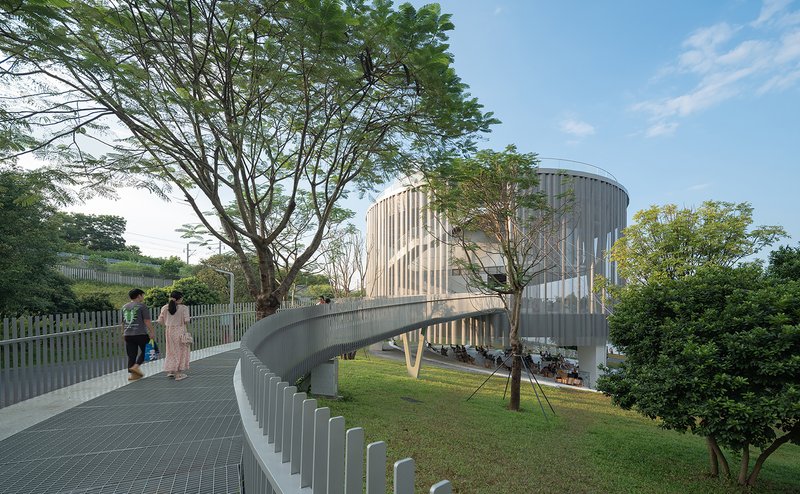
Architectural and Structural Innovations
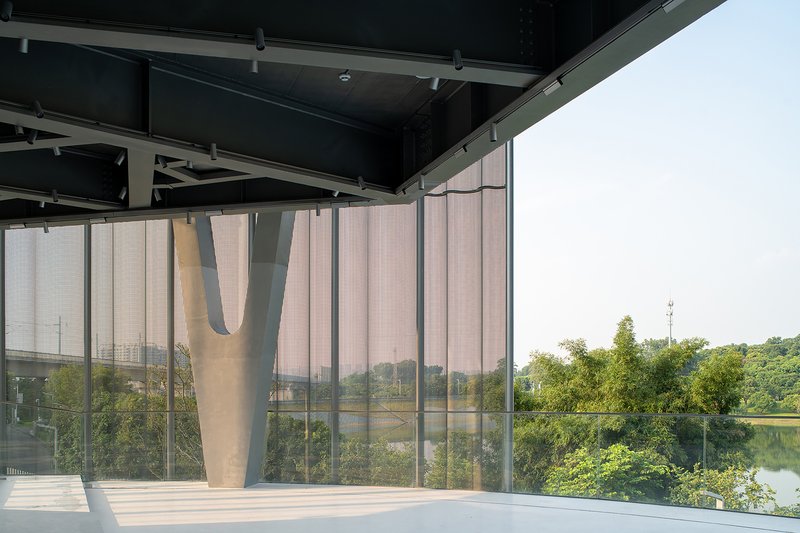
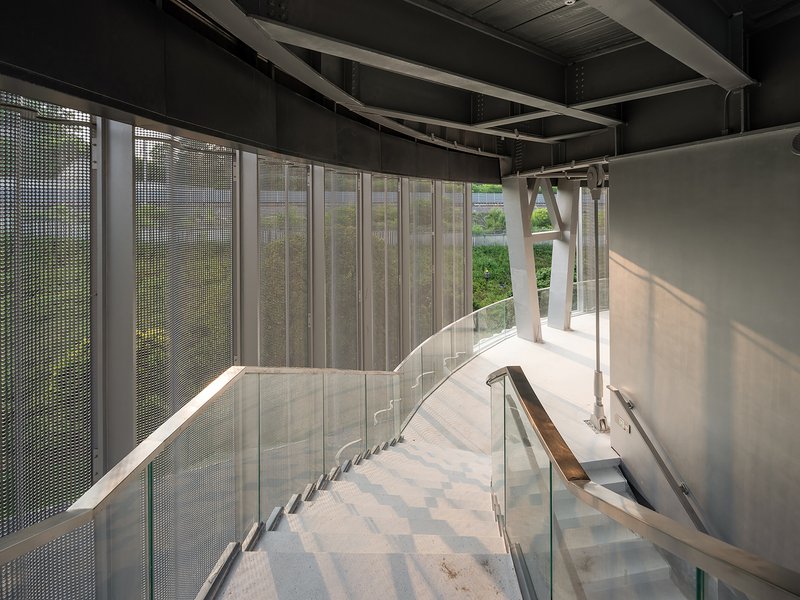
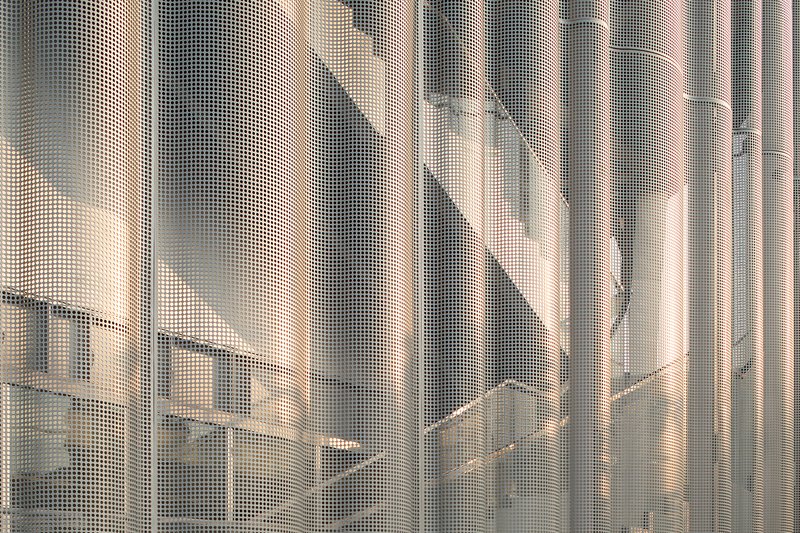
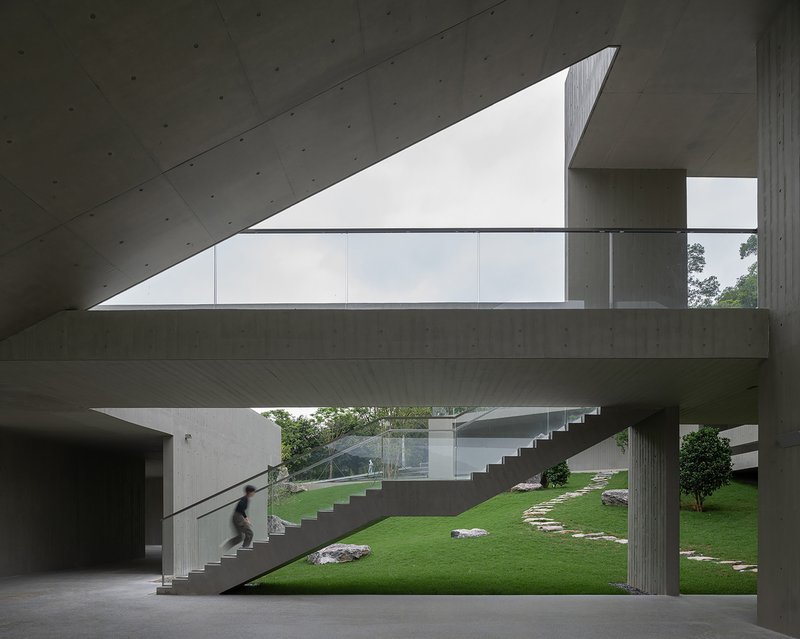
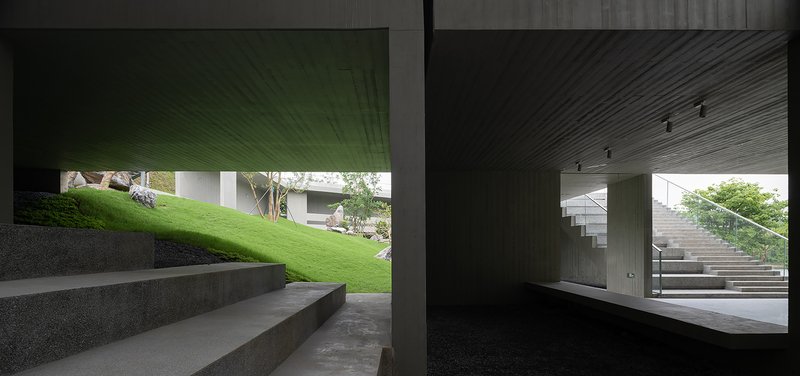
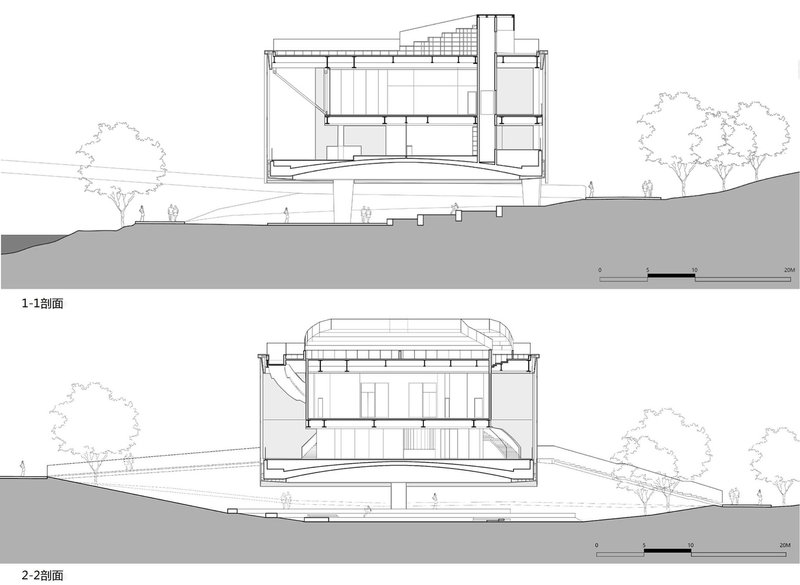
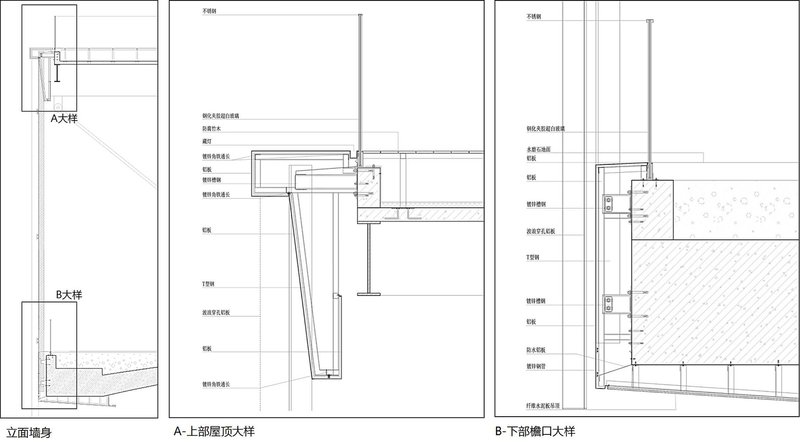
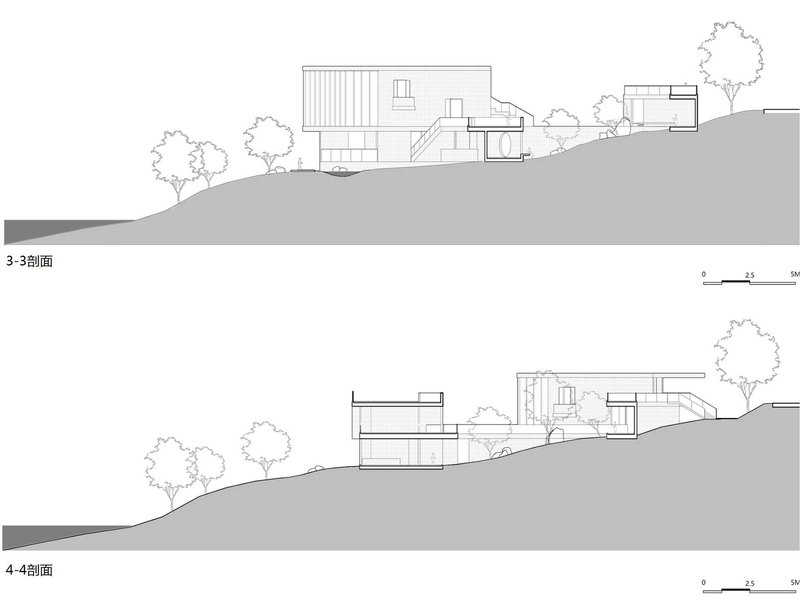
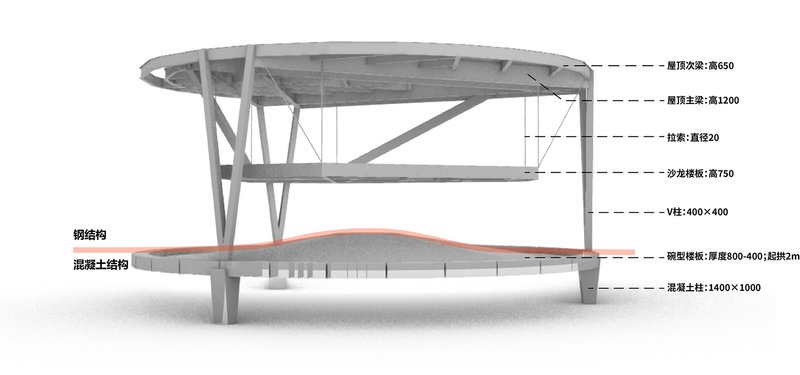
The design of the Sunshine Loft is anchored in a composite structural system combining concrete and steel. The ground floor, elevated by three concrete columns, creates a large-span open space that invites natural ventilation and enhances air circulation. The use of prestressed arch plates replaces traditional frame structures, creating a sense of openness and alleviating spatial constraints. This architectural approach ensures that the building remains inviting, transparent, and connected to its public function.
Private Yet Public Spaces
The second floor of the Sunshine Loft offers a more private experience, with spaces designed for activities such as salons and exhibitions. These spaces feature panoramic views of the iconic Hongqiao Bridge and its surrounding landscape, further strengthening the connection between architecture and the natural world. The design encourages interaction with the environment while maintaining a balance between public and private spaces.
The Moon Pavilion: A Sanctuary for Art and Culture
Integrating Architecture with Nature
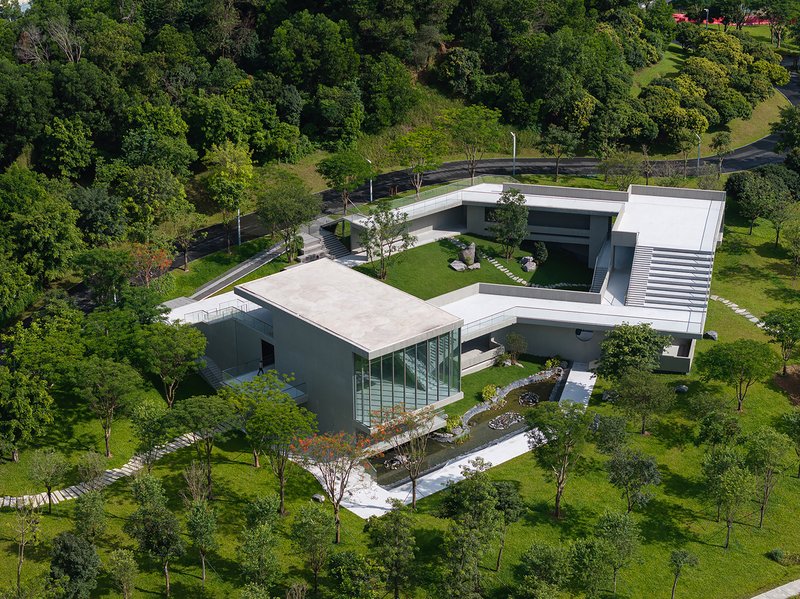
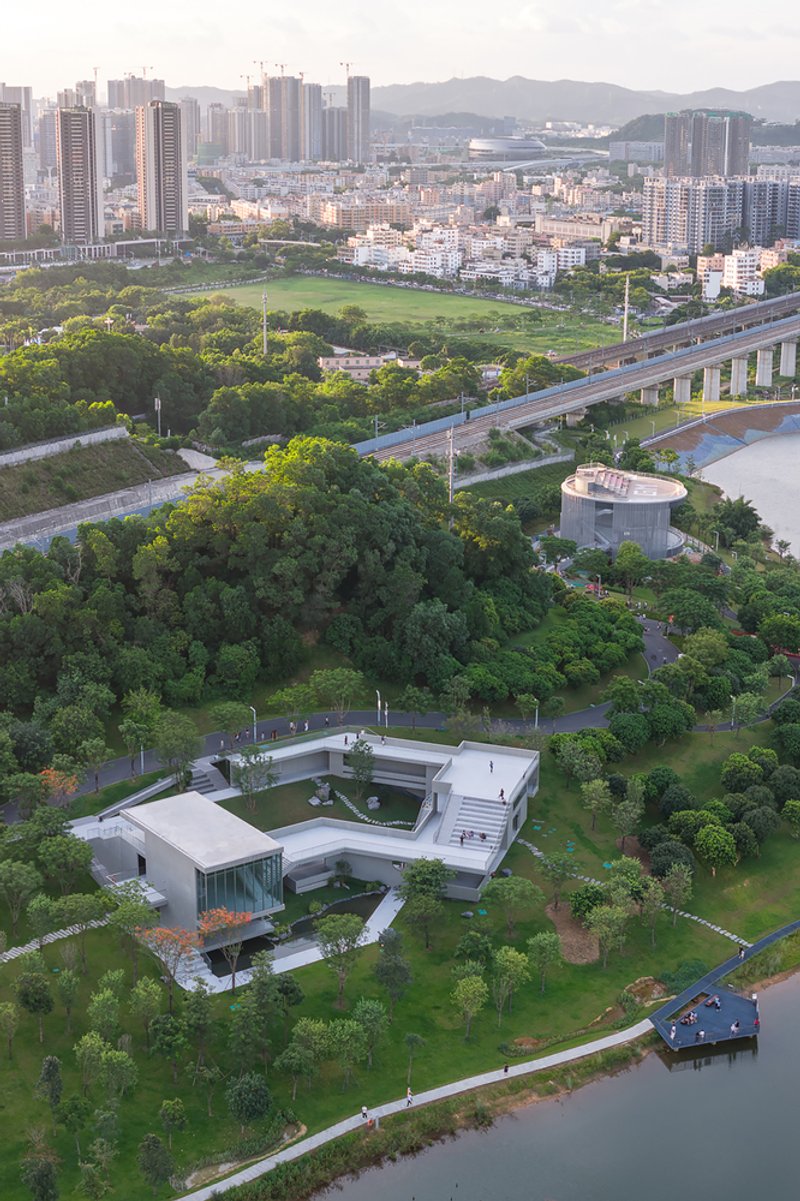
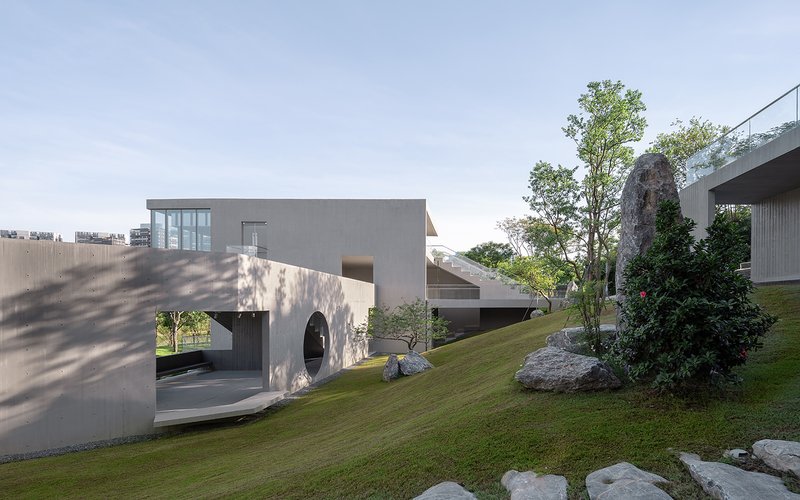
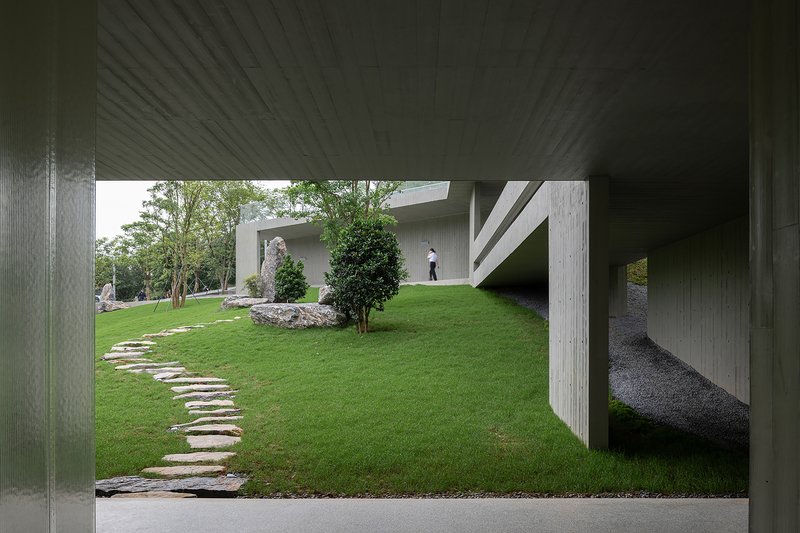
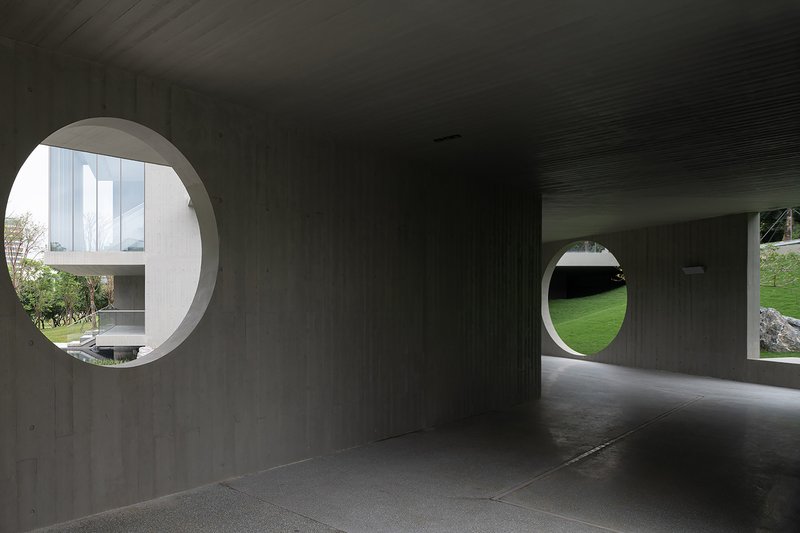
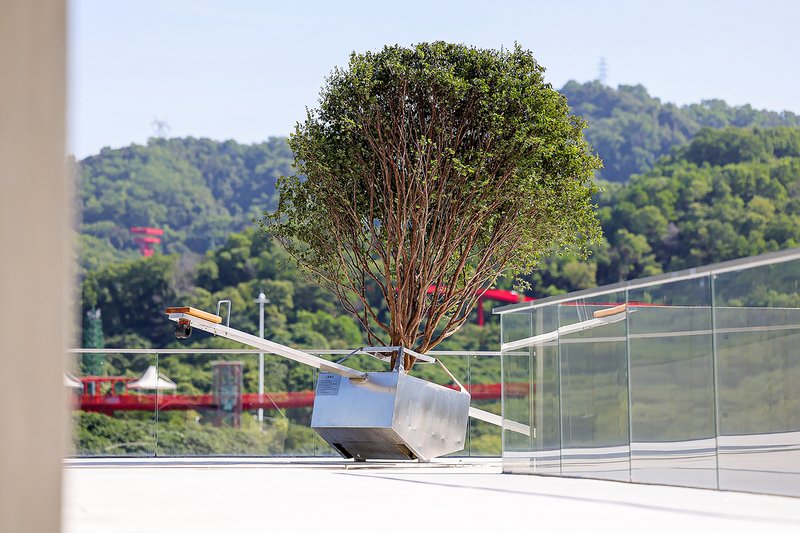
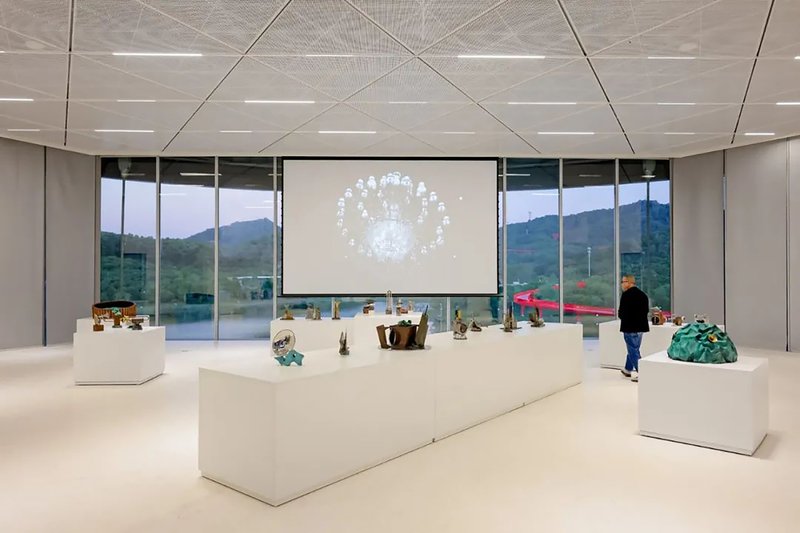
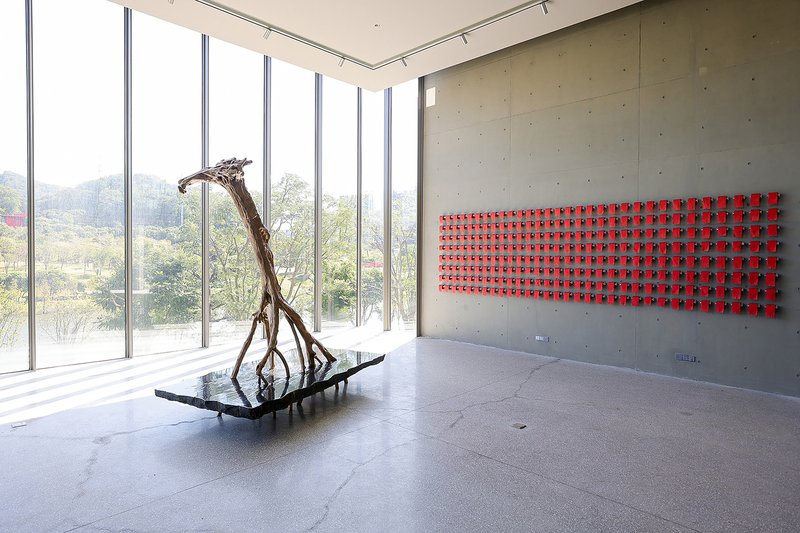
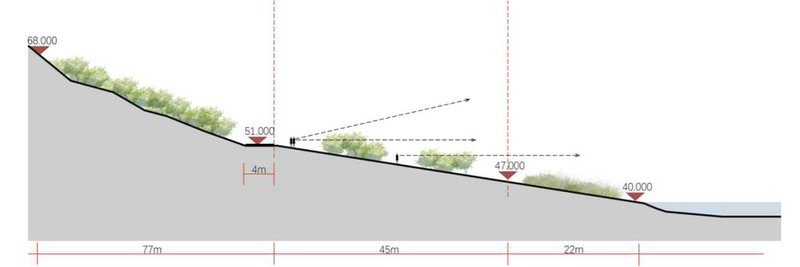
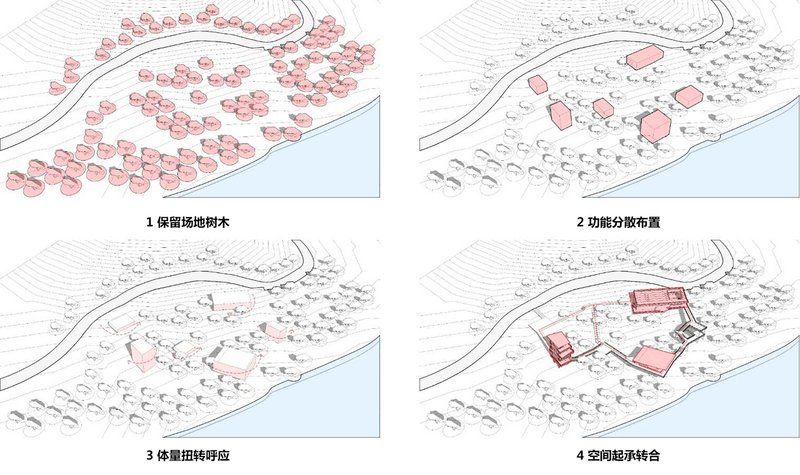
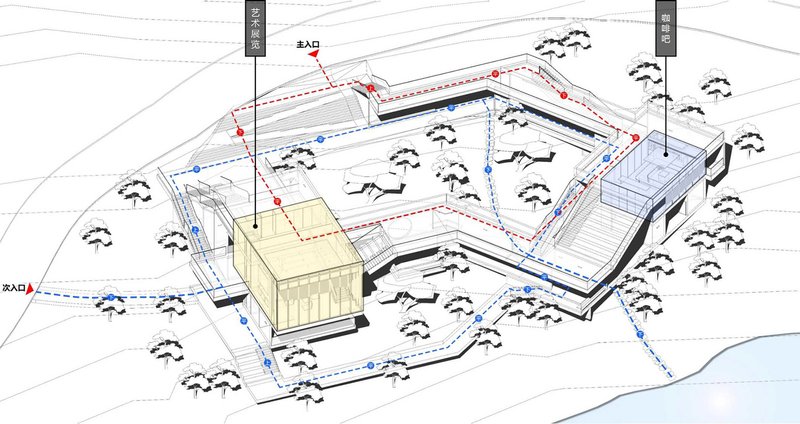
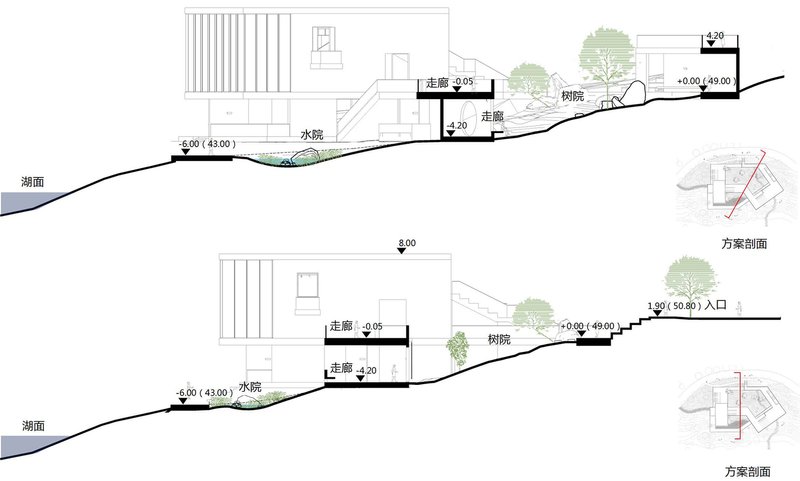
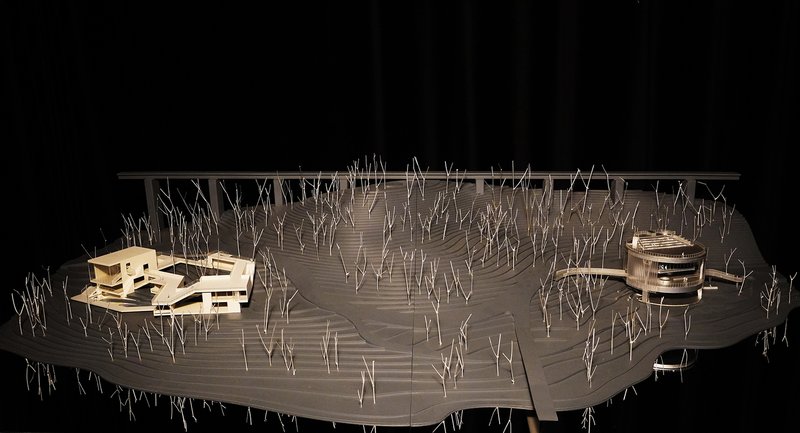
The Moon Pavilion, located on a site formerly planned for a BMX sports field, is a compact art pavilion designed to provide a cultural retreat. The design aims to preserve the natural lychee forest while maximizing the use of sloping terrain. The pavilion includes exhibition spaces, a coffee shop, and tea rooms, all of which are integrated into the landscape, offering visitors a serene environment to connect with art and nature.
Material Innovation: Fair-Faced Concrete
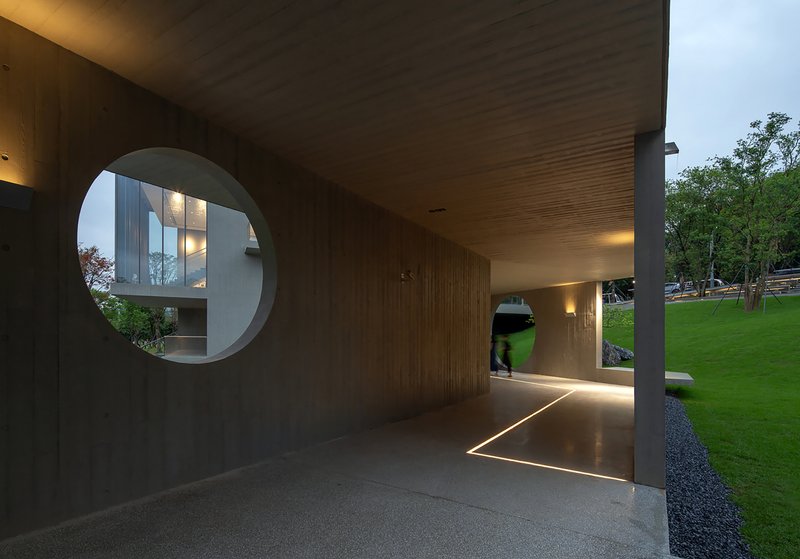
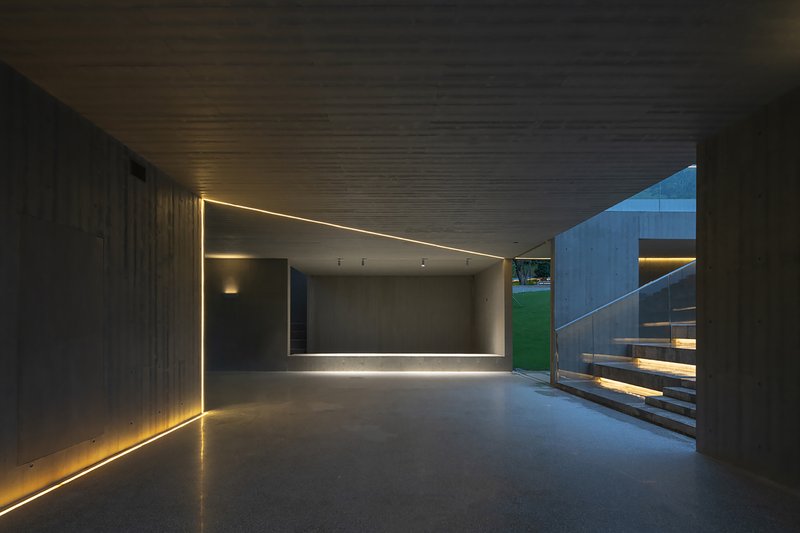
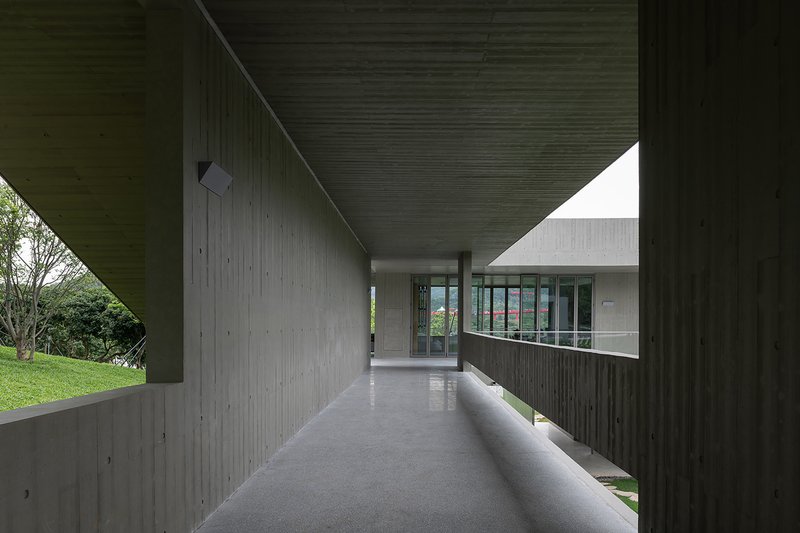
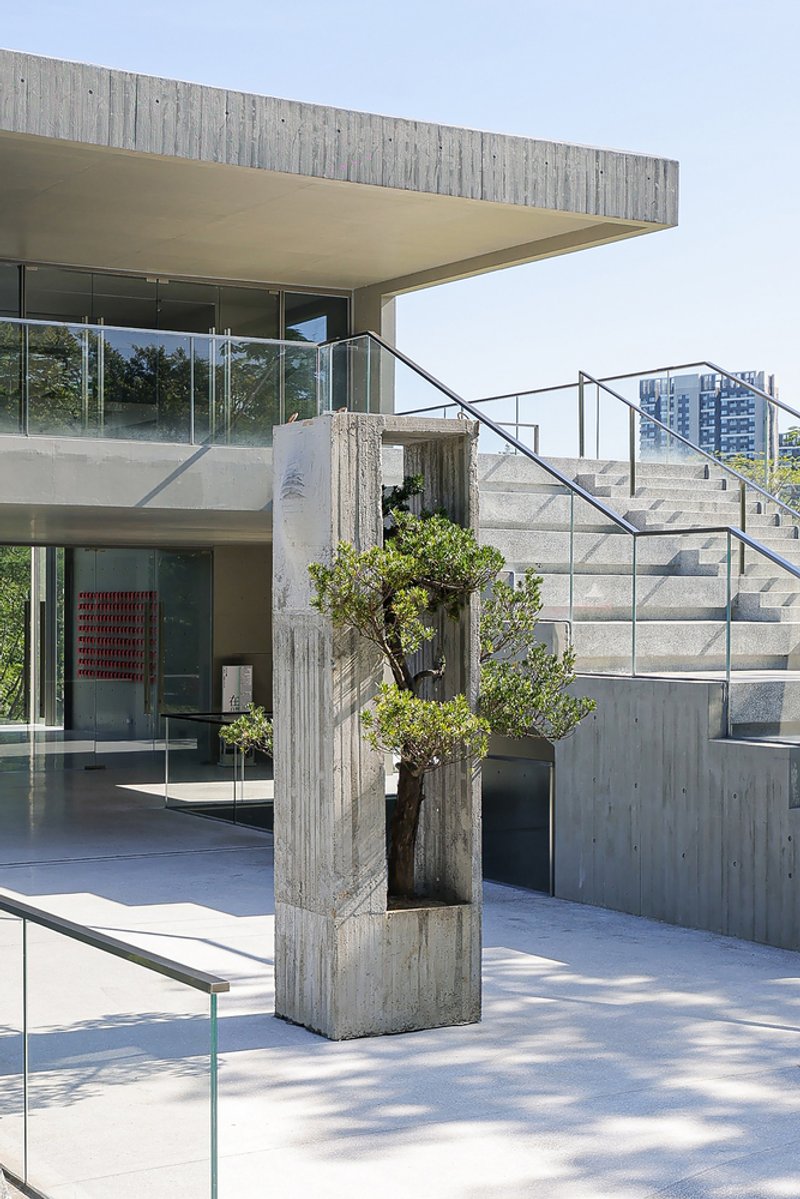
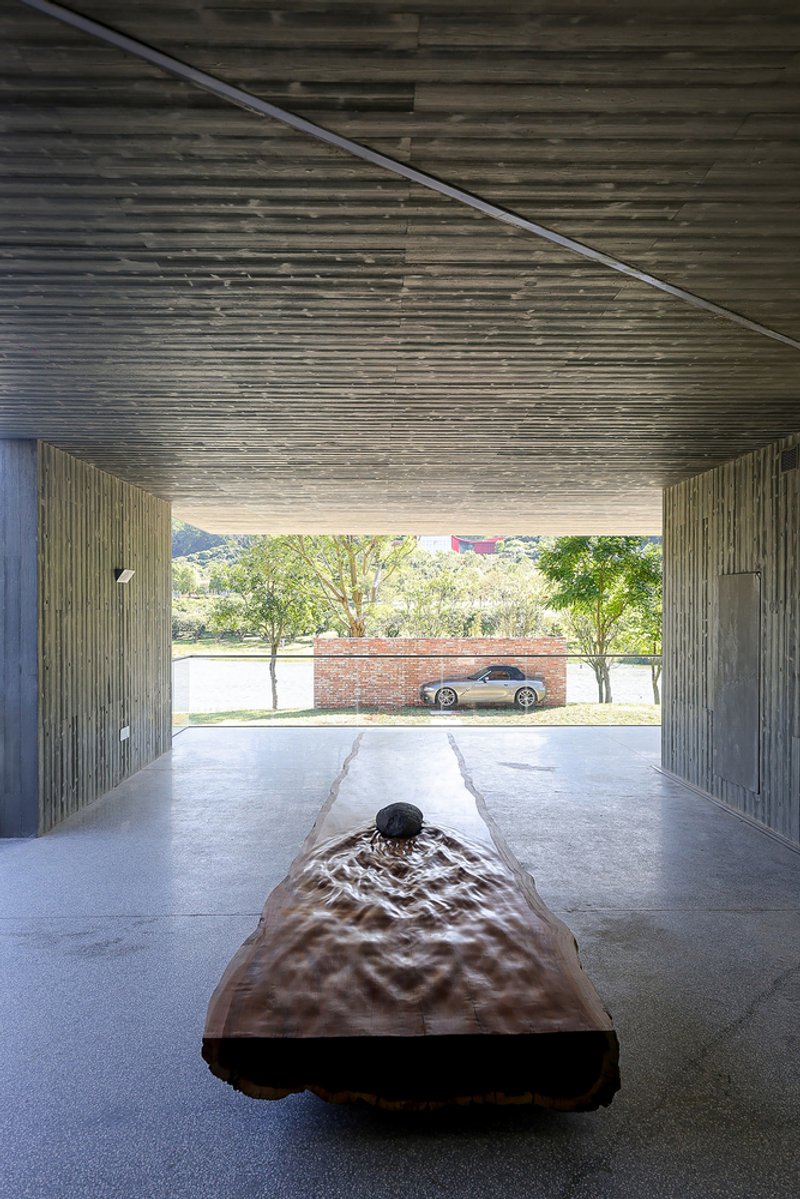
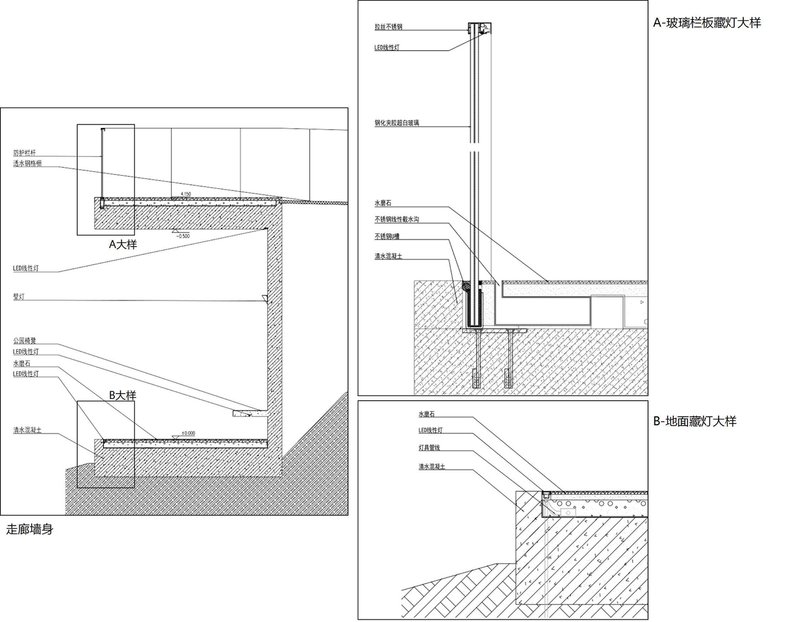
A hallmark of the Moon Pavilion’s design is its use of fair-faced concrete, which seamlessly integrates with the surrounding landscape. The building's monolithic concrete exterior, designed with wooden molds, creates a unique textural contrast that reflects the simplicity and purity of the design. The meticulous use of this material, combined with careful craftsmanship, ensures a flawless aesthetic that contributes to the Pavilion’s tranquil atmosphere.
Creating an Artistic Sanctuary
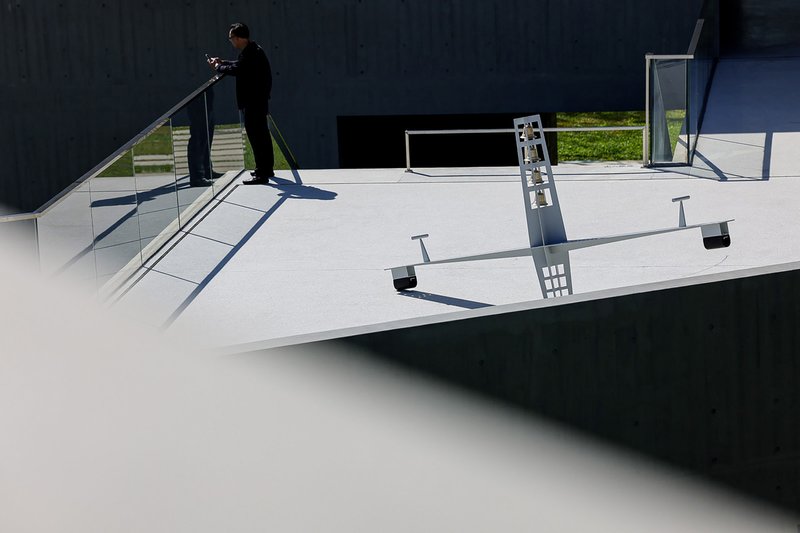
The Moon Pavilion’s design is rooted in the principles of simplicity and continuity, offering a peaceful escape within the urban fabric. The pavilion not only serves as an art station but also as a space for contemplation and connection with the environment. Its integration with the surrounding landscape highlights the design’s commitment to creating spaces that resonate with both nature and culture.
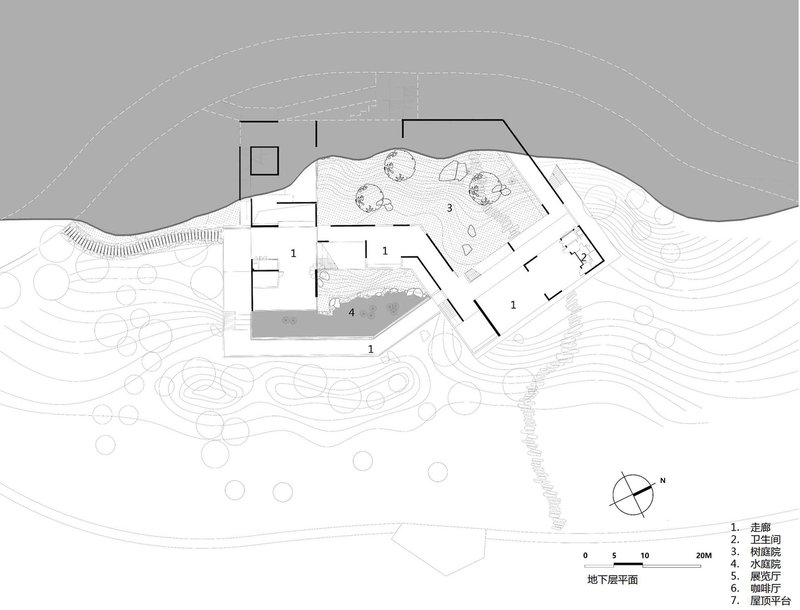
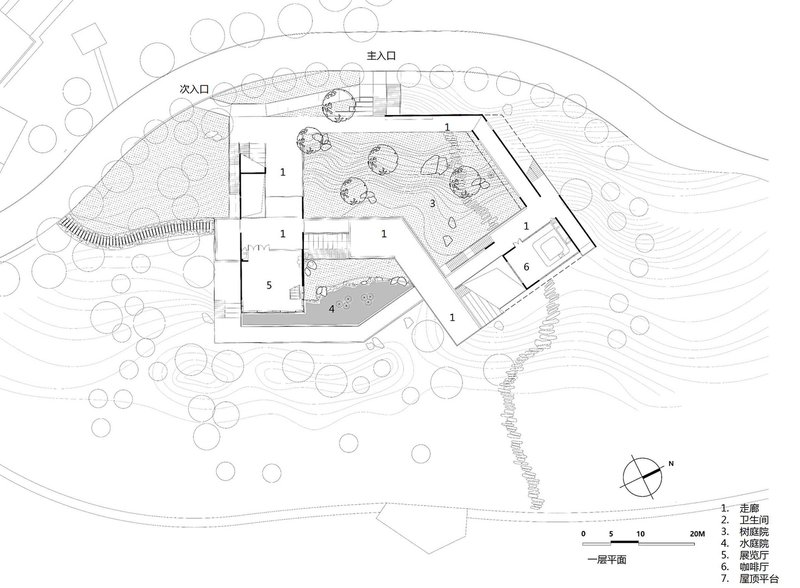
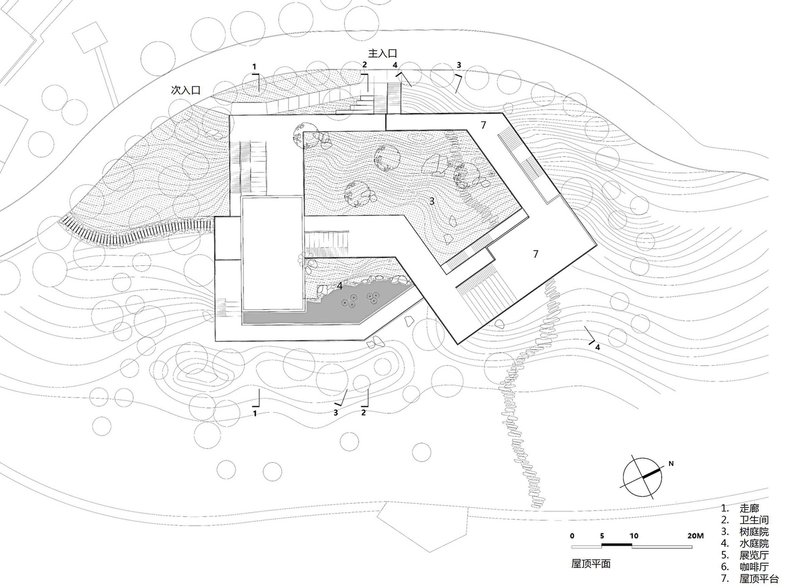
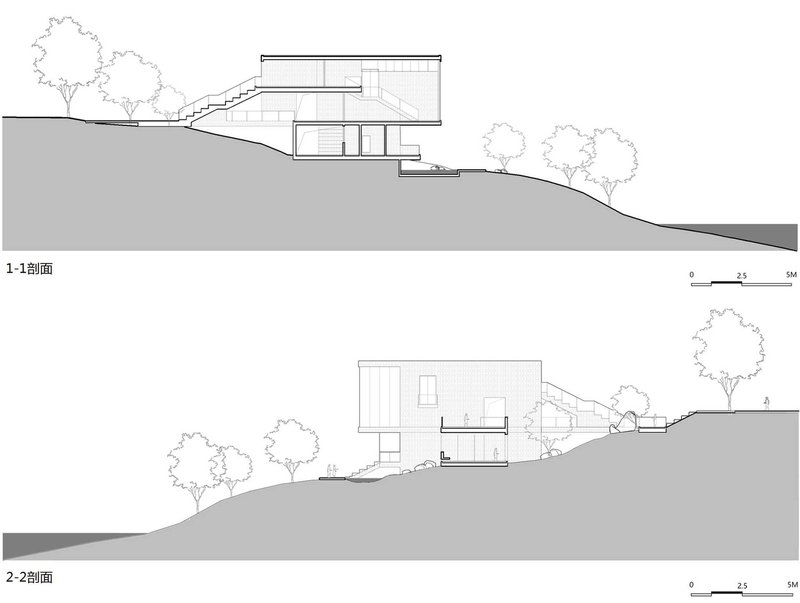
Both the Sunshine Loft and Moon Pavilion demonstrate how architecture can shape public spaces that are both functional and transformative. By blending innovative materials, spatial design, and a deep respect for the natural environment, NODE Architecture & Urbanism has created spaces that invite people to engage with their surroundings in meaningful ways. These architectural works offer valuable insights into the future of public spaces and their role in fostering community, culture, and connection.
All Photographs are works of Hu Kangyu, Zhang Chao, Joint Laboratory of Science and Art



Popular Articles
Popular articles from the community

Louis Malle Cinema: A Limestone Cultural Landmark Revitalizing Community Life in Prayssac
Limestone cinema extension with public forecourt, blending heritage and modern design to create flexible cultural spaces and strengthen community interaction.


The Ken Roberts Memorial Delineation Competition (Krob)
As the most senior architectural drawing competition currently in operation anywhere in the world, it draws hundreds of entries each year, awarding the very best submissions in a series of medium-based categories.
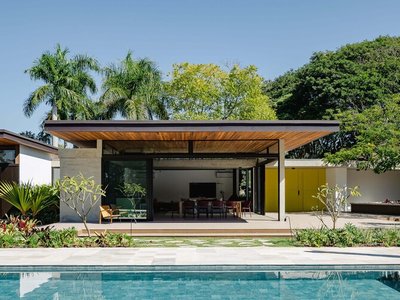
Flamboyant House by Juliana Camargo + Prumo Projetos
Modern Brazilian house integrating existing tree, pool, and volumes with glass, wood, and transitional spaces blending interior, exterior, and landscape seamlessly.
Solar Steam: A Climate-Responsive Architecture That Redefines the Monument
A climate-responsive memorial architecture that transforms heat, decay, and time into a living system reflecting humanity’s ecological impact.

Similar Reads
You might also enjoy these articles
The Ken Roberts Memorial Delineation Competition (Krob)
As the most senior architectural drawing competition currently in operation anywhere in the world, it draws hundreds of entries each year, awarding the very best submissions in a series of medium-based categories.

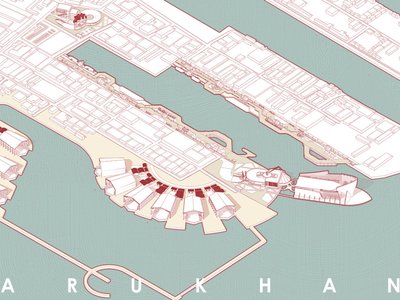
Waterfront Redevelopment and Urban Revitalization in Mumbai: Forging a New Dawn for Darukhana
A transformative waterfront redevelopment project reimagining Darukhana’s shipbreaking heritage into an inclusive urban future.
OUT-OF-MAP: A Call for Postcards on Feminist Narratives of Public Space
Rhizoma Design and Research Lab invites artists, designers, architects, researchers, and students to reflect on how feminist perspectives can reshape public space. Selected works will be exhibited in Barcelona, October 2026. Submissions open until 15 April 2026.

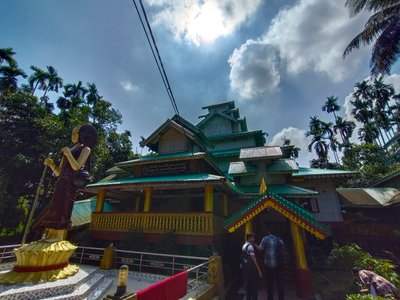
Documentation Work on Buddhist Wooden Temple
Architectural syncretism and cultural hybridity: A comparative study of the Buddhist temples in Chattogram Hill tracks

Explore Architecture Competitions
Discover active competitions in this discipline




The International Standard for Design Portfolios


The Global Benchmark for Architecture Dissertation Awards


The Global Benchmark for Graduation Excellence


Challenge to reimagine the Iron Throne
Comments (0)
Please login or sign up to add comments
No comments yet. Be the first to comment!