
Architecture Office Renovation in Japan: GRAY-ZONE Design Office’s Distance and Dimensions
This article explores a small-scale architecture office renovation that redefines community interaction and spatial boundaries through thoughtful design.


Reimagining Community Engagement Through Spatial Transformation
“Would people be happy if a design office opened nearby?” This question guided the GRAY-ZONE Design Office in its recent architecture office renovation project located in Hadano City, Kanagawa Prefecture. Blending spatial rationality with social sensitivity, this 37-square-meter project isn’t merely about workspace optimization. Instead, it redefines how a small architectural practice can engage with its surrounding community by reassessing the “sense of distance” between the office, its visitors, and society.

From Manufacturing Plant to Multi-Dimensional Dialogue
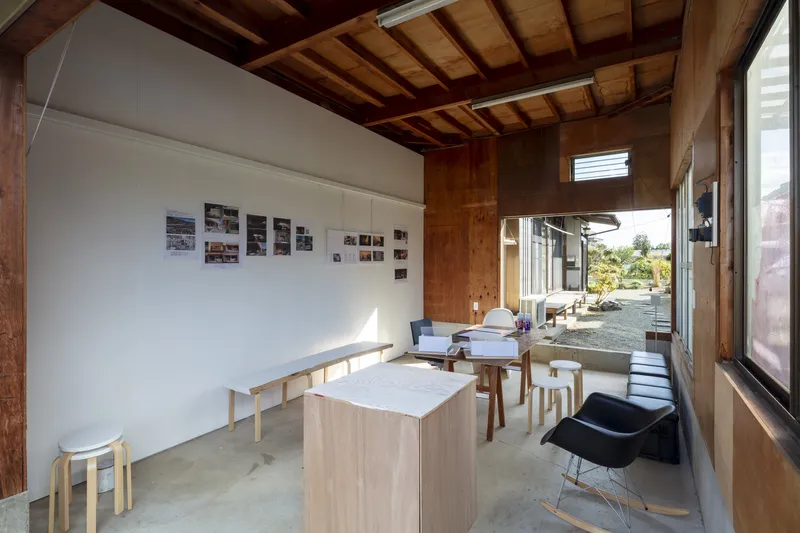
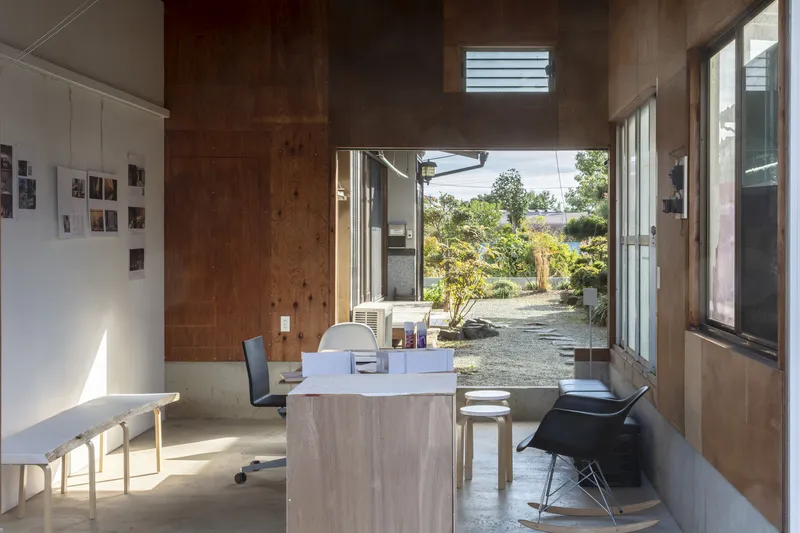
The site carries a layered history, having previously functioned as a wood processing plant. Over time, expansions added various architectural elements without cohesive design logic. GRAY-ZONE approached the renovation by refining these scattered architectural lines, preserving the memory of the site while turning it into a contemporary design space. The transformation doesn’t erase the past but rather interprets it through a new lens, creating a hybrid space that acts as both office and community connector.


The Concept of “Distance” in Design Practice
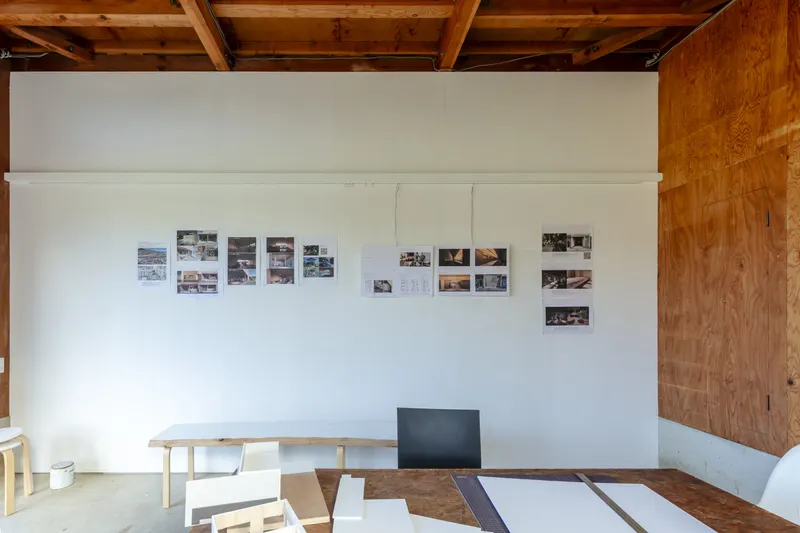
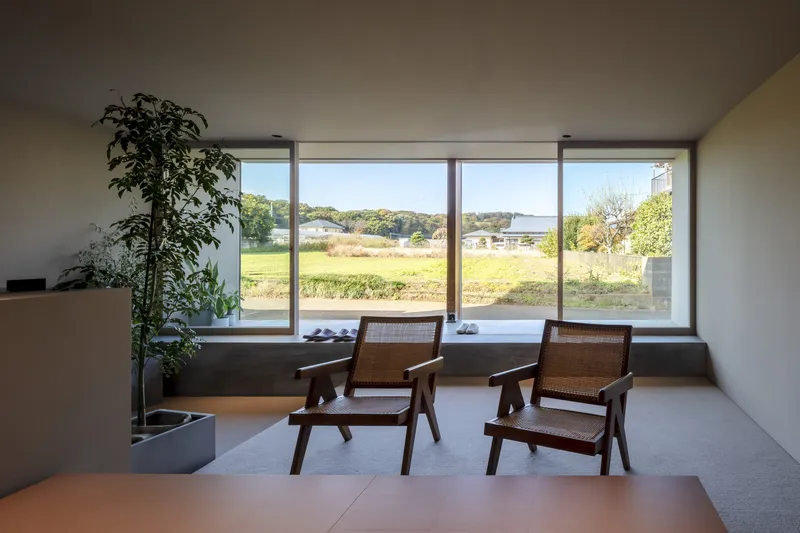
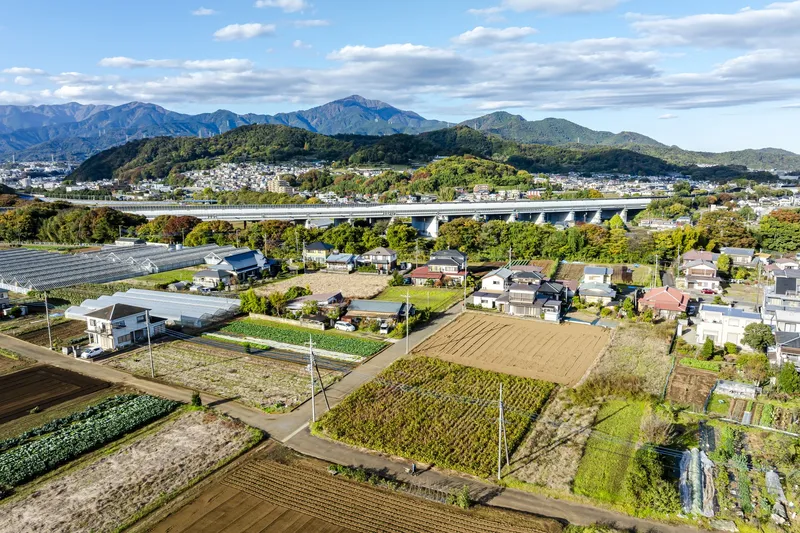
At the core of this architecture office renovation is the abstract yet deeply human idea of “distance.” Not just physical, but relational—between designers and clients, locals, acquaintances, and even those with no ties to architecture. By designing with empathy and openness, the office becomes a familiar presence within the urbanization control area. This small project attempts to dissolve traditional barriers between professional spaces and public life.
Agari-Doma: Spatial Dialogue with Tradition
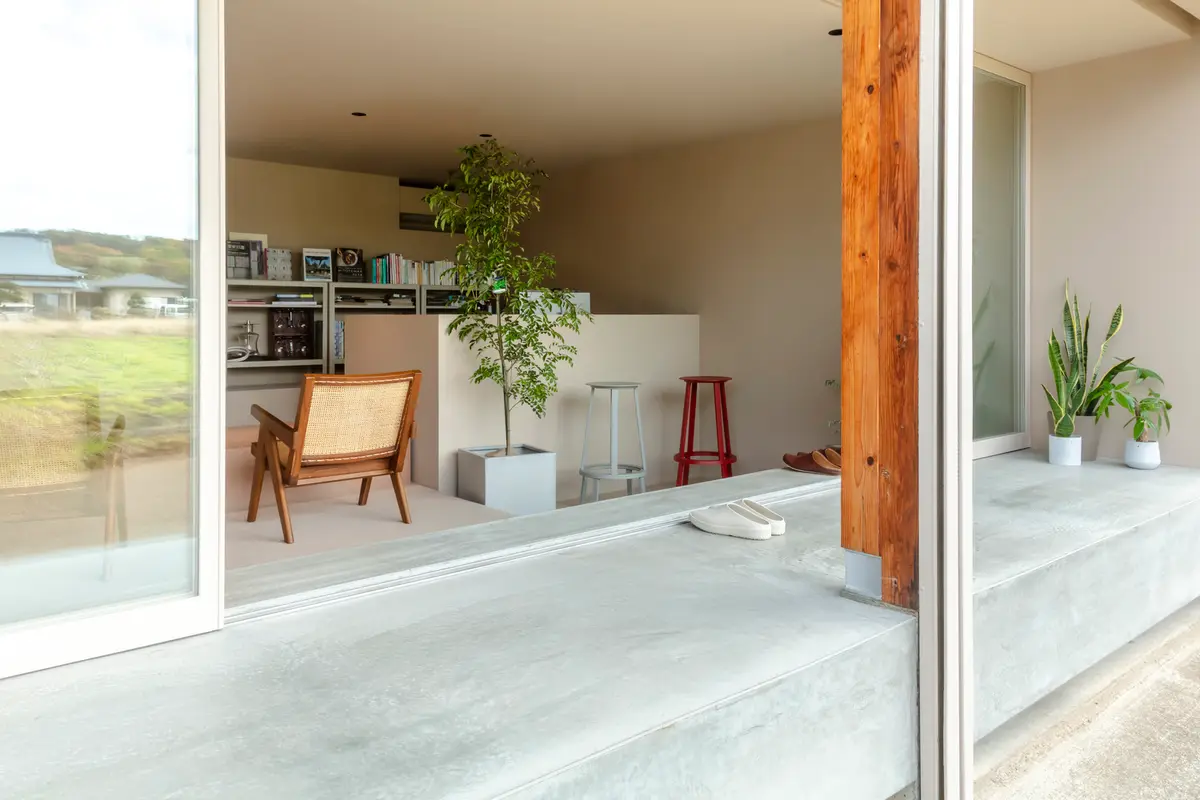
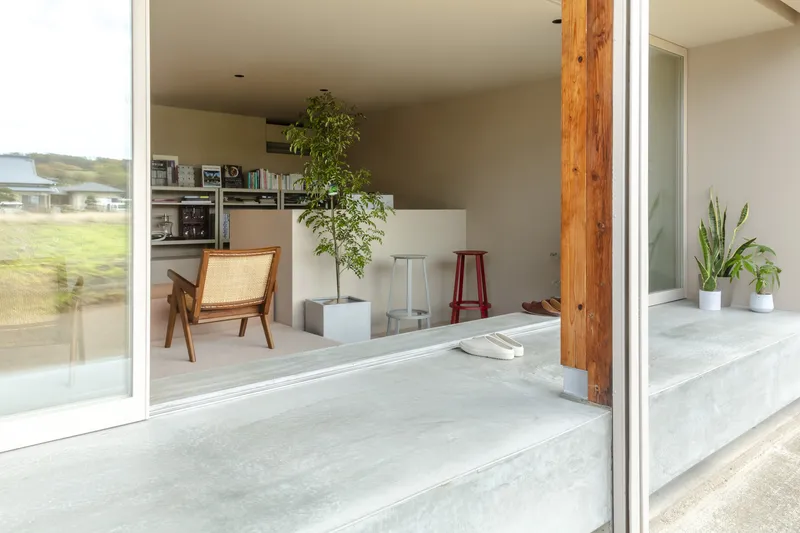
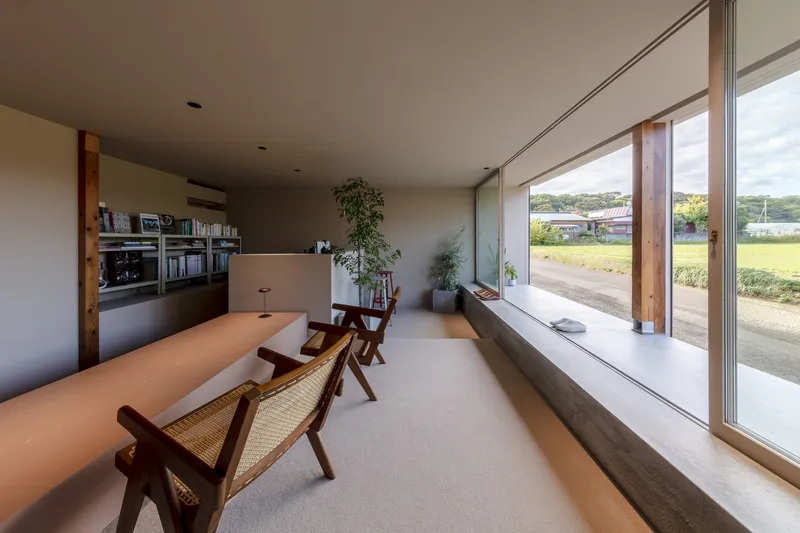
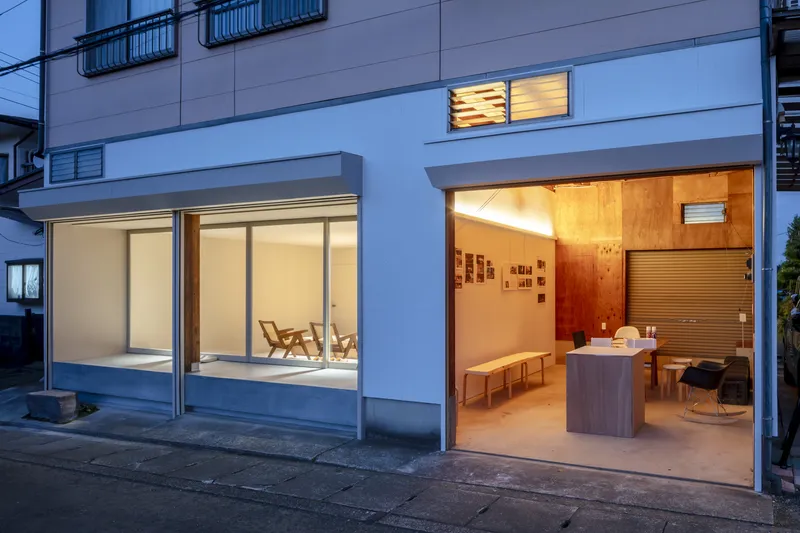
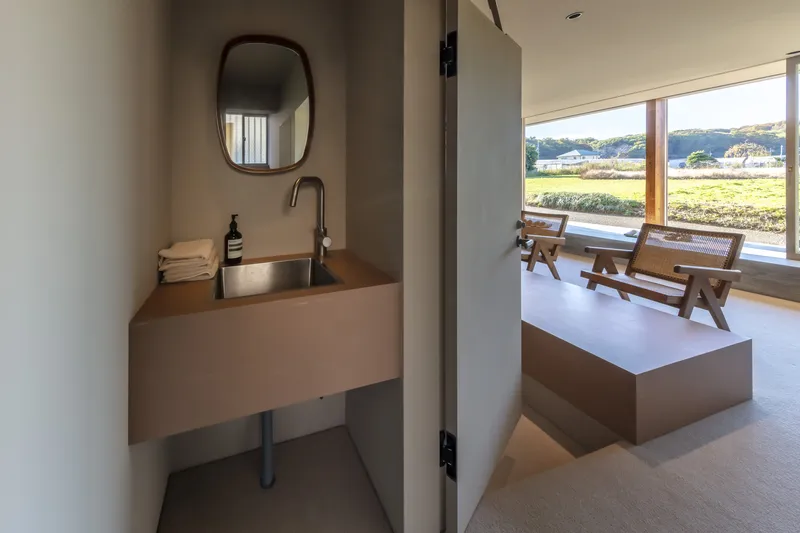
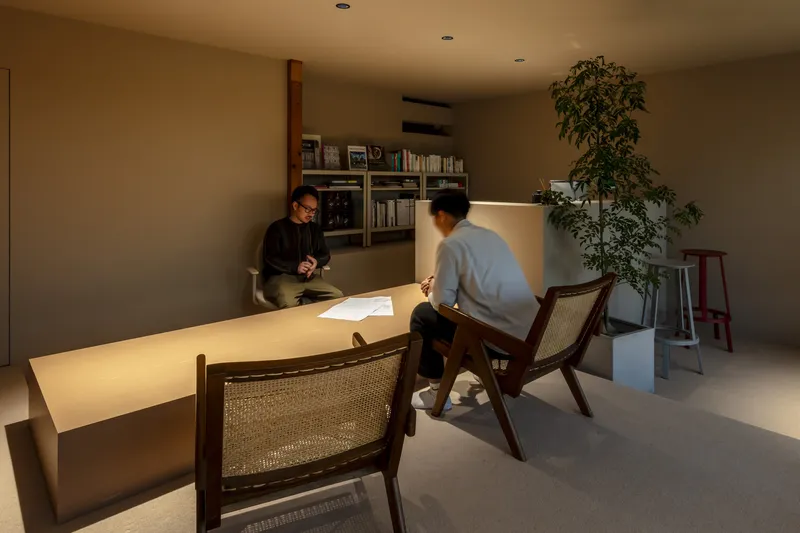
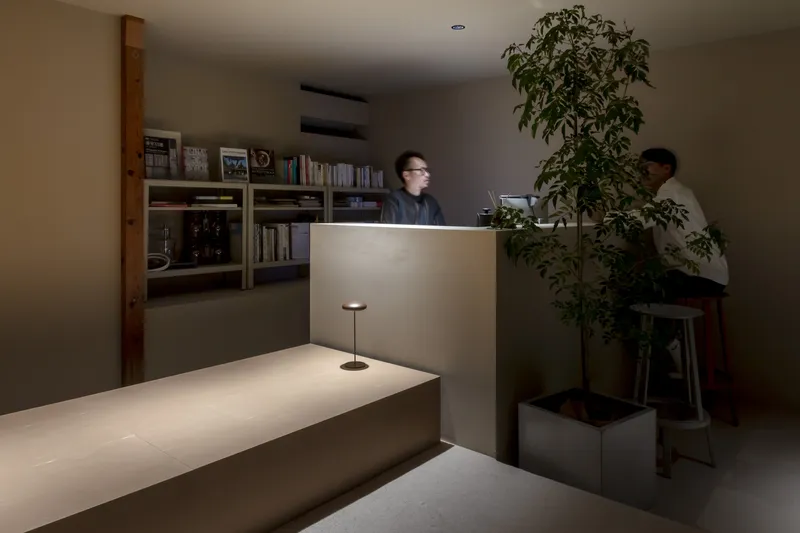
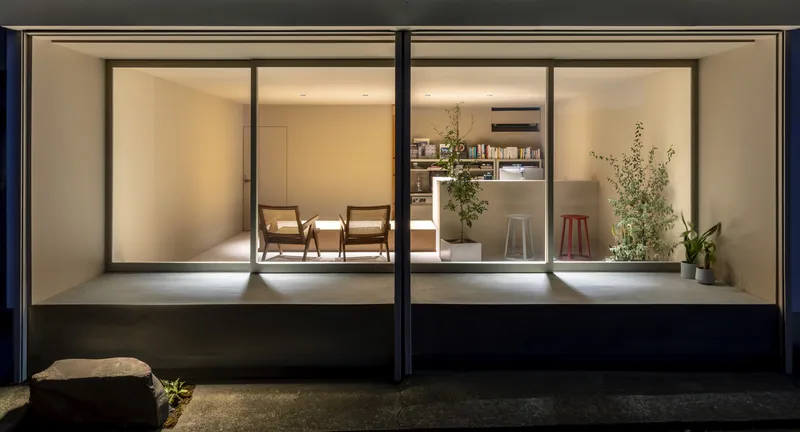
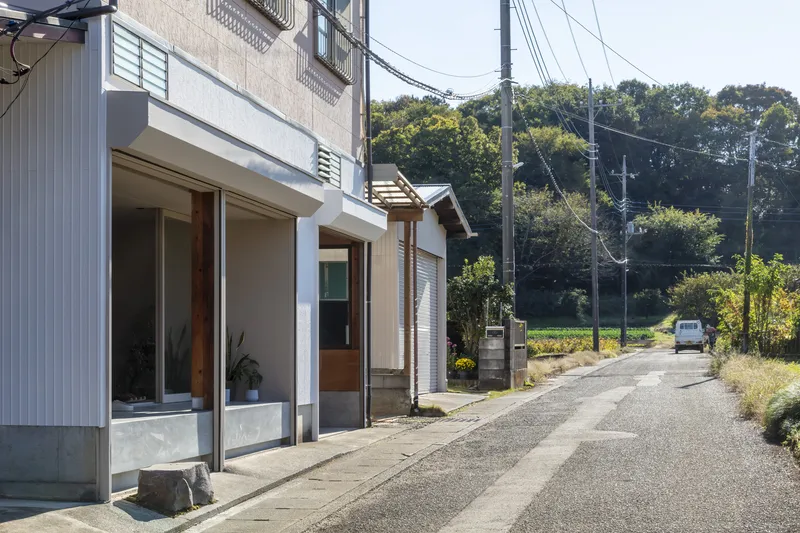
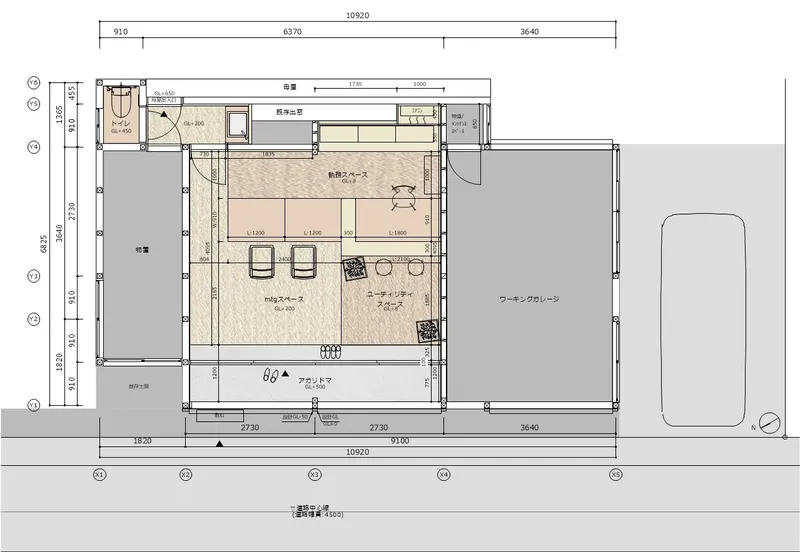
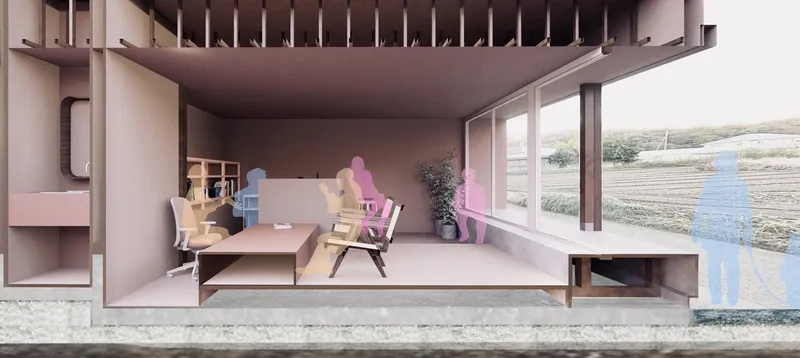
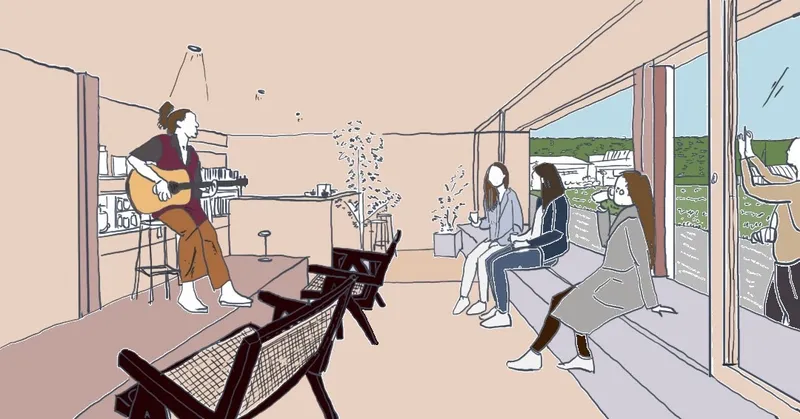
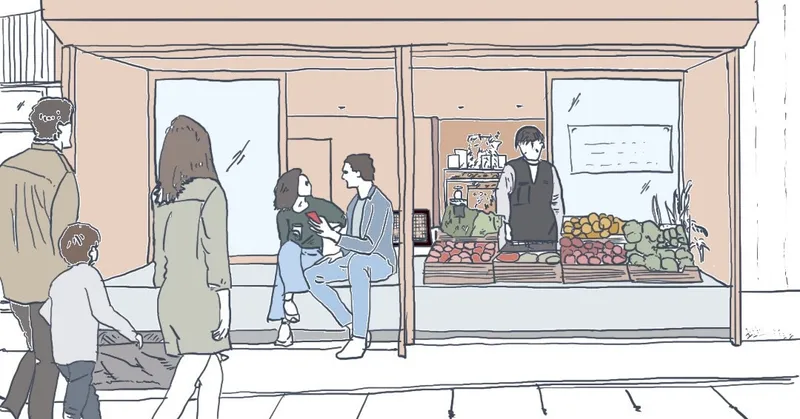
One of the project’s key spatial interventions is the introduction of a three-dimensional “agari-doma.” Elevated 500mm above ground level and positioned at the boundary facing the street, this design element references the traditional Japanese doma—a dirt-floor space used for work or leisure in older homes. Here, it becomes a multifunctional threshold, simultaneously acting as an approach path, veranda, and event platform. The agari-doma not only pays homage to cultural heritage but also allows passersby to engage with the building as a living, changing façade shaped by everyday activities.
Fluid Boundaries Between Work and Community
This architecture office renovation intentionally blurs the line between private professional space and the public domain. It opens like a store and invites like a home. Whether hosting seasonal events or spontaneous interactions with neighbors, the design ensures that the architecture office remains permeable to the rhythms of local life. The building’s identity constantly evolves based on how people use and perceive it, fostering a continuous feedback loop between design and society.


A New Role for Architecture Offices in Urban Areas
Although small in scale, the project challenges conventional notions of how architectural practices operate within their communities. It demonstrates that renovation is not just about spatial upgrade—it’s about rethinking purpose, proximity, and the everyday presence of architecture in society. GRAY-ZONE Design Office’s sensitive intervention offers a model for other architecture offices seeking to embed themselves more meaningfully in their urban contexts.

All Photographs are works of Nao Takahashi


Popular Articles
Popular articles from the community


The Musturak Paradise: Senior Living Architecture for a Connected Future in Temara, Morocco
The Musturak Paradise reimagines senior living architecture in Temara via private homes, social spaces, culture, community, and shared care.

Conexión: Biophilic Design Reimagines High-Rise Living in Hong Kong
Conexión reimagines high-rise living in Hong Kong through biophilic design, green facades, shared spaces, daylight, water and nature within.

Hill & Cross Opera: Sculptural Opera House Architecture Shaped by Tallinn’s Landscape and Identity
Hill & Cross Opera reimagines opera house architecture in Tallinn through its sculptural hill, civic plaza, glass wave and a luminous cross.

Co-life: Sustainable Architecture for Age-Friendly Community Living
Co-life reimagines sustainable architecture for seniors through courtyards, rammed earth, shared gardens, and spaces designed for belonging.

Similar Reads
You might also enjoy these articles


Hodi-Mandai Geram
Project Function: Preservation and revitalization of the Intangible heritage and socio-spatial identity of the Hodi by Housing, Cultural Memory Center, Sacred Grove, landscape, local tourism economy


Olio Towers: A Mid-Rise for Performers That Fuses Housing, Rehearsal, and Stage
Located blocks from Houston's Theater District, this modular tower stacks living units around a central performance atrium.

Oasis: Modular Green Housing Carved into Dhaka's Urban Fabric
A shortlisted Plugin Housing entry reclaims unauthorized settlements in Dhaka with stepped concrete volumes, green roofs, and ventilation-driven design.

Black Hole: A Floating Megastructure for the Post-Physical Era
Emiliano Mazzarotto envisions a spherical, self-scaling arena where e-sports, digital hotels, and holographic stadiums replace traditional public space.

Explore Aotu Architecture Office Competitions
Discover active competitions in this discipline

Challenge to reimagine the Iron Throne

Photograph architecture without architects

Illustrate the lost glory of Angkor Wat - Render Challenge

Design challenge to reuse E-waste
Comments (0)
Please login or sign up to add comments
No comments yet. Be the first to comment!