
Asian Games Athlete Village by c+d Design Center: A Fusion of Culture, Sustainability, and Urban Innovation
Asian Games Athlete Village blends sports, culture, and sustainability, transforming into a dynamic urban hub post-Games in Hangzhou. #SustainableDesign

A Landmark for the Asian Games in Hangzhou
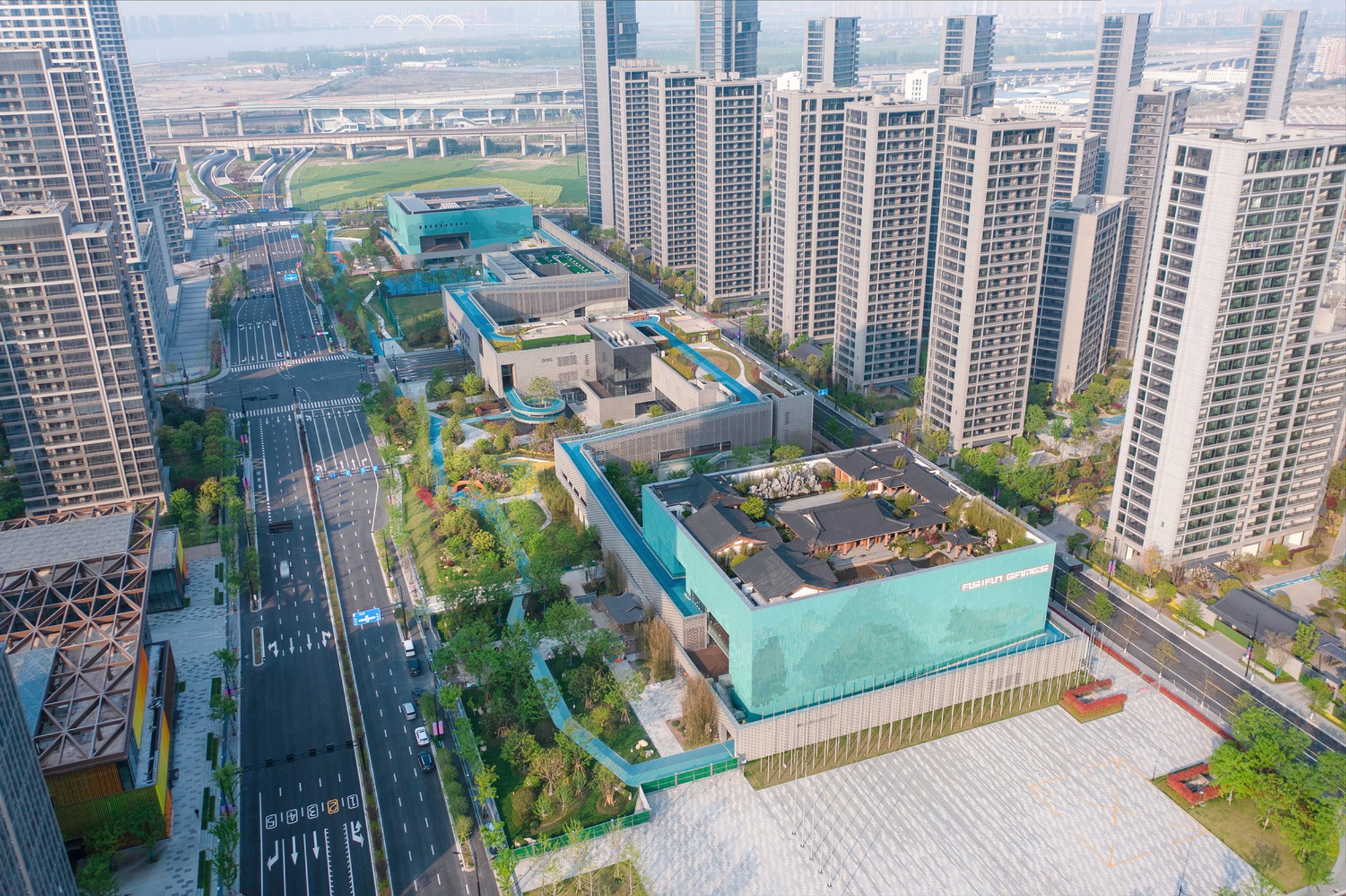
The Asian Games Athlete Village, designed by c+d Design Center, stands as a remarkable architectural achievement in Qianjiang Century City, Hangzhou. Spanning 68,000 square meters, this multifunctional space played a crucial role during the 2023 Asian Games, serving as the administration hub, NOC (National Olympic Committee) service center, business and entertainment hub, and key urban infrastructure facility. More than just an event venue, the Athlete Village is designed for long-term urban development, ensuring a seamless transition from a sports facility to a cultural and public engagement space post-Games.
Blending Functionality with Architectural Excellence
The Asian Games Athlete Village had to overcome multiple challenges, including integrating complex functionalities, maintaining urban connectivity, and reflecting traditional Chinese culture while embracing modern design principles. The architects adopted the concept of “One City with Six Fields”, ensuring the site could accommodate public events, sports activities, and urban infrastructure, including a large 110kV substation and metro connections.
To address these complexities, the design strategy focused on integrating infrastructure with urban aesthetics, blending sports parks, public plazas, and transportation hubs into a unified architectural composition. The strategic placement of urban corridors connected various functional spaces, creating a cohesive urban landscape while ensuring accessibility and pedestrian flow.
A Harmonious Balance of Tradition and Modernity
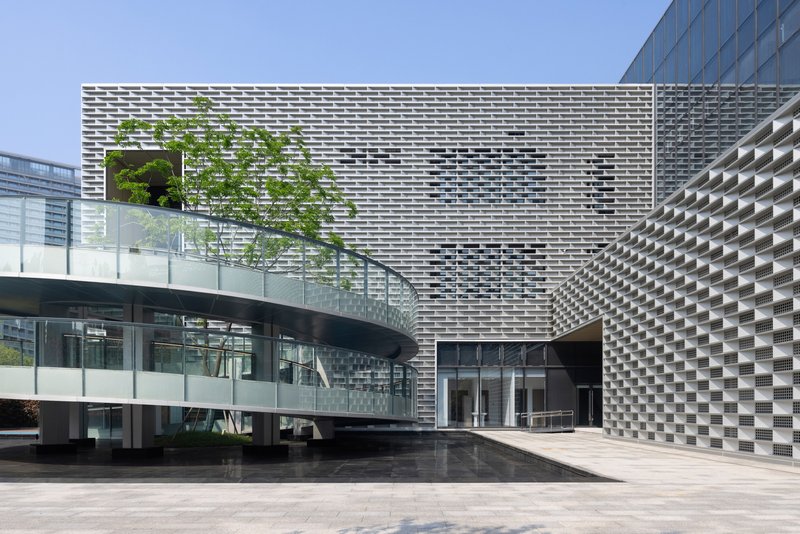
The six dynamic fields within the Athlete Village serve as distinct yet interconnected spaces, each designed to enhance the public experience.
- Flag-Raising Square & Gravity Square: These areas serve as the ceremonial gateway to the village, with one hosting official flag-raising events and the other acting as a grand entrance facing the high-speed rail station.
- Tree Array Square: Positioned at the heart of the site, this green plaza functions as a serene retreat for athletes and visitors, balancing solemnity with relaxation.
- Parent-Child Playground & Leisure Field: Post-Games, these areas will transition into community parks designed for multi-generational engagement, reinforcing the city’s commitment to public well-being.
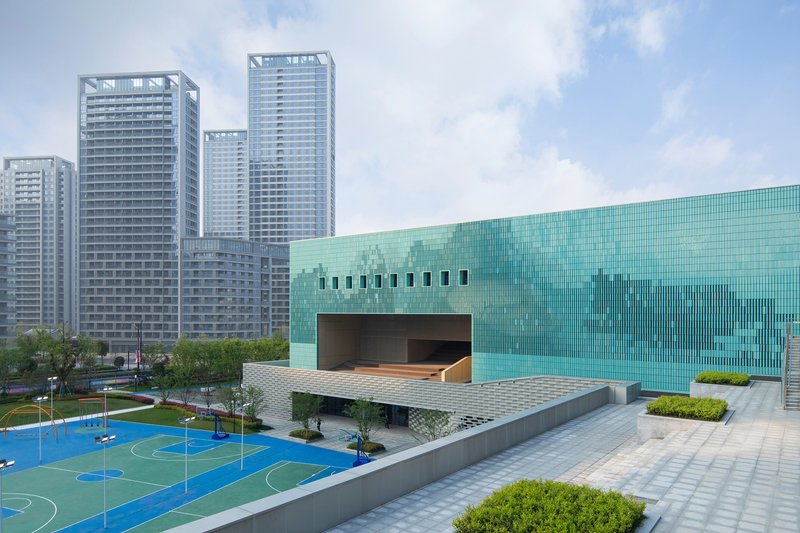
Interpreting Chinese Cultural Heritage in Contemporary Architecture
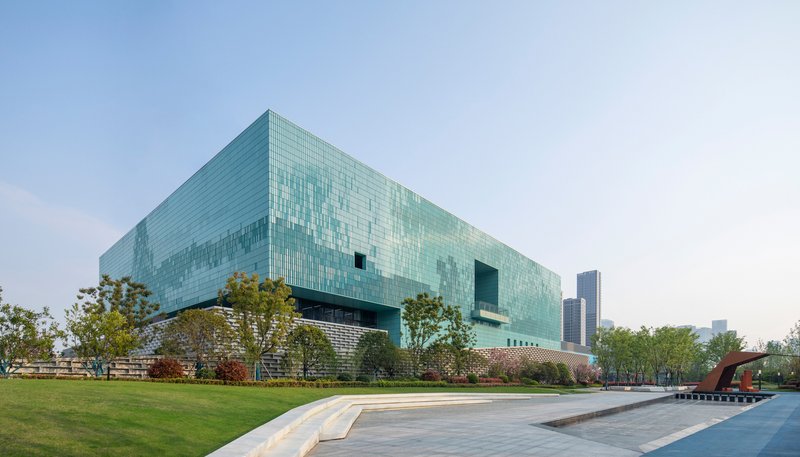
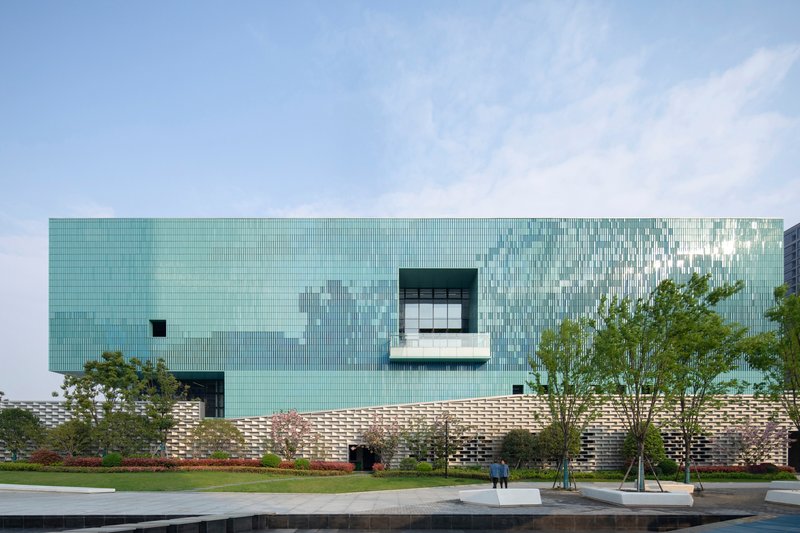
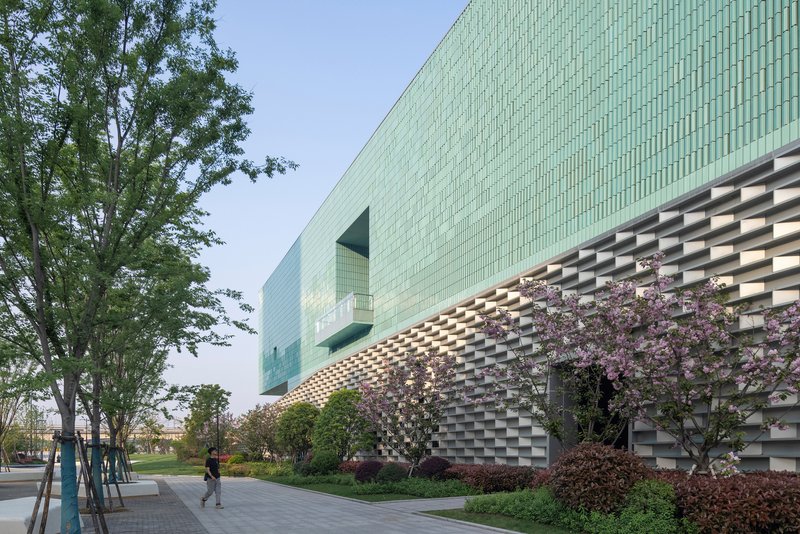
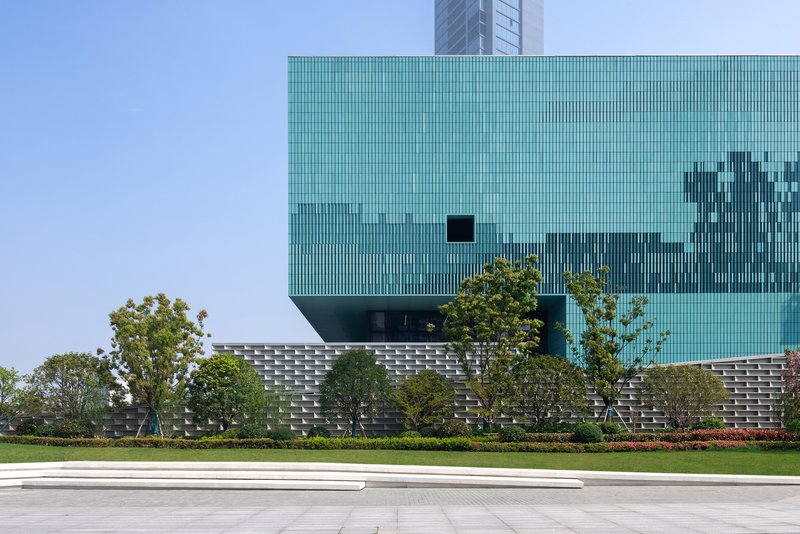
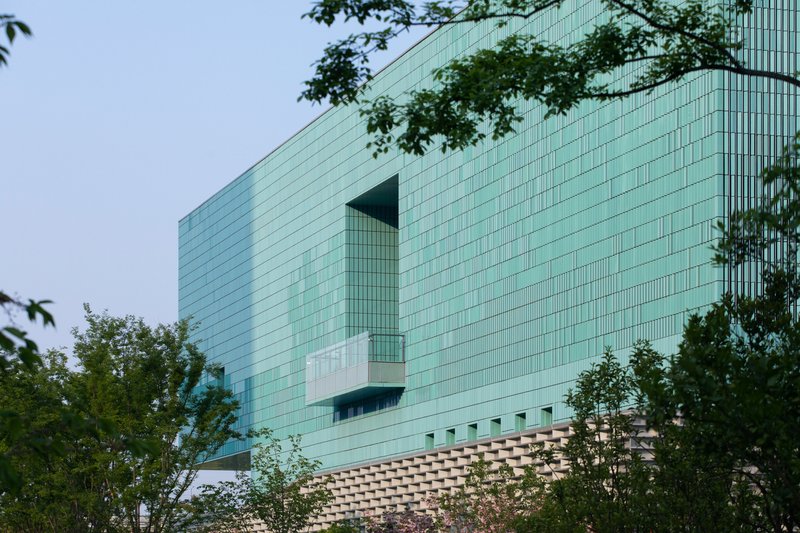
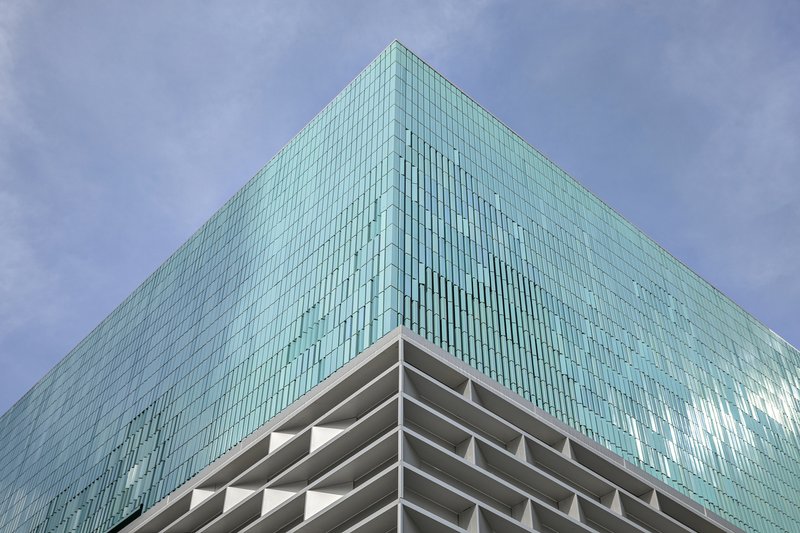
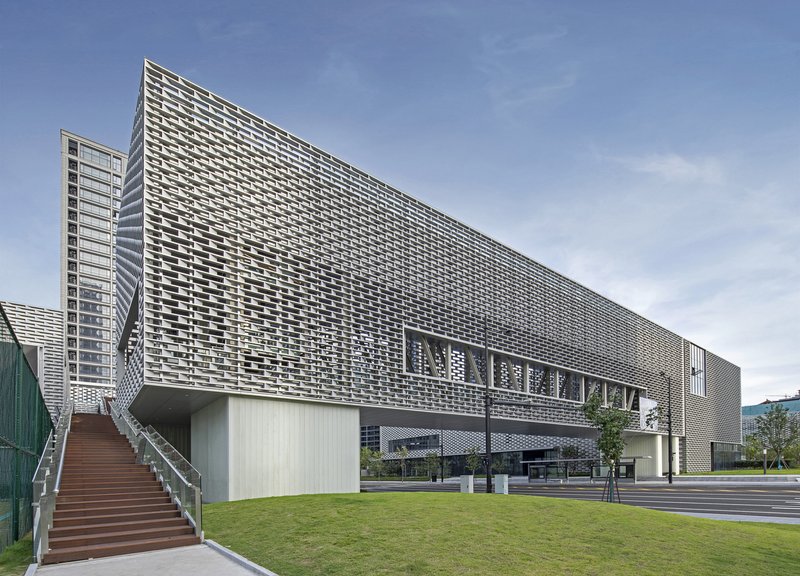
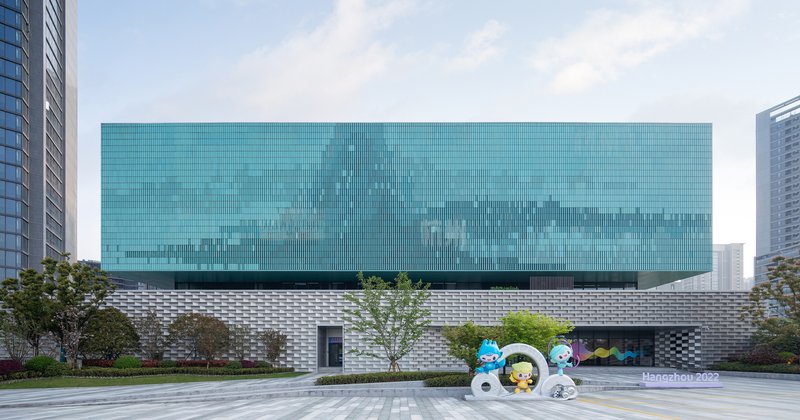
Hangzhou’s cultural identity was a major influence on the project. Inspired by the ancient painting "Dwelling in the Fuchun Mountains" and the Map of the Imperial City of the Southern Song Dynasty, the architectural language integrates urban landscapes with natural scenery. The 600-meter-long façade, adorned with turquoise pottery clay louvers, resembles a scroll painting of the Jiangnan region, encapsulating Hangzhou’s rich cultural heritage in a contemporary design.
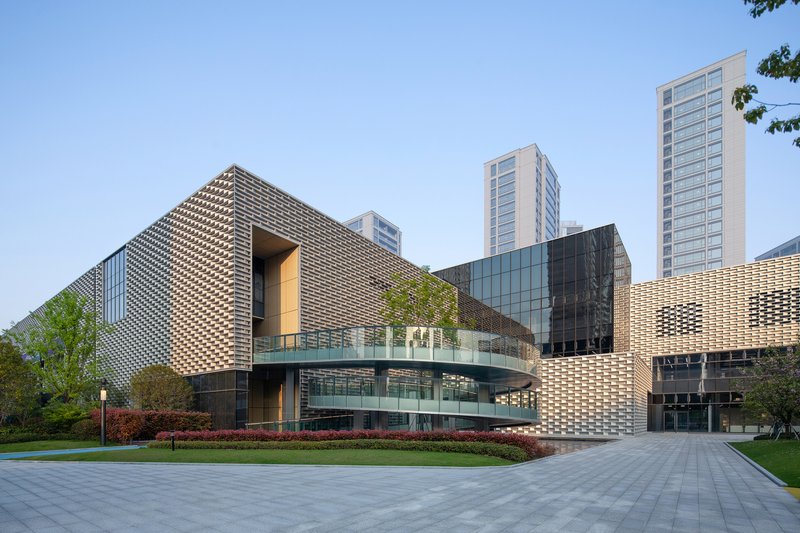
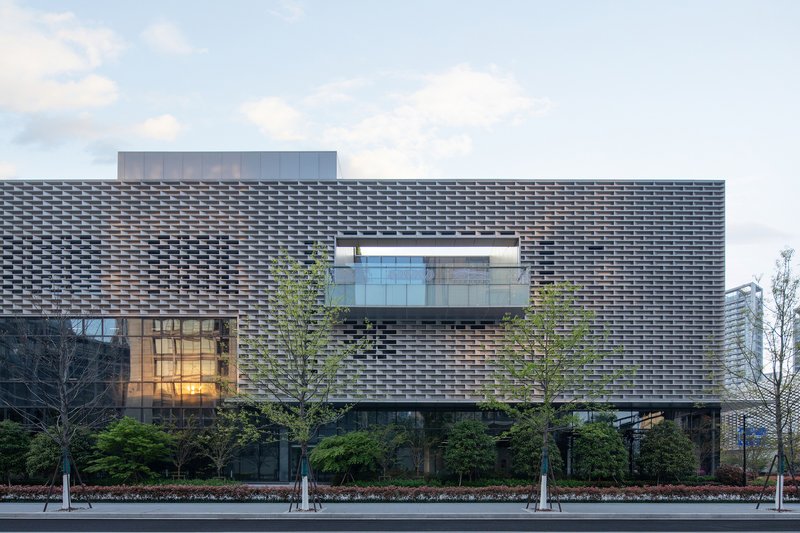
The building’s exterior material selection plays a vital role in this visual storytelling. The façade, finished with glazed ceramic tiles, evokes the elegance of celadon porcelain, offering a smooth, jade-like texture. Additionally, the structural composition references ancient Chinese city walls, utilizing metal bricks in a staggered masonry pattern to create depth, rhythm, and light interplay.
A Dynamic Sports Environment: "People Strolling in a Painting"
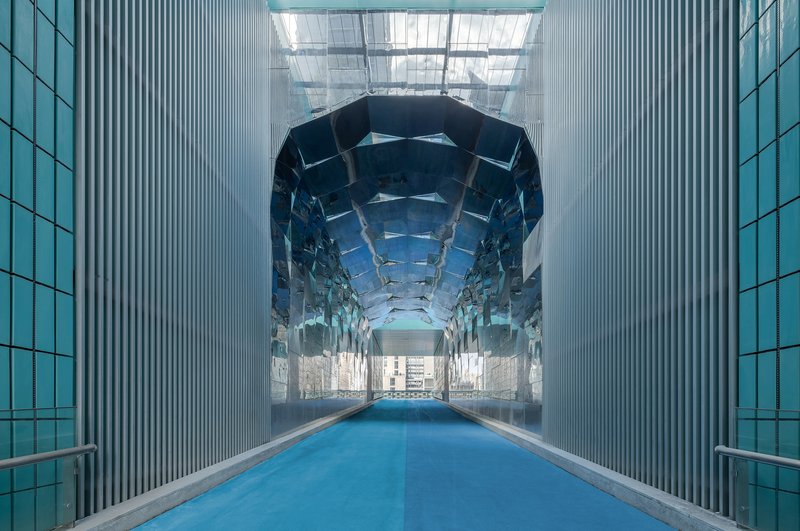
The Athlete Village is designed not only for static appreciation but also for active engagement. The 2.0-km three-dimensional running track, weaving through buildings, green spaces, and rooftops, is a prime example of integrated sports architecture.
The design incorporates:
- Magic Tunnels & Circular Ramps: Creating a seamless flow between different architectural elements.
- Roof Gardens & Viewing Platforms: Offering panoramic cityscapes and encouraging social interaction.
- Public Plazas & Spectator Stands: Ensuring accessibility and engagement for both athletes and local residents.
By merging traditional Chinese aesthetics with modern sports infrastructure, the Asian Games Athlete Village embodies the spirit of movement and exploration, allowing visitors to experience the city as though they are strolling through a living painting.
Sustainable Design & Future Urban Transformation
Beyond its immediate function as an athletic hub, the village is envisioned as a sustainable urban landmark. With multi-purpose spaces, green energy solutions, and adaptable infrastructure, the project ensures long-term urban viability. The post-Games transformation will see these facilities serve cultural, artistic, and public spaces, reinforcing Hangzhou’s vision for sustainable urban development.
A Global Model for Urban-Sports Architecture
The Asian Games Athlete Village by c+d Design Center is more than a sporting facility—it is a symbol of architectural ingenuity, cultural pride, and urban sustainability. By integrating functional adaptability, heritage-inspired aesthetics, and dynamic sports environments, the project sets a new benchmark in global sports architecture, demonstrating how cities can repurpose major event infrastructure into vibrant, people-centric spaces.
All Photographs are works of Arch-Exist Photography, DC ALLIANCE




Popular Articles
Popular articles from the community

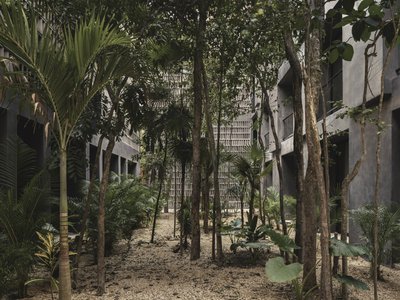
Three Studios Build 200 Affordable Units for Tulum's Displaced Hospitality Workers
Casa Selva embeds dark concrete housing blocks into Yucatán rainforest, offering dignified shelter to those priced out by the tourism they serve.
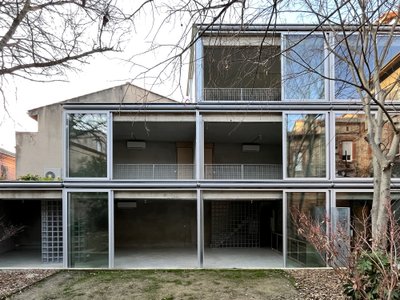
BAST Slots a Four-Story Glass House into a Narrow Gap Between Toulouse Townhouses
In the dense Bonnefoy district, a stepped infill building merges home and office while preserving a majestic hackberry tree.
Constanti Architects Builds a Fortress of Privacy in Nicosia with House 345
A concrete and timber residence in Cyprus reinterprets the traditional introverted courtyard house for a new urban landscape.
Twobytwo Architecture Studio Towers a Blackened Ski Cabin Above the Trees in Golden, BC
A compact three-storey lookout in the Kootenay mountains trades square footage for 14-foot ceilings and Columbia River Valley views.


Similar Reads
You might also enjoy these articles

Olio Towers: A Mid-Rise for Performers That Fuses Housing, Rehearsal, and Stage
Located blocks from Houston's Theater District, this modular tower stacks living units around a central performance atrium.

Oasis: Modular Green Housing Carved into Dhaka's Urban Fabric
A shortlisted Plugin Housing entry reclaims unauthorized settlements in Dhaka with stepped concrete volumes, green roofs, and ventilation-driven design.

Black Hole: A Floating Megastructure for the Post-Physical Era
Emiliano Mazzarotto envisions a spherical, self-scaling arena where e-sports, digital hotels, and holographic stadiums replace traditional public space.
Compact & Sustainable Living in Piraeus: A Four-Level Family Home Built Around Light and Air
A narrow townhouse in one of Greece's densest port cities uses a central atrium and passive strategies to house three generations under one roof.


Explore Architecture Competitions
Discover active competitions in this discipline




The International Standard for Design Portfolios


The Global Benchmark for Architecture Dissertation Awards


The Global Benchmark for Graduation Excellence

Challenge to design a barrier free sports center
Comments (0)
Please login or sign up to add comments
No comments yet. Be the first to comment!