
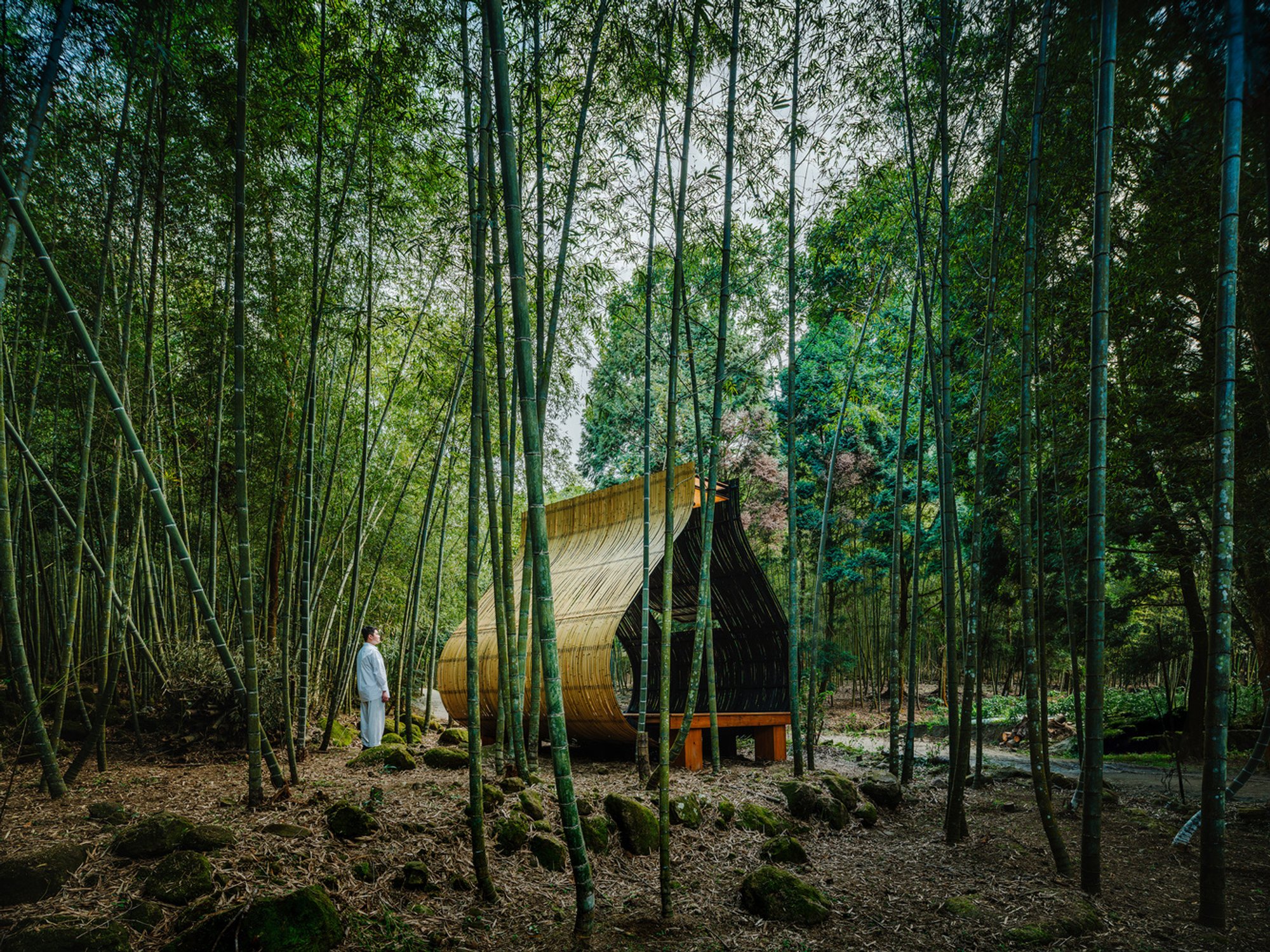
Bamboo Architecture Pavilion: Sticky Rice Dumpling by Cheng Tsung FENG
A bamboo architecture pavilion inspired by sticky rice dumplings, blending cultural memory, craft, and nature into a serene forest retreat.

Blending Cultural Heritage and Architecture in a Bamboo Pavilion
In the lush bamboo forests of Lugu Township, Nantou County, Taiwan, a unique architectural installation captures both the eye and the imagination. Created by artist and designer Cheng Tsung Feng, the Bamboo Cabin Plan: Sticky Rice Dumpling transforms culinary tradition into spatial poetry through a striking example of bamboo architecture pavilion design.
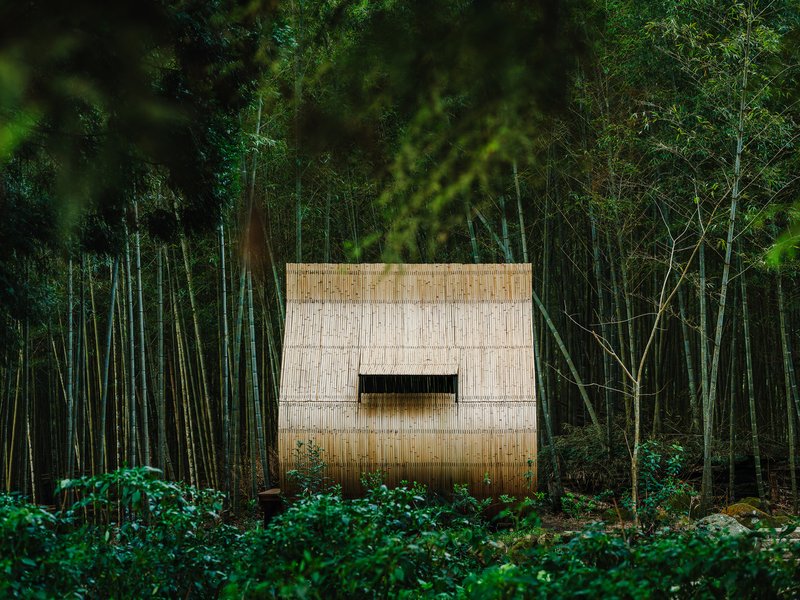
This 12-square-meter micro-structure is more than just a shelter. It is a poetic translation of a traditional Taiwanese food practice into a meaningful spatial experience. Built for rest and reflection, it invites hikers and wanderers to pause, step inside, and engage with a deep cultural metaphor made tangible through natural materials.
Architecture Inspired by Sticky Rice Dumplings
The concept of this bamboo pavilion stems from the everyday ritual of wrapping sticky rice dumplings—a traditional Taiwanese delicacy made by folding bamboo leaves around sticky rice and other ingredients. Cheng Tsung Feng observed how two leaves cradle the filling, naturally bending and curving to enclose their contents. He saw in that simple act the potential for an enveloping architectural form.
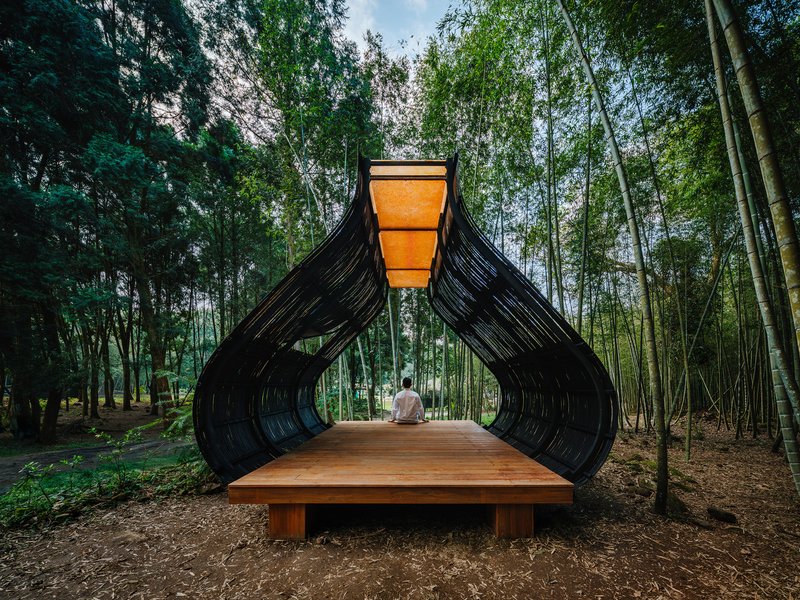
By translating that delicate motion into a structural gesture, he built a cabin that echoes both form and feeling. Multiple parallel bamboo strips bend inward like folded leaves, creating an intimate space that feels simultaneously protective and organic. Visitors stepping into this small structure experience the sensation of being gently held—by the materials, by the space, and by tradition.
Structure and Materials Rooted in Nature
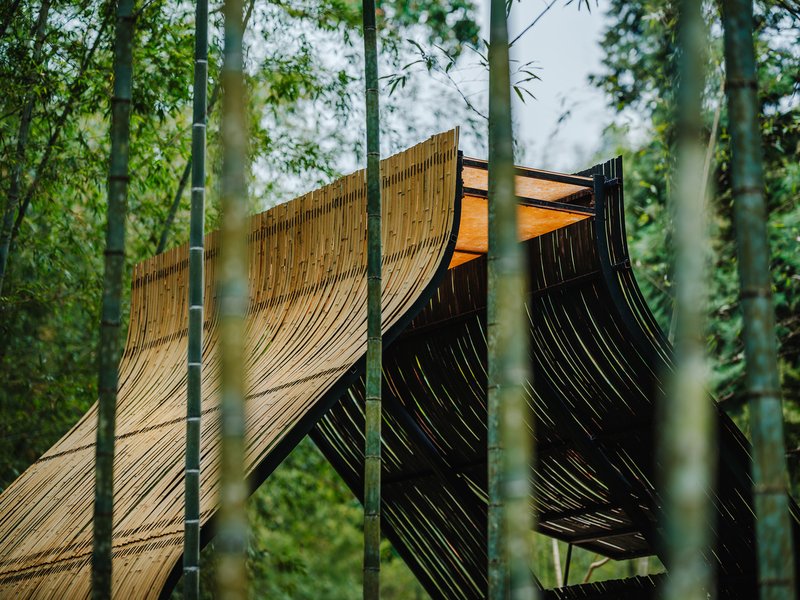
As with all bamboo architecture pavilions, material honesty plays a central role in the experience. The pavilion is constructed entirely from locally sourced bamboo and wood, shaped with handcraft and a sensitivity to the forest surroundings. Each element bends with precision, maintaining flexibility and strength while responding to natural forces such as wind, sun, and moisture.
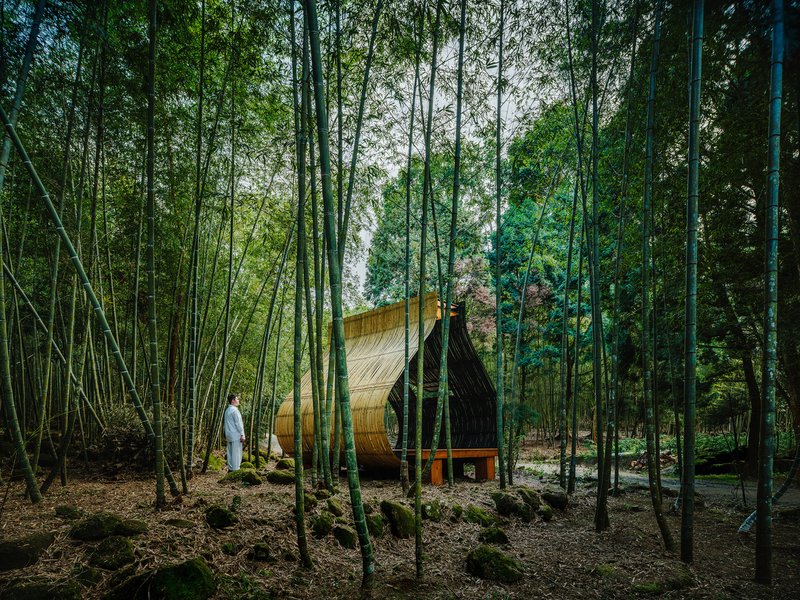
A slightly raised wooden floor gives the cabin a lightness, creating a soft shadow that separates it visually from the forest floor. This detail also offers functionality, allowing space to sit, nap, or picnic while protected under the bamboo shell.
Above, two handcrafted amber-colored waterproof panels crown the structure. These glowing elements filter sunlight with a warm, golden hue that resembles the sheen of glutinous rice. The effect creates a cozy, inviting atmosphere, rich with light, shadow, and symbolic meaning.


A Pavilion That Feels Like Home and Heritage
Cheng Tsung Feng’s bamboo architecture pavilion invites a powerful emotional response. Its scale and form are intentionally humanized—it is small enough to be intimate but large enough to gather inside. The structure offers no digital interface, no signage, no prescribed behavior. It simply invites presence.

The idea is not just to see or admire the pavilion but to enter it and feel embraced—just as ingredients are wrapped in leaves, and as memories are wrapped in tradition. It's an architectural gesture that asks nothing from the user except stillness and awareness.
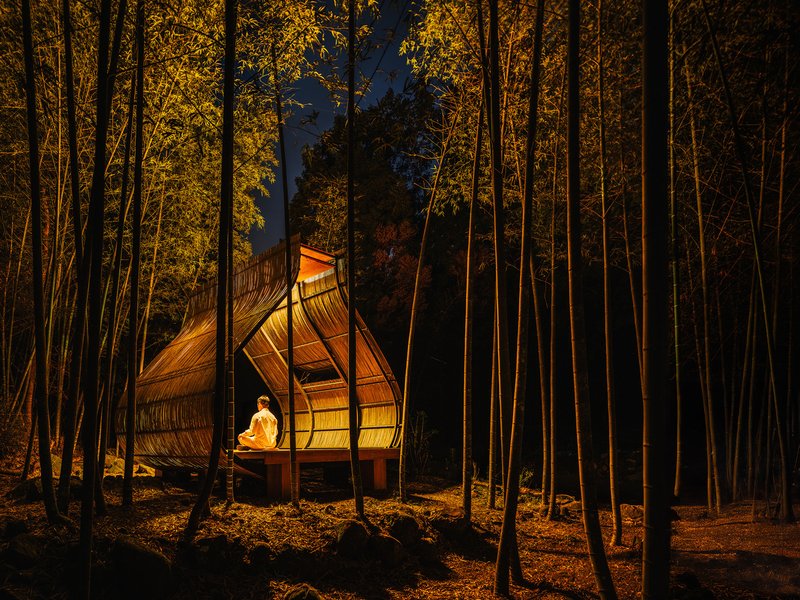
The pavilion is nestled along a hiking trail not as a monument, but as a quiet interlude. A moment of sensory connection between body, memory, material, and environment. It succeeds not only as a shelter or sculpture, but as a vessel for cultural narrative and personal pause.
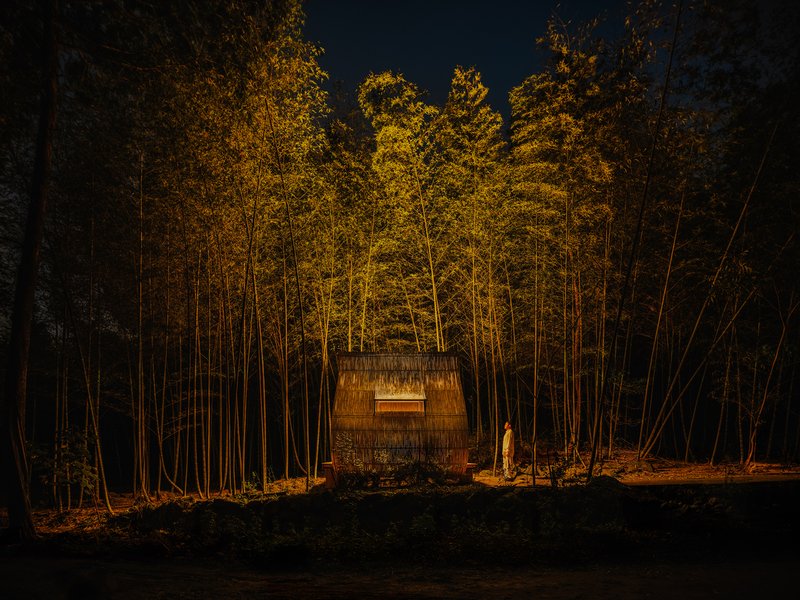
From Food Wrapping to Spatial Craft
The Sticky Rice Dumpling Bamboo Cabin is the first of a series in Feng’s Bamboo Cabin Plan project, which aims to reinterpret everyday Asian food-wrapping practices into architectural expressions. Through this lens, the act of wrapping becomes an architectural principle—where form is dictated by gesture, material, and purpose.

This project exemplifies how bamboo architecture pavilions can be both rooted in tradition and forward-thinking. In just 12 square meters, it holds centuries of cultural symbolism, tactile delight, and architectural clarity. It demonstrates how architecture can be both deeply local and universally resonant.

Architecture that Wraps You in Meaning
The Bamboo Cabin Plan: Sticky Rice Dumpling is not just a structure—it is an invitation to slow down and reconnect with nature and heritage. Built of humble materials but rich in meaning, it showcases how vernacular knowledge can inform contemporary design, offering emotional warmth and spatial intelligence.
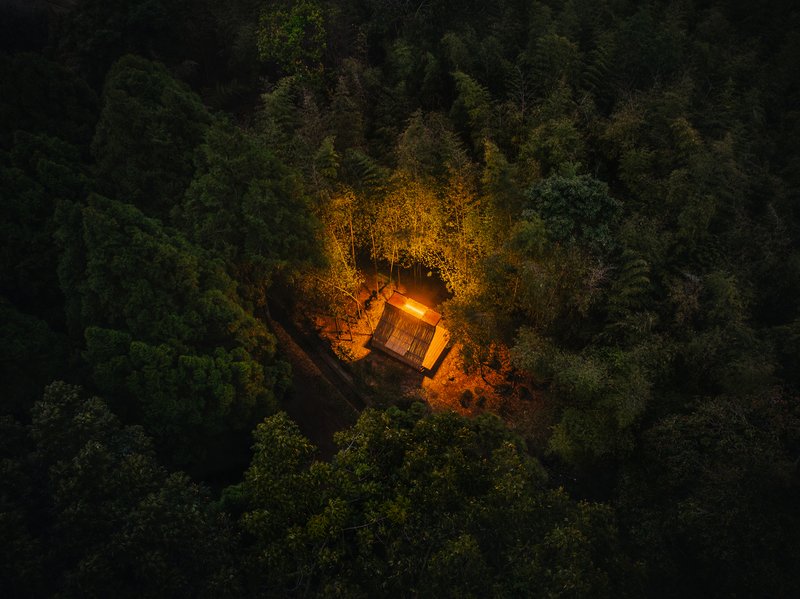
Through his bamboo architecture pavilion, Cheng Tsung Feng bridges past and present, food and shelter, material and memory—creating not just a place, but an experience that lingers long after the visitor departs.
All Photographs are works of Fixer Photographic Studio



Popular Articles
Popular articles from the community

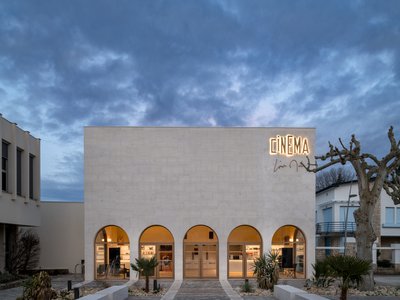
Louis Malle Cinema: A Limestone Cultural Landmark Revitalizing Community Life in Prayssac
Limestone cinema extension with public forecourt, blending heritage and modern design to create flexible cultural spaces and strengthen community interaction.
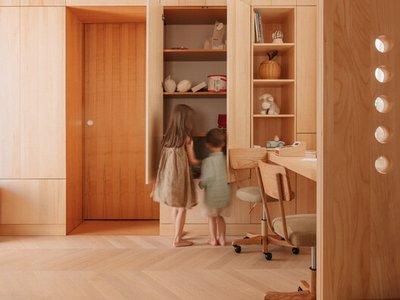
Treehouse Apartment: A Warm Timber Interior Blending Craft, Play, and Contemporary Living
Warm timber apartment with integrated treehouse, combining natural materials, craftsmanship, and playful design to create a flexible, family-oriented living environment.

Solar Steam: A Climate-Responsive Architecture That Redefines the Monument
A climate-responsive memorial architecture that transforms heat, decay, and time into a living system reflecting humanity’s ecological impact.


The Ken Roberts Memorial Delineation Competition (Krob)
As the most senior architectural drawing competition currently in operation anywhere in the world, it draws hundreds of entries each year, awarding the very best submissions in a series of medium-based categories.


Similar Reads
You might also enjoy these articles

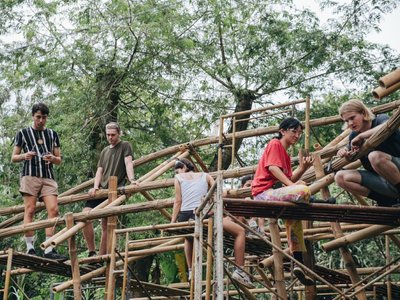
Bamboo Housing Challenge 2026: Design Affordable, Sustainable Homes Using Bamboo
An international design competition by Bamboo U and IBUKU inviting architects and designers to reimagine affordable housing using bamboo — with the winning design built full-scale in Bali.

Computational Design & Education: Beegraphy Design Awards Introduces 7th Category (Featuring Jiyun's Innovative Approach)
Dive into Beegraphy’s 7th Design Awards category, where computational design meets education to create immersive, interactive learning tools, inspired by Jiyun’s work.

From Parametric Lighting to Urban Furniture: Join the 2nd Workshop in Beegraphy’s Computational Design Series
Dive into Cutting-Edge Design Techniques and Practical Applications with Industry Experts

Introducing Sphere by UNI: Pioneering a New Era in AEC Industry
Unlocking Global Potential with BIM and Agile Management


Explore Architecture Competitions
Discover active competitions in this discipline




The International Standard for Design Portfolios


The Global Benchmark for Architecture Dissertation Awards


The Global Benchmark for Graduation Excellence


Challenge to reimagine the Iron Throne
Comments (0)
Please login or sign up to add comments
No comments yet. Be the first to comment!