
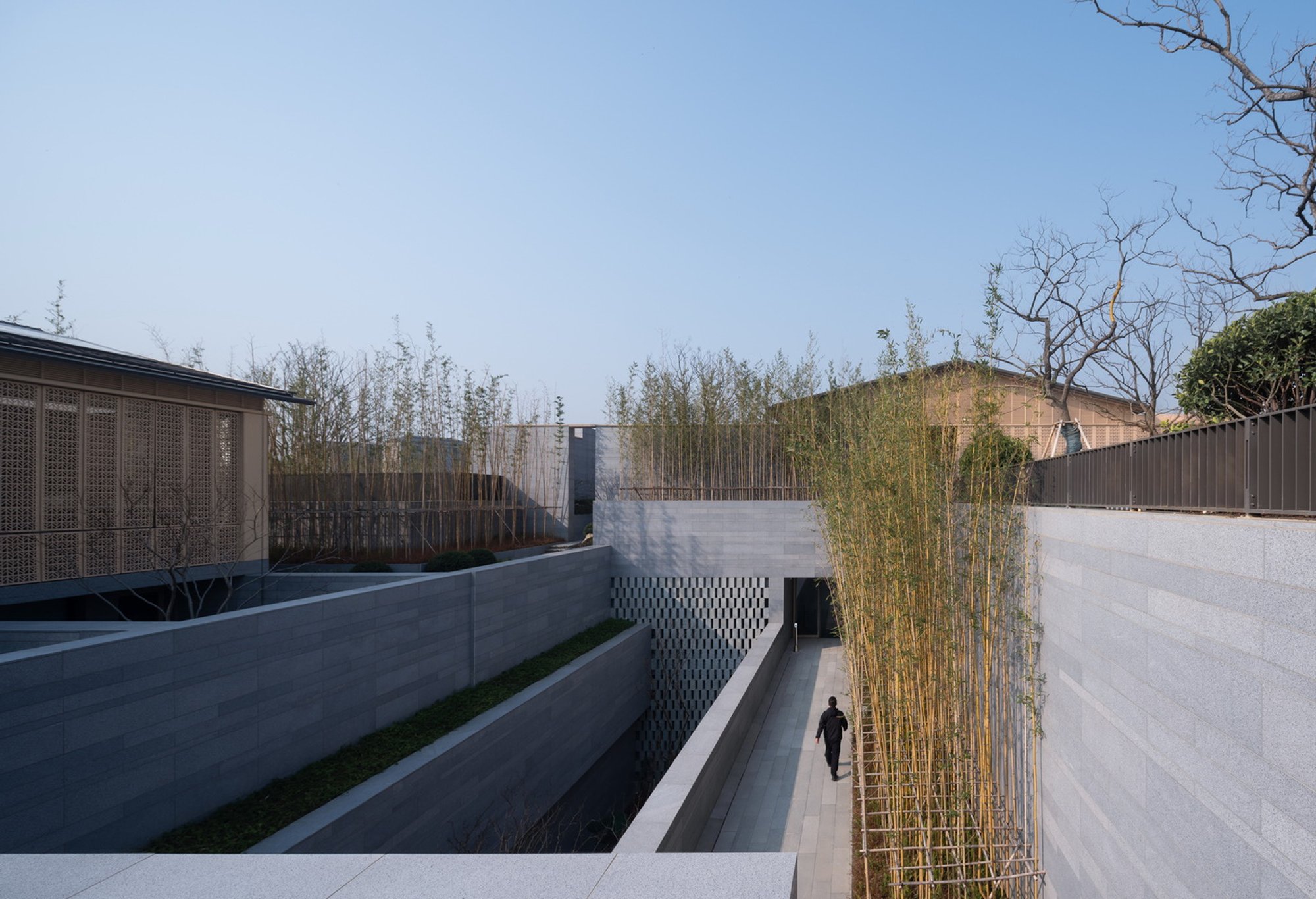
Banyan Tree and Angsana Suzhou Shishan Architecture by GOA
An architectural masterpiece blending heritage, gardens, and contemporary design, Banyan Tree and Angsana Suzhou Shishan redefines luxury hospitality in Suzhou.

Introduction to Banyan Tree and Angsana Suzhou Shishan
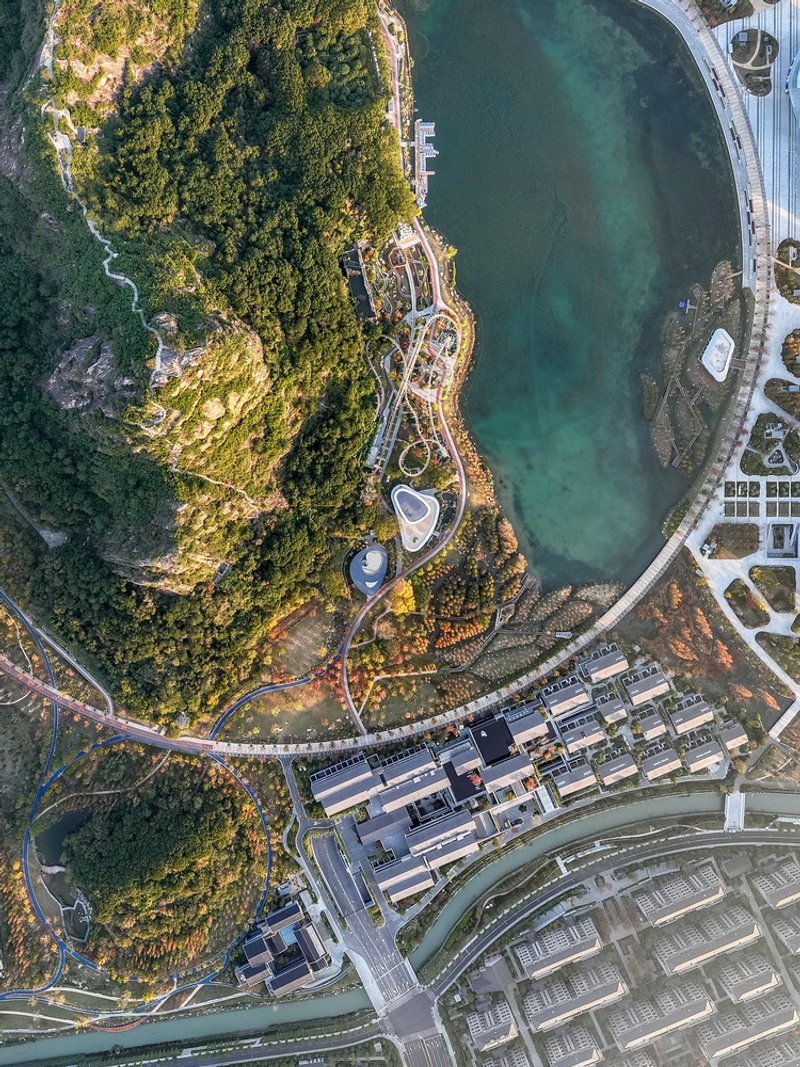
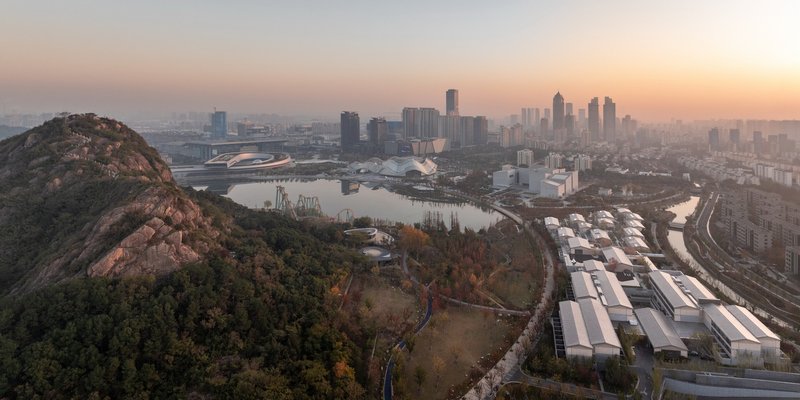
The Banyan Tree and Angsana Suzhou Shishan Architecture by GOA (Group of Architects) represents a harmonious dialogue between contemporary design and Suzhou’s rich cultural heritage. Located at the southern foot of Shishan Mountain and bordered by a tranquil canal, the 55,400 m² resort complex integrates luxury hospitality with nature. By referencing the local vernacular and garden traditions, the design offers a sophisticated architectural interpretation of Suzhou’s classical aesthetic while serving as a modern urban retreat.
Site Context and Design Challenges
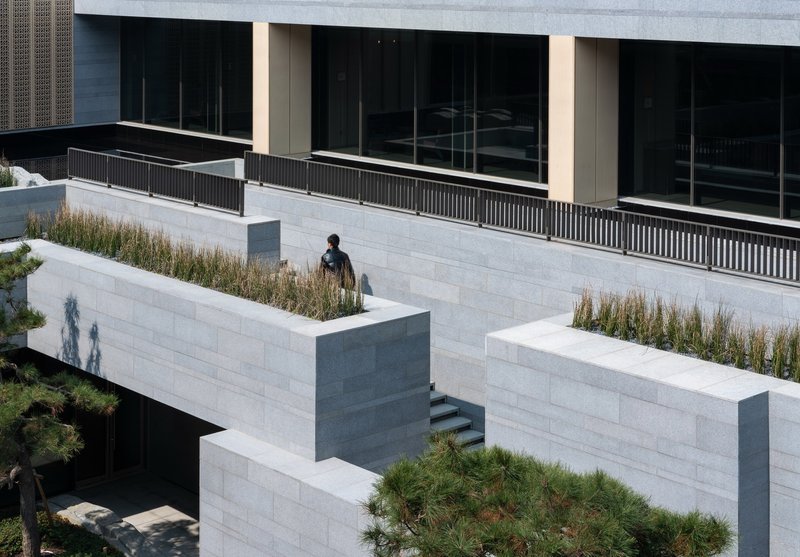
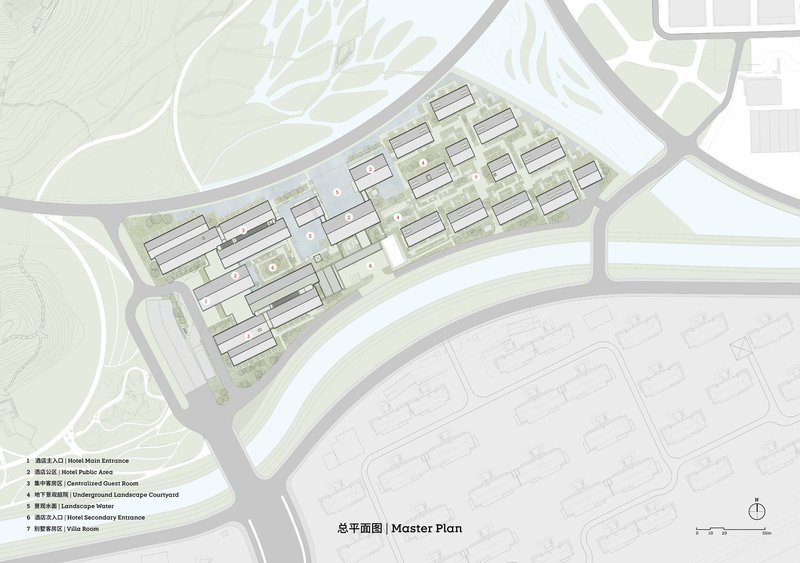
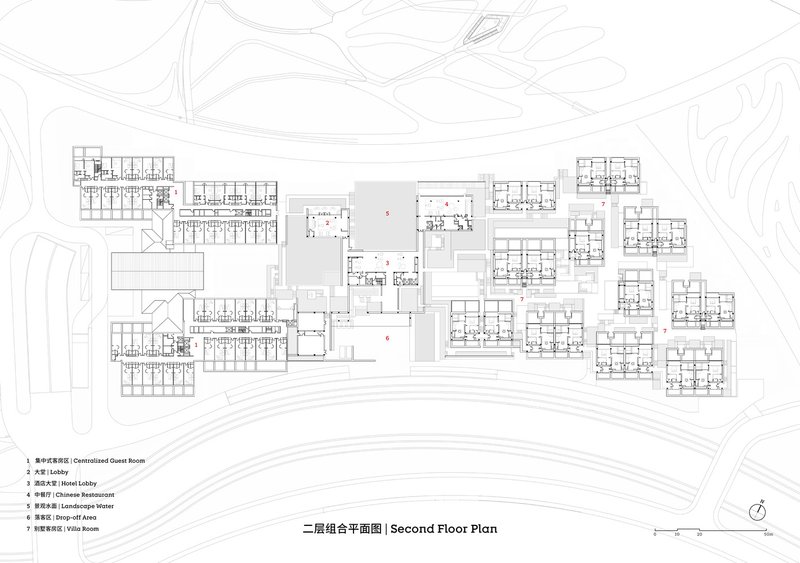
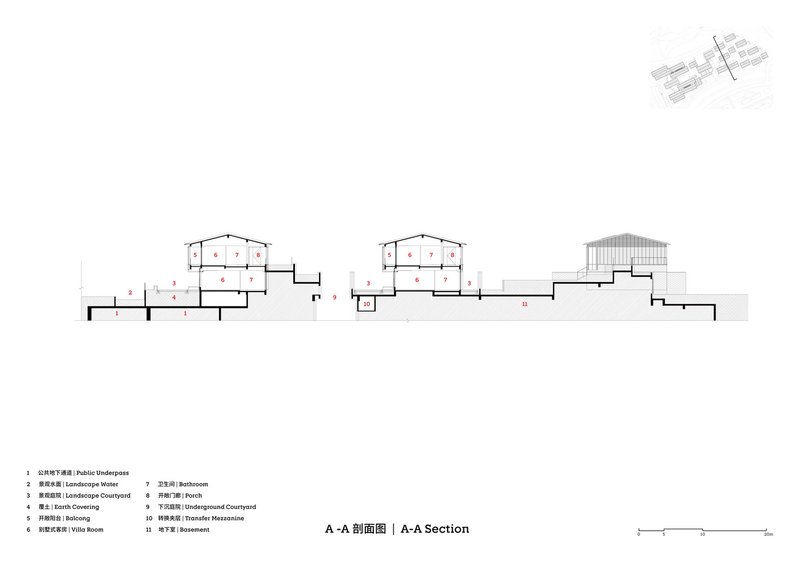
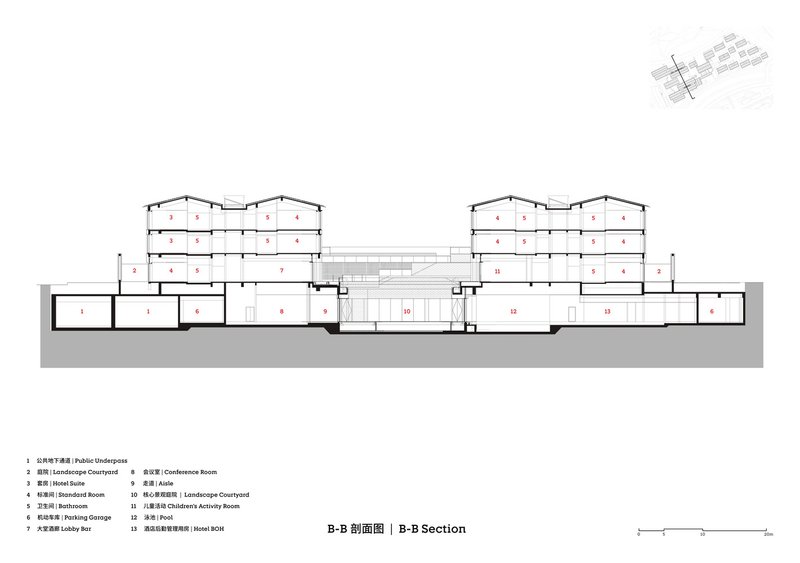
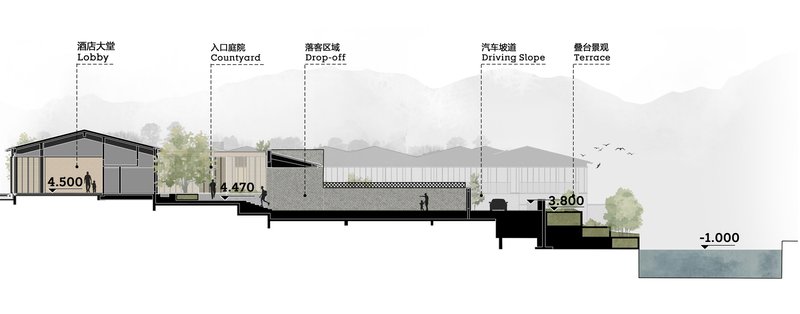
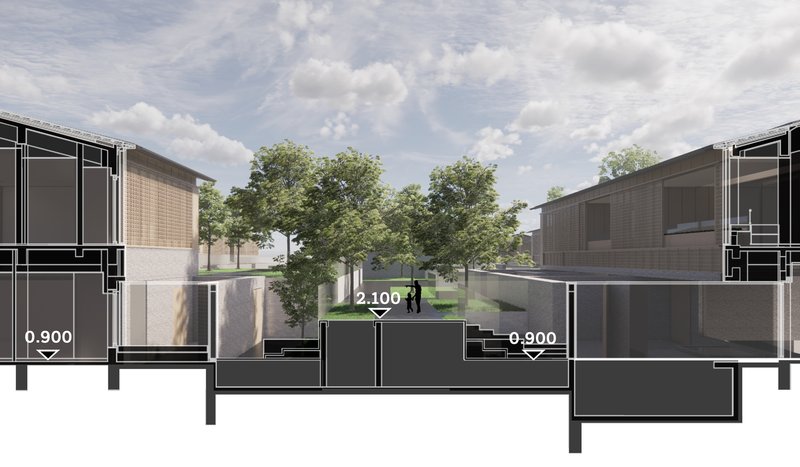
The project’s setting within Shishan Park, a highly visible public space, posed a significant challenge: how to create a serene and secluded experience without compromising its openness to the surrounding urban environment. GOA’s solution was to elevate the entire complex on a raised platform, establishing a subtle topographic separation from the park. This platform houses the most public functions, such as banquet halls, gyms, and event spaces, while the upper levels—designed with the scale of traditional South China residences—contain the lobby, restaurants, and guest accommodations.
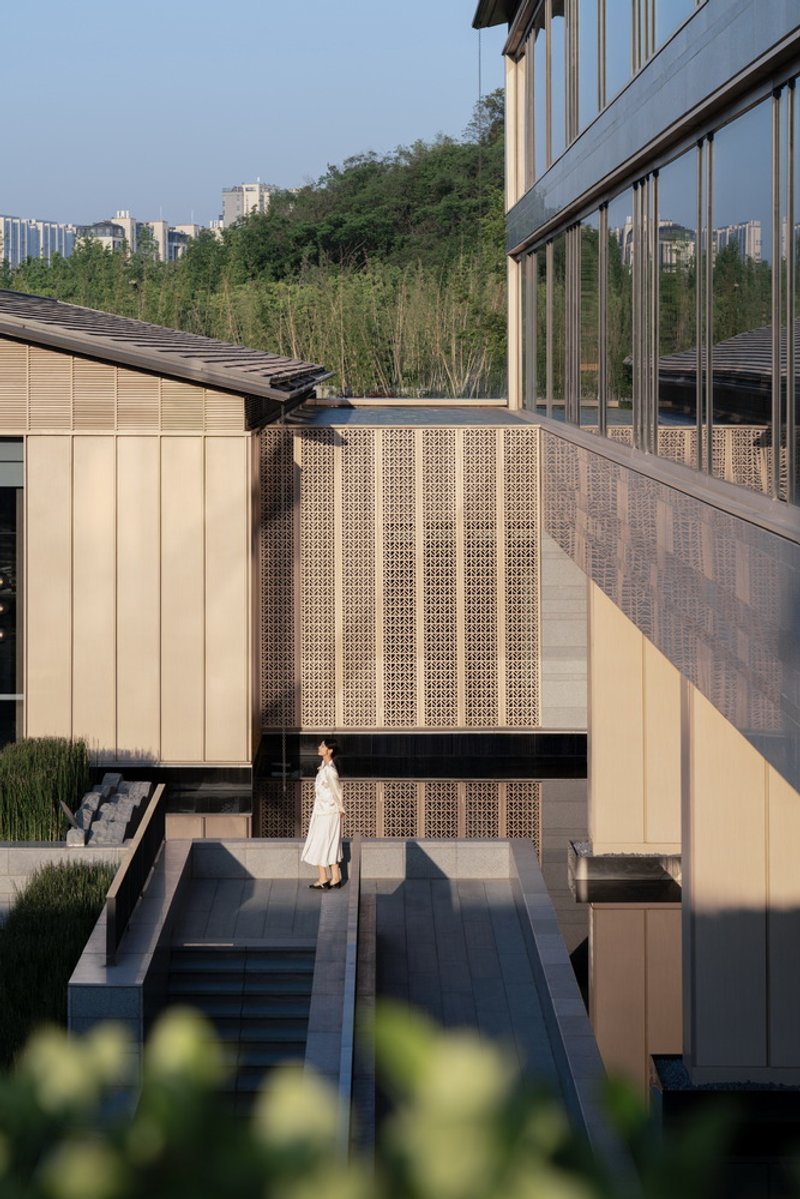
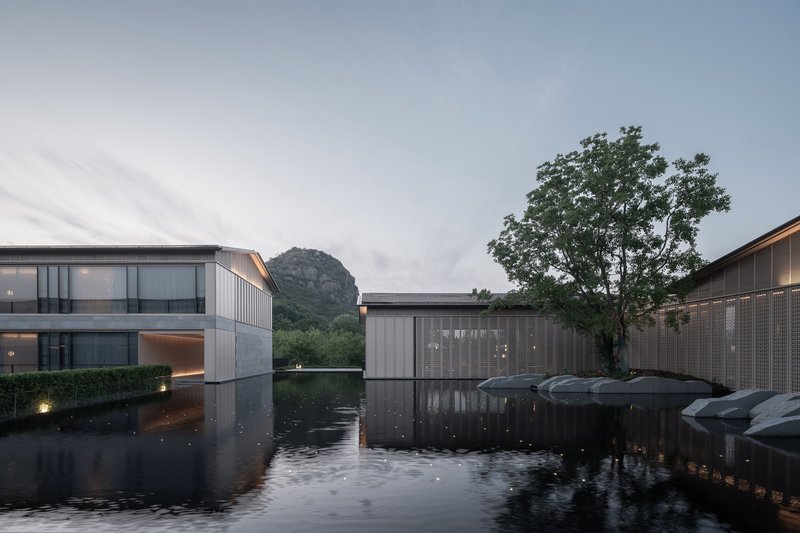
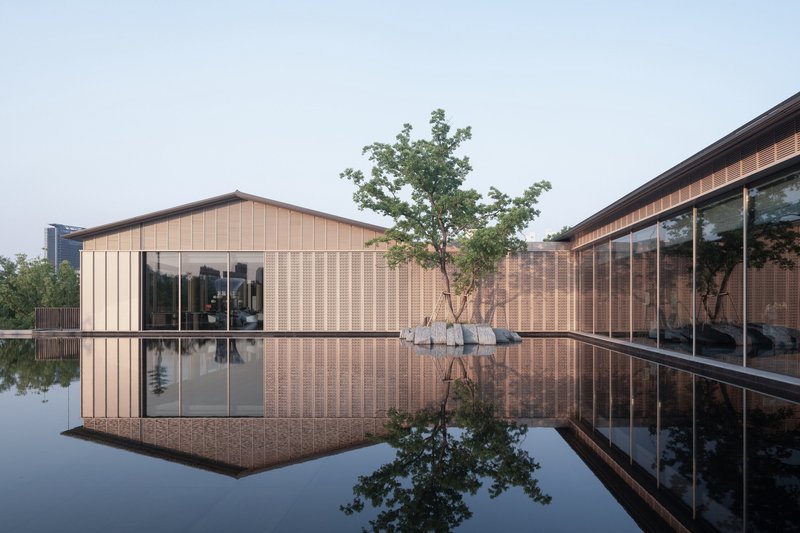
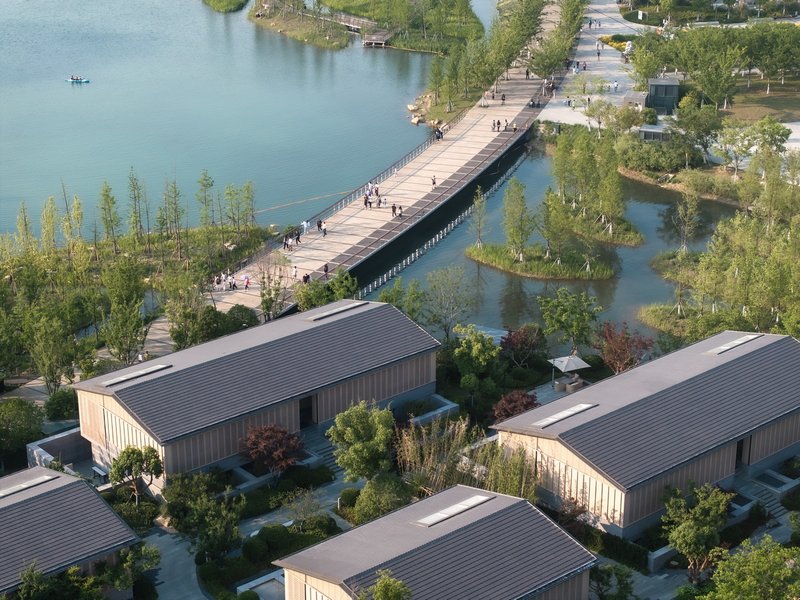
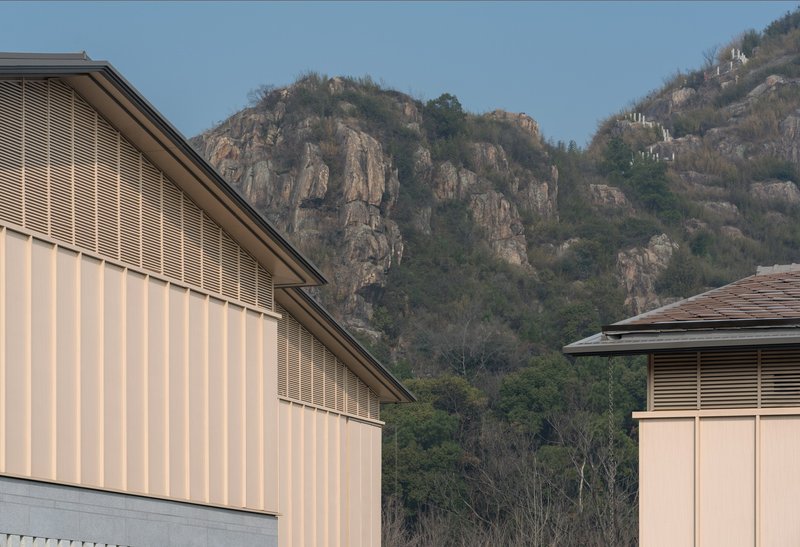
By capping the structures at a height of 12 meters, the resort merges gracefully into the mountainous backdrop. The composition of smaller, pitched-roofed volumes reinforces a village-like character, creating a rhythmic flow that resonates with the natural contours of the land.
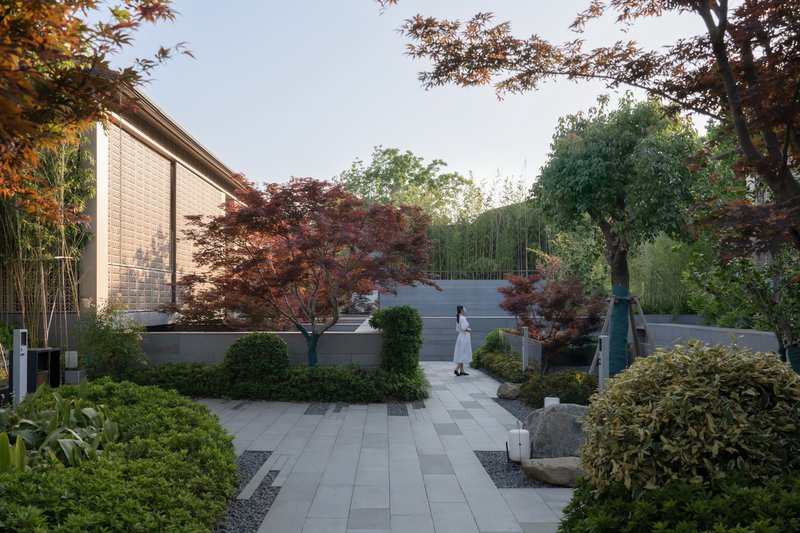
Layout and Spatial Experience
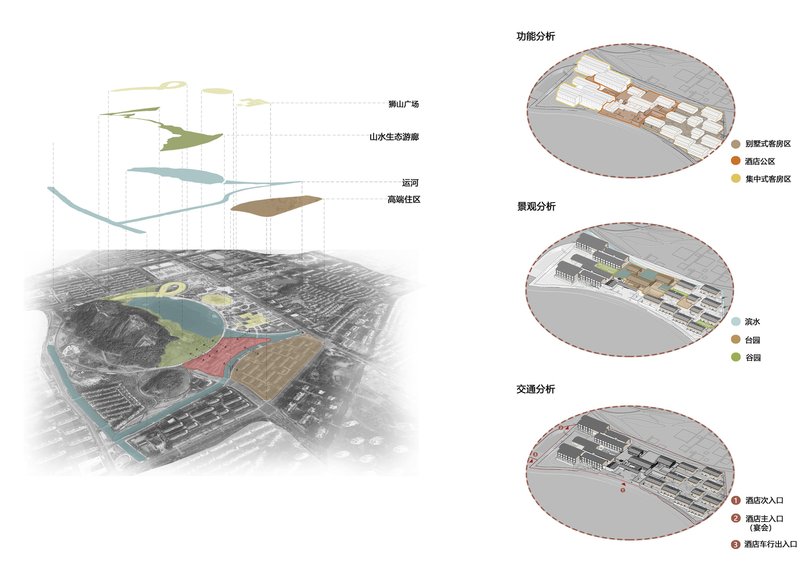
The resort layout traces the natural east-west contours of the site, aligning its primary volumes with the lake and mountain views. The central axis, facing Shishan Mountain, serves as the main spatial artery, opening into the entrance, lobby, and dining areas. On either side, the Banyan Tree and Angsana guestroom wings extend in a cascading arrangement, stepping down as they approach the waterfront. This careful modulation of height ensures that each room offers framed vistas of the surrounding landscape.
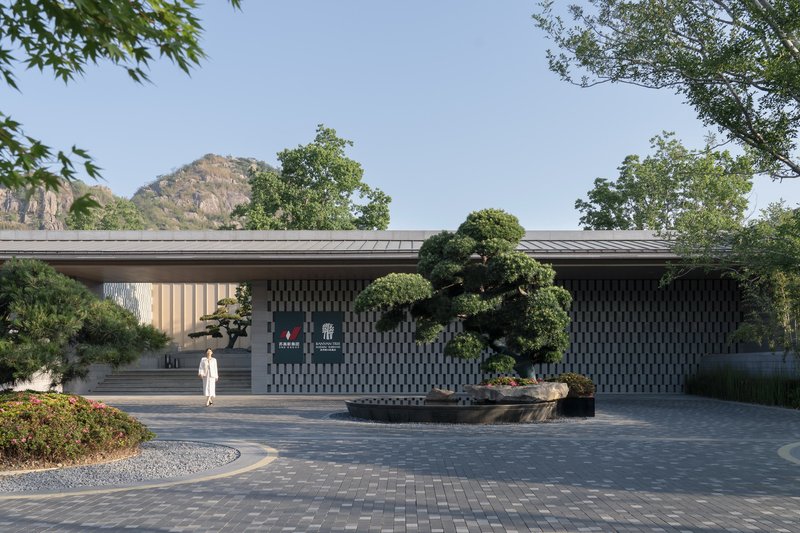
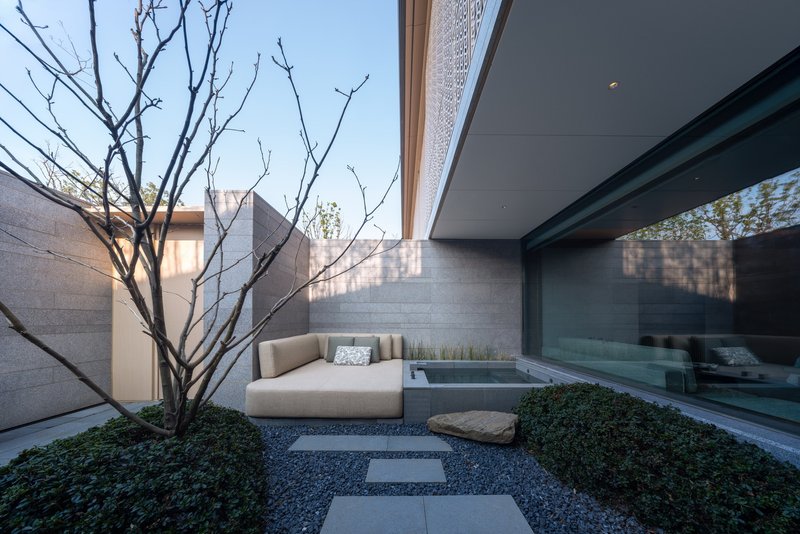
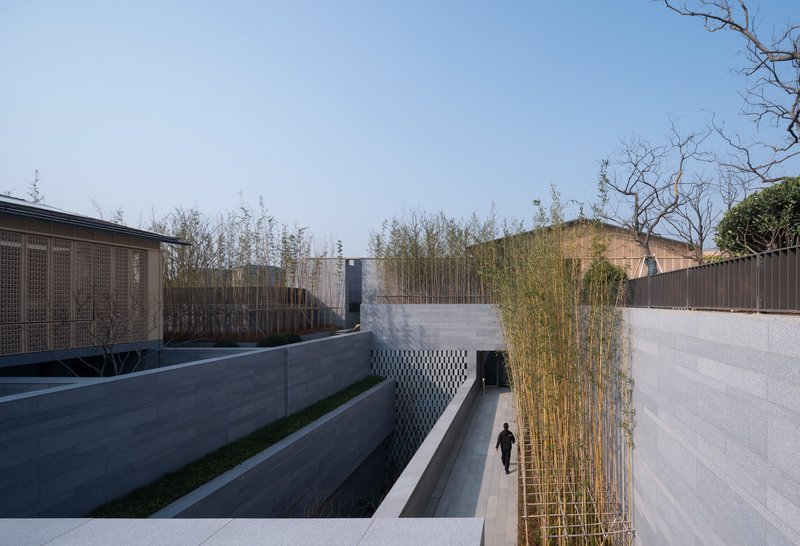
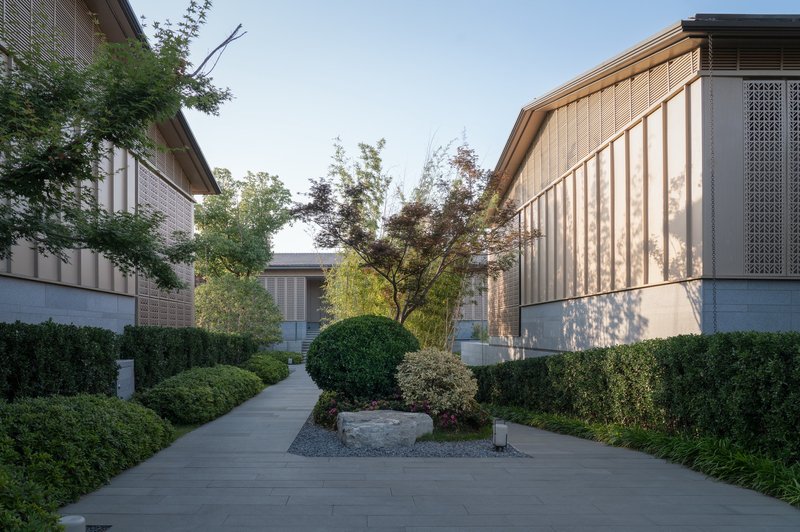
Suzhou’s renowned garden culture played a vital role in shaping the spatial narrative. Rather than a single monolithic building, the design embraces the concept of a “structure within a garden,” interspersed with multiple courtyards, terraces, and landscaped pathways. Conversely, the interlaced gardens between the hotel buildings create a “garden within a structure,” where each courtyard becomes an intimate retreat framed by architectural elements.
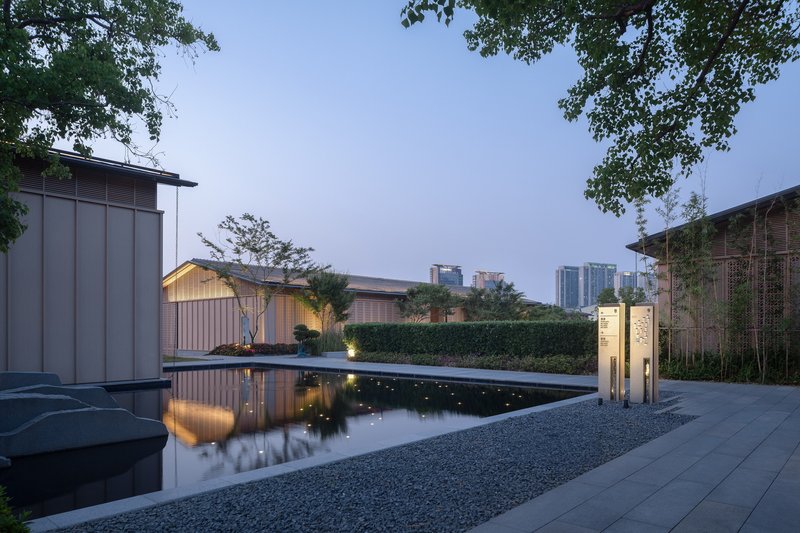
Weaving Gardens and Courtyards
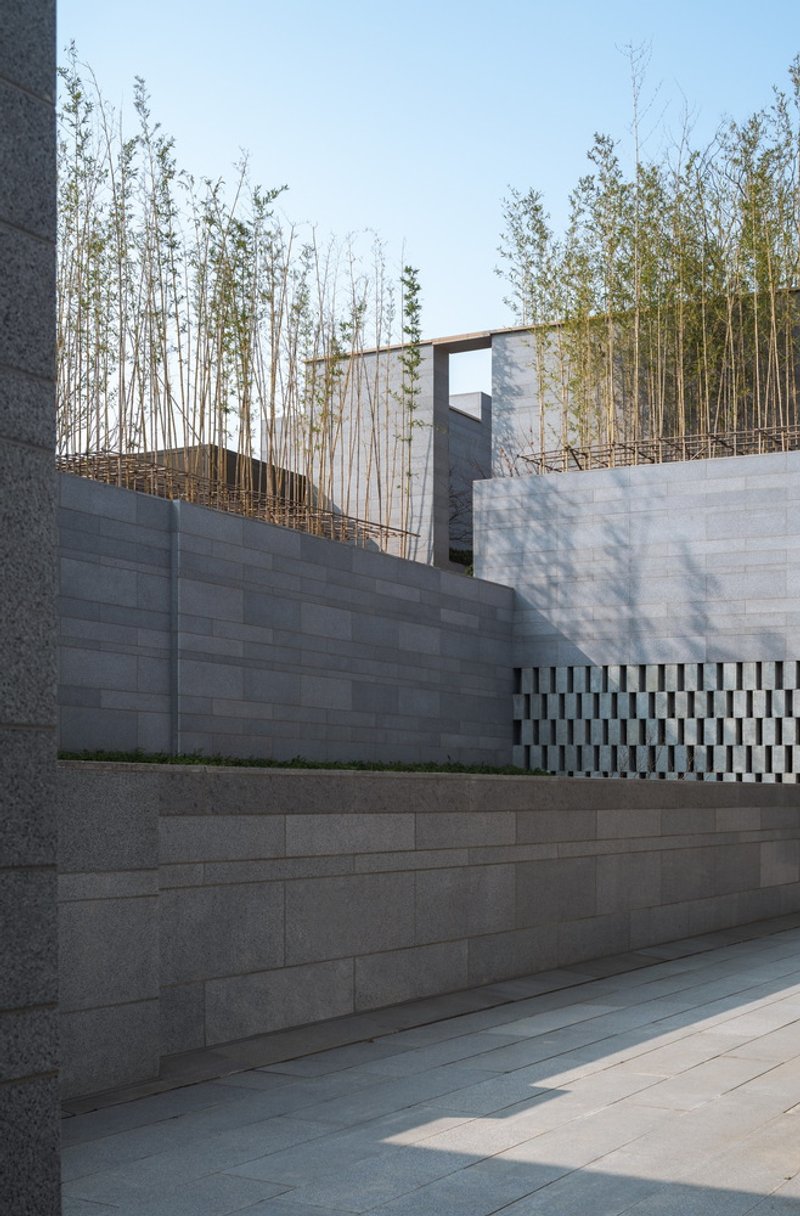
The Banyan Tree and Angsana Suzhou Shishan Architecture integrates multi-layered landscaping inspired by the scenography of classical Suzhou gardens. Terraced platforms rise from flat terrain, forming elevated viewing decks, while recessed zones become lush valley-like gardens. These alternating levels not only connect the various functional spaces but also generate a dynamic landscape that unfolds gradually, offering curated views at every turn.
Each courtyard is designed as a micro-landscape, with vegetation and water features acting as natural focal points. Internal gardens adjoining the villas provide secluded, contemplative spaces, while public areas, such as the banquet hall and gym, are subtly concealed beneath the elevated platform. This layered approach enables an ever-changing experience of nature, light, and architecture.
Materiality and Cultural References
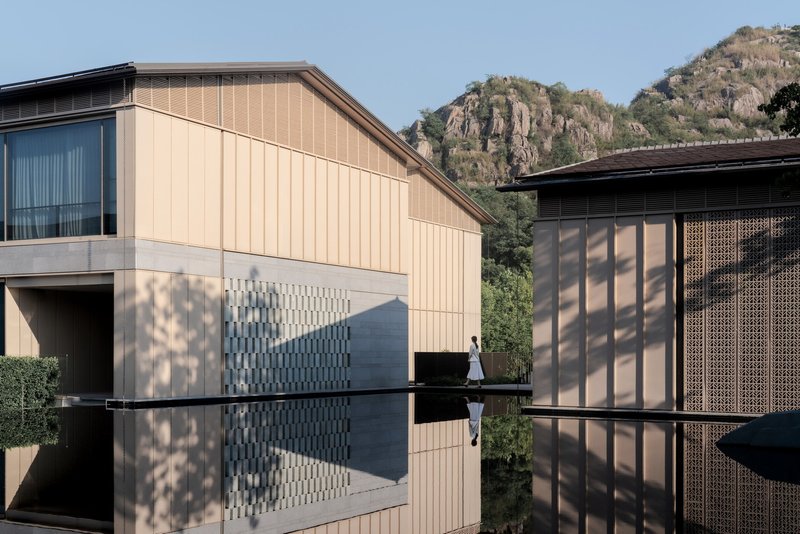
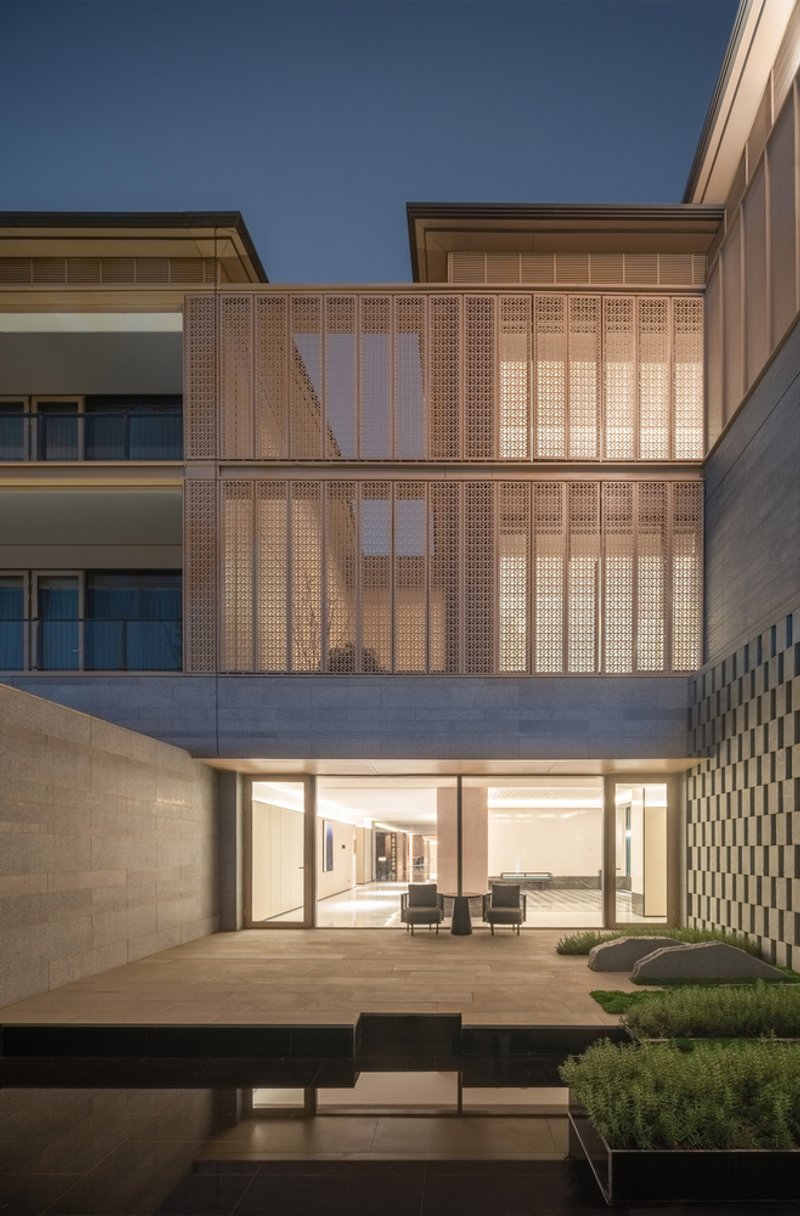
The material palette reflects a deep respect for traditional Chinese architecture while exploring modern interpretations. The façade’s wood-grain aluminum panels reference historic timber construction, while terracotta walls and lattice screens create semi-transparent layers that filter views and natural light. Stone cladding on the lower levels evokes the solidity of local brick walls, contrasting with the lighter, more ethereal quality of the upper sections.
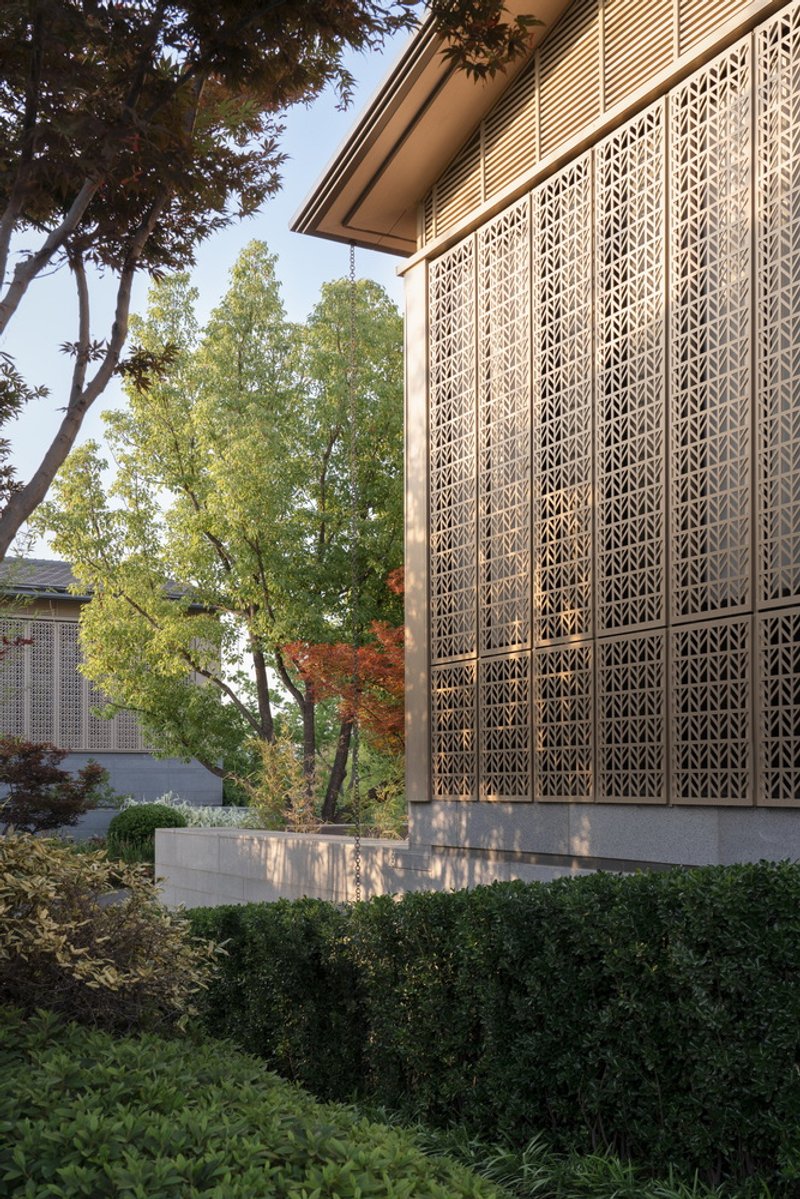
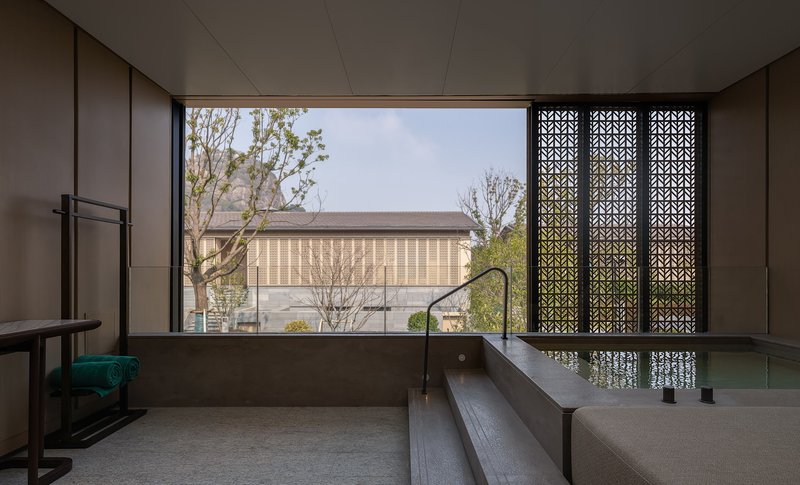
As dusk falls, the buildings transform into glowing lantern-like forms. The interplay of solid and void, light and shadow, echoes the poetic spirit of Suzhou gardens, where carefully framed views blur the boundary between interior and exterior.
A Contemporary Reimagining of Heritage
The resort draws inspiration from the Song Dynasty’s classical depictions of architecture in nature, particularly the idea of contemplative retreats nestled within the landscape. GOA’s design modernizes this ideal, framing panoramic views of Shishan Mountain and the surrounding park while maintaining a sense of intimacy and retreat. Guests are invited to engage with the landscape as a living artwork—one that shifts with time, season, and light.
The Banyan Tree and Angsana Suzhou Shishan Architecture by GOA exemplifies how modern hospitality design can harmonize with cultural heritage and natural landscapes. By weaving gardens, courtyards, and layered architectural volumes, the resort creates an immersive spatial experience that celebrates both tradition and innovation. It stands as a landmark in Suzhou, offering a retreat that is both luxurious and deeply rooted in its environment.
All the photographs are works of In Between, Chen Xi Studio




Popular Articles
Popular articles from the community

A Contemporary Take on Iranian Residential Architecture
A modern interior design in Mashhad that reinterprets brick, light, and spatial flow to create a warm, contemporary residential architecture.
Louis Malle Cinema: A Limestone Cultural Landmark Revitalizing Community Life in Prayssac
Limestone cinema extension with public forecourt, blending heritage and modern design to create flexible cultural spaces and strengthen community interaction.
Treehouse Apartment: A Warm Timber Interior Blending Craft, Play, and Contemporary Living
Warm timber apartment with integrated treehouse, combining natural materials, craftsmanship, and playful design to create a flexible, family-oriented living environment.
On the Brooks House by Monsoon Collective – A Contemporary Kerala Home Rooted in Tradition
Kerala home blending tradition and modernity with water-inspired design, brick architecture, courtyard planning, and sustainable rainwater harvesting strategies.


Similar Reads
You might also enjoy these articles


Top 15 Architecture Competitions to Enter in 2026
From student-friendly idea competitions to prestigious international awards, here are the best architecture competitions open for entries in 2026. Updated regularly.

DIY & Engineering in Computational Design : Enter the BeeGraphy Design Awards
Showcase Your Creativity with Computational Design and Open Source Projects
Innovative Design Solutions: Award-Winning Projects from Recent Architecture Competitions
Exploring award-winning architectural projects shaping the future of design, sustainability, and community.



Explore Architecture Competitions
Discover active competitions in this discipline




The International Standard for Design Portfolios


The Global Benchmark for Architecture Dissertation Awards


The Global Benchmark for Graduation Excellence


Challenge to reimagine the Iron Throne
Comments (0)
Please login or sign up to add comments
No comments yet. Be the first to comment!