
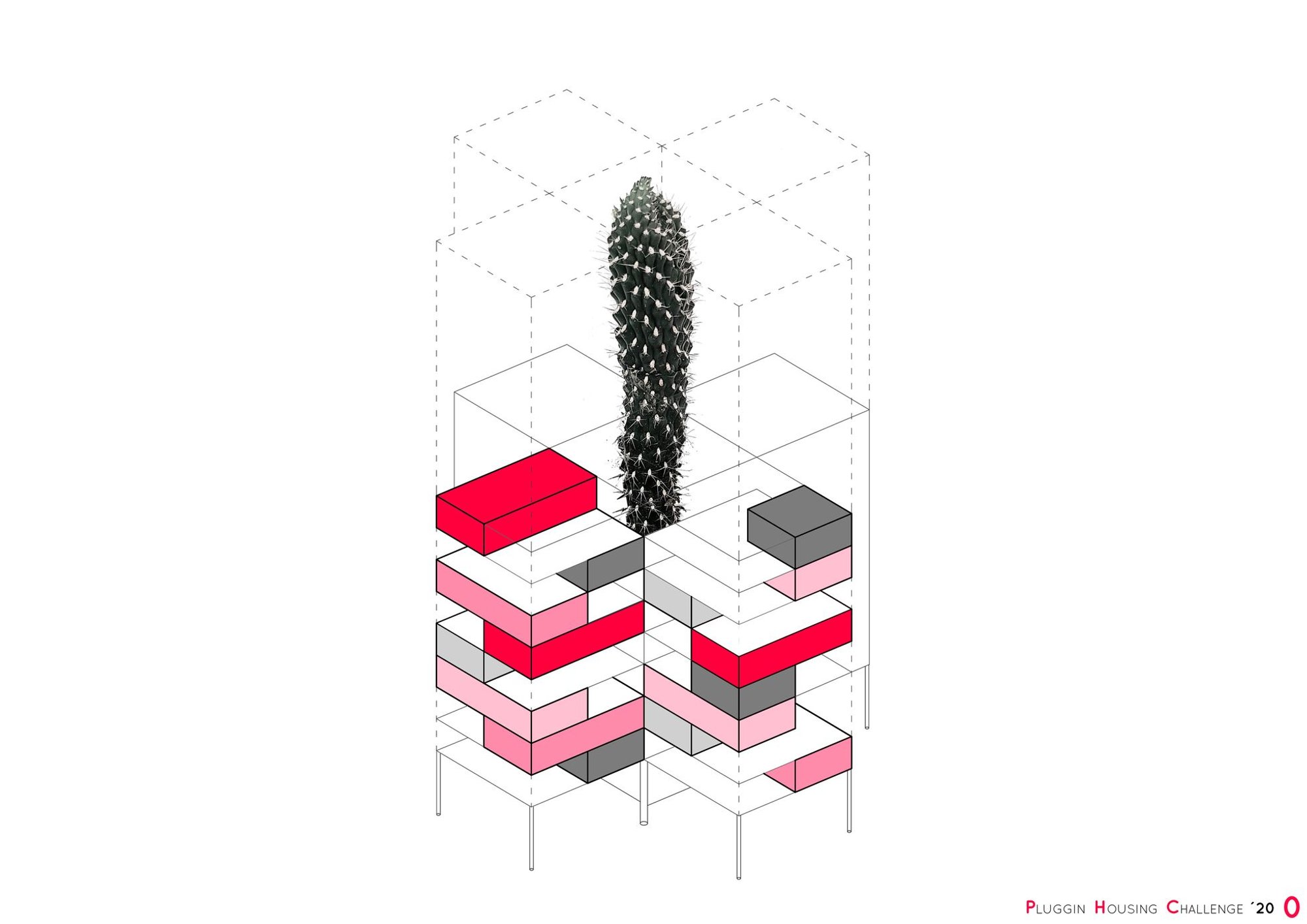
Cactus Adaptability: Modular Architecture for Sustainable Urban Living
Smart, adaptable, and sustainable—modular architecture shaping the future of urban living.

Shortlisted entry of Plugin Housing Challenge 2020 by Paula Ugarriza
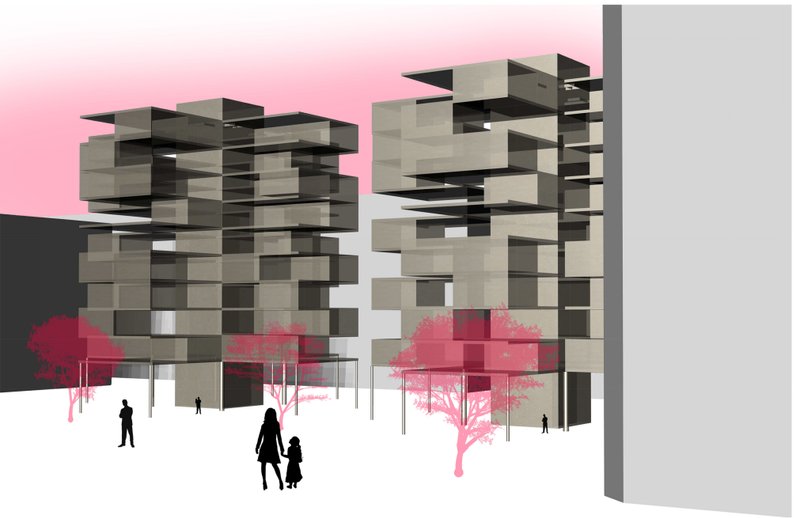
In modern urban landscapes, the need for modular architecture has become essential to promote flexibility, sustainability, and community interaction. This project focuses on designing adaptable housing solutions for vulnerable populations receiving temporary housing subsidies. By emphasizing modular construction, the project allows for efficient use of space, reduced environmental impact, and ease of customization.
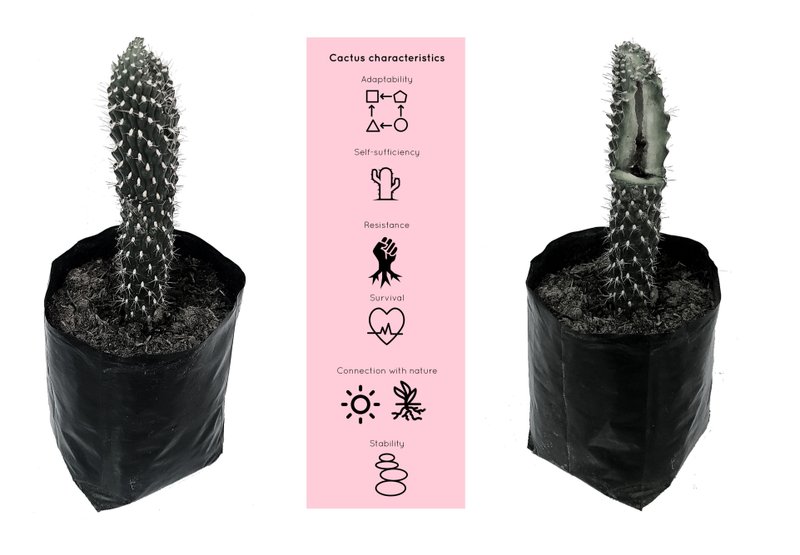
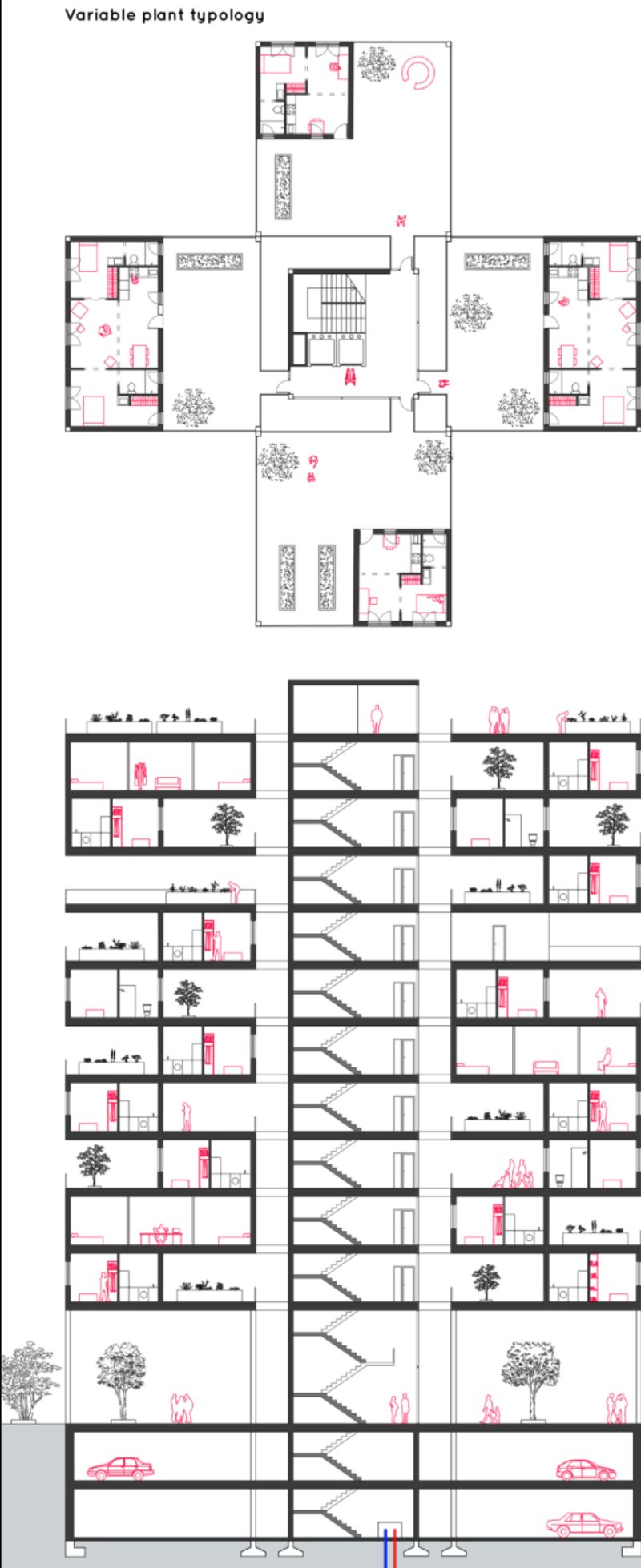
Key Features of the Project:
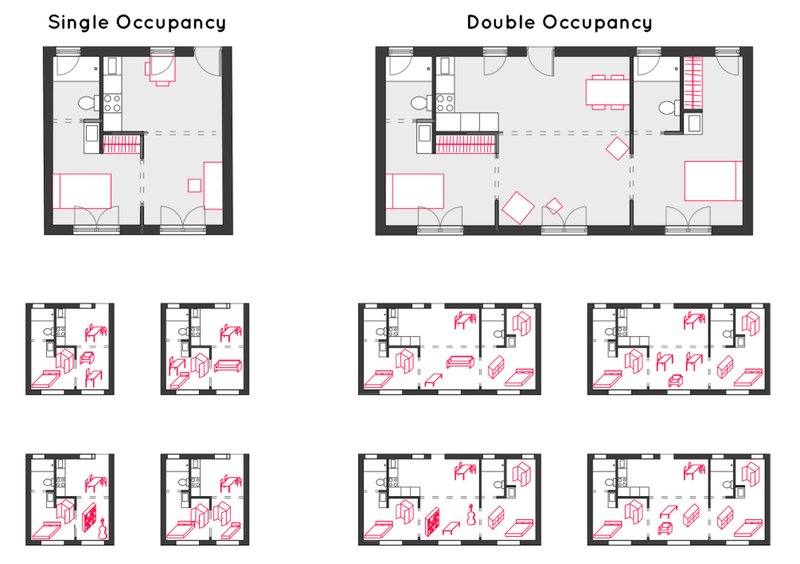
- Non-hierarchical spaces: Given the minimum dimensions required, spaces are designed with flexibility, eliminating the need for rigid zoning.
- Interchangeable furniture: The character of each space is defined by its modular furniture, allowing for dynamic usage without predetermined functions.
- Community-centric design: Common areas, green spaces, and urban orchards foster social interaction and sustainability.
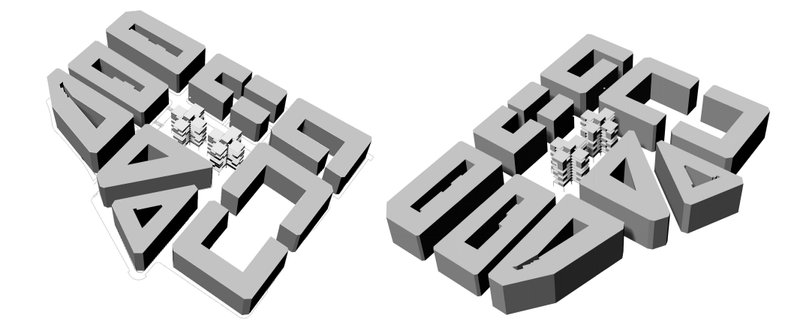
- Public connectivity: The project is integrated within a high-density urban setting, ensuring easy access to public transport and essential services.
- Sustainable materials: The use of local, low-impact materials ensures an eco-friendly construction approach.
This innovative modular housing design demonstrates how architecture can address urban challenges through adaptability, environmental responsibility, and community development.



Popular Articles
Popular articles from the community

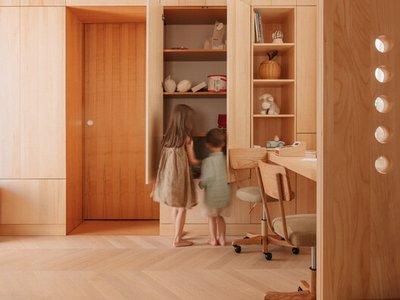
Treehouse Apartment: A Warm Timber Interior Blending Craft, Play, and Contemporary Living
Warm timber apartment with integrated treehouse, combining natural materials, craftsmanship, and playful design to create a flexible, family-oriented living environment.
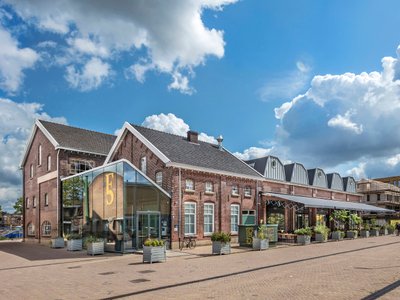
Fifth NRE Jazz Club – De Bever Architecten: Eindhoven’s Revitalized Cultural Hub
Historic gas factory transformed into Fifth NRE Jazz Club blending modern sustainability, jazz culture, dining, and heritage architecture seamlessly.
On the Brooks House by Monsoon Collective – A Contemporary Kerala Home Rooted in Tradition
Kerala home blending tradition and modernity with water-inspired design, brick architecture, courtyard planning, and sustainable rainwater harvesting strategies.
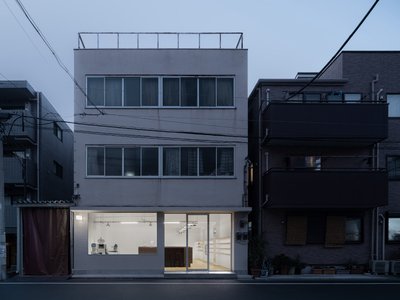
Atelier Macri Concept Store Interior Design by CASE-REAL
Atelier Macri store features a "ko" counter, walnut wood details, cork displays, blending retail, gallery, and seamless customer experiences.

Similar Reads
You might also enjoy these articles


The Ken Roberts Memorial Delineation Competition (Krob)
As the most senior architectural drawing competition currently in operation anywhere in the world, it draws hundreds of entries each year, awarding the very best submissions in a series of medium-based categories.


Waterfront Redevelopment and Urban Revitalization in Mumbai: Forging a New Dawn for Darukhana
A transformative waterfront redevelopment project reimagining Darukhana’s shipbreaking heritage into an inclusive urban future.

OUT-OF-MAP: A Call for Postcards on Feminist Narratives of Public Space
Rhizoma Design and Research Lab invites artists, designers, architects, researchers, and students to reflect on how feminist perspectives can reshape public space. Selected works will be exhibited in Barcelona, October 2026. Submissions open until 15 April 2026.


Documentation Work on Buddhist Wooden Temple
Architectural syncretism and cultural hybridity: A comparative study of the Buddhist temples in Chattogram Hill tracks
Explore Prototyping Competitions
Discover active competitions in this discipline




The Global Benchmark for Architecture Dissertation Awards

Packaging challenge - Design meets sustainability
Comments (0)
Please login or sign up to add comments
No comments yet. Be the first to comment!