
Chapel at the Foot of the São José Mountain Range: A Sustainable Architecture Masterpiece in Brazil
The Chapel at the Foot of the São José Mountain Range is an innovative, sustainable architectural marvel blending nature, spirituality, and tradition.

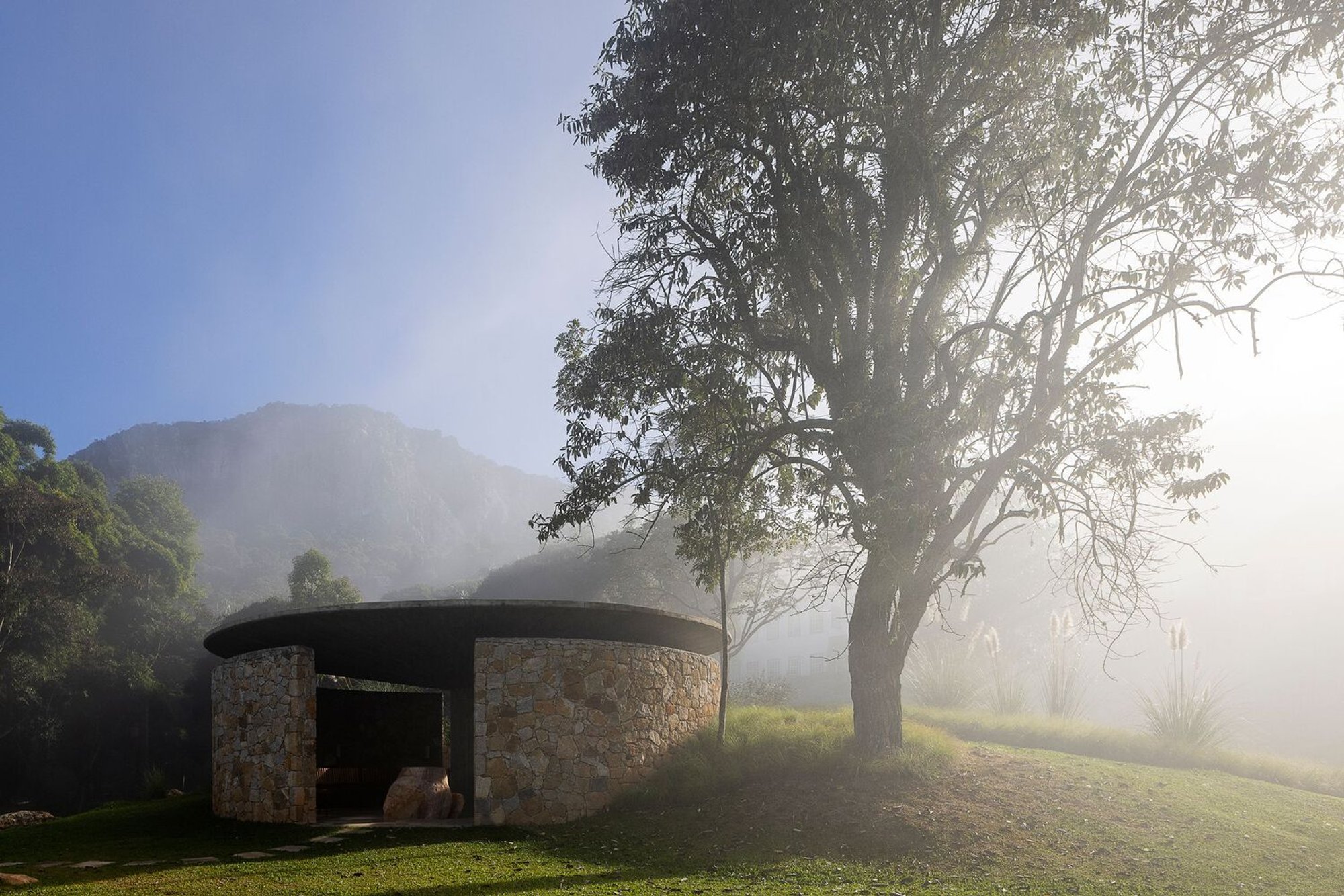
Nestled in the scenic beauty of the São José Mountain Range near Tiradentes, Brazil, the Chapel at the Foot of the São José Mountain Range is a stunning example of sustainable chapel architecture. Designed by MACh Arquitetos, this chapel is not just a space for prayer but an architectural journey that harmonizes with the surrounding landscape. With a design that seamlessly integrates natural materials, innovative construction techniques, and environmental stewardship, this chapel offers a profound space for contemplation, while being a beacon of sustainable architecture in the rural Brazilian landscape.
A Deep Connection Between Architecture and Landscape
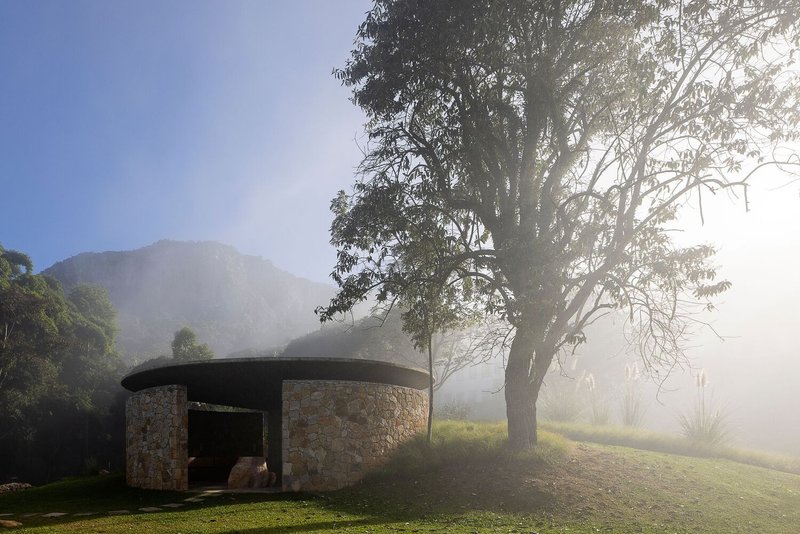
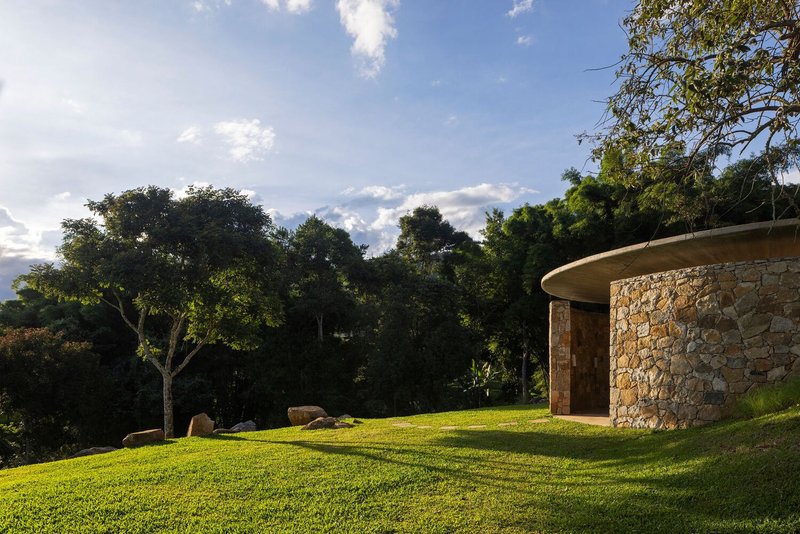
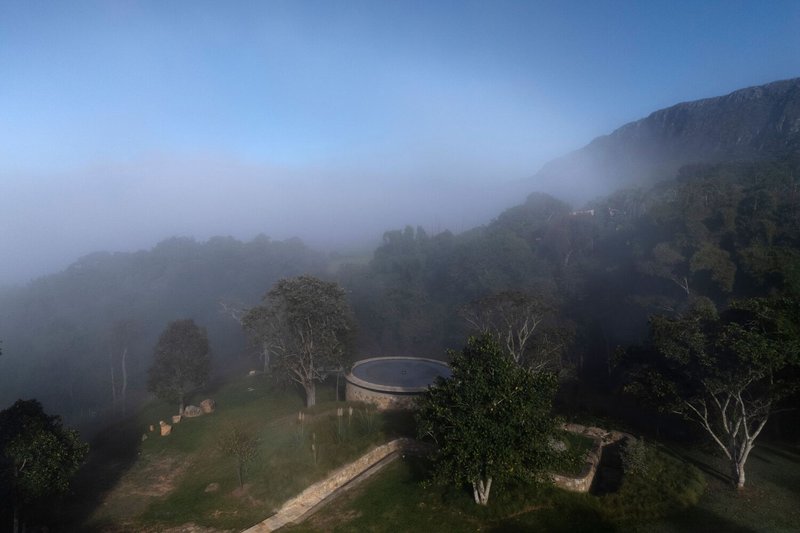
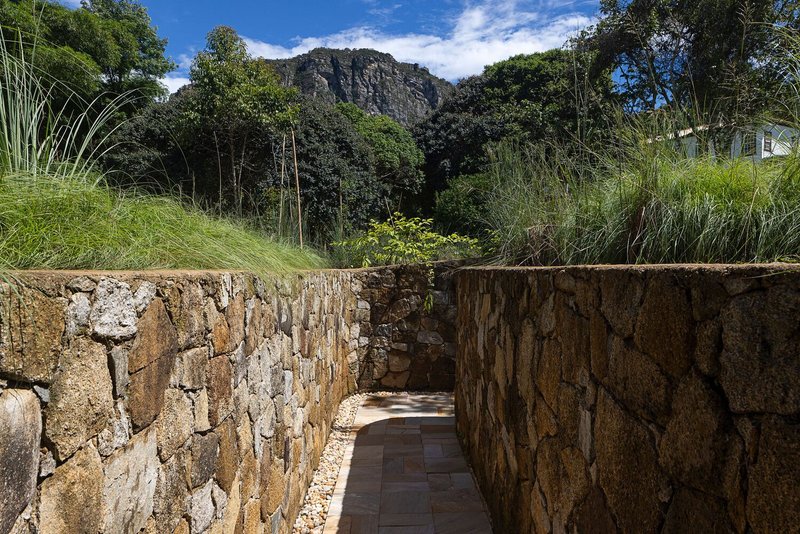
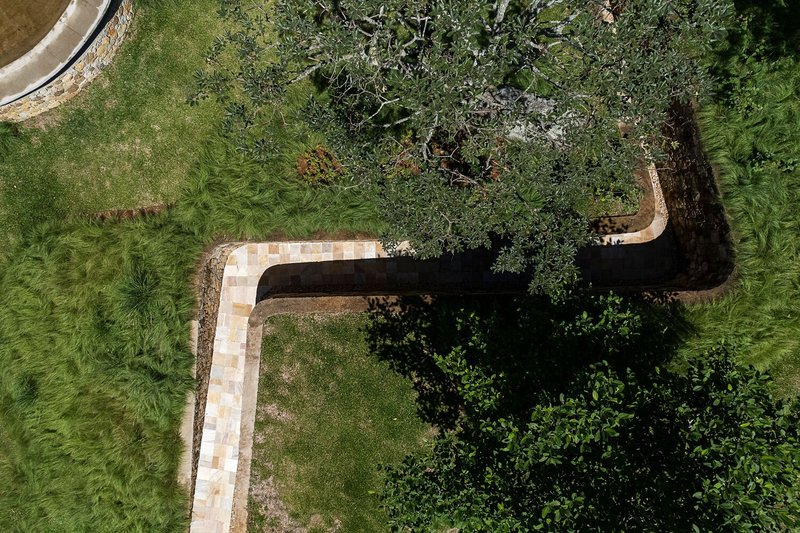
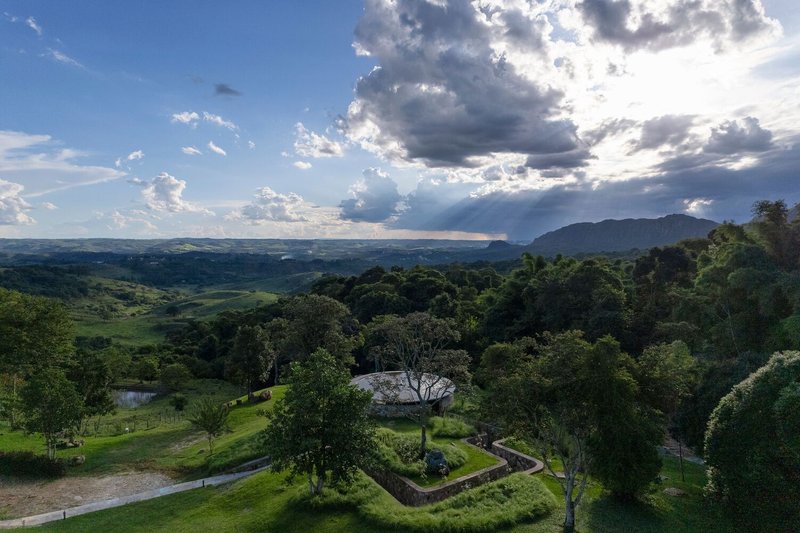
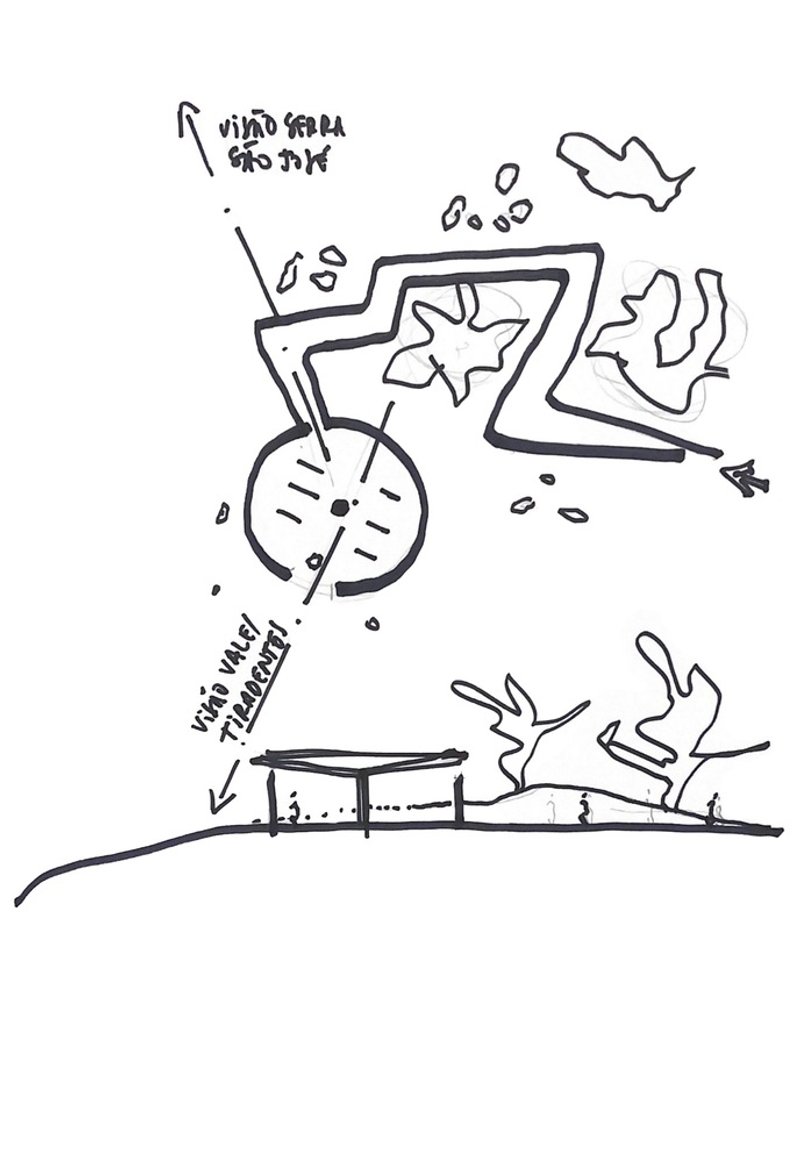
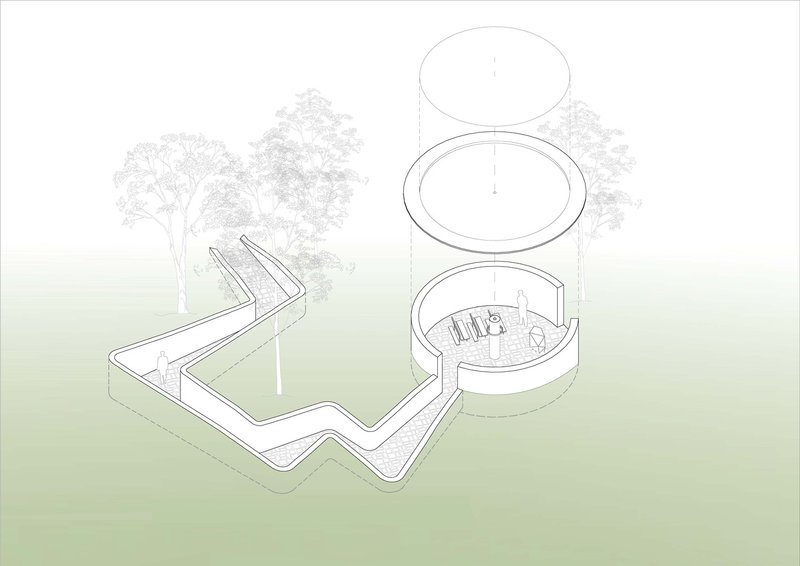
The chapel is designed to forge a deep and subtle relationship with its natural surroundings. The building’s placement at the foot of the São José Mountain Range offers sweeping views of the jagged mountain peaks to the north and the valley below, which includes the historic city of Tiradentes. The design emphasizes an experience where visitors are gradually detached from the larger landscape as they journey toward the chapel. This journey is marked by a path that winds around existing trees, framing the sky and canopy, and setting the tone for a reflective experience.
Architecture that Enhances Time and Contemplation
The chapel's design isn’t just about physical space; it is also about creating an experience that stretches time. The access path follows a gentle slope at a single elevation, guiding visitors through the landscape with precision. As they move forward, the perception of scale and spatial relationships shifts, inviting a gradual immersion into the serenity of the environment. This journey is not just physical but psychological, preparing individuals for moments of reflection and prayer.
Strategic Design and Visual Axes
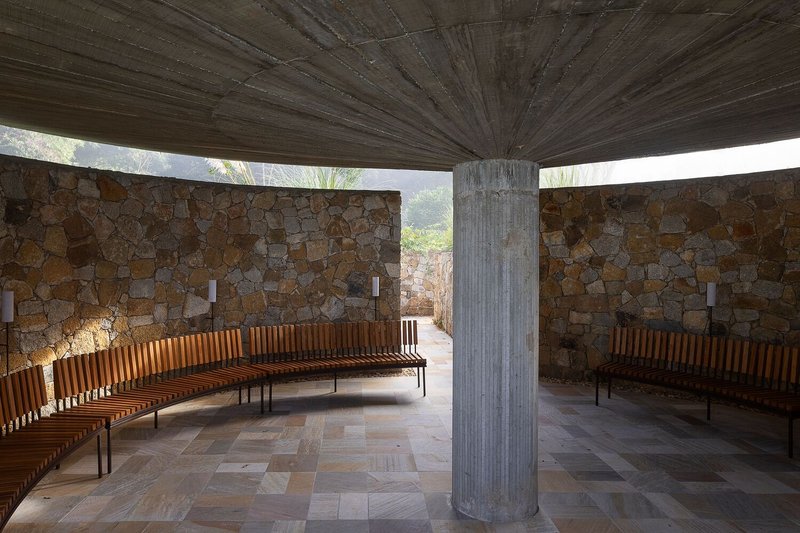
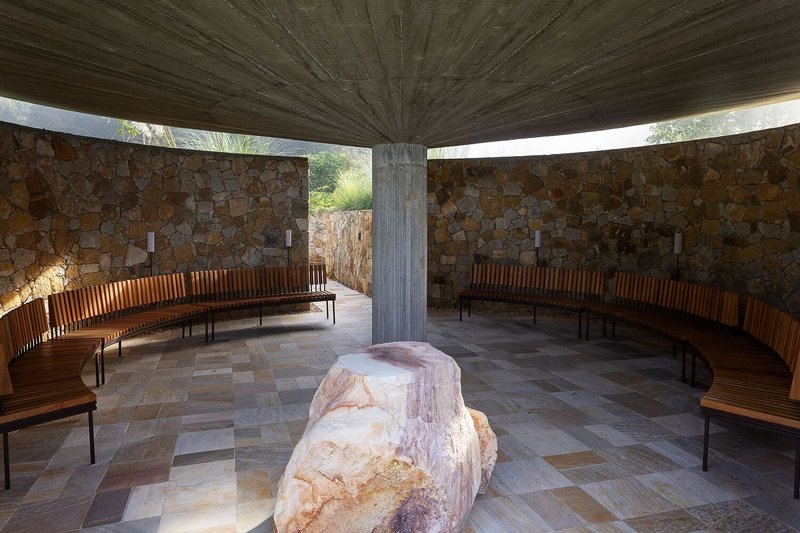
Upon arrival at the chapel, visitors find themselves facing two critical visual axes. Behind them, the chapel aligns with the most imposing section of the São José Mountain Range, while ahead, another axis opens to the distant view of Tiradentes and the Matriz Church. These visual axes are integral to the chapel’s design, guiding visitors' gaze and helping them connect to both the natural environment and the broader landscape. Inside, the chapel provides an omnidirectional experience, offering visitors a chance to view the landscape from various angles, thanks to the unique separation between the roof and stone walls.
Materials and Sustainability: The Core of the Chapel’s Design
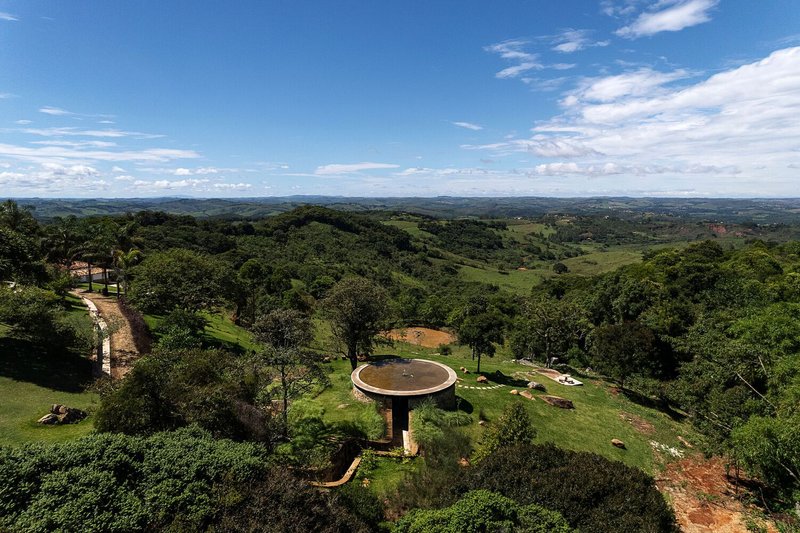
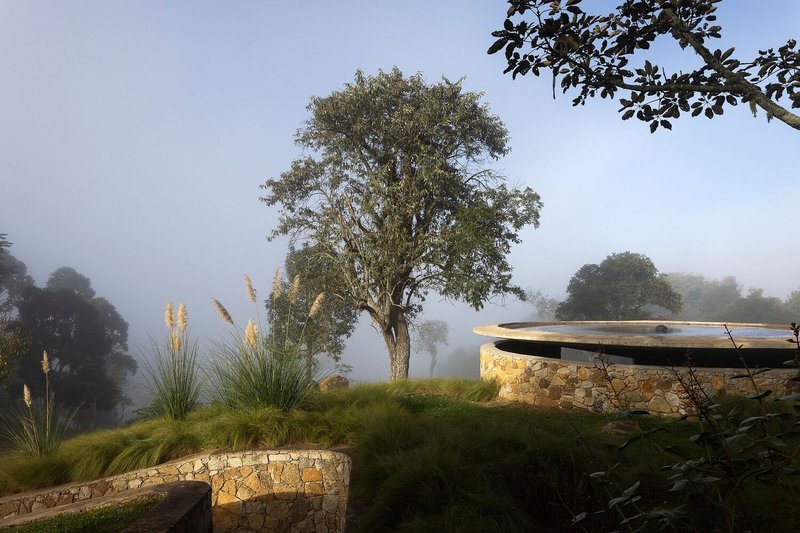
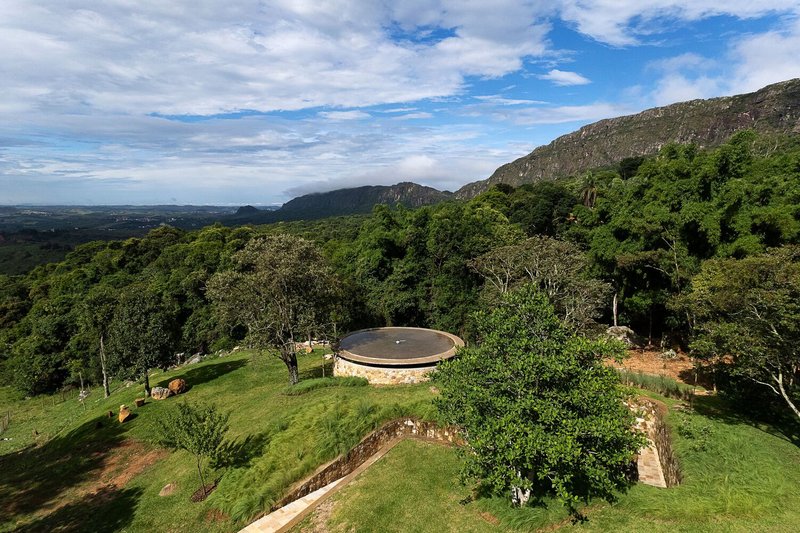
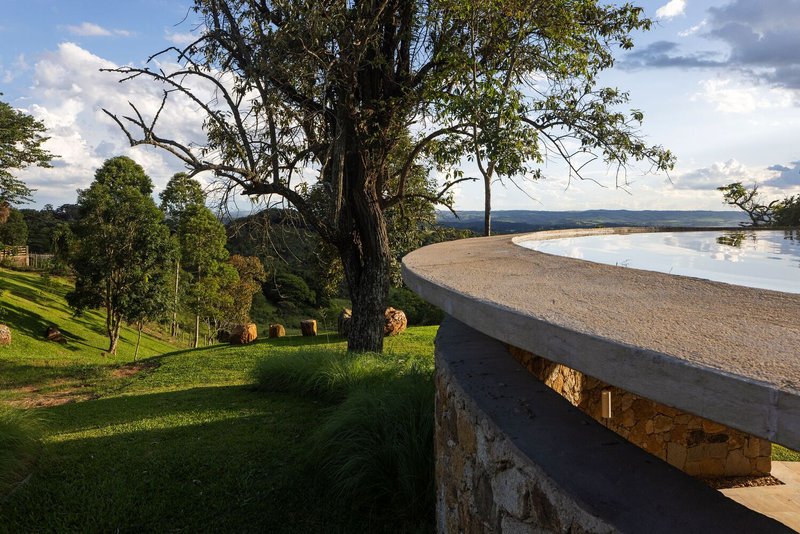
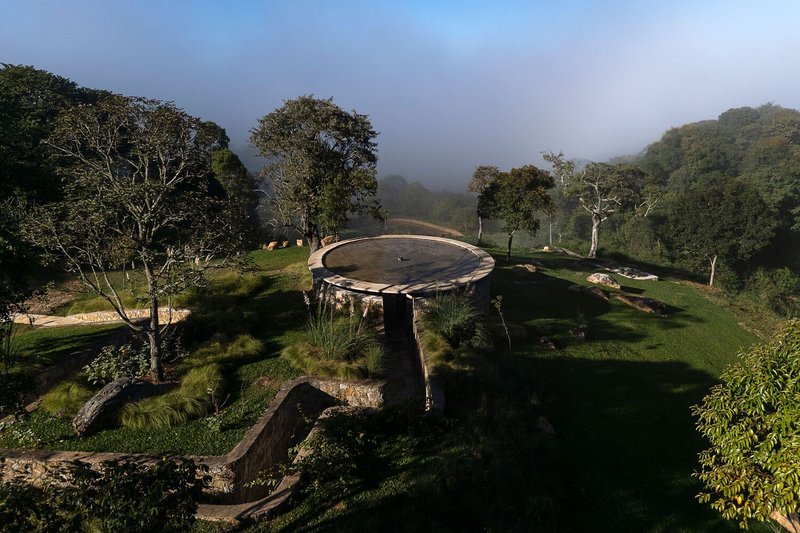
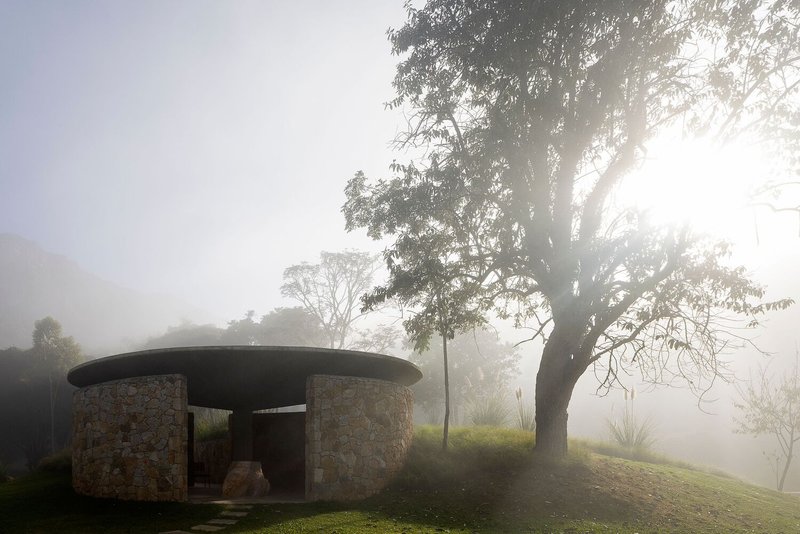
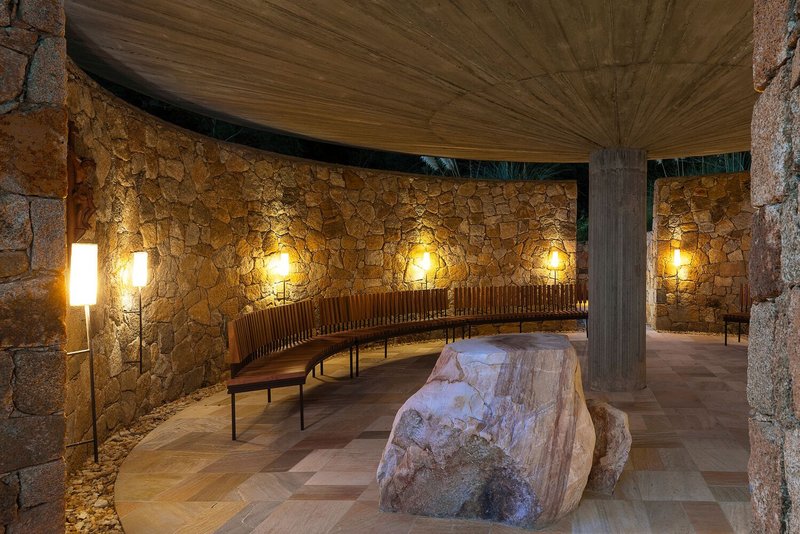
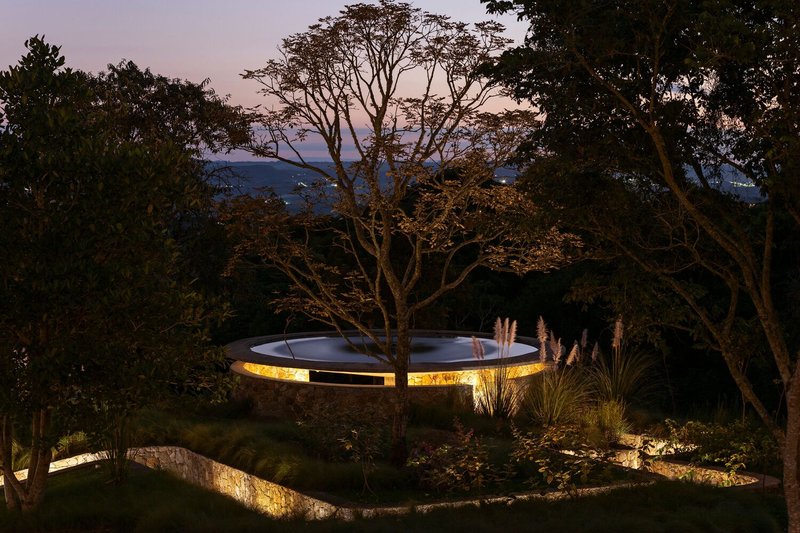
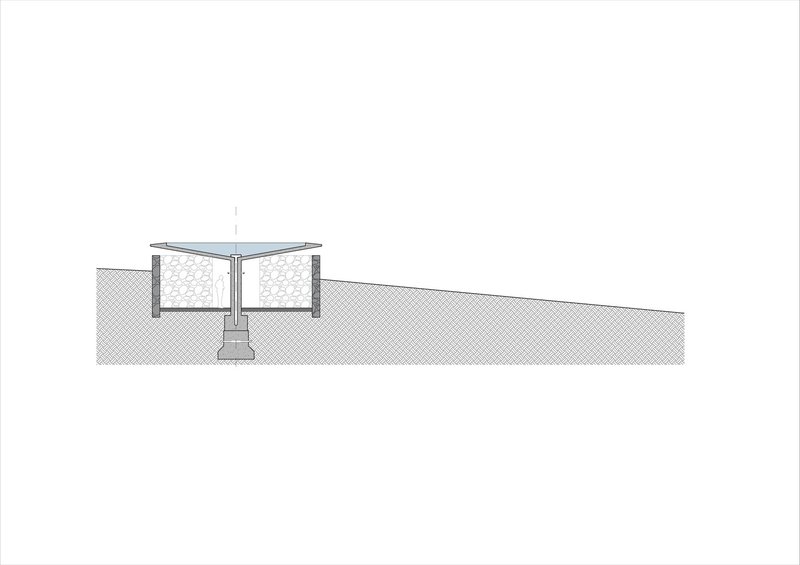
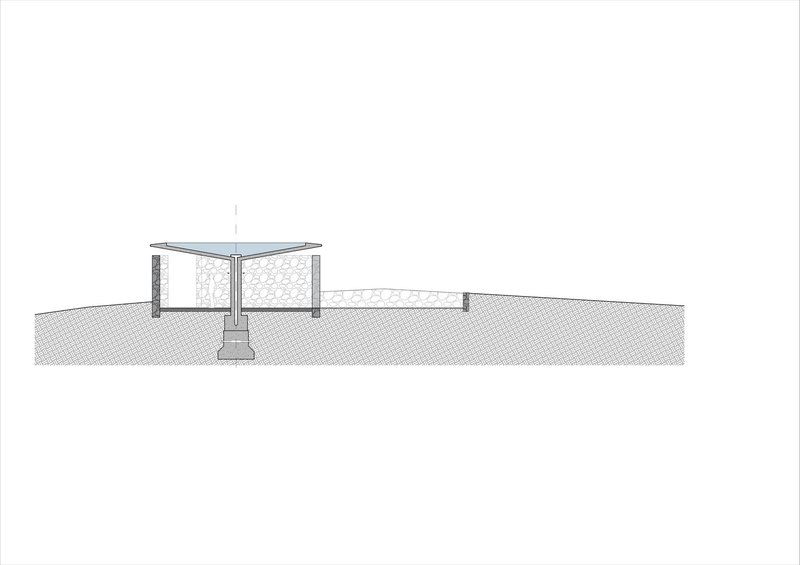
Sustainability is at the heart of the chapel's design. The materials used in its construction are sourced locally, with quartzite block walls that integrate the structure harmoniously with the landscape. These blocks were worked by local artisans, ensuring that each stone carries a unique pattern and texture, reflecting the traditional craftsmanship of the region. Additionally, the building employs advanced sustainable construction techniques such as a concrete roof topped with a reflecting pool and thick stone walls that provide exceptional thermal inertia, ensuring comfort in all seasons.
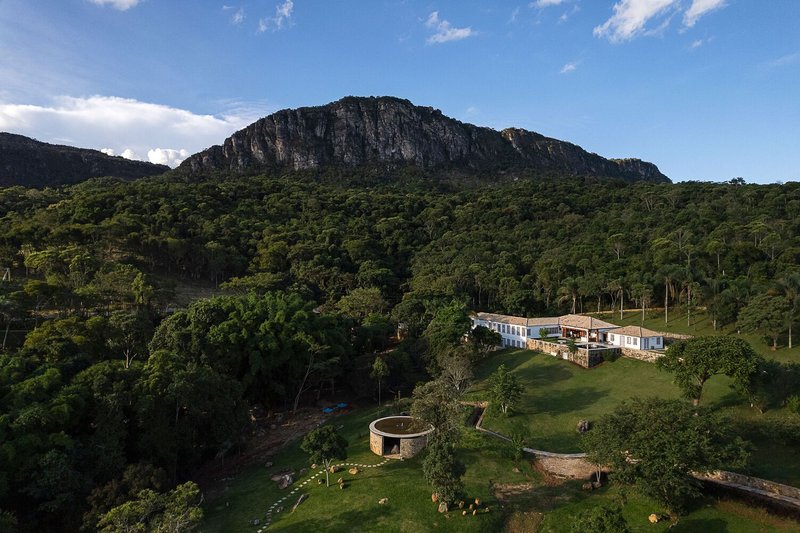
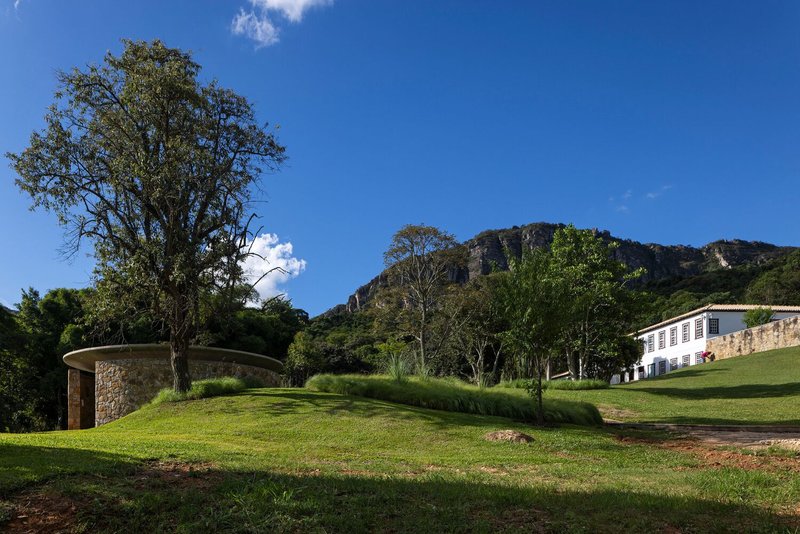
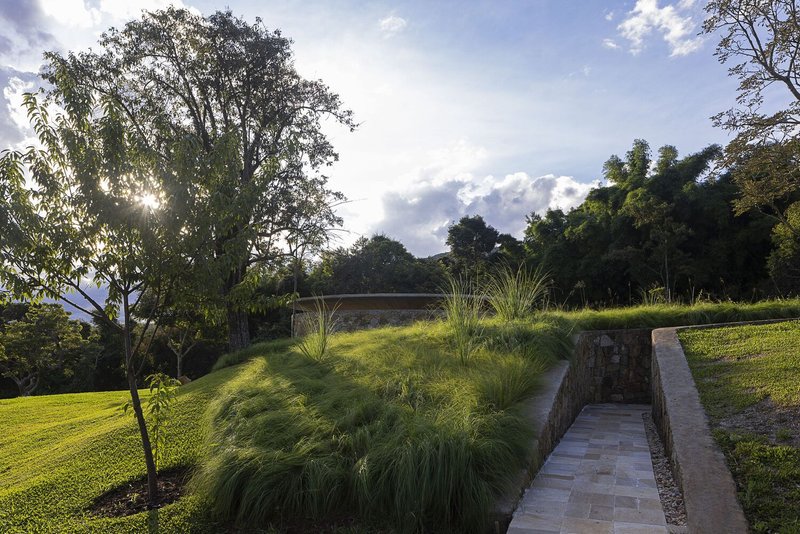
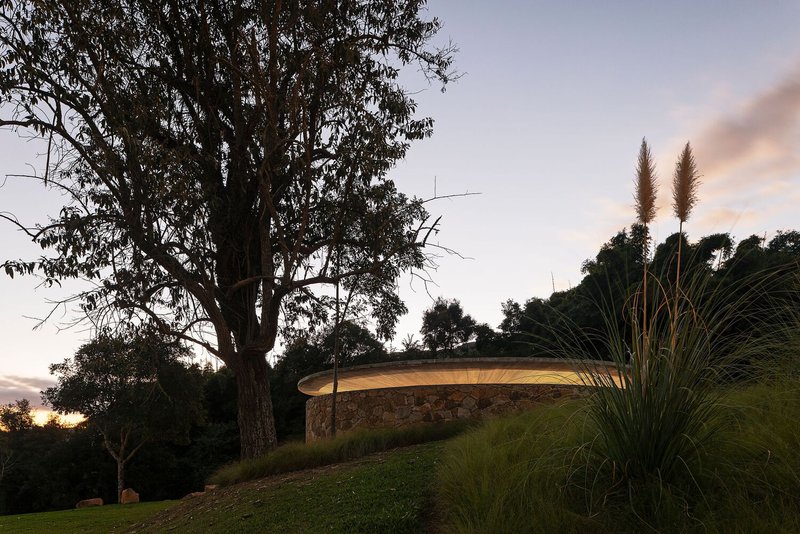
The chapel's commitment to sustainability also extends to its energy use. LED lighting, designed to mimic the glow of candlelight, highlights the architectural voids at night, consuming minimal energy and enhancing the chapel’s connection to nature. The use of natural ventilation through strategically placed perimeter openings ensures that the space remains comfortable while making use of the region’s pure, fresh air.
Creating a Sacred Space Through Innovation
Incorporating both traditional and innovative techniques, the Chapel at the Foot of the São José Mountain Range draws on Brazil’s rich architectural heritage. The chapel’s central pillar, slender and symbolic, is a nod to traditional Brazilian design, while the roof structure, resembling a shell, demonstrates the sophistication of modern structural calculations. These elements come together to create a space that is both innovative and deeply rooted in local architectural history.
Integration with the Landscape: A Seamless Experience
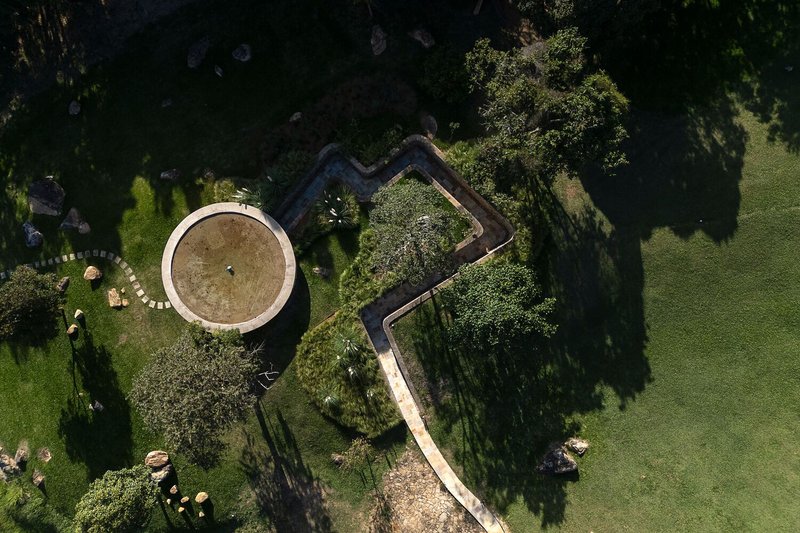
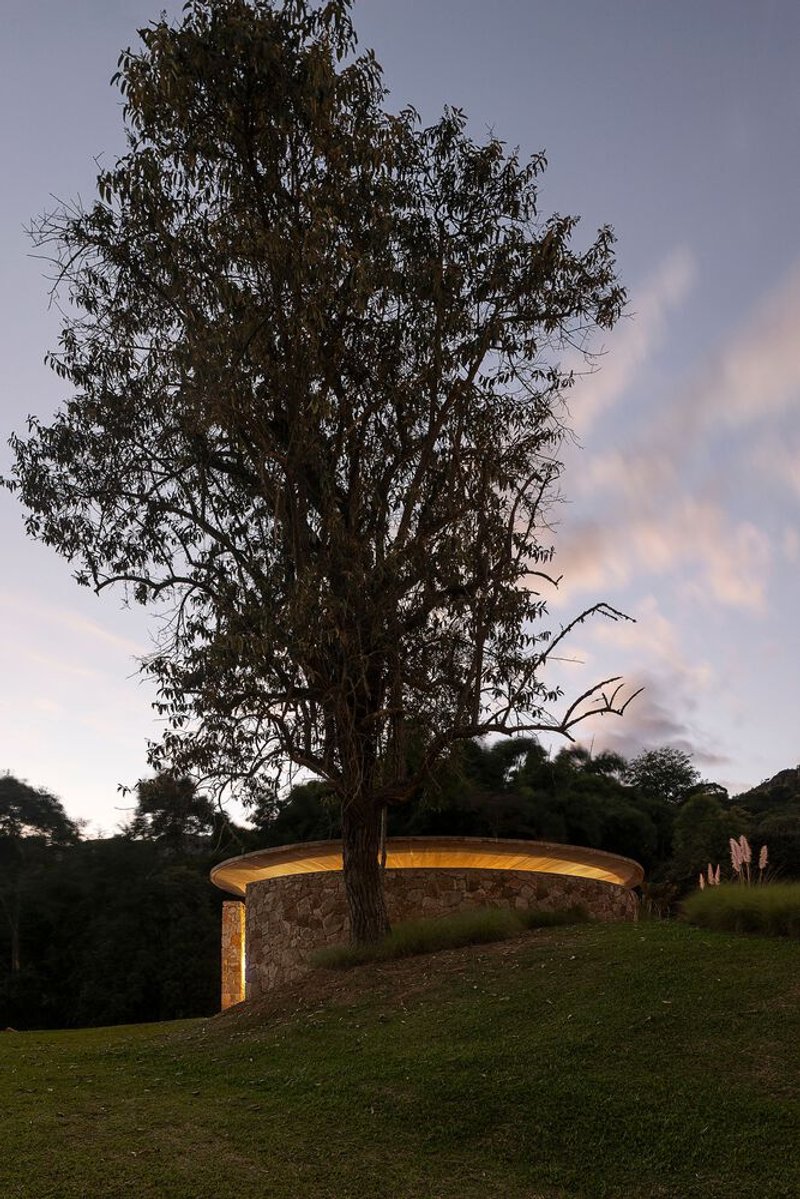
The chapel’s integration with the landscape is one of its most impressive features. The building is partially buried, ensuring that it remains appropriately scaled and proportioned within its environment. From higher points on the property, the reflecting pool becomes a focal point of the vista, with the chapel’s gradual emergence from the terrain ensuring that it never overwhelms the landscape. The path that leads to the chapel is as much a part of the architectural experience as the chapel itself, intertwining with the trees and the sky to create a cohesive and immersive journey.

A Symbol of Sustainable Chapel Architecture
The Chapel at the Foot of the São José Mountain Range is not only a space for spiritual reflection but also a testament to sustainable architecture. By using local materials, innovative design strategies, and a deep respect for the natural environment, the chapel creates a profound connection between architecture and landscape. This project exemplifies how modern architecture can be both environmentally responsible and spiritually resonant, making it a true masterpiece of sustainable chapel design.
All Photographs are work of Leonardo Finotti




Popular Articles
Popular articles from the community

On the Brooks House by Monsoon Collective – A Contemporary Kerala Home Rooted in Tradition
Kerala home blending tradition and modernity with water-inspired design, brick architecture, courtyard planning, and sustainable rainwater harvesting strategies.
Atelier Macri Concept Store Interior Design by CASE-REAL
Atelier Macri store features a "ko" counter, walnut wood details, cork displays, blending retail, gallery, and seamless customer experiences.

Solar Steam: A Climate-Responsive Architecture That Redefines the Monument
A climate-responsive memorial architecture that transforms heat, decay, and time into a living system reflecting humanity’s ecological impact.
An Miên Lumière Cafe by xưởng xép, Ho Chi Minh City, Vietnam
An industrial-inspired café where layered steel and warm light create a dynamic, immersive environment shaped by reflection, depth, and perception.

Similar Reads
You might also enjoy these articles


The Ken Roberts Memorial Delineation Competition (Krob)
As the most senior architectural drawing competition currently in operation anywhere in the world, it draws hundreds of entries each year, awarding the very best submissions in a series of medium-based categories.

Waterfront Redevelopment and Urban Revitalization in Mumbai: Forging a New Dawn for Darukhana
A transformative waterfront redevelopment project reimagining Darukhana’s shipbreaking heritage into an inclusive urban future.

OUT-OF-MAP: A Call for Postcards on Feminist Narratives of Public Space
Rhizoma Design and Research Lab invites artists, designers, architects, researchers, and students to reflect on how feminist perspectives can reshape public space. Selected works will be exhibited in Barcelona, October 2026. Submissions open until 15 April 2026.

Documentation Work on Buddhist Wooden Temple
Architectural syncretism and cultural hybridity: A comparative study of the Buddhist temples in Chattogram Hill tracks


Explore Architecture Competitions
Discover active competitions in this discipline




The International Standard for Design Portfolios


The Global Benchmark for Architecture Dissertation Awards


The Global Benchmark for Graduation Excellence


Challenge to reimagine the Iron Throne
Comments (0)
Please login or sign up to add comments
No comments yet. Be the first to comment!