
Children's Dining Room in Oviedo By Rogelio Ruiz + Macario G. Astorga
Children’s Dining Room in Oviedo is a playful, modular preschool space balancing functional staff areas, child-centered design, and dynamic, light-filled interiors.

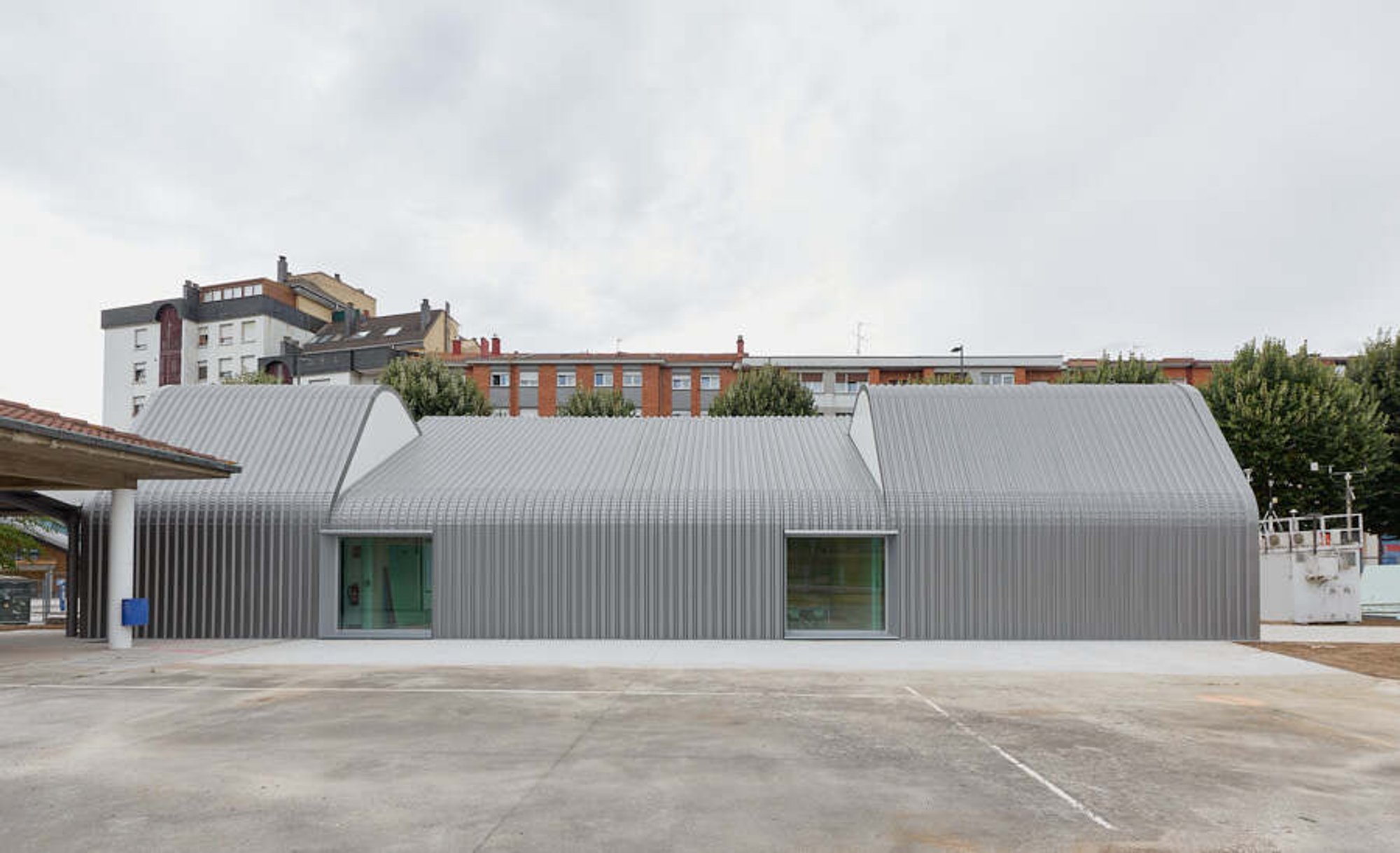
Located in Oviedo, Spain, the Children's Dining Room is an innovative educational facility designed as an independent annex to a preschool. Completed in 2025 by architects Rogelio Ruiz and Macario G. Astorga, the 248 m² building is thoughtfully designed to respond to both the practical and emotional needs of its users: children, staff, and parents, while fostering a vibrant and dynamic environment.
Functional Design and Layout
The project is organized around the dual functionality required for a children’s dining space. There are two main user groups: children who occupy the dining area, and staff who manage both food service and child supervision. To optimize workflow and safety, the design clearly separates the kitchen area and food delivery entrance from the children’s zone, which includes restrooms and a dedicated area for backpacks.
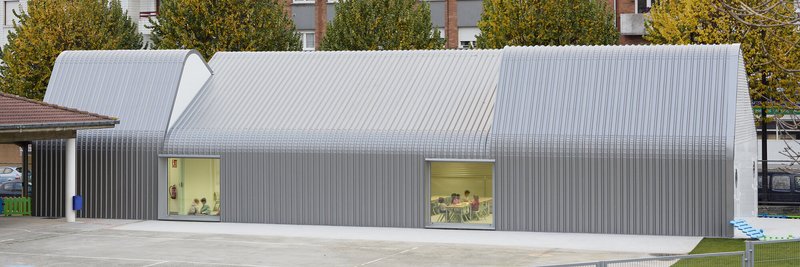
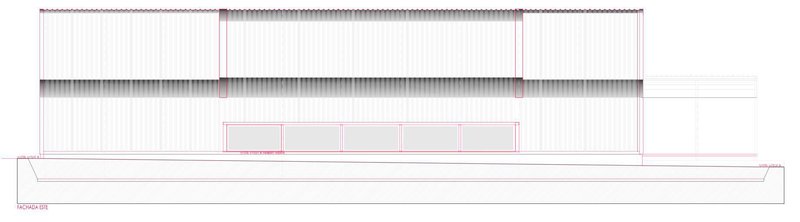
The structure is composed of two lower-height sections that house mechanical systems such as air conditioning, flanking a central full-height hall where the main dining area is located. This vertical hierarchy ensures the dining space feels open and airy, while the ancillary areas remain functional yet unobtrusive.
Form, Movement, and Cheerfulness
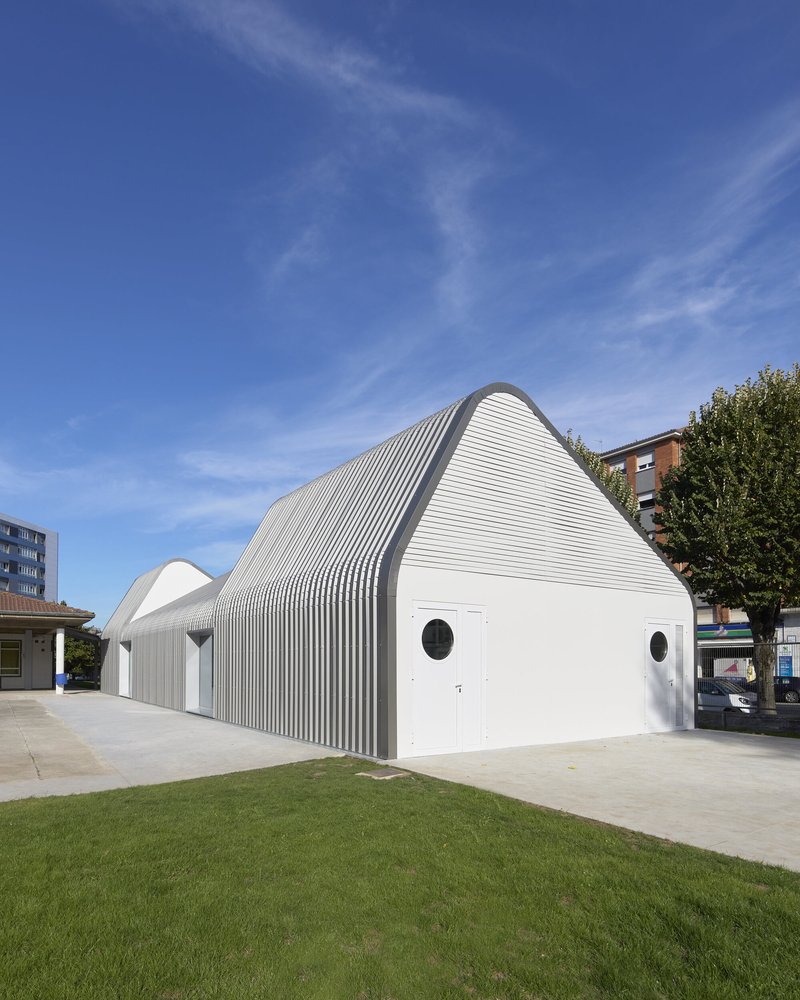
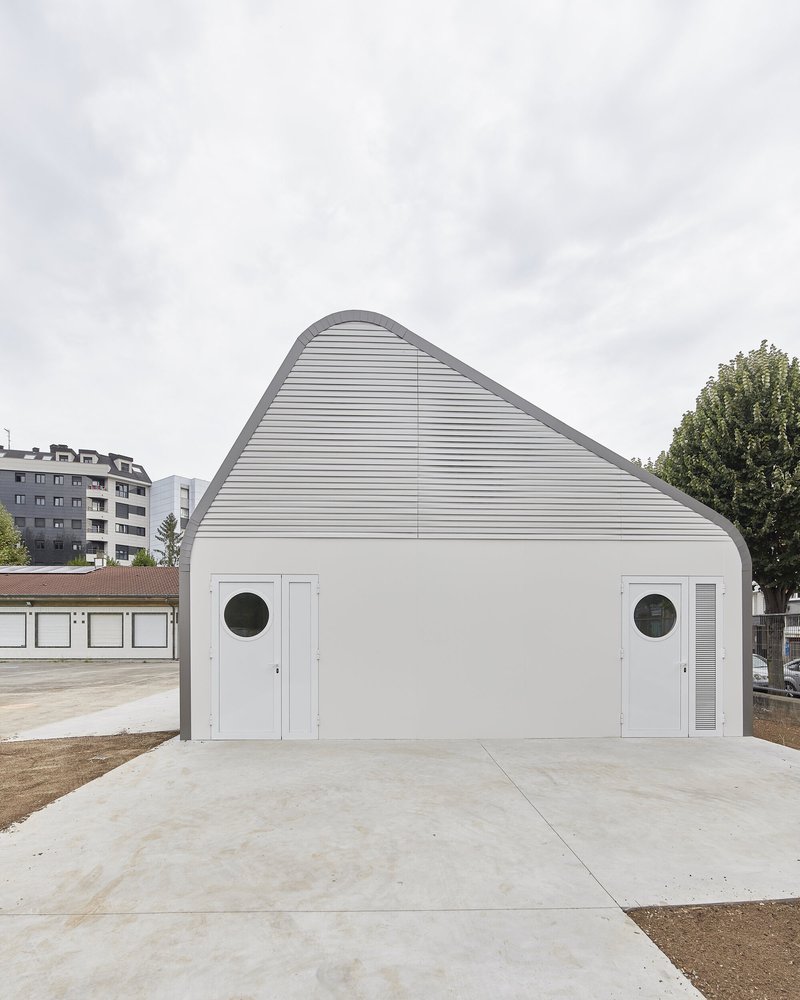
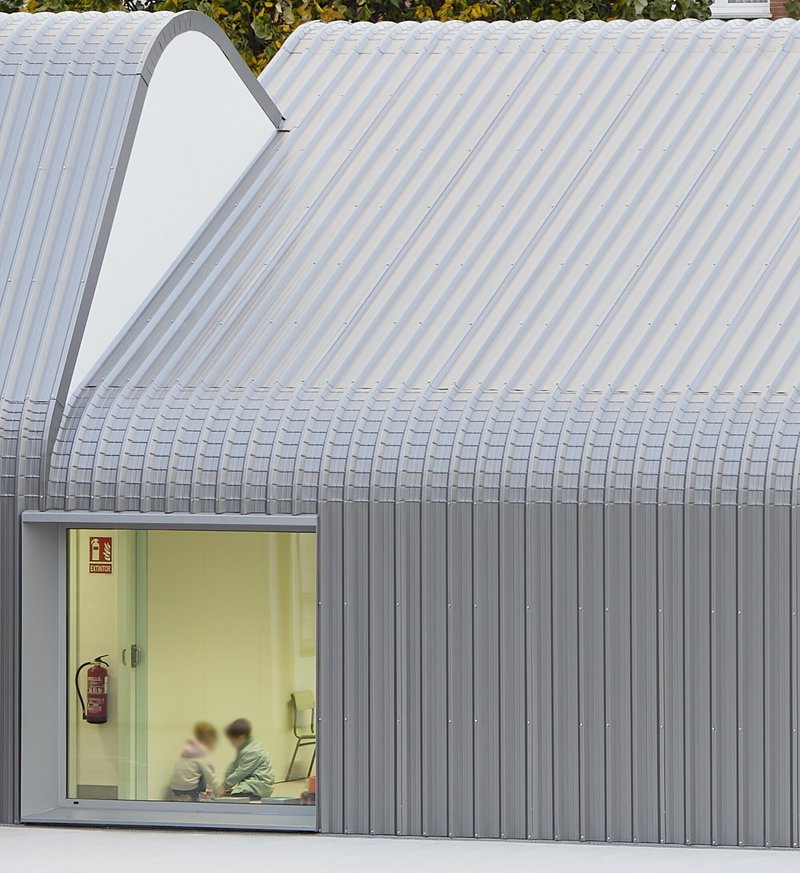
Although modular in its construction, the building is designed to evoke playfulness and dynamism. The architects introduced asymmetry in the modules, altering the direction of the roof eaves so that different façades emerge above the roofline, producing a fragmented and lively visual composition. The design employs simple geometric principles: the roof trusses and forms are based on angles of thirty and sixty degrees, which inform both the exterior volume and the interior spatial geometry.
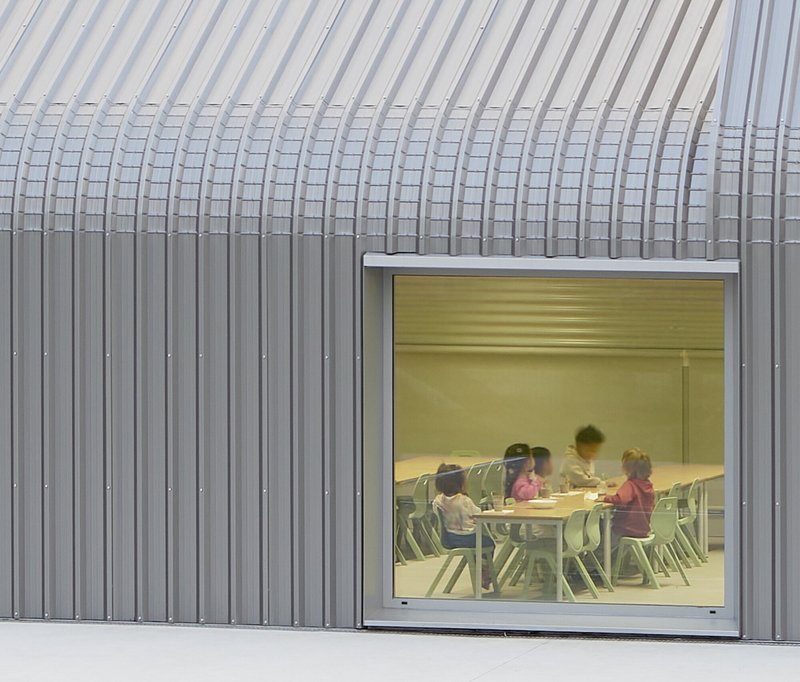
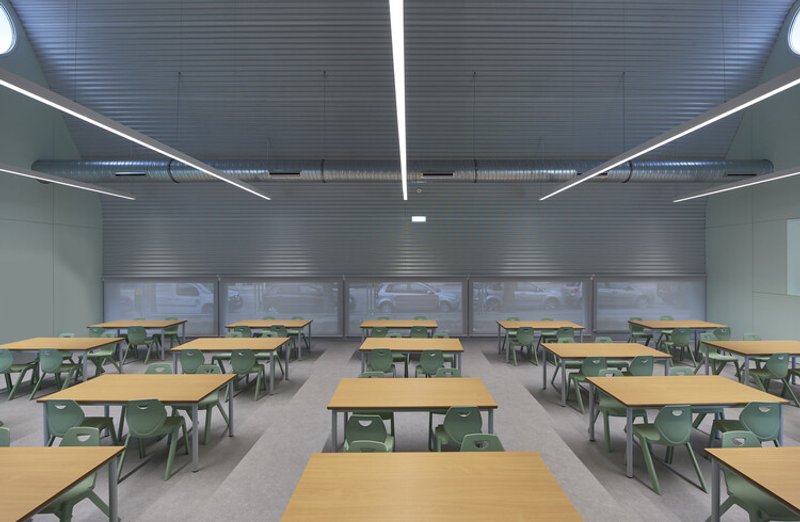
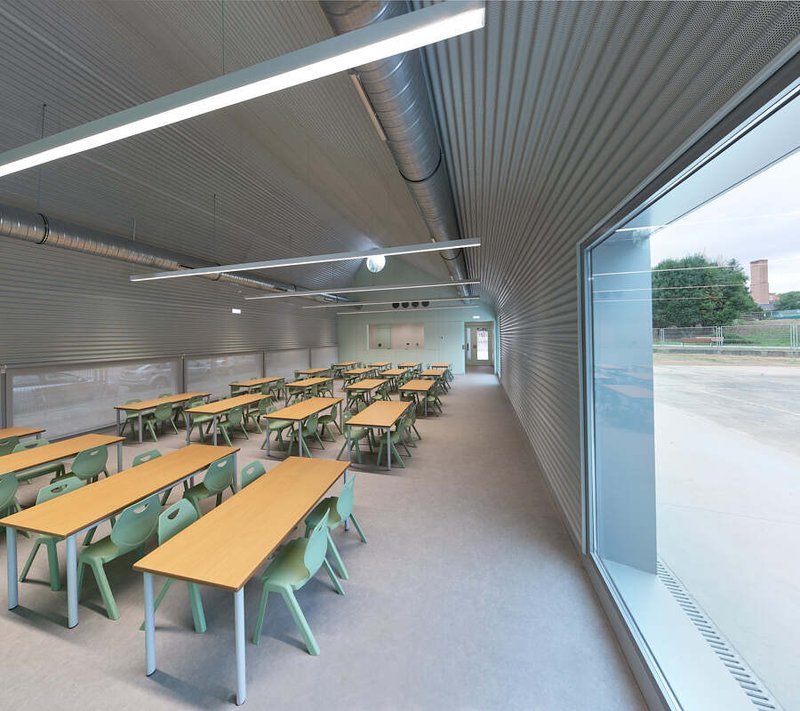
Inside, the architects draw inspiration from Alvar Aalto’s Riola church and elements of Scharoun’s architecture, creating a dual-scale environment. Windows along the entrance-kitchen axis are sized for adults, while continuous horizontal windows in the dining area are scaled for children. Circular upper-level windows reference the sun and moon, adding a poetic element that engages children’s imaginations while connecting interior spaces to natural light.
Materiality and Construction
The building’s construction system consists of a metal structure clad with a mix of dry-applied panels, including galvanized sheet and Alucobond. The roof employs planes and curves that add movement and rhythm to the form, enhancing its presence in the environment. Air conditioning ducts are intentionally left exposed, contributing to a raw and honest architectural expression.
This combination of materials, along with playful volumes and roof forms, ensures the building stands out as a cheerful, engaging, and legible structure within the preschool campus and the surrounding urban context.
Connection to the Environment
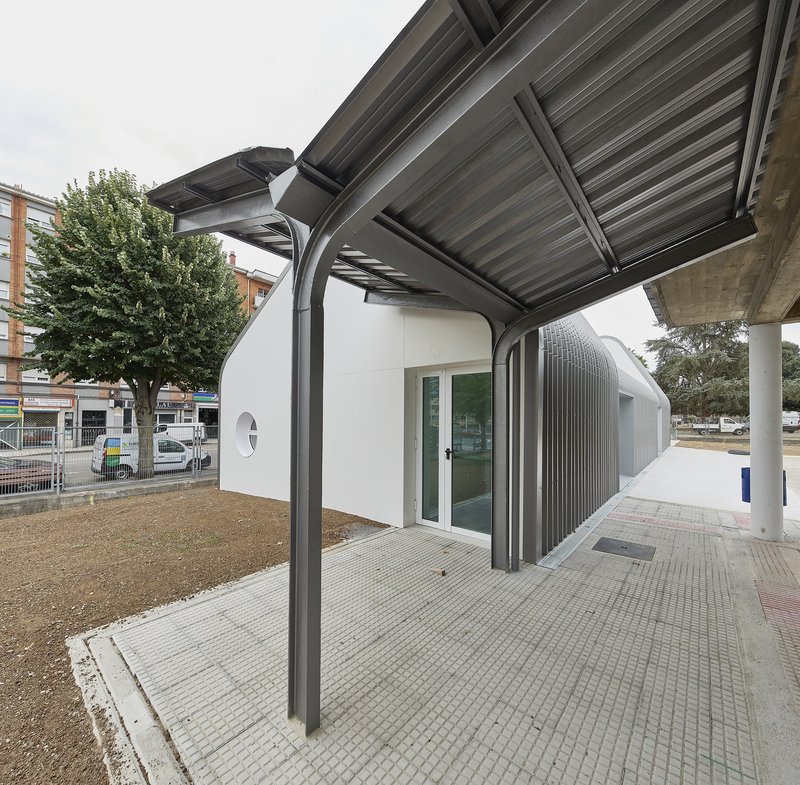
Large west-facing windows allow children to enjoy views of the nearby meadow, while lower east-facing windows provide sightlines to trees and passing vehicles. Parents and staff can easily monitor children from outside, reinforcing safety and transparency. The thoughtful orientation and glazing strategy maximize natural light and visual engagement, creating a connection between indoor spaces, the surrounding landscape, and the rhythms of daily life.
Spatial and Experiential Qualities
The interior environment is designed to nurture interaction, comfort, and delight. The full-height dining hall emphasizes openness and airiness, while the roof geometry and window arrangements create a sense of movement and scale appropriate for children. The playful yet functional spaces encourage socialization, exploration, and a positive dining experience, aligning architecture with the pedagogical goals of the preschool.
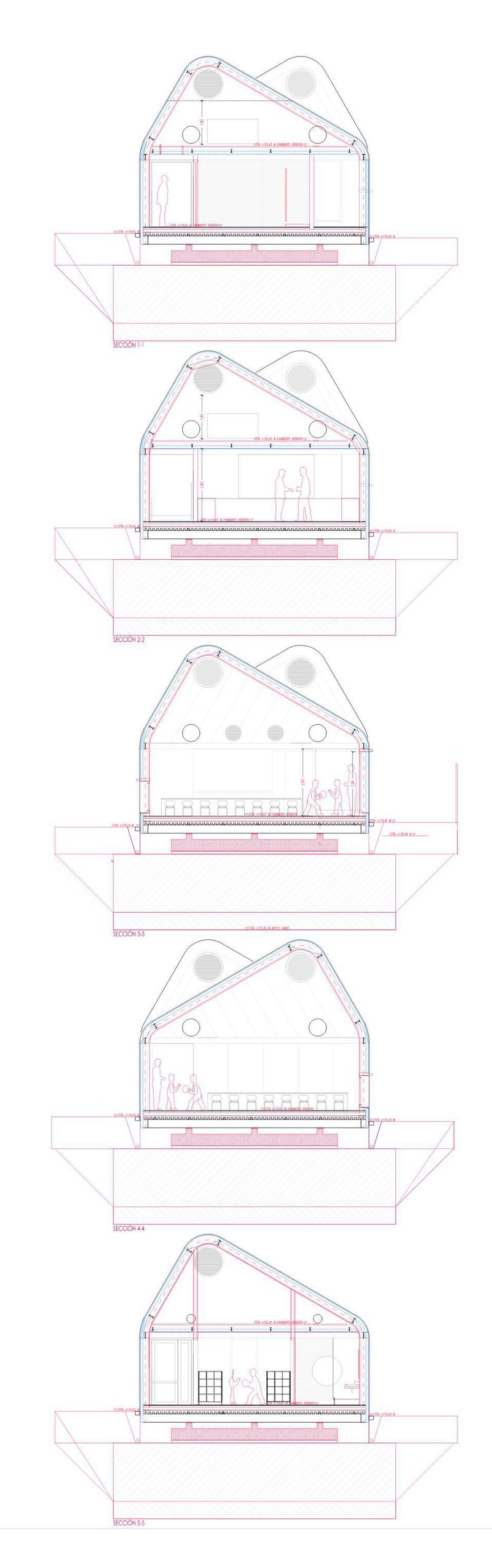
The Children’s Dining Room in Oviedo exemplifies how thoughtful design can combine function, playfulness, and architectural expression in an educational setting. By balancing practicality for staff with engaging and dynamic spaces for children, architects Rogelio Ruiz and Macario G. Astorga have created a cheerful, safe, and visually stimulating environment that supports learning, social interaction, and the well-being of its youngest users.
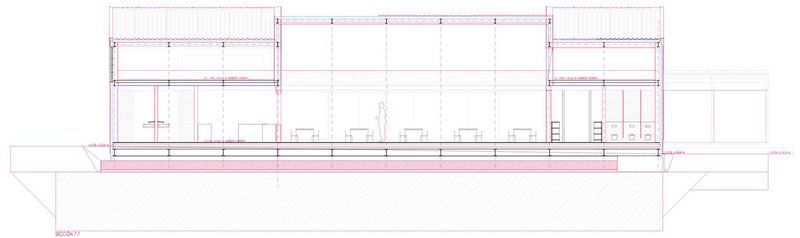
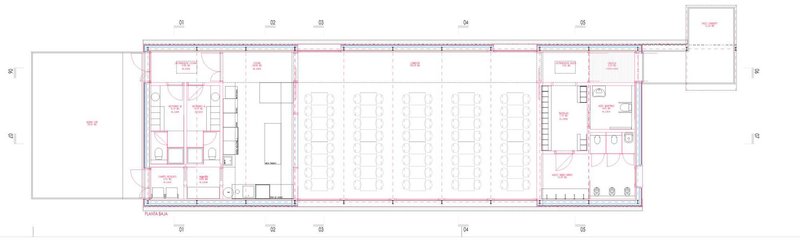
All the photographs are works of Marcos Morilla




Popular Articles
Popular articles from the community


Solar Steam: A Climate-Responsive Architecture That Redefines the Monument
A climate-responsive memorial architecture that transforms heat, decay, and time into a living system reflecting humanity’s ecological impact.
Fifth NRE Jazz Club – De Bever Architecten: Eindhoven’s Revitalized Cultural Hub
Historic gas factory transformed into Fifth NRE Jazz Club blending modern sustainability, jazz culture, dining, and heritage architecture seamlessly.
Atelier Macri Concept Store Interior Design by CASE-REAL
Atelier Macri store features a "ko" counter, walnut wood details, cork displays, blending retail, gallery, and seamless customer experiences.
Gads Hill Early Learning Center by JGMA: Adaptive Reuse Shaping Community-Focused Educational Architecture
Adaptive reuse transforms fragmented structure into vibrant early learning center with playful façade, natural light, and community-focused sustainable design.


Similar Reads
You might also enjoy these articles


The Ken Roberts Memorial Delineation Competition (Krob)
As the most senior architectural drawing competition currently in operation anywhere in the world, it draws hundreds of entries each year, awarding the very best submissions in a series of medium-based categories.


Waterfront Redevelopment and Urban Revitalization in Mumbai: Forging a New Dawn for Darukhana
A transformative waterfront redevelopment project reimagining Darukhana’s shipbreaking heritage into an inclusive urban future.

OUT-OF-MAP: A Call for Postcards on Feminist Narratives of Public Space
Rhizoma Design and Research Lab invites artists, designers, architects, researchers, and students to reflect on how feminist perspectives can reshape public space. Selected works will be exhibited in Barcelona, October 2026. Submissions open until 15 April 2026.


Documentation Work on Buddhist Wooden Temple
Architectural syncretism and cultural hybridity: A comparative study of the Buddhist temples in Chattogram Hill tracks

Explore Architecture Competitions
Discover active competitions in this discipline




The International Standard for Design Portfolios


The Global Benchmark for Architecture Dissertation Awards


The Global Benchmark for Graduation Excellence


Challenge to design public laboratory
Comments (0)
Please login or sign up to add comments
No comments yet. Be the first to comment!