
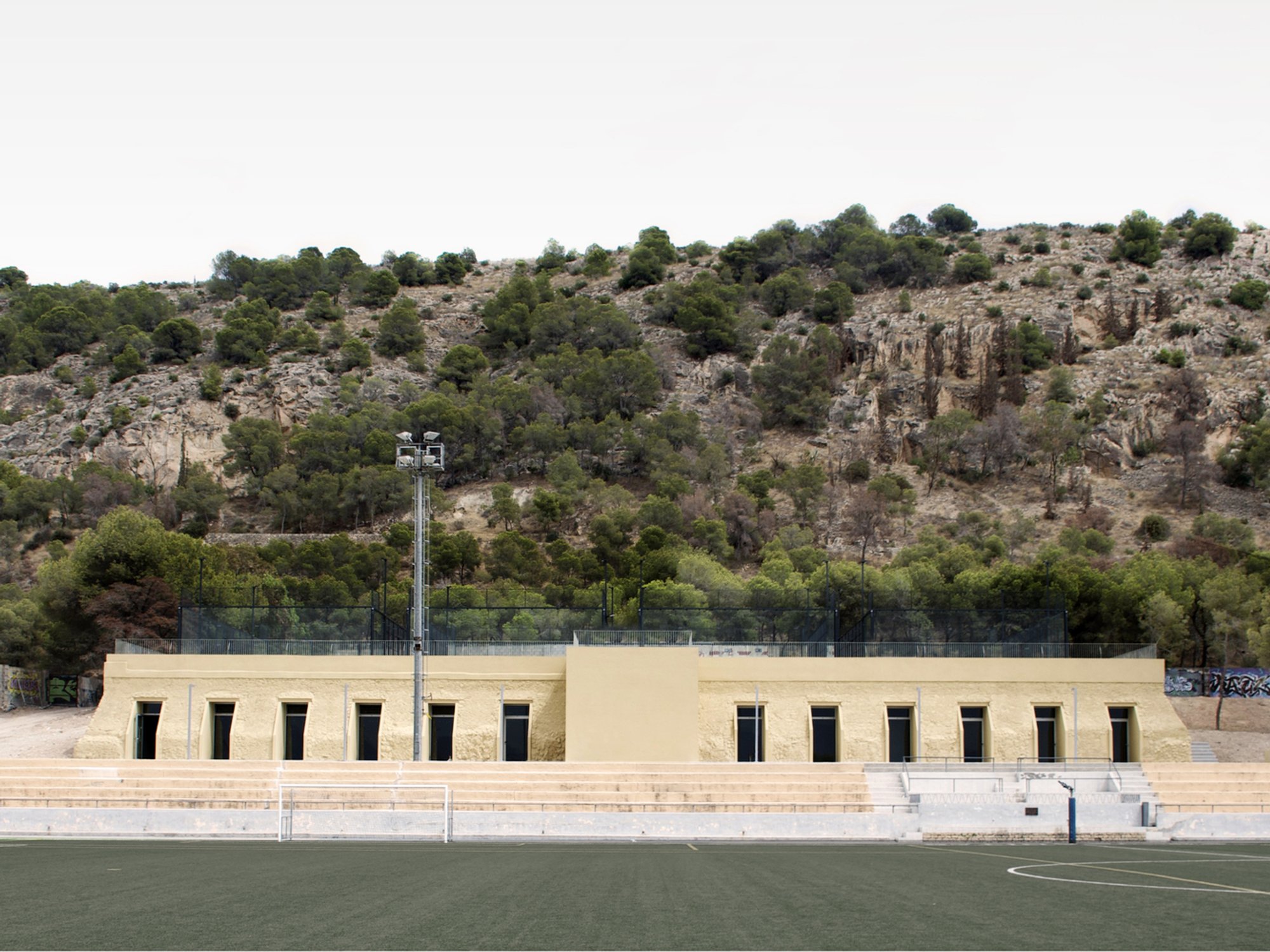
Cistern Conversion into Multi-Purpose Space by Estudio Úbeda Valero + Roque Carlos Valero
Cisterns at Inmaculada Jesuitas School in Alicante are transformed into light-filled, multi-purpose spaces, blending historical preservation with contemporary adaptive reuse design.

Adaptive Reuse of Historical School Infrastructure
The Cistern Conversion into a multi-purpose space, designed by Estudio Úbeda Valero in collaboration with Roque Carlos Valero, exemplifies innovative adaptive reuse in contemporary architecture. Located within the historic Inmaculada Jesuitas School in Alicante, Spain, this mid-20th-century campus is nestled on the slopes of the Serra Grossa. Originally, the site required extensive interventions on the terrain and incorporated a sophisticated hydraulic system to supply water to the entire school. Central to this system were two semi-buried cisterns, built to distribute water by gravity. Over time, with the advent of public water supply, these structures fell into disuse for more than fifty years.
Reimagining Forgotten Spaces
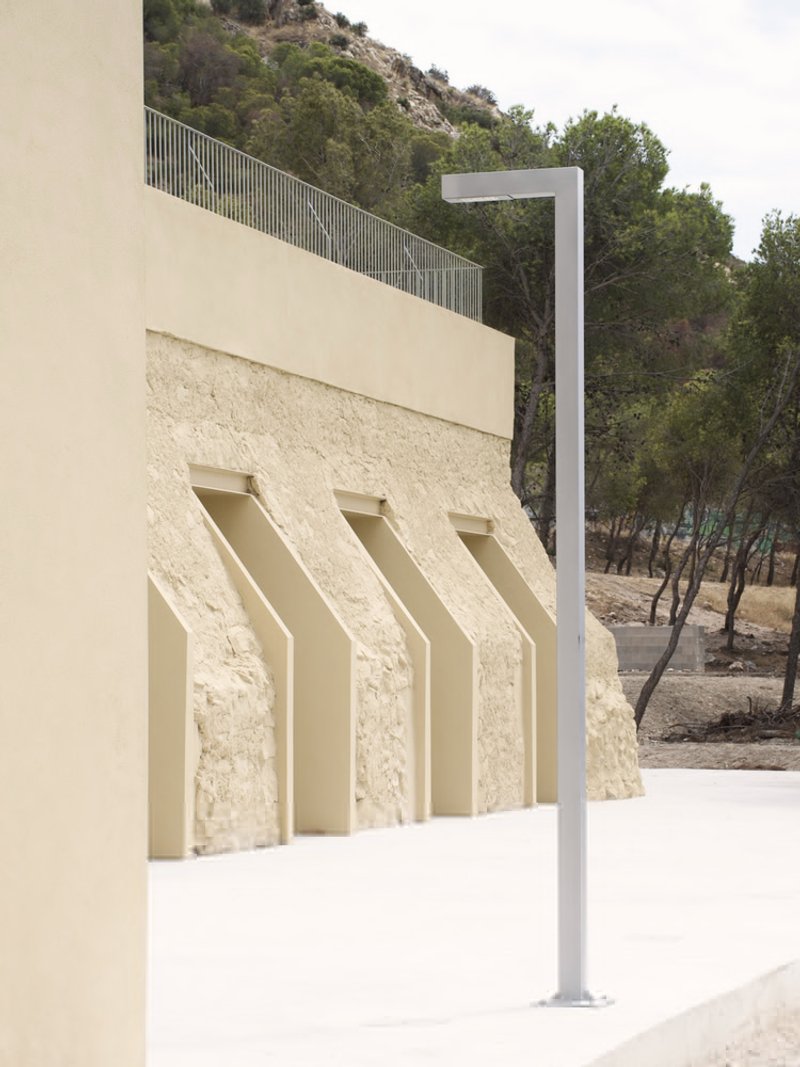
Faced with the need to expand the school’s facilities, the project team recognized an opportunity to revitalize the forgotten cisterns. The design approach emphasizes conservation and enhancement rather than erasure. Both the interiors and roofs of the cisterns, which historically supported complementary activities, were carefully restored and reactivated. This adaptive strategy not only preserves the historical essence of the structure but also gives it a contemporary function as a vibrant multi-purpose space.
Design Concept: Enhancing Latent Volumes
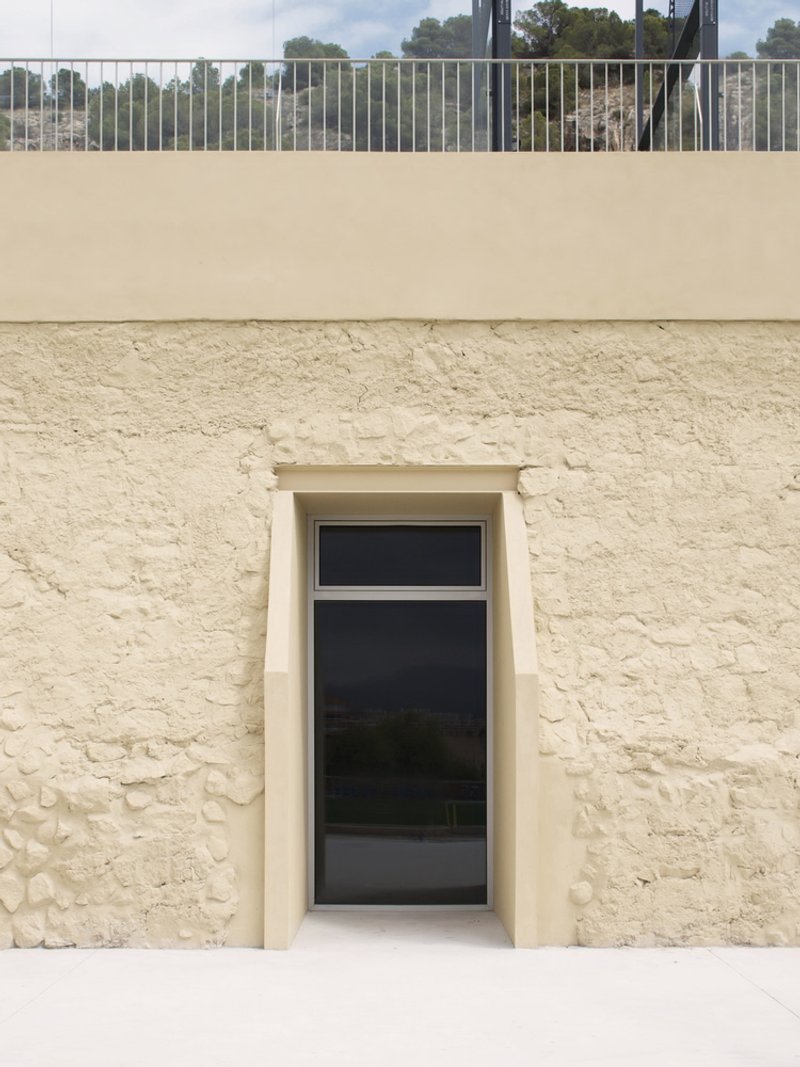
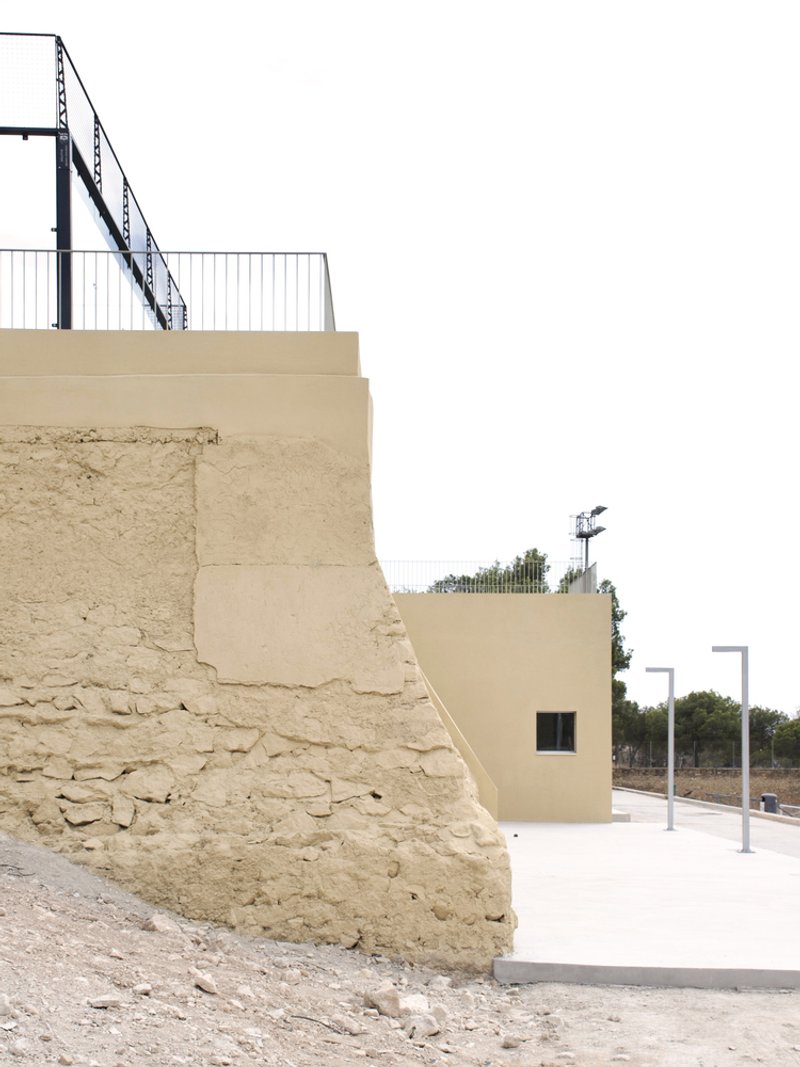
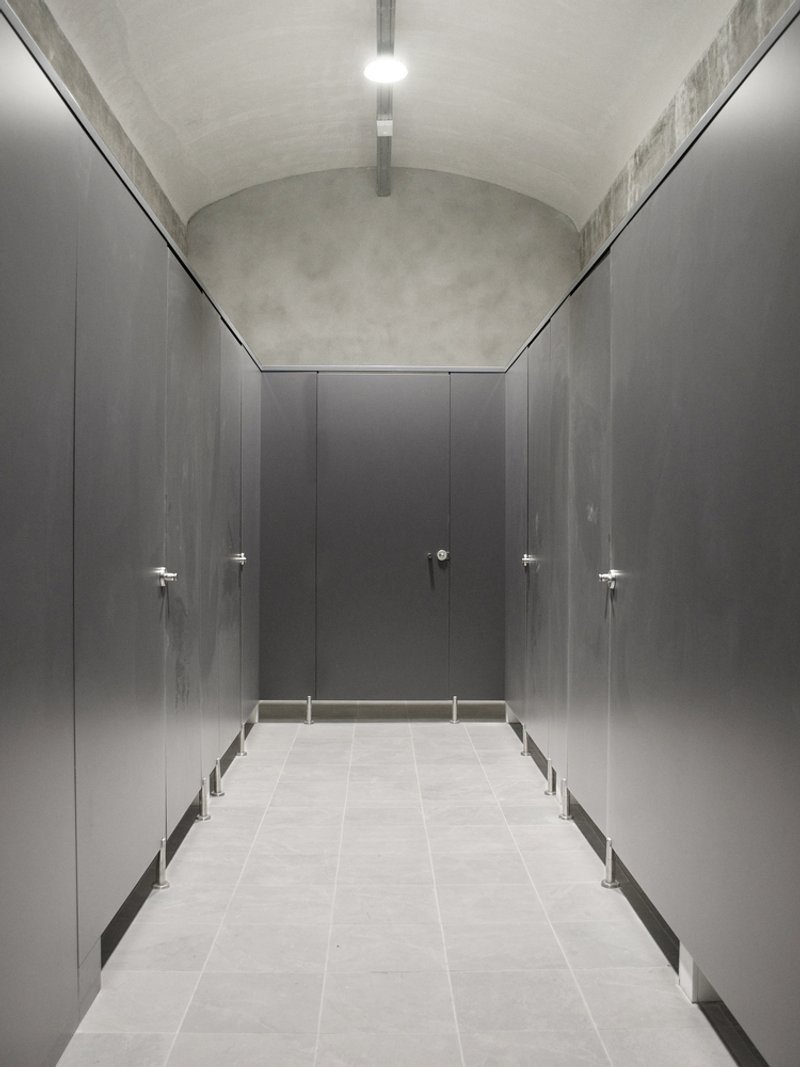
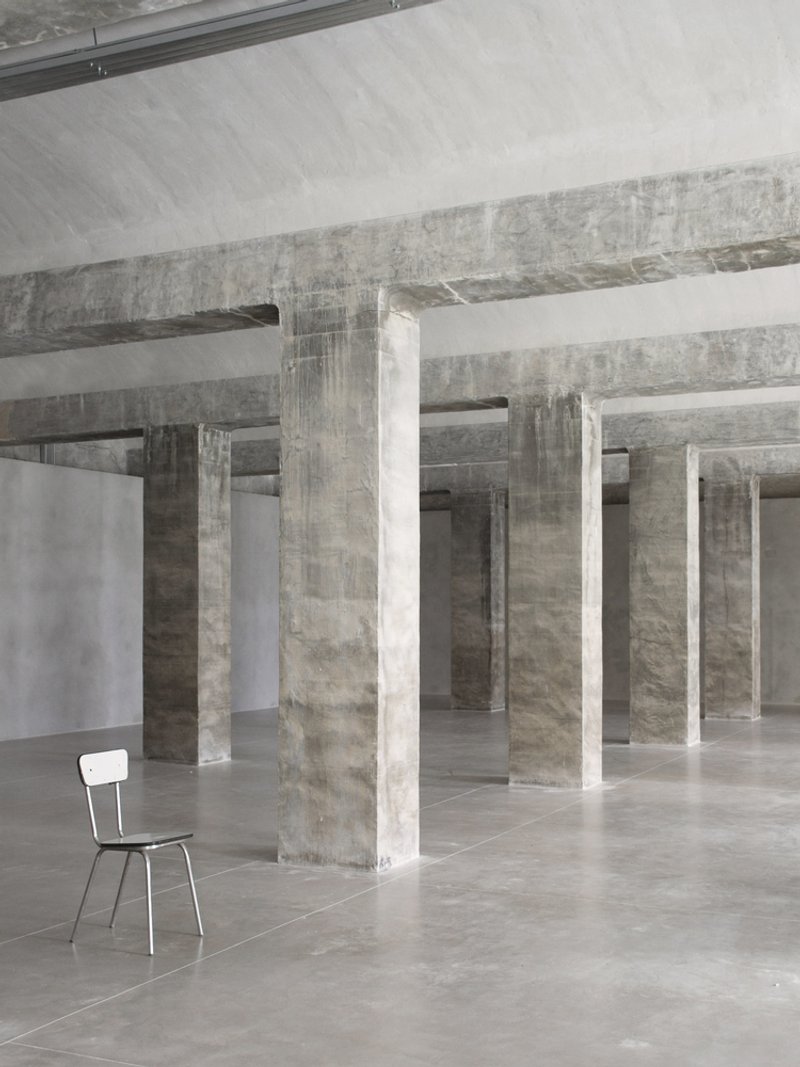
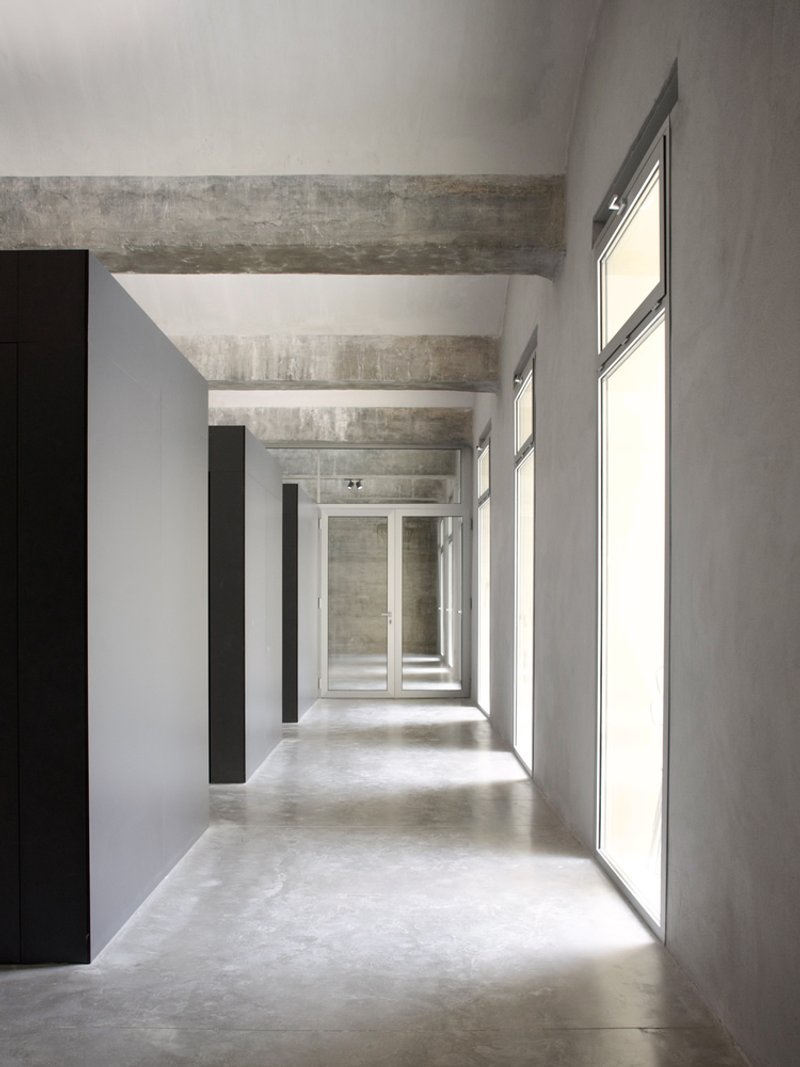
The architects approached the cisterns as large, neutral containers with a commanding spatial presence due to their scale and raw materiality. The transformation does not seek to mask the original semi-buried character but instead enhances it. Strategic apertures were introduced to invite natural light into the interior, creating a dynamic interplay between shadow and volume.
Within this monumental backdrop, contemporary interventions are conceived as light, reversible elements—akin to furniture rather than traditional architecture. These insertions define distinct functional areas, accommodating new programs without compromising the continuity of the existing space. By maintaining the distinction between old and new, the design celebrates the building’s historical narrative while providing modern usability.
Minimal Intervention, Maximum Impact
The renewal of the cistern is not achieved through radical transformation but through careful, precise gestures that activate the inherent potential of the structure. Every design decision emphasizes subtlety, ensuring that new interventions complement rather than compete with the original infrastructure. This approach demonstrates a thoughtful balance between preservation and innovation, making the cistern a functional, aesthetically compelling, and contextually sensitive space.



Popular Articles
Popular articles from the community

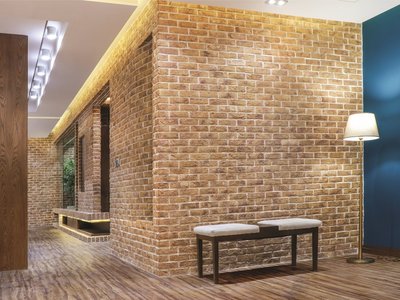
A Contemporary Take on Iranian Residential Architecture
A modern interior design in Mashhad that reinterprets brick, light, and spatial flow to create a warm, contemporary residential architecture.
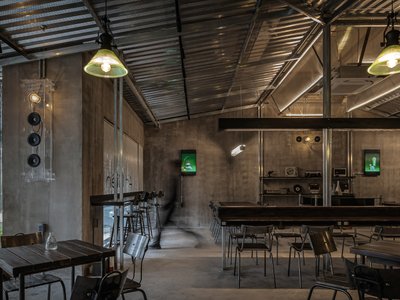
An Miên Lumière Cafe by xưởng xép, Ho Chi Minh City, Vietnam
An industrial-inspired café where layered steel and warm light create a dynamic, immersive environment shaped by reflection, depth, and perception.
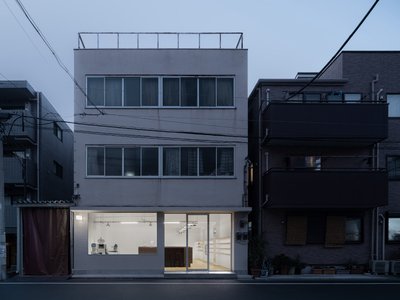
Atelier Macri Concept Store Interior Design by CASE-REAL
Atelier Macri store features a "ko" counter, walnut wood details, cork displays, blending retail, gallery, and seamless customer experiences.
On the Brooks House by Monsoon Collective – A Contemporary Kerala Home Rooted in Tradition
Kerala home blending tradition and modernity with water-inspired design, brick architecture, courtyard planning, and sustainable rainwater harvesting strategies.


Similar Reads
You might also enjoy these articles


The Ken Roberts Memorial Delineation Competition (Krob)
As the most senior architectural drawing competition currently in operation anywhere in the world, it draws hundreds of entries each year, awarding the very best submissions in a series of medium-based categories.


Waterfront Redevelopment and Urban Revitalization in Mumbai: Forging a New Dawn for Darukhana
A transformative waterfront redevelopment project reimagining Darukhana’s shipbreaking heritage into an inclusive urban future.

OUT-OF-MAP: A Call for Postcards on Feminist Narratives of Public Space
Rhizoma Design and Research Lab invites artists, designers, architects, researchers, and students to reflect on how feminist perspectives can reshape public space. Selected works will be exhibited in Barcelona, October 2026. Submissions open until 15 April 2026.


Documentation Work on Buddhist Wooden Temple
Architectural syncretism and cultural hybridity: A comparative study of the Buddhist temples in Chattogram Hill tracks


Explore Architecture Competitions
Discover active competitions in this discipline




The International Standard for Design Portfolios


The Global Benchmark for Architecture Dissertation Awards


The Global Benchmark for Graduation Excellence


Challenge to reimagine the Iron Throne
Comments (0)
Please login or sign up to add comments
No comments yet. Be the first to comment!