
Coral Spine: Transformative Design for Coral Reef Restoration
Innovating marine ecosystems with cutting-edge architecture and technology for coral reef restoration and aquatic biodiversity.

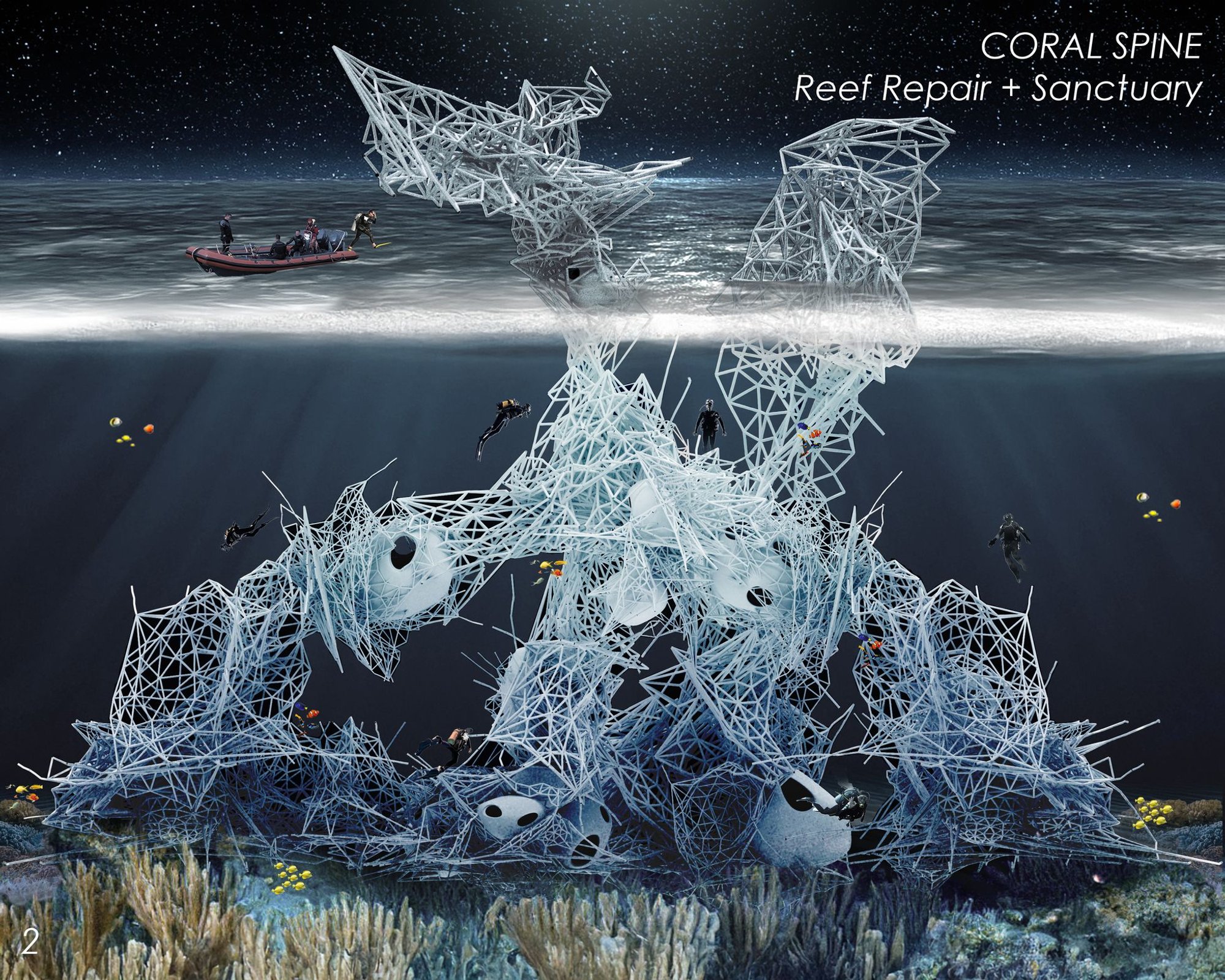
Coral Spine: Reef Repair and Sanctuary
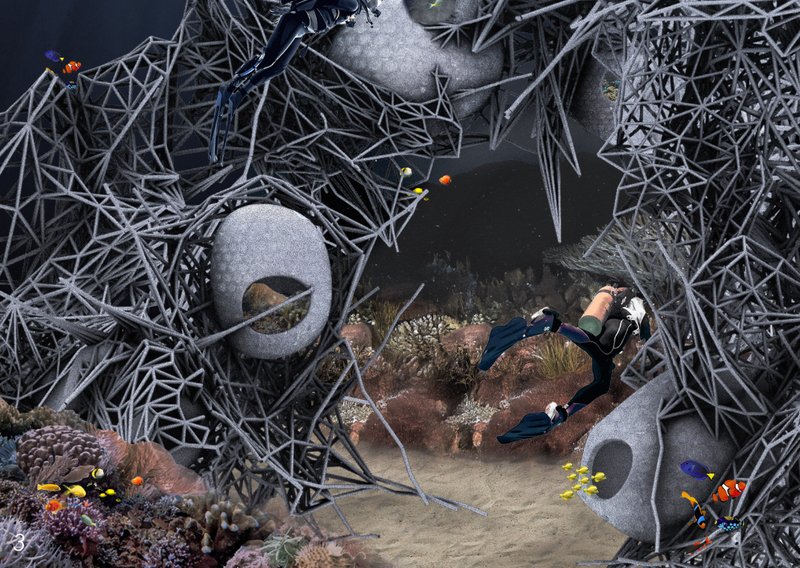
The Coral Spine is a multifunctional underwater marvel, redefining the interplay between sustainable architecture and ecological restoration. Acting as a gallery space, fish rehabilitation hub, and coral restoration system, Coral Spine represents a pioneering effort in oceanic revitalization. This project, conceptualized by Carlos Hernandez, is a shortlisted entry for the Underwater Web competition.
The Design Concept
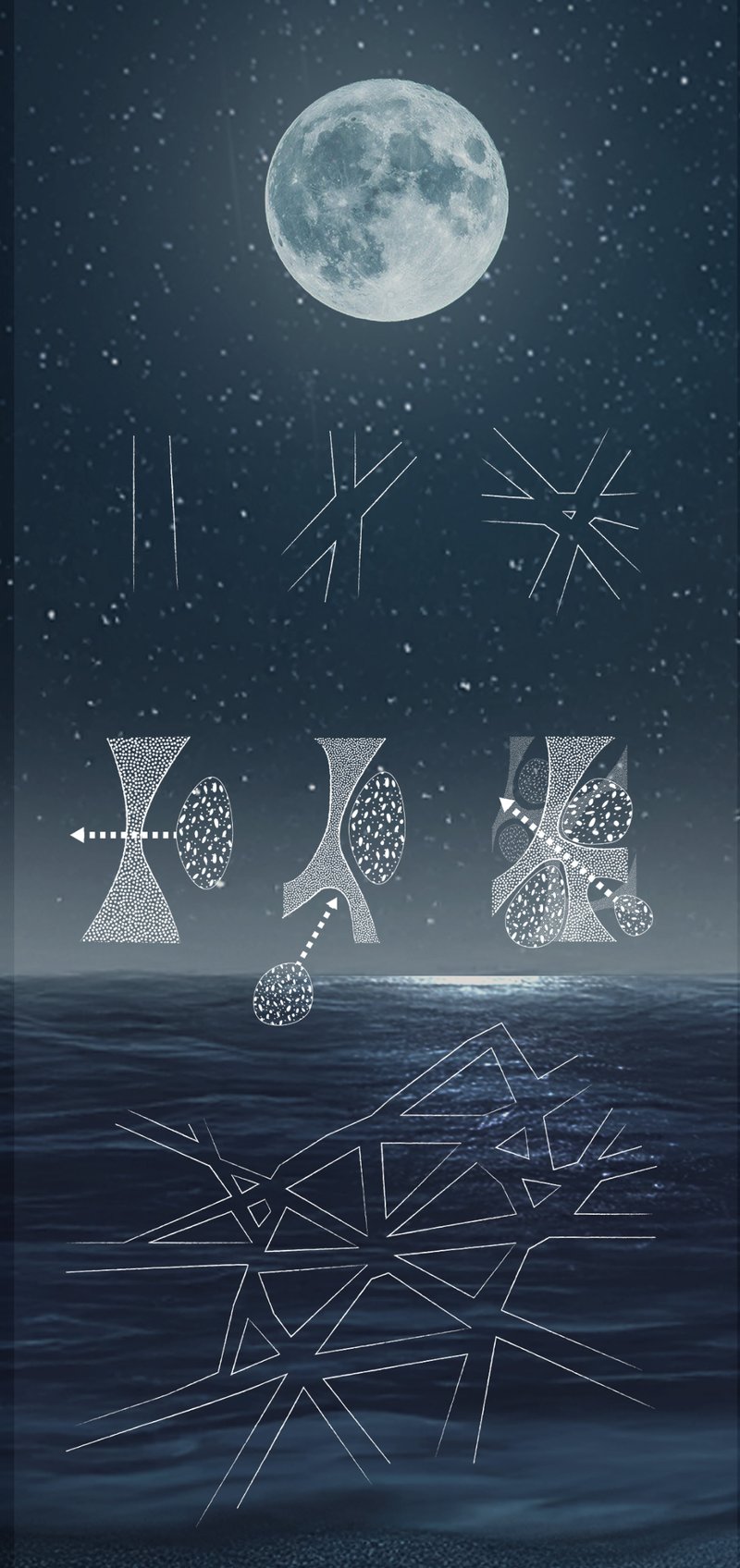
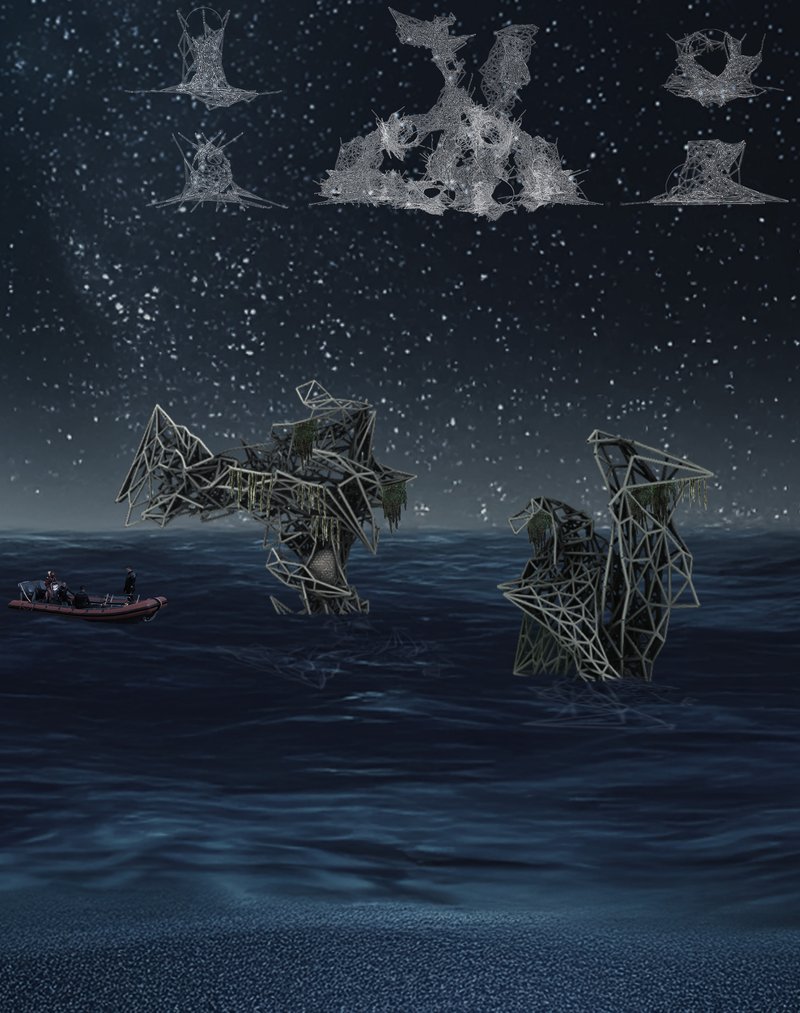
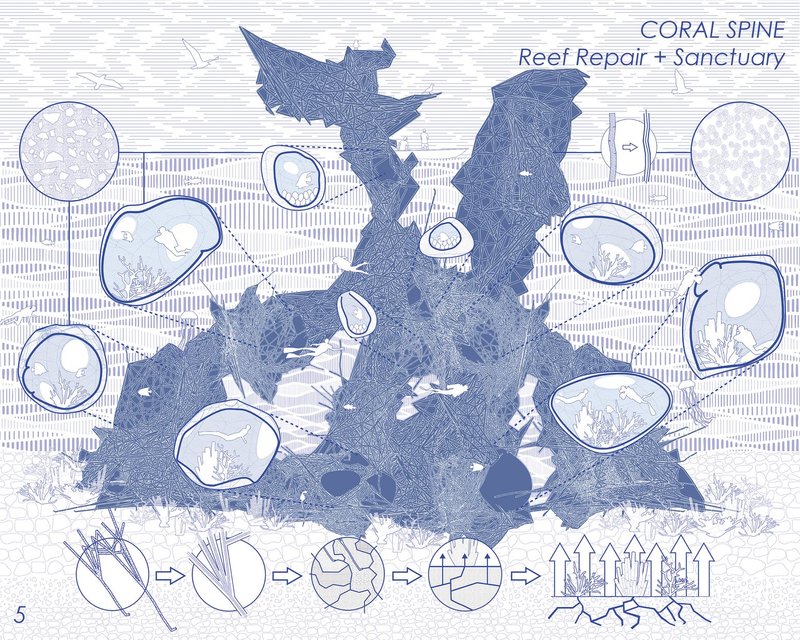
At its core, Coral Spine combines architectural innovation with scientific ingenuity. The structure’s framework integrates electrolysis technology, accelerating coral reef growth while enhancing material durability. This symbiotic approach fosters thriving marine ecosystems and ensures the structure’s resilience against underwater conditions.
Electrolysis Process:
- Low-voltage electric currents applied to the submerged structure split water molecules into hydrogen and oxygen ions.
- This triggers the deposition of calcium carbonate, the building block of coral skeletons, onto the structure, creating an ideal base for coral growth.
- Electrified algae integrated into the structure amplify mineral deposition, providing an enriched environment for coral colonization and marine life.
By supplying abundant calcium carbonate, the process enables corals to allocate more energy to reproduction, immune response, and nutrient absorption, leading to faster growth and increased resilience.
Design Inspiration
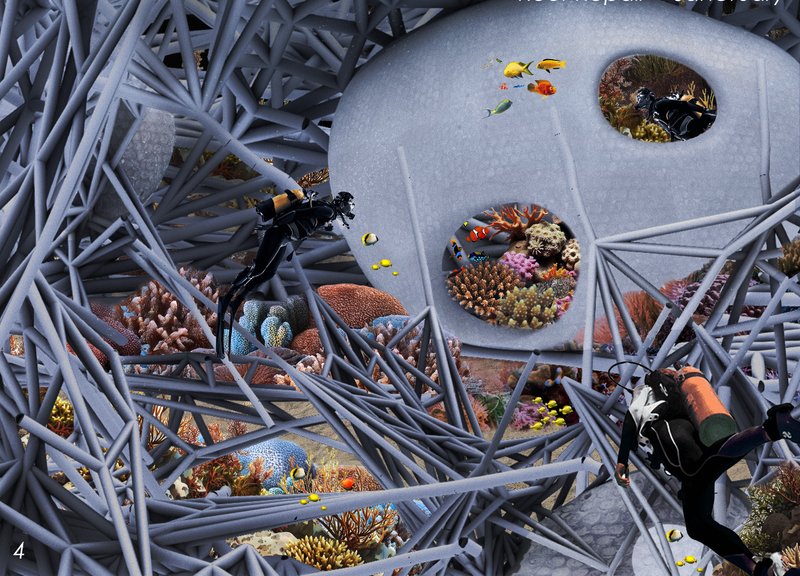
The architecture draws inspiration from the Diving Bell Spider, known for creating underwater air pockets within its silk web. Emulating this, Coral Spine features interconnected tubular structures forming bubble-like "pods". These pods mimic air pockets and serve diverse ecological and cultural purposes.
Pod Typologies:
- Large Pods: Interactive underwater galleries for humans and marine species to explore coral growth and vibrant aquatic life.
- Medium Pods: Rehabilitation centers providing safe havens for displaced fish.
- Small Pods: Nurseries for fish, offering secure environments for eggs and juvenile species.
Innovative Design Tools
The Coral Spine’s intricate geometries were crafted using Grasshopper and Rhinoceros. Grasshopper’s parametric tools simulated spiderweb-like networks, while Rhinoceros and SubD tools sculpted organic, bubble-like forms. This iterative process ensured seamless integration of functionality and aesthetics, reflecting the Diving Bell Spider’s natural habitat.
Ecological Impact
Beyond architectural brilliance, Coral Spine is a sanctuary for marine life. It enhances biodiversity by creating a stable environment for corals and fish, ultimately fostering a self-sustaining ecosystem. Algae growing along the tubular structures gather nutrients and further support coral colonization, reinforcing the symbiotic relationship between algae and coral reefs.
Coral Spine is a testament to the power of sustainable design in addressing environmental challenges. By merging science, architecture, and nature, this innovative structure sets a benchmark for underwater restoration projects worldwide.
Project by: Carlos Hernandez
Shortlisted Entry: Underwater Web




Popular Articles
Popular articles from the community


Solar Steam: A Climate-Responsive Architecture That Redefines the Monument
A climate-responsive memorial architecture that transforms heat, decay, and time into a living system reflecting humanity’s ecological impact.
An Miên Lumière Cafe by xưởng xép, Ho Chi Minh City, Vietnam
An industrial-inspired café where layered steel and warm light create a dynamic, immersive environment shaped by reflection, depth, and perception.
On the Brooks House by Monsoon Collective – A Contemporary Kerala Home Rooted in Tradition
Kerala home blending tradition and modernity with water-inspired design, brick architecture, courtyard planning, and sustainable rainwater harvesting strategies.
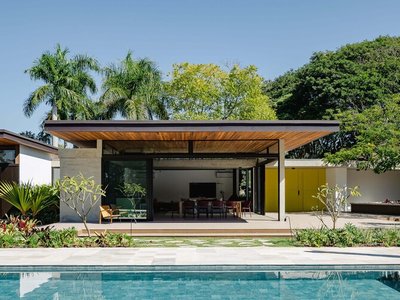
Flamboyant House by Juliana Camargo + Prumo Projetos
Modern Brazilian house integrating existing tree, pool, and volumes with glass, wood, and transitional spaces blending interior, exterior, and landscape seamlessly.

Similar Reads
You might also enjoy these articles


The Ken Roberts Memorial Delineation Competition (Krob)
As the most senior architectural drawing competition currently in operation anywhere in the world, it draws hundreds of entries each year, awarding the very best submissions in a series of medium-based categories.

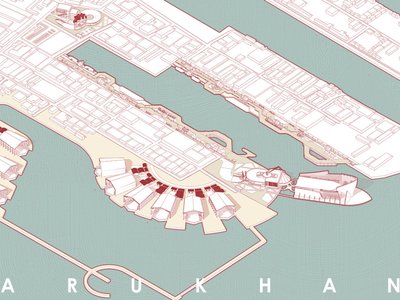
Waterfront Redevelopment and Urban Revitalization in Mumbai: Forging a New Dawn for Darukhana
A transformative waterfront redevelopment project reimagining Darukhana’s shipbreaking heritage into an inclusive urban future.

OUT-OF-MAP: A Call for Postcards on Feminist Narratives of Public Space
Rhizoma Design and Research Lab invites artists, designers, architects, researchers, and students to reflect on how feminist perspectives can reshape public space. Selected works will be exhibited in Barcelona, October 2026. Submissions open until 15 April 2026.


Documentation Work on Buddhist Wooden Temple
Architectural syncretism and cultural hybridity: A comparative study of the Buddhist temples in Chattogram Hill tracks






Comments (0)
Please login or sign up to add comments
No comments yet. Be the first to comment!