
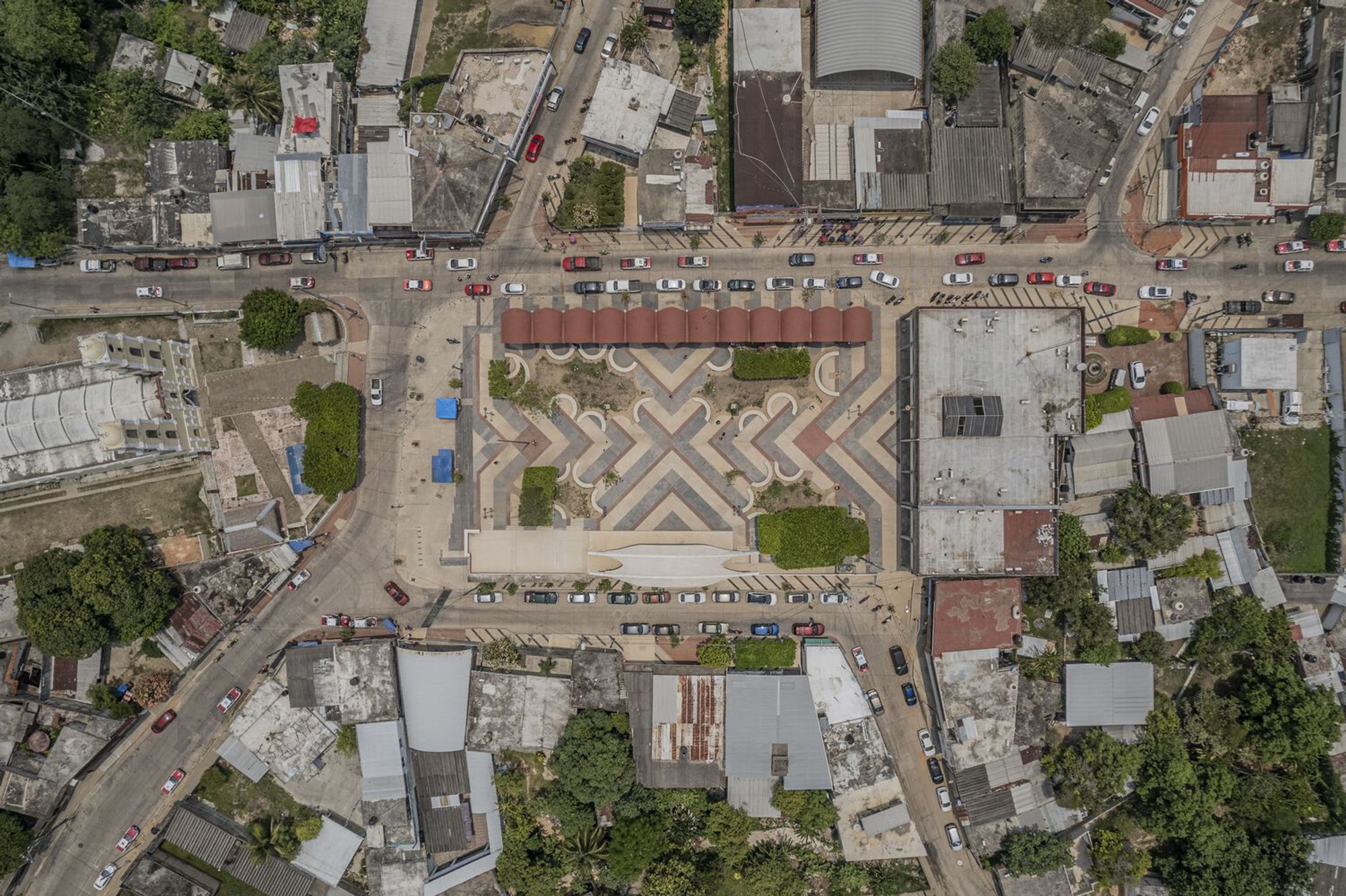
Cosoleacaque Main Plaza: A Cultural and Sustainable Urban Renewal
Cosoleacaque Main Plaza redesign enhances public space with sustainable architecture, cultural heritage, local materials, and community-focused design elements.

The Cosoleacaque Main Plaza, located in Cosoleacaque, Veracruz, Mexico, is a significant urban renewal project that blends modern architectural design with rich cultural heritage. The project, completed in 2022, was spearheaded by Colectivo MX, Gabriel Konzevik, Reyes Ríos, and Larraín Arquitectos, and aims to enhance the public space for both local residents and visitors. With an area of 3,000 m², this redesign focuses on creating a more welcoming, sustainable, and functional environment for the community.
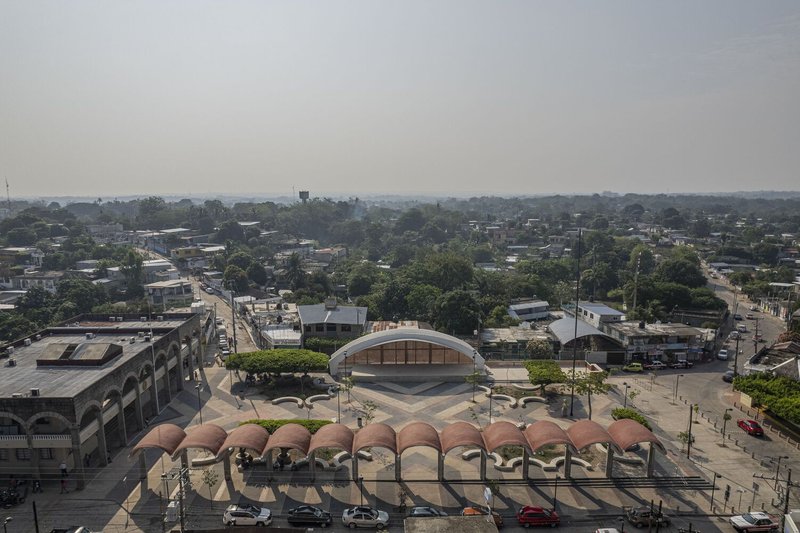
Key Design Principles: Sustainability and Community Focus
The revitalization of Cosoleacaque’s main public square is part of a broader initiative by SEDATU (Secretaría de Desarrollo Agrario, Territorial y Urbano) and is financed by the federal government of Mexico. The project's design principles are rooted in improving the quality of social life, emphasizing the community's connection to the space. The architects conducted an in-depth review of the current physical infrastructure to understand how the public interacted with the plaza.
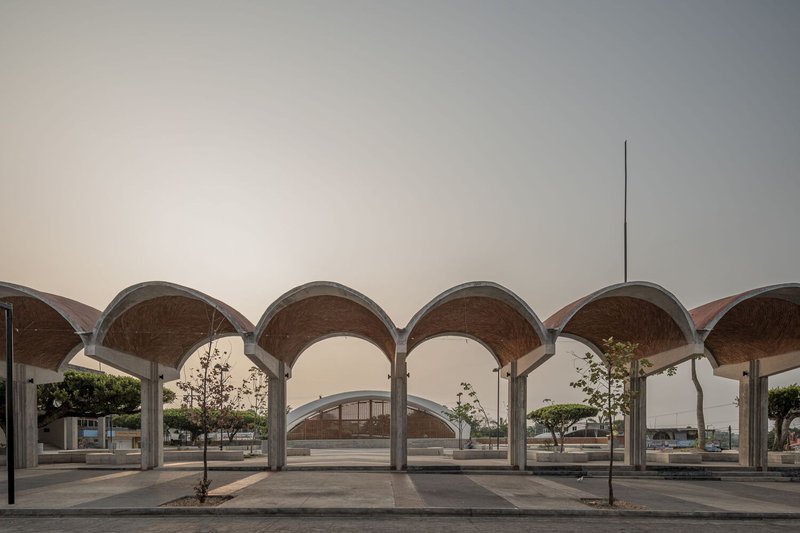
Climate and Cultural Considerations in the Design
Given the subtropical-humid climate of Cosoleacaque and the area's deep cultural history—dating back to pre-Hispanic times—the design takes into account the natural environment, local traditions, and economic constraints. The design strategy embraces flexibility, ensuring that the plaza can accommodate a variety of activities while respecting the area's heritage.
Recycling Existing Elements and Using Local Materials
One of the standout features of the Cosoleacaque Main Plaza redesign is the focus on recycling and optimizing existing elements that were still in good condition. The architects have also prioritized locally available materials that can withstand the region's climate, ensuring both sustainability and cost-effectiveness. Materials such as pigmented concrete, natural concrete, and artisan-traditional bricks were chosen for their durability and connection to local craftsmanship.
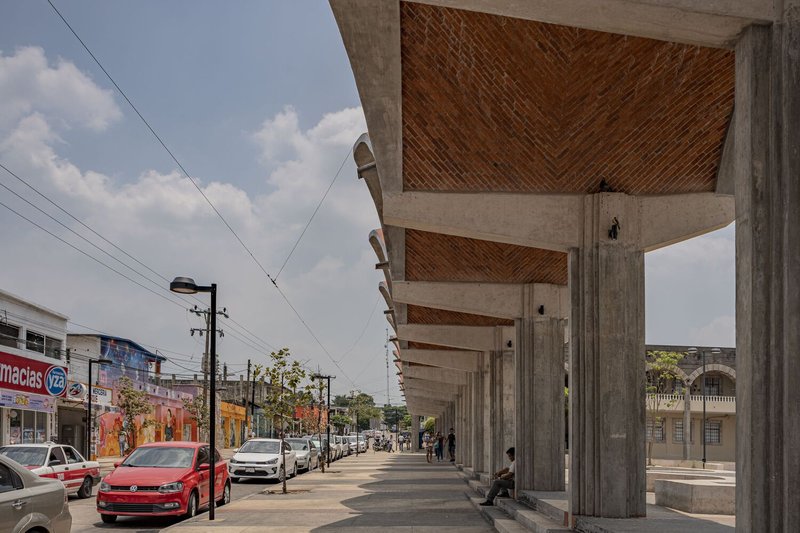
Shade and Comfort: A Key Design Element
In response to the intense heat and humidity, the plaza design places a heavy emphasis on providing ample shade. Both architectural features and natural vegetation are integrated to create shaded areas throughout the space. This approach not only makes the plaza more comfortable for visitors but also contributes to the overall sustainability of the environment.
Aesthetic and Cultural Reinterpretation
To strengthen the community's connection to the space, the architects integrated design elements inspired by local culture. Color-cross stripes and circular rings are prominent motifs that add vibrancy and cultural significance to the plaza's aesthetic. These elements serve as a visual reminder of the community's identity and heritage.
Architectural Enhancements: Vaulted Corridor and Open Stage
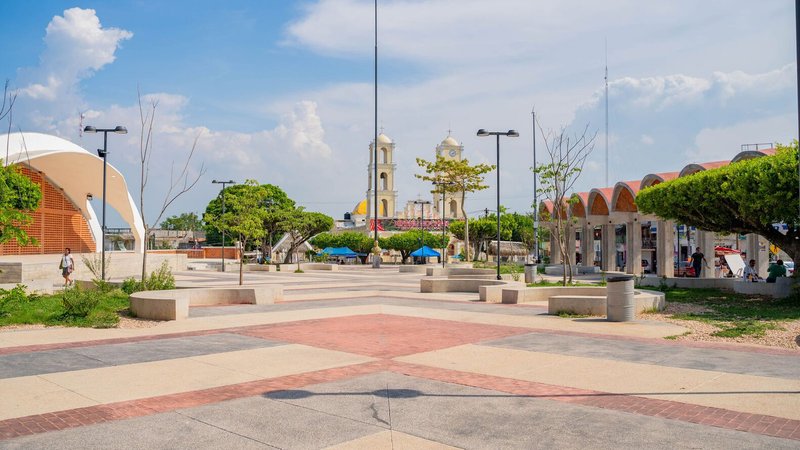
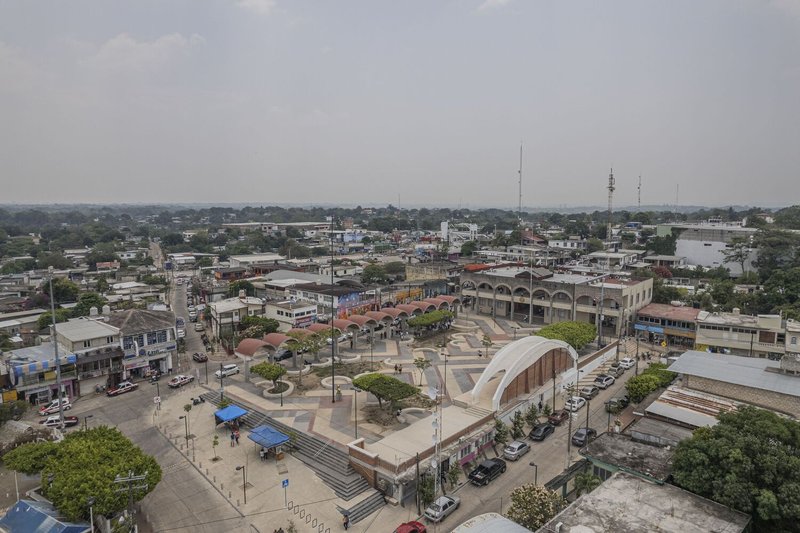
A major architectural intervention in the Cosoleacaque Plaza is the replacement of the previous concrete arches with a 54-meter vaulted corridor. This new feature not only serves as a functional roof for traditional social gatherings and celebrations but also enhances the overall aesthetic character of the plaza.
The existing mid-twentieth-century vaulted open stage was carefully preserved and enhanced. The unnecessary elements were removed, and a clay-block screen was added, serving as a backdrop to the stage. This careful adaptation respects the plaza's history while making it more suitable for contemporary use.
Preserving Nature: Trees and Green Spaces
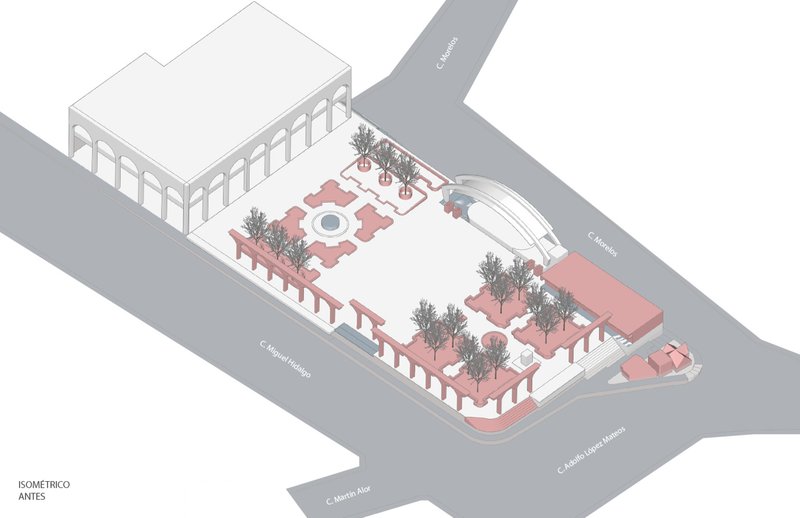
In an effort to maintain the environmental character of the plaza, the architects preserved nearly half of the existing trees. Despite not being endemic species, these mature trees were kept due to their age and contribution to the natural environment. New, younger trees were planted to extend the shade provided by the trees, improving the plaza’s green spaces.
A Community-Centered Urban Space
The Cosoleacaque Main Plaza serves as a prime example of how urban spaces can be reimagined to enhance social interaction, cultural identity, and sustainability. By blending traditional architecture with modern interventions, this project creates a space that reflects the community’s roots while fostering a vibrant, functional environment for future generations.
All Photographs are works of
Andrés Cedillo - Grupo Provimex




Popular Articles
Popular articles from the community

A Contemporary Take on Iranian Residential Architecture
A modern interior design in Mashhad that reinterprets brick, light, and spatial flow to create a warm, contemporary residential architecture.
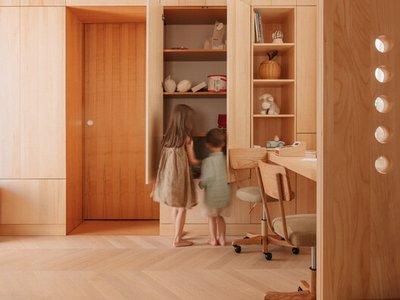
Treehouse Apartment: A Warm Timber Interior Blending Craft, Play, and Contemporary Living
Warm timber apartment with integrated treehouse, combining natural materials, craftsmanship, and playful design to create a flexible, family-oriented living environment.


The Ken Roberts Memorial Delineation Competition (Krob)
As the most senior architectural drawing competition currently in operation anywhere in the world, it draws hundreds of entries each year, awarding the very best submissions in a series of medium-based categories.
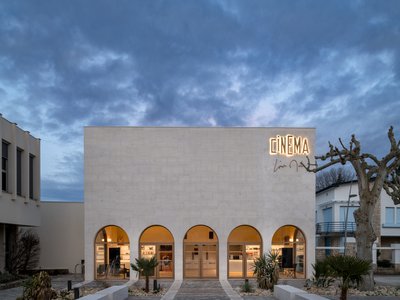
Louis Malle Cinema: A Limestone Cultural Landmark Revitalizing Community Life in Prayssac
Limestone cinema extension with public forecourt, blending heritage and modern design to create flexible cultural spaces and strengthen community interaction.

Similar Reads
You might also enjoy these articles
The Ken Roberts Memorial Delineation Competition (Krob)
As the most senior architectural drawing competition currently in operation anywhere in the world, it draws hundreds of entries each year, awarding the very best submissions in a series of medium-based categories.


Waterfront Redevelopment and Urban Revitalization in Mumbai: Forging a New Dawn for Darukhana
A transformative waterfront redevelopment project reimagining Darukhana’s shipbreaking heritage into an inclusive urban future.

OUT-OF-MAP: A Call for Postcards on Feminist Narratives of Public Space
Rhizoma Design and Research Lab invites artists, designers, architects, researchers, and students to reflect on how feminist perspectives can reshape public space. Selected works will be exhibited in Barcelona, October 2026. Submissions open until 15 April 2026.


Documentation Work on Buddhist Wooden Temple
Architectural syncretism and cultural hybridity: A comparative study of the Buddhist temples in Chattogram Hill tracks

Explore Architecture Competitions
Discover active competitions in this discipline




The International Standard for Design Portfolios


The Global Benchmark for Architecture Dissertation Awards


The Global Benchmark for Graduation Excellence

Challenge to design locus for the upliftment of human rights
Comments (0)
Please login or sign up to add comments
No comments yet. Be the first to comment!