
Cultural Heritage Museum Architecture: Haiyan Intangible Cultural Heritage Museum by LYCS Architecture
This article explores a museum that revitalizes cultural heritage through architectural preservation, contemporary design, and landscape restoration.

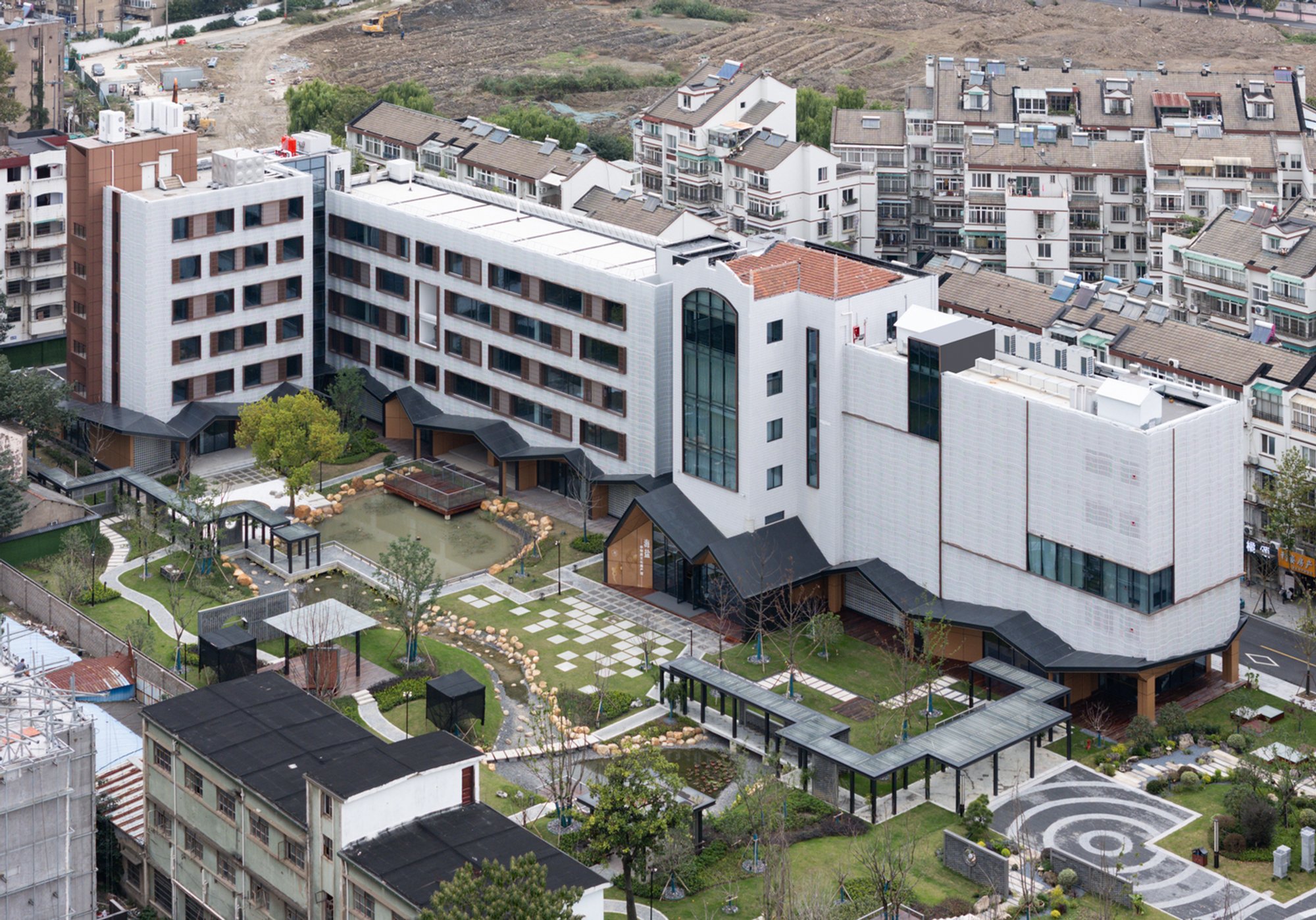
The Haiyan Intangible Cultural Heritage Museum, designed by LYCS Architecture, redefines cultural preservation and modern design integration. Completed in 2024 and located in Jiaxing City, China, the project spans 7,211 square meters. It serves as a multifaceted cultural destination, housing exhibition spaces, boutique homestays, and commercial facilities. This ambitious revitalization project embodies the concept of "Rebirth of Heritage," blending historical preservation with contemporary architectural principles.
Revitalizing a Historic Site
From Factory to Cultural Landmark
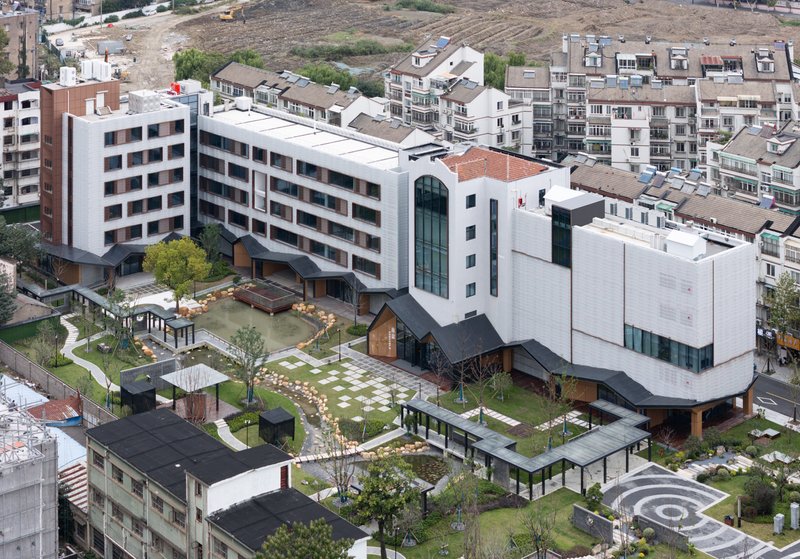
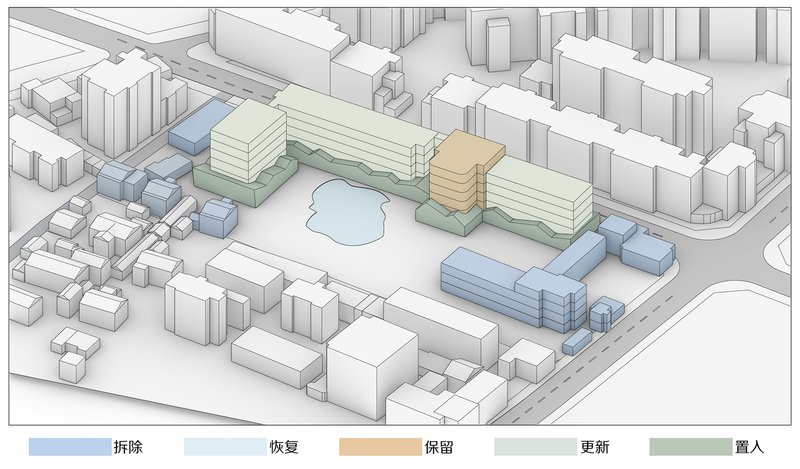
The museum occupies the former Haiyan Electric Instrument Factory, a small-to-medium industrial complex from the 1990s. Surrounded by cultural landmarks like Qi Garden and Zhang Leping Memorial Hall, the site is deeply embedded in the region's historical narrative. LYCS Architecture employed a thoughtful approach to revitalization, combining demolition, restoration, preservation, renewal, and integration to transform the site into a vibrant cultural hub.
Removing Barriers for Connectivity
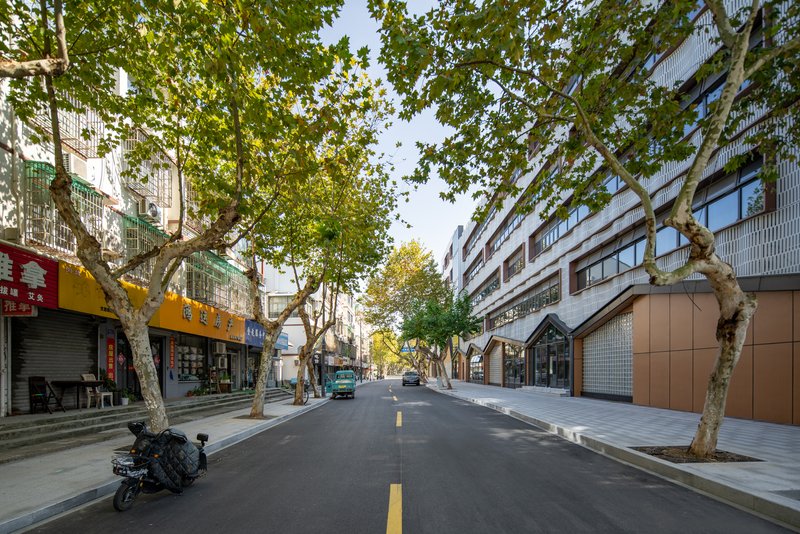
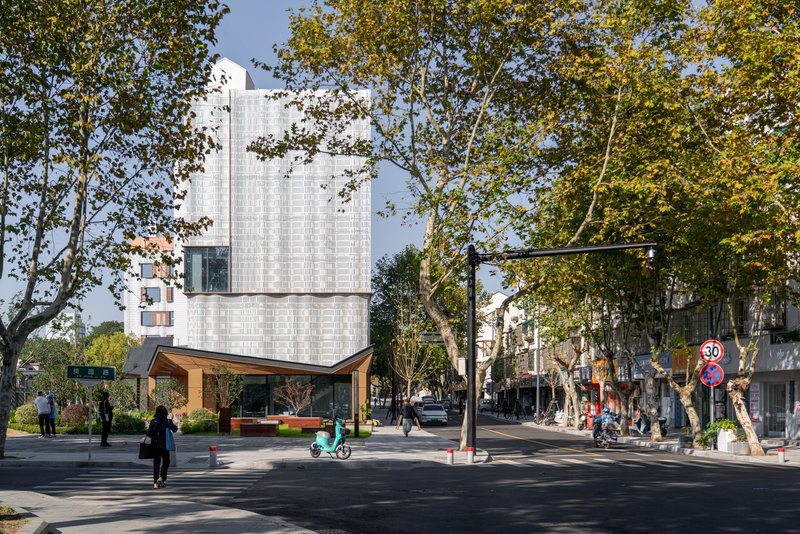
Initially encumbered by temporary structures, the site underwent significant restructuring. The design team demolished these elements, widened roads, and improved accessibility for both pedestrians and vehicles. By reconnecting the site to surrounding attractions, they created a cohesive urban space that encourages interaction and exploration.
Design Approach
Preserving Industrial Aesthetics
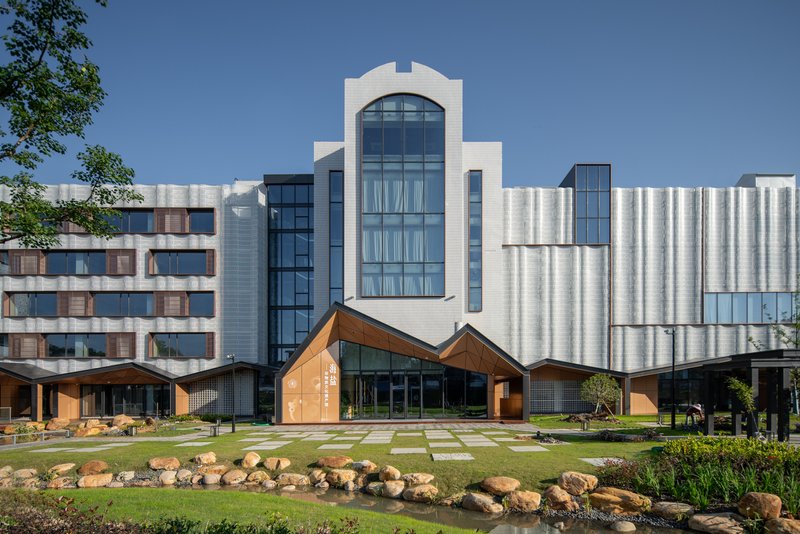
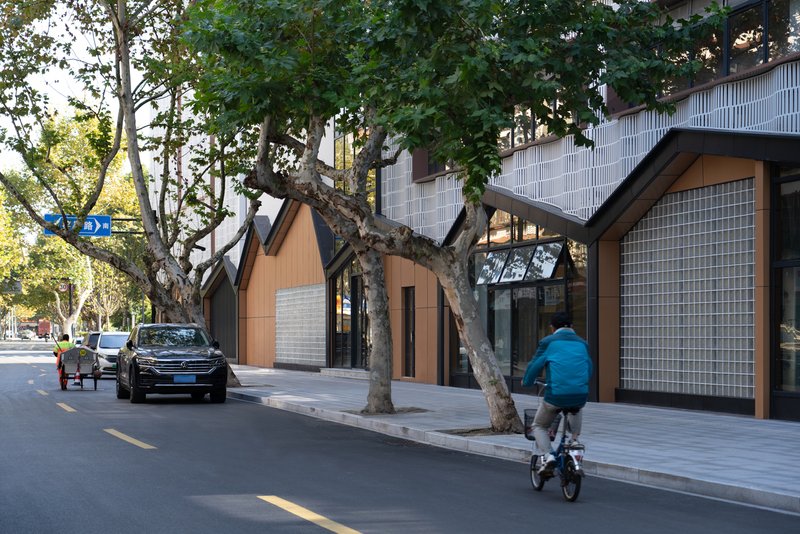
The original facades of the Electric Instrument Factory, though deteriorated, retained a unique industrial character. The design preserved these historical elements while upgrading the roof and structural systems. This balance of restoration and renewal fosters a dialogue between the site's industrial past and its cultural future.
Contemporary Facade Design
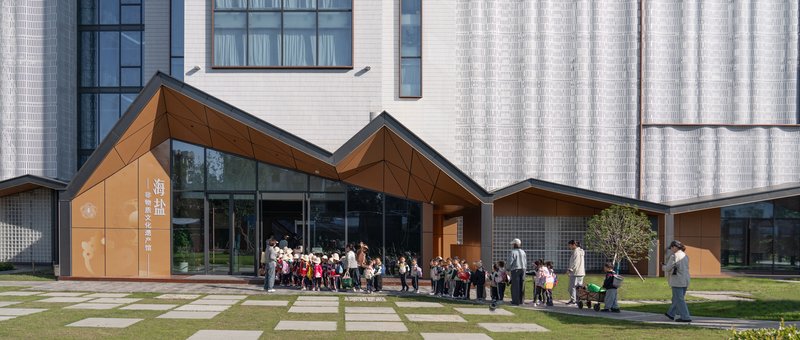
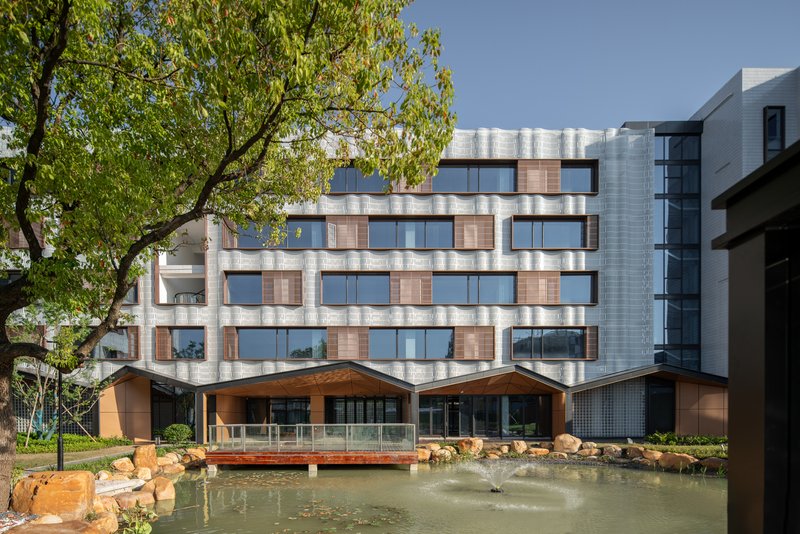
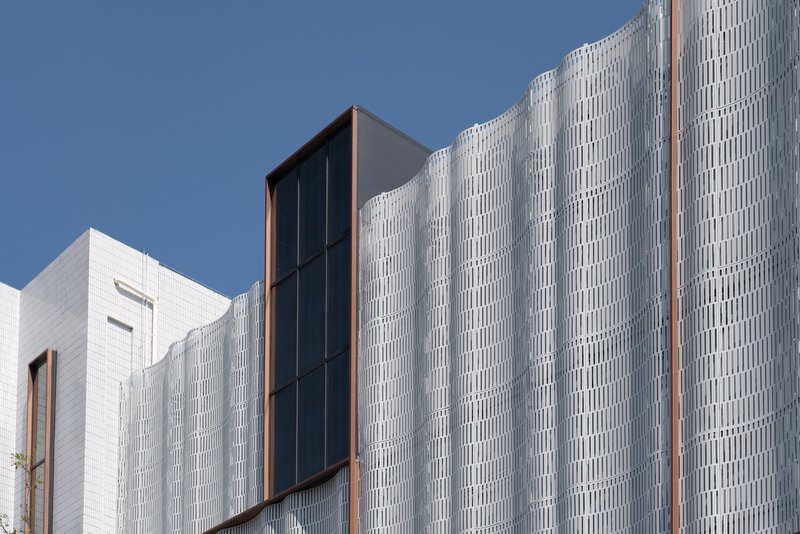
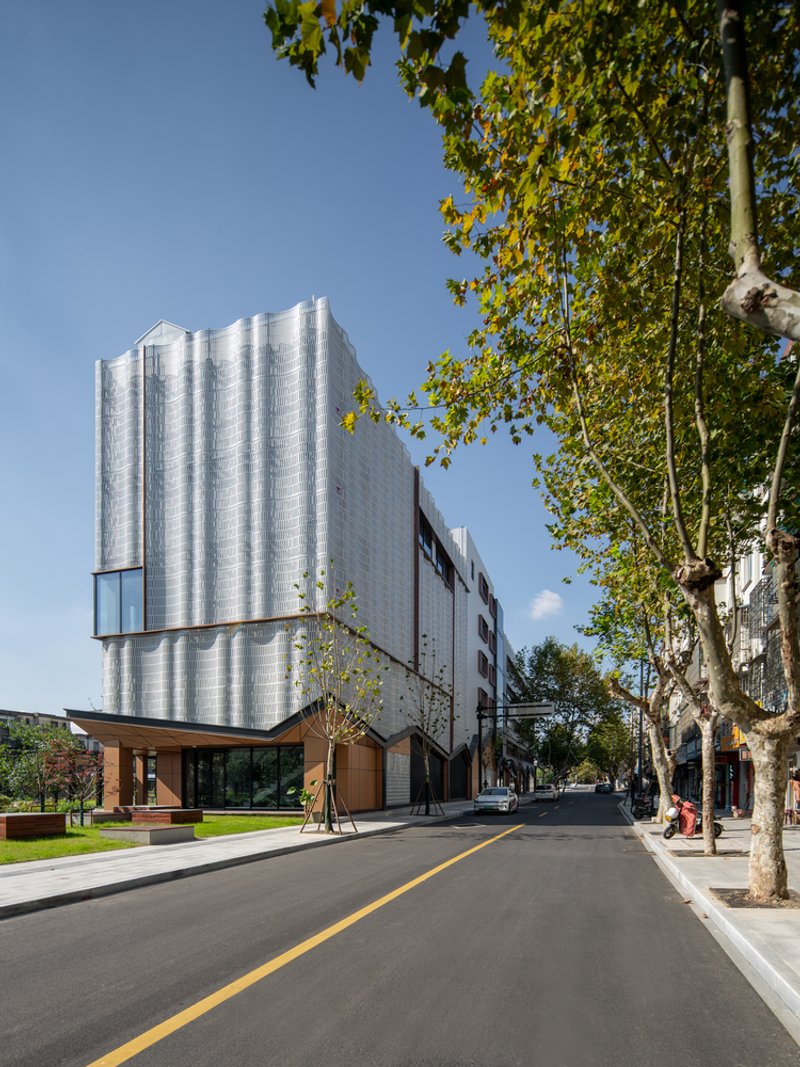
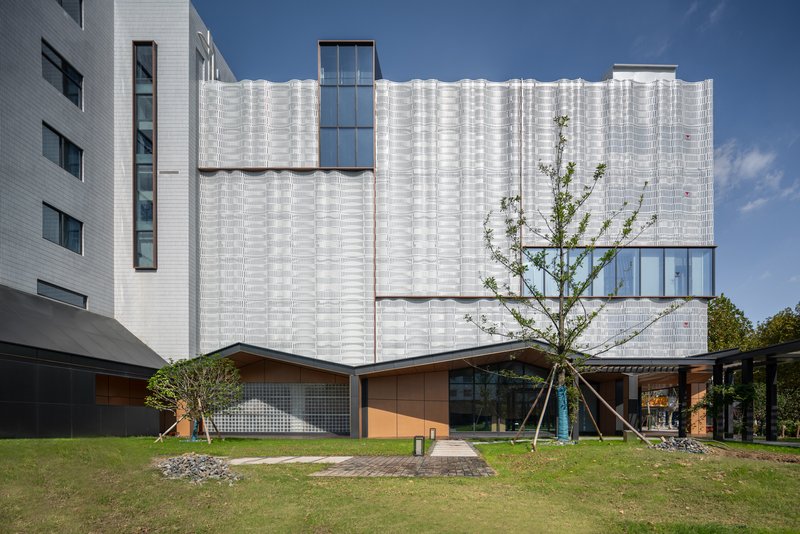
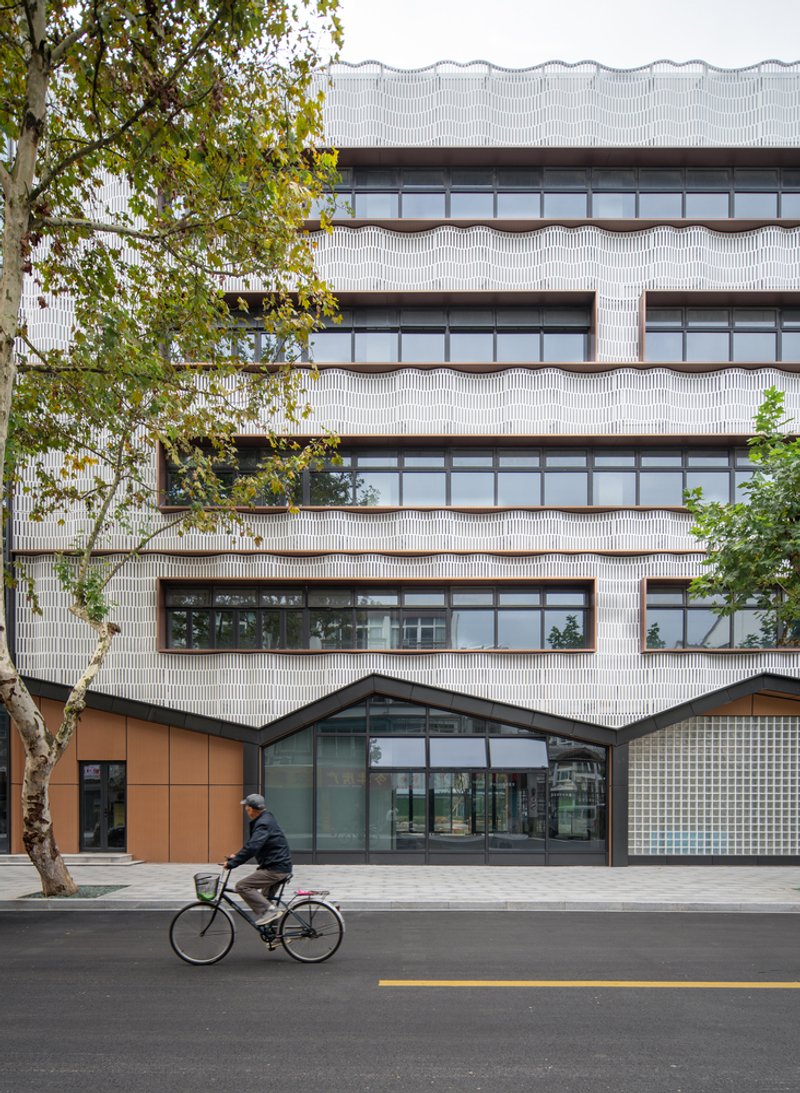
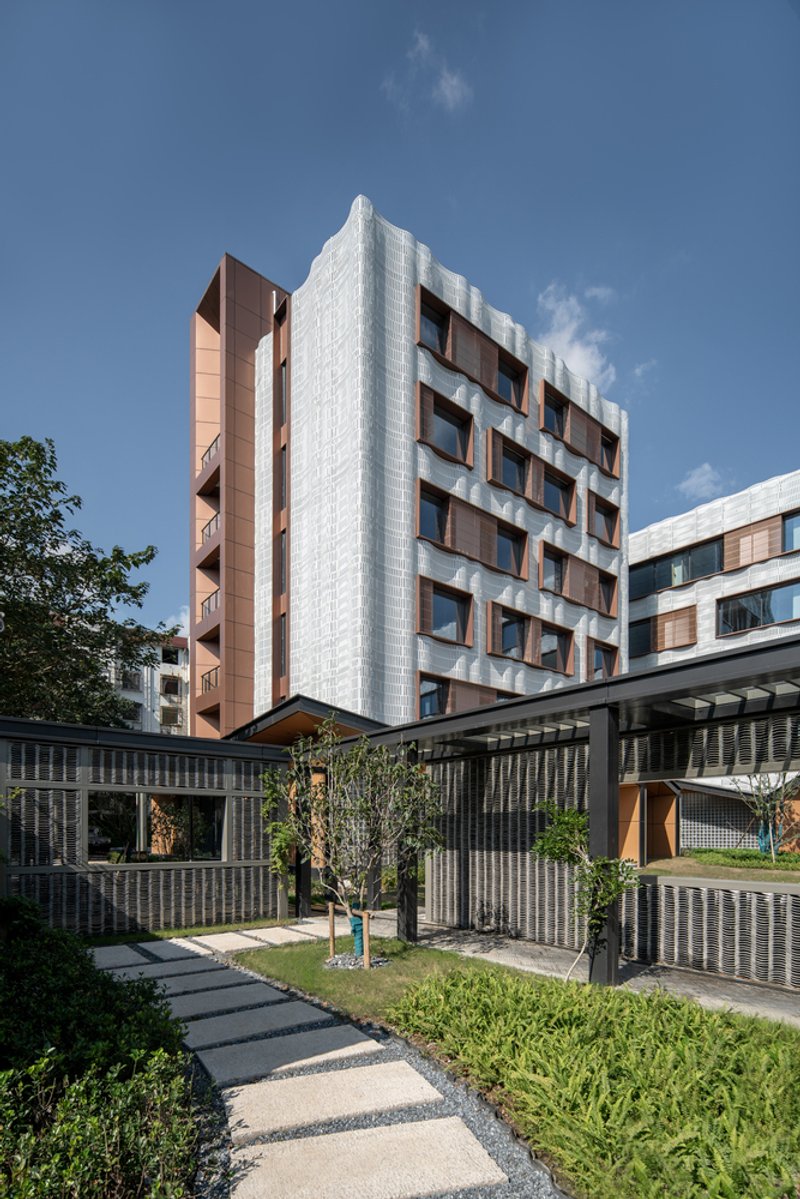
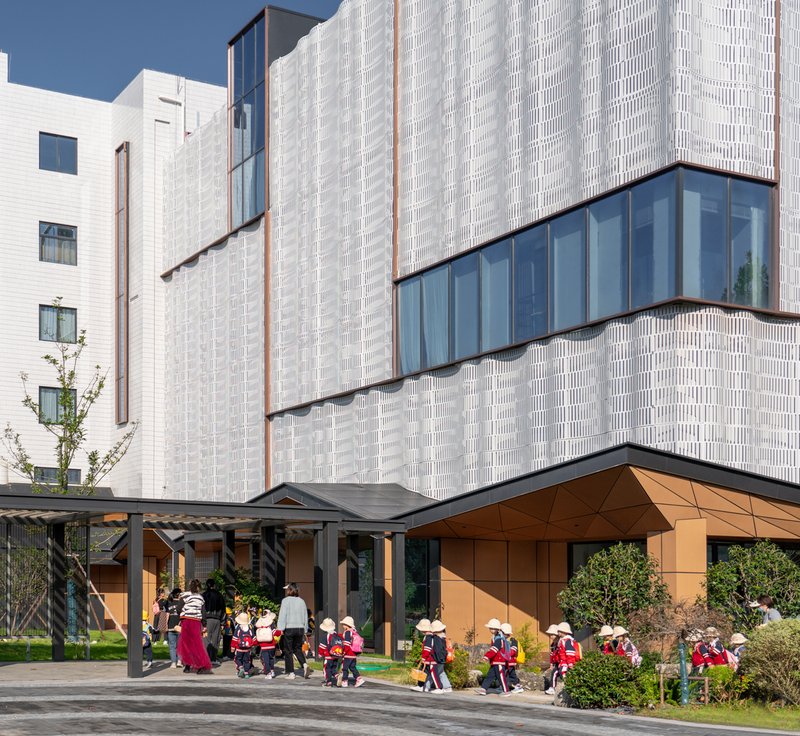
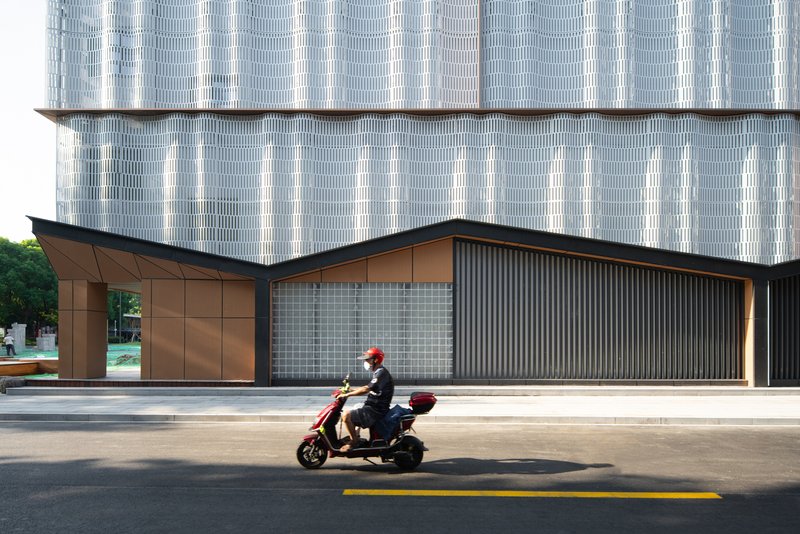
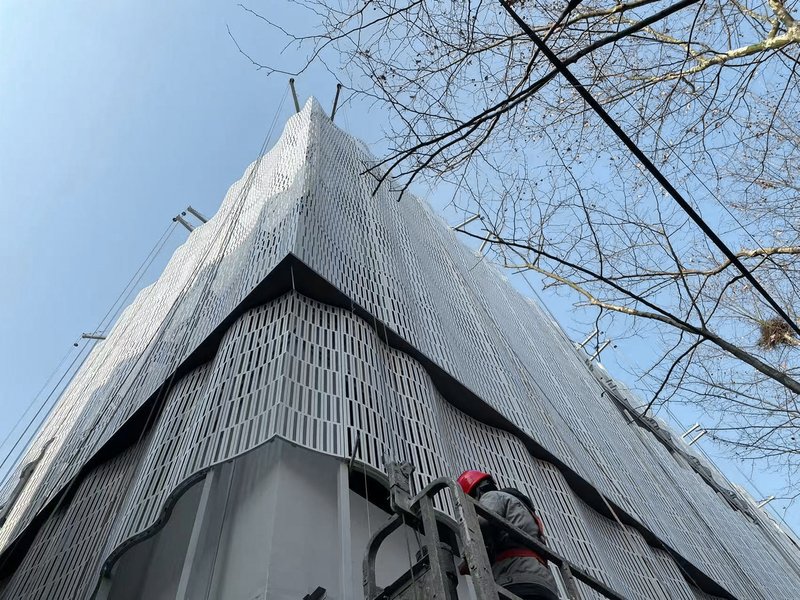
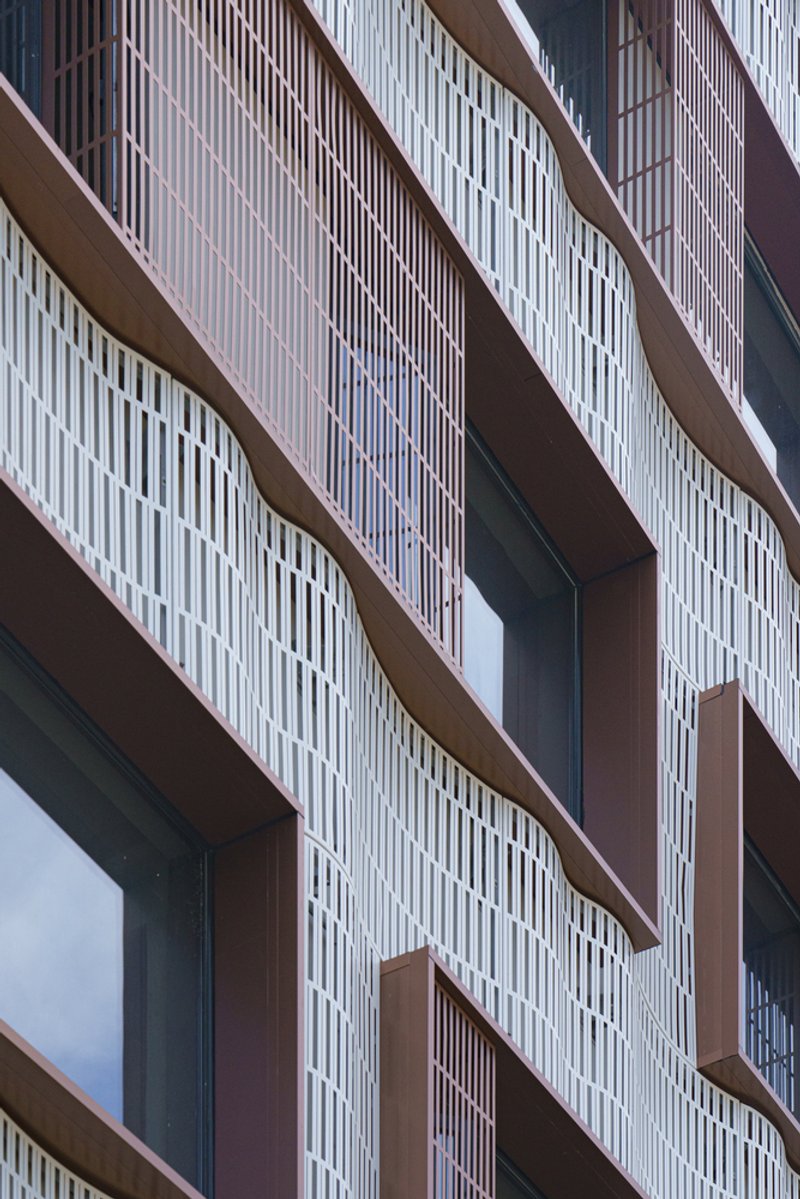
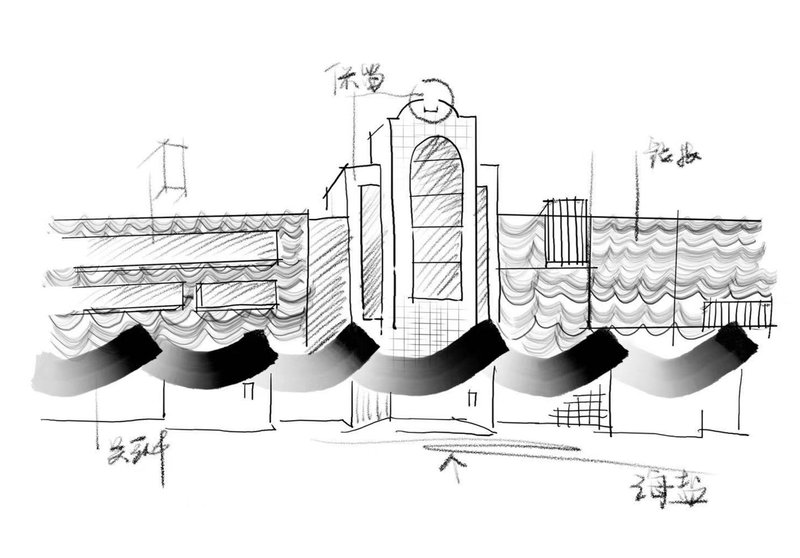
New facades adhere to the principle of "dialogue between old and new," featuring ripple-patterned perforated aluminum panels. These motifs reinterpret intangible cultural heritage patterns in a modern architectural language, creating a visual link between the building's purpose and its design.
Integrating Traditional and Modern Styles
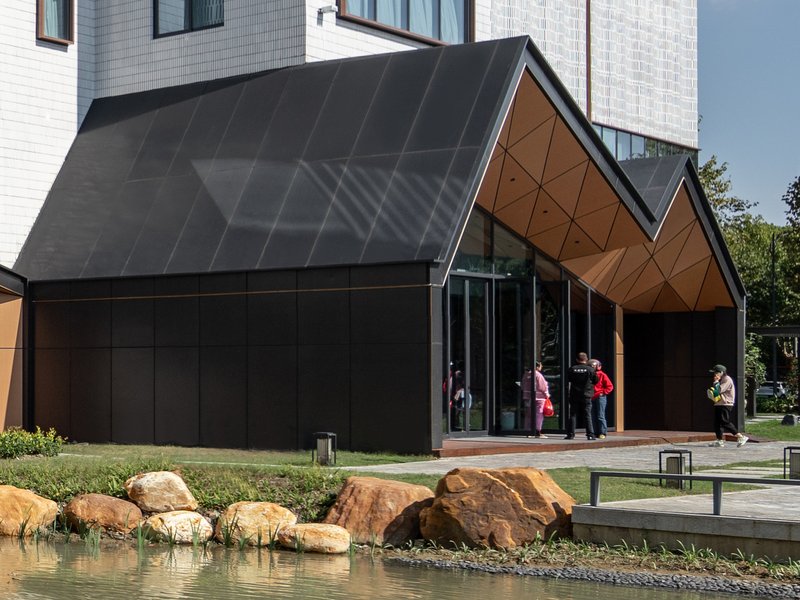
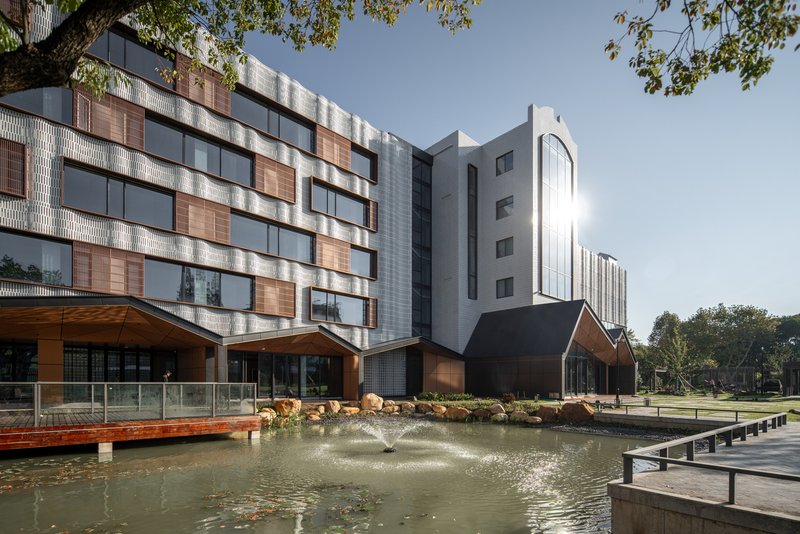
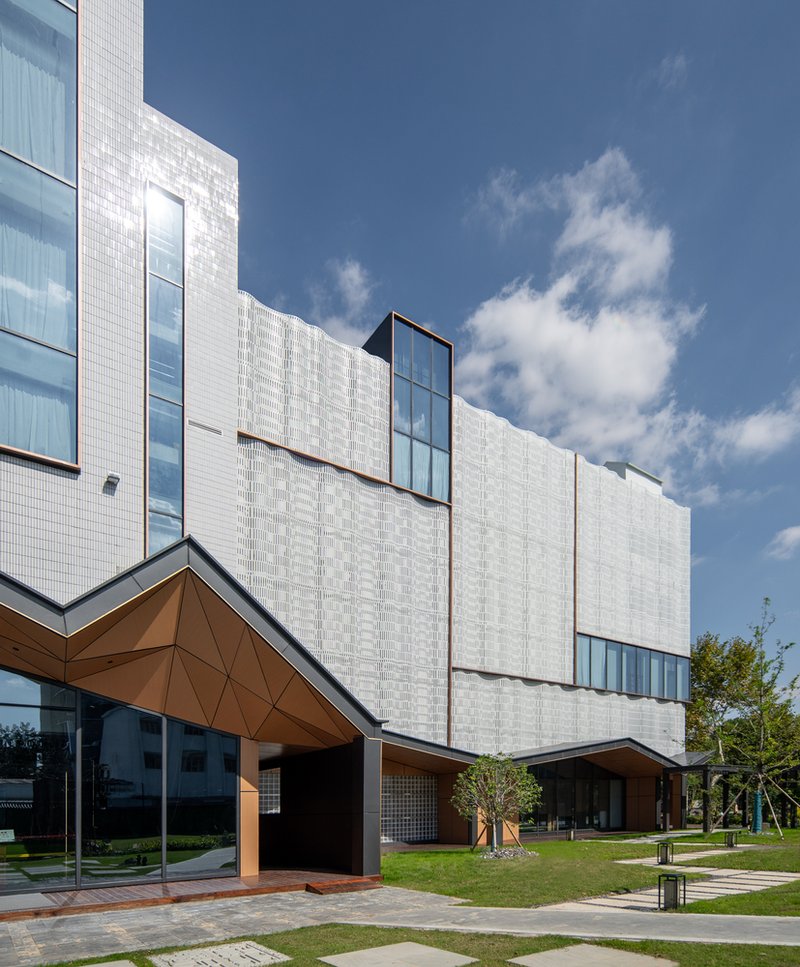
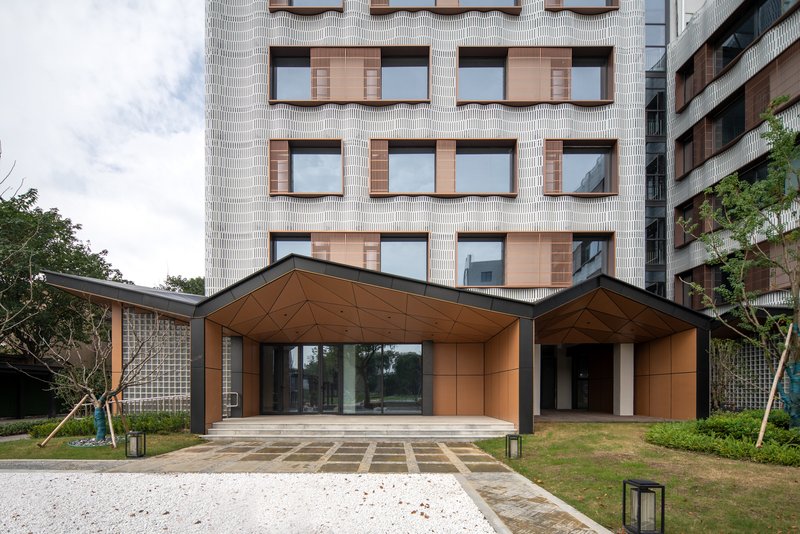
The design introduces new architectural elements inspired by traditional Haiyan residential styles. Continuous pitched roofs, a hallmark of vernacular architecture, connect the museum, boutique homestays, and historic structures into a unified corridor. This integration creates a harmonious blend of old and new, enhancing the site's architectural cohesion.
Restoring Cultural and Natural Landmarks
Reviving the Twin Pools Scenic Spot
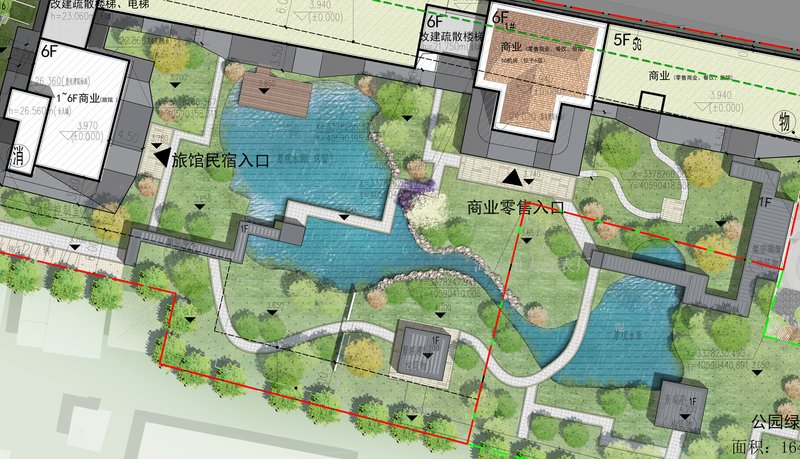
Central to the site is the historic Twin Pools Scenic Spot, a pond that had fallen into disrepair. LYCS Architecture restored this feature, incorporating traditional elements such as the Rolling Lantern Dance into the landscape design. The result is a dynamic and serene garden space that offers a tranquil retreat for visitors and residents alike.
Creating a Dynamic Public Space
The museum's design fosters engagement with the surrounding cultural and natural environment. The seamless connection between indoor and outdoor spaces allows visitors to explore the heritage of Haiyan in an immersive and interactive way. Boutique homestays and commercial areas further enrich the site, offering a comprehensive cultural experience.
The Haiyan Intangible Cultural Heritage Museum by LYCS Architecture stands as a shining example of how contemporary design can honor and preserve cultural heritage. Through its thoughtful integration of historic elements, modern architectural motifs, and natural landscapes, the project bridges the past and present, creating a cultural landmark that serves the community and attracts visitors.
All Photographs are works of LYCS




Popular Articles
Popular articles from the community

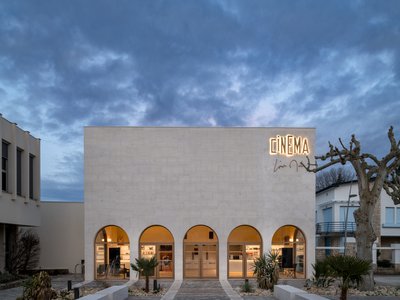
Louis Malle Cinema: A Limestone Cultural Landmark Revitalizing Community Life in Prayssac
Limestone cinema extension with public forecourt, blending heritage and modern design to create flexible cultural spaces and strengthen community interaction.
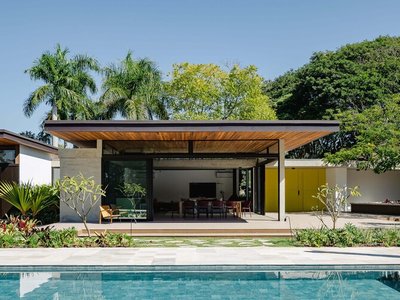
Flamboyant House by Juliana Camargo + Prumo Projetos
Modern Brazilian house integrating existing tree, pool, and volumes with glass, wood, and transitional spaces blending interior, exterior, and landscape seamlessly.
On the Brooks House by Monsoon Collective – A Contemporary Kerala Home Rooted in Tradition
Kerala home blending tradition and modernity with water-inspired design, brick architecture, courtyard planning, and sustainable rainwater harvesting strategies.

Solar Steam: A Climate-Responsive Architecture That Redefines the Monument
A climate-responsive memorial architecture that transforms heat, decay, and time into a living system reflecting humanity’s ecological impact.


Similar Reads
You might also enjoy these articles


The Ken Roberts Memorial Delineation Competition (Krob)
As the most senior architectural drawing competition currently in operation anywhere in the world, it draws hundreds of entries each year, awarding the very best submissions in a series of medium-based categories.


Waterfront Redevelopment and Urban Revitalization in Mumbai: Forging a New Dawn for Darukhana
A transformative waterfront redevelopment project reimagining Darukhana’s shipbreaking heritage into an inclusive urban future.

OUT-OF-MAP: A Call for Postcards on Feminist Narratives of Public Space
Rhizoma Design and Research Lab invites artists, designers, architects, researchers, and students to reflect on how feminist perspectives can reshape public space. Selected works will be exhibited in Barcelona, October 2026. Submissions open until 15 April 2026.


Documentation Work on Buddhist Wooden Temple
Architectural syncretism and cultural hybridity: A comparative study of the Buddhist temples in Chattogram Hill tracks


Explore Architecture Competitions
Discover active competitions in this discipline




The International Standard for Design Portfolios


The Global Benchmark for Architecture Dissertation Awards


The Global Benchmark for Graduation Excellence


Challenge to reimagine the Iron Throne
Comments (0)
Please login or sign up to add comments
No comments yet. Be the first to comment!