
Dive into Community: Unveiling the Transformative Power of Public Pools in Urban Environments
Are Public Pools the Key to Social Cohesion and Community Building in Cities?


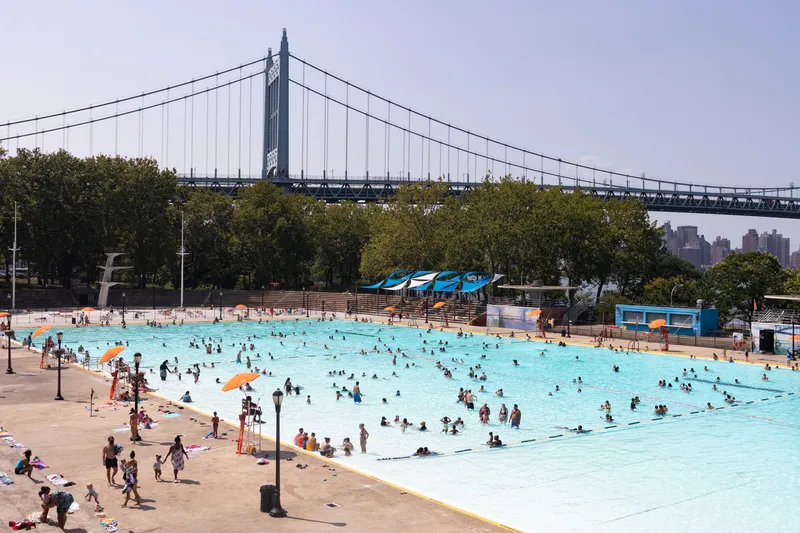
When envisioning public spaces, swimming pools may not immediately come to mind. These spaces, however, have a distinct allure, offering an intimate and sensorial experience that sets them apart from traditional public environments. Within the realm of public pools and baths, social norms and conventions are reshaped, creating an egalitarian oasis where social nudity becomes the norm, stripping away status markers and fostering connections. Throughout history, these spaces have played a significant role in urban environments, offering unique opportunities for social interaction, while also raising important societal questions surrounding gender, race, gentrification, and surveillance.
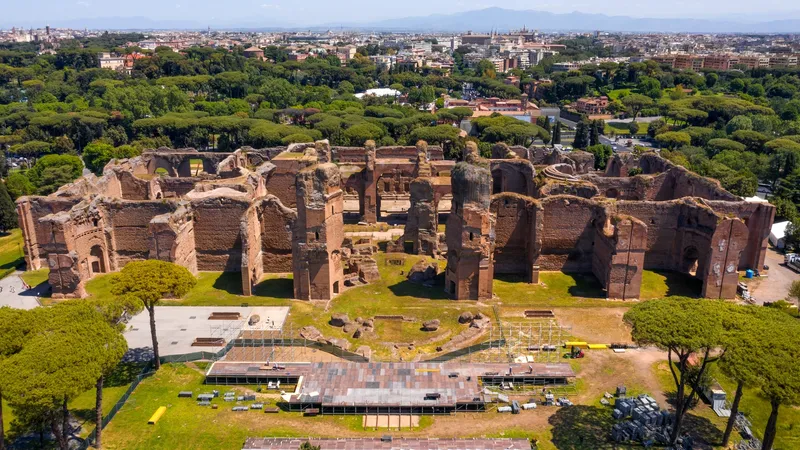
The history of pools is intricately intertwined with the evolution of cities. The origins of public pools can be traced back to the ancient city of Mohenjo-Daro in present-day Pakistan, where a brick tank served as the earliest known pool. Initially used for religious purposes, artificial bodies of water proliferated throughout the ancient world. It was the Roman Empire, however, that transformed pools into secular spaces, emphasizing public health, hygiene, and social cohesion. The grandeur of imperial thermae, such as the Baths of Diocletian and Caracalla, rivalled other public institutions and served as epicentres of social life in ancient Rome. Centuries later, the architectural inspiration drawn from these grand Roman baths influenced New York's Pennsylvania Station, a testament to their enduring impact.
Yet, beyond architectural splendour, the true significance of these institutions lay in their social role. Roman baths welcomed both men and women, providing spaces for socializing, seeing, and being seen. Boisterous conversations, business dealings, and interactions across social strata transformed these pools into microcosms of urban life. Following the decline of the Roman Empire, public pools became less prevalent in medieval Europe but were upheld by the Islamic world in the form of hammams. The resurgence of public pools in the 19th century, particularly in Britain and German-speaking countries, paralleled urbanization and a growing focus on public health. The United States followed suit, recognizing the need for public bathing spaces as cities became densely populated during the Industrial Revolution.
In the early 20th century, public pools played a vital role in American cities, particularly for working-class and low-income communities. Serving as meeting places and the heart of community life, these pools fostered the development of youth culture, offering a refuge from limited public spaces available to the working class. While officially unsegregated, recurring conflicts and anxieties led to de facto racial separation in these spaces. Public pools became vital urban public spaces, fulfilling multiple functions while also reflecting societal struggles and aspirations.
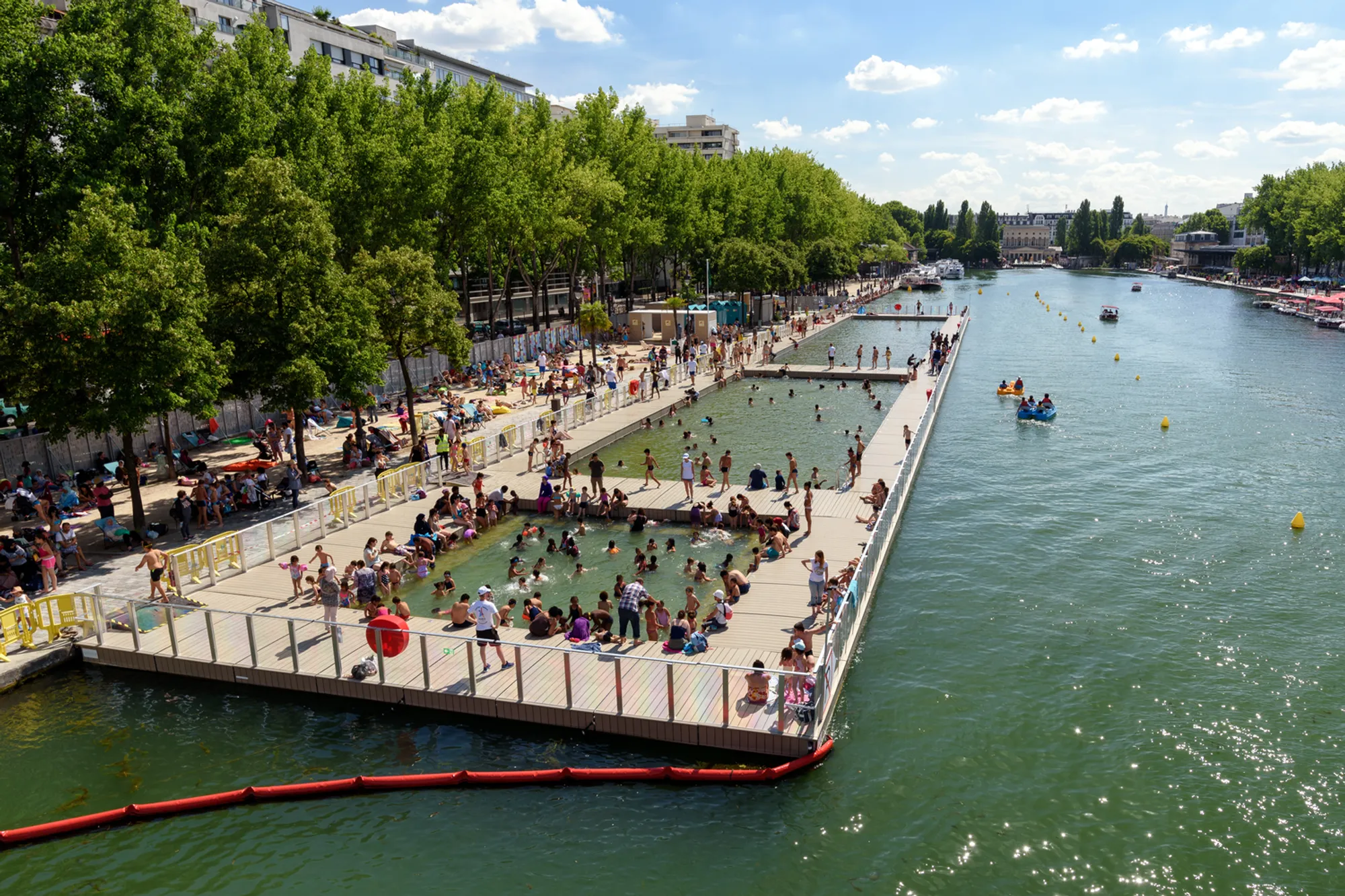
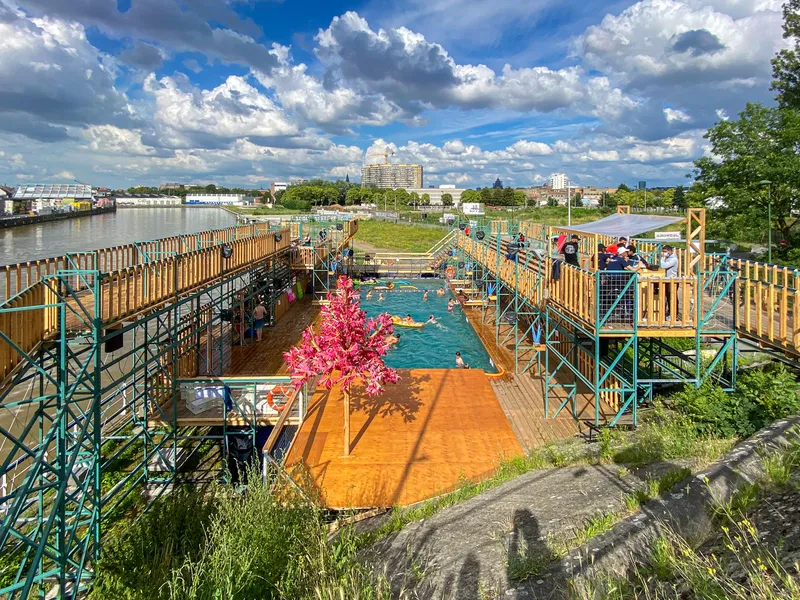
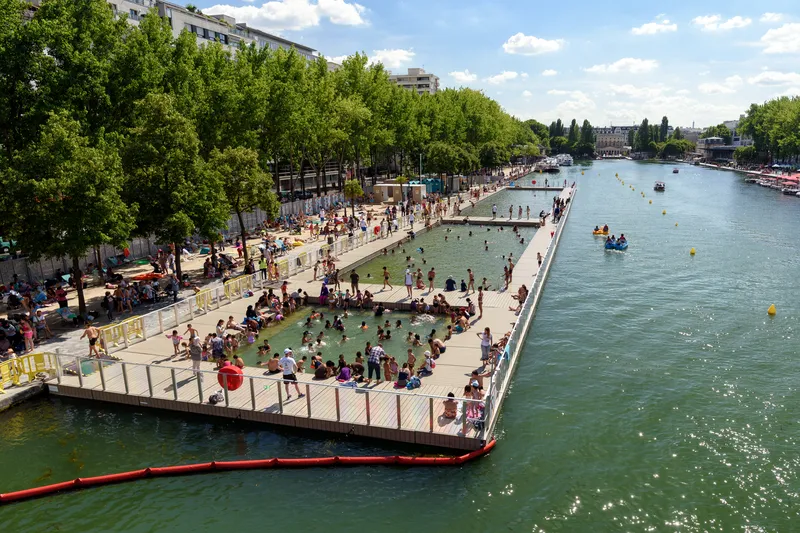
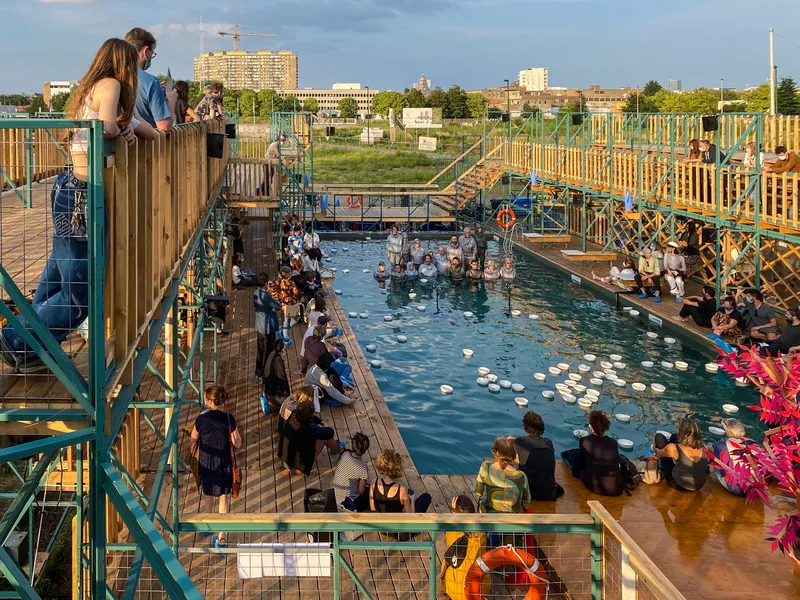
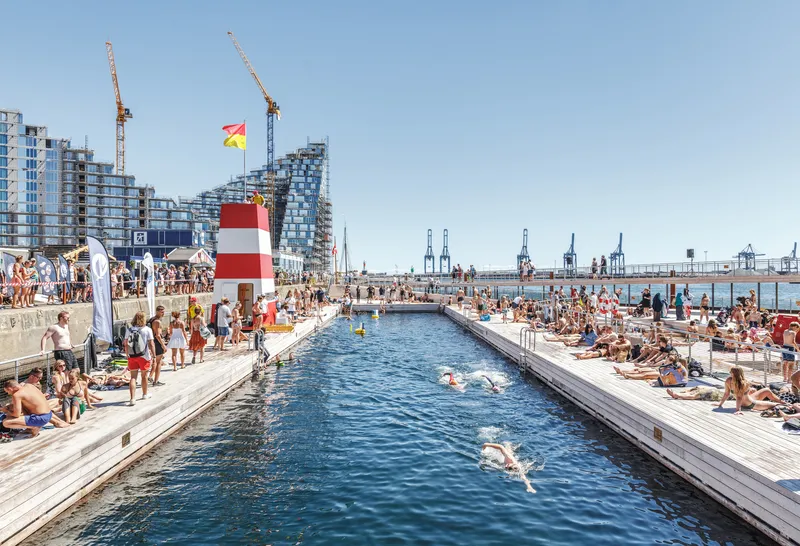
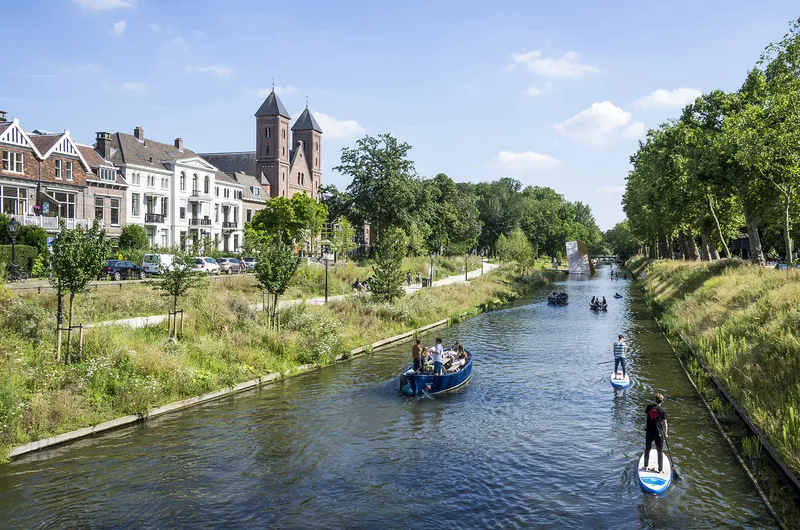
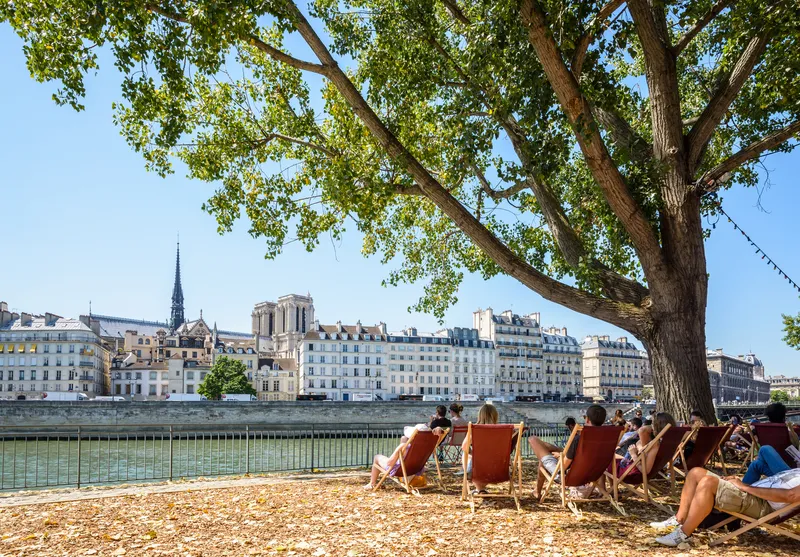
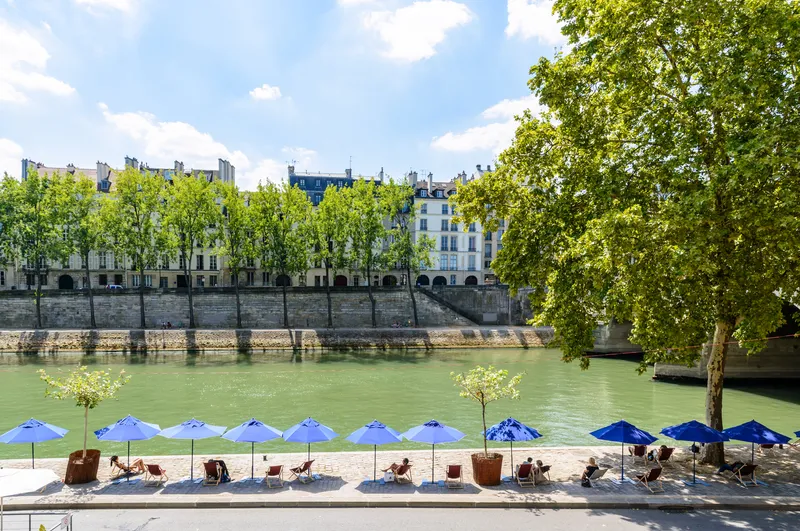
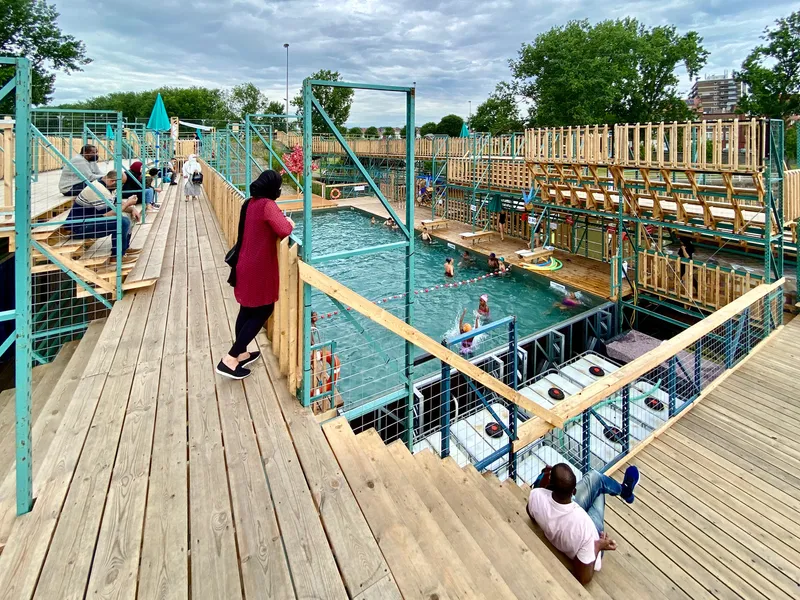
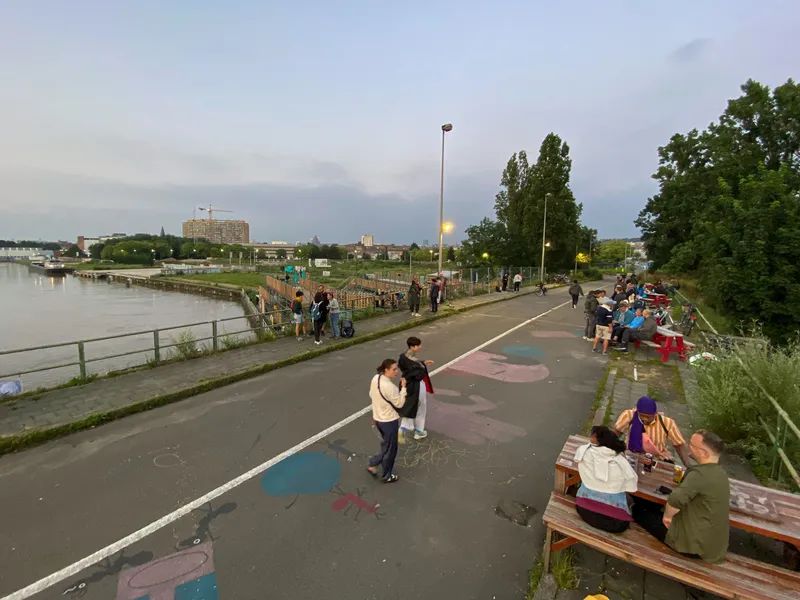
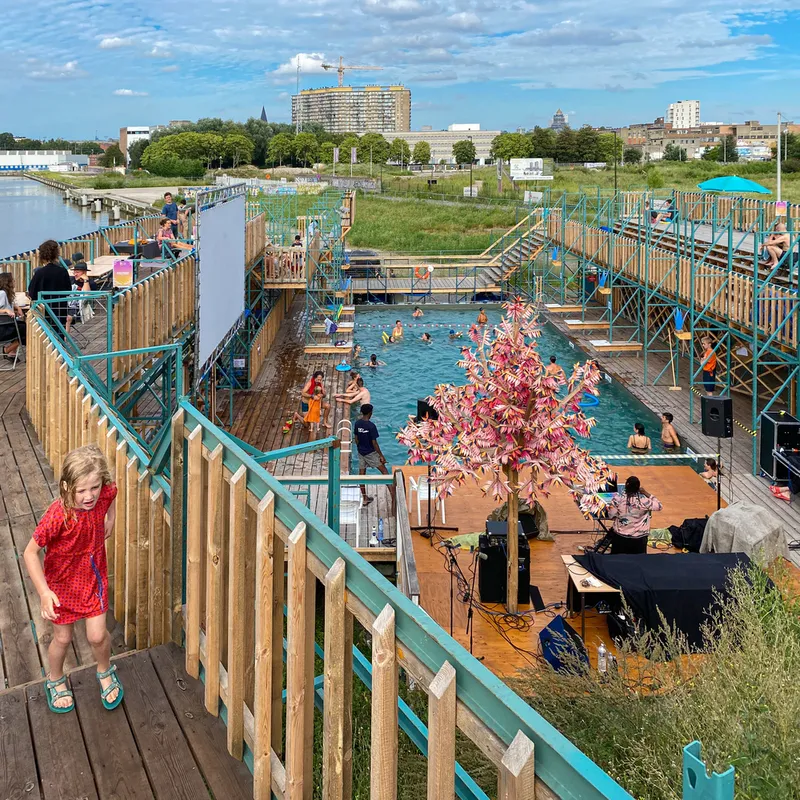
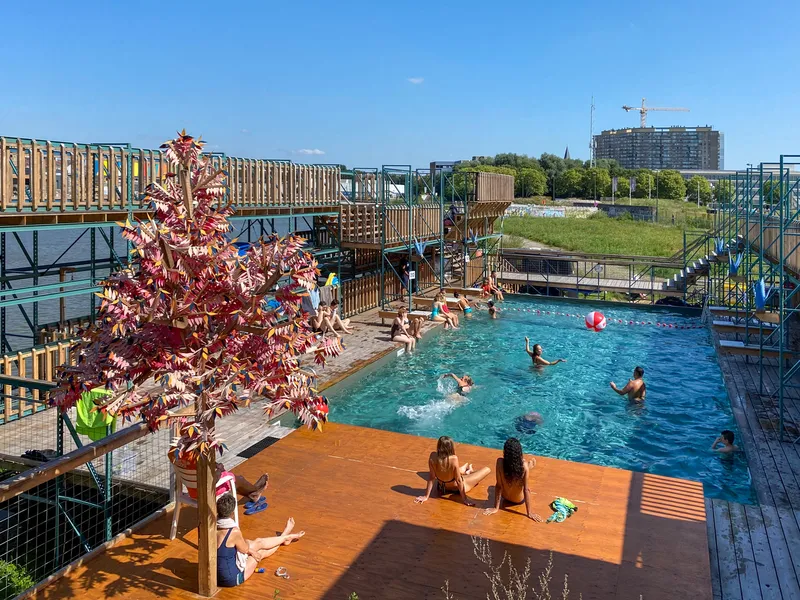
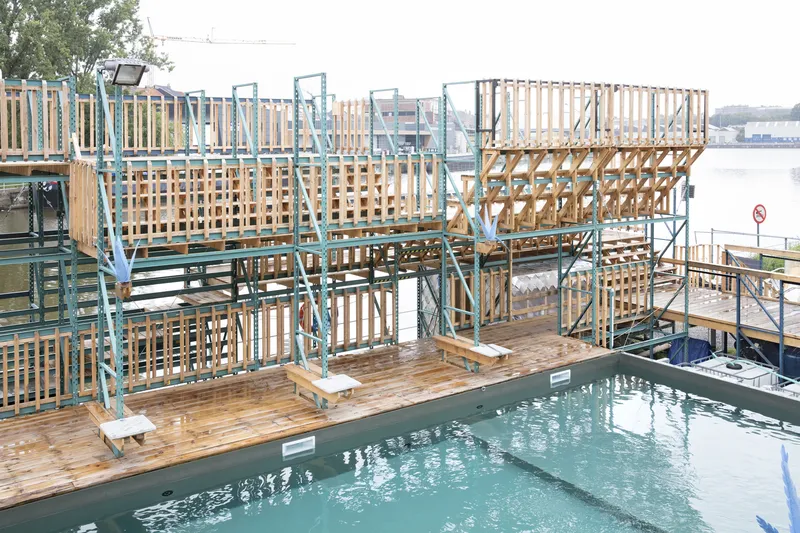
In more recent times, the importance of water-related activities in urban settings has gained recognition. Cities like Paris have embraced the concept of temporary beaches along the river Seine, transforming quaysides into vibrant social spaces during the summer months. In Brussels, organizations such as POOL IS COOL have advocated for the reintroduction of outdoor swimming, with the opening of FLOW, the city's first outdoor pool in over forty years, serving as a prototype for future projects. Beyond the opportunity for swimming, these initiatives also address the social aspect of public pools, providing cultural programs and family-oriented activities to foster a sense of shared ownership and community cohesion.
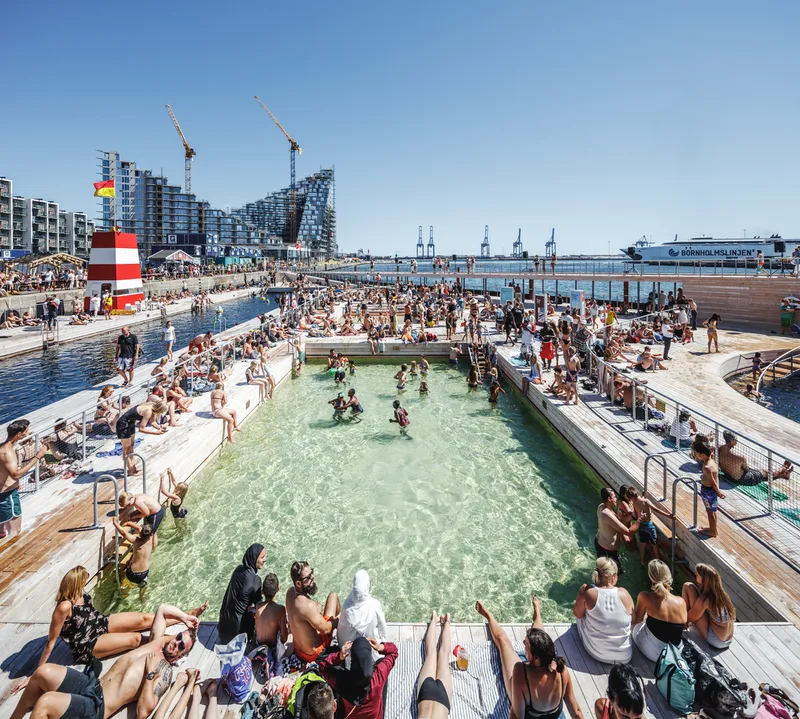
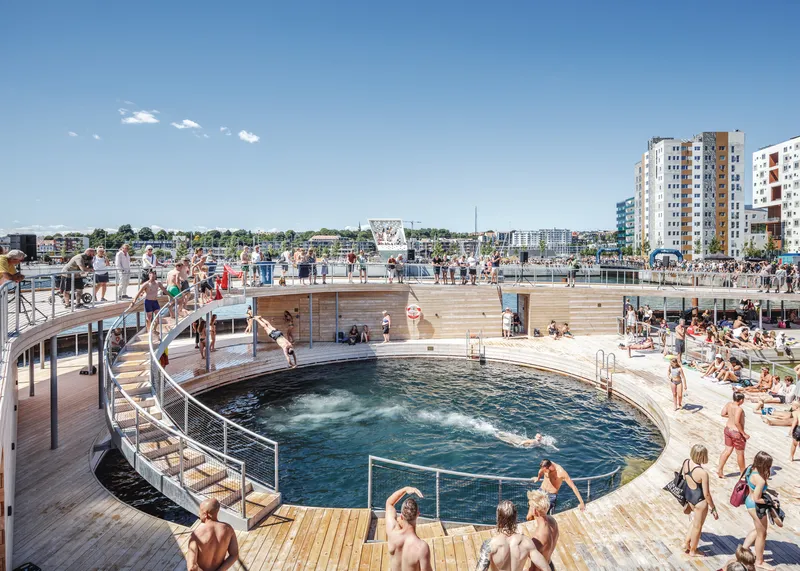
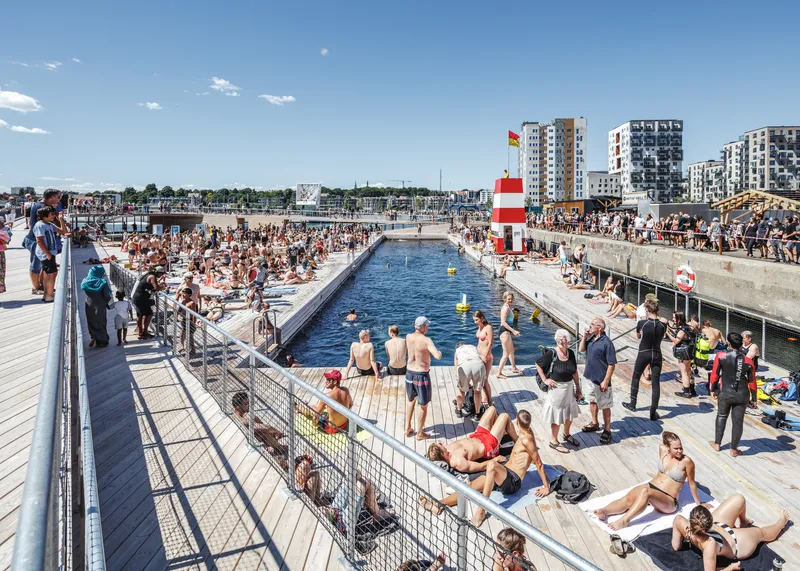
Public pools transcend their role as mere spaces for social life. They introduce an element of play into the heart of urban environments, offering respite from city constraints and immersing swimmers in a unique urban experience. These communal settings bring people of diverse backgrounds together, acting as equalizers and promoting social cohesion.
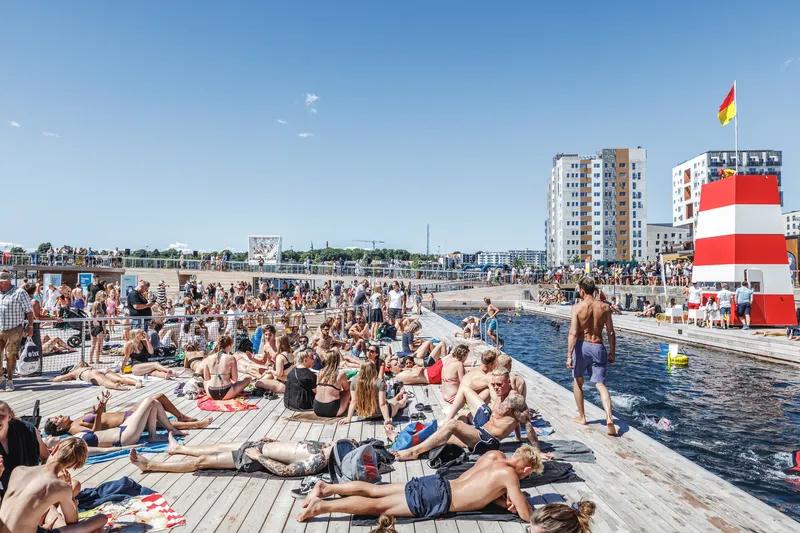
Public pools, therefore, deserve recognition as significant public spaces within the architectural landscape.




Popular Articles
Popular articles from the community


The Musturak Paradise: Senior Living Architecture for a Connected Future in Temara, Morocco
The Musturak Paradise reimagines senior living architecture in Temara via private homes, social spaces, culture, community, and shared care.

The Ocean Hive: Sustainable Architecture for a Self-Sufficient Civilization at Sea
The Ocean Hive imagines sustainable architecture at sea, where modular habitats, algae, wave power and ocean waste sustain a growing colony.

The Earth Pod: 3D Printed Homes for Resilient Refugee Communities
The Earth Pod reimagines refugee housing through 3D printed homes made from clay, combining resilience, self-sufficiency, and rapid shelter.

Co-life: Sustainable Architecture for Age-Friendly Community Living
Co-life reimagines sustainable architecture for seniors through courtyards, rammed earth, shared gardens, and spaces designed for belonging.

Similar Reads
You might also enjoy these articles

Day and Night Park: A Time-Based Urban Newsstand in Beijing
A temporary urban newsstand in Beijing blending travel, light, and reading through poetic colors, compact form, and community-focused design.

Modernist Patio Renovation in El Masnou, Barcelona by Oliver Segura Arquitectura + Cebrià Arquitectura
Modernist patio renovation blending tradition and innovation with a movable pool, leveled floors, and Catalan materials in El Masnou.

Alto Residencial Coop: Cooperative Housing Development in Santiago de Compostela by Carbajo Barrios Arquitectos
A linear cooperative housing complex blending white volumes and perforated metal façades, enhancing community living, natural light, privacy, and urban integration.
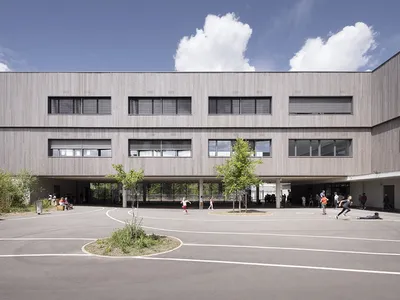
Vil Genis School by BPA ARCHITECTURE – Massy, France
Vil Genis School in Massy, France, features sustainable design, south-facing classrooms, community integration, accessible spaces, and modern educational architecture.


Explore Swimming Pool Competitions
Discover active competitions in this discipline



Challenge to reimagine the Iron Throne


Photograph architecture without architects


Illustrate the lost glory of Angkor Wat - Render Challenge


Design challenge to reuse E-waste
Comments (0)
Please login or sign up to add comments
No comments yet. Be the first to comment!