
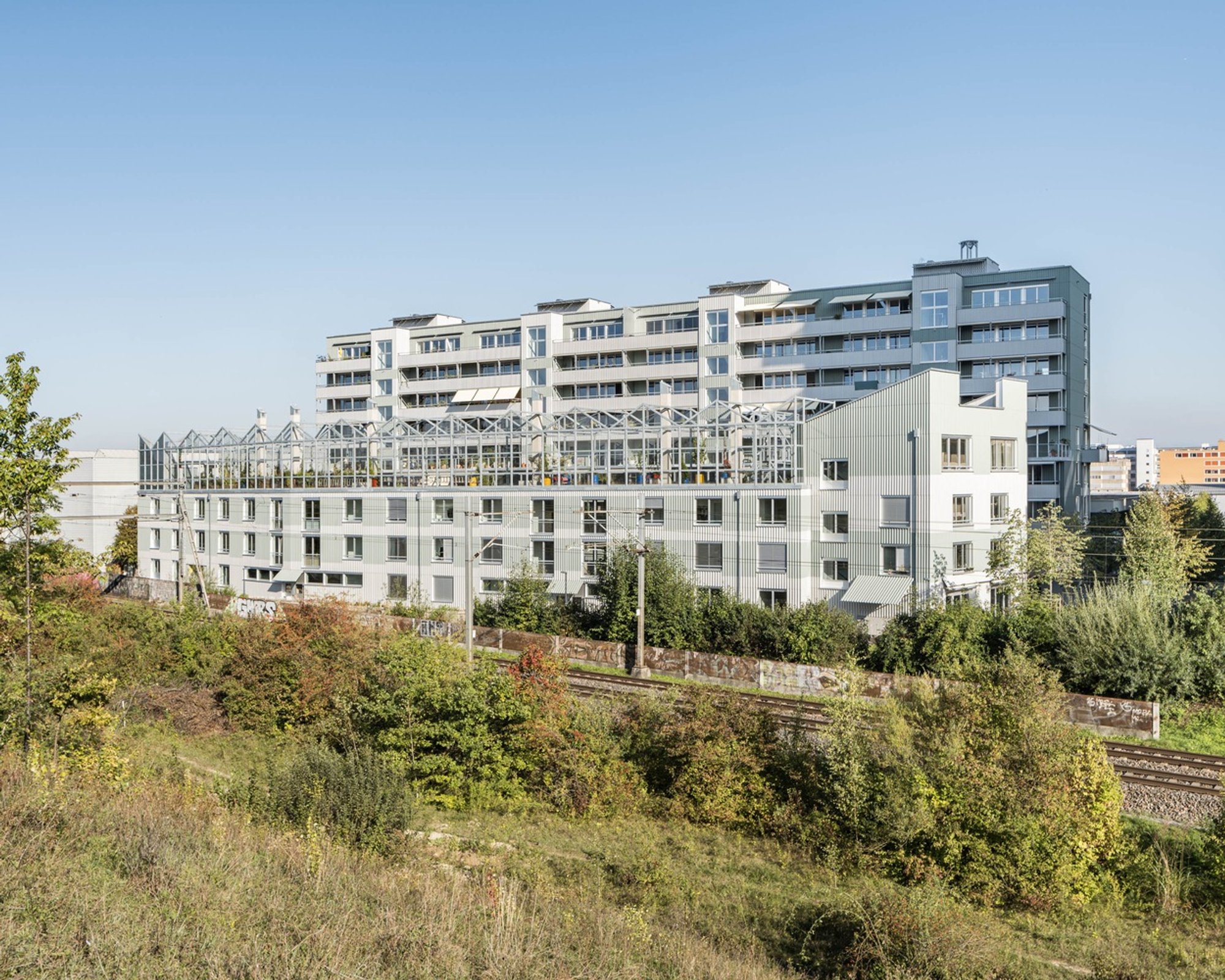
Eco-Friendly Urban Housing: A Deep Dive into Hochbord Housing by Conen Sigl Architekten
Explore Hochbord Housing by Conen Sigl Architekten, a model of eco-friendly urban housing blending community space with environmental sustainability.

Eco-friendly urban housing is becoming increasingly crucial as cities worldwide seek sustainable development methods to accommodate growing populations while minimizing environmental impact. The Hochbord Housing project in Dübendorf, Switzerland, designed by Conen Sigl Architekten, exemplifies innovative approaches to integrating sustainability in urban residential designs.
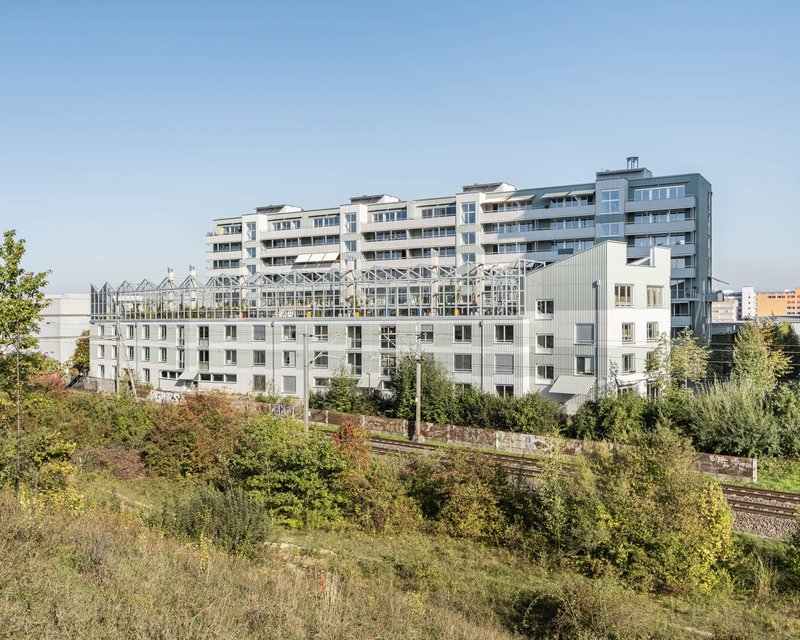
Project Overview
Background and Development
Situated on the site of a former plant nursery in the transitioning industrial area of Hochbord, near Zurich, Hochbord Housing reflects a shift towards revitalizing urban spaces into vibrant residential zones. This transformation underscores a broader trend towards more sustainable and community-oriented urban living.
Design Philosophy
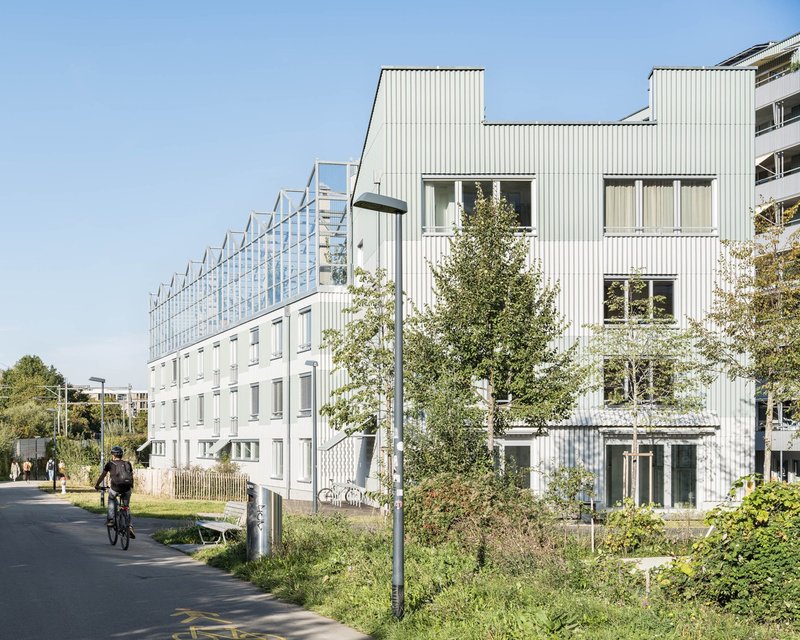
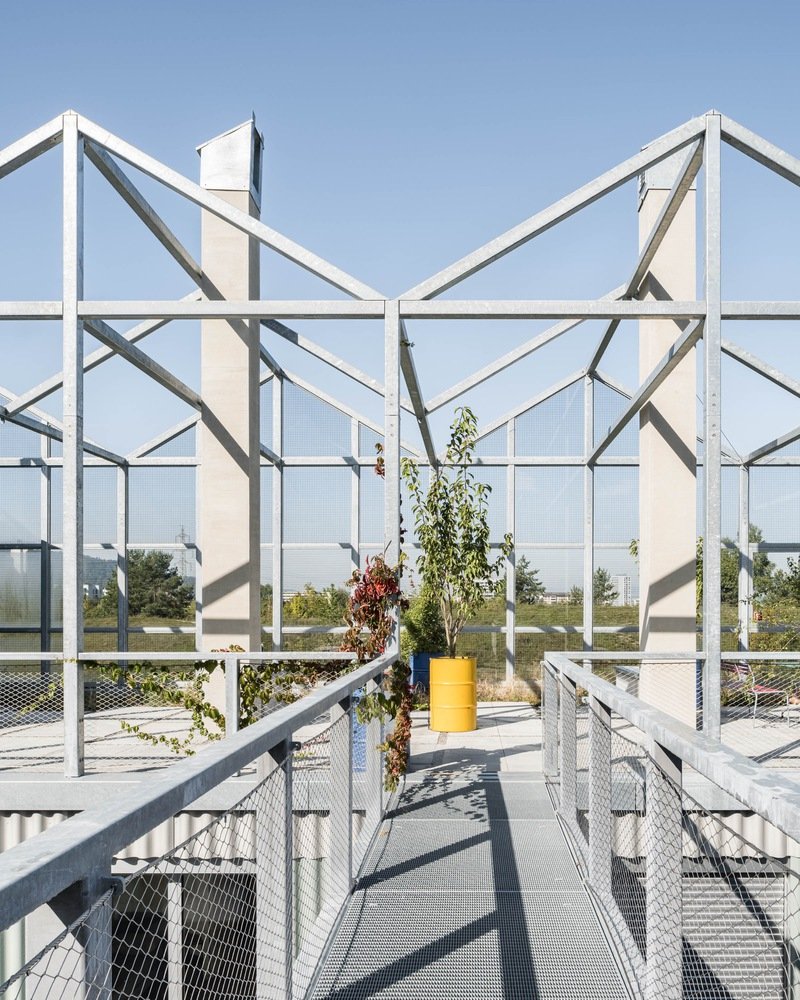
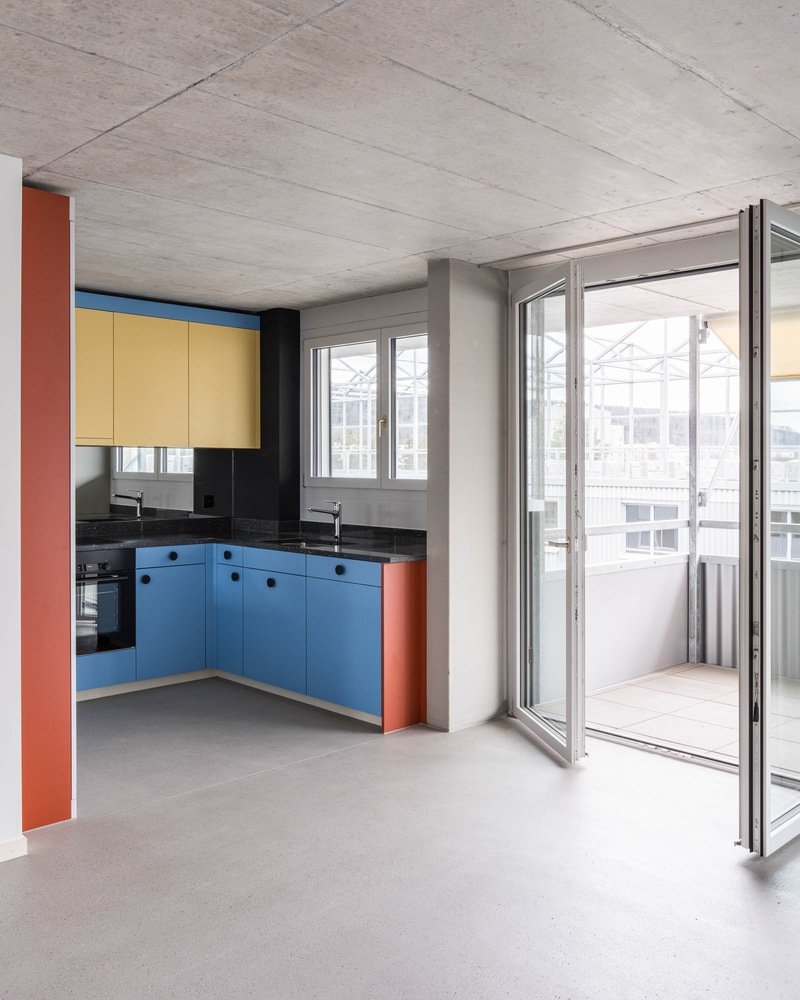
Inspired by its historical context as a plant nursery, the project is crafted to foster strong community ties and enhance ecological connectivity. Its architectural language is characterized by robust and simple materials that recall the functionality of its industrial predecessors, while its proximity to a nature reserve strengthens its environmental integration.
Sustainable Features and Community Focus
Communal Spaces and Social Connectivity
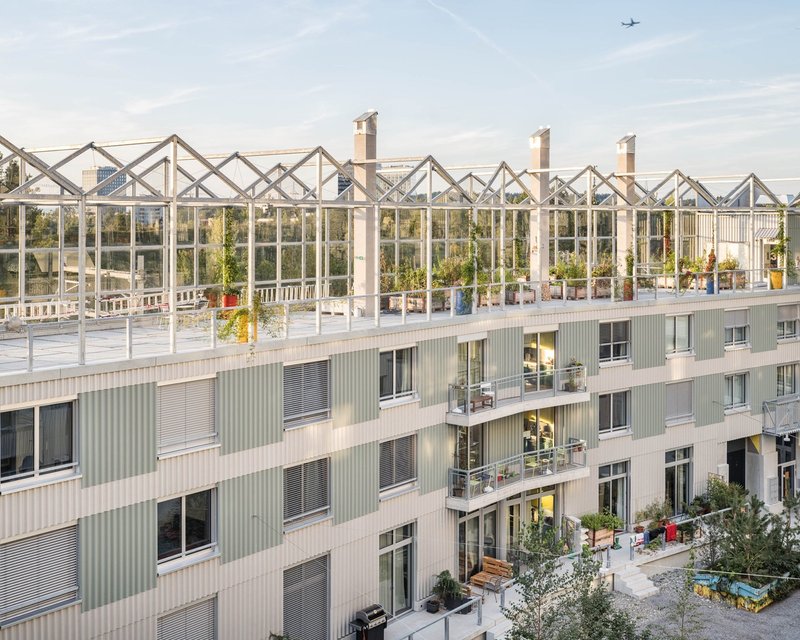
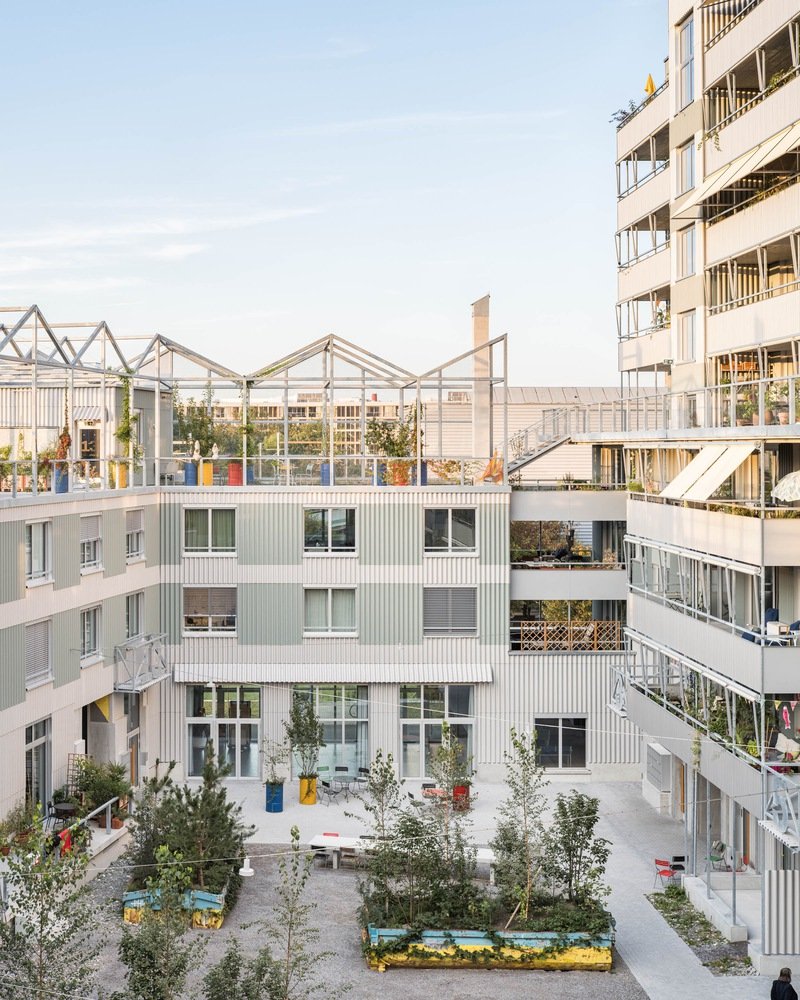
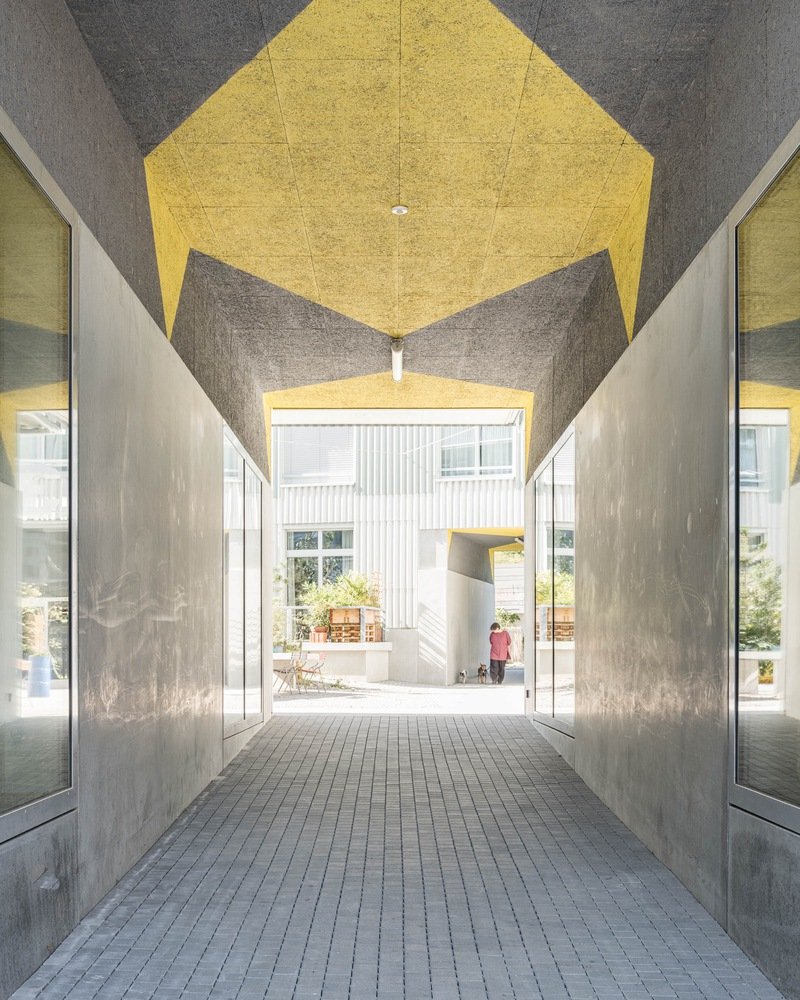
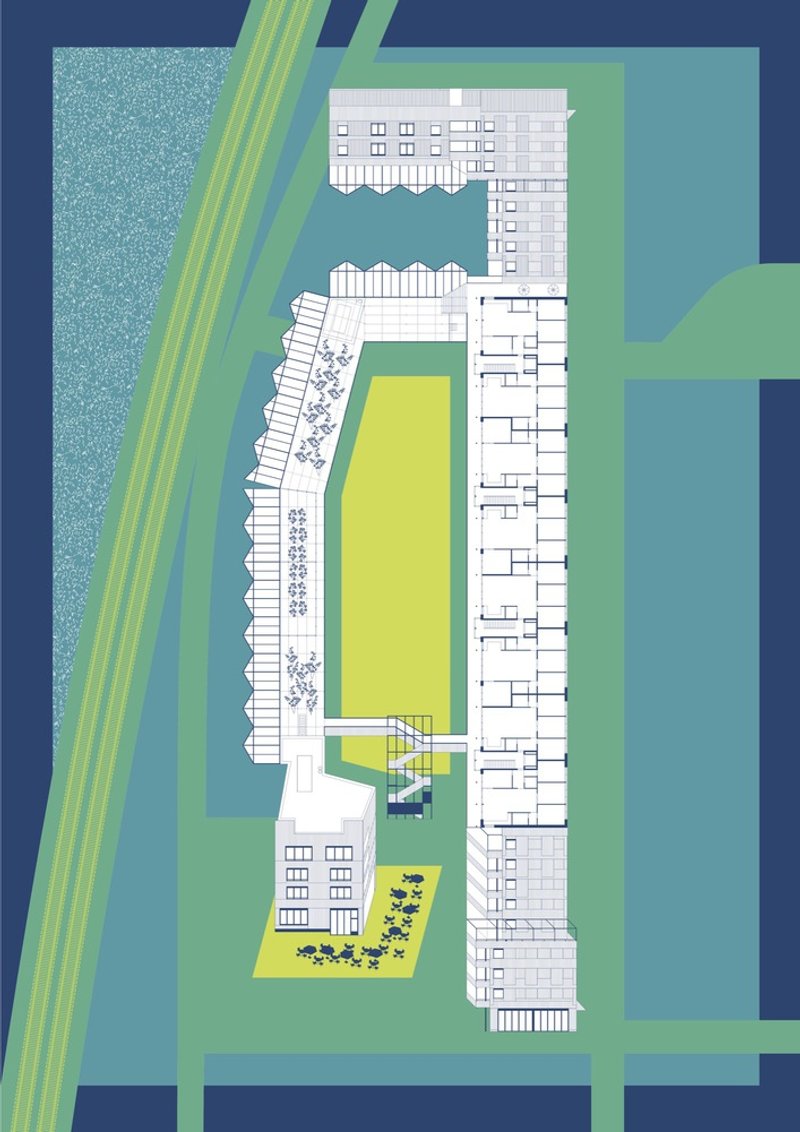
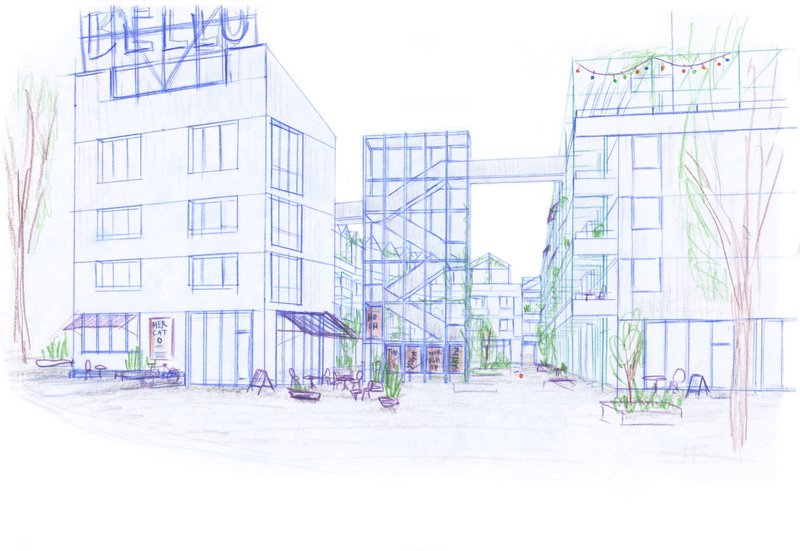
At the heart of Hochbord Housing is a communal courtyard, designed to serve as a new social hub for residents. This area is flanked by multi-story buildings that vary in height, creating a diverse urban landscape that opens up to invite neighborhood interaction. The inclusion of a café and multi-purpose room further catalyzes community engagement and interaction.
Innovative Environmental Integration
The project is distinguished by its triple focus on communal living, ecological integration, and sustainability. Key features include:
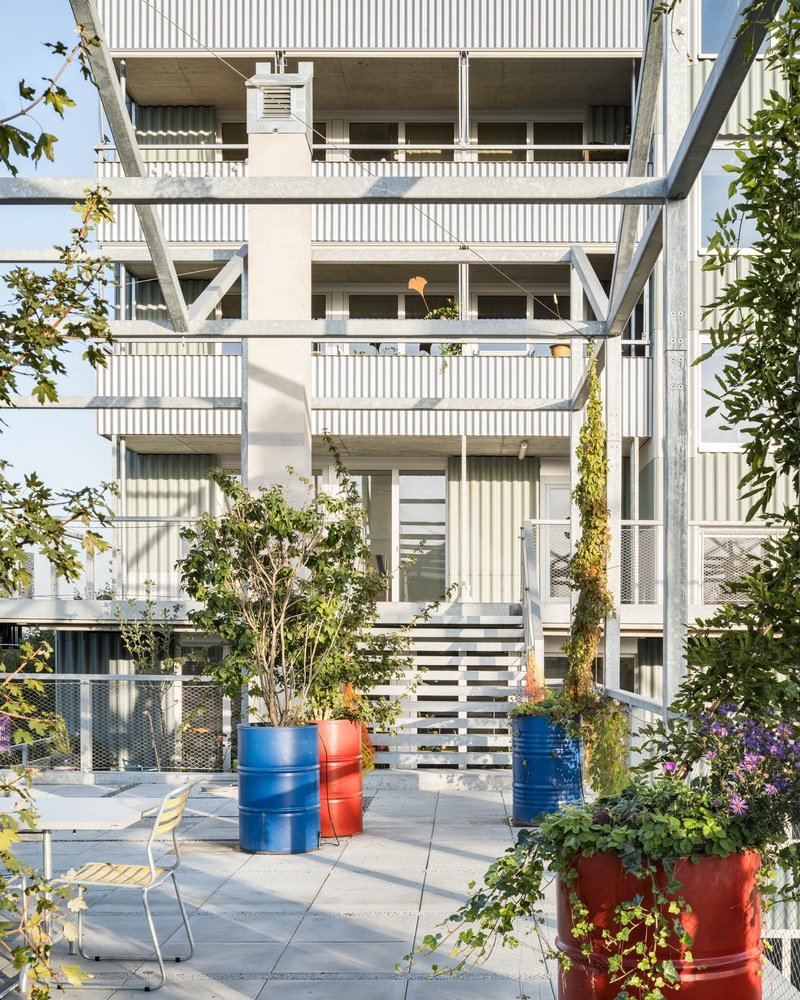
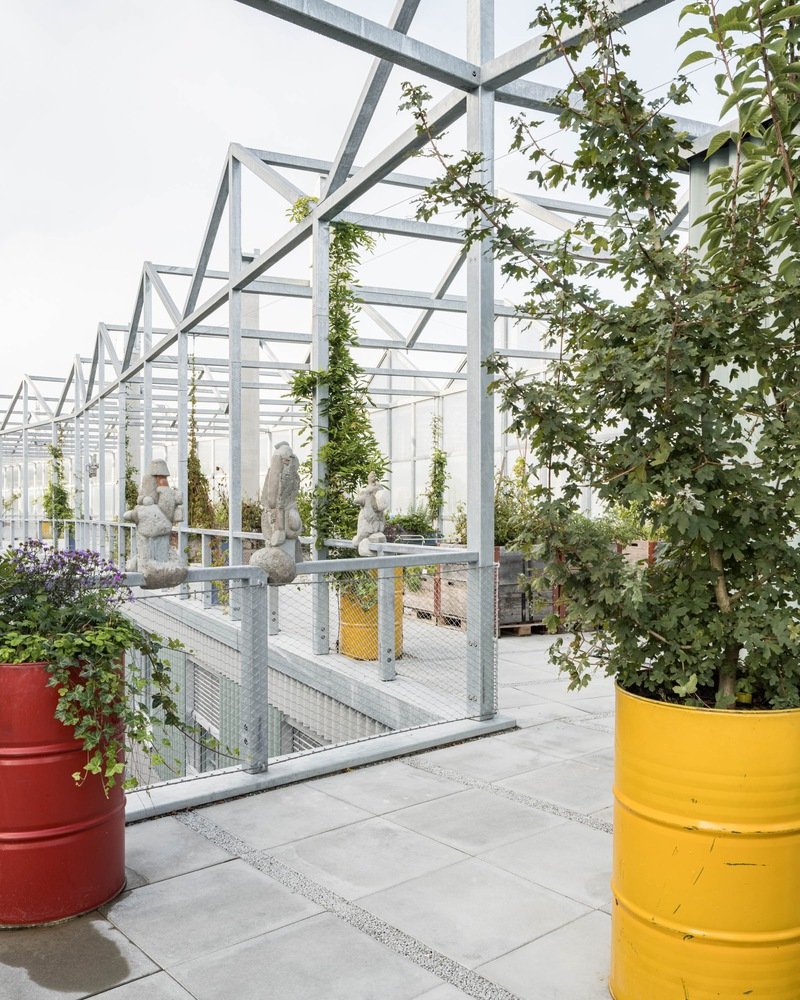
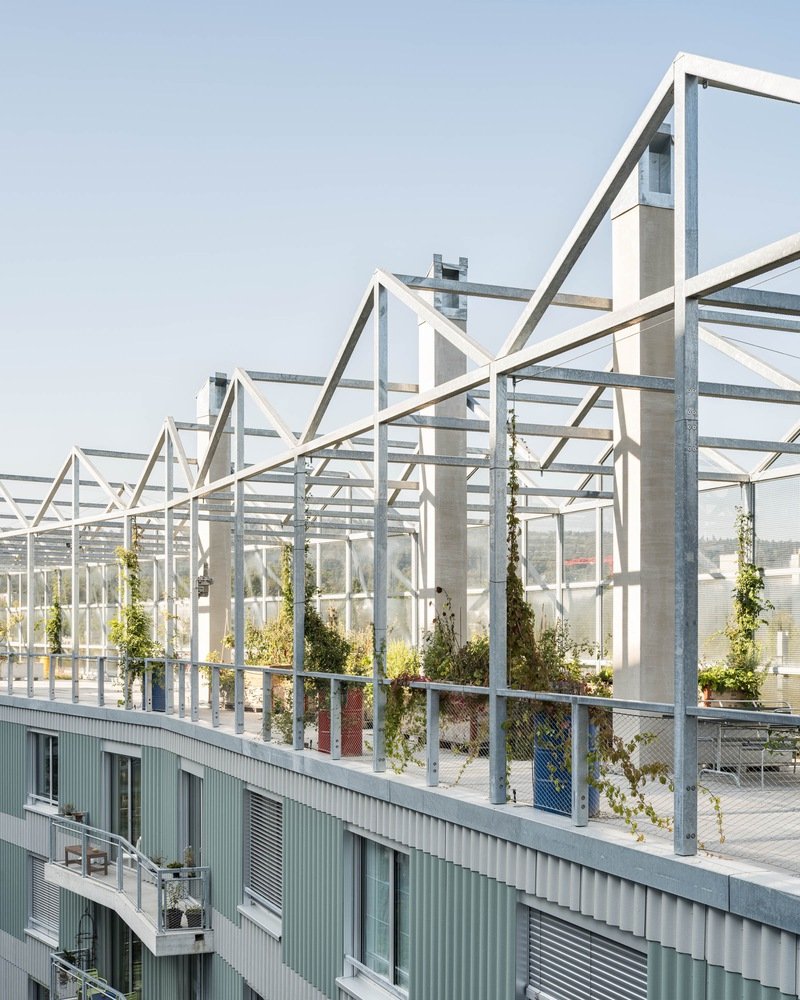
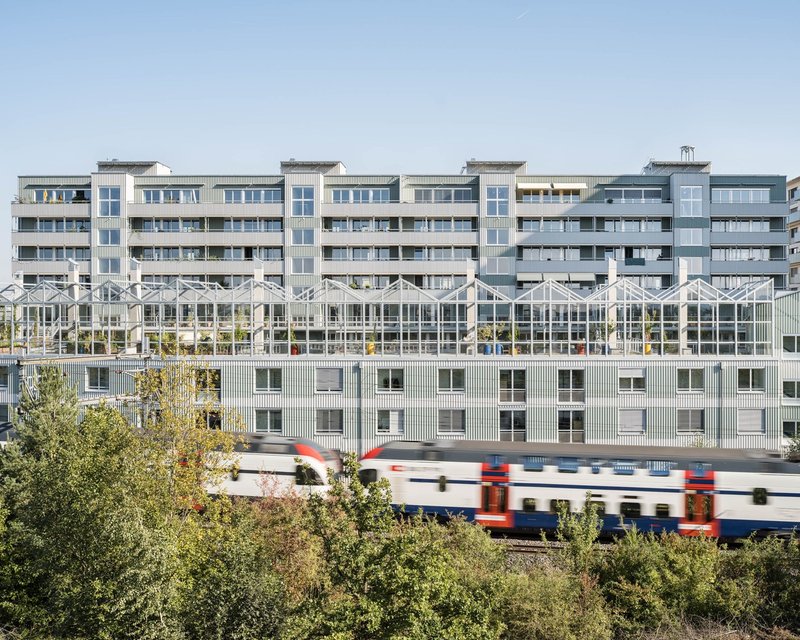
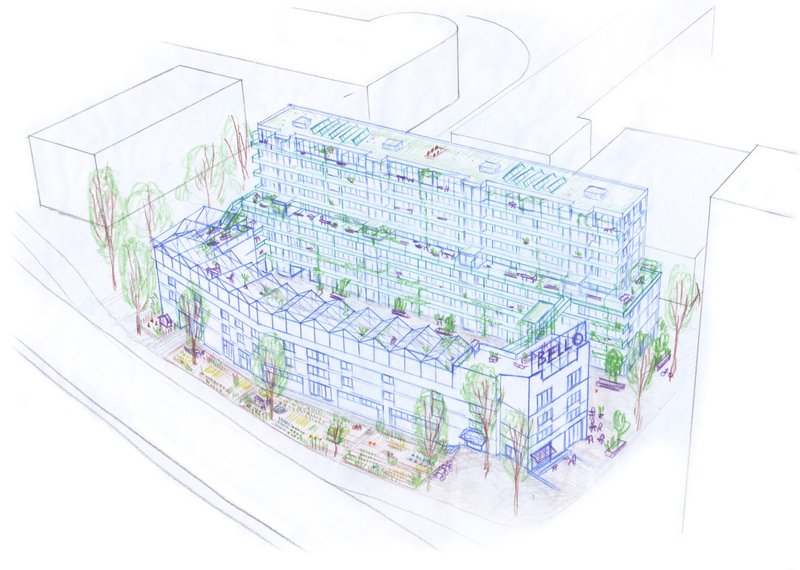
- Roof Terrace for Urban Gardening: This semi-public space not only offers recreational opportunities but also promotes urban farming, contributing to local food production and providing a green oasis in the urban environment.
- Biodiversity Support: The incorporation of nesting aids for birds, bats, and wild bees, alongside vertical gardens and bio-diverse landscaping, transforms the building into a living ecosystem that supports urban wildlife.
Architectural and Material Innovations
Material Use and Construction
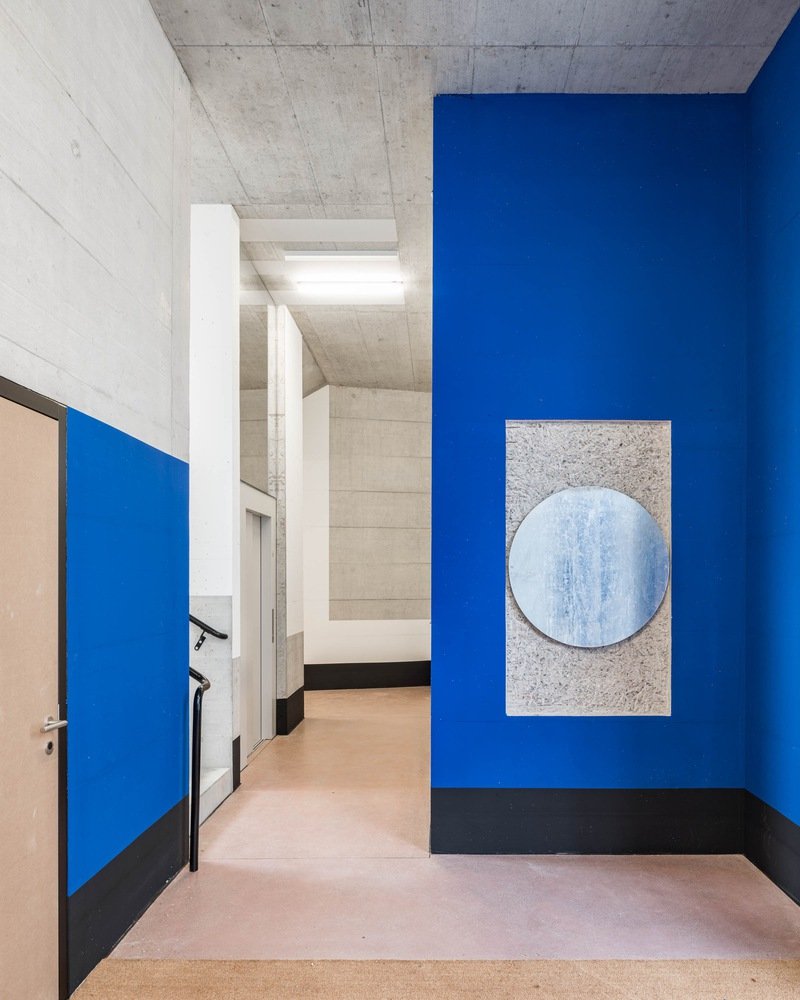
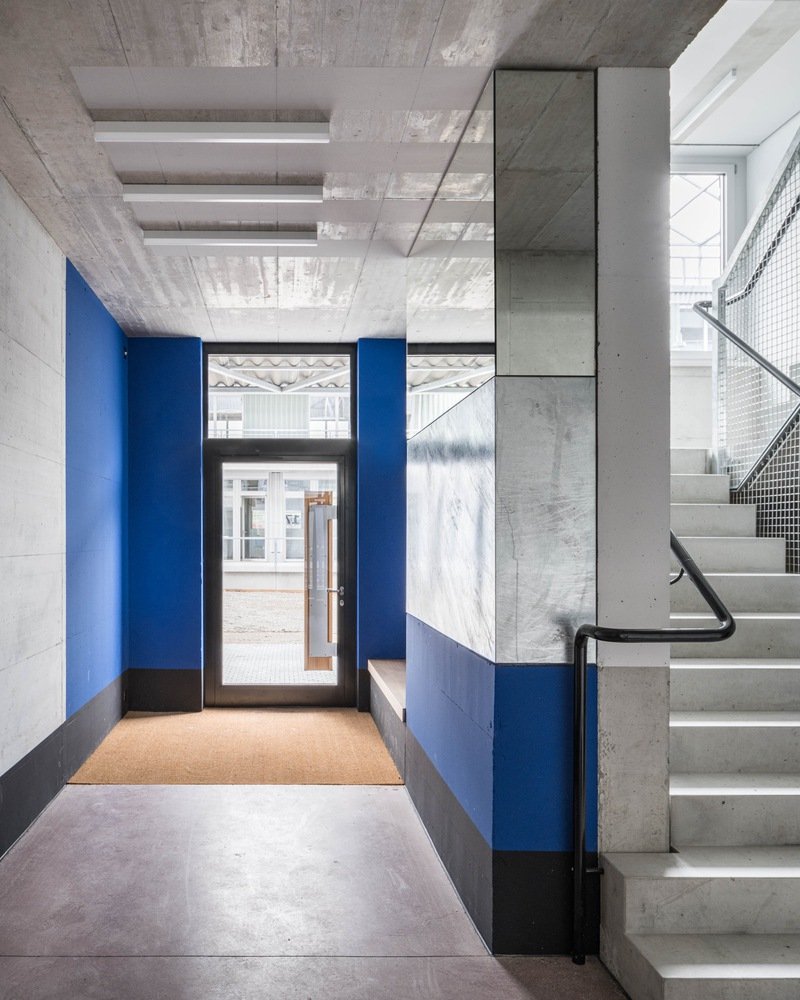
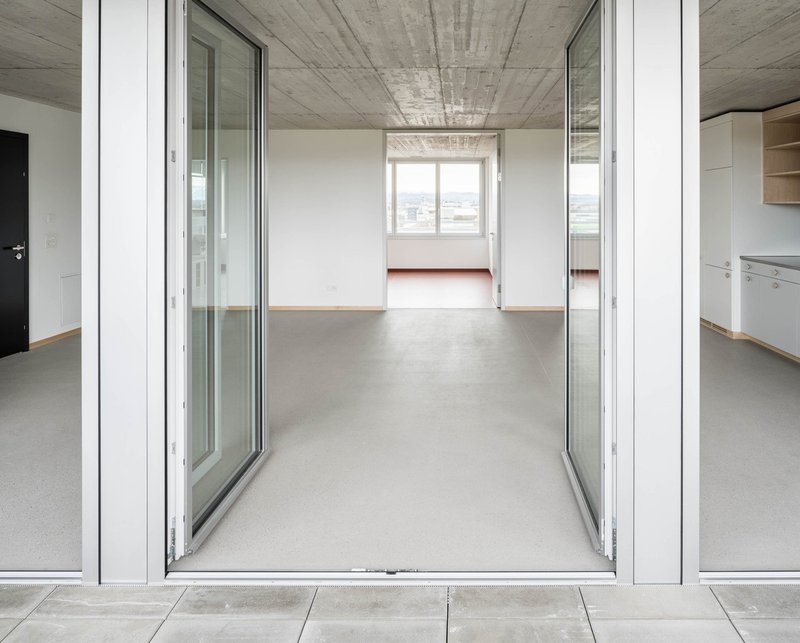
Hochbord Housing employs large-format corrugated Eternit panels and a pergola construction reminiscent of the site’s greenhouse past. These materials not only reflect the industrial heritage of the area but also contribute to the building's sustainability by enhancing its energy efficiency and reducing maintenance requirements.
Energy Efficiency and Sustainability
Further pushing the envelope of eco-friendly urban housing, the project utilizes locally sourced materials and renewable energy sources to minimize its ecological footprint. The building is designed to be self-sustaining, with energy requirements met through advanced geothermal and photovoltaic systems.
The Future of Urban Housing
Hochbord Housing by Conen Sigl Architekten represents a forward-thinking approach to urban residential design, combining sustainability with active community building. As cities continue to evolve, projects like Hochbord Housing offer valuable insights into how architecture can play a crucial role in shaping sustainable urban landscapes. By prioritizing ecological integration and community connectivity, such projects set new standards for eco-friendly urban housing.
All photographs are work of Roman Keller


Popular Articles
Popular articles from the community

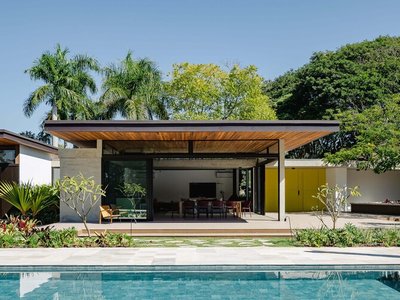
Flamboyant House by Juliana Camargo + Prumo Projetos
Modern Brazilian house integrating existing tree, pool, and volumes with glass, wood, and transitional spaces blending interior, exterior, and landscape seamlessly.
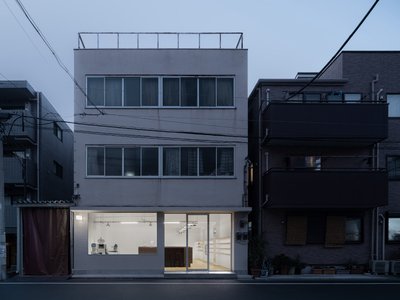
Atelier Macri Concept Store Interior Design by CASE-REAL
Atelier Macri store features a "ko" counter, walnut wood details, cork displays, blending retail, gallery, and seamless customer experiences.
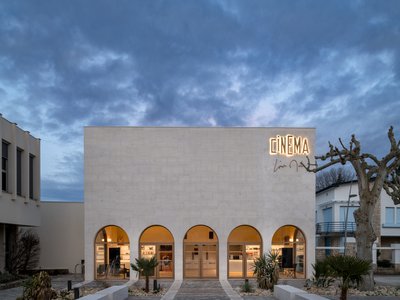
Louis Malle Cinema: A Limestone Cultural Landmark Revitalizing Community Life in Prayssac
Limestone cinema extension with public forecourt, blending heritage and modern design to create flexible cultural spaces and strengthen community interaction.

Solar Steam: A Climate-Responsive Architecture That Redefines the Monument
A climate-responsive memorial architecture that transforms heat, decay, and time into a living system reflecting humanity’s ecological impact.
Similar Reads
You might also enjoy these articles


The Ken Roberts Memorial Delineation Competition (Krob)
As the most senior architectural drawing competition currently in operation anywhere in the world, it draws hundreds of entries each year, awarding the very best submissions in a series of medium-based categories.

Waterfront Redevelopment and Urban Revitalization in Mumbai: Forging a New Dawn for Darukhana
A transformative waterfront redevelopment project reimagining Darukhana’s shipbreaking heritage into an inclusive urban future.
OUT-OF-MAP: A Call for Postcards on Feminist Narratives of Public Space
Rhizoma Design and Research Lab invites artists, designers, architects, researchers, and students to reflect on how feminist perspectives can reshape public space. Selected works will be exhibited in Barcelona, October 2026. Submissions open until 15 April 2026.


Documentation Work on Buddhist Wooden Temple
Architectural syncretism and cultural hybridity: A comparative study of the Buddhist temples in Chattogram Hill tracks


Explore Architecture Competitions
Discover active competitions in this discipline




The International Standard for Design Portfolios


The Global Benchmark for Architecture Dissertation Awards


The Global Benchmark for Graduation Excellence


Challenge to reimagine the Iron Throne
Comments (0)
Please login or sign up to add comments
No comments yet. Be the first to comment!