
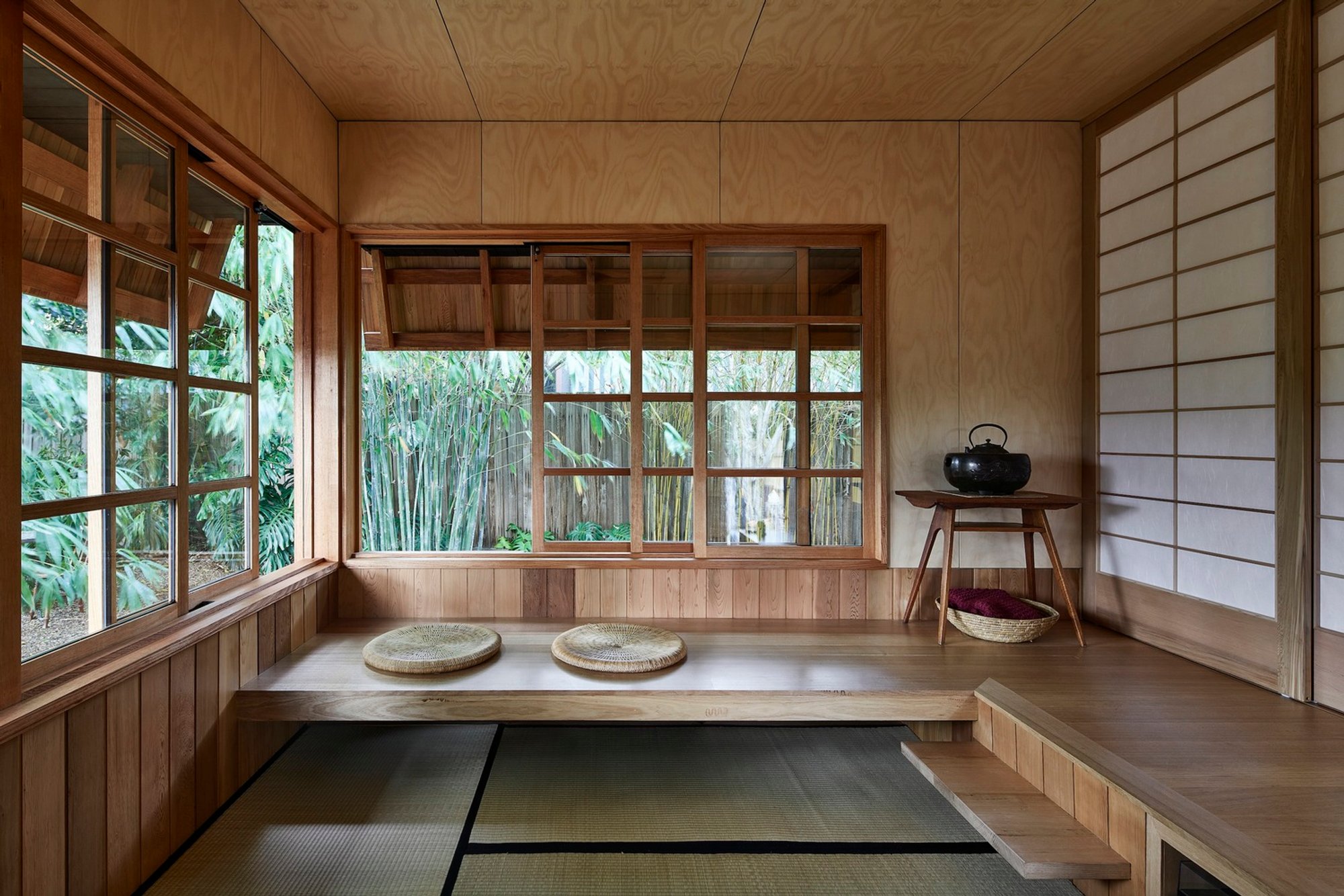
Ember House: A Masterpiece in Modern Studio Architecture
The article explores Ember House, a modern studio architecture design blending Japanese influences, minimalism, and nature for personalized spaces.

In 2023, MRTN Architects unveiled Ember House, a stunning architectural project that exemplifies the beauty and functionality of modern studio architecture. Nestled in the suburban landscape of Doncaster, Australia, the design integrates seamlessly with its natural surroundings, offering a unique blend of Japanese design principles and contemporary Australian architecture. The house comprises two distinct studio spaces, each designed to fulfill highly specific needs while maintaining an aesthetic harmony with the environment.
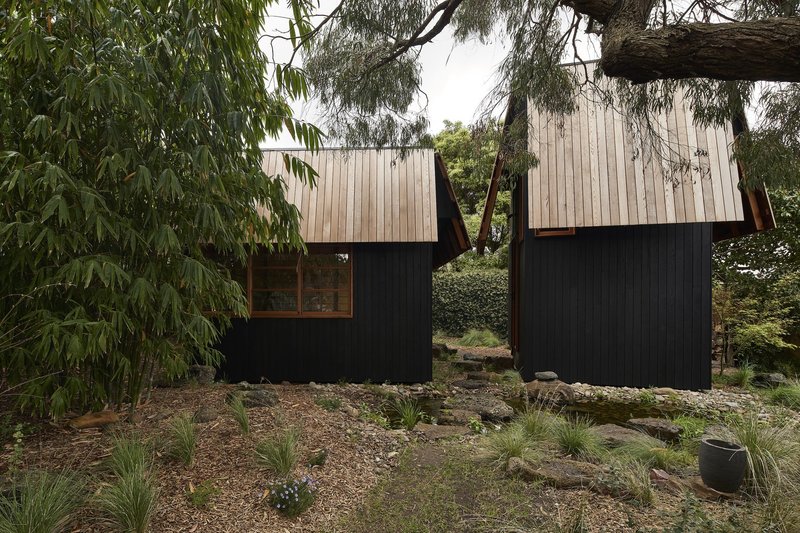
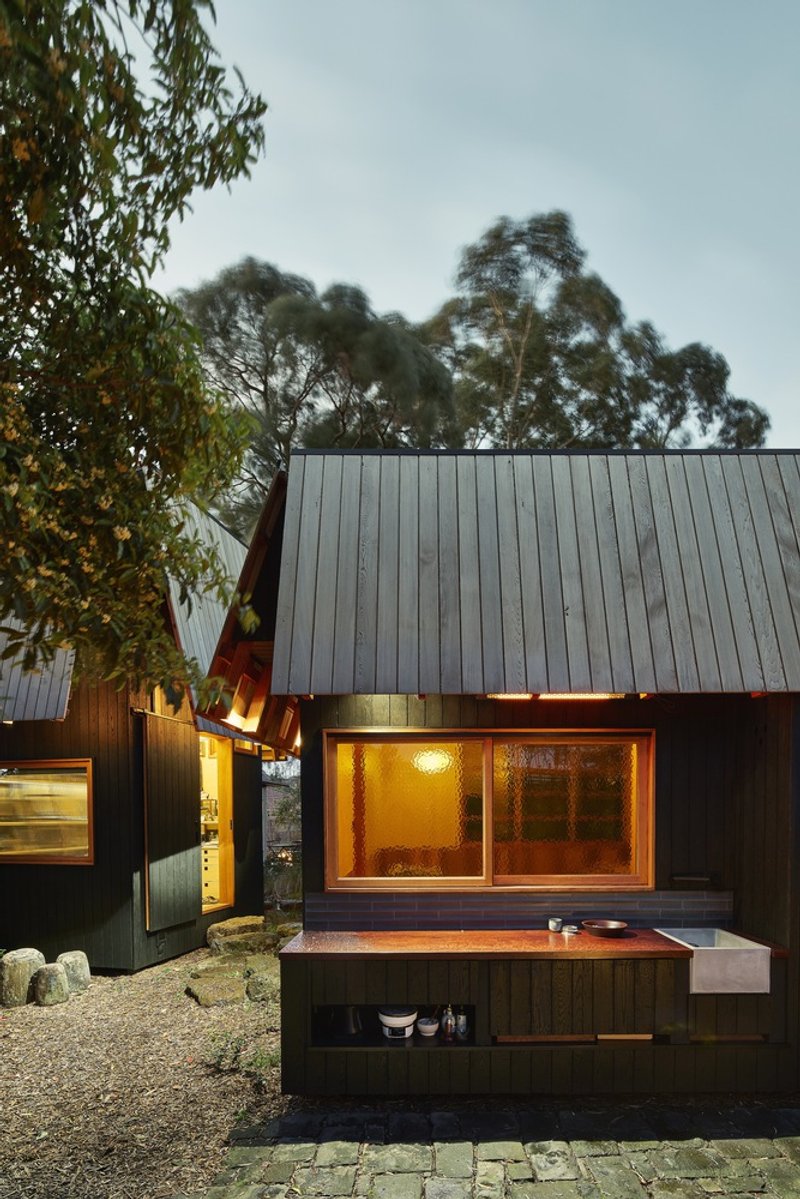
Embracing Modern Studio Architecture
The Ember House project is a compelling exploration of how modern studio architecture can enhance a home’s functionality and aesthetic appeal. Rather than conforming to conventional home extension designs, the project introduces two autonomous, highly personalized studios that serve separate purposes for the clients: one dedicated to work, the other to relaxation. This innovative approach showcases the flexibility and versatility of modern studio design.
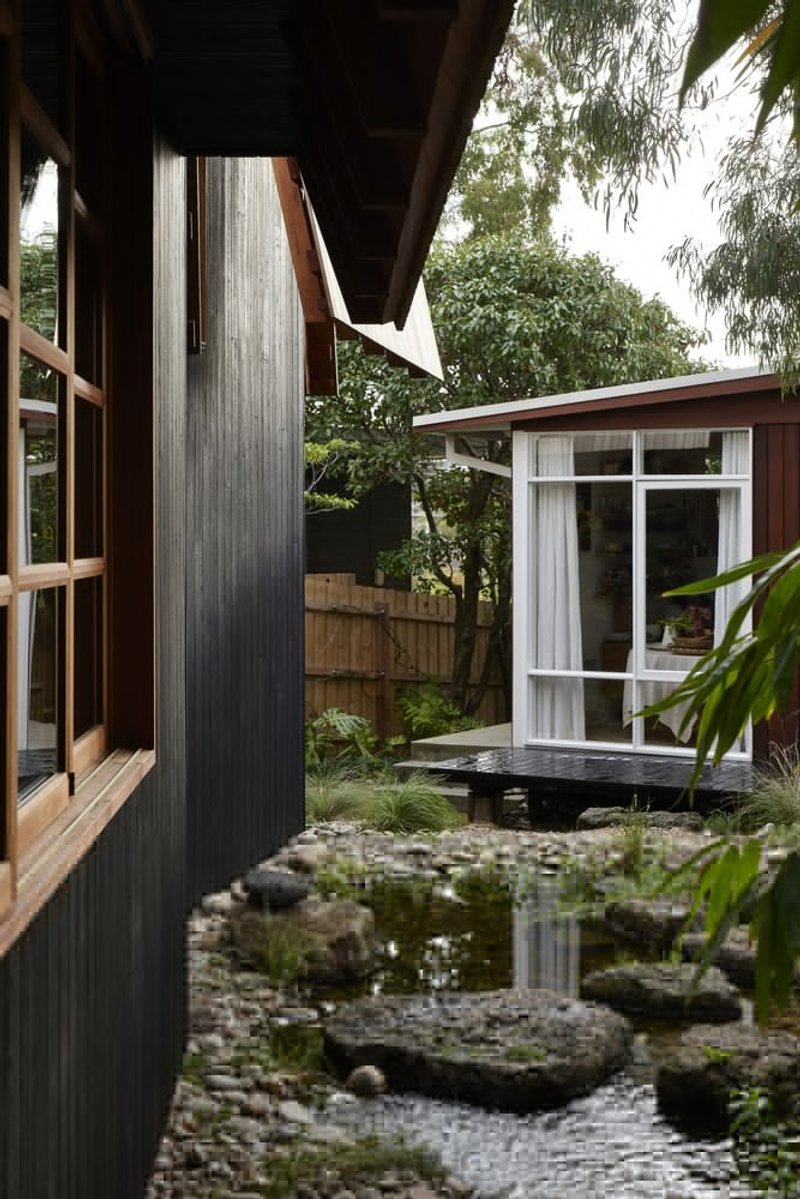
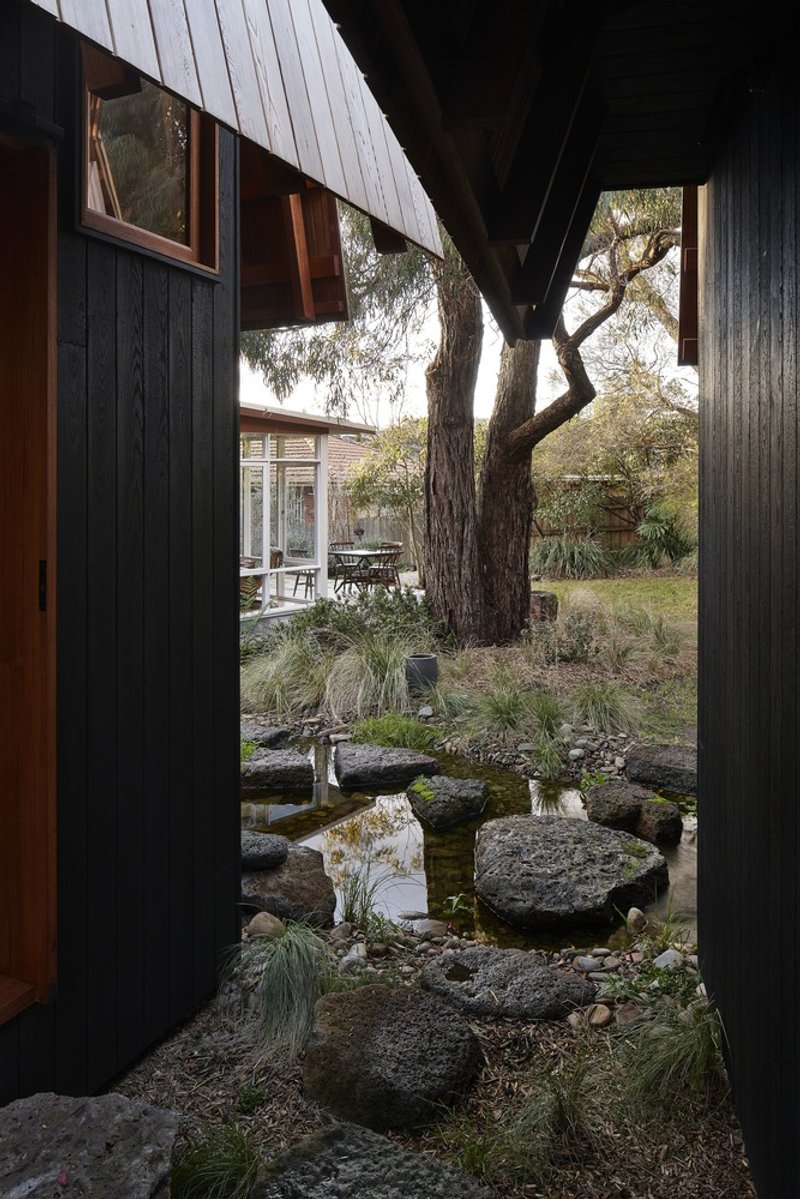
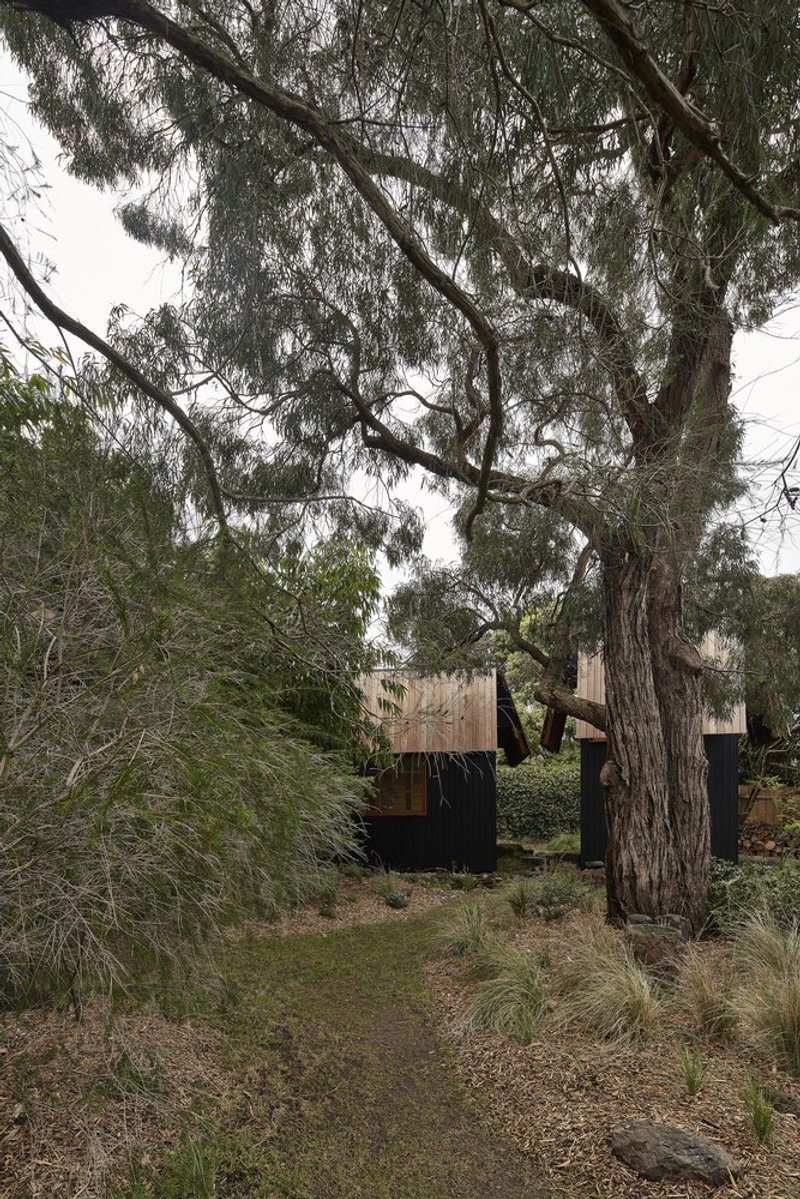
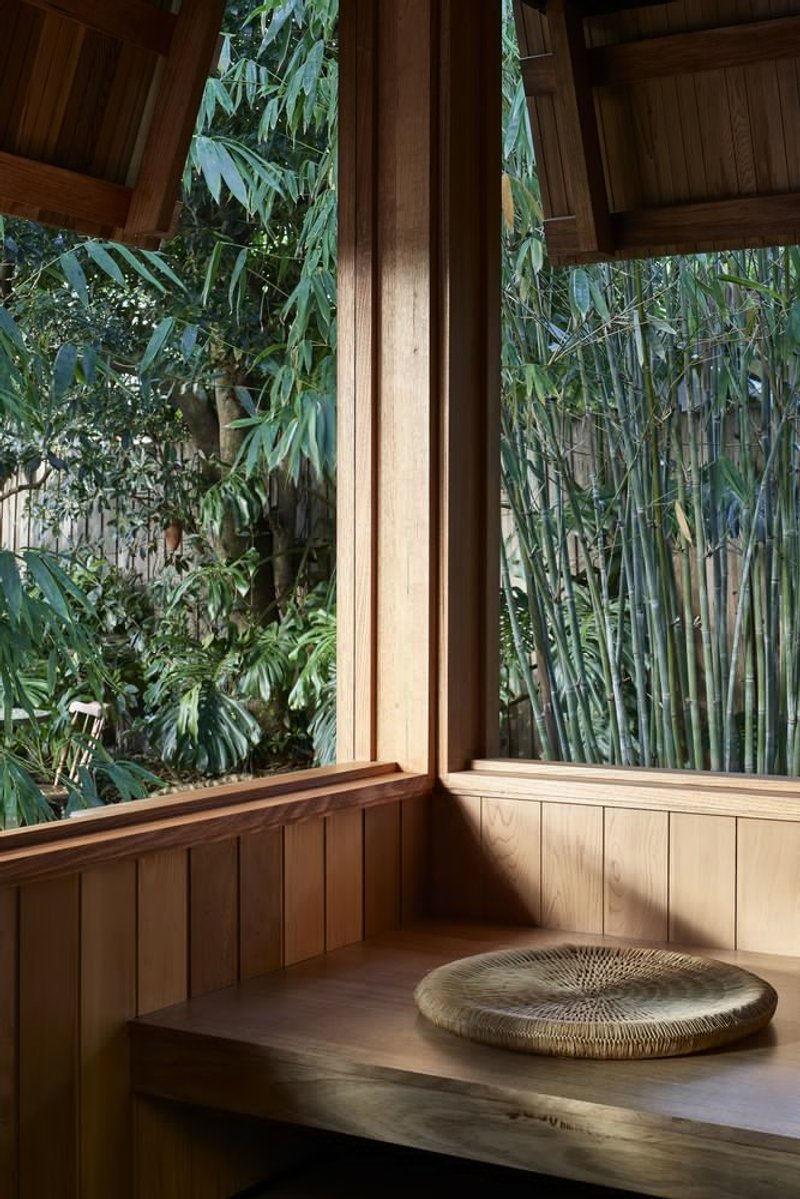
The garden studio is strategically placed within the site’s lush backyard, which evokes a forest-like atmosphere. This thoughtful positioning allows the studio to serve as a private, tranquil space for reflection, while maintaining a visual and functional connection to the main house. The architects drew inspiration from traditional Japanese architecture, particularly tea houses, to create spaces that are both purposeful and evocative.
The Role of Japanese Design Influence
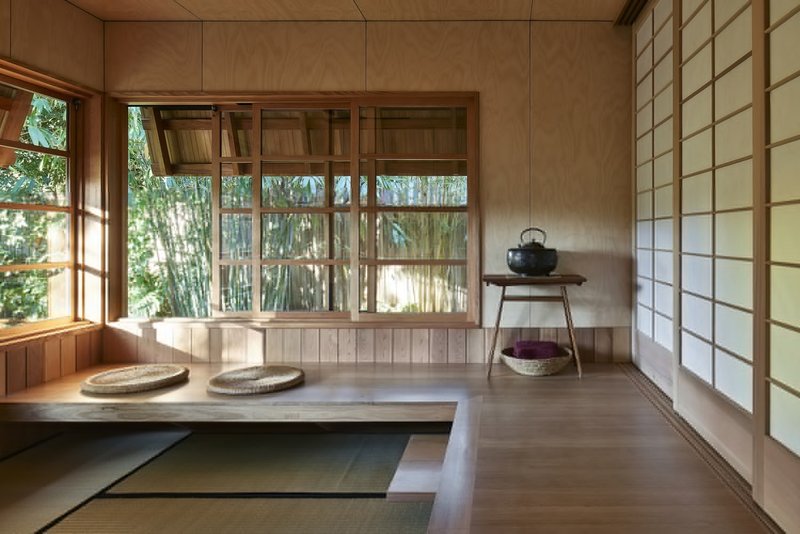
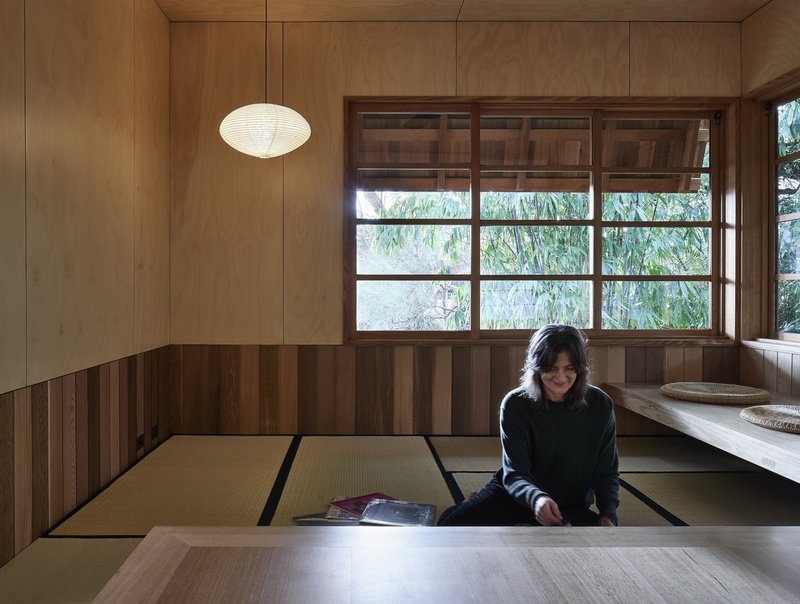
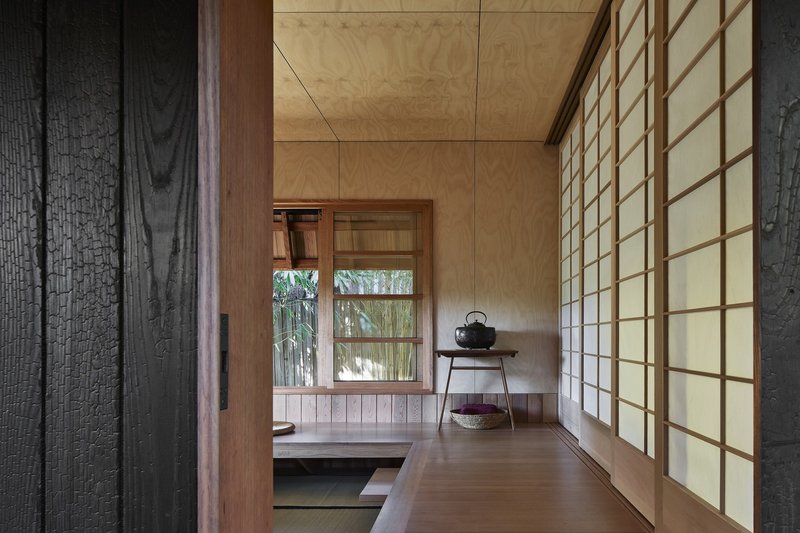
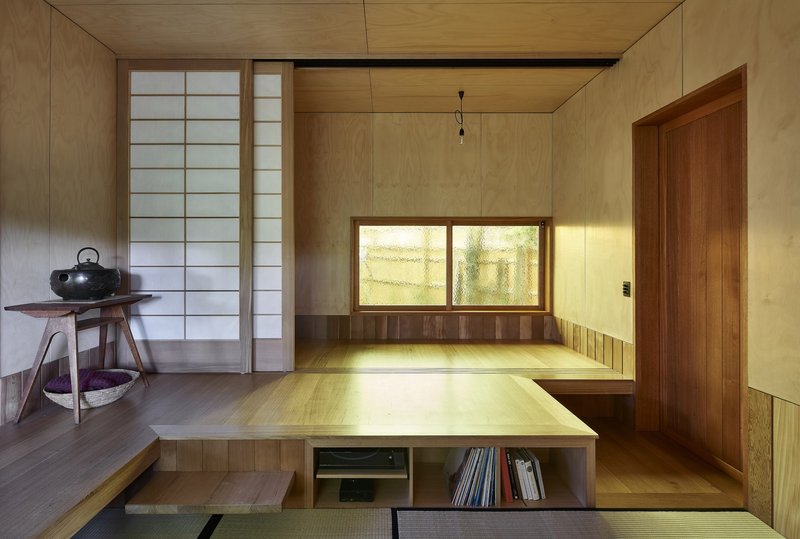
The design of Ember House incorporates specific elements from traditional Japanese architecture, which can be seen in the careful placement of the studios within the garden, and the use of materials such as tatami matting and shoji screens. The architects intentionally avoided directly copying the famous Robin Boyd-designed CHI home, yet took inspiration from the minimalist, functional approach found in Japanese tea houses.
This synthesis of Japanese design with Australian residential architecture creates a dialogue between the built environment and nature, emphasizing natural materials, open spaces, and carefully considered sightlines. The designers sought to achieve a sense of peaceful cohabitation between the studios, the house, and the surrounding garden.
A Limited Palette of Materials
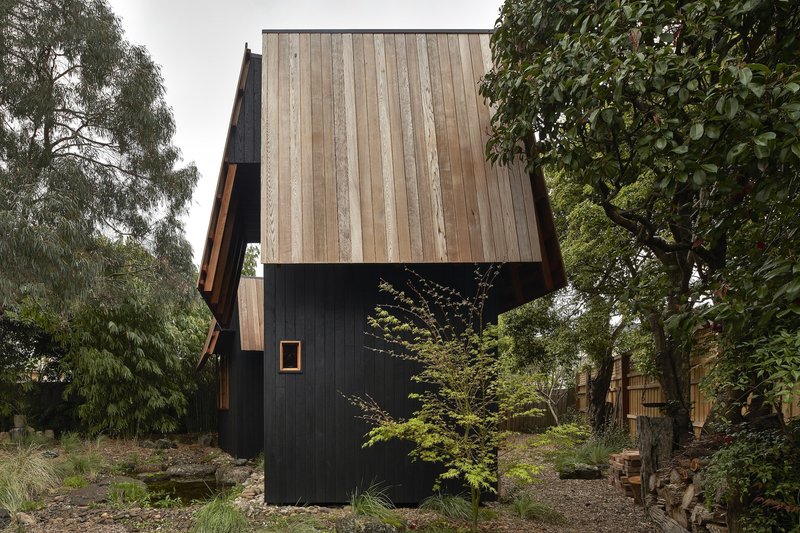
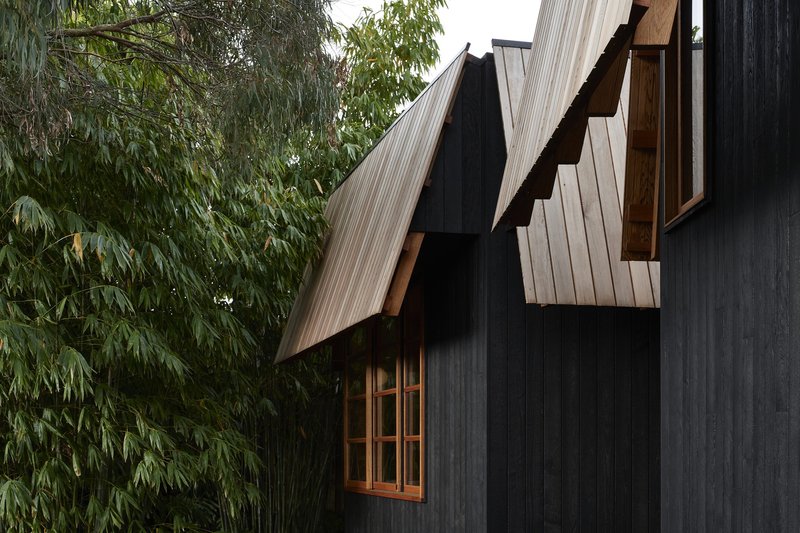
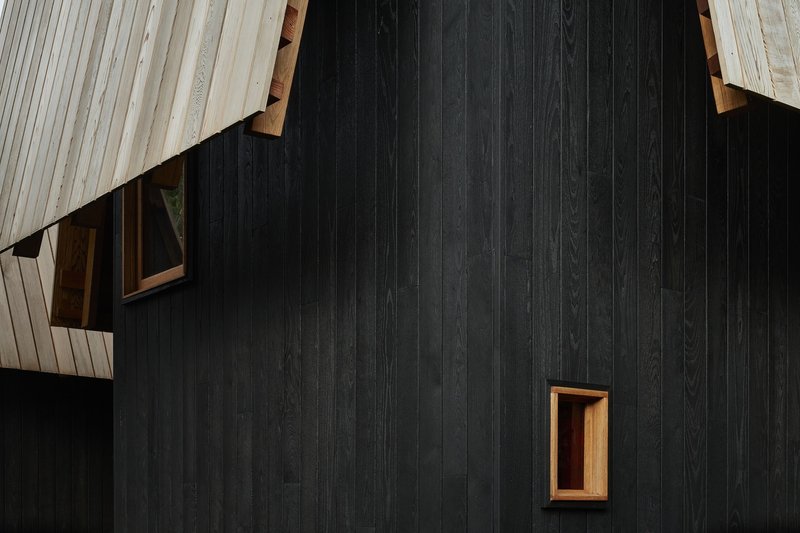
One of the defining aspects of Ember House is the minimalist approach to materials. The architects chose a limited palette, which includes cedar and shou sugi ban burnt ash cladding. This choice not only enhances the overall aesthetic but also ensures a cohesive, calming effect that allows the building to blend harmoniously with its natural surroundings. The use of sustainable, durable materials also speaks to the architects' commitment to creating environmentally responsible designs.
Interior Design: Traditional Meets Contemporary
Inside the non-work studio, the design team had the freedom to explore more traditional elements of Japanese interiors. The inclusion of tatami matting and shoji screens enhances the atmosphere of tranquility and relaxation, creating a space that feels both timeless and modern. The challenge for the architects was to strike a balance between tradition and innovation, ensuring the design was both culturally significant and highly functional.
The work studio, on the other hand, is designed with a more contemporary approach, integrating cutting-edge technology and materials to foster a productive, efficient environment for the client. This contrast between traditional and modern elements allows each studio to have its own unique character while still being part of the larger, cohesive design.
The Spatial Experience: Communication Between Studios
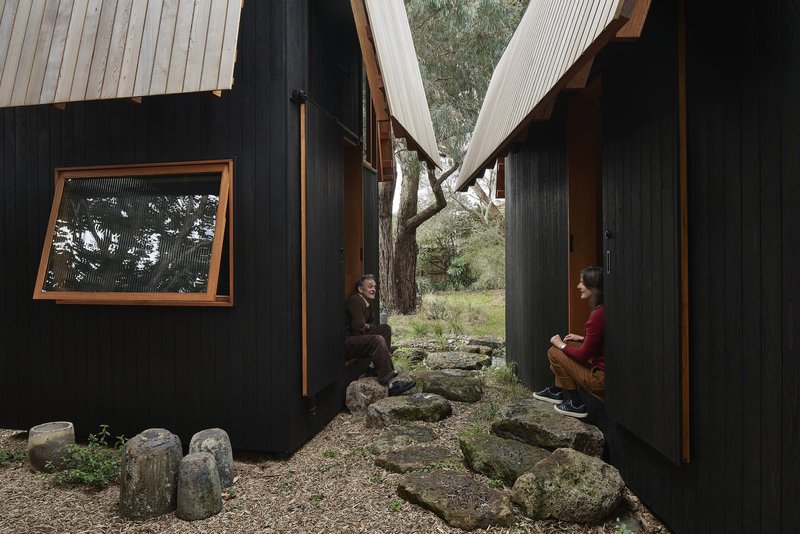
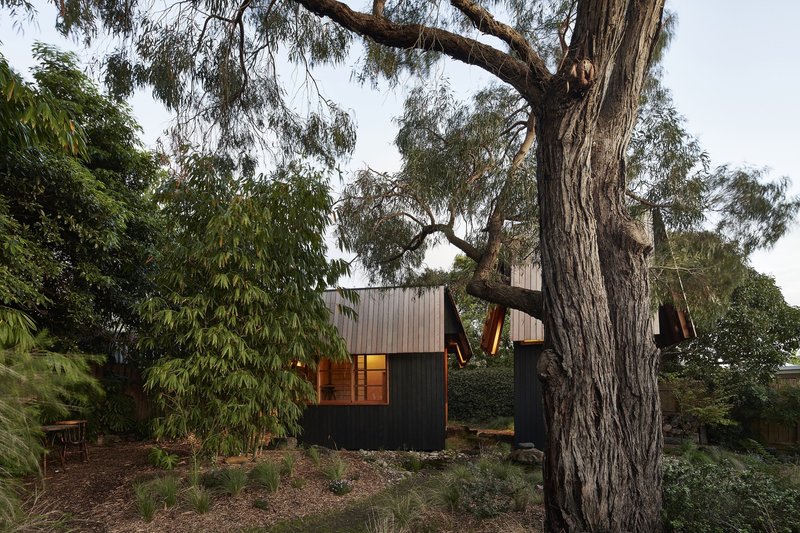
The two studios, although distinct in their functions and designs, communicate quietly with each other through careful alignment of views and placement within the garden. The connection between the spaces is subtle, yet profound, creating a harmonious interaction that enhances the overall experience of the home. The way the studios are positioned within the landscape and the shared views of an eucalypt tree reinforce the connection between nature and architecture.
The designers were particularly pleased with how the two spaces appear to have their own personalities, each with a scale and presence that may be difficult to perceive in photographs alone. It's as though the studios have distanced themselves from the main house to form a secret dialogue, offering the clients a peaceful retreat away from the world.
A Special Gathering Space: The Heart of Ember House
One of the hidden gems of the Ember House design is the cooking/eating/gathering space, located behind the two studios. This special area is created through the careful placement of the studios and allows for a truly unique experience. Surrounded by nature, the space evokes the feeling of camping with friends, offering a warm, communal atmosphere. It's a space that encourages social interaction, reflection, and relaxation—perfectly complementing the more private, contemplative environment of the studios.
A Perfect Synthesis of Function and Beauty
Ember House by MRTN Architects is a prime example of how modern studio architecture can elevate the design of a home. With a thoughtful blend of Japanese influences, minimalist material choices, and a deep respect for the surrounding landscape, the architects have created a space that serves both practical and emotional needs. The two studios offer tailored environments for work and relaxation, while the design integrates beautifully into the natural world, fostering a sense of peace and connection.
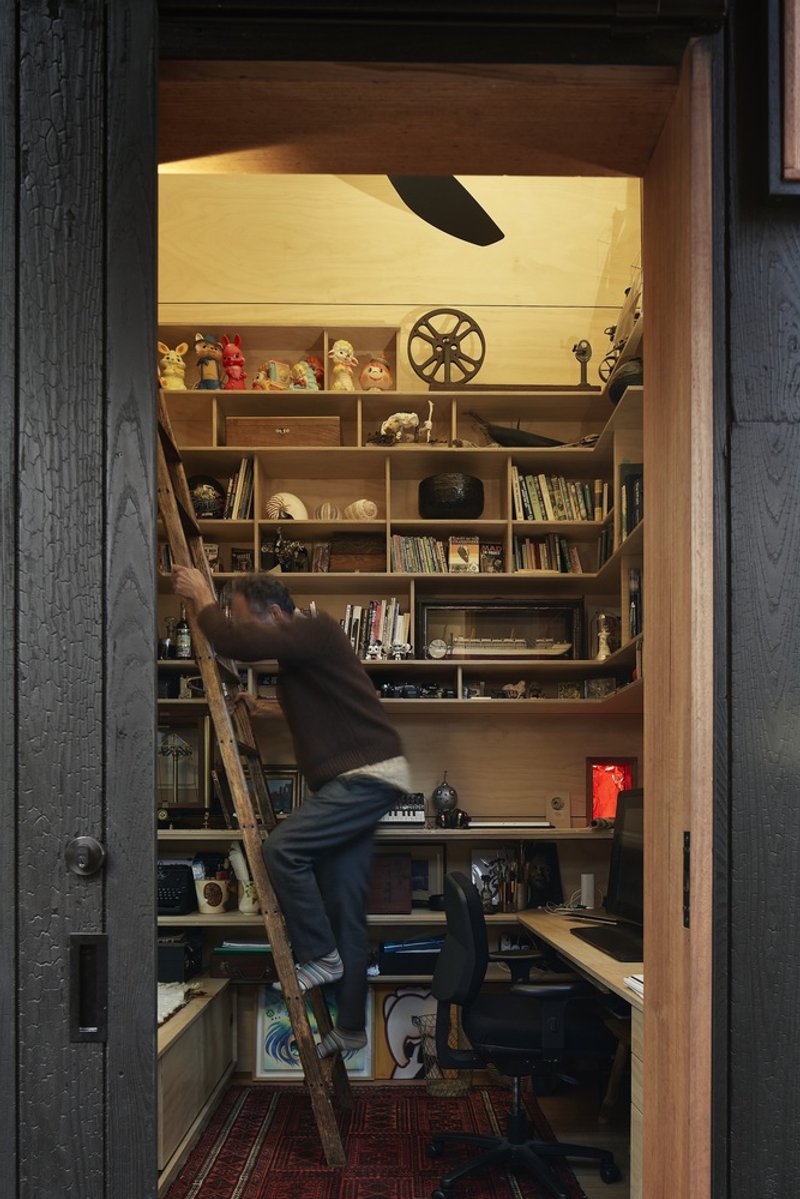
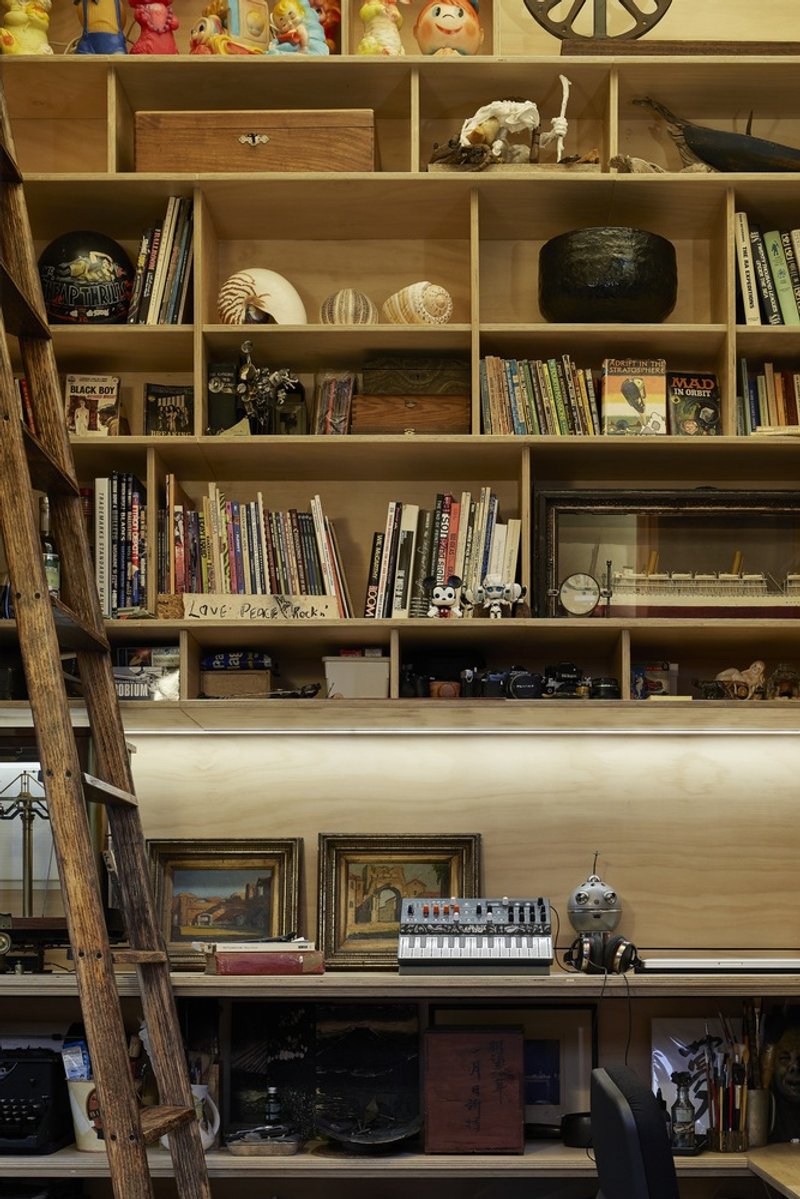
All photographs are work of Anthony Basheer




Popular Articles
Popular articles from the community

Treehouse Apartment: A Warm Timber Interior Blending Craft, Play, and Contemporary Living
Warm timber apartment with integrated treehouse, combining natural materials, craftsmanship, and playful design to create a flexible, family-oriented living environment.

Solar Steam: A Climate-Responsive Architecture That Redefines the Monument
A climate-responsive memorial architecture that transforms heat, decay, and time into a living system reflecting humanity’s ecological impact.


The Ken Roberts Memorial Delineation Competition (Krob)
As the most senior architectural drawing competition currently in operation anywhere in the world, it draws hundreds of entries each year, awarding the very best submissions in a series of medium-based categories.
A Contemporary Take on Iranian Residential Architecture
A modern interior design in Mashhad that reinterprets brick, light, and spatial flow to create a warm, contemporary residential architecture.


Similar Reads
You might also enjoy these articles
The Ken Roberts Memorial Delineation Competition (Krob)
As the most senior architectural drawing competition currently in operation anywhere in the world, it draws hundreds of entries each year, awarding the very best submissions in a series of medium-based categories.


Waterfront Redevelopment and Urban Revitalization in Mumbai: Forging a New Dawn for Darukhana
A transformative waterfront redevelopment project reimagining Darukhana’s shipbreaking heritage into an inclusive urban future.

OUT-OF-MAP: A Call for Postcards on Feminist Narratives of Public Space
Rhizoma Design and Research Lab invites artists, designers, architects, researchers, and students to reflect on how feminist perspectives can reshape public space. Selected works will be exhibited in Barcelona, October 2026. Submissions open until 15 April 2026.


Documentation Work on Buddhist Wooden Temple
Architectural syncretism and cultural hybridity: A comparative study of the Buddhist temples in Chattogram Hill tracks

Explore Architecture Competitions
Discover active competitions in this discipline




The International Standard for Design Portfolios


The Global Benchmark for Architecture Dissertation Awards


The Global Benchmark for Graduation Excellence


Challenge to reimagine the Iron Throne
Comments (0)
Please login or sign up to add comments
No comments yet. Be the first to comment!