
ET-302 Memorial Architecture Design: A Tribute of Absence, Revelation, and Healing
This article explores the ET-302 Memorial's architecture design, a powerful tribute to loss, resilience, and healing through spatial storytelling.

Honoring Tragedy Through Architectural Expression
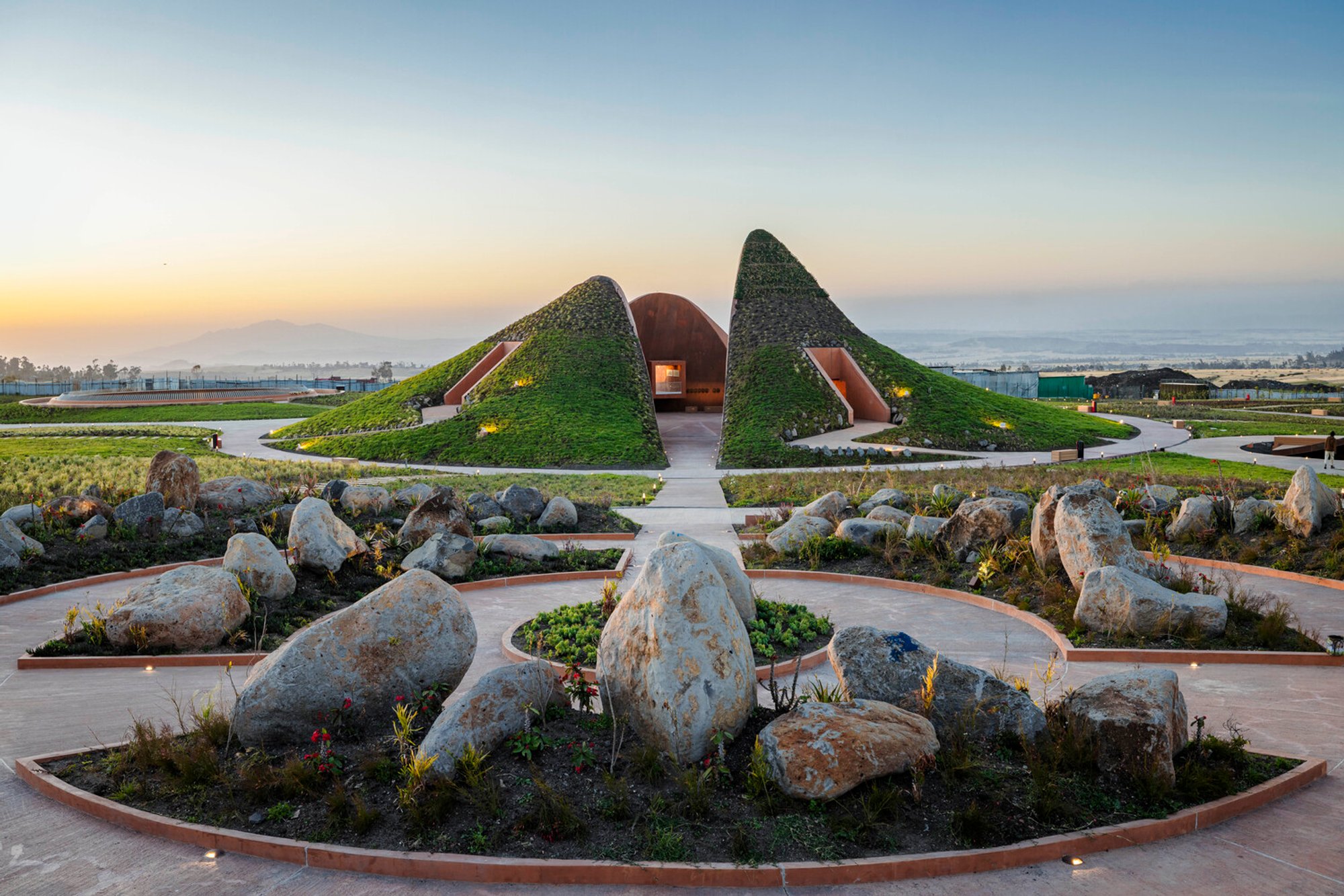
The ET-302 Memorial architecture design by Alebel Desta Consulting Architects and Engineers presents a profound spatial narrative that commemorates the victims of Ethiopian Airlines Flight 302. Set amidst the serene farmland of Ethiopia, this 40,000-square-meter memorial park embodies a delicate balance of remembrance, storytelling, and healing. The project transforms the crash site into a landscape of memory, reflection, and resilience.
A Site-Woven Journey of Memory
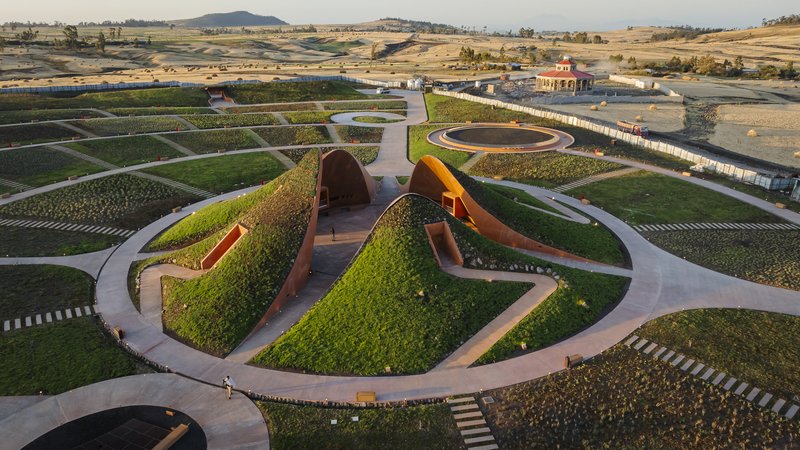
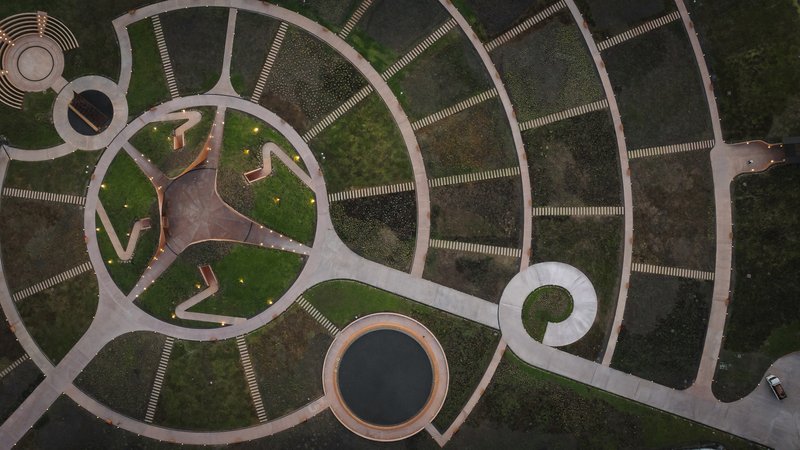
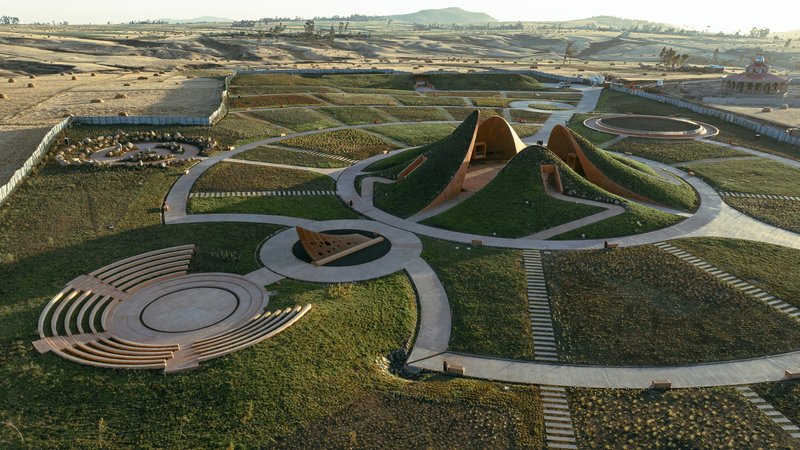
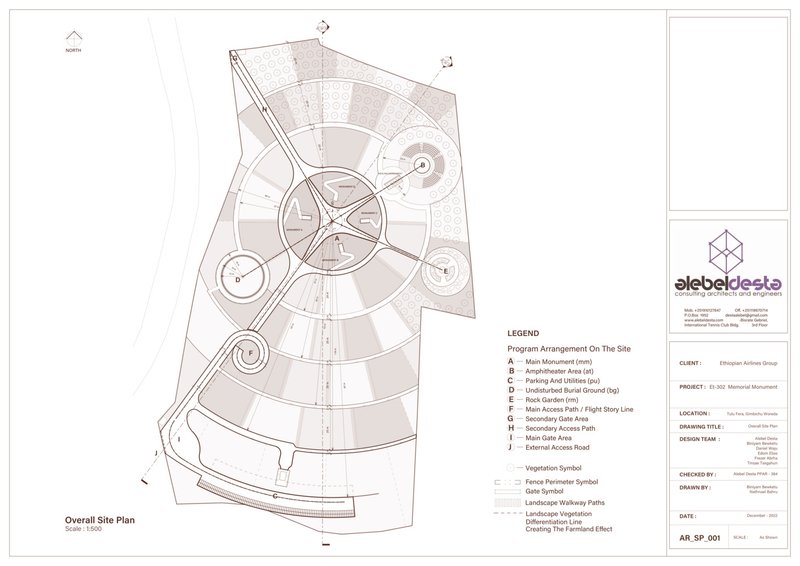
The design is rooted in three guiding principles: absence, revelation, and healing. These elements unfold spatially as visitors follow a sequence of interconnected paths leading from the southwest and northwest entrances. Each route evokes a different emotional and sensory experience. The southwest path traces the final six minutes and forty-four seconds of the flight, ultimately guiding visitors to the crash site and a powerful central monument. The northwest path offers a more contemplative progression, leading toward spaces for quiet reflection, including an amphitheatre, rock garden, and sacred burial ground.
Central Monument and Symbolic Geometry
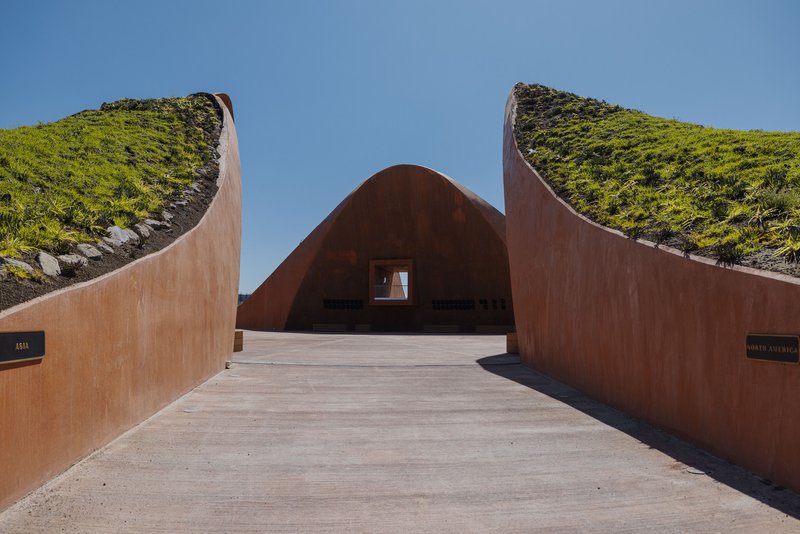
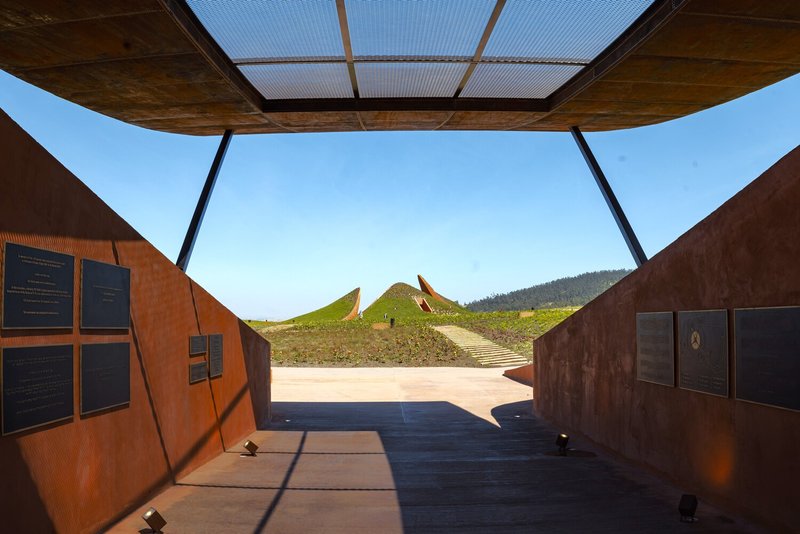
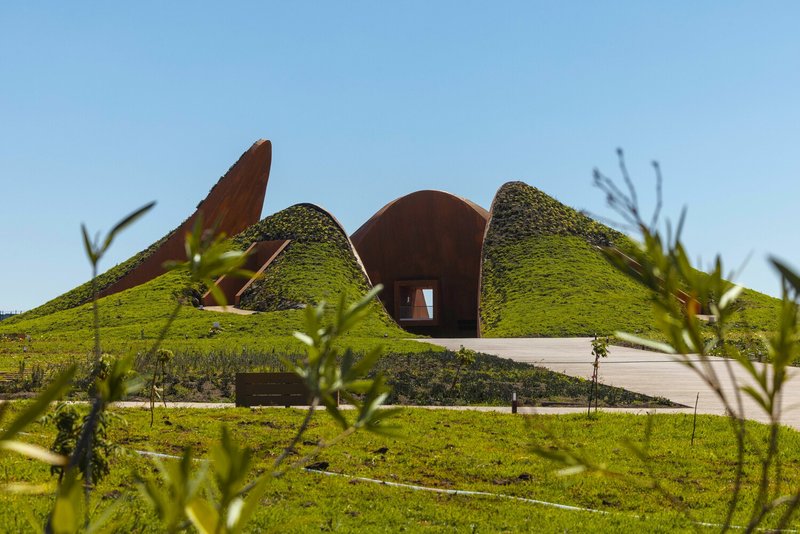
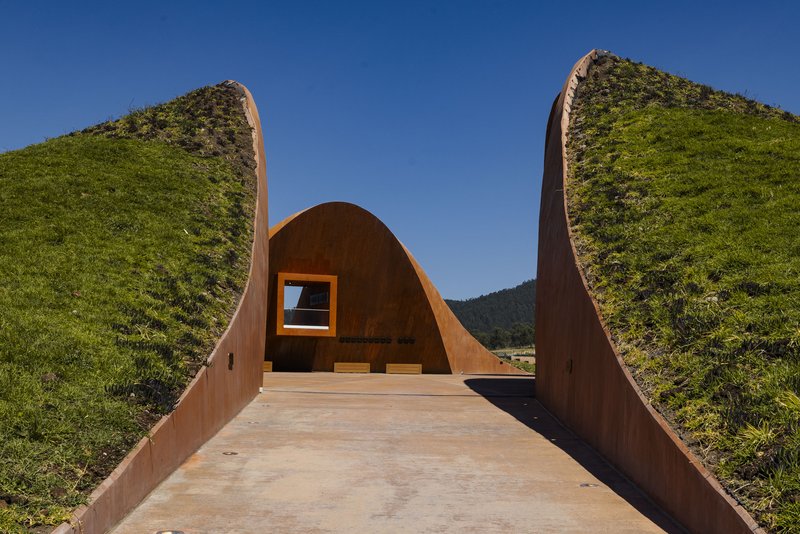
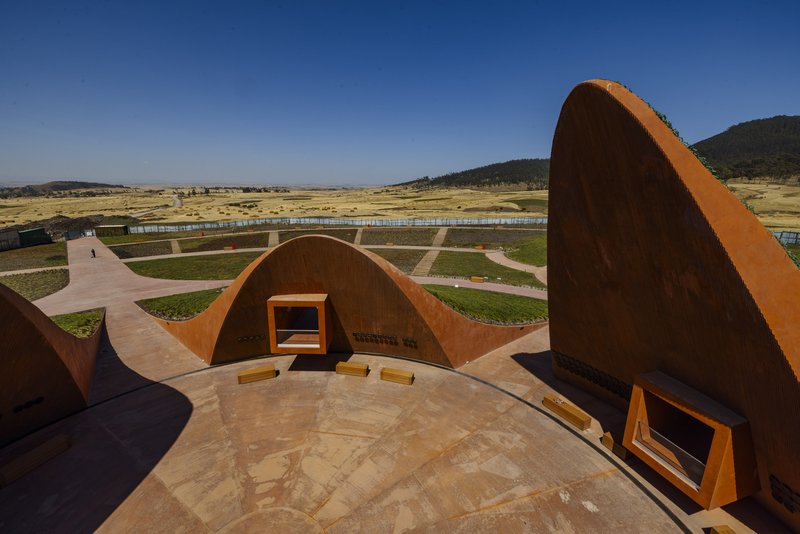
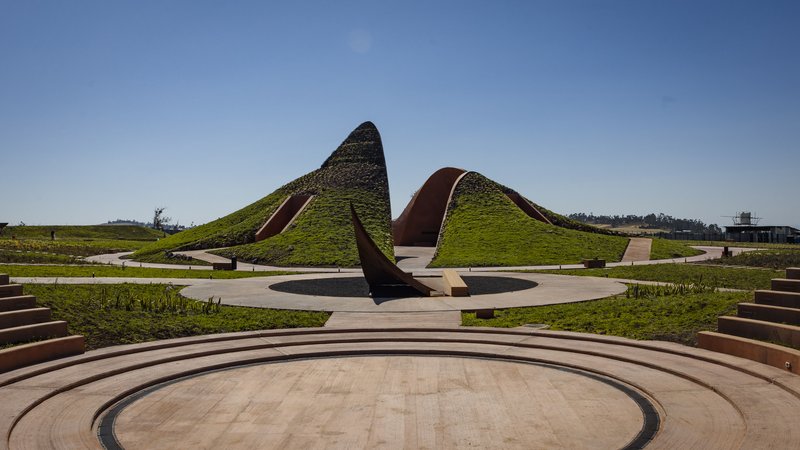
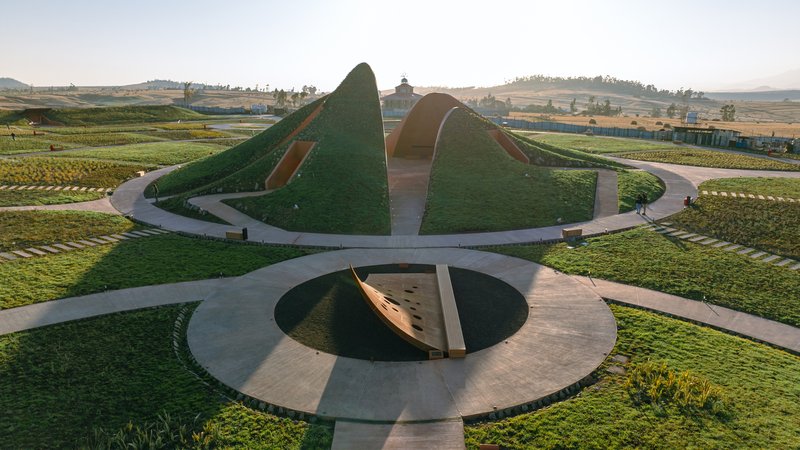
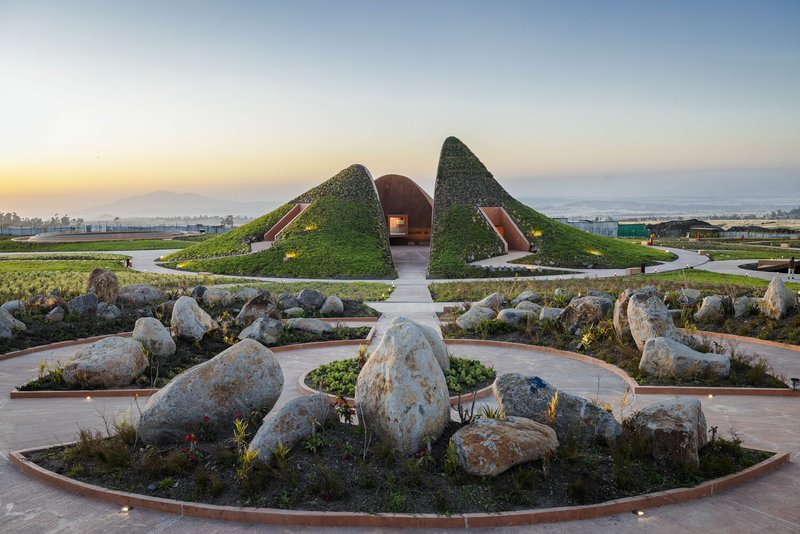
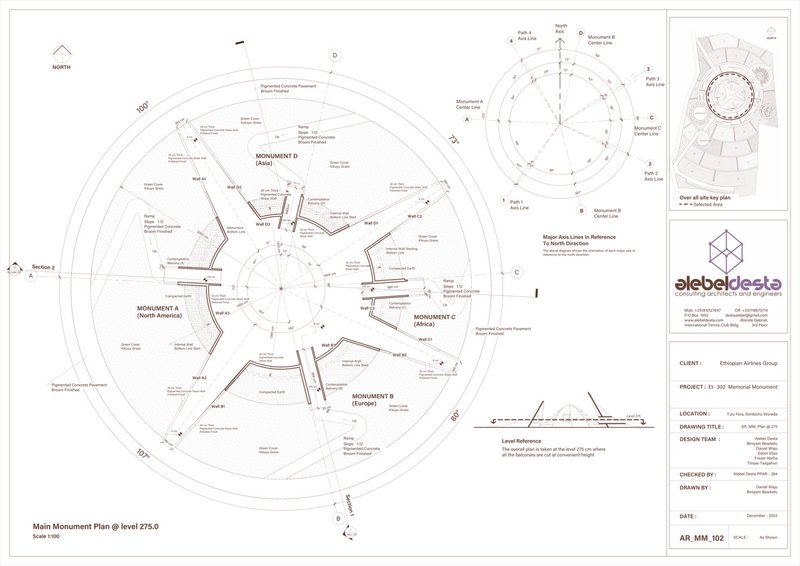
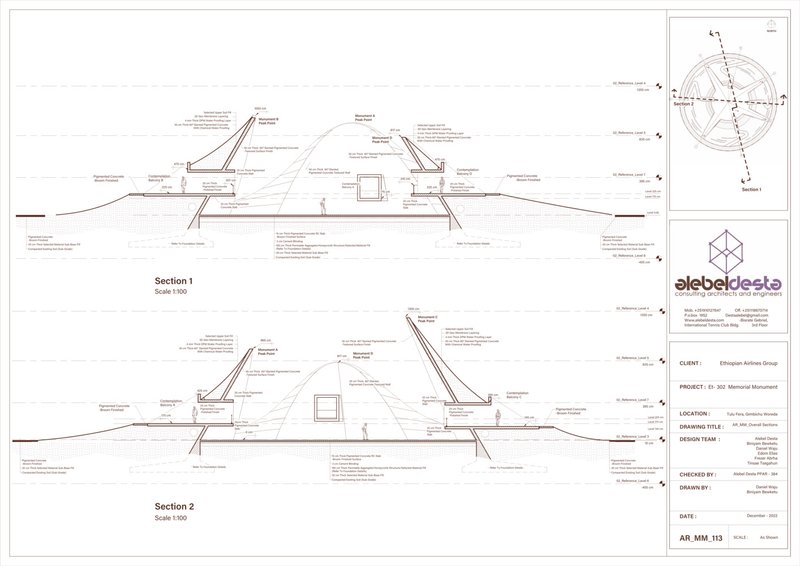
At the heart of the memorial lies the crash site, now marked by four earth-red, inclined concrete structures. Each represents a continent—Africa, Europe, North America, and Asia—reflecting the international composition of the victims. These monumental forms emerge from the ground with rough, textured surfaces inspired by Ethiopia’s rock-hewn heritage and the tectonic character of the Rift Valley. Embedded within these structures are plaques shaped like Boeing 737 MAX windows that list the victims by continent. Small cubicles within each structure offer private moments of solitude for visitors, merging personal remembrance with collective memory.
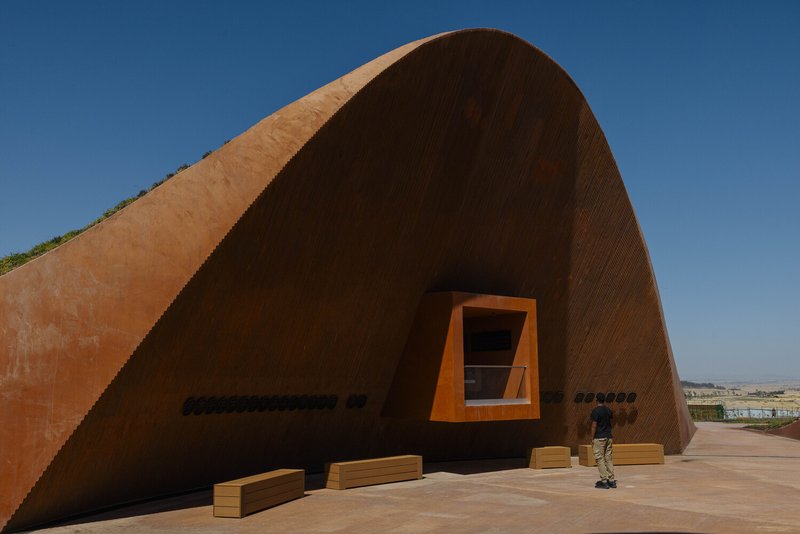
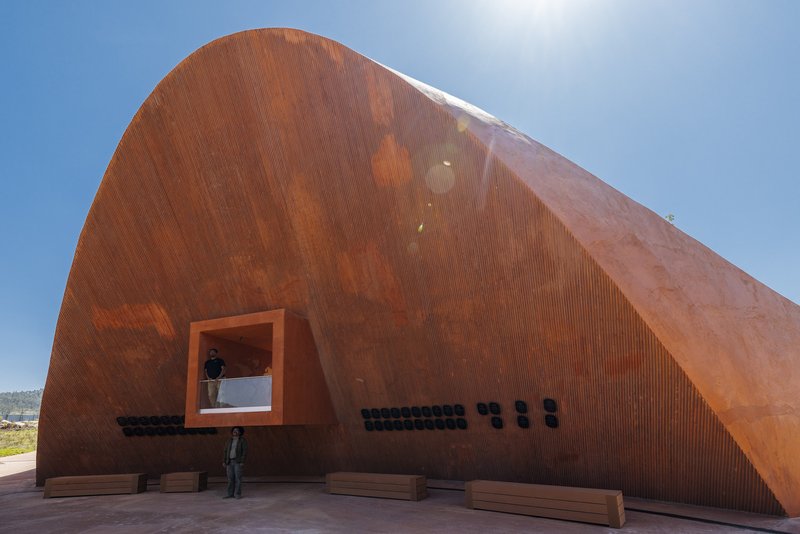
A distinctive auditory feature allows voices to echo within the monument, symbolizing the shared grief and unified legacy of those lost. Four radial paths extend outward, forming a metaphorical and spatial continuation of the lives remembered.
The Sacred Burial Circle
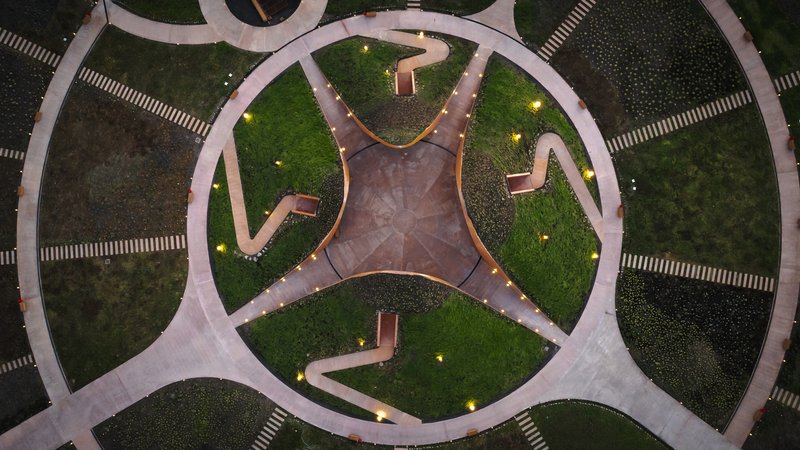
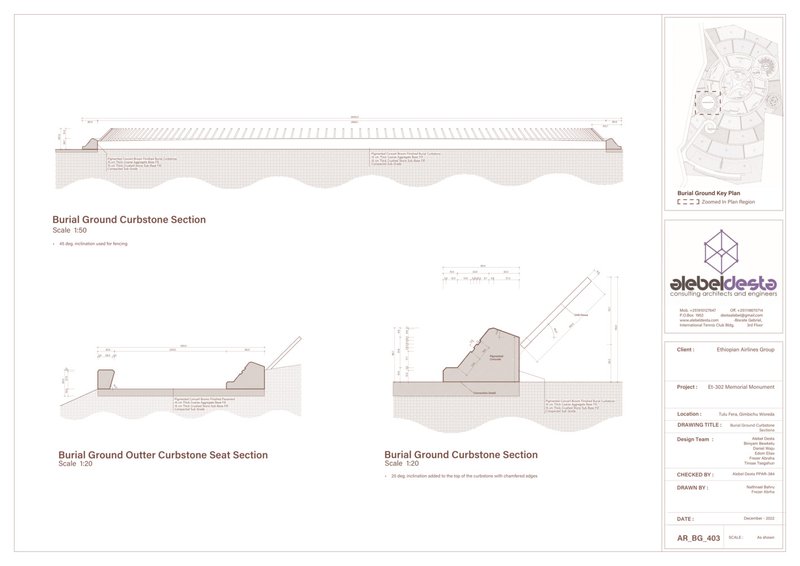
The burial ground, preserved in its natural form, is a sacred 28-meter-diameter circle. It is delicately encircled by an earth-red concrete walkway and inclined steel rails, which quietly define the space without intruding upon it. Visitors are encouraged to walk along the outer path, maintaining a respectful distance while still engaging deeply with the emotional gravity of the site.
The Healing Monument and Amphitheatre
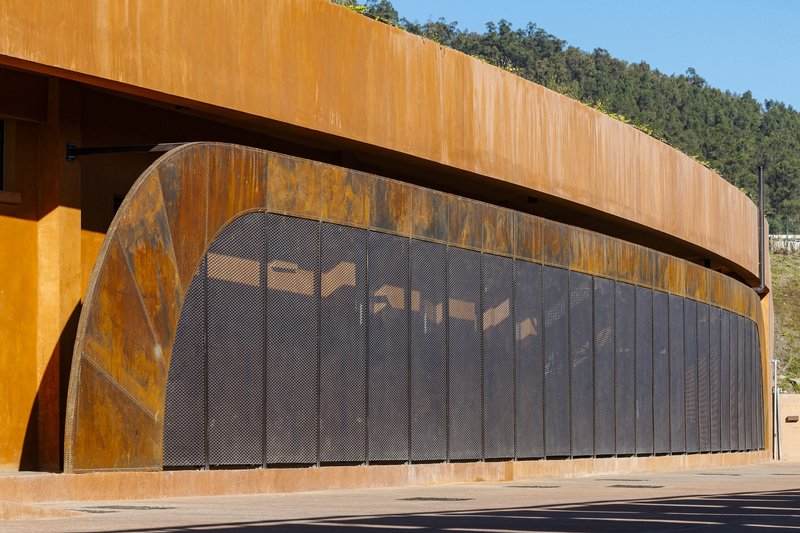
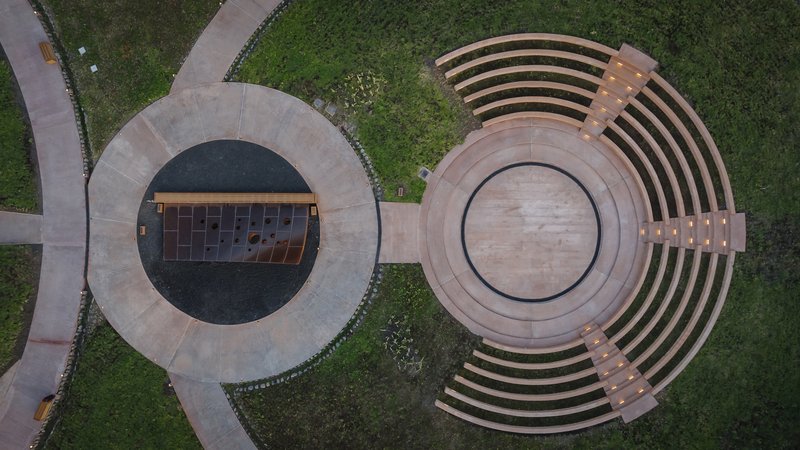
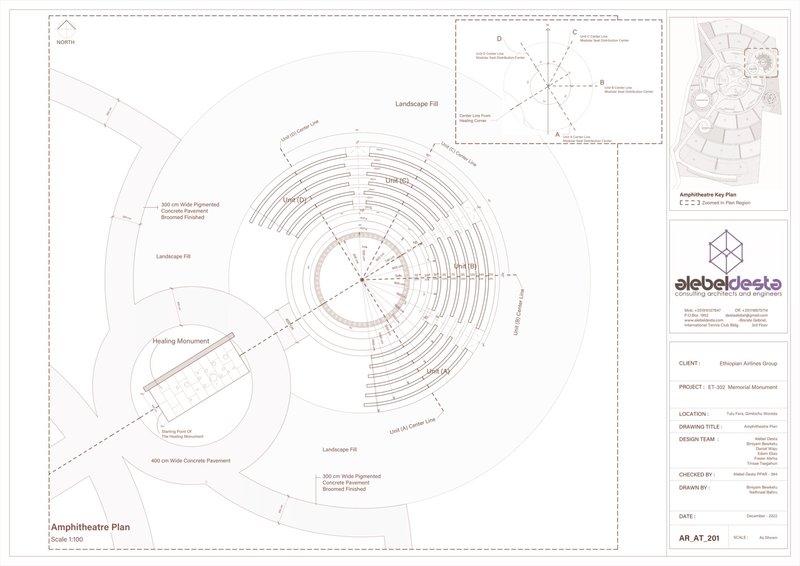
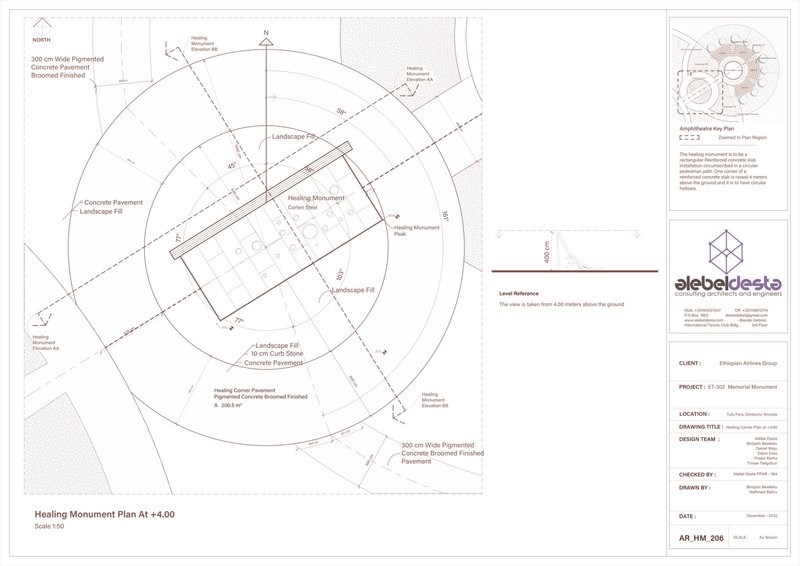
Between the African and Asian structures stands the Healing Monument—an elegant corten steel sculpture that symbolizes resilience and aerodynamic grace. Its weathered form is punctuated with perforations that allow light to filter through, representing rays of hope. The sculpture’s rivet details and curved design allude to aircraft construction, anchoring it to the narrative of flight while embodying renewal.
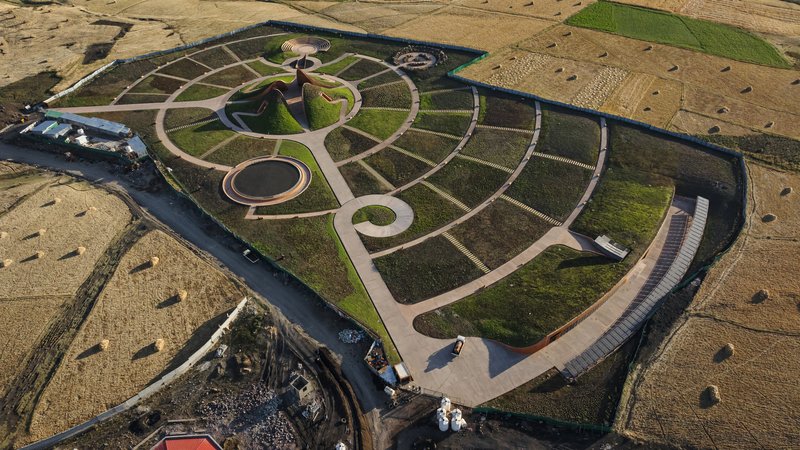
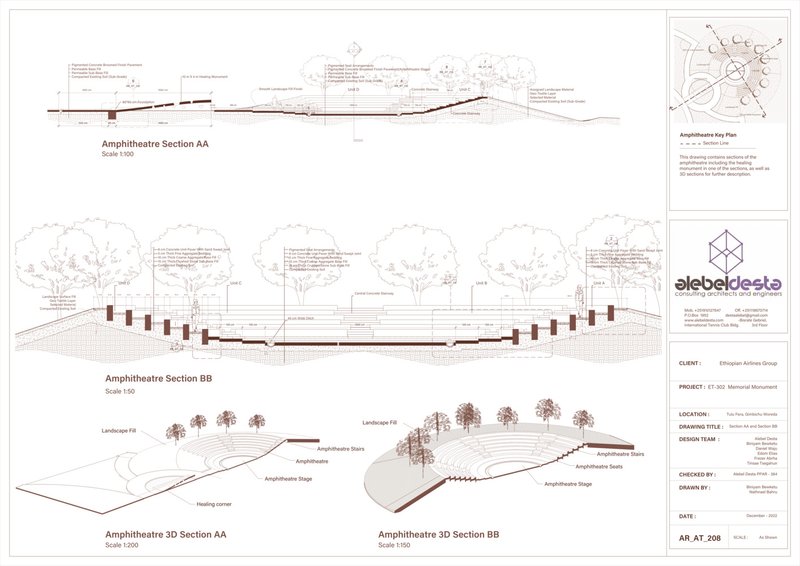
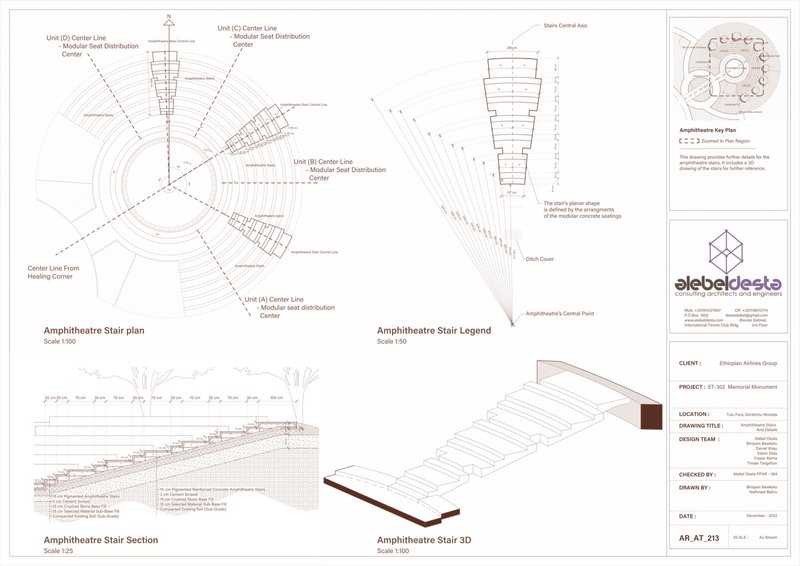
Adjacent to this feature is a large amphitheatre with six concentric levels of stepped seating. Designed to hold more than 360 people, it serves as a space for community gatherings, memorial events, and performances. The amphitheatre strengthens the memorial’s focus on collective healing and forward-looking remembrance.
The Meditative Rock Garden
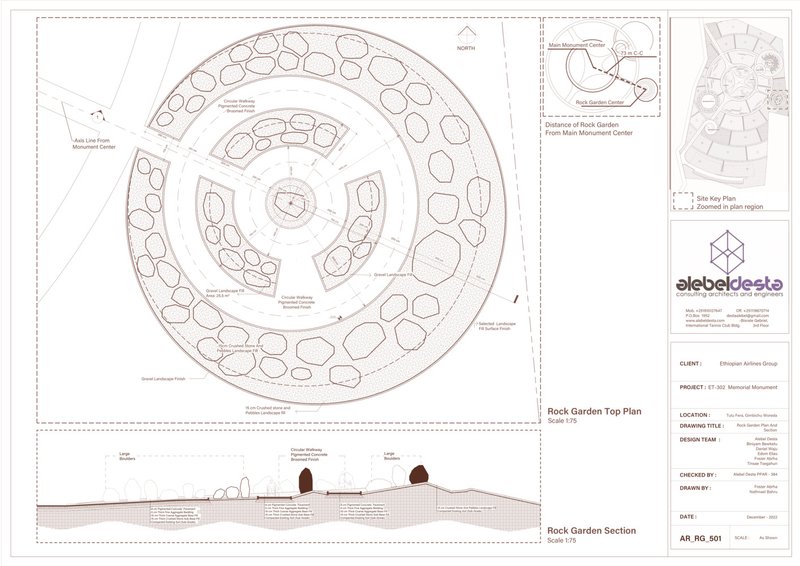
Originally conceived as a flower garden, the space between the African and European monuments evolved into a contemplative Rock Garden. Composed of upright stones locally sourced from the area, the garden offers a meditative landscape marked by two winding paths. These concentric walking paths create a natural rhythm for introspection and emotional grounding, connecting visitors to the permanence of stone and the passage of time.
Integrated Facilities and Sustainable Design
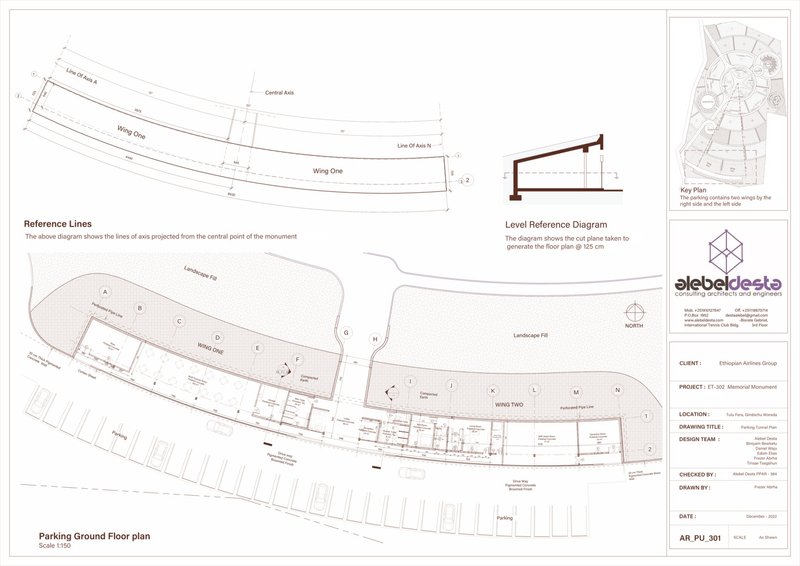
Near the southwest entrance, a discreet facility building blends seamlessly into the landscape. Its functions include a central lobby, caretaker quarters, restrooms, and storage rooms. Solar panels provide shaded parking for over 30 vehicles, reinforcing the project’s commitment to environmental sustainability. Expanded metal mesh panels wrap the structure, maintaining privacy and continuity with the site’s natural aesthetics.
Green roofs top the main monument and facility buildings, allowing the structures to disappear into the land when viewed from a distance. Native trees and over 120,000 plant species have been introduced across the park, creating visual cohesion and ecological balance while preserving the agricultural context of the site.
A Landscape of Memory and Hope
The overall landscape design reflects the crash’s impact through organic ripples formed by open paved areas, grassy lawns, planted clusters, and natural stone elements. The design echoes the textures of Ethiopia’s rural environment, with a sensitivity to form and material that deepens the emotional experience of the memorial. By integrating local vegetation and topography, the ET-302 Memorial becomes a unified and enduring tribute to loss, resilience, and the hope of collective healing.
All photographs are works of Aron Simeneh




Popular Articles
Popular articles from the community

On the Brooks House by Monsoon Collective – A Contemporary Kerala Home Rooted in Tradition
Kerala home blending tradition and modernity with water-inspired design, brick architecture, courtyard planning, and sustainable rainwater harvesting strategies.
An Miên Lumière Cafe by xưởng xép, Ho Chi Minh City, Vietnam
An industrial-inspired café where layered steel and warm light create a dynamic, immersive environment shaped by reflection, depth, and perception.
A Contemporary Take on Iranian Residential Architecture
A modern interior design in Mashhad that reinterprets brick, light, and spatial flow to create a warm, contemporary residential architecture.
Treehouse Apartment: A Warm Timber Interior Blending Craft, Play, and Contemporary Living
Warm timber apartment with integrated treehouse, combining natural materials, craftsmanship, and playful design to create a flexible, family-oriented living environment.

Similar Reads
You might also enjoy these articles

Bamboo Housing Challenge 2026: Design Affordable, Sustainable Homes Using Bamboo
An international design competition by Bamboo U and IBUKU inviting architects and designers to reimagine affordable housing using bamboo — with the winning design built full-scale in Bali.

Computational Design & Education: Beegraphy Design Awards Introduces 7th Category (Featuring Jiyun's Innovative Approach)
Dive into Beegraphy’s 7th Design Awards category, where computational design meets education to create immersive, interactive learning tools, inspired by Jiyun’s work.
From Parametric Lighting to Urban Furniture: Join the 2nd Workshop in Beegraphy’s Computational Design Series
Dive into Cutting-Edge Design Techniques and Practical Applications with Industry Experts

Introducing Sphere by UNI: Pioneering a New Era in AEC Industry
Unlocking Global Potential with BIM and Agile Management


Explore Architecture Competitions
Discover active competitions in this discipline




The International Standard for Design Portfolios


The Global Benchmark for Architecture Dissertation Awards


The Global Benchmark for Graduation Excellence


Challenge to reimagine the Iron Throne
Comments (0)
Please login or sign up to add comments
No comments yet. Be the first to comment!