
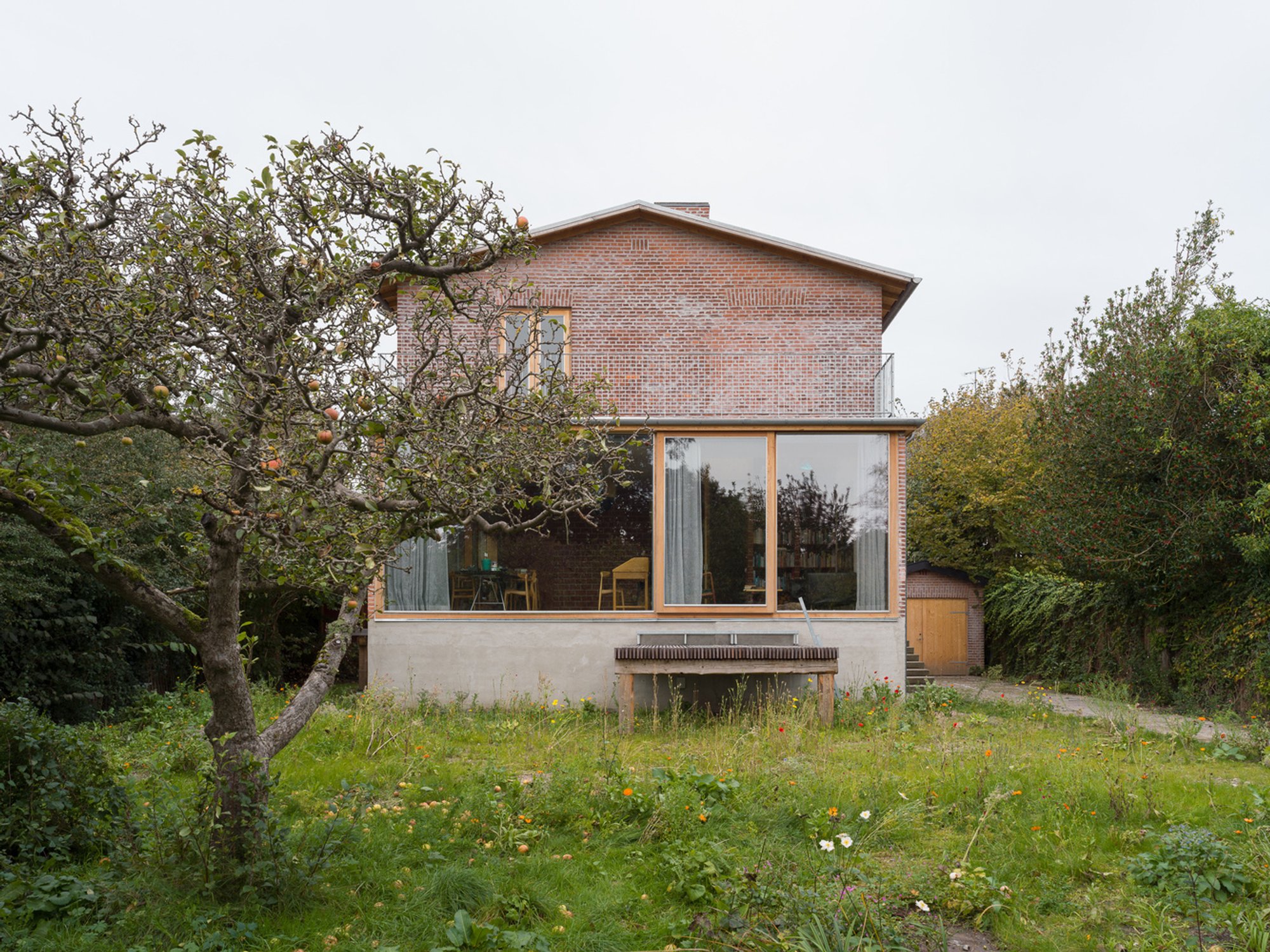
Exploring Adaptive Reuse Architecture in Denmark: The Case of House 14A by Pihlmann Architects
This article explores House 14A's redesign by pihlmann architects in Denmark, highlighting sustainable adaptive reuse in modern Danish architecture.

Adaptive reuse is a key trend in sustainable architecture, allowing for the transformation of existing structures to meet new needs while preserving their historical essence. In Denmark, this approach is not only a matter of sustainability but also of cultural preservation. House 14A, redesigned by pihlmann architects, serves as a prime example of how adaptive reuse principles are applied in Danish architecture.
The Evolution of House 14A
Historical Background and Original Structure
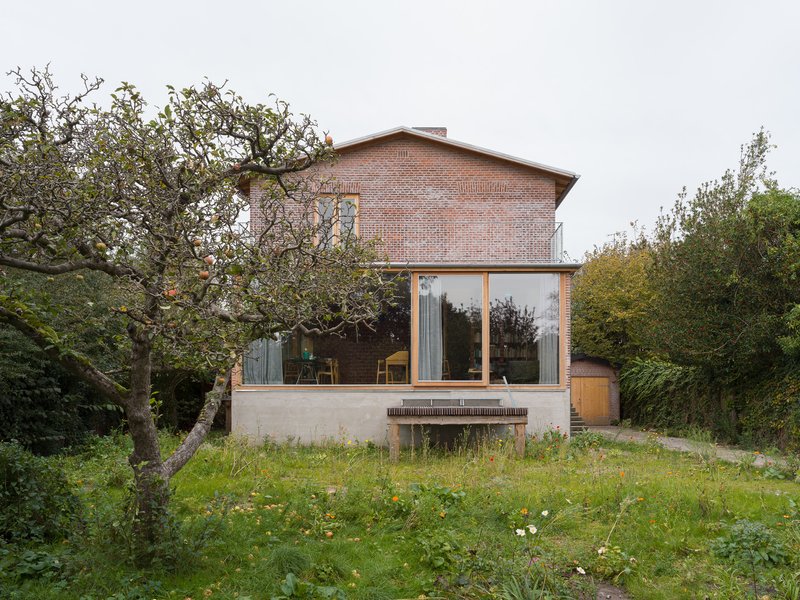
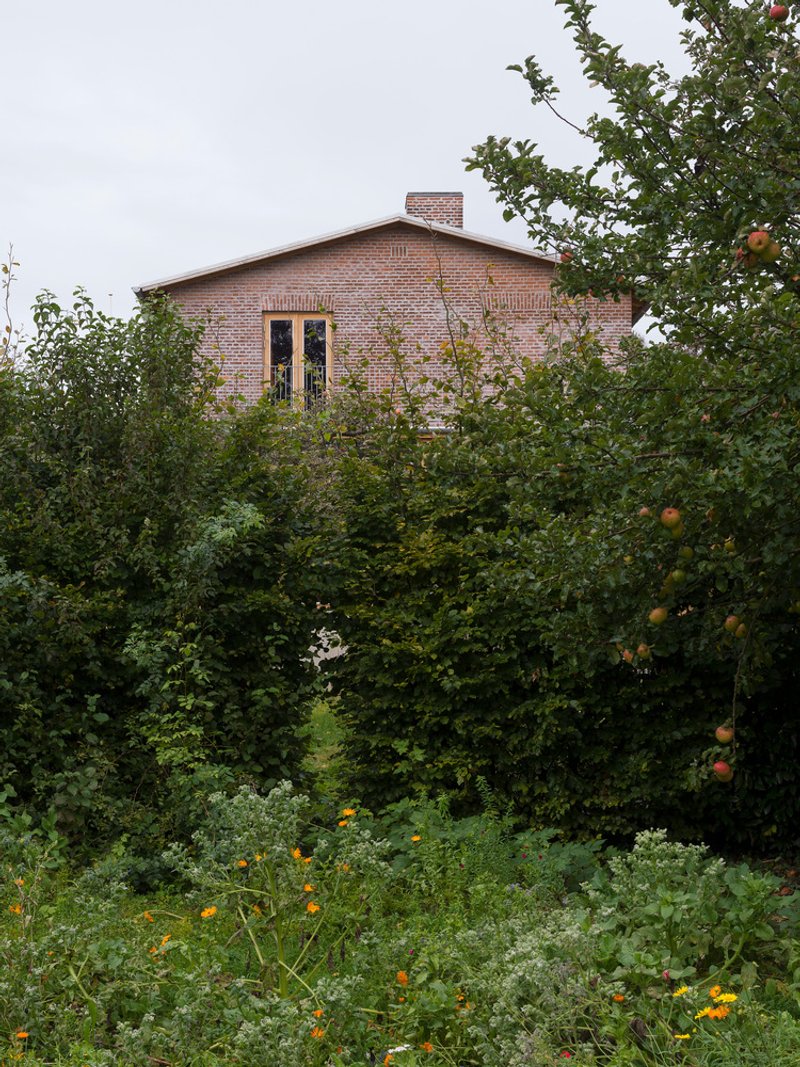
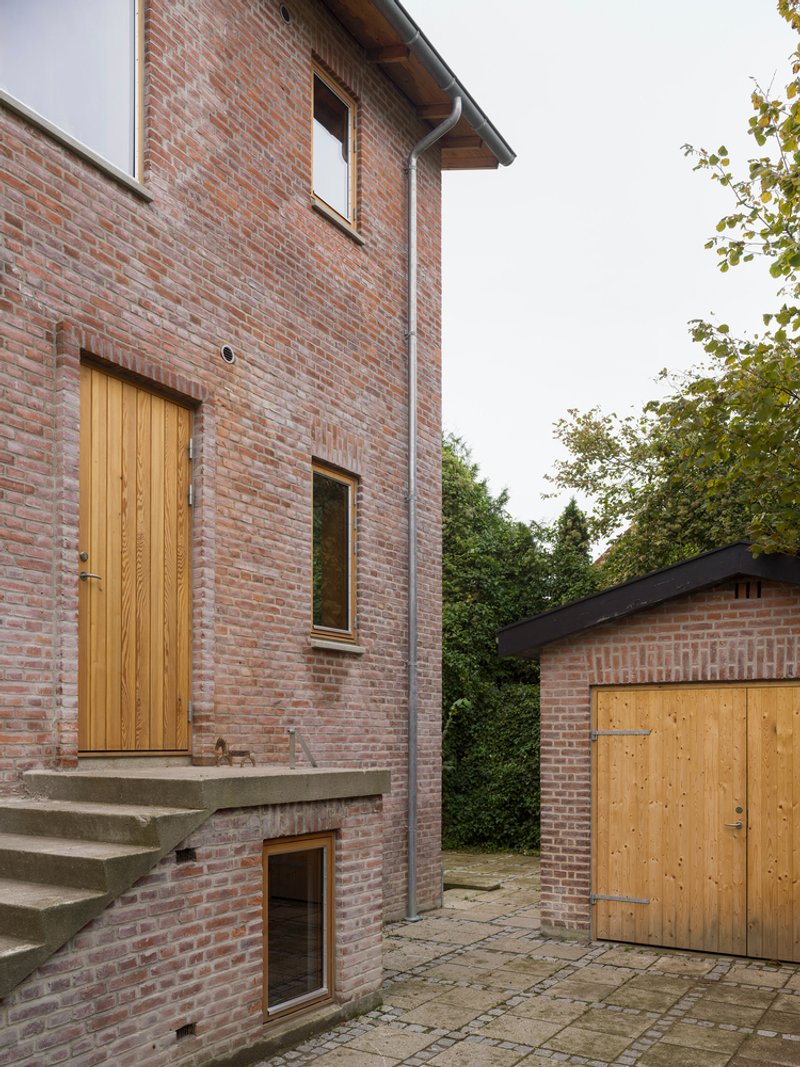
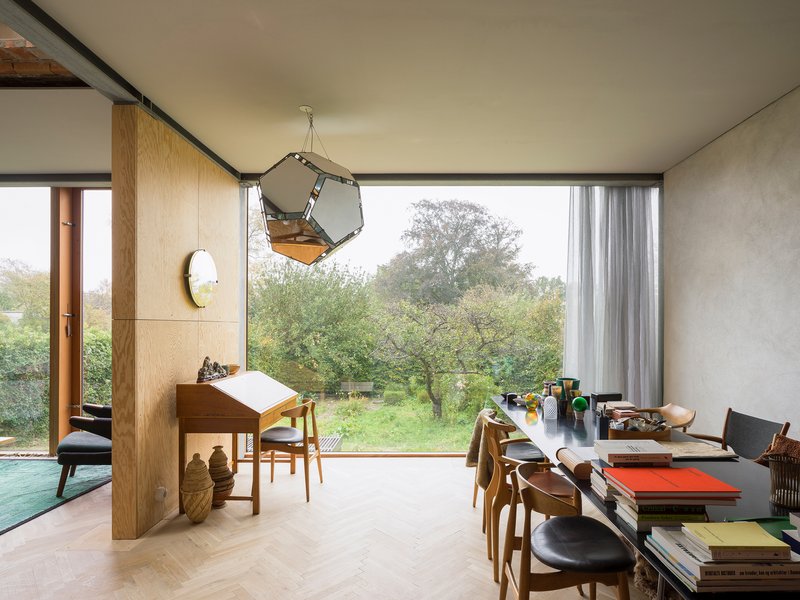
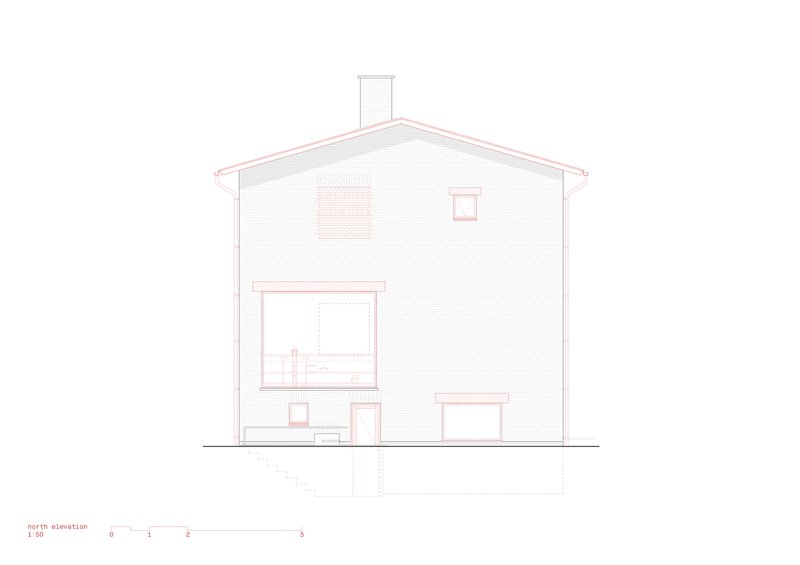
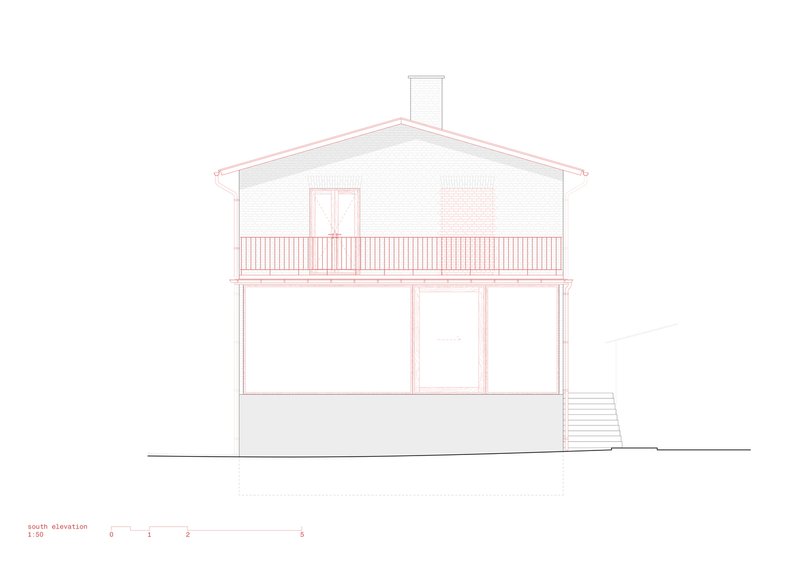
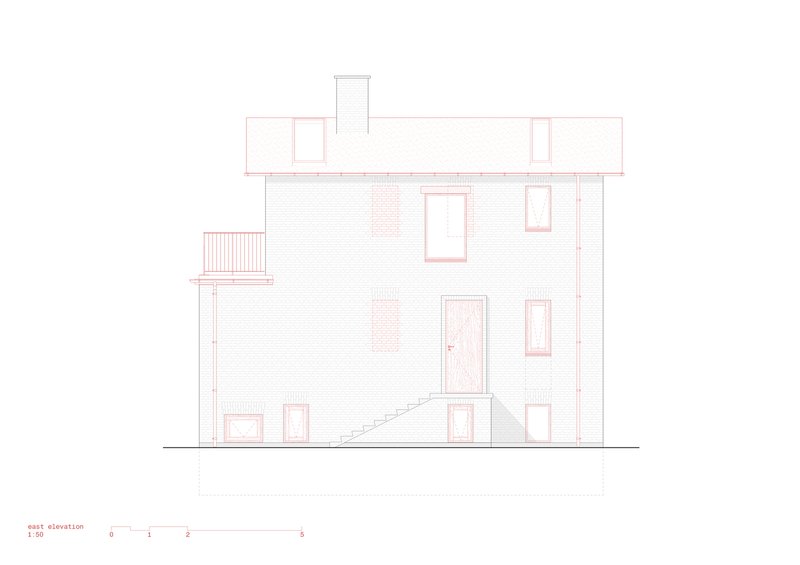
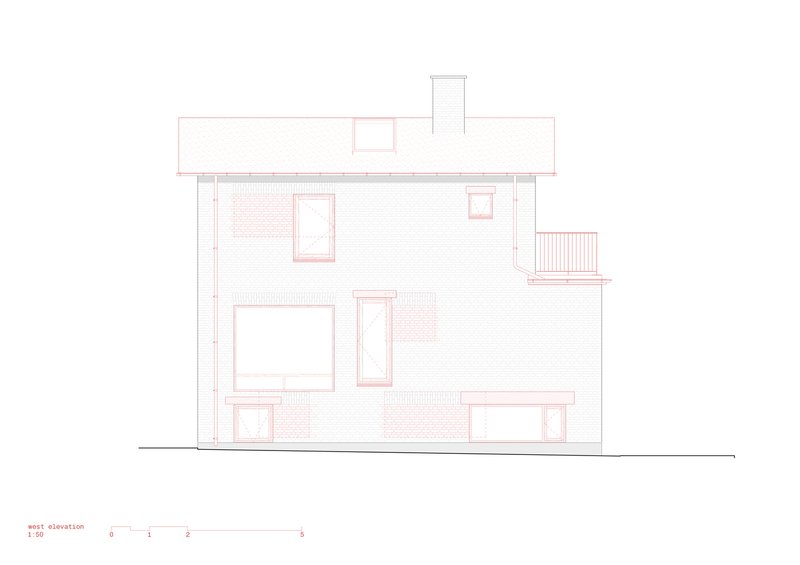
Originally built in 1951, House 14A epitomized the post-war residential style prevalent in Denmark—a cubic form with a red brick facade and evenly distributed windows. Despite its solid structure, the house's design limited its adaptability to the changing demands of modern usage.
Architectural Transformation
Integrating New and Old
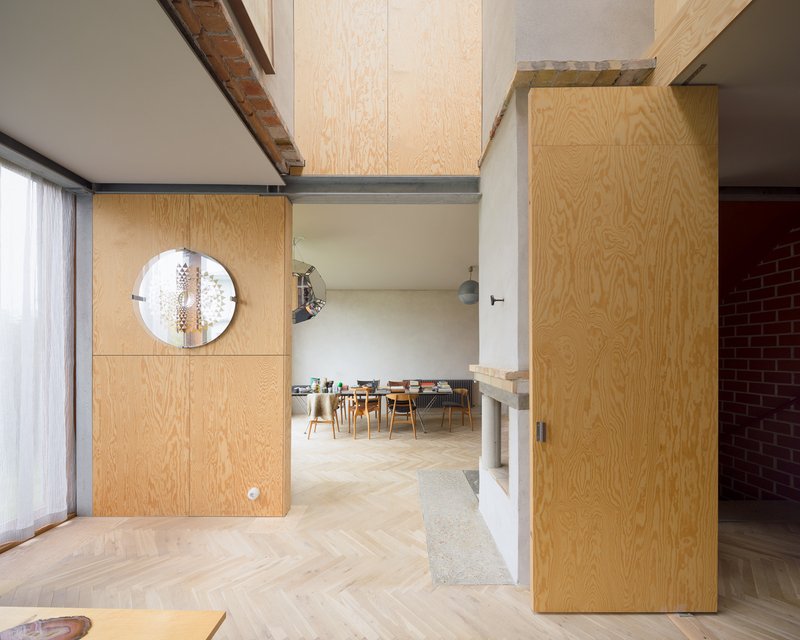
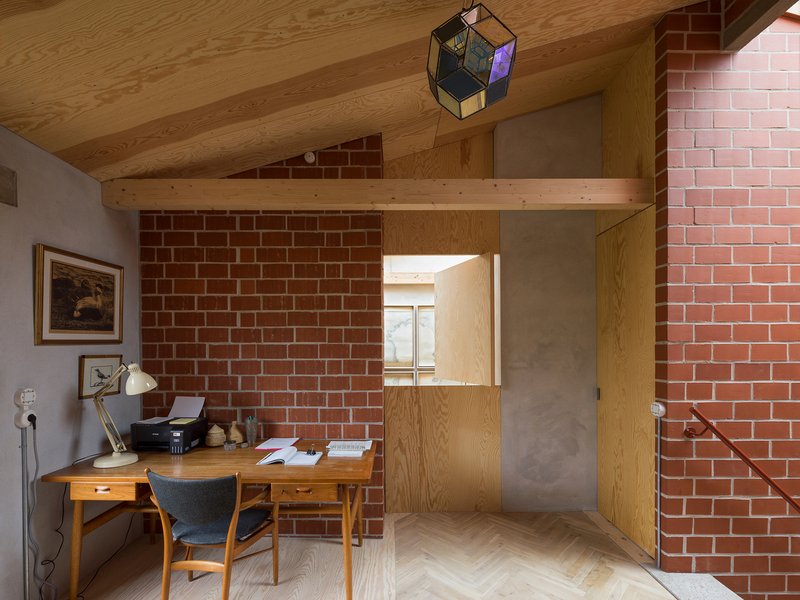
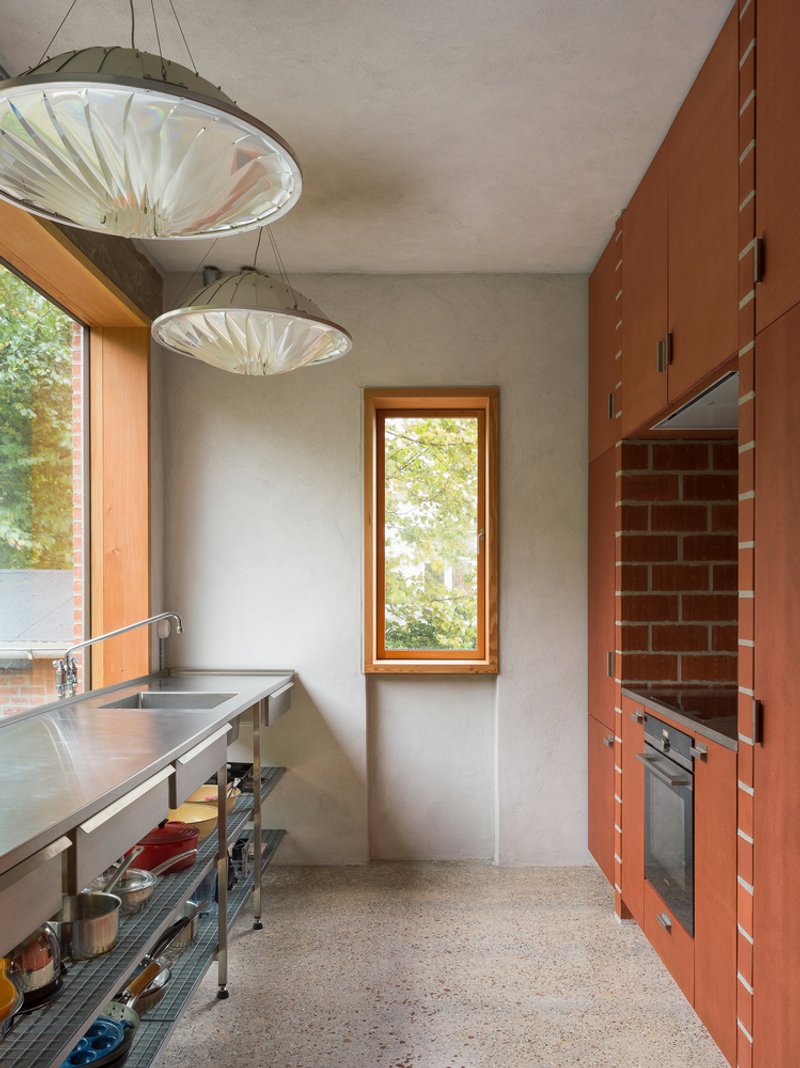
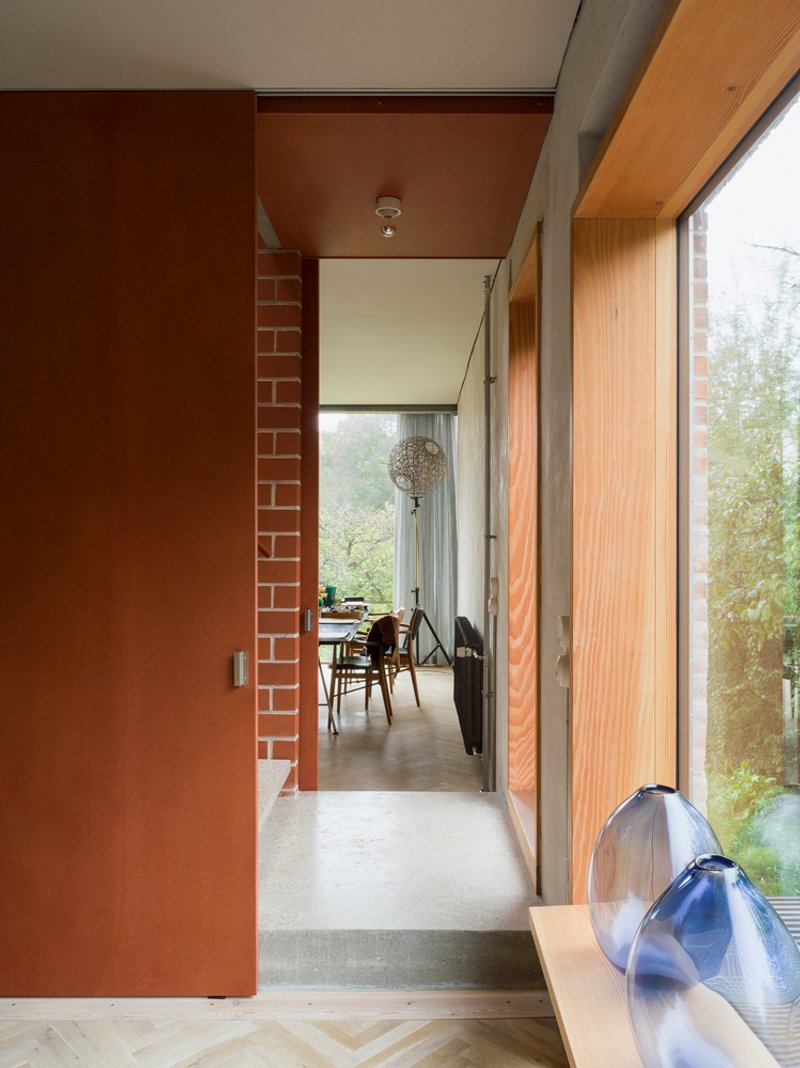
The redesign by pihlmann architects was driven by the philosophy of non-hierarchical integration, where each element, whether old or new, rough or refined, is valued for its contribution to the house's ongoing narrative. This approach reflects a deep respect for the original materials and methods, while also embracing modern innovations.
Design Techniques Employed
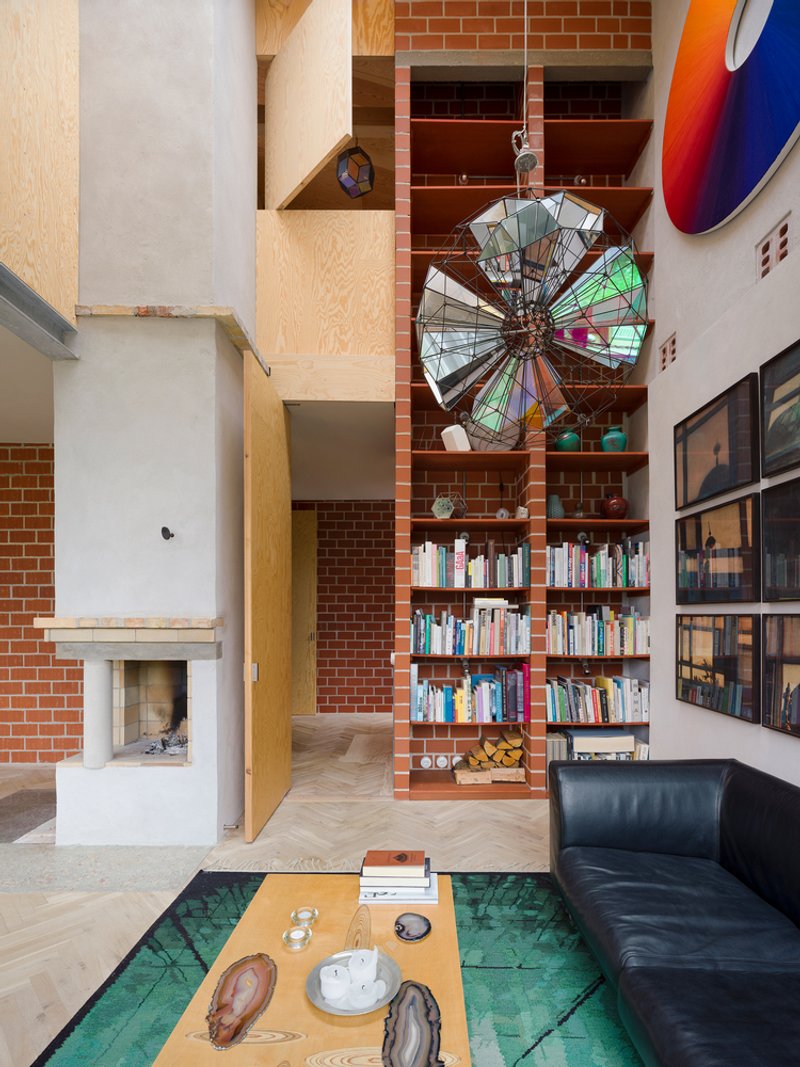
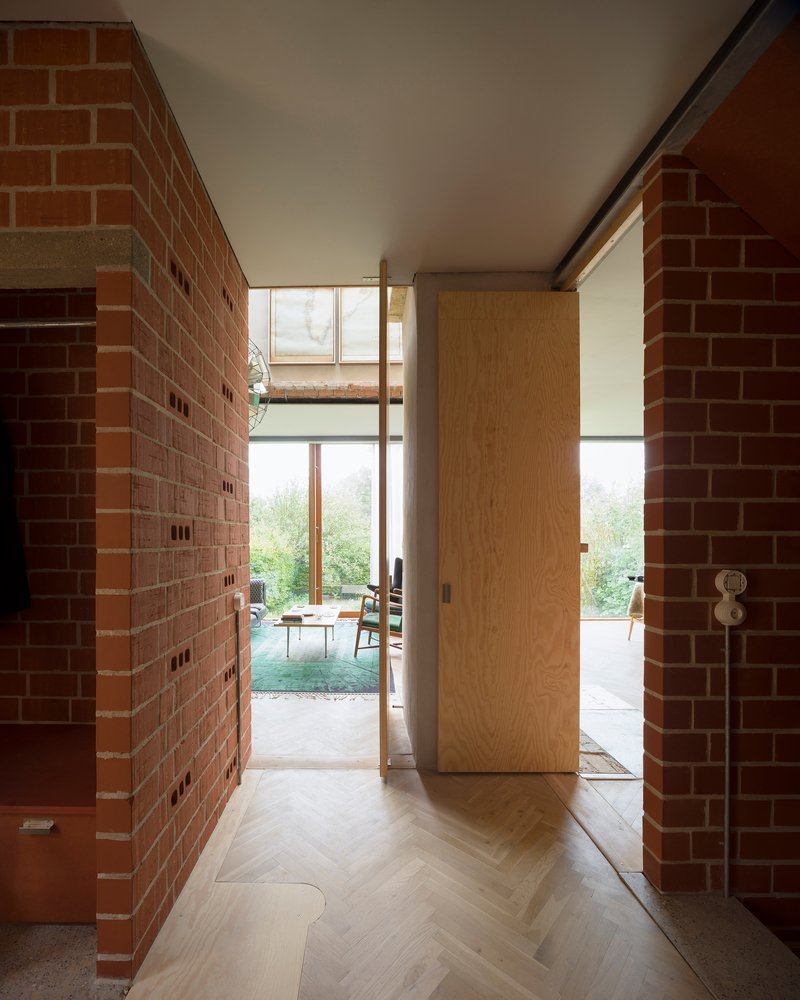
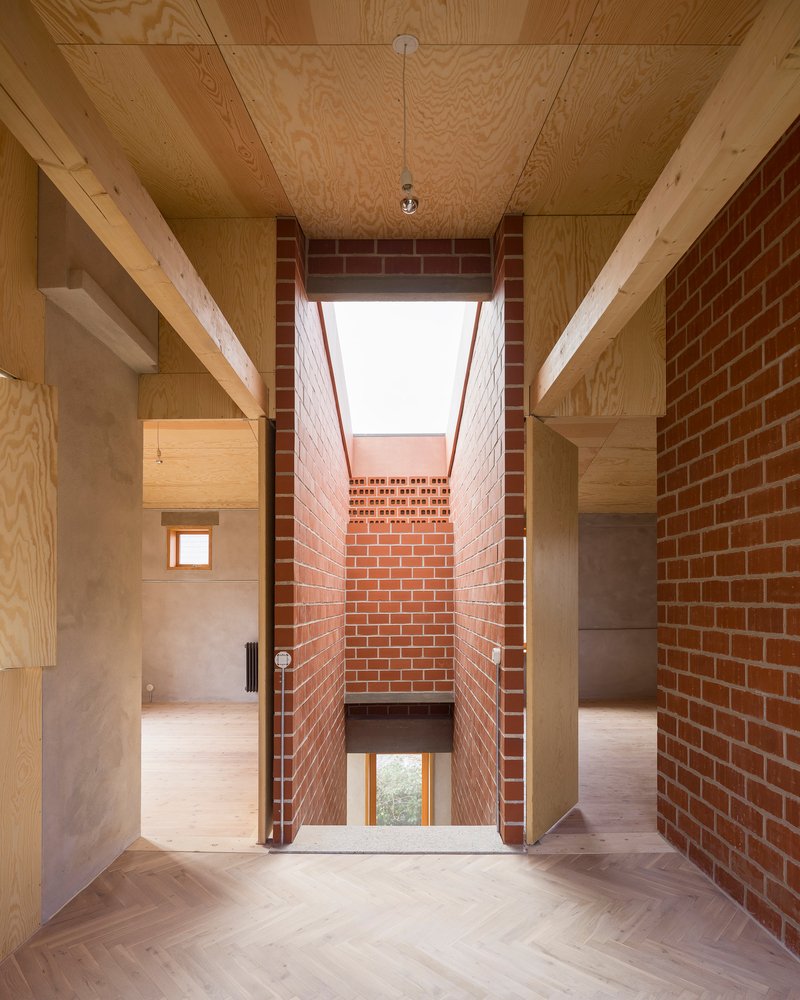
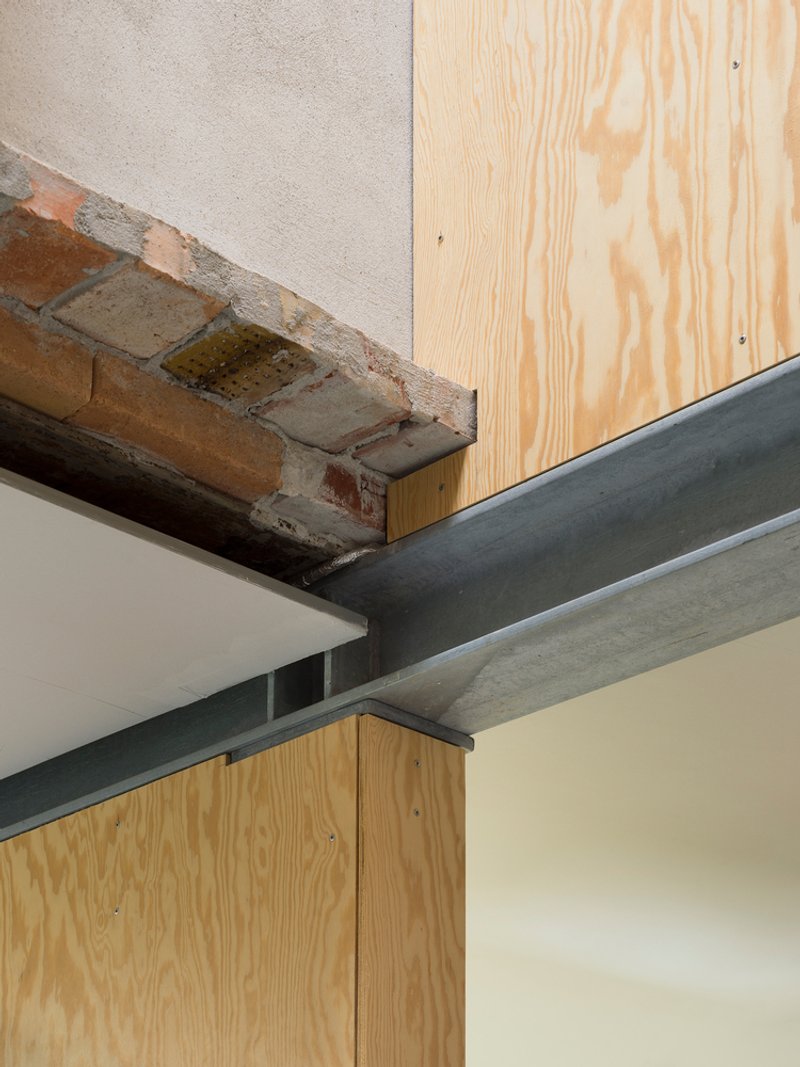
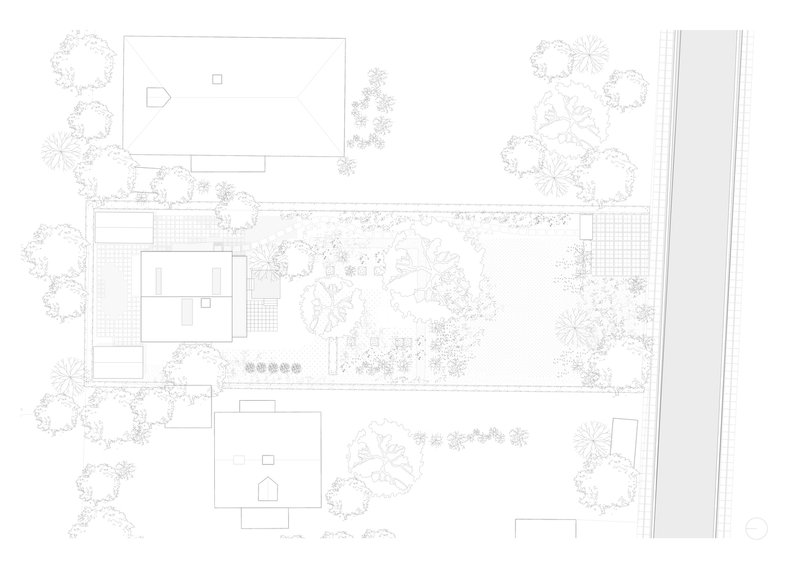
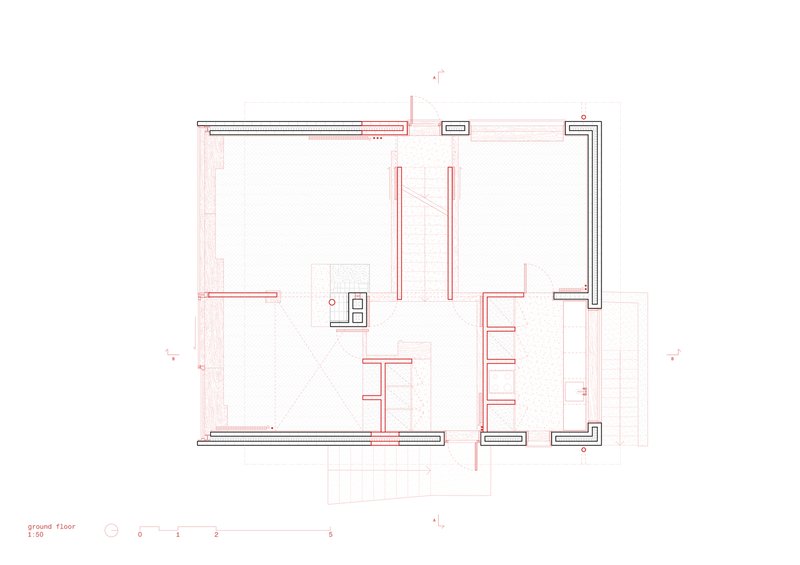
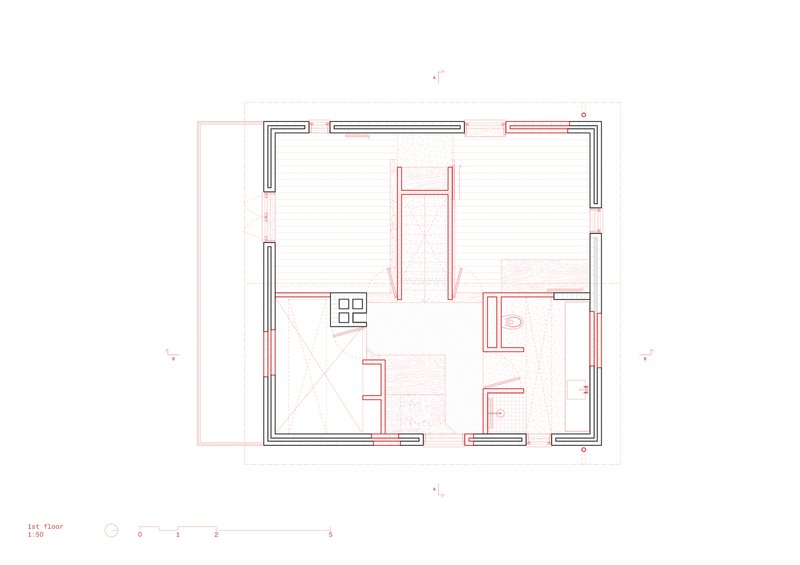
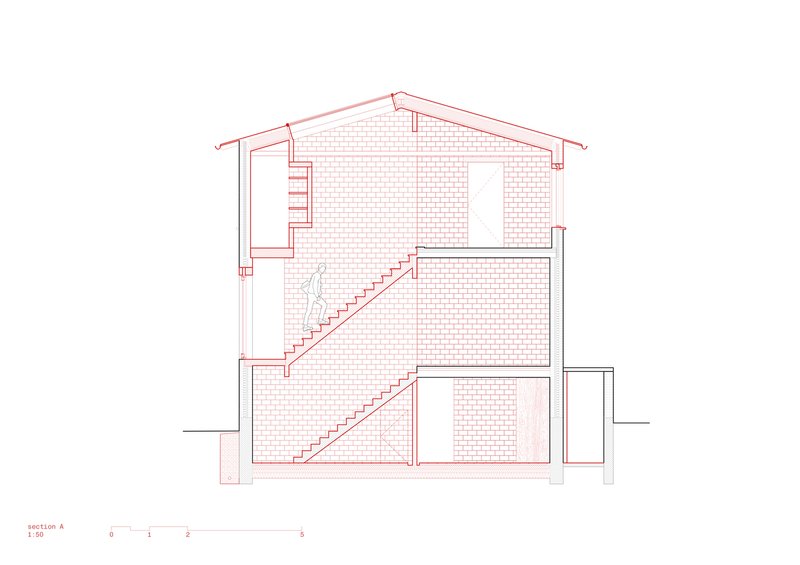
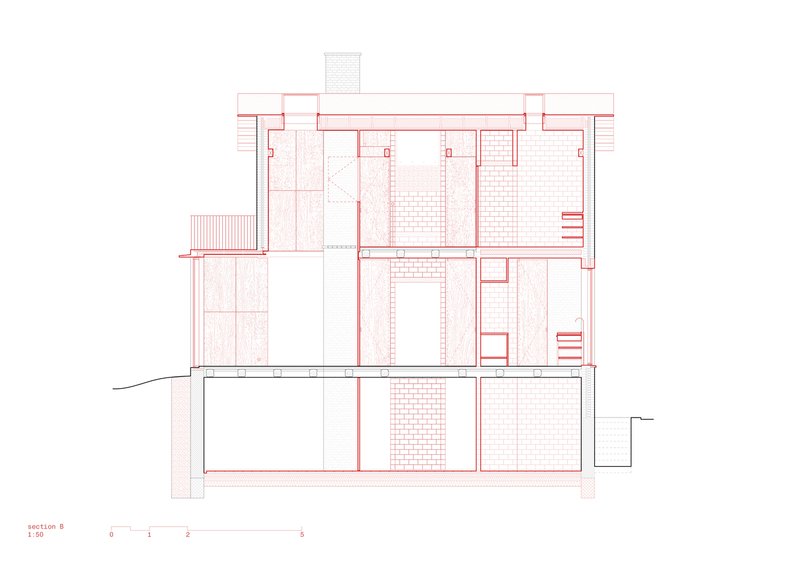
Traditional architectural techniques such as exposing, covering, cutting, joining, stacking, and casting were used to dissolve the rigidity of the original design, making the house more adaptable to contemporary needs. This included the introduction of three masonry cores that provide structural and functional updates without compromising the building's historical integrity.
Core Elements of House 14A's Design
The Masonry Cores
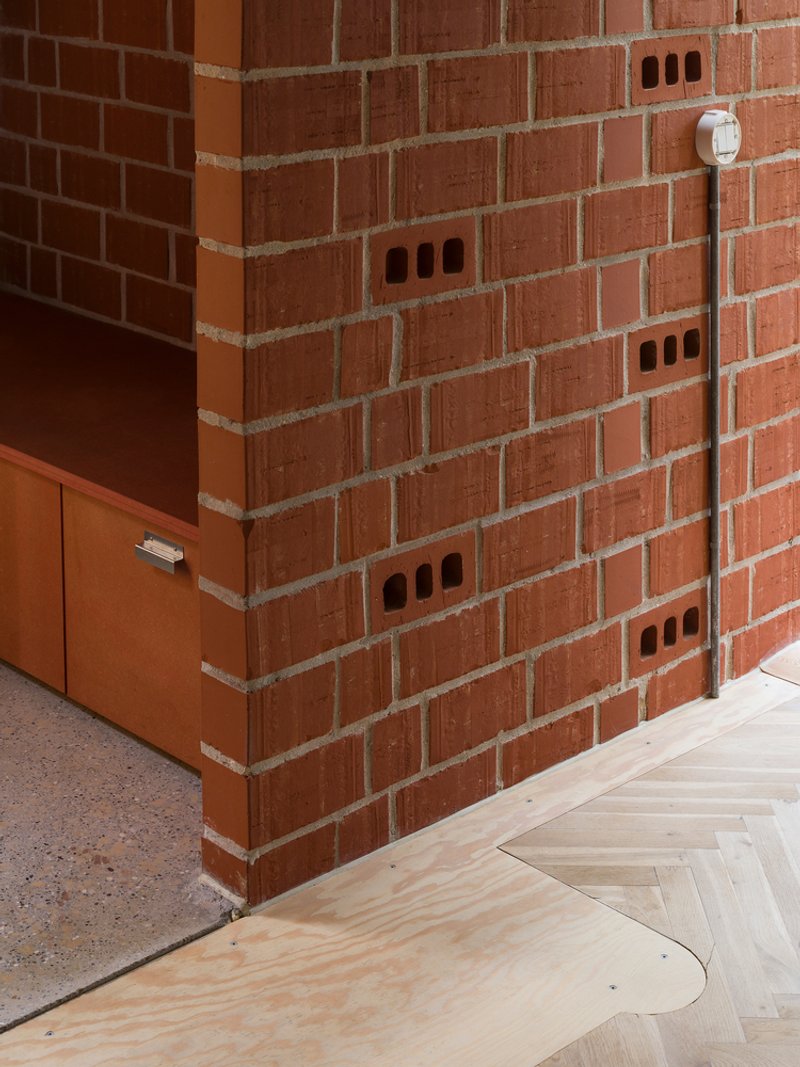
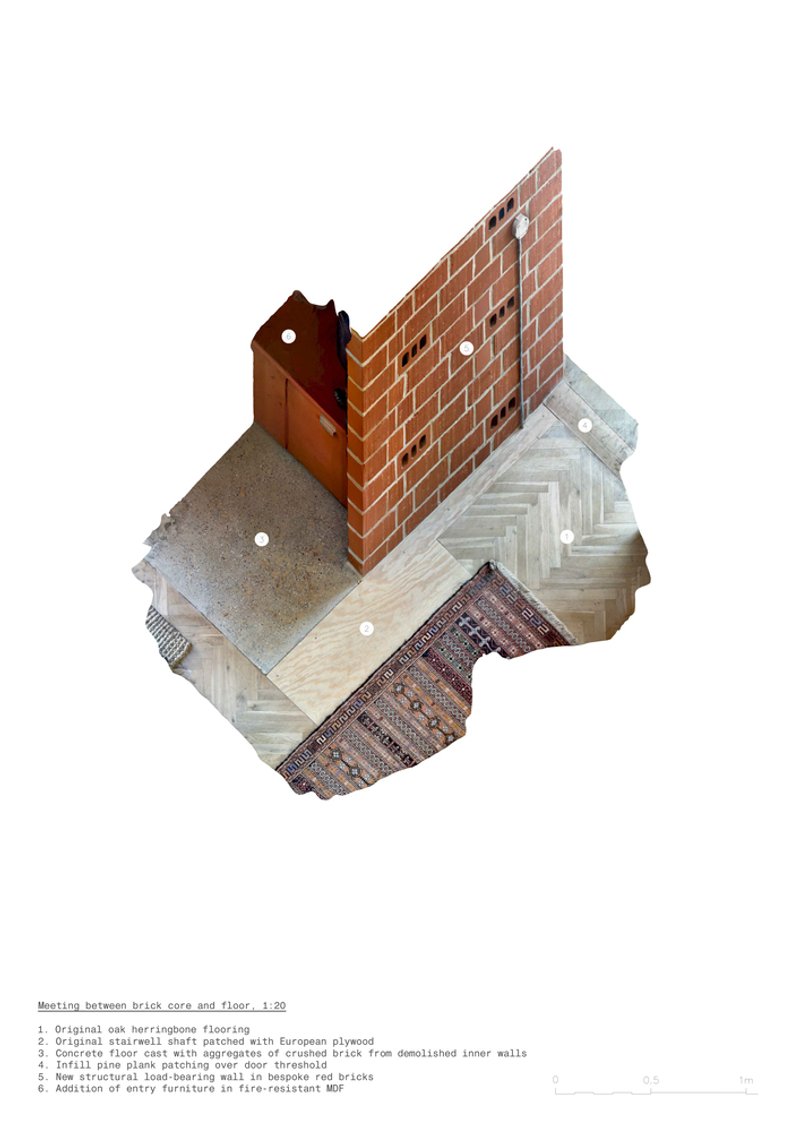
The masonry cores are pivotal in the house’s redesign, containing essential elements like storage, stairs, and pipework. These cores not only support the house structurally but also define new spatial configurations, creating fluid, inhabitable spaces between them.
Sustainable Materials and Techniques
Sustainability is a cornerstone of the project, with the architects employing reused materials such as crushed bricks for new terrazzo flooring. This not only reduces waste but also ties the new additions back to the original construction.
The Role of the Construction Site as a Creative Space
Collaboration and Experimentation
The construction site for House 14A transcended its traditional role, becoming a studio and laboratory where architects, craftsmen, and clients engaged in continuous dialogue. This collaborative environment was essential for the tactile experimentation that defined the project’s development.
The Future of Adaptive Reuse in Danish Architecture
House 14A is more than just a building; it's a testament to the possibilities of adaptive reuse in architecture. By embracing the unpredictable and cultivating an openness to change, projects like House 14A pave the way for a new understanding of how buildings can evolve over time, reflecting both their past and their potential future.
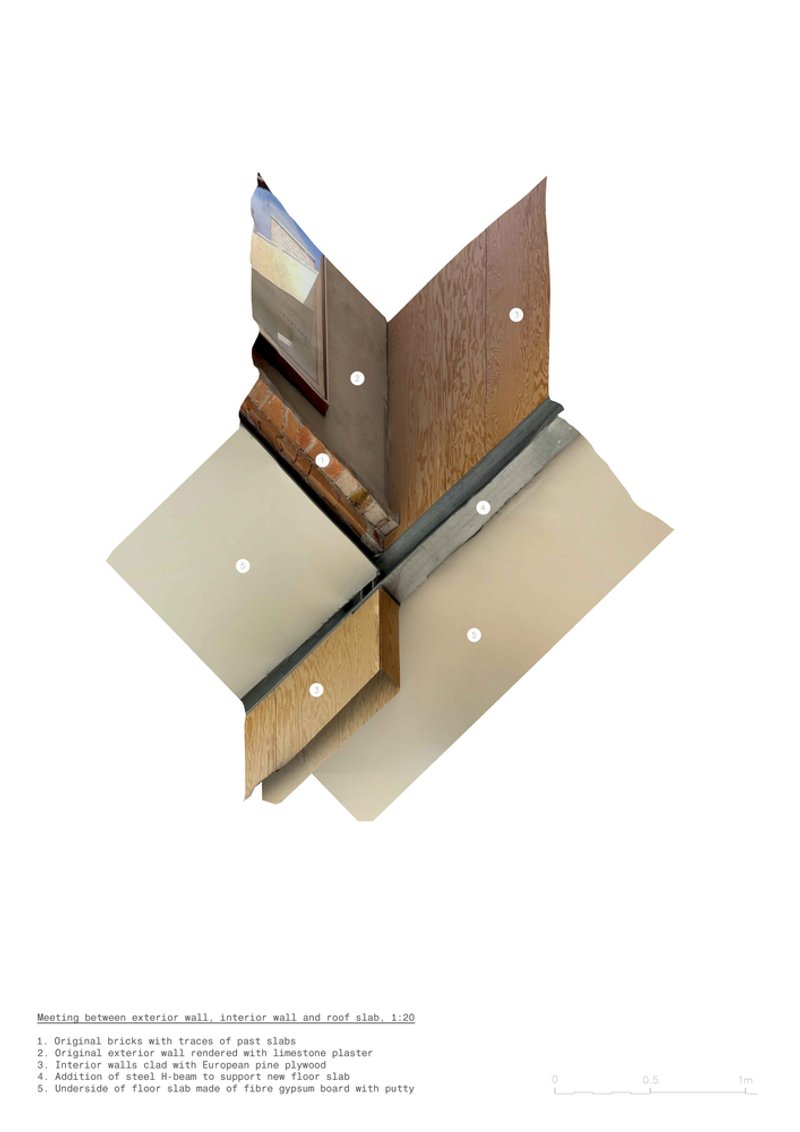
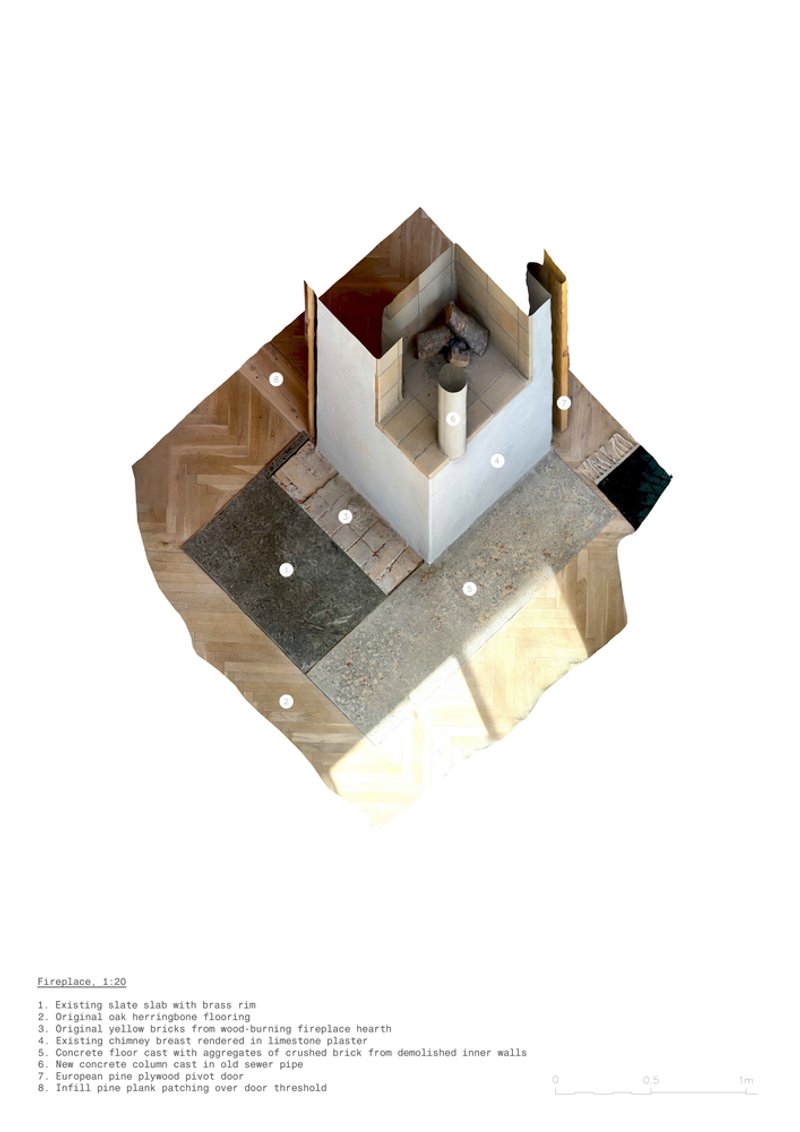
All photographs are work of Hampus Berndtson



Popular Articles
Popular articles from the community

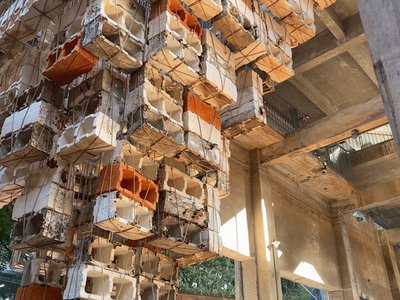
Inverted Architecture Installation by Studio Link-Arc: Exploring the Intersection of Architecture and Living Organisms
Inverted Architecture Installation by Studio Link-Arc blends mycelium, sustainability, inverted design, ecological cycles, and urban adaptive architecture in Shenzhen.
On the Brooks House by Monsoon Collective – A Contemporary Kerala Home Rooted in Tradition
Kerala home blending tradition and modernity with water-inspired design, brick architecture, courtyard planning, and sustainable rainwater harvesting strategies.
An Miên Lumière Cafe by xưởng xép, Ho Chi Minh City, Vietnam
An industrial-inspired café where layered steel and warm light create a dynamic, immersive environment shaped by reflection, depth, and perception.
Flamboyant House by Juliana Camargo + Prumo Projetos
Modern Brazilian house integrating existing tree, pool, and volumes with glass, wood, and transitional spaces blending interior, exterior, and landscape seamlessly.

Similar Reads
You might also enjoy these articles


The Ken Roberts Memorial Delineation Competition (Krob)
As the most senior architectural drawing competition currently in operation anywhere in the world, it draws hundreds of entries each year, awarding the very best submissions in a series of medium-based categories.


Waterfront Redevelopment and Urban Revitalization in Mumbai: Forging a New Dawn for Darukhana
A transformative waterfront redevelopment project reimagining Darukhana’s shipbreaking heritage into an inclusive urban future.

OUT-OF-MAP: A Call for Postcards on Feminist Narratives of Public Space
Rhizoma Design and Research Lab invites artists, designers, architects, researchers, and students to reflect on how feminist perspectives can reshape public space. Selected works will be exhibited in Barcelona, October 2026. Submissions open until 15 April 2026.


Documentation Work on Buddhist Wooden Temple
Architectural syncretism and cultural hybridity: A comparative study of the Buddhist temples in Chattogram Hill tracks


Explore Architecture Competitions
Discover active competitions in this discipline




The International Standard for Design Portfolios


The Global Benchmark for Architecture Dissertation Awards


The Global Benchmark for Graduation Excellence


Challenge to reimagine the Iron Throne
Comments (0)
Please login or sign up to add comments
No comments yet. Be the first to comment!