
Exploring La Ola: A Revolution in Urban Space Design
This article explores La Ola, an architectural project in Buenos Aires that integrates street dance culture with innovative urban design.

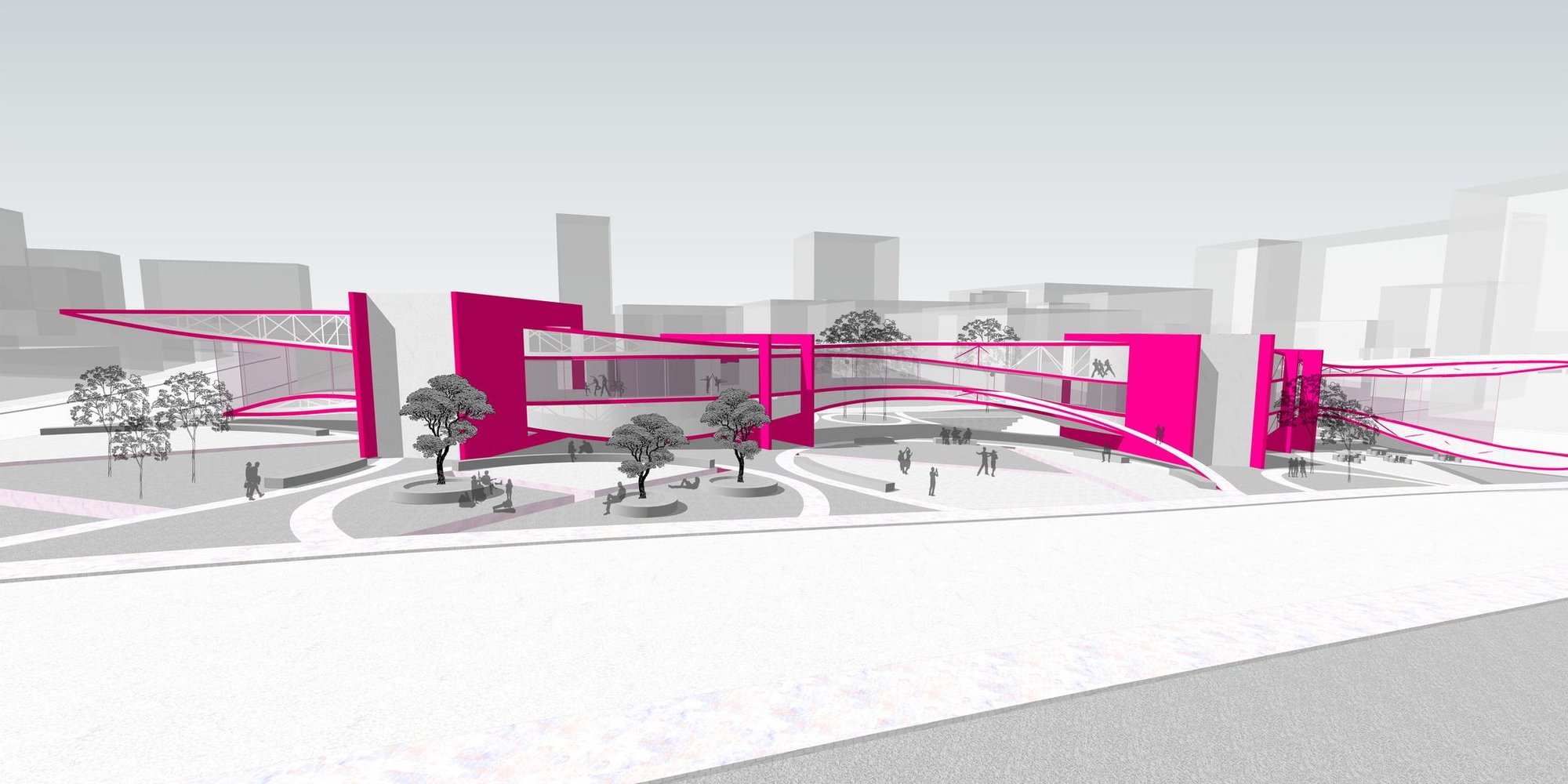
Nestled in the culturally vibrant neighborhood of San Telmo in Buenos Aires, the architectural project "La Ola" offers a groundbreaking approach to urban space utilization that celebrates the city's rich street dance heritage. Designed by the visionary team of Tolga Almalı, Bengu Varol, and Ahsen Öztürk, La Ola—Spanish for "The Wave, Billow, Surge"—transforms traditional architectural concepts into a dynamic, multidimensional communal area that honors the spontaneous dance culture of Buenos Aires, particularly its iconic tango.
The Concept of La Ola
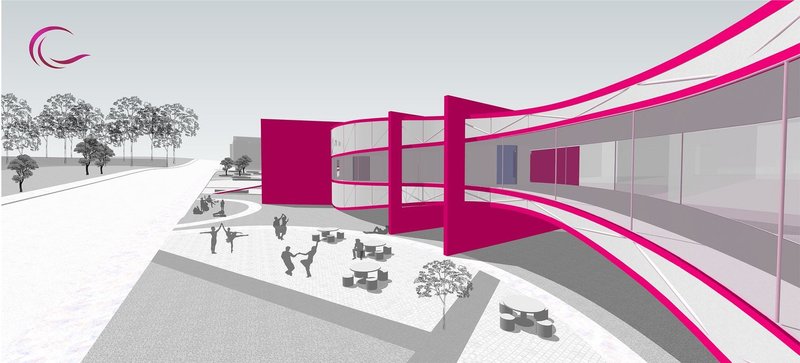
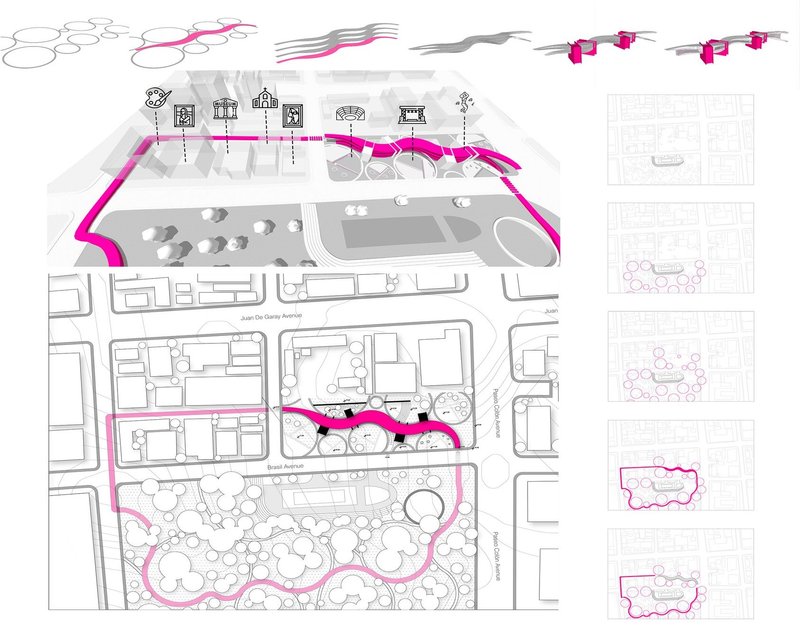
"La Ola" is not just a building; it's a cultural statement. The design intricately blends the vibrancy of street life with the functionality of structured spaces. By creating a street that physically divides the project area, the design then expands this division into multiple flowing layers, reminiscent of waves, which not only add aesthetic value but also enhance the functional aspects of the space.
The architects took inspiration from the local habit of closing streets to traffic on Sundays, transforming them into bustling squares of communal dance and social interaction. This practice, rooted deeply in local culture where dance and street are inseparable, is reflected in the fluid design of La Ola, ensuring that the dance remains a street activity yet providing dancers with a space that supports their art in new and exciting ways.
Architectural Details and Features
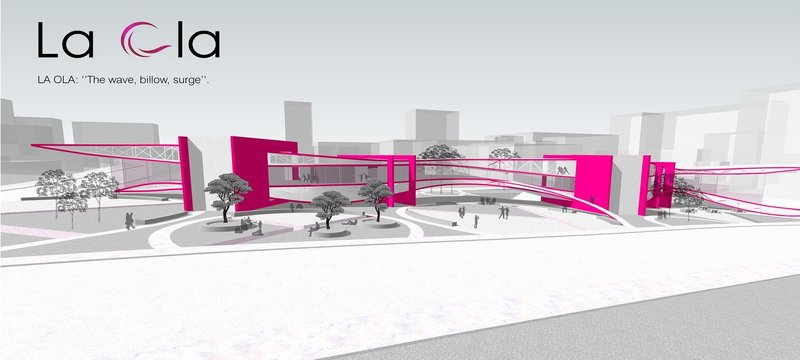
The La Ola project is highlighted by its bold, pink structures that wave through the landscape, creating spaces of varying sizes and shapes. These waves are not merely decorative but are fundamental to the project's utility, forming boundaries and pathways that encourage exploration and movement.
From the ground level to the underground theaters and dance studios, every aspect of La Ola is about creating an engaging environment. The underground level houses a series of theaters and dance spaces, which are accessible via the amphitheater visible from the north façade. This design choice not only utilizes the vertical space efficiently but also provides a secluded yet accessible venue for performers and patrons alike.
The project also addresses the needs of professional dancers and choreographers with dedicated spaces equipped with amenities such as saunas and fitness areas, ensuring that the facility serves both the general public and the professional dance community.
Multidimensional Impact
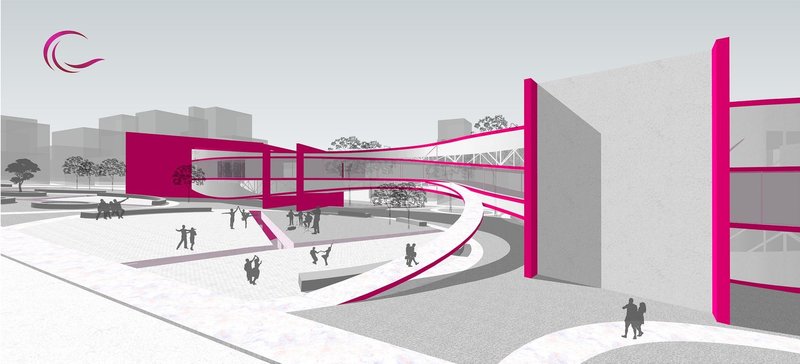
La Ola serves as a multifaceted cultural hub. It's a place where the barriers between performers and the public blur, where the act of watching a performance is as interactive as participating in one. This design philosophy signifies a shift from traditional architectural designs that often segregate or elevate performers away from the public eye.
In La Ola, the wave-like structures facilitate a unique visual and spatial connection between all users, irrespective of whether they are performers or spectators, fostering a more inclusive cultural dialogue.
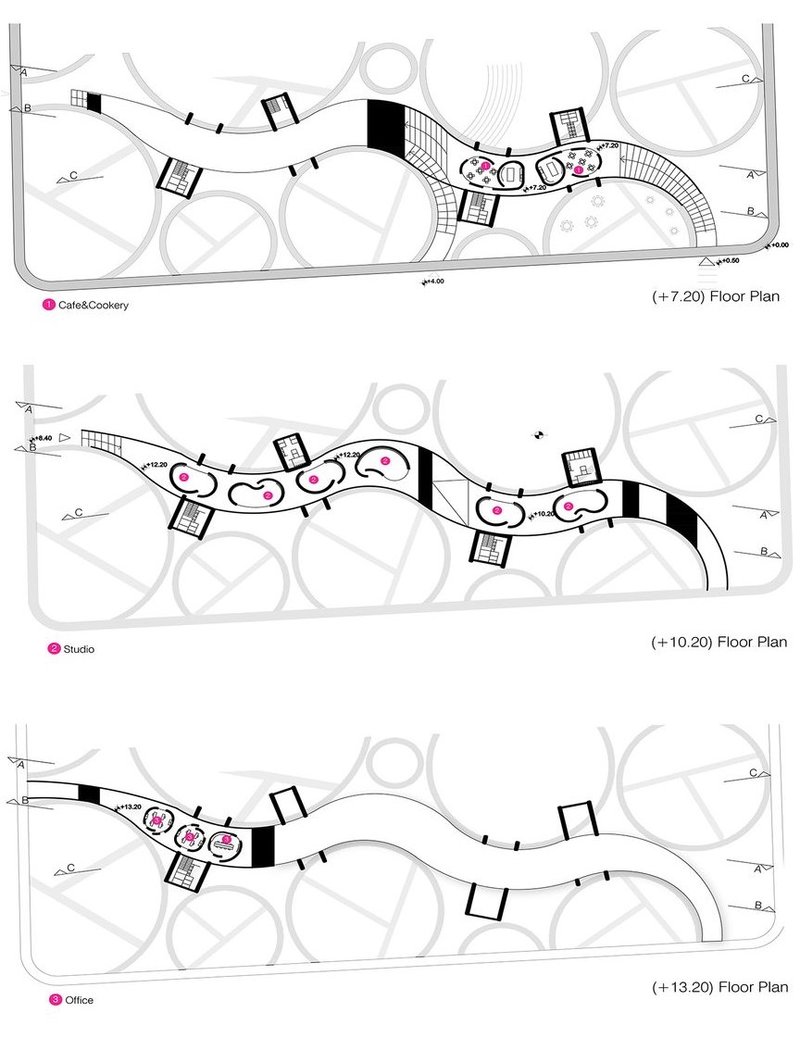
La Ola by Tolga Almalı, Bengu Varol, and Ahsen Öztürk is more than just an architectural project; it's a vibrant, living organism that pulsates with the rhythms of Buenos Aires. It challenges conventional urban design norms by creating innovative urban spaces that are not only functional but also deeply embedded in cultural expression. As cities around the world look for ways to integrate cultural heritage with modern living, projects like La Ola serve as beacons of innovative, culture-driven urban planning.
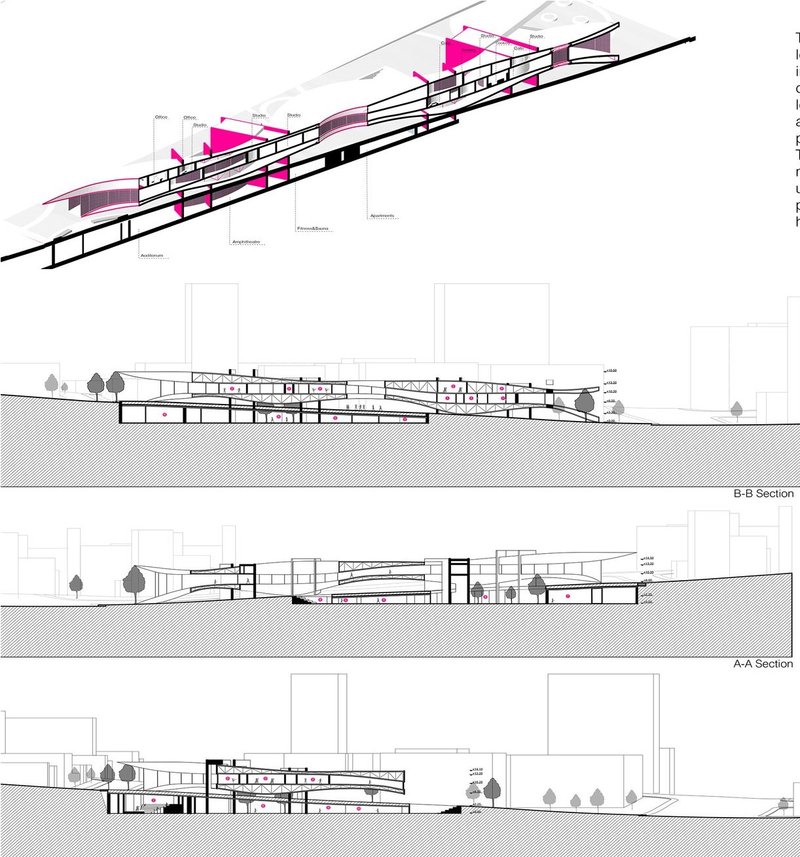
"La Ola" is a testament to how architecture can transcend its traditional role and become a catalyst for cultural preservation and societal interaction, making it a perfect example of innovative urban spaces at work. This project not only respects the past traditions of Tango but propels them into the future, ensuring that the dance and its culture continue to be an integral and vibrant part of Buenos Aires' urban landscape.




Popular Articles
Popular articles from the community

Atelier Macri Concept Store Interior Design by CASE-REAL
Atelier Macri store features a "ko" counter, walnut wood details, cork displays, blending retail, gallery, and seamless customer experiences.
On the Brooks House by Monsoon Collective – A Contemporary Kerala Home Rooted in Tradition
Kerala home blending tradition and modernity with water-inspired design, brick architecture, courtyard planning, and sustainable rainwater harvesting strategies.
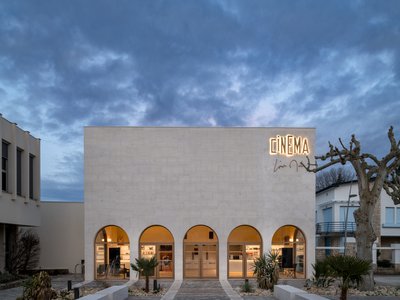
Louis Malle Cinema: A Limestone Cultural Landmark Revitalizing Community Life in Prayssac
Limestone cinema extension with public forecourt, blending heritage and modern design to create flexible cultural spaces and strengthen community interaction.
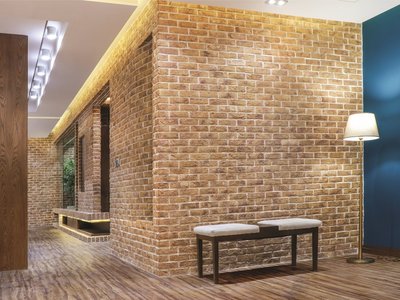
A Contemporary Take on Iranian Residential Architecture
A modern interior design in Mashhad that reinterprets brick, light, and spatial flow to create a warm, contemporary residential architecture.


Similar Reads
You might also enjoy these articles


The Ken Roberts Memorial Delineation Competition (Krob)
As the most senior architectural drawing competition currently in operation anywhere in the world, it draws hundreds of entries each year, awarding the very best submissions in a series of medium-based categories.
A Contemporary Take on Iranian Residential Architecture
A modern interior design in Mashhad that reinterprets brick, light, and spatial flow to create a warm, contemporary residential architecture.
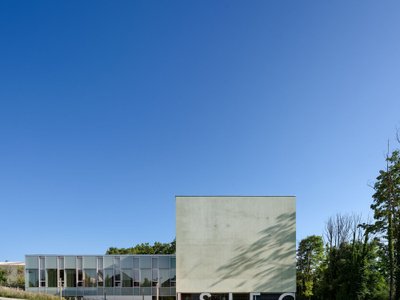
Franche-Comté Advanced School of Engineering by Dominique Coulon & associés, Besançon
A flexible engineering school immersed in woodland, combining concrete minimalism, adaptable spaces, and natural light to support evolving educational environments.


Documentation Work on Buddhist Wooden Temple
Architectural syncretism and cultural hybridity: A comparative study of the Buddhist temples in Chattogram Hill tracks


Explore Architecture Competitions
Discover active competitions in this discipline




The International Standard for Design Portfolios


The Global Benchmark for Architecture Dissertation Awards


The Global Benchmark for Graduation Excellence


Challenge to reimagine the Iron Throne
Comments (0)
Please login or sign up to add comments
No comments yet. Be the first to comment!